The best gravel rides around Melzo
4.4
(378)
2,640
riders
87
rides
Gravel biking around Melzo offers access to a diverse network of routes through the Lombardy region of Italy. The terrain features a mix of paved surfaces, unpaved segments, and dirt roads, providing varied gravel biking experiences. Cyclists can explore historical waterways such as the Martesana Canal and the Muzza Canal, which are often accompanied by riverside paths. The area also provides scenic views of the Bergamo Hills and traverses through Italian countryside characterized by woodlands.
Best gravel bike trails around Melzo
- The most popular gravel bike trail is View of the Bergamo Hills – Astino Monastery loop from Trecella, a 47.0 miles (75.6 km) difficult trail that takes 4 hours 38 minutes to complete. This route offers expansive views of the Bergamo Hills and passes by the Astino Monastery.
- Another top favourite among local gravel bikers is Martesana Canal – Groppello Water Wheel loop from Trecella, a moderate 26.2 miles (42.1 km) path. This trail follows the historic Martesana Canal and includes a notable stop at the Ruota Idraulica di Groppello, a historic water wheel.
- Local gravel bikers also love the Riverside Path Along the Muzza – Muzza Canal loop from Vignate, a 30.3 miles (48.8 km) trail leading through riverside paths along the Muzza Canal, often completed in about 2 hours 54 minutes.
- Gravel biking around Melzo is defined by historic canals like the Martesana and Muzza, riverside paths, and views of the Bergamo Hills. The network offers options for various ability levels, from moderate rides to more challenging excursions.
- The routes in Melzo are highly rated by the komoot community with an average score of 4.4 stars from over 200 reviews. More than 2,000 gravel bikers have used komoot to explore Melzo's varied terrain.
Last updated: October 6, 2026
4.5
(13)
82
riders
60.6km
03:42
140m
140m
Moderate gravel ride. Good fitness required. Mostly paved surfaces. Suitable for all skill levels.
4.1
(15)
115
riders
47.1km
02:38
250m
250m
Moderate gravel ride. Good fitness required. Mostly paved surfaces. Suitable for all skill levels.

4.1
(7)
58
riders
48.9km
02:54
100m
100m
Moderate gravel ride. Good fitness required. Mostly paved surfaces. Suitable for all skill levels.
5.0
(2)
40
riders
Hard gravel ride. Very good fitness required. Mostly paved surfaces. Suitable for all skill levels.
4.6
(86)
572
riders
101km
06:16
660m
660m
Hard gravel ride. Very good fitness required. Mostly paved surfaces. Suitable for all skill levels.
Get access to more routes and recommendations from other explorers.
Already have an account?
Our route recommendations are based on thousands of hikes, rides, and runs completed by other people on komoot.
Start today with a free account
Your next adventure awaits.
Tips from the Community

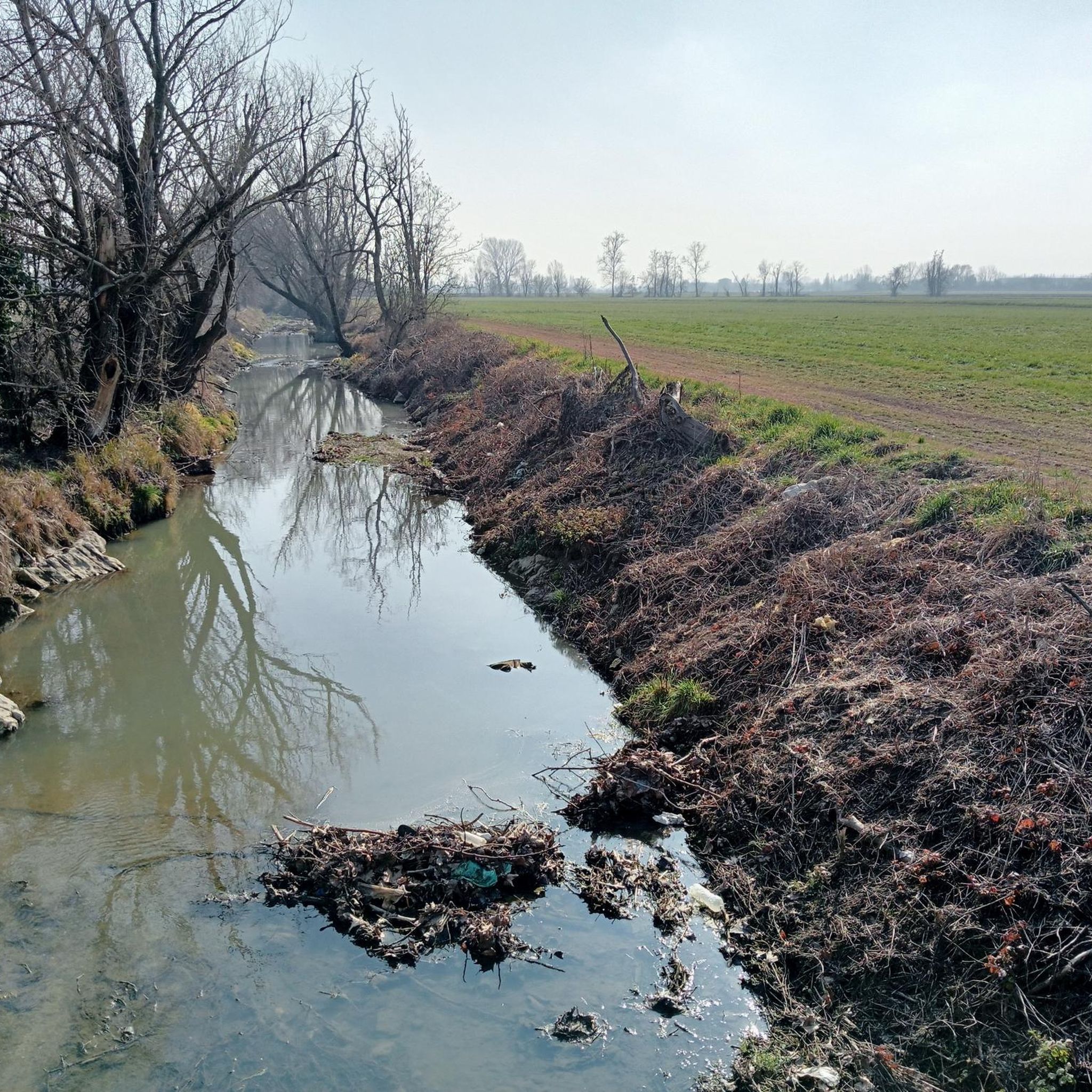
Trails and single tracks on the way there, immersed in nature.
0
0

proceed with caution and possibly on foot
0
0

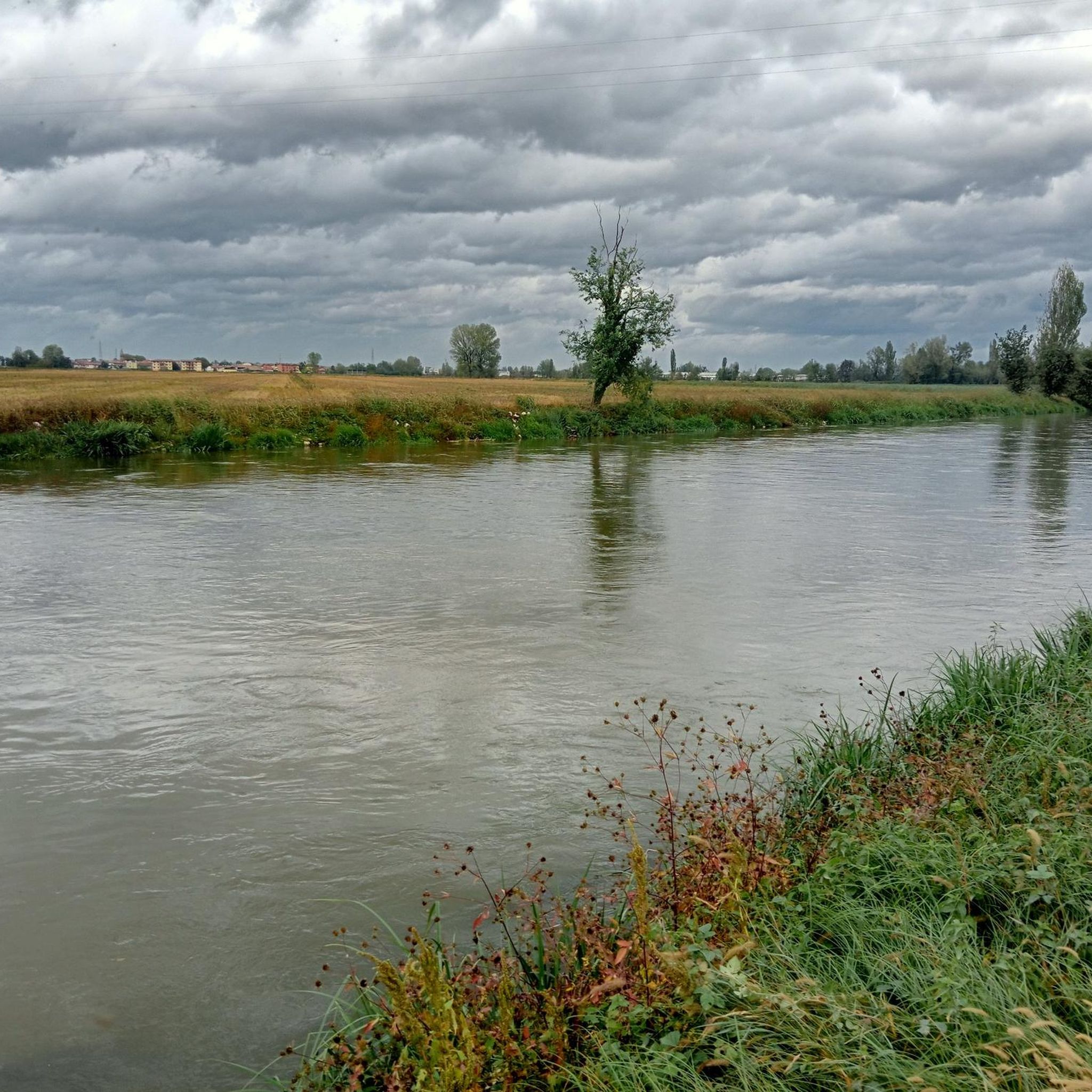
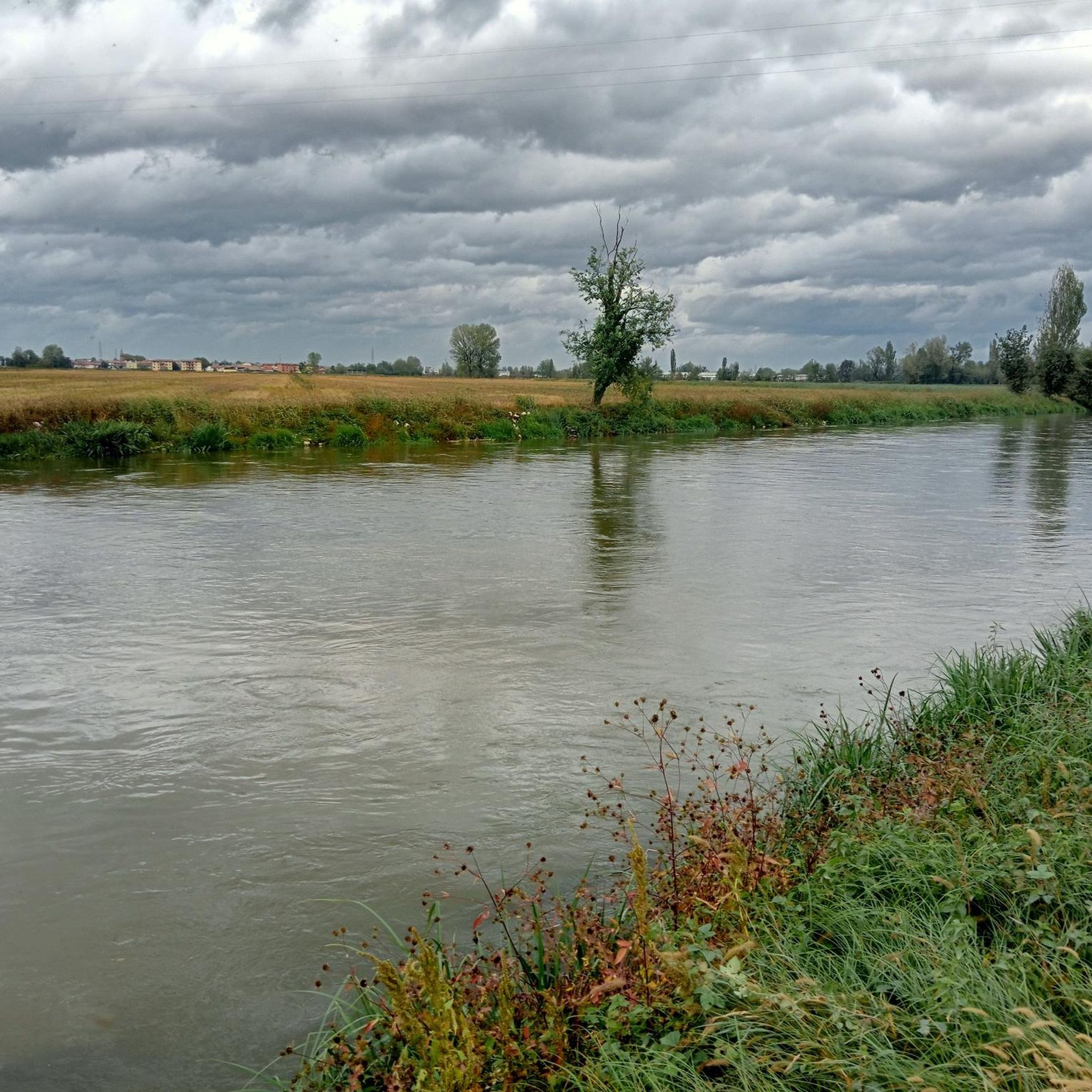
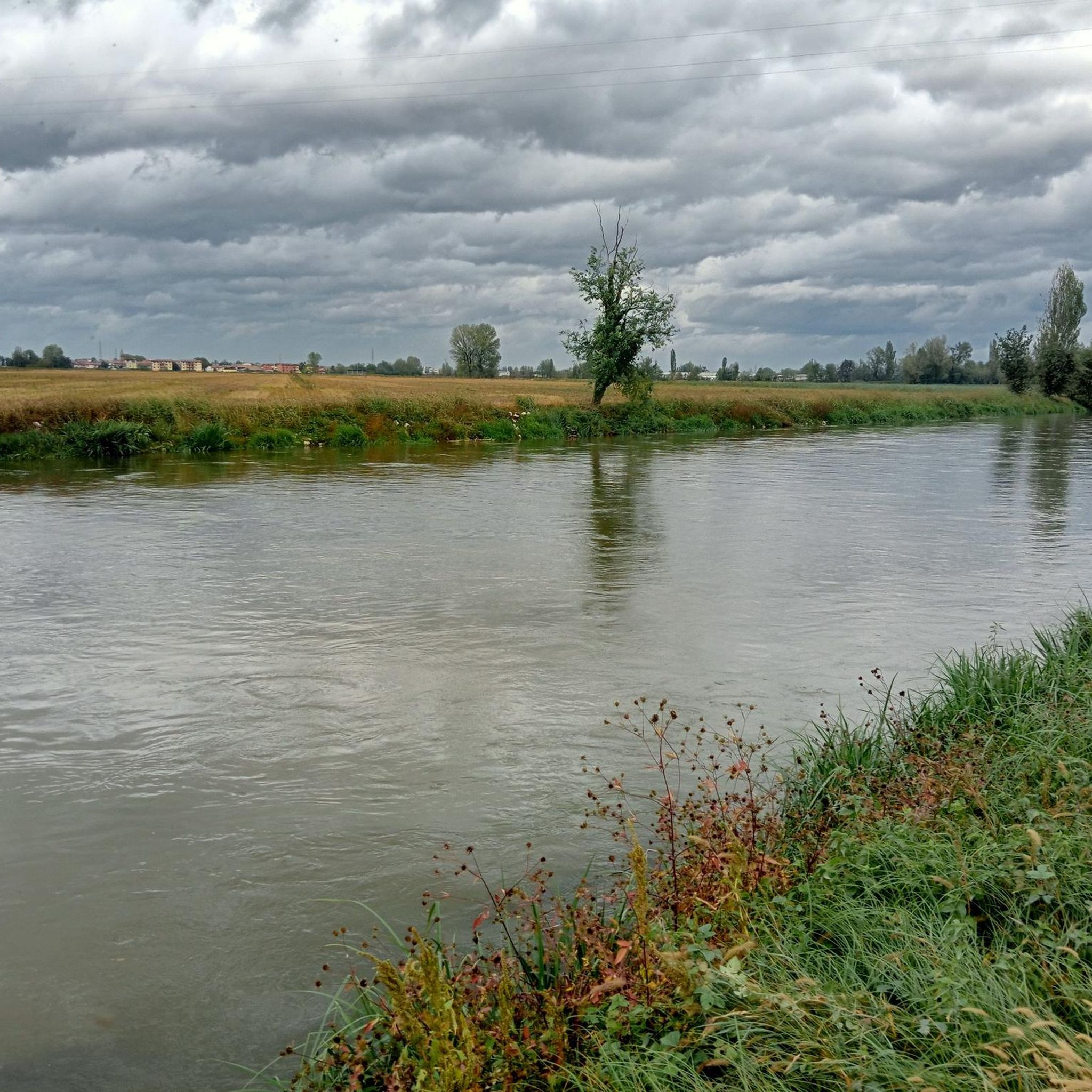
The Muzza Canal, also known as Canale della Muzza, originates near the Castle of Cassano d’Adda, where it draws water from the Adda River. After a course of about 39 km, it flows back into the Adda near Castiglione. Considered an important hydraulic engineering work at a European level, the Muzza Canal is among the oldest in Europe, with about 800 years of history, and is the largest in Northern Italy. Crossing the landscapes of the Po Valley, the canal contributes to the irrigation of the surrounding lands of the Lodi area and preserves precious patches of woodland vegetation, which characterize the Lombard territory. An ideal place to explore the beauty of nature and discover the agricultural history of the region!
1
0
The Muzza Canal, also known as Canale della Muzza, originates near the Castello di Cassano d’Adda, where it draws water from the Adda river. After a course of about 39 km, it flows back into the Adda near Castiglione. Considered an important hydraulic engineering work at a European level, the Muzza Canal is among the oldest in Europe, with about 800 years of history, and is the largest in Northern Italy. Crossing the landscapes of the Po Valley, the canal contributes to the irrigation of the surrounding lands of the Lodi area and preserves precious patches of woodland vegetation, which characterize the Lombard territory. An ideal place to explore the beauty of nature and discover the agricultural history of the region!
1
0
The Muzza Canal, also known as Canale della Muzza, originates near the Castle of Cassano d’Adda, where it draws water from the Adda River. After a journey of about 39 km, it flows back into the Adda near Castiglione. Considered an important hydraulic engineering work at a European level, the Muzza Canal is among the oldest in Europe, with about 800 years of history, and is the largest in Northern Italy. Crossing the landscapes of the Po Valley, the canal contributes to the irrigation of the surrounding lands of the Lodi area and preserves precious patches of woodland vegetation, which characterize the Lombardy region. An ideal place to explore the beauty of nature and discover the agricultural history of the region!
0
0

The section of the Naviglio Martesana cycle path between Bellinzago Lombardo and Inzago is a flat, entirely asphalted stretch without technical difficulties, ideal for cycle tourists of all levels. This specific rural fragment runs for about 3-4 kilometers along the Martesana canal in a protected area.
2
0
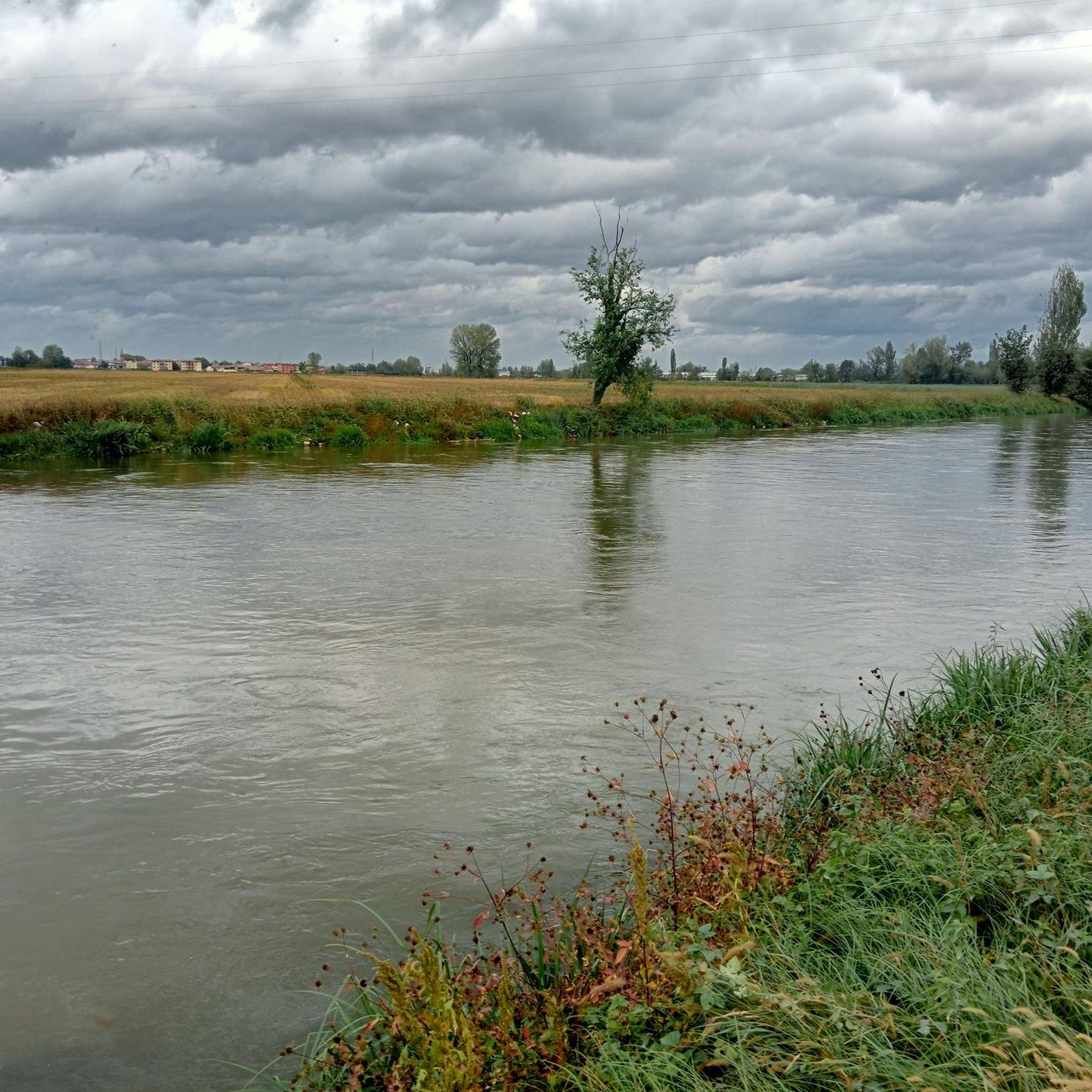
The Canale della Muzza is an important hydraulic work from the 12th-13th century that branches off the Adda river in Cassano d'Adda and extends for about 39 km to Castiglione d'Adda. It is one of the oldest and largest irrigation canals in Europe, fundamental for Lodi's agriculture, now also flanked by cycle paths.
1
0
The Muzza Canal is an important hydraulic work from the 12th-13th century that branches off the Adda river at Cassano d'Adda and extends for about 39 km to Castiglione d'Adda. It is one of the oldest and largest irrigation canals in Europe, fundamental for Lodi's agriculture, now also flanked by cycle paths.
2
0
Frequently Asked Questions
How many gravel bike trails are available around Melzo?
Melzo offers an extensive network of over 100 gravel biking routes. These routes cater to various skill levels, with options ranging from easy to difficult, ensuring there's a suitable ride for every cyclist.
What kind of terrain can I expect on gravel bike trails near Melzo?
The gravel bike trails around Melzo feature a diverse mix of terrain, including paved surfaces, unpaved segments, and dirt roads. You'll often find yourself cycling along historic waterways like the Martesana and Muzza Canals, as well as through woodlands and open Italian countryside, with occasional views of the Bergamo Hills.
Are there any family-friendly gravel bike routes in the Melzo area?
Yes, Melzo has several routes suitable for families. Many of the trails along the canals, such as the Martesana and Muzza, offer relatively flat and accessible paths. While specific 'easy' routes are available, it's always recommended to check the route details for distance and elevation to ensure it matches your family's comfort level.
What are some notable historical or natural attractions I can see along the gravel routes?
Many routes incorporate historical and natural points of interest. You can cycle along the historic Martesana Canal, which dates back to 1460. A particularly famous landmark is the Rudun Water Wheel in Groppello d'Adda, believed to have been designed by Leonardo da Vinci, which you can visit on the Martesana Canal – Groppello Water Wheel loop from Trecella. Additionally, some routes pass by impressive structures like the Castello di Peschiera Borromeo.
Are there any circular gravel bike routes around Melzo?
Yes, many of the gravel routes in the Melzo area are designed as loops, offering convenient circular journeys. For example, the Riverside Path Along the Muzza – Muzza Canal loop from Vignate is a popular circular option, as is the View of the Bergamo Hills – Astino Monastery loop from Trecella.
What is the best time of year for gravel biking in Melzo?
The Lombardy region generally offers pleasant conditions for gravel biking during spring and autumn, when temperatures are mild. Summer can be warm, especially in the open countryside, while winter might bring cooler temperatures and potentially wet conditions on unpaved sections. Always check the local weather forecast before heading out.
What do other gravel bikers enjoy most about the trails in Melzo?
The gravel biking routes around Melzo are highly rated by the komoot community, with an average score of 4.4 stars from over 200 reviews. Cyclists frequently praise the diverse terrain, the scenic views of the Bergamo Hills, and the opportunity to explore historic waterways like the Martesana and Muzza Canals. The blend of natural beauty and cultural landmarks is a common highlight.
Are there any long-distance or challenging gravel routes for experienced riders?
Yes, for experienced riders seeking a challenge, there are several difficult routes exceeding 75 km. The Muzza Canal Riverside Path – Castello di Peschiera Borromeo loop from Pozzuolo Martesana is a challenging 100 km route, and the View of the Adda River loop from Trecella offers another demanding ride of over 100 km with significant elevation changes.
Can I bring my dog on the gravel bike trails in Melzo?
While many trails in natural areas are generally dog-friendly, it's always best to check local regulations, especially when cycling along canals or through protected areas. Ensure your dog is well-behaved, on a leash where required, and that you carry waste bags. Some routes might be more suitable for dogs than others due to terrain or proximity to roads.
Are there any routes that offer views of the Bergamo Hills?
Absolutely. Several routes provide picturesque views of the Bergamo Hills. A prime example is the View of the Bergamo Hills – Astino Monastery loop from Trecella, which is specifically designed to showcase these scenic backdrops.
What kind of natural features define the gravel biking experience in Melzo?
The natural landscape around Melzo is characterized by its extensive network of waterways, including the historic Martesana and Muzza Canals, and the nearby Adda River. These provide numerous riverside paths. You'll also encounter serene woodlands and open countryside, with the distant Bergamo Hills often forming a scenic backdrop.
Most popular attractions around Melzo

Get inspired with the komoot mobile app


Explore more
Browse the best Gravel rides in other regions.
