The best gravel rides around Milano
4.4
(310)
2,585
riders
66
rides
Gravel biking around Milano offers diverse terrain, from flat canal paths to rolling hills and river parks. The region is characterized by extensive networks of dirt roads along the Navigli canals and through natural areas like the Ticino Park and Parco Regionale Adda Sud. Further afield, the Brianza area provides varied terrain with ascents and descents, while proximity to the Pre-Alps hints at more challenging routes. These landscapes provide a range of gravel cycling routes near Milan suitable for various skill levels.
Best gravel bike trails around Milano
- The most popular gravel bike trail is Lura Park and Groane Park - Gravel ride, a 55.6 miles (89.5 km) trail that takes 3 hours 55 minutes to complete. This route navigates through two regional parks, offering varied gravel paths and natural scenery.
- Another top favourite among local gravel bikers is Between the Lambro and the Adda - Gravel ride, a difficult 66.7 miles (107.3 km) path. This route explores the plains between two significant rivers, featuring extensive gravel tracks and open countryside.
- Local gravel bikers also love the Brianza and Adda - Gravel Ride, a 71.4 miles (114.9 km) trail leading through the rolling hills of Brianza and along the Adda river, often completed in about 8 hours 34 minutes.
- Gravel biking around Milano is defined by canal-side paths, river parks, and rolling hills. The network offers options for different ability levels, from flat, scenic rides to more challenging routes with varied elevation.
- The routes in Milano are highly rated by the komoot community with an average score of 4.2 stars from over 300 reviews. More than 3,000 gravel bikers have used komoot to explore Milano's varied terrain.
Last updated: October 6, 2026
4.3
(19)
114
riders
89.4km
03:56
340m
340m
Hard gravel ride. Good fitness required. You may need to push your bike for some segments of this route.
4.4
(5)
79
riders
107km
08:05
190m
190m
Hard gravel ride. Very good fitness required. You may need to push your bike for some segments of this route.

4.3
(7)
50
riders
115km
08:04
870m
870m
Hard gravel ride. Very good fitness required. Mostly paved surfaces. Suitable for all skill levels.
27
riders
100km
07:18
150m
150m
Hard gravel ride. Very good fitness required. You may need to push your bike for some segments of this route.
5
riders
140km
10:03
290m
290m
Hard gravel ride. Very good fitness required. You may need to push your bike for some segments of this route.
Get access to more routes and recommendations from other explorers.
Already have an account?
Our route recommendations are based on thousands of hikes, rides, and runs completed by other people on komoot.
Start today with a free account
Your next adventure awaits.
Popular around Milano
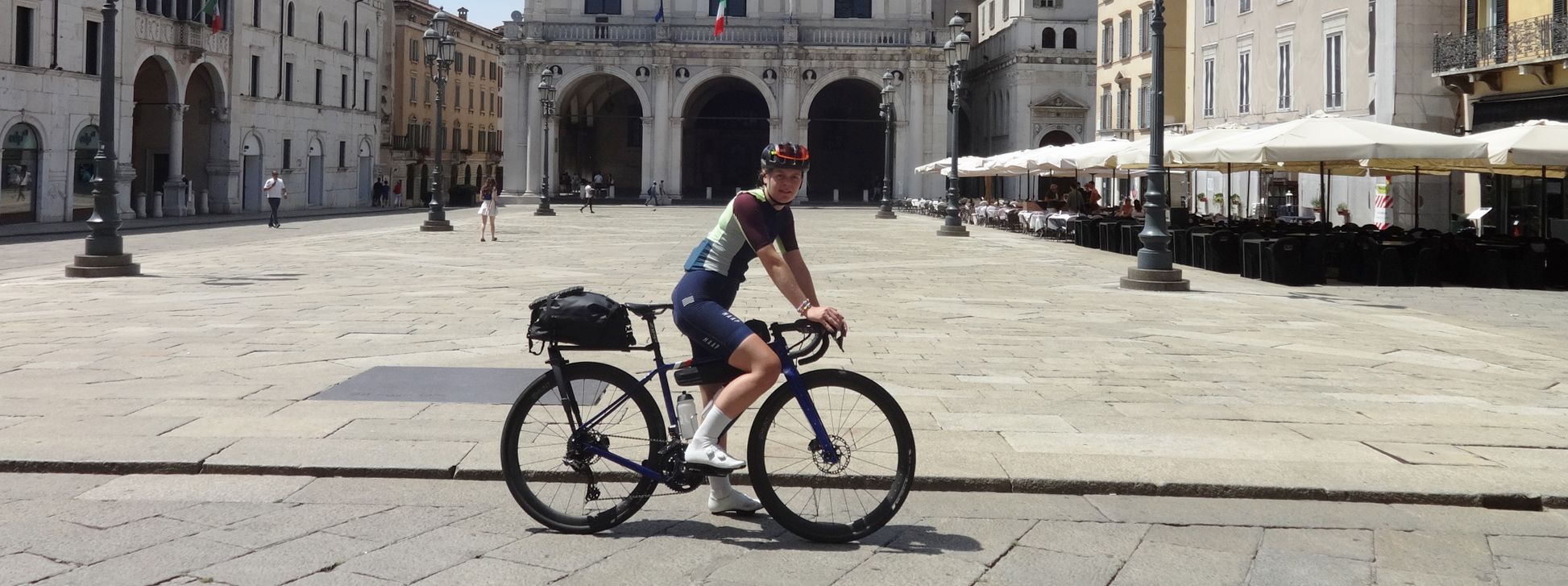
The Pizza Pilgrimage – Milan to Naples, fuelled by pizza
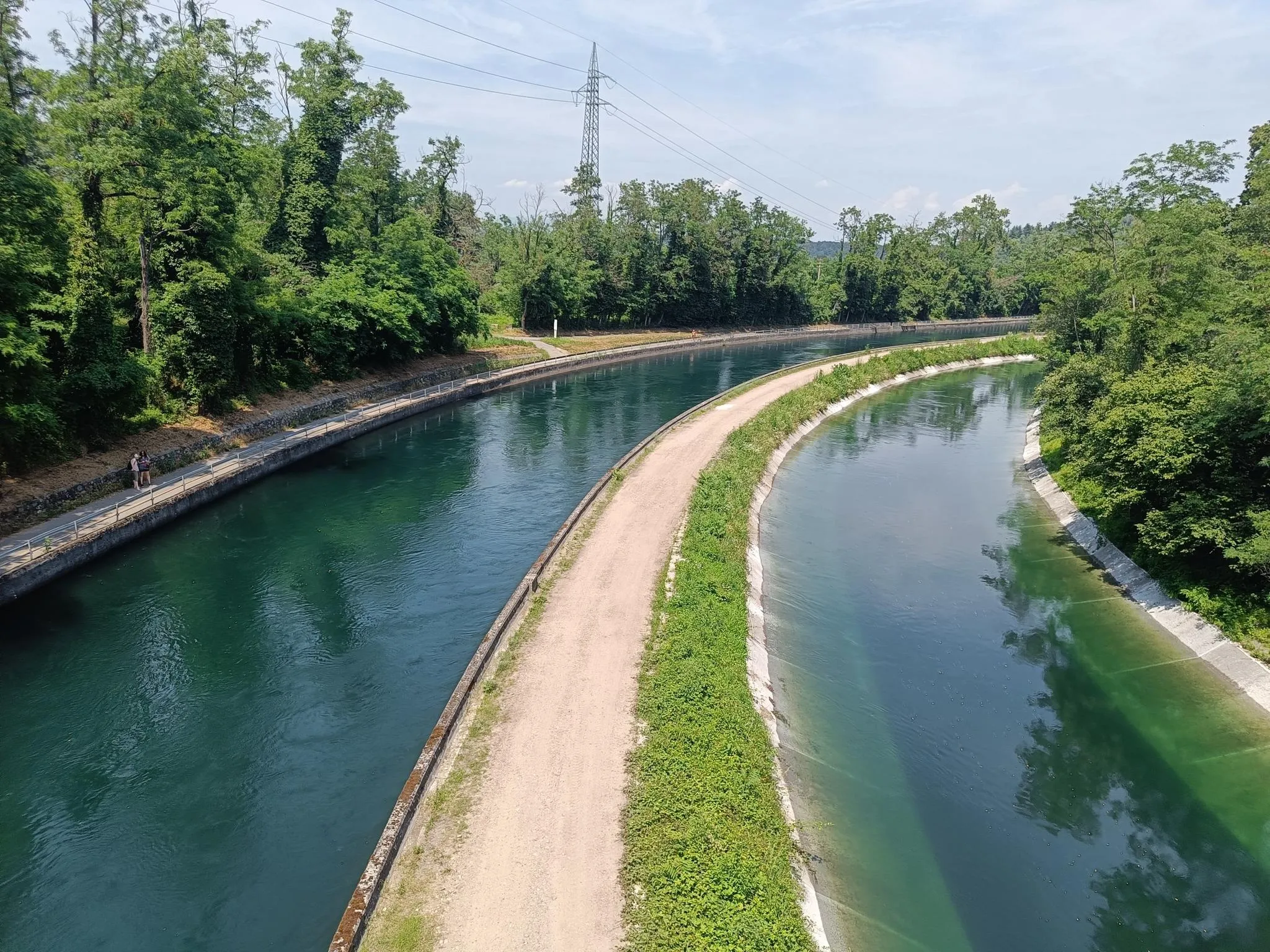
Pedal along water – loop from Milan to Lake Maggiore
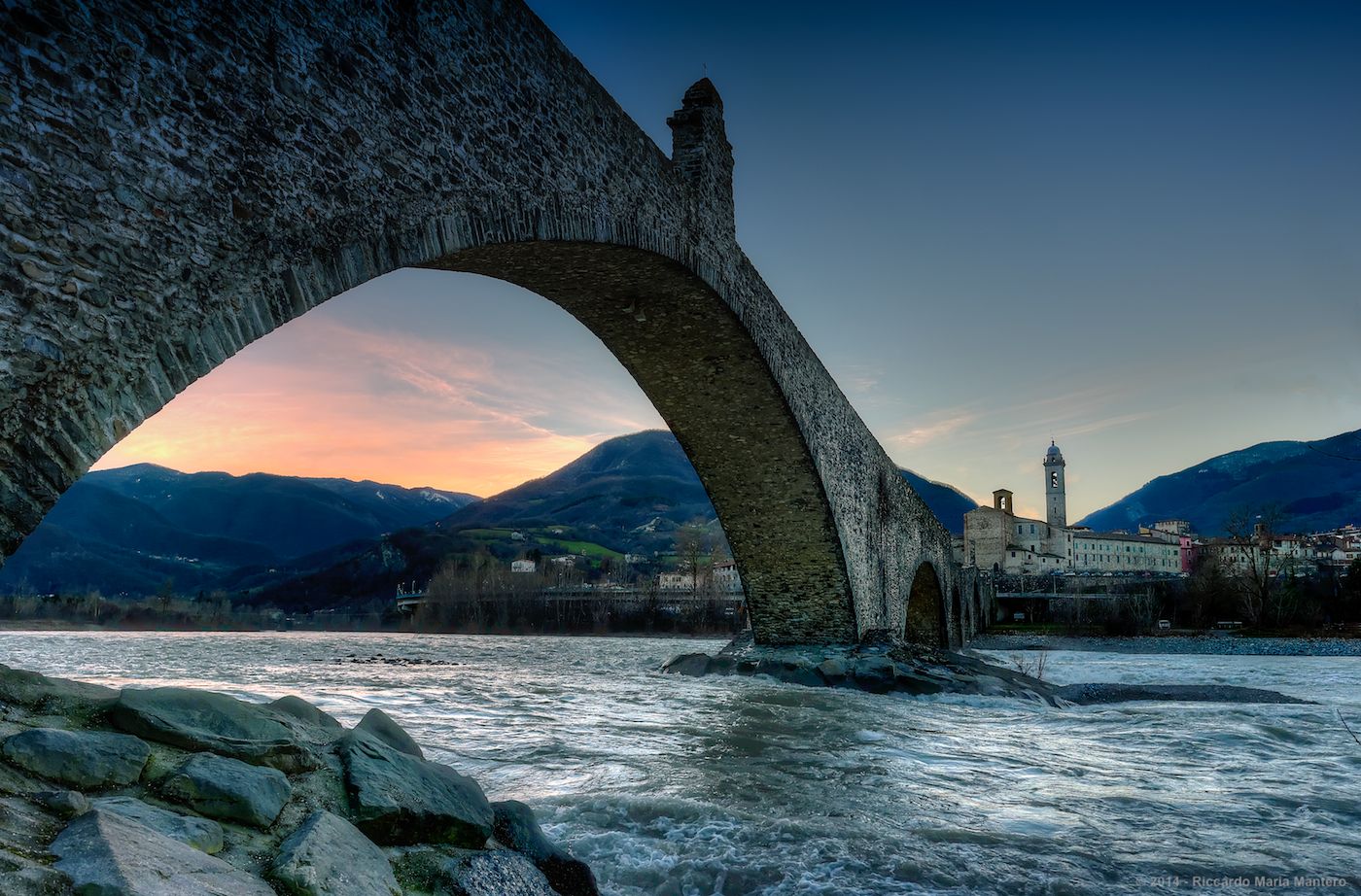
Hike from Milan to the sea – Path of the Celts and Ligurians
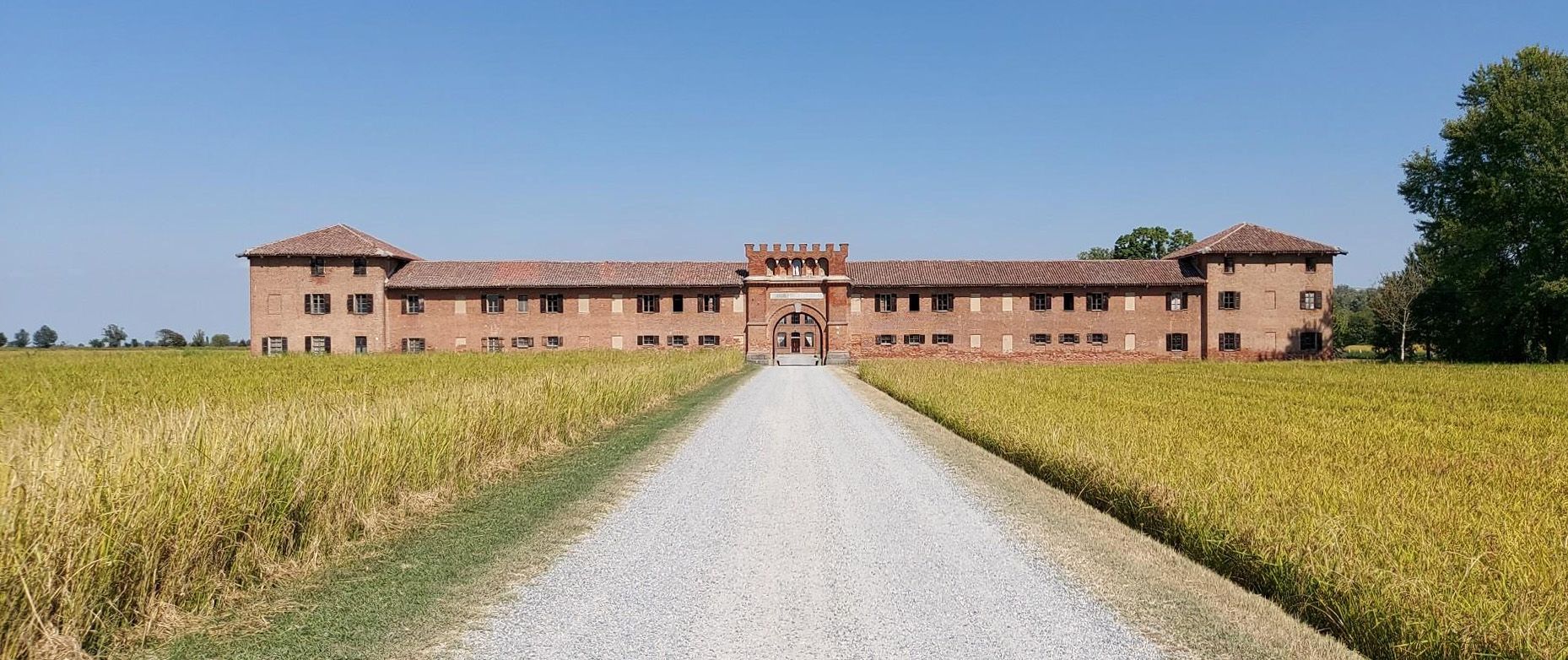
Away with the train – cycle paths within an hour of Milan
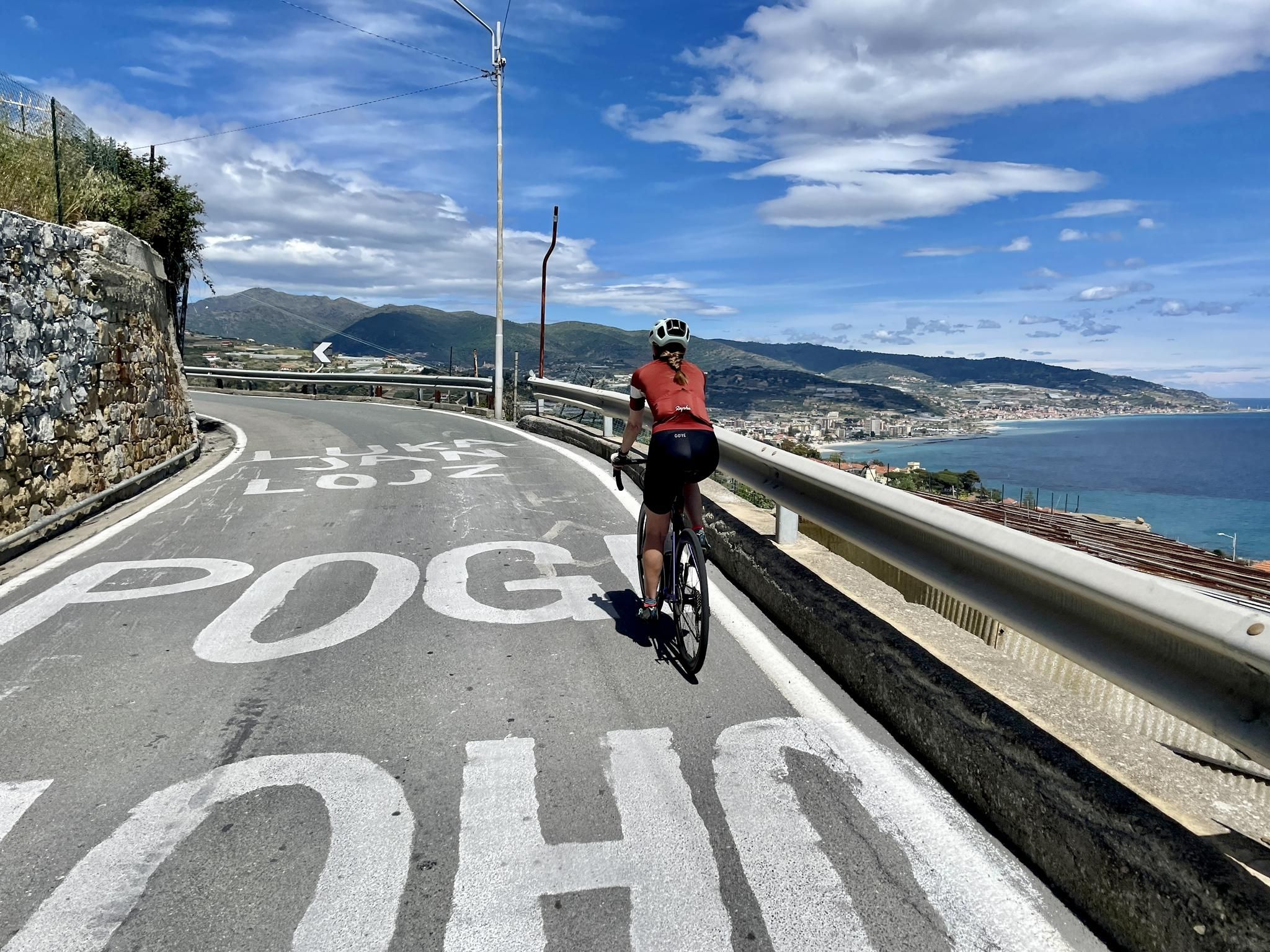
La Classicissima – cycling the Milan-San Remo
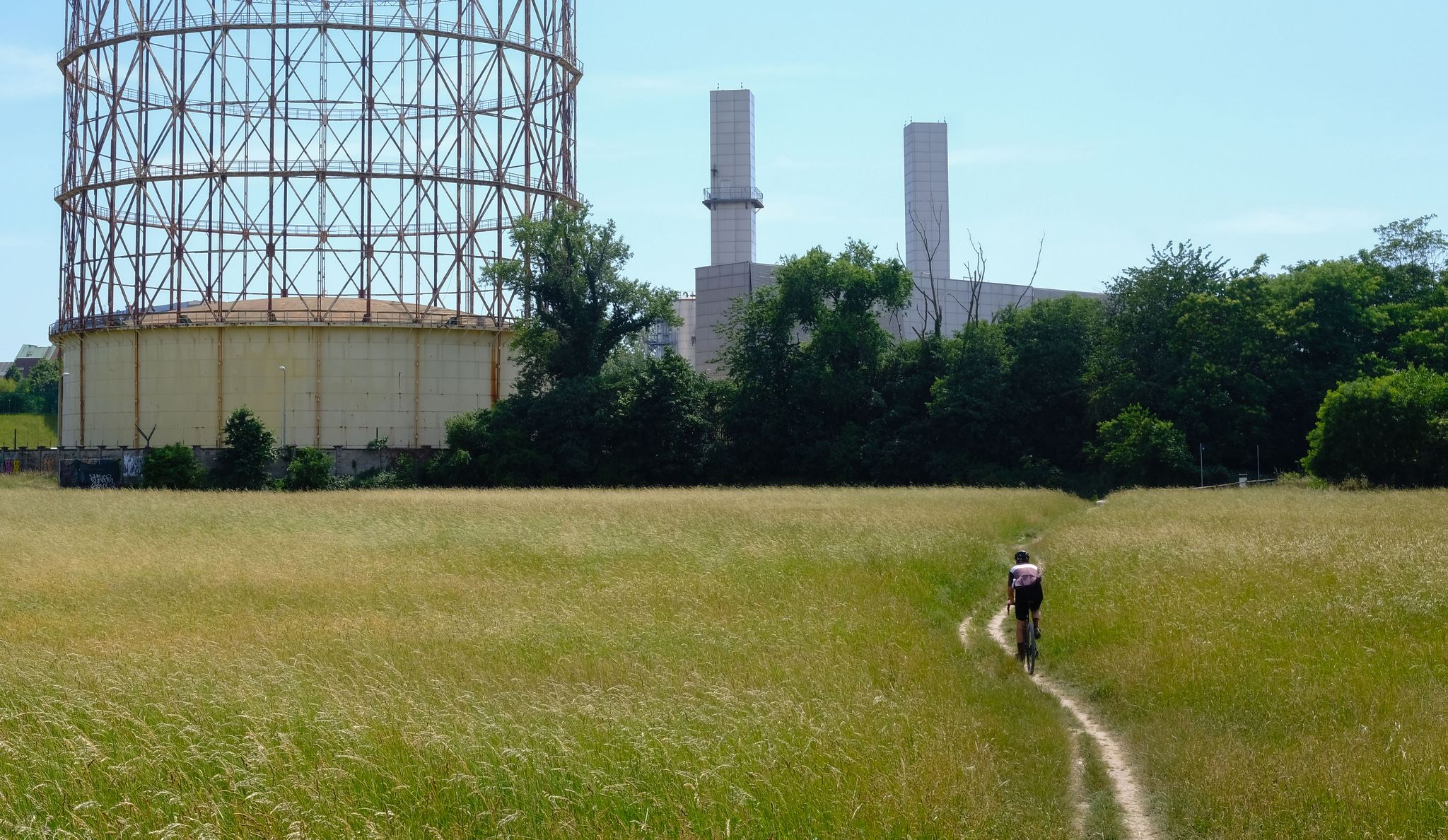
Escape from Milan – bike, mud, gravel and cows
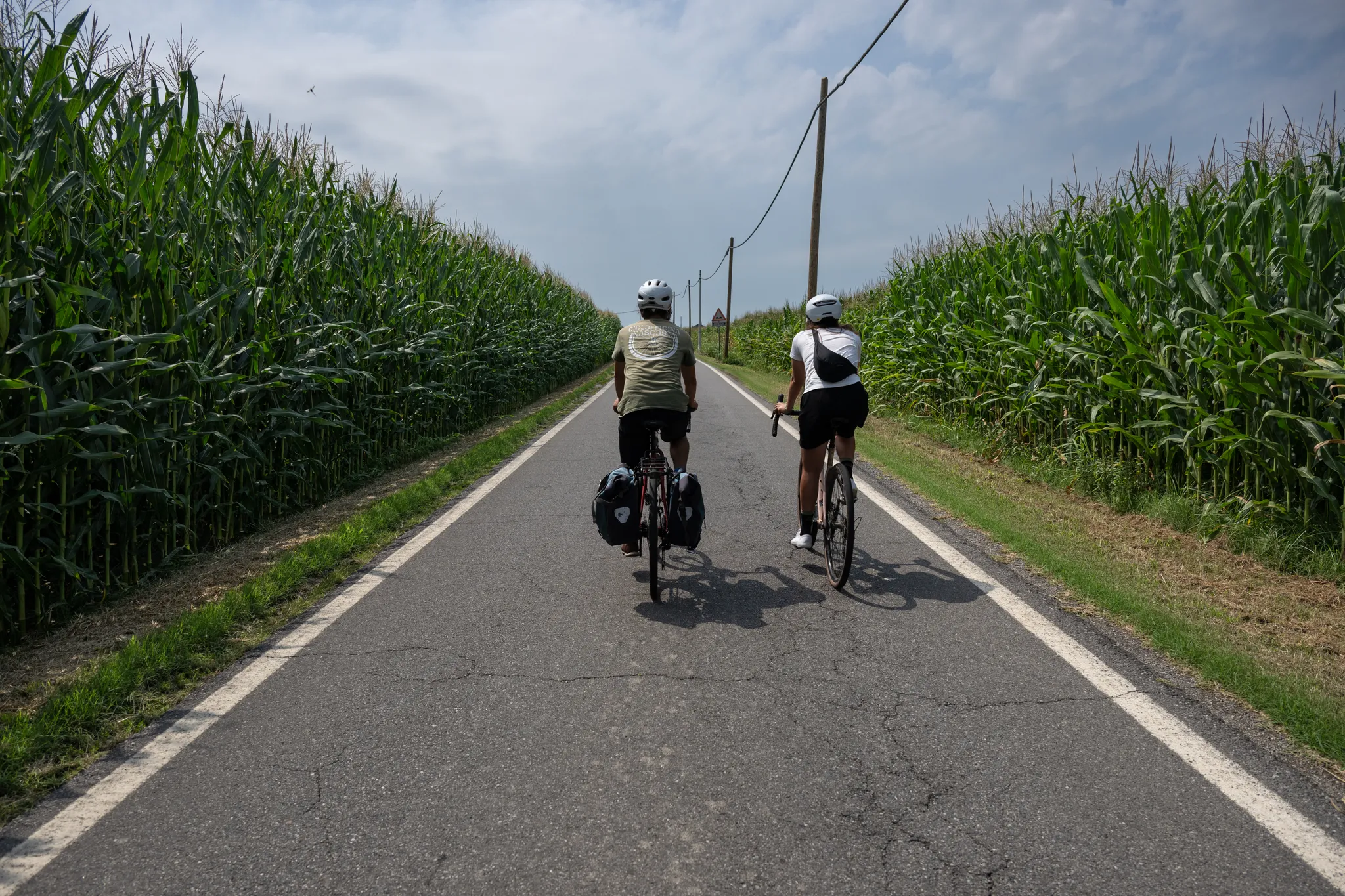
Gran Milano Bike Hub – itinerari tra Milano, Monza, Brianza e Lodi
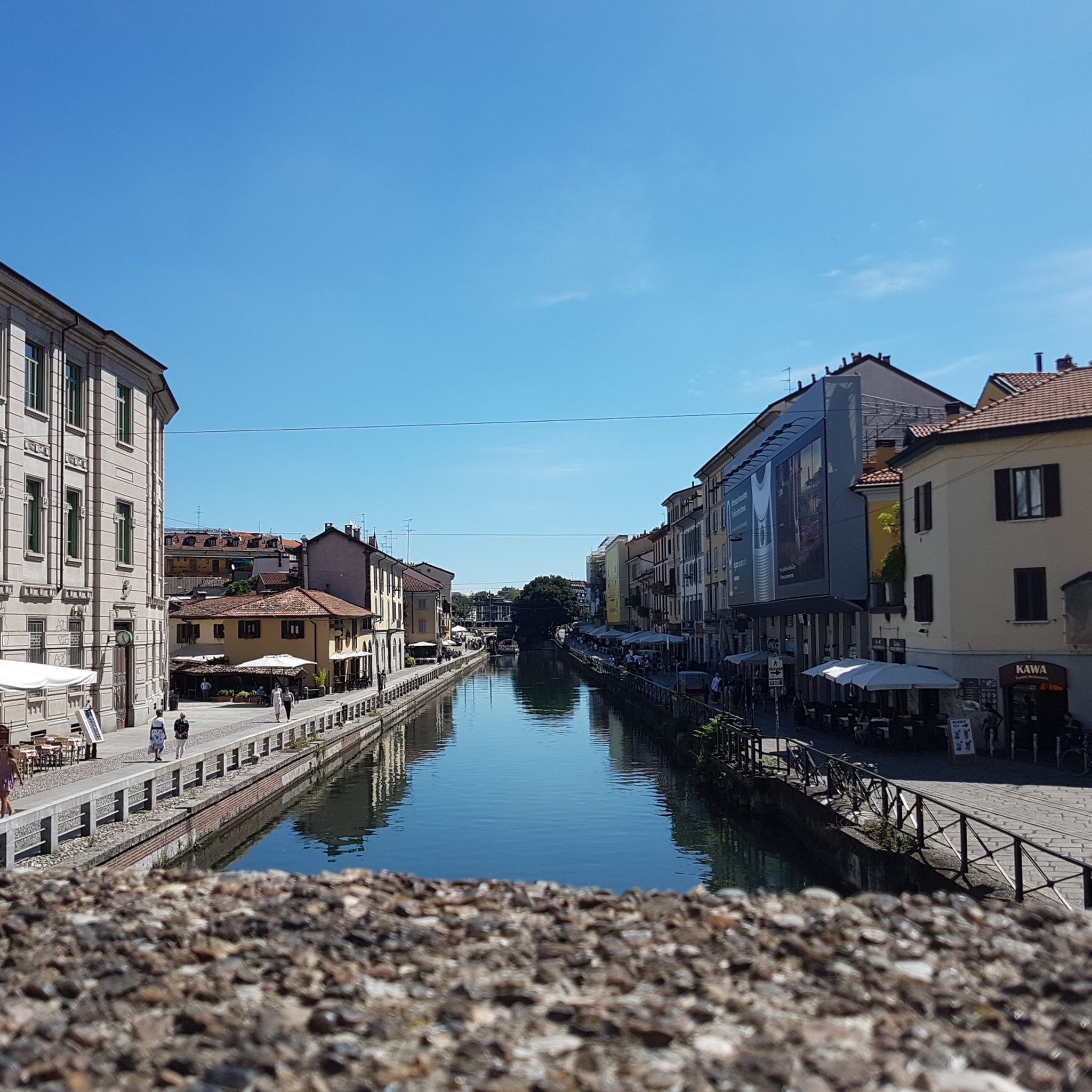
Hiking around Milano
Other adventures around Milano


Tips from the Community

The Parco delle Groane e della Brughiera Briantea is an immense protected natural area in Lombardy that extends for about 8,249 hectares in the upper Lombardy plain, touching 28 or 29 municipalities distributed among the provinces of Milan, Como, and Monza and Brianza. [1, 2, 3, 4] Originally established in 1976, the park has doubled its surface area in recent years thanks to the incorporation of the PLIS della Brughiera Briantea and the Fontana del Guercio Nature Reserve. The term "groane" derives from the local historical name for heathlands, which here represent one of the southernmost heathlands in Europe.
0
0
The Cathedral with the Clock Tower occupies the east side of Piazza della Vittoria, and the facades of houses and palaces frame its facade. The square, as a civic and religious center, as we see it today, was formed in different periods. The construction site of the Duomo was organized according to the methods of the time, i.e. by tracing the perimeter directly on the ground and then starting with the construction of the apse area. The so-called "stepped" facade suggests the division of the internal space, in which the central nave is higher and wider than the two side aisles. In the center of the facade, in the upper part, is the aedicule containing a bronze copy of the statue of San Bassiano, the original in copper and gold patina is kept inside the main nave of the cathedral. The central part of the facade is occupied by the rose window which, besides being a typically decorative element, allows for good internal lighting.
0
0
The sanctuary stands on an ancient spring believed to be miraculous. In 1506, Charles II d’Amboise, governor of Milan under French rule, ordered the construction of the sanctuary after receiving a prodigious healing: the building became one of the most important health structures in the city, along with the Lazzaretto and Ca’ Granda, whose floor plan it adopted. The architecture, with its classical and Renaissance influences, was long attributed even to the hand of Leonardo and then Bramante; today it is believed to be the work of Giovanni Antonio Amadeo, an architect highly regarded at the time and also active in the Milan Cathedral, Santa Maria delle Grazie, and the Certosa di Pavia. Characterized by a sober yet elegant architecture, a reflection of the highest Lombard solutions of Renaissance harmony and grace, the complex preserves precious 16th and 17th-century frescoes in its arcaded courtyards.
0
0
Around the rose window and the slopes of the roof, the decoration with interwoven arches and polychrome majolica cups of Byzantine derivation is to be observed. Below the rose window, two Renaissance stone windows have been created. The "candelabra" columns and the side coats of arms refer to the motifs of humanistic culture. The most characteristic element of this facade is the protiron. In the lunette above the portal are depicted the Redeemer, the crowned Madonna, and Saint Bassiano imploring. On the pilasters of the horizontal architrave are depicted Adam and Eve and, below, two other figures that recall the vices of man. The portal is framed by spiral columns, and the decorations surrounding the portal arch consist of naturalistic decorative motifs derived from the Lombard school, with shoots, spirals, and aquatic plant leaves. Finally, the small roof that frames and shelters the portal is supported by stylophoric lions.
0
0

always very fun to cycle on these dirt roads!!
2
0

Fondazione Prada is a cultural institution created by Miuccia Prada and Patrizio Bertelli in 1993. Believing that culture is useful and necessary, as well as attractive and engaging, Fondazione Prada offers an experimental and multidisciplinary program that includes temporary exhibitions, film screenings, conferences, and music and performance projects.
1
0
A long and very varied cycle path with diverse environments and points of interest along the route, where the initial part runs through Leonardo's Adda ecomuseum, places where Leonardo da Vinci designed and carried out several hydraulic experiments with the river. The cycle-pedestrian path winds alongside the Adda river between Cassano d’Adda and Lecco, mainly on wide dirt roads. During the route, we will have the opportunity to see monumental works and world heritage sites such as the Edison and Enel hydroelectric dams, Crespi d’Adda, the locks designed by Leonardo and his ferry, a revolutionary hydromechanical work for its time. In the final stretch, we will skirt the lakes of Olginate and Garlate and important natural areas, finally reaching the center of Lecco for a snack or a coffee.
1
0
Montevecchia is a charming village suspended between Milan, Brianza and the Lecco Prealps. It stands at an altitude of almost 500 meters and overlooks the almost 3000 hectares of the Montevecchia and Curone Valley Regional Park, where the famous Pyramids, mysterious rock formations, emerge.
1
0
Frequently Asked Questions
How many gravel bike trails are available around Milano?
The Milano region offers a vast network for gravel biking, with over 130 routes available on komoot. These range from easy canal-side paths to more challenging rides through rolling hills and river parks, catering to various skill levels.
What kind of terrain can I expect on gravel bike trails near Milano?
You'll find diverse terrain, from flat, scenic paths along the Navigli canals and through river parks like the Ticino Park and Parco Regionale Adda Sud, to rolling hills in areas like Brianza. Some routes also hint at the more challenging landscapes of the nearby Pre-Alps, offering varied ascents and descents.
Are there any easy gravel bike routes suitable for beginners or families?
Yes, many routes along the canals and through regional parks offer relatively flat and easy gravel paths, perfect for beginners or family outings. These areas provide extensive car-free networks, allowing for a relaxed and scenic ride through the Lombard countryside.
What are some popular longer-distance gravel rides around Milano?
For those seeking longer adventures, routes like From Milan to Pavia on dirt road - Loop tour offer extensive gravel tracks, often following river paths for significant distances. Another option is the Gravel ride along the Ticino, which explores the beautiful Ticino Park.
What do other gravel bikers say about the trails in Milano?
The gravel biking routes around Milano are highly regarded by the komoot community, with an average rating of 4.2 stars from over 300 reviews. Many riders praise the diverse terrain, from quiet canal paths to challenging hill climbs, and the well-maintained gravel tracks that make for an enjoyable experience.
Can I find routes that pass through scenic viewpoints or natural attractions?
Absolutely. Many gravel routes in the Milano area are designed to showcase the region's natural beauty. You can find trails that offer views of the Adda and Lambro rivers, or pass through lush regional parks. While not directly on the gravel routes, the nearby Italian Lake District (Lake Como, Lake Iseo, Lake Maggiore) offers stunning backdrops and can be incorporated into longer trips.
Are there any historical landmarks or castles I can visit along the gravel routes?
Yes, the region around Milano is rich in history. Some routes may pass near historical sites or castles. For example, you might find yourself close to the Royal Villa of Monza or the Castello di Peschiera Borromeo. The famous Sforza Castle is also a prominent landmark in Milan itself.
What is the best season for gravel biking around Milano?
Spring and autumn generally offer the most pleasant conditions for gravel biking in Milano, with mild temperatures and beautiful scenery. Summer can be warm, especially in the open plains, while winter rides are possible but may require appropriate gear for cooler temperatures and potentially muddy sections.
Are there any routes that are less crowded for a more peaceful ride?
To find less crowded routes, consider exploring the extensive networks within larger regional parks like Ticino Park or Parco Regionale Adda Sud, especially on weekdays. While popular routes can see more traffic, the sheer number of available paths means you can often find quieter sections away from the main hubs.
Are there any lakes or water features accessible by gravel bike near Milano?
Many gravel routes follow the Navigli canals and rivers like the Adda and Ticino, providing beautiful waterside cycling. While the major Italian lakes (Como, Garda, Iseo, Maggiore) are a bit further, some regional parks closer to Milan feature smaller lakes or water bodies, such as Niguarda Lake in Parco Nord Milano or the Idroscalo of Milan, which can be part of a gravel adventure.
Can I find gravel routes that are loops or circular tours?
Yes, many gravel routes around Milano are designed as loops, allowing you to start and end at the same point. This is particularly common for routes exploring regional parks or connecting different towns via canal paths and country roads, offering convenient circular tours.
Are there opportunities to stop at cafes or pubs along the gravel trails?
Many gravel routes, especially those passing through charming small towns or along popular canal paths, offer opportunities to stop at local cafes, trattorias, or pubs. These stops provide a chance to experience local culture and cuisine, making for a more enjoyable and leisurely ride.
Most popular routes around Milano
Most popular attractions around Milano

Get inspired with the komoot mobile app


Explore more
Browse the best Gravel rides in other regions.
