The best traffic-free bike rides around Milano
4.1
(1711)
29,227
riders
93
rides
No traffic road cycling routes around Milano offer a diverse landscape for cyclists. The region is characterized by its historic canal systems, such as the Navigli, which provide mostly flat and scenic paths. Expansive agricultural parks surround the city, featuring rural landscapes and green environments. Towards the north, pre-Alpine foothills offer more challenging terrain and panoramic views.
Best no traffic road cycling routes around Milano
- The most popular no traffic road cycling route is Martesana Cycle Path – Martesana Canal…
Last updated: May 19, 2026
4.3
(12)
250
riders
81.7km
03:20
170m
170m
Moderate road ride. Good fitness required. Mostly well-paved surfaces and easy to ride.
4.6
(5)
284
riders
81.1km
03:14
140m
140m
Moderate road ride. Good fitness required. Mostly well-paved surfaces and easy to ride.

Sign up for free
4.1
(34)
249
riders
23.4km
01:00
50m
50m
Easy road ride. Great for any fitness level. Mostly well-paved surfaces and easy to ride.
4.4
(39)
249
riders
Easy road ride. Great for any fitness level. Mostly well-paved surfaces and easy to ride.
4.7
(27)
225
riders
29.8km
01:27
90m
90m
Moderate road ride. Great for any fitness level. Some segments of this route may be unpaved and difficult to ride.
Get access to more routes and recommendations from other explorers.
Sign up for free
Already have an account?
Our route recommendations are based on thousands of hikes, rides, and runs completed by other people on komoot.
Start today with a free account
Your next adventure awaits.
Login or Signup
Popular around Milano
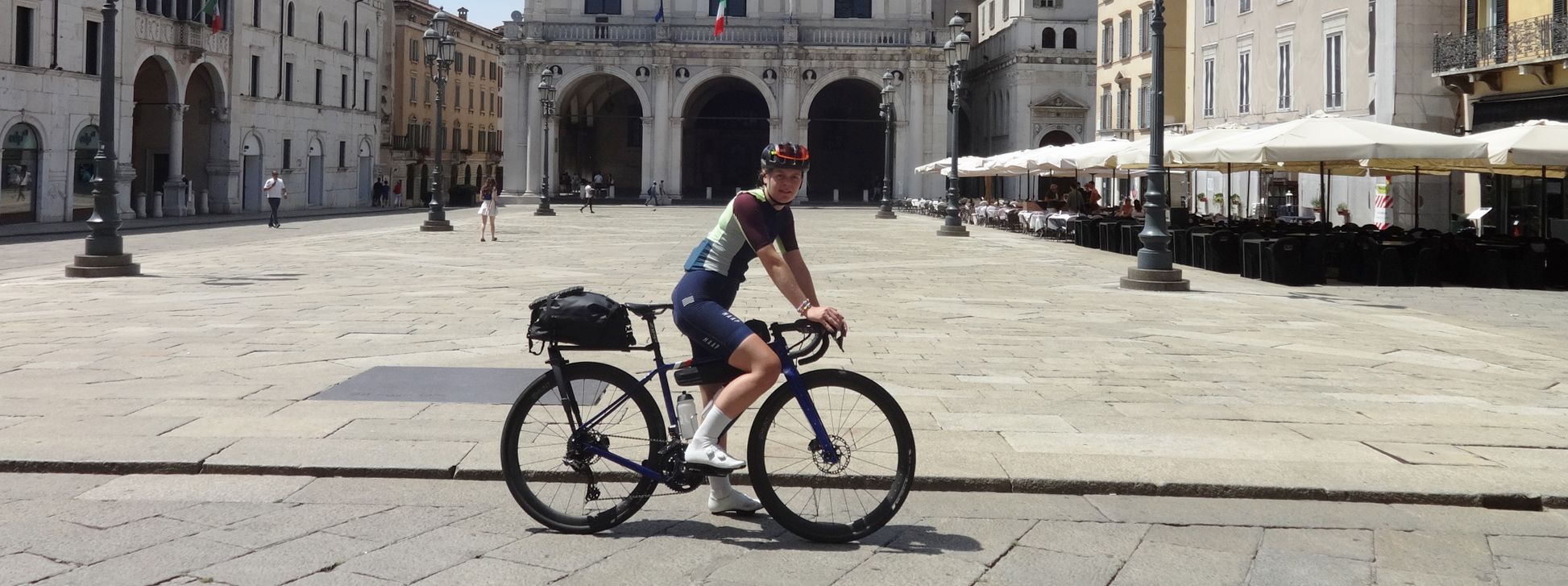
The Pizza Pilgrimage – Milan to Naples, fuelled by pizza
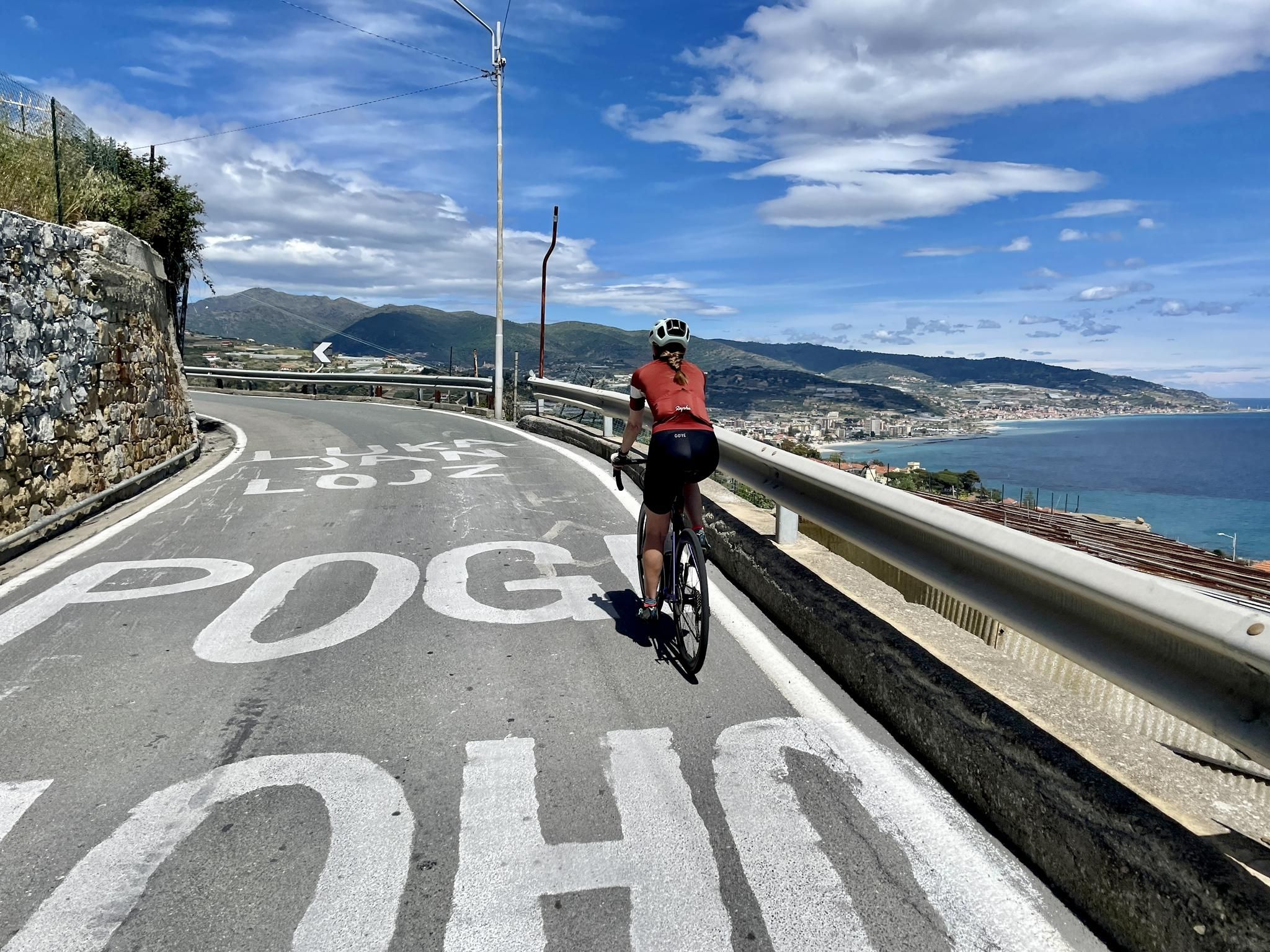
La Classicissima – cycling the Milan-San Remo
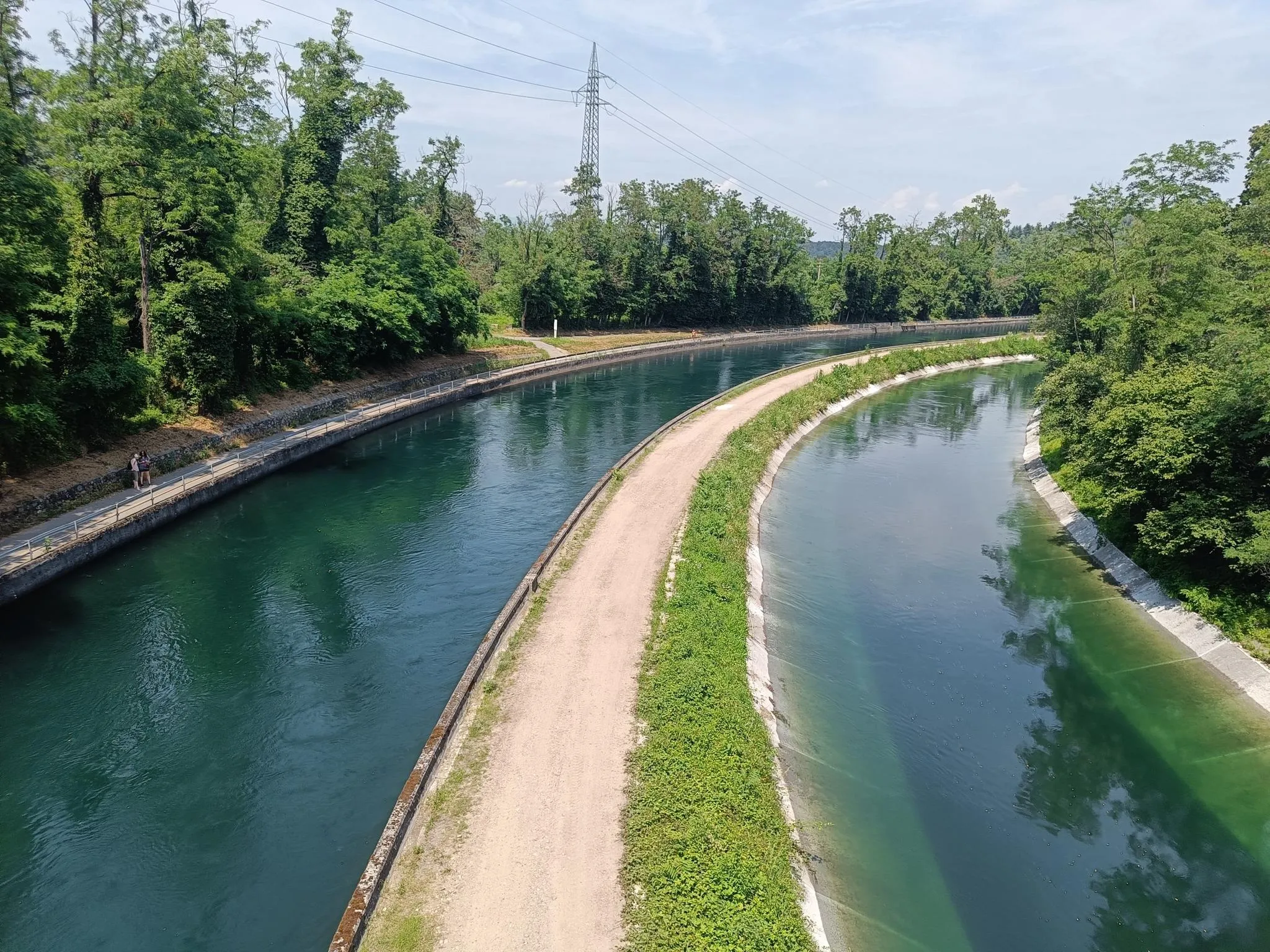
Pedal along water – loop from Milan to Lake Maggiore
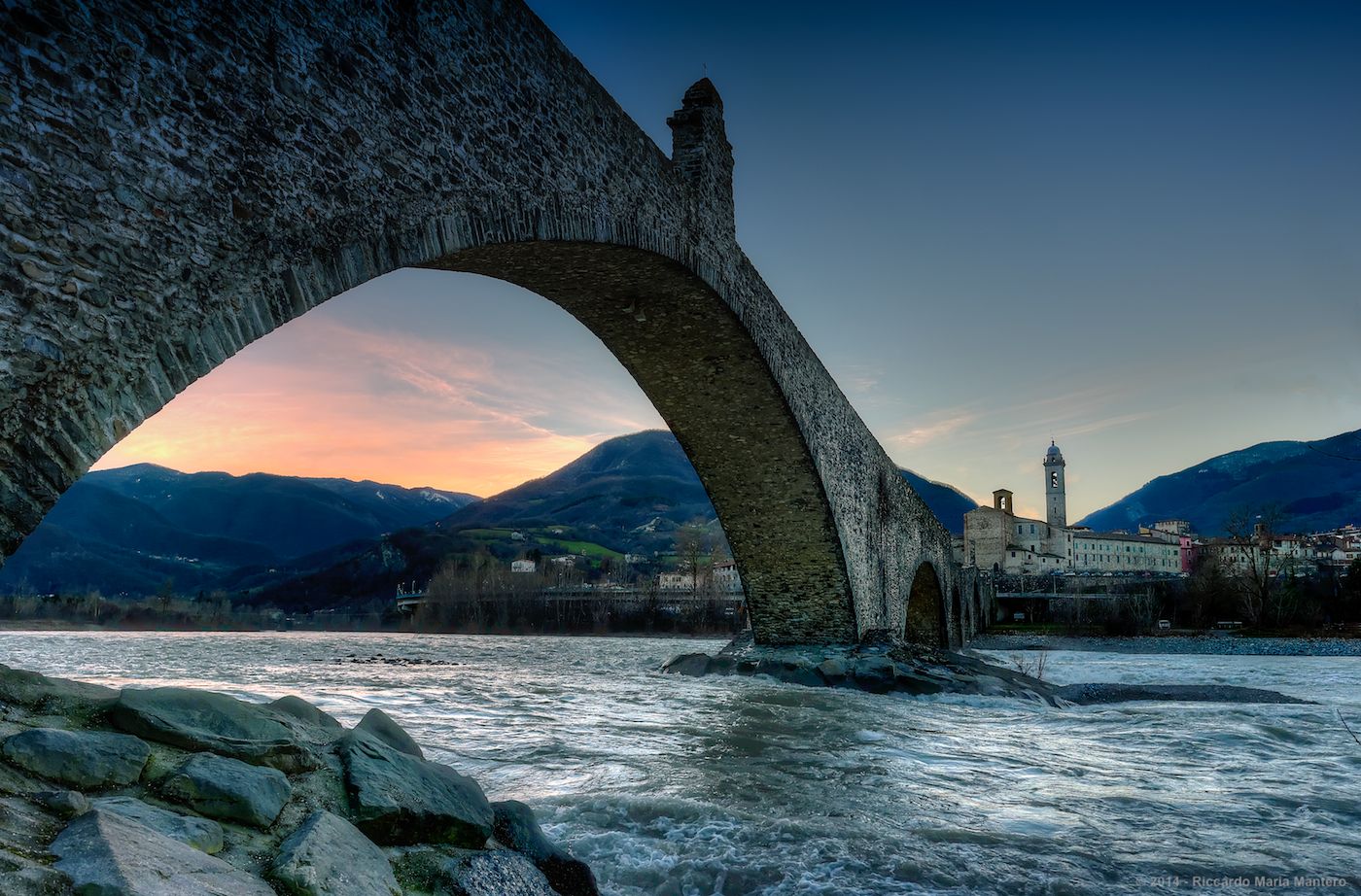
Hike from Milan to the sea – Path of the Celts and Ligurians
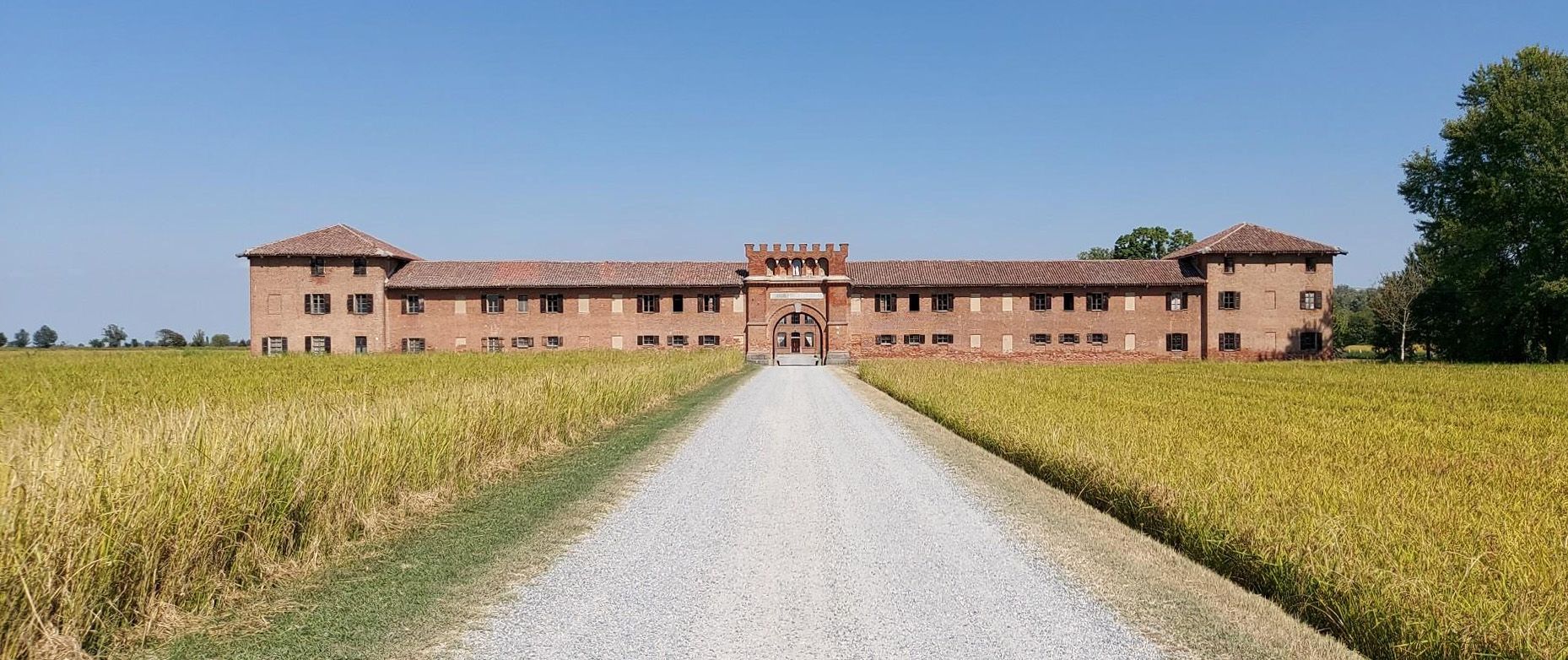
Away with the train – cycle paths within an hour of Milan
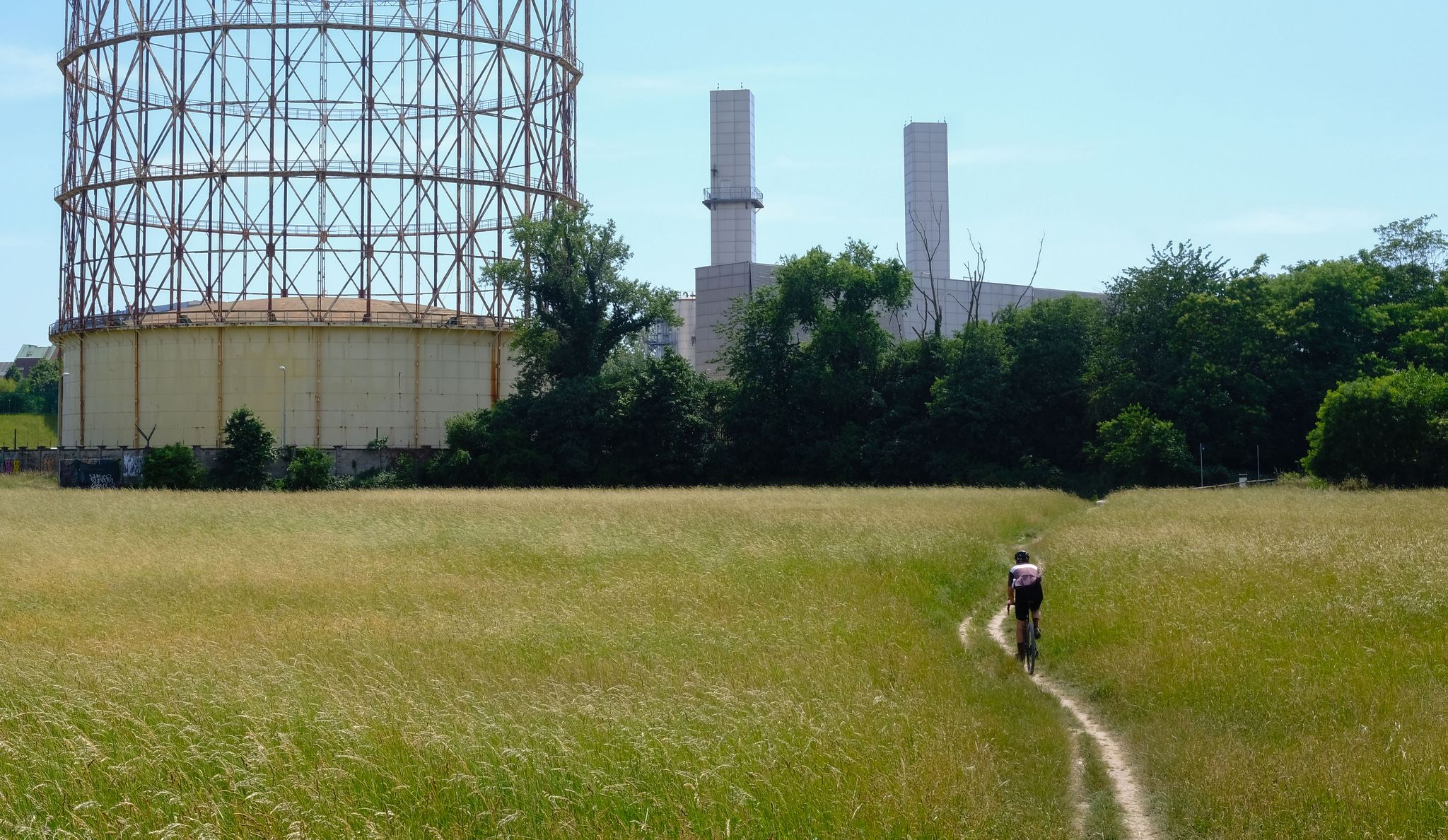
Escape from Milan – bike, mud, gravel and cows
Traffic-free bike rides around Milano
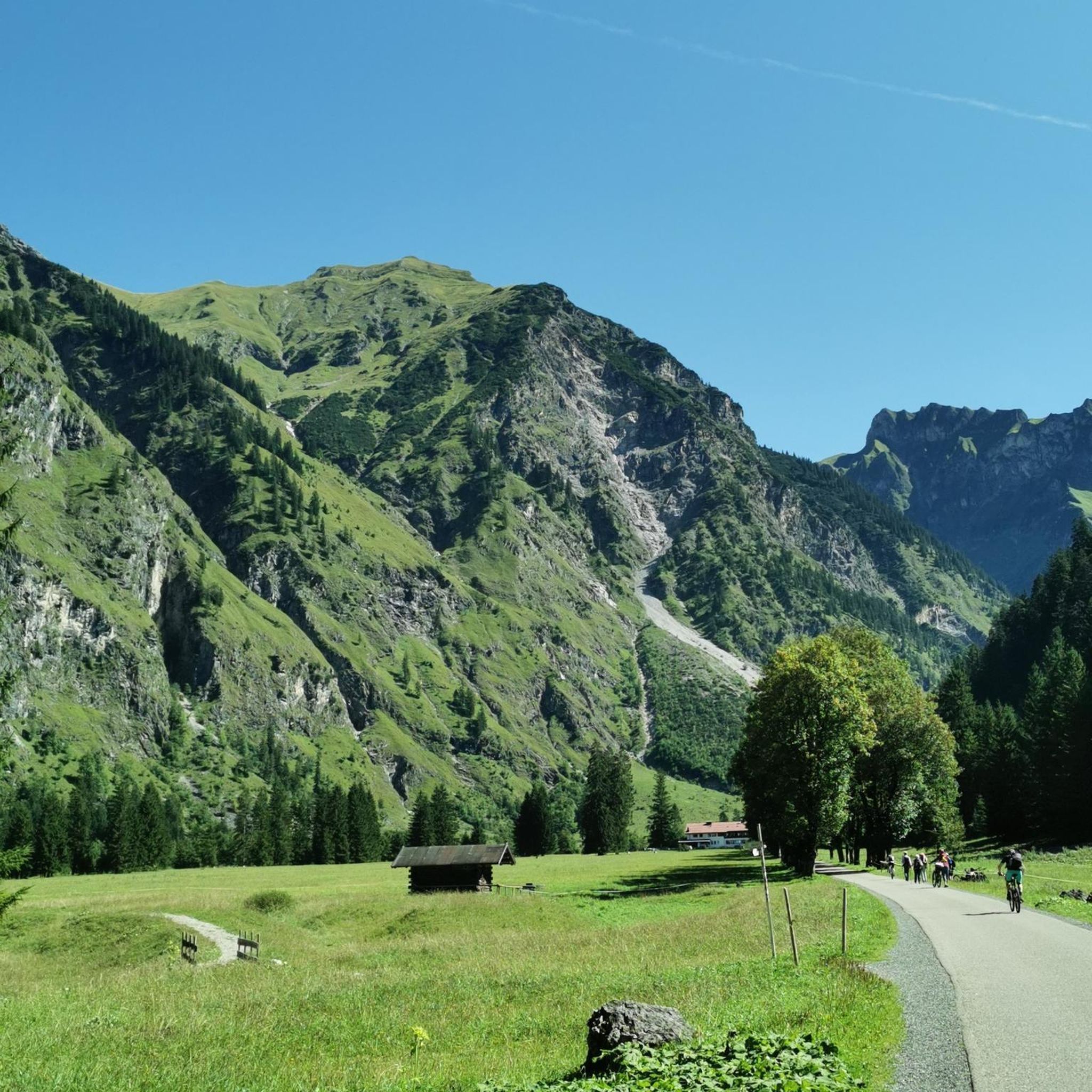
Traffic-free bike rides around Milano
Other adventures around Milano


Tips from the Community

Take a snack and bring it to Idroscalo. He'll take care of the rest
1
0
The already redeveloped areas of Parco Nord cover a surface of over 350 hectares and include vast woods, meadows, a hill, bodies of water, tree-lined avenues, and flowerbeds.
2
0
The Naviglio della Martesana is perhaps the least known among the ancient artificial canals that connect Milan to the great Lombard rivers. It originates from the Adda river in Concesa, a hamlet of Trezzo d’Adda, crosses the sub-region of Martesana, northeast of the provincial capital, and once in the city, it goes underground beneath via Melchiorre Gioia, near Cassina de’ Pomm. It measures approximately 38 km in length, with a width varying from 9 to 18 meters. However, in the past, the Naviglio della Martesana continued in the open air all the way to the center, where a system of locks centered on the Conca dell’Incoronata connected it to the short Naviglio di S. Marco and the urban network of the Navigli. The lock was inaugurated in 1496, utilizing lock gates designed by Leonardo da Vinci. The canal had been opened in 1471, under Francesco Sforza. By connecting it to the other Navigli, Leonardo laid the foundations for realizing a dream of the Sforza family: to travel by water from the Ticino river, and therefore from Lake Maggiore, to the Adda river.
1
0
Naviglio della Martesana is perhaps the least known of the ancient artificial canals connecting Milan to the great Lombard rivers. It originates from the Adda in Concesa, a hamlet of Trezzo d’Adda, crosses the Martesana sub-region, northeast of the provincial capital, and once in the city, it plunges underground beneath Via Melchiorre Gioia, at the height of Cassina de’ Pomm. It measures approximately 38 km in length, with a width varying from 9 to 18 meters. However, once upon a time, the Naviglio della Martesana continued in the open air all the way to the center, where a lock system centered on the Conca dell’Incoronata connected it to the short Naviglio di S. Marco and the urban network of the Navigli. The lock was inaugurated in 1496, utilizing lock gates designed by Leonardo da Vinci. The canal had been opened in 1471, under Francesco Sforza. By connecting it to the other Navigli, Leonardo laid the foundations for realizing a dream of the Sforzas: to travel by water from the Ticino, and therefore from Lake Maggiore, all the way to the Adda.
1
0
The route runs alongside the Naviglio della Martesana, perhaps the least known among the ancient artificial canals connecting Milan to the great Lombard rivers. It originates from the Adda river in Concesa, a hamlet of Trezzo d’Adda, crosses the Martesana sub-region, north-east of the provincial capital, and once in the city, it plunges underground beneath via Melchiorre Gioia, near Cassina de’ Pomm. It measures approximately 38 km in length, with a width varying from 9 to 18 meters. However, at one time, the Naviglio della Martesana continued in the open air right into the center, where a system of locks centered on the Conca dell’Incoronata connected it to the short Naviglio di S. Marco and the urban ring of the Navigli. The lock was inaugurated in 1496, utilizing lock gates designed by Leonardo da Vinci. The canal had been opened in 1471, under Francesco Sforza. By connecting it to the other Navigli,
2
0
The main reference point for graffiti and street art in Città Studi (Milan) is Via Balzaretti, known for Toiletpaper's "house-studio" with facades painted in a pop-surrealist style. Other graffiti can be found near the Leonardo Campus of Politecnico, thanks to the Poli Urban Colors project.
1
0
The construction of the Naviglio Piccolo, later called della Martesana, was initiated by Francesco Sforza in 1475 to move along the route "machinery, oil presses, spinning mills, paper mills". It originates from the Adda river, on the right bank, below the Castle of Trezzo and reaches Milan at Cascina de' Pomm, ending up buried at San Marco. The Naviglio della Martesana, definitively completed in 1496 under the guidance of Ludovico il Moro, flows from Trezzo sull’Adda to Milan for a total length of 38 km. The route runs alongside the ancient Roman road that crossed the Adda with two branches: at Vaprio and at Cassano. Concurrently with the improvement of the agricultural structure thanks to irrigation, a notable flourishing of stately villas occurred in the Baroque era. The irrigational function of the Martesana marks the clear boundary between the dry plain to the north and the irrigated plain to the south.
1
0
The construction of the Naviglio Piccolo, later known as the Martesana, was started by Francesco Sforza in 1475 to transport along the route "grinding stones, oil presses, spinning mills, paper mills". It originates from the Adda, on the right bank, below the Castle of Trezzo and reaches Milan at Cascina de' Pomm, ending buried at San Marco. The Naviglio della Martesana, definitively completed in 1496 under the guidance of Ludovico il Moro, flows from Trezzo sull’Adda to Milan for a total length of 38 km. The route runs alongside the ancient Roman road that crossed the Adda with two branches: at Vaprio and at Cassano. Concurrently with the improvement of the agricultural structure thanks to irrigation, a notable flourishing of stately villas occurred in the Baroque era. The irrigation function of the Martesana marks the clear boundary between the dry plain, to the north, and the irrigated plain, to the south.
2
0
Frequently Asked Questions
How many no-traffic road cycling routes are available around Milano?
There are over 75 dedicated no-traffic road cycling routes around Milano, offering a wide range of options for all skill levels. You'll find 37 easy routes and 40 moderate routes, ensuring a suitable ride for everyone.
What is the best time of year for traffic-free road cycling in Milano?
The best time for traffic-free road cycling in Milano is generally during spring (April-May) and autumn (September-October). During these seasons, the weather is pleasant, and the landscapes along the canals and agricultural parks are particularly beautiful. Summer can be hot, while winter might be chilly and damp.
Are there easy traffic-free road cycling routes suitable for beginners in Milano?
Yes, Milano offers numerous easy traffic-free road cycling routes perfect for beginners. Many of these follow the flat, picturesque canal paths like the Naviglio Martesana. A great option is the Martesana Cycle Path loop from Marche, which is just over 26 km and has minimal elevation gain.
Can I find circular no-traffic road cycling routes near Milano?
Absolutely. Many of the traffic-free road cycling routes around Milano are designed as loops, allowing you to start and end at the same point. For example, the Martesana Canal Cycle Path loop from Garibaldi FS offers a longer, moderate circular ride, while the Martesana Cycle Path loop from Cimiano is an easier, shorter option.
What kind of scenic viewpoints can I expect on traffic-free road cycling routes around Milano?
Traffic-free routes often follow the historic Navigli canals, offering views of colorful houses, ancient aristocratic residences, and the Lombardy countryside. You can also find routes through expansive agricultural parks like Parco Agricolo Sud Milano, providing tranquil rural landscapes. For urban views, some routes pass through green spaces like Sempione Park, or offer glimpses of modern Milan from spots like Monte Stella.
Are there any interesting landmarks or attractions along the traffic-free road cycling routes?
Yes, many routes pass by significant landmarks. Along the Navigli, you can see charming towns like Cernusco sul Naviglio and Robecco sul Naviglio. The Parco Agricolo Sud Milano routes can lead you to historic abbeys such as the Cistercian Abbey of Morimondo or the Abbey of Chiaravalle. You might also encounter various lakes and natural areas like Lambro Park.
Are the traffic-free road cycling routes around Milano suitable for families?
Many traffic-free road cycling routes, especially those along the Navigli canals like the Naviglio Martesana, are ideal for families due to their flat terrain and dedicated cycle paths. These routes often pass through picturesque villages and green areas, providing a safe and enjoyable experience for all ages.
Are there options for parking when accessing traffic-free road cycling routes in Milano?
Yes, many starting points for traffic-free road cycling routes around Milano offer parking facilities, particularly those located on the outskirts of the city or near larger parks. It's advisable to check specific route details for parking information, but generally, access points to canal paths and regional parks are well-equipped.
How can I reach traffic-free road cycling routes near Milano using public transport?
Milano's extensive public transport network, including metro and regional trains, provides good access to many traffic-free cycling routes. For example, routes along the Martesana Canal are often accessible from metro stations. You can also reach routes further out, such as those in the Ticino Park, via regional train lines. Always check if bikes are permitted on your chosen public transport during peak hours.
Are there cafes or accommodation options along the traffic-free canal routes?
Yes, the historic canal routes, particularly the Naviglio Grande and Naviglio Martesana, are dotted with charming towns and villages that offer cafes, trattorias, and sometimes accommodation. You can enjoy an authentic Italian espresso or a meal in places like Robecco sul Naviglio or Cernusco sul Naviglio, making for pleasant stops during your ride.
What do other road cyclists enjoy most about the traffic-free routes around Milano?
The traffic-free road cycling routes around Milano are highly rated by the komoot community, with an average score of 4.18 stars. Reviewers often praise the peacefulness of the canal paths, the beautiful rural scenery of the agricultural parks, and the opportunity to explore historic towns and natural areas without the disturbance of vehicle traffic. The flat terrain of many routes is also frequently highlighted as a major plus.
Can I bring my dog on the traffic-free road cycling routes near Milano?
Many of the traffic-free road cycling routes, especially those through parks and along canals, are dog-friendly. However, it's essential to keep your dog on a leash, especially in more populated areas or near wildlife. Always ensure you carry water for your dog and clean up after them. Specific park regulations may vary, so it's good to check local signage.
Most popular routes around Milano
Most popular attractions around Milano

Get inspired with the komoot mobile app


Explore more
Browse the best Road cycling routes in other regions.
