The best gravel rides around Sint-Truiden
4.4
(32)
550
riders
26
rides
Gravel biking around Sint-Truiden navigates the gently rolling terrain of the Haspengouw region, characterized by extensive orchards, agricultural fields, and quiet country lanes. The landscape features low hills and river valleys, providing varied surfaces suitable for gravel bikes. This area offers a network of paths that connect historic villages and natural areas.
Best gravel bike trails around Sint-Truiden
- The most popular gravel bike trail is Café Coureur – Saint Genevieve Church, Zepperen loop from Zepperen, a 27.3 miles (43.9…
Last updated: May 5, 2026
4.8
(6)
105
riders
101km
07:08
770m
770m
Experience challenging gravel biking through Limburg's Haspengouw region, featuring orchards, sunken lanes, and cobbled sections.
5.0
(1)
52
riders
Hard gravel ride. Good fitness required. You may need to push your bike for some segments of this route.

Sign up for free
4.0
(1)
33
riders
96.0km
05:36
670m
670m
Hard gravel ride. Very good fitness required. You may need to push your bike for some segments of this route.
5.0
(1)
27
riders
94.2km
05:34
620m
620m
Hard gravel ride. Very good fitness required. You may need to push your bike for some segments of this route.
4.0
(3)
15
riders
37.1km
02:12
150m
150m
Hard gravel ride. Good fitness required. You may need to push your bike for some segments of this route.
Get access to more routes and recommendations from other explorers.
Sign up for free
Already have an account?
Our route recommendations are based on thousands of hikes, rides, and runs completed by other people on komoot.
Start today with a free account
Your next adventure awaits.
Login or Signup
Popular around Sint-Truiden
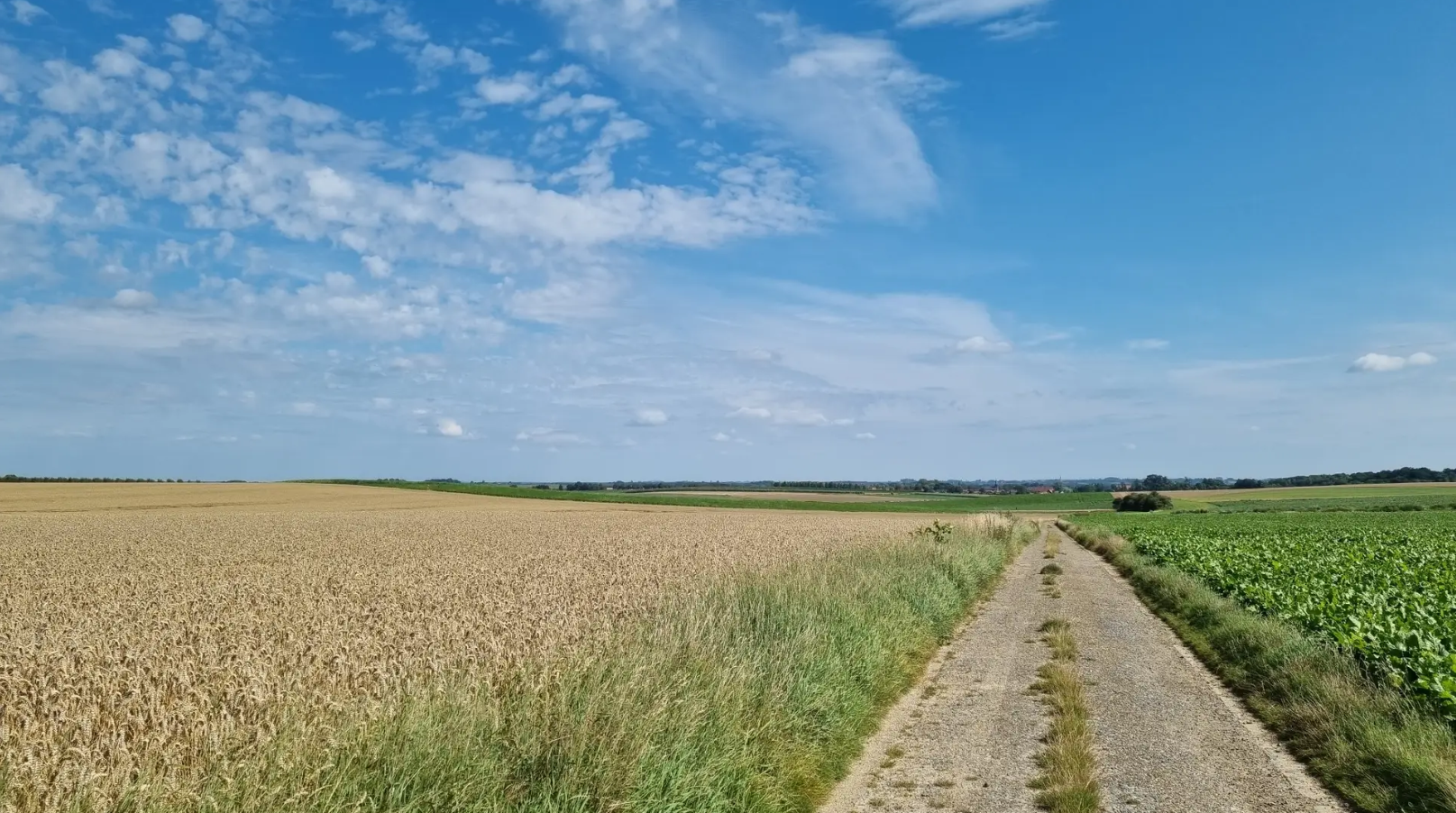
Bloesems, Forests and hidden Heritage – Streek-GR Haspengouw
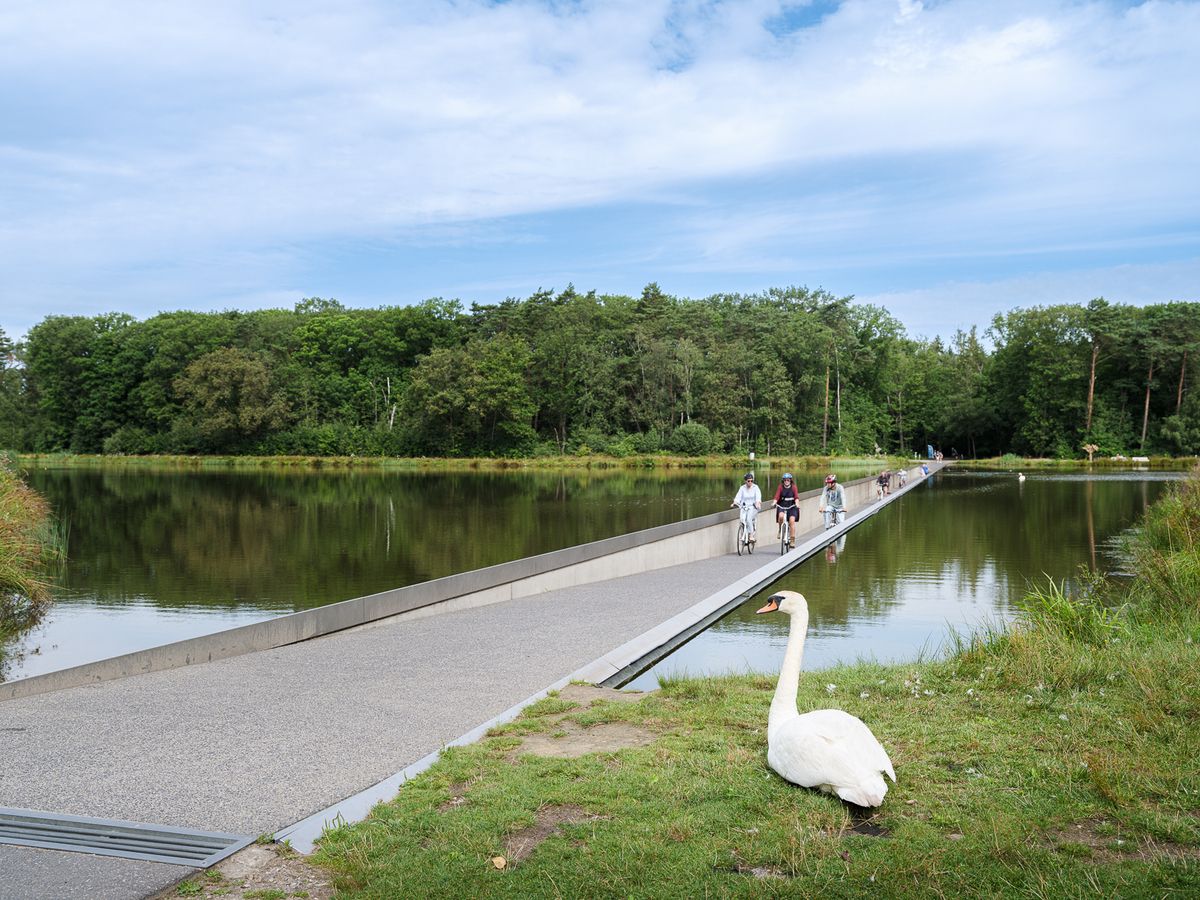
Flanders' Finest Cycle Routes: routes to discover Flemish nature and heritage
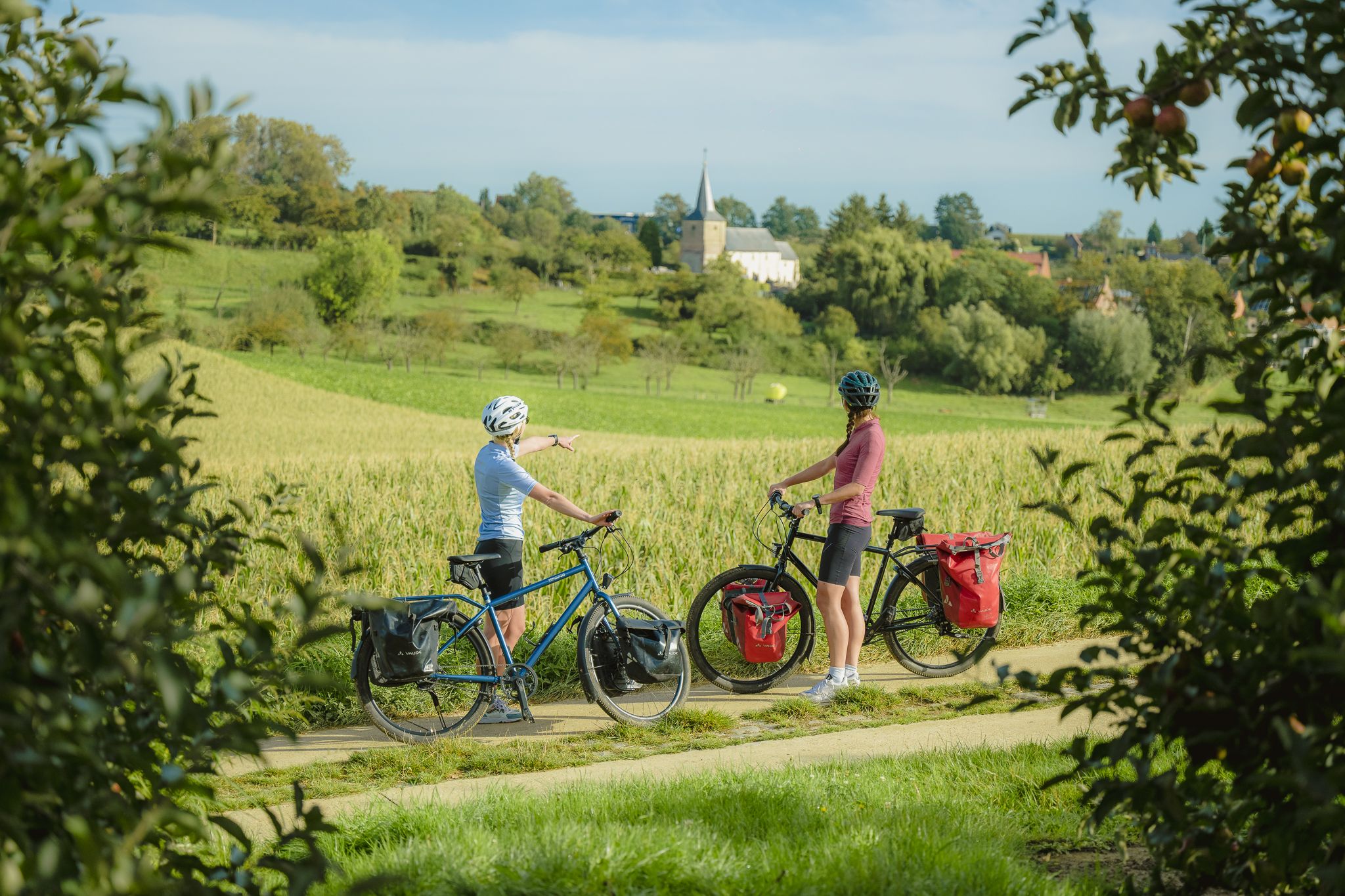
The best of Flanders — the Flanders Route
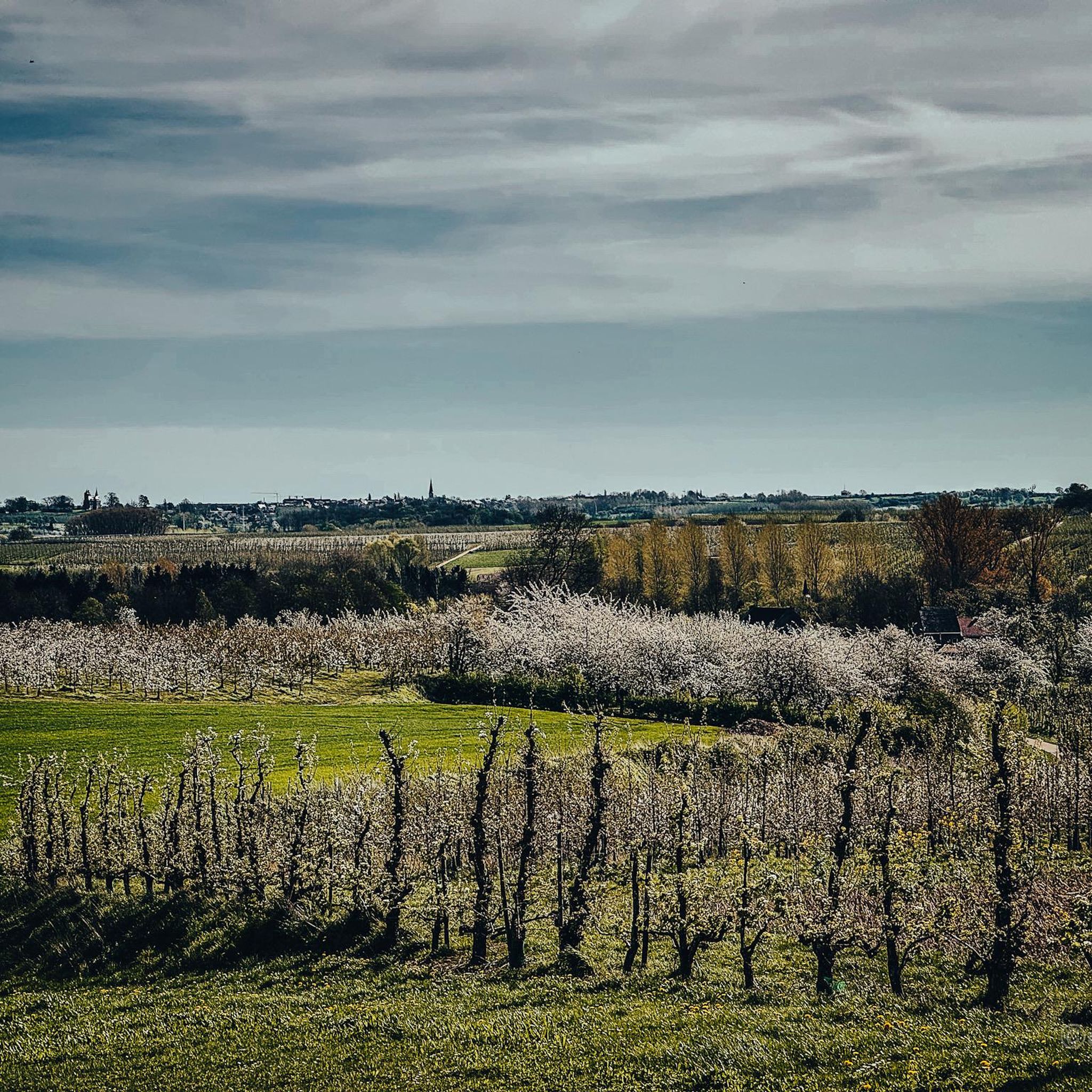
Hiking around Sint-Truiden
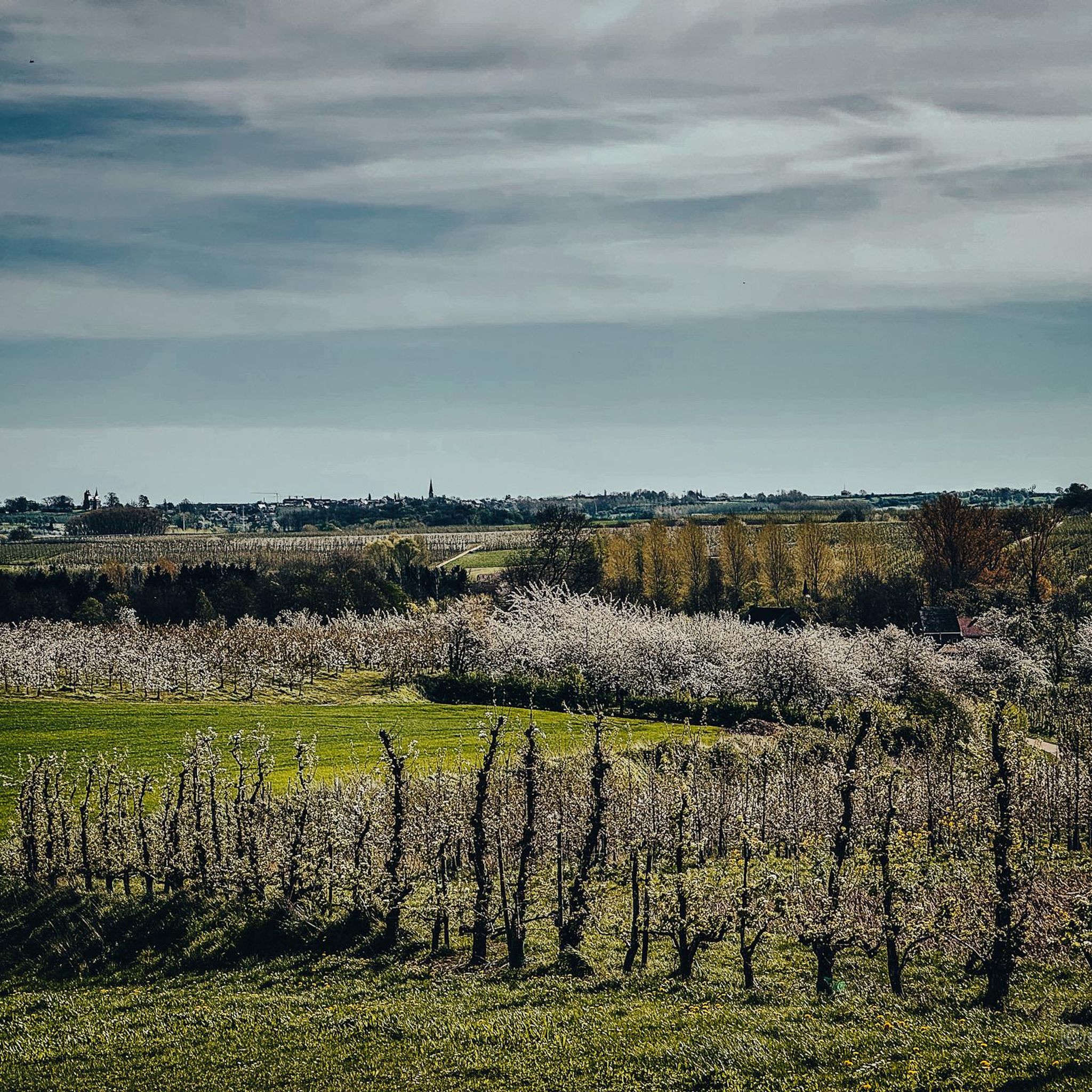
Cycling around Sint-Truiden
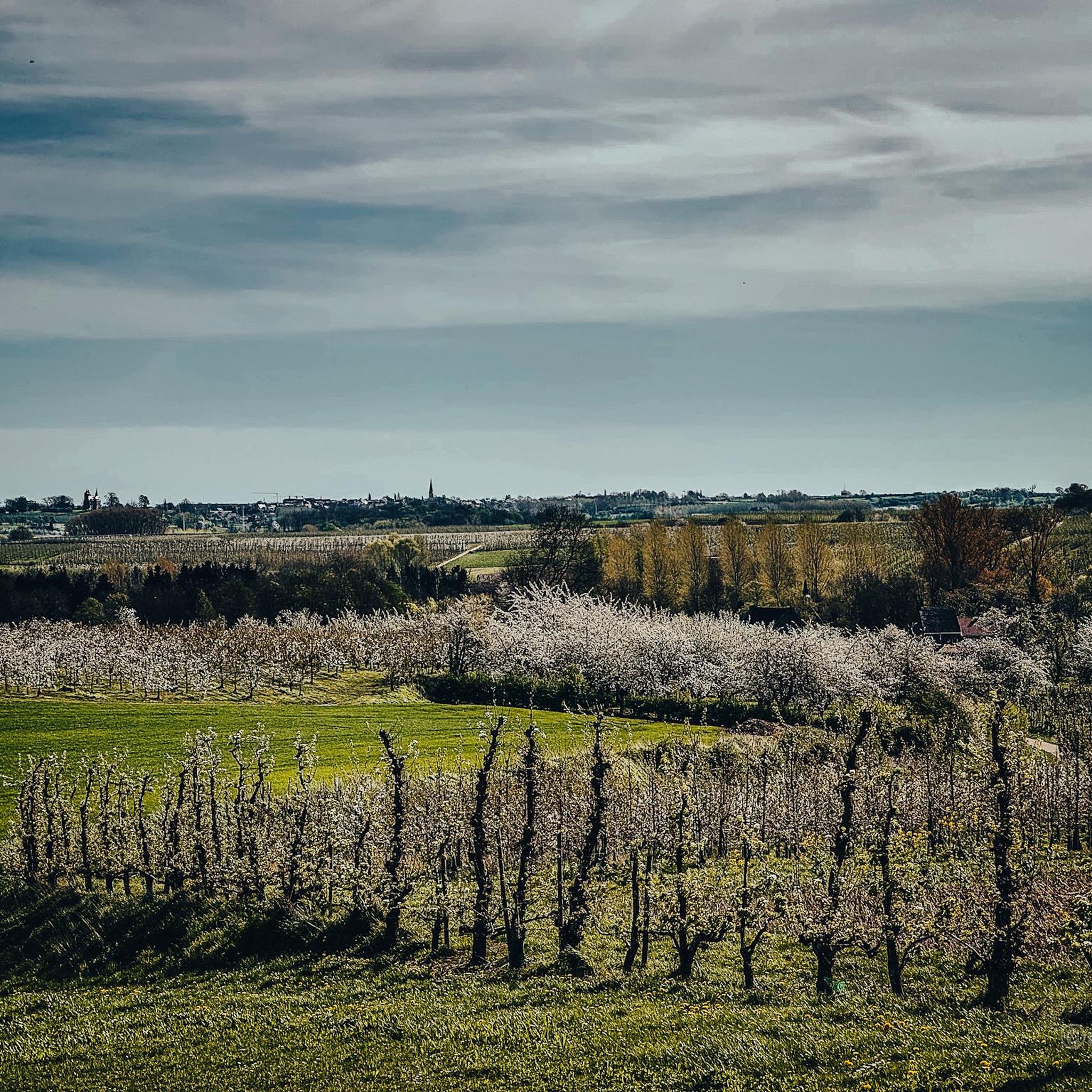
Road Cycling Routes around Sint-Truiden
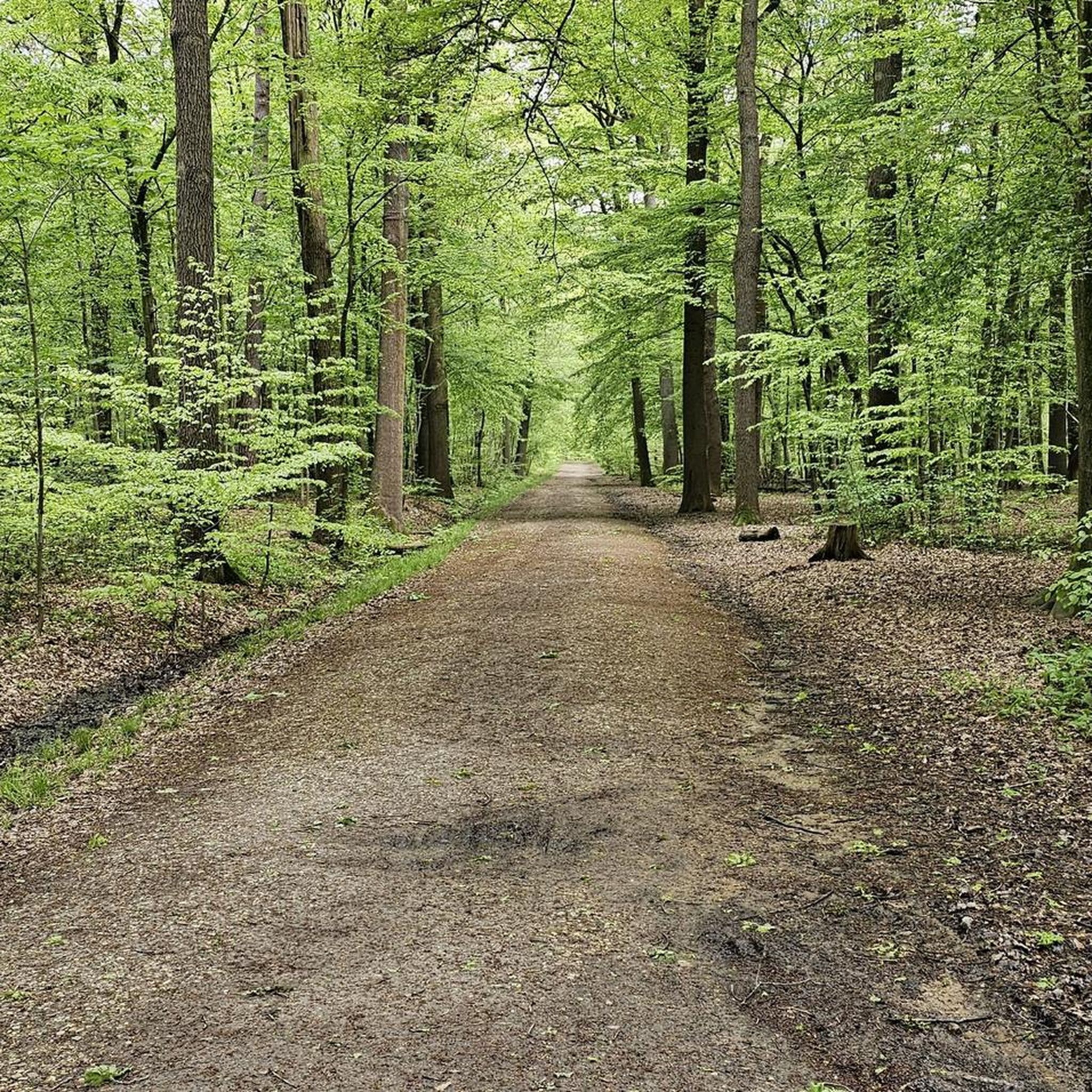
Running Trails around Sint-Truiden
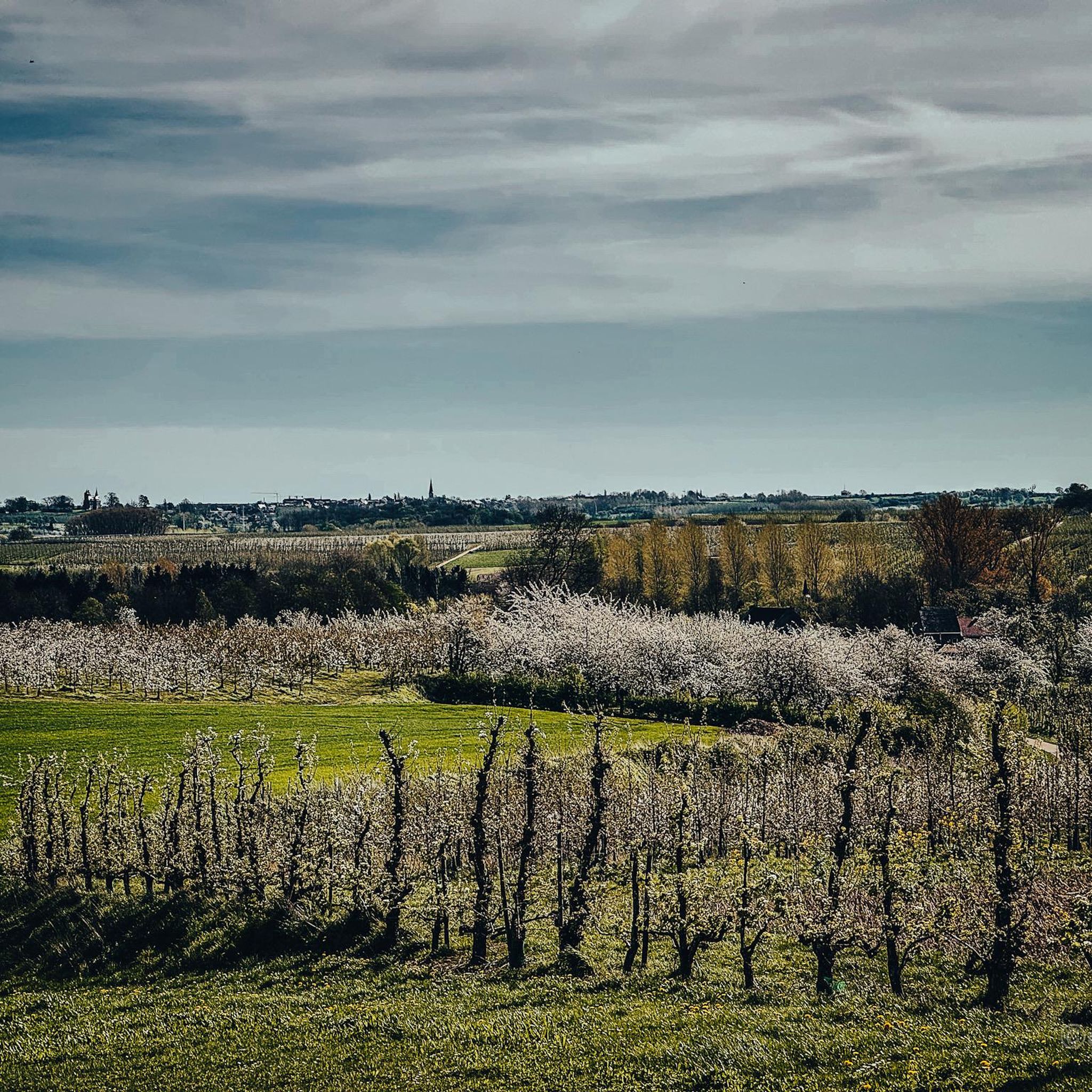
MTB Trails around Sint-Truiden
Other adventures around Sint-Truiden


Tips from the Community

On the border of the poor Kempen and fertile Haspengouw lies the Munsterbos. Northeast of the village center of Munsterbilzen, 450 hectares of forests, ponds, marshes, and grasslands stretch out. Here and there, even a patch of purple heather peeks through. The area is so special due to its location on the transition from the sandy Kempen Plateau to the Haspengouw clay region.
4
0
This section, together with the water lock and the outer bailey, belongs to the oldest parts: in the Apostles' House, remains of the late Gothic ordinance from the second half of the 16th century from the building campaign of Land Commander Wijnandt van Brijel have been preserved. The complex is located at the highest point of the domain, on the eastern side of the commandery. Seven avenues converge at the gate, symbolizing the Seven Sorrows and Joys of Mary. To the right of the gatehouse was the now disappeared Apostles' House; it was an L-shaped building of two storeys, with a chapel on the ground floor, and twelve rooms for needy men, hence the name Apostles' House; late Gothic core from the second half of the 16th century, enlarged and adapted in 1716-1726, under Commander Damian Hugo von Schönborn, as indicated by a facade stone. After World War II, the Apostles' House slowly deteriorated but has since been restored.
2
0
The Katteberg is said to owe its name to a quarry in the nearby Leten called 'In de Kat'. This nature reserve on the Demer is very varied with its fish ponds, species-rich meadows, rough areas, an orchard and a slope forest. The walking path that leads via the Leterweg to Alden Biesen follows the route of a vanished tram line. This was built in 1908-1910 to connect the industrial area of Liège with the Limburg coal mines. The tram line had to bridge a height of 25 meters here and crossed the Demer via a double arched bridge in masonry. The tram tracks were removed in 1952. The pond behind the tram bridge was created by the extraction of clay for the Belisia tile factory in the Zeepstraat.
5
0

The Katteberg follows the route of an old tramway. A climb not to be underestimated awaits you here. Historical context: This semi-hardened gravel path follows the route of the former tram line that connected the coal mines of Genk with the industrial area of Liège. The construction of the tram line began in 1908. To overcome the difference in altitude between the station and the hamlet of Leten, an earthen embankment was built over a distance of 700 meters, cutting straight through the Katteberg. A double arch bridge in masonry was built over the Demer river. The steam tram was put into operation in 1910 and caused a huge increase in passenger traffic in the region. The tram was definitively taken out of service in August 1948. The tram tracks were removed in 1952. Now, this is a route where recreational users, hikers, and cyclists can cross paths. Each at their own pace, enjoying together.
7
0
Hollow roads are not only important for nature, they also play a valuable role in agriculture and in our free time. Together with other slow roads, they form the perfect routes for hikers, riders, and cyclists to fully enjoy the landscape.
6
0

This road, partly next to Kasteel A Speculo, becomes boggy after rain. If the rain continues, several sections become very muddy.
9
0
Slow down and enjoy. In some areas, the reeds have been cut, and you have a beautiful view of Het Vinne.
4
0
This gravel path was named after Jonas Vlayen, a 23-year-old man who was stabbed in the driveway of his home in Budingen in 2018. At the bridge, you can read words of comfort, so that everyone who passes by remembers Jonas. A beautiful path where you can find peace in the stunning landscape.
5
0
Frequently Asked Questions
How many gravel bike trails are available around Sint-Truiden?
There are over 40 gravel bike trails mapped around Sint-Truiden on komoot, offering a wide range of options for exploring the Haspengouw region's orchards, fields, and quiet country lanes.
Are there gravel bike routes suitable for beginners in Sint-Truiden?
While many routes in Sint-Truiden are rated as difficult due to their length or elevation, there are a few easier options. For instance, komoot lists 2 easy and 12 moderate gravel bike routes, providing a good starting point for those new to gravel biking in the area.
What kind of terrain can I expect on gravel bike trails near Sint-Truiden?
The gravel bike trails around Sint-Truiden navigate the gently rolling terrain of the Haspengouw region. You'll encounter extensive orchards, agricultural fields, and quiet country lanes, with low hills and river valleys providing varied surfaces suitable for gravel bikes.
Are there any long-distance or challenging gravel bike routes in the area?
Yes, Sint-Truiden offers numerous challenging routes. For example, the Alden Biesen Gatehouse – Blossom Trail loop from Alken is a difficult 60.8-mile (97.9 km) path featuring historic estates and scenic blossom routes. Another demanding option is the De Maten Nature Reserve – As Bicycle Bridge over the N75 loop from Alken, which spans over 100 km.
What are some scenic viewpoints or natural attractions along the gravel routes?
The region is known for its natural beauty, especially during blossom season. You can experience the Grootloon High-Stem Orchards, which are particularly scenic. Many routes also pass through river valleys and open fields, offering picturesque views of the agricultural landscape.
Are there any historical sites or landmarks to see while gravel biking in Sint-Truiden?
Absolutely. The trails often connect historic villages and natural areas. You might encounter unique landmarks like the Reading Between the Lines (See-Through Church), the Herkenrode Abbey Site, or the Floating Chapel of Helshoven. Several routes also pass by impressive castles, such as Heks Castle.
Are there any circular gravel bike routes available?
Yes, many of the gravel bike routes around Sint-Truiden are designed as loops. For instance, the popular Café Coureur – Saint Genevieve Church, Zepperen loop from Zepperen is a circular trail exploring rolling agricultural landscapes. Another option is the Jonas Vlayenpad – Along the Kleine Gete loop from Sint-Truiden.
What do other gravel bikers say about the trails in Sint-Truiden?
The routes in Sint-Truiden are highly rated by the komoot community, with an average score of 4.4 stars from over 40 reviews. Many gravel bikers praise the varied terrain, the quiet country lanes, and the beautiful scenery, especially the extensive orchards and historic sites.
Are there gravel bike routes that pass through town centers or offer opportunities for cafe stops?
While specific cafe stops are not always highlighted, routes like the Zoutleeuw Town Center – Jonas Vlayenpad loop from Wilderen indicate proximity to towns, suggesting opportunities for refreshments. The region's network of paths often connects historic villages, making it easy to find places to pause.
What is the best time of year for gravel biking in Sint-Truiden?
The Haspengouw region is particularly renowned for its fruit blossoms in spring, making April and May a beautiful time to visit. Autumn also offers stunning colors as the orchards change, and the mild weather can be ideal for riding. Summers are generally pleasant, though can be warm, and winters are typically mild but can be wet.
Are there any hidden gem gravel trails in Sint-Truiden?
While specific 'hidden gems' are often discovered by local exploration, the extensive network of quiet country lanes and paths connecting historic villages means there are always new sections to explore beyond the most popular routes. Look for trails that venture deeper into the agricultural landscapes and along lesser-known river valleys for a more secluded experience.
Most popular routes around Sint-Truiden
Most popular attractions around Sint-Truiden

Get inspired with the komoot mobile app


Explore more
Browse the best Gravel rides in other regions.
