The best gravel rides around Gerena
4.5
(2)
133
riders
13
rides
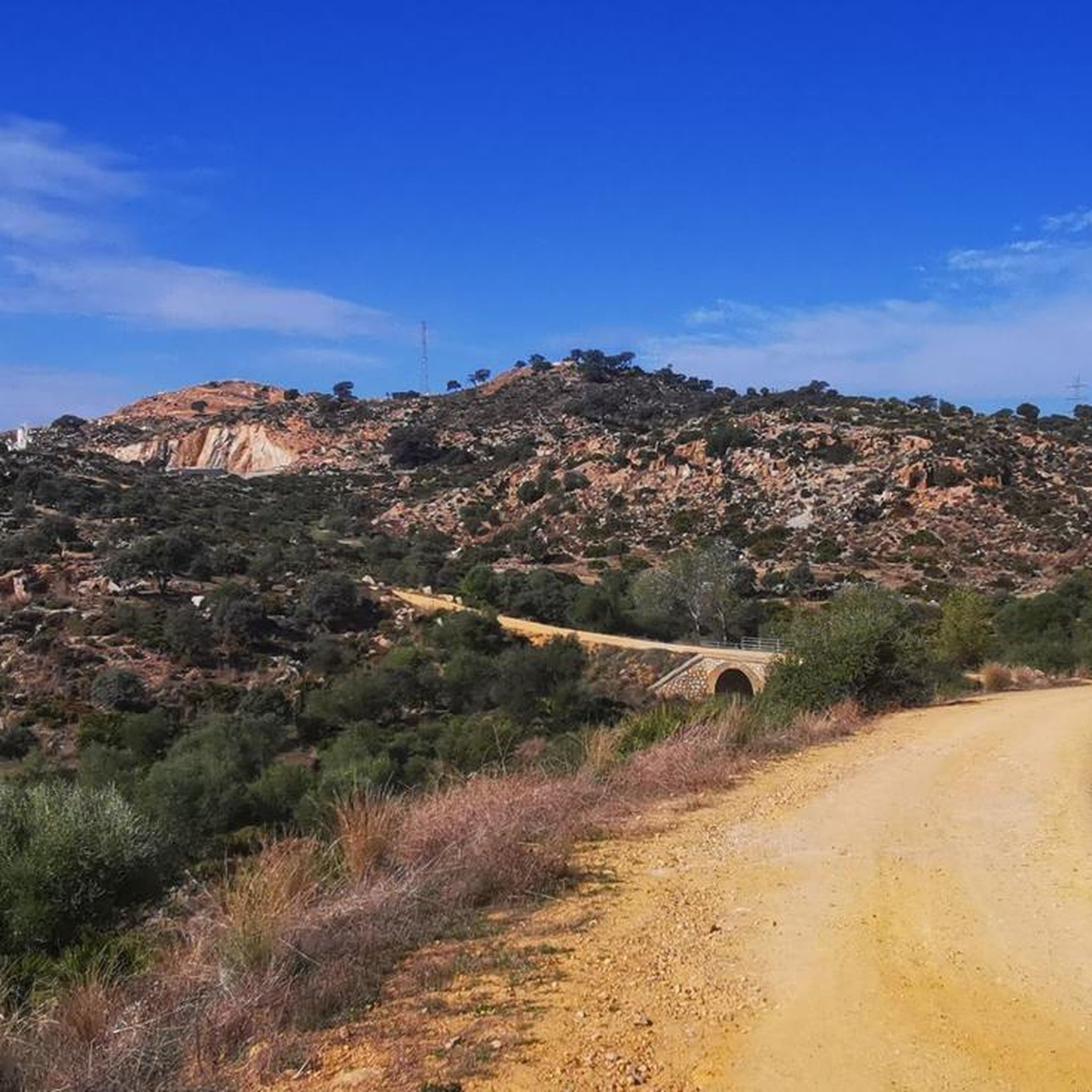
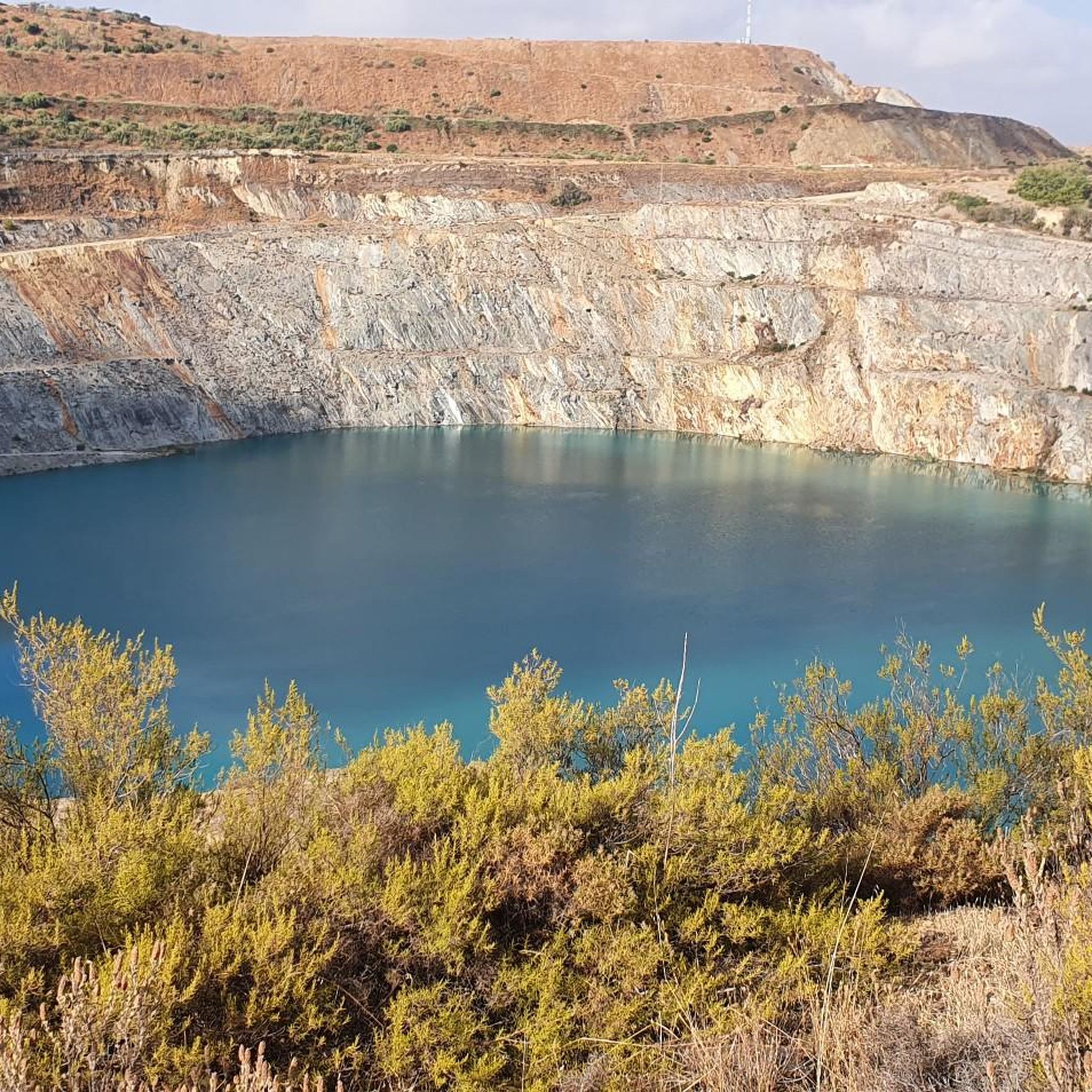
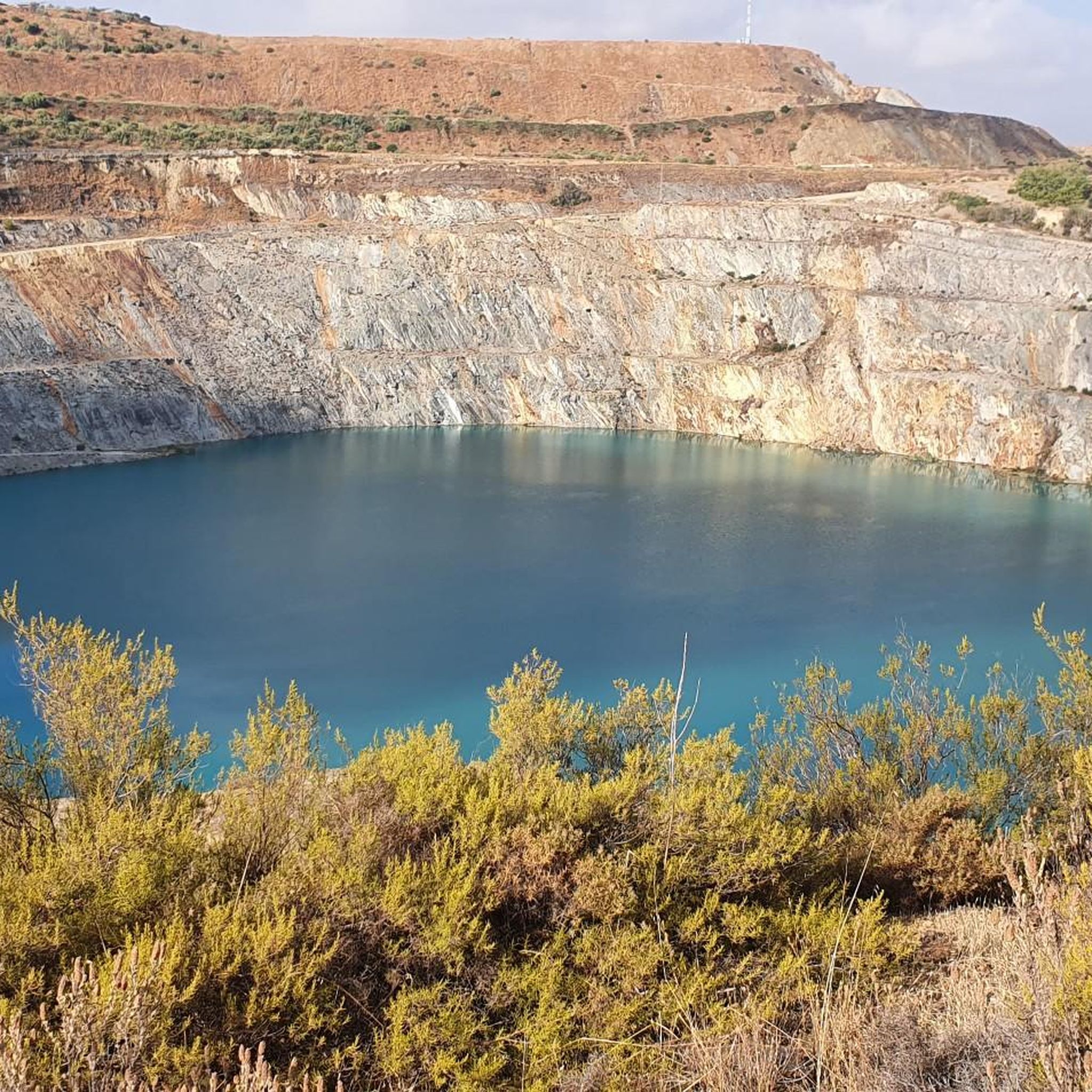
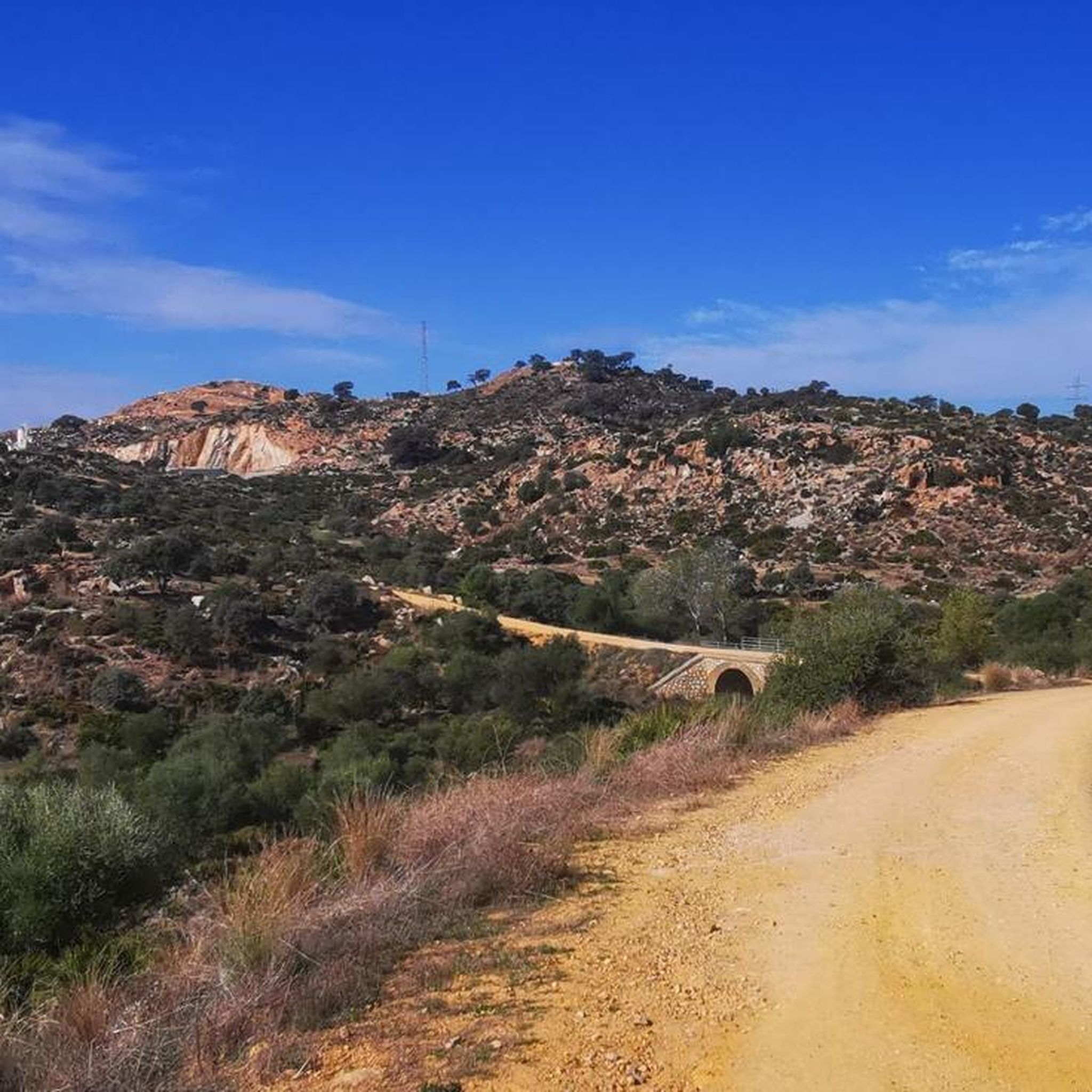
Gravel biking around Gerena offers diverse terrain in a transitional area between La Campiña and Sierra Morena. The region features vast fields, traditional haciendas, and the scenic River Guadiamar, providing varied landscapes for cycling. Historical granite quarries, including the notable Canteras Viewpoint, add unique industrial heritage to the routes. This combination of natural and historical elements creates a compelling environment for gravel biking.
Best gravel bike trails around Gerena
- The most popular gravel bike trail is Vía de la Plata…
Last updated: July 16, 2026
5.0
(1)
41
riders
65.2km
04:55
450m
450m
Hard gravel ride. Very good fitness required. Mostly paved surfaces. Suitable for all skill levels.
31
riders
57.9km
04:10
310m
310m
Moderate gravel ride. Good fitness required. Mostly paved surfaces. Suitable for all skill levels.

Sign up for free
17
riders
38.6km
03:20
470m
470m
Hard gravel ride. Very good fitness required. Mostly paved surfaces. Suitable for all skill levels.
10
riders
67.0km
05:06
940m
940m
Hard gravel ride. Very good fitness required. Mostly paved surfaces. Suitable for all skill levels.
4.0
(1)
8
riders
56.6km
03:55
310m
310m
Moderate gravel ride. Good fitness required. Mostly paved surfaces. Suitable for all skill levels.
Get access to more routes and recommendations from other explorers.
Sign up for free
Already have an account?
Our route recommendations are based on thousands of hikes, rides, and runs completed by other people on komoot.
Start today with a free account
Your next adventure awaits.
Login or Signup
Tips from the Community

The Torre Sevilla, formerly known as Torre Pelli, is a modern skyscraper in Seville and, at 180.5 metres, the tallest building in Andalusia. Its distinctive design, consisting of oval floors that widen towards the top, dominates the city's skyline. In addition to offices and a hotel, the tower also houses a viewing platform with panoramic views of Seville and the surrounding region, making it a popular tourist attraction. The tower's construction was controversial due to its impact on the historic cityscape, but it is now an iconic element of modern Seville.
8
0
View of the Edificio Torretriana, an administrative building of the Junta de Andalucia, built in 1993. It is known for its unique circular shape and color (a yellow tint).
9
0
Decent cycle path connecting Camas and Seville.
8
0
It is the fifth longest river in the Iberian Peninsula. It is 657 km from the Sierra de Cazorla (source) to Sanlúcar (Atlantic Ocean). On its journey through Andalusia from east to west it passes through cities such as Andújar, Córdoba and Seville. From pre-Roman times it was known as Baetis or Betis, and was called Wad al-Kibir (Great River) by the Arabs from the eleventh century.
7
0
The Puente de la Señorita, also known as the Puente de Camas, is a bridge over the Guadalquivir River in Seville. This bridge connects the Isla de la Cartuja with the village of Camas in the comarca of Aljarafe. The bridge was originally built in 1981 as part of the Seville-Huelva railway line, but since 1991 it has been used mainly for road traffic, cycling and walking.
8
0
This monastery was founded in 1301 by Guzmán El Bueno, who played a heroic role in the conquest of Tarifa (1294). From the 19th century onwards it was successively a women's prison, a brewery and a tobacco factory. In 1872 the buildings were declared a national heritage, after which they were restored for many years before being opened to the public. The fortified complex includes a double Gothic church with influences from the Languedoc and the Almohad Mudejar style. In the 15th century the monastery was inhabited by monks of the Hieronymite order. The Patio de los Evangelistas is decorated with murals depicting saints and geometric or floral motifs in pure Mudejar style. In one of the chapels there is a beautiful 17th-century altarpiece by Juan Martínez Montañés.
7
0
The Amphitheatre of Itálica in Santiponce is an impressive Roman amphitheatre that was built between 117 and 138 AD during the reign of Emperor Hadrian. It is one of the largest amphitheatres in the Roman Empire, with a capacity of approximately 25,000 spectators. The amphitheatre has an elliptical shape and consists of three levels of stands, the first level of which is still intact. The amphitheatre was used for gladiatorial combats and fights between animals and humans, and had an underground service pit for these events. Today it is a tourist attraction and an important archaeological heritage.
7
0

A very simple and beautiful route. Perfect for sharing with children and for encouraging beginners.
0
0
Frequently Asked Questions
How many gravel bike trails are available around Gerena?
Gerena offers over a dozen gravel bike trails, providing a variety of routes for exploration. These trails range from moderate to difficult, catering to different skill levels.
What kind of terrain can I expect on gravel bike trails around Gerena?
The gravel trails around Gerena traverse a diverse landscape, situated in a transitional area between La Campiña and Sierra Morena. You'll encounter vast fields, traditional haciendas, and scenic paths along the River Guadiamar. The region's history of granite quarrying also means some routes feature unique industrial heritage sites.
Are there any beginner-friendly gravel routes in Gerena?
While there are no routes specifically classified as 'easy', Gerena does offer 8 moderate gravel bike trails. These routes provide a good balance of challenge and accessibility for those with some gravel biking experience, allowing you to enjoy the varied landscapes without extreme difficulty.
What are some notable landmarks or attractions I can see while gravel biking near Gerena?
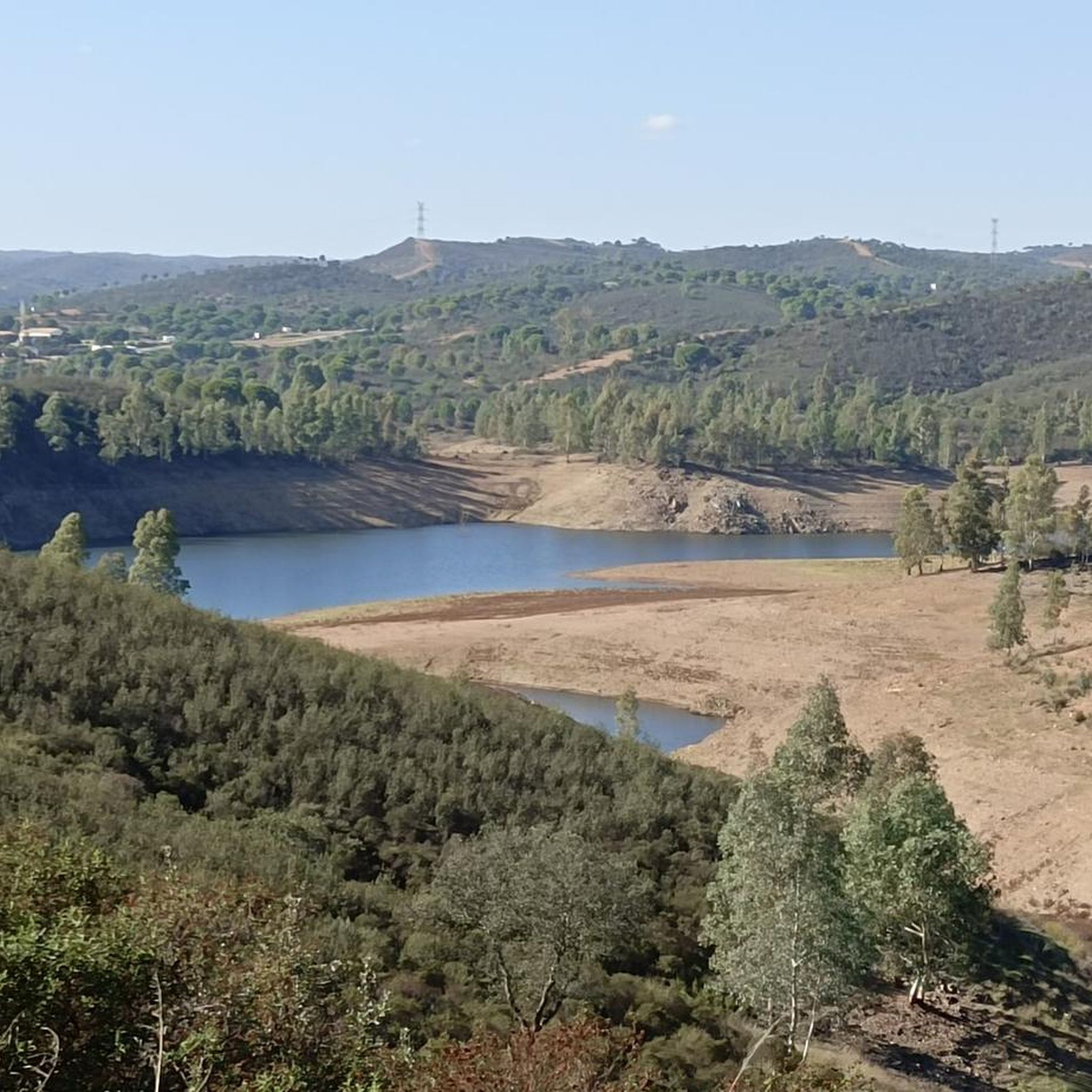
Many routes offer glimpses of Gerena's rich history and natural beauty. You can explore sites like the Amphitheatre of Italica and the Italica Archaeological Site, or enjoy views of the Gergal Reservoir. The Canteras Viewpoint, overlooking the old granite quarry, is another unique historical feature of the area.
Are there any circular gravel bike routes around Gerena?
Yes, many of the gravel bike routes around Gerena are designed as loops. For example, the Amphitheatre of Italica – Vía de la Plata loop from Salteras and the Seville Tower – Guadalquivir River loop from Gerena are popular circular options, allowing you to start and finish in the same location.
What is the best season for gravel biking in Gerena?
Gerena's climate makes it suitable for gravel biking for much of the year. Spring and autumn generally offer the most pleasant temperatures. Summers can be very hot, so early morning or late afternoon rides are recommended, while winters are mild but can have occasional rain.
Can I bring my dog on the gravel bike trails in Gerena?
Many outdoor areas in Gerena are dog-friendly, especially the natural trails and open fields. However, it's always best to keep your dog on a leash, particularly near livestock or in more populated areas, and to check local regulations for specific routes or protected zones.
Are there any family-friendly gravel biking options in Gerena?
While Gerena's routes are primarily moderate to difficult, families with older children or those comfortable with longer distances might enjoy some of the moderate trails. The varied landscapes and historical sites offer engaging points of interest for a family adventure. Always assess the route's length and elevation profile to ensure it suits your family's ability.
What do other gravel bikers enjoy most about the trails in Gerena?
The komoot community rates the gravel biking experience in Gerena highly, with an average score of 4.0 stars. Riders often praise the transitional landscapes, the scenic river trails, and the open fields that define the region, offering a unique blend of natural beauty and historical context.
Is parking available near the gravel bike trailheads in Gerena?
Yes, parking is generally available in and around Gerena, especially near the starting points of many routes. Specific parking information can often be found within the details of individual komoot tours, helping you plan your starting location efficiently.
Are there any long-distance gravel routes around Gerena?
Gerena offers several longer gravel routes for those seeking a more extensive ride. For instance, the Vía de la Plata – Amphitheatre of Italica loop from Urb Hato Verde covers approximately 66 kilometers, and the Forest Trail – Rivera de Huelva loop from Las Pajanosas is around 67 kilometers, providing challenging and rewarding experiences.
Are there cafes or places to stop for refreshments along the gravel trails?
While some routes might pass through or near small towns and villages where you can find cafes or local establishments, many sections of the gravel trails traverse rural and natural areas. It's advisable to carry sufficient water and snacks, especially on longer rides, and plan your stops in advance.
Most popular attractions around Gerena

Get inspired with the komoot mobile app


Explore more
Browse the best Gravel rides in other regions.
