The best gravel rides around Bujalance
14
riders
6
rides
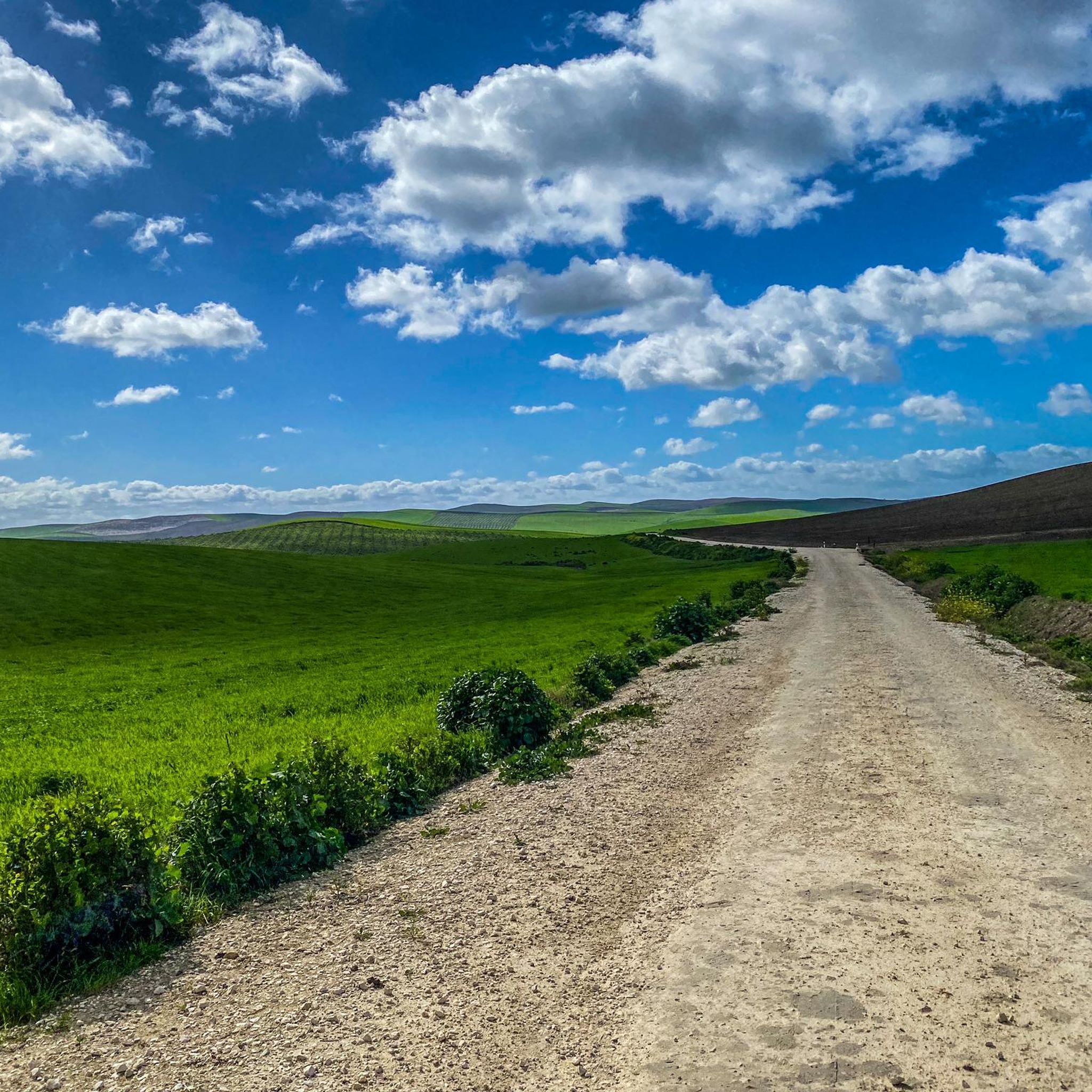
Gravel biking around Bujalance offers routes through the agricultural landscapes and historic areas of the Córdoba province. The terrain typically features rolling hills, olive groves, and paths connecting ancient castles and towers. These routes often utilize unpaved rural roads and tracks, providing varied surfaces for gravel cyclists. The region's topography includes moderate elevation changes, suitable for different skill levels.
Best gravel bike trails around Bujalance
- The most popular gravel bike trail is Castillo de Lopera – Lopera Castle loop from Villa del Rio, a 38.9 miles (62.6 km) trail that takes 5 hours 32 minutes to complete, featuring significant elevation gain through historic areas.
- Another top favourite among local gravel bikers is Cordel de Bujalance a Porcuna – Lopera Trenches loop from Villa del Rio, a moderate 23.7 miles (38.2 km) path. This route explores rural tracks and historical trenches, offering a mix of scenery.
- Local gravel bikers also love the Fountain in Montoro – Bujalance Castle loop from Villa del Rio, a 31.2 miles (50.2 km) trail leading through olive groves and past historic landmarks, often completed in about 4 hours 34 minutes.
- Gravel biking around Bujalance is defined by rolling hills, extensive olive groves, and historic castle routes. The network offers options for both moderate and challenging ability levels.
- The routes in Bujalance are highly rated by the komoot community with an average score of 5.0 stars from over 1 review. More than 20 gravel bikers have used komoot to explore Bujalance's varied terrain.
Last updated: July 15, 2026
2
riders
32.5km
02:32
470m
480m
Hard gravel ride. Very good fitness required. Mostly paved surfaces. Suitable for all skill levels.
2
riders
50.2km
03:47
650m
650m
Hard gravel ride. Very good fitness required. Mostly paved surfaces. Suitable for all skill levels.

Sign up for free
2
riders
38.3km
02:27
440m
440m
Moderate gravel ride. Good fitness required. Mostly paved surfaces. Suitable for all skill levels.
3
riders
47.8km
03:22
680m
680m
Hard gravel ride. Very good fitness required. Mostly paved surfaces. Suitable for all skill levels.
2
riders
63.3km
04:39
840m
850m
Hard gravel ride. Very good fitness required. Mostly paved surfaces. Suitable for all skill levels.
Our route recommendations are based on thousands of hikes, rides, and runs completed by other people on komoot.
Start today with a free account
Your next adventure awaits.
Login or Signup
Tips from the Community

In Lopera, we find one of the best examples of castles built by the Military Order of Calatrava in the province of Jaén. Declared a Cultural Monument in 1991, this fortress retains its original walled enclosure, although over the years it has also served as a residence and, in the mid-20th century, even as a winery.
0
0
Porcuna is a small town and a municipality (municipio) in southern Spain with 5,907 inhabitants (as of 2024) in the west of the province of Jaén in the autonomous community of Andalusia.
0
0

Good cross-country climb
0
0

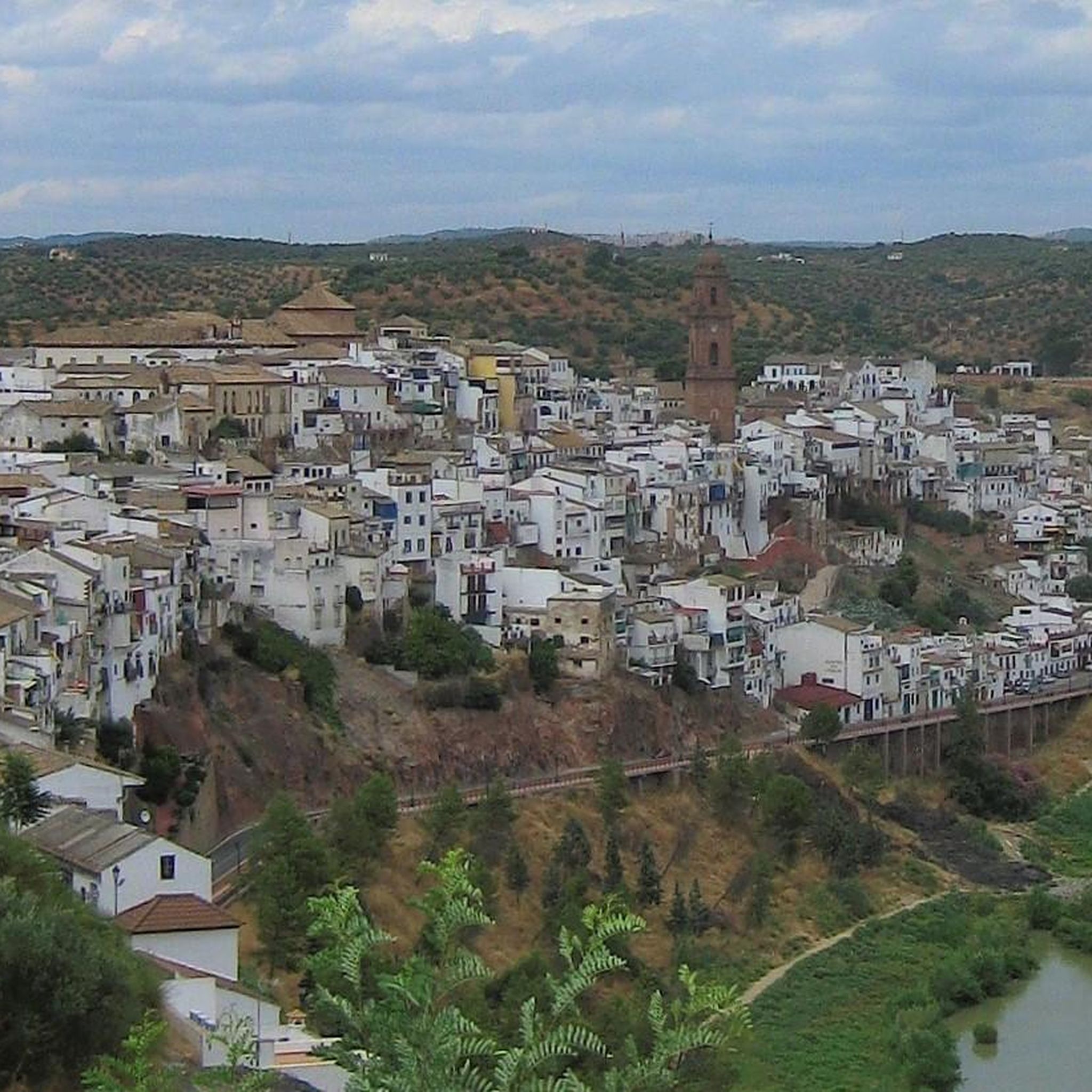
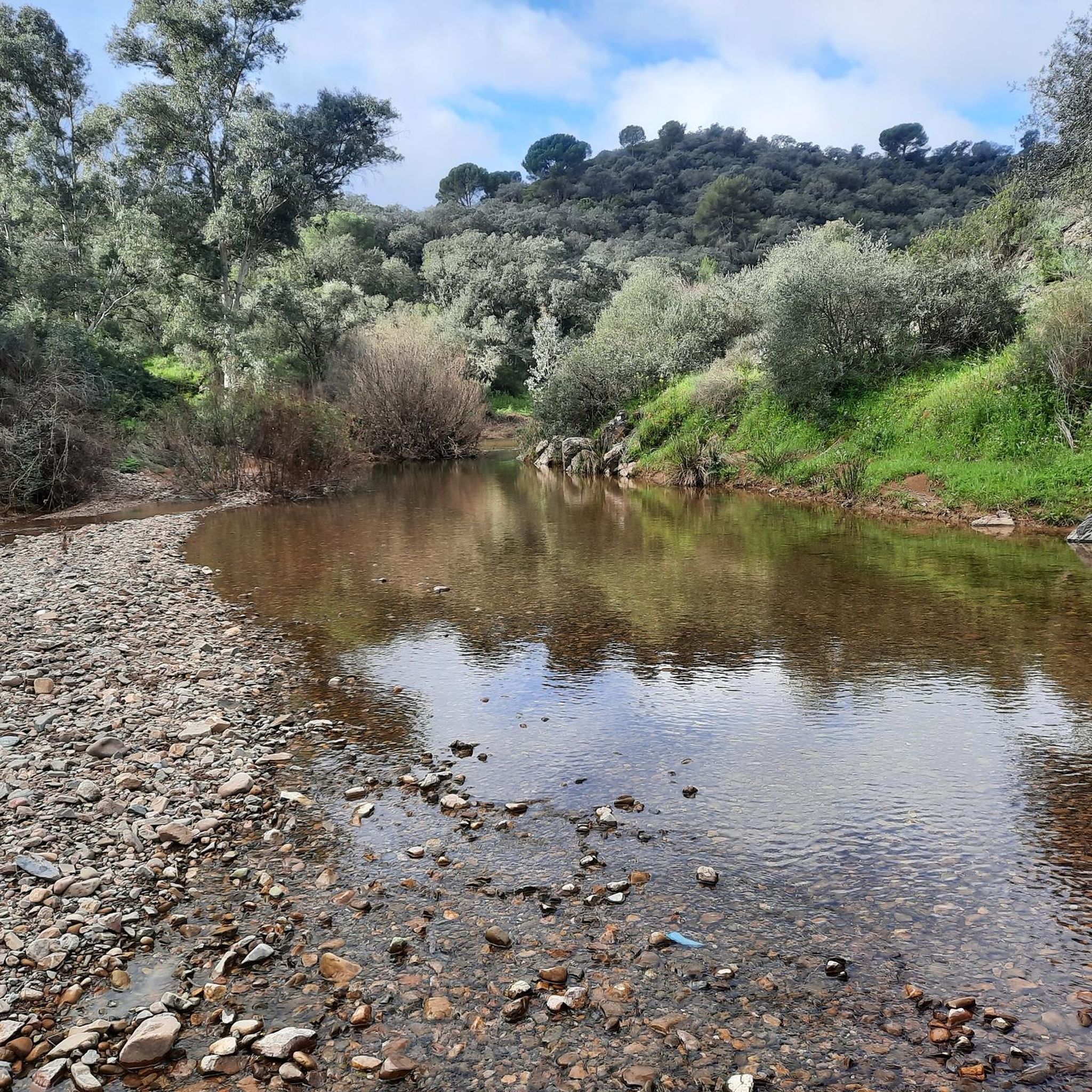
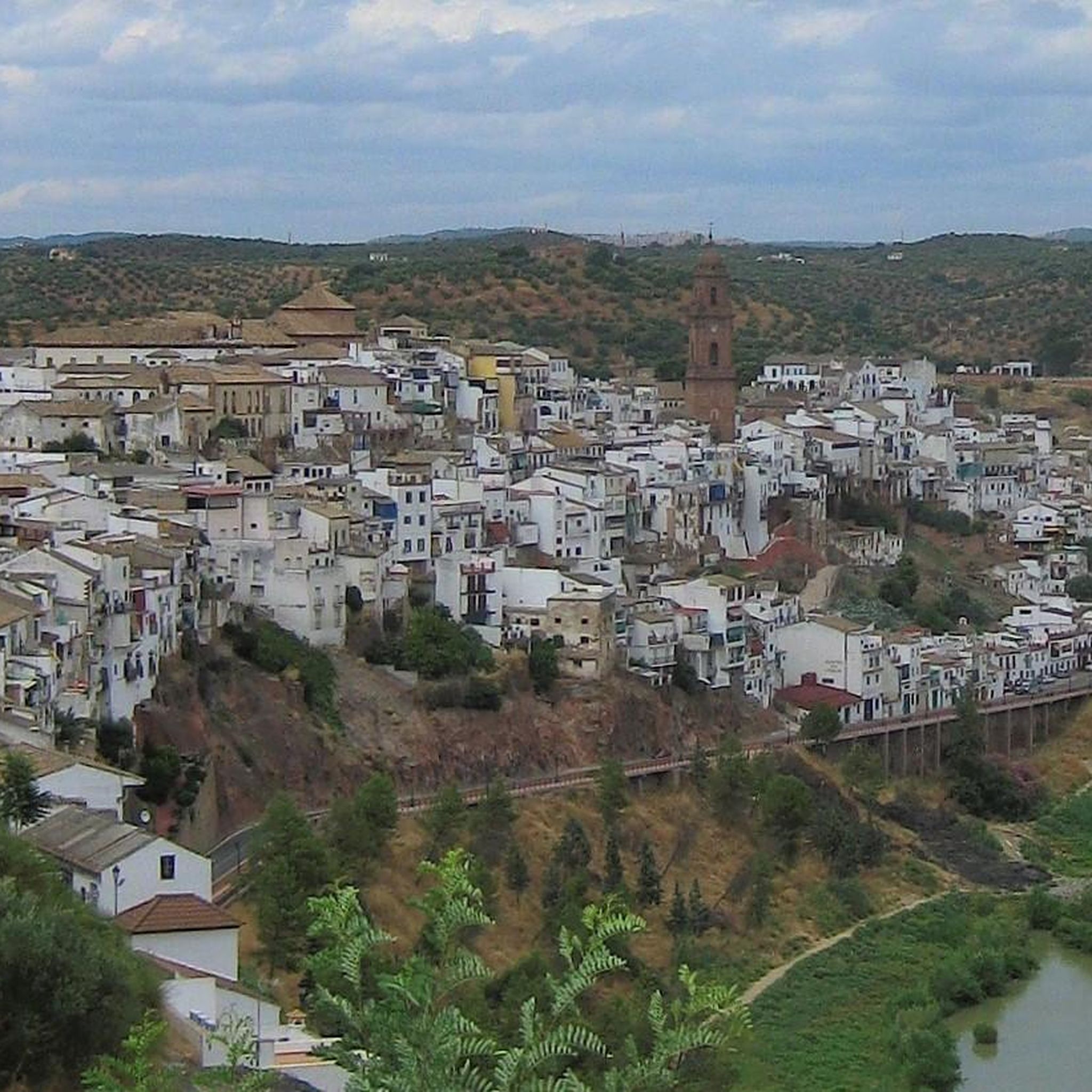
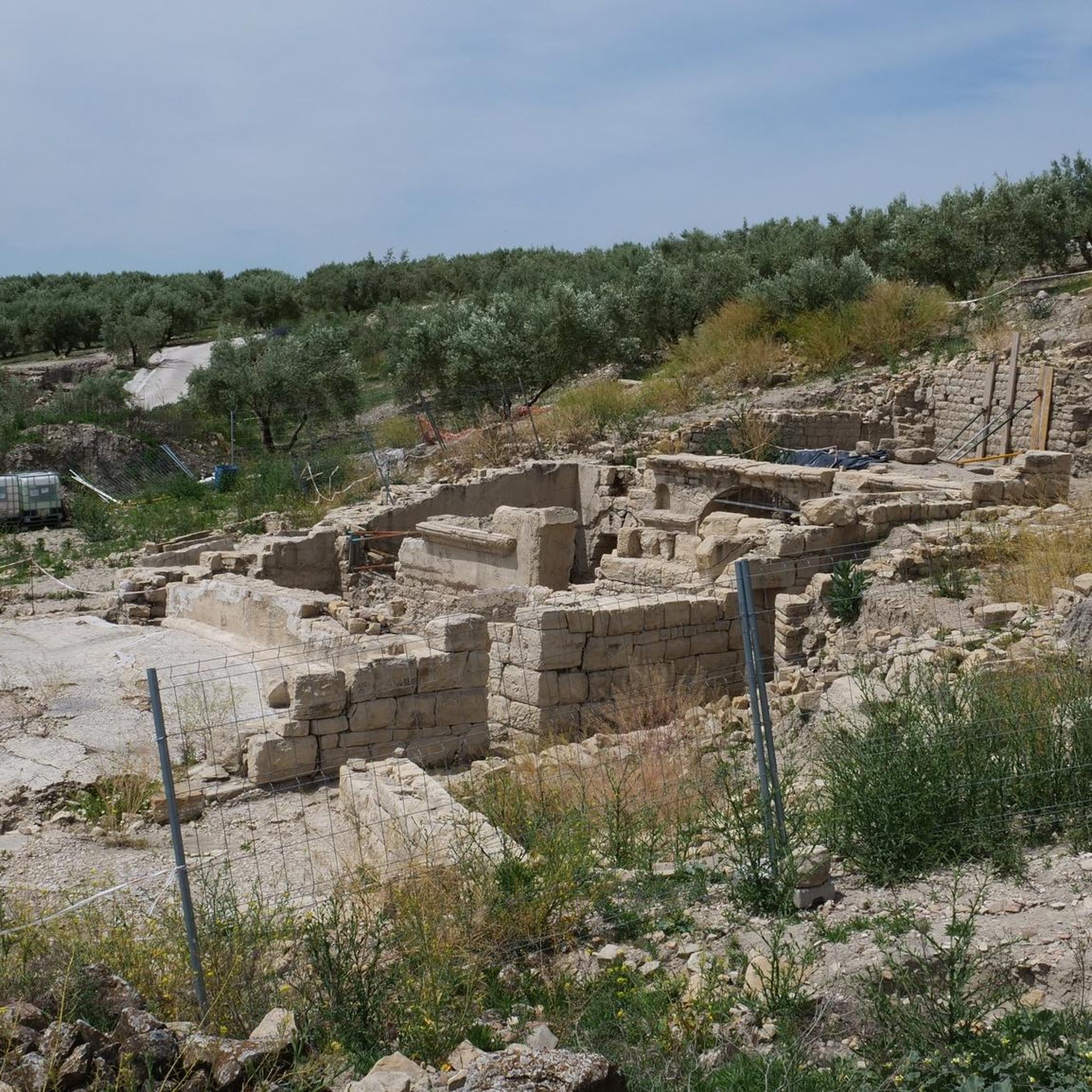
Municipality located to the east of the province of Córdoba, on the border with Jaén. Most of it is located in the foothills of Sierra Morena, making the Guadalquivir River the border with the countryside. Therefore, the mountains, the river and the countryside are the three elements that determine the landscape. The first is part of the Sierra de Cardeña y Montoro Natural Park, and in it we can find vegetation of holm oaks, wild olive trees, stone and maritime pines and a population of melojo oak, rare in Andalusia. It is also an area of great fauna, hunting and livestock value. The second, which surrounds the town, is the axis of the landscape, life and history of the town; Due to the beauty of the meander, it is also known as the Andalusian Toledo. The third, populated by olive trees, places us in a truly Cordoba environment. The town, with an Iberian, Greek, Roman, and Muslim past, is located on a small elevation that dominates the course of the river that divides it into two neighborhoods, offering an unmistakable image. Declared a Historic-Artistic Site in 1969, it brings together a multitude of attractions and tourist attractions to visit, such as the bridge over the river, the Church of San Bartolomé, the Casa de las Tercias, its steep streets of white houses, or the Torre de Villaverde. Its Holy Week, declared of Tourist Interest, reaches its greatest splendor on the afternoon of Holy Thursday with the presence of the Roman Empire. It is one of the towns included in the Baético Romana Route.
0
0
The Three Eyes Bridge or Iron Bridge is a bridge built by the French engineer Gustave Eiffel. It is located near Villa del Río in the province of Córdoba, Spain, on the A-3101 on the Guadalquivir River.
0
0
Livestock Route included in the layout of the Alto Guadalquivir MTB Cycle Tourist Circuit
0
0
Bujalance is a city in the Cordoba countryside located in the heart of Andalusia. Its location, in the middle of the natural path that goes to the south of the Iberian Peninsula, and its fertile lands rich in groundwater, have given it an important role throughout history.
0
0
Frequently Asked Questions
How many gravel bike trails are available around Bujalance?
There are 8 gravel bike routes to explore around Bujalance, offering a variety of experiences through the region's agricultural landscapes and historic areas.
What kind of terrain can I expect on gravel bike trails in Bujalance?
The terrain around Bujalance typically features rolling hills, extensive olive groves, and unpaved rural roads and tracks. You'll encounter varied surfaces and moderate elevation changes, connecting historic areas and ancient landmarks.
Are there any beginner-friendly gravel bike routes in Bujalance?
While many routes offer moderate challenges, the area is known for its rolling hills and varied surfaces. For a route that balances exploration with a manageable distance, consider the Cordel de Bujalance a Porcuna – Lopera Trenches loop from Villa del Rio, which is rated as moderate.
What are some challenging gravel bike routes for experienced riders?
Experienced riders looking for a challenge can tackle routes with significant elevation gain and longer distances. The Castillo de Lopera – Lopera Castle loop from Villa del Rio is a demanding 38.9-mile (62.6 km) trail featuring substantial climbing through historic areas. Another option is the Fountain in Montoro – Bujalance Castle loop from Villa del Rio, a 31.2-mile (50.2 km) route with considerable elevation changes.
What is the best season for gravel biking in Bujalance?
The best seasons for gravel biking in Bujalance are typically spring and autumn, when temperatures are milder and the landscape is vibrant. Summers can be very hot, making early morning or late afternoon rides preferable, while winters are generally mild but can have occasional rain.
Are there any loop trails for gravel biking in Bujalance?
Yes, many of the gravel bike routes in Bujalance are designed as loops, allowing you to start and finish at the same point. Examples include the Castillo de Lopera – Torre de Boabdil loop from Lopera and the Torre de Boabdil – Castillo de Lopera loop from Lopera.
What interesting landmarks or attractions can I see along the gravel bike trails?
The routes often pass by historic sites and natural features. You might encounter the Fountain in Montoro, or ride through areas near the El Arenoso Reservoir. The region is rich in ancient castles and towers, providing scenic backdrops for your ride.
What do other gravel bikers enjoy most about gravel biking in Bujalance?
The area is highly rated by the komoot community, with an average score of 5.0 stars. Reviewers often praise the unique blend of agricultural landscapes, the quiet rural roads, and the opportunity to explore historic areas and olive groves on two wheels.
Are there any less crowded gravel bike routes for a more tranquil experience?
Given the region's focus on rural and agricultural landscapes, many of the gravel routes offer a tranquil experience away from heavy traffic. Exploring routes that venture deeper into the olive groves and less-traveled tracks, such as the Castillo de Lopera – Torre de Boabdil loop from Lopera, can provide a peaceful ride.
Are there any specific permits required for gravel biking in Bujalance?
Generally, no specific permits are required for gravel biking on public rural roads and tracks around Bujalance. However, always respect private property and local regulations, especially when passing through agricultural land.
Are there options for longer distance gravel bike routes in the area?
Yes, for those seeking longer distances, routes like the Castillo de Lopera – Lopera Castle loop from Villa del Rio cover nearly 39 miles (63 km), offering an extensive ride through the region's varied terrain and historical points of interest.
Most popular attractions around Bujalance

Get inspired with the komoot mobile app


Explore more
Browse the best Gravel rides in other regions.
