The best traffic-free bike rides around Bujalance
3.5
(25)
251
riders
28
rides
No traffic touring cycling routes around Bujalance traverse a landscape dominated by vast olive groves and herbaceous crops, characteristic of the fertile La Campiña region of Andalusia. The area features gently undulating terrain, providing varied cycling experiences across its rural roads and historic paths. Natural elements like the Arroyo de la Zarzuela preserve samples of Mediterranean forest, offering ecological diversity. An intricate network of "vías pecuarias," including former Roman roads, also contributes to the region's distinct cycling environment.
Best no…
Last updated: May 5, 2026
Moderate bike ride. Good fitness required. Some segments of this route may be unpaved and difficult to ride.
48
riders
33.5km
03:15
860m
870m
Hard bike ride. Very good fitness required. Mostly paved surfaces. Suitable for all skill levels.

Sign up for free
45
riders
98.1km
08:21
1,610m
1,610m
Hard bike ride. Very good fitness required. You may need to push your bike for some segments of this route.
5.0
(1)
7
riders
29.4km
01:47
260m
260m
Moderate bike ride. Good fitness required. Mostly paved surfaces. Suitable for all skill levels.
3.0
(1)
17
riders
35.3km
02:16
470m
470m
Hard bike ride. Very good fitness required. Mostly paved surfaces. Suitable for all skill levels.
Get access to more routes and recommendations from other explorers.
Sign up for free
Already have an account?
Our route recommendations are based on thousands of hikes, rides, and runs completed by other people on komoot.
Start today with a free account
Your next adventure awaits.
Login or Signup
Popular around Bujalance

Tips from the Community

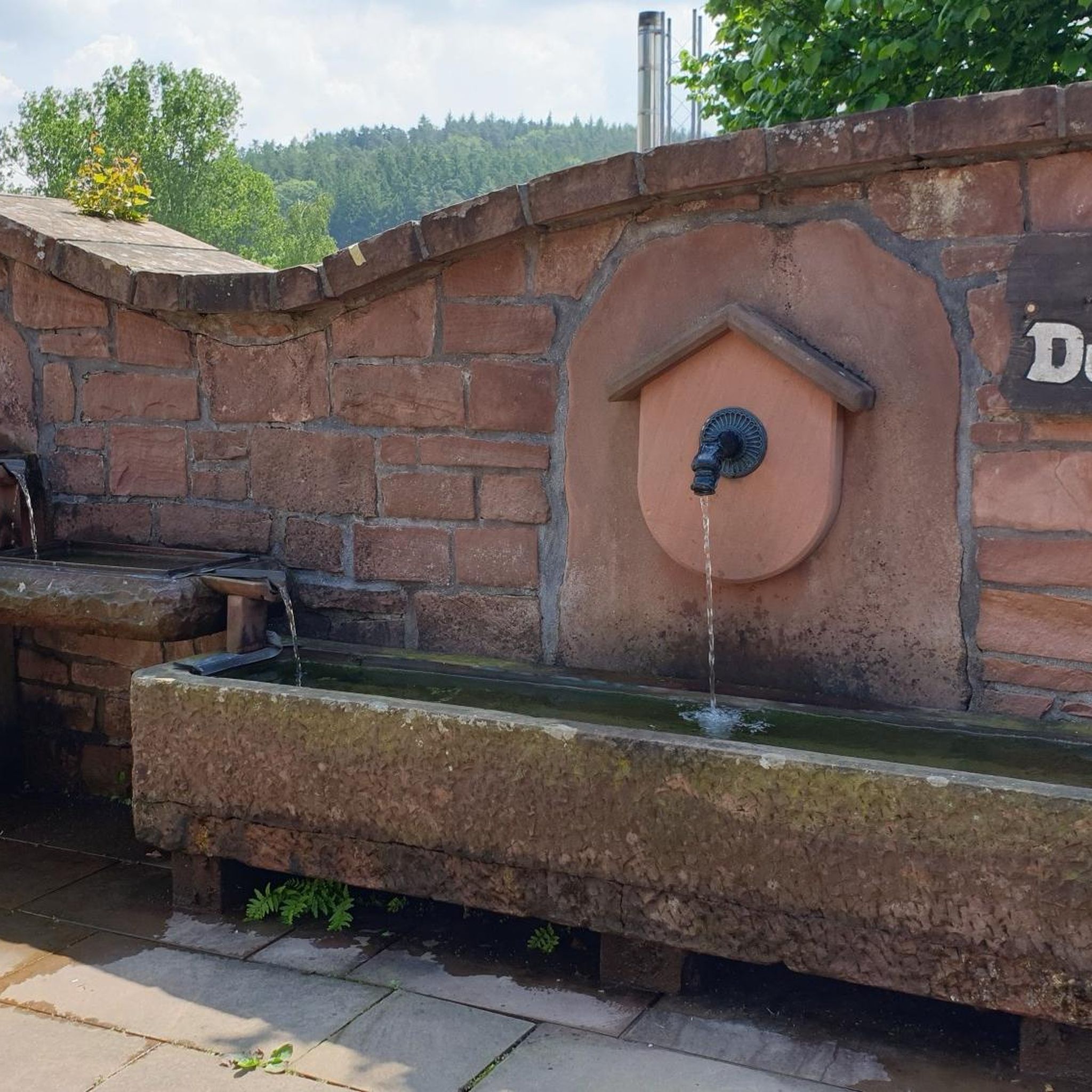
The first stop on the old road to the Sanctuary of the Virgin of the Head is where pilgrims rest and have a light lunch before continuing their journey. Here you'll find several watering troughs so the horses can quench their thirst during the approximately 20-kilometer trek from the city of Andújar. A small chapel has also been built where pilgrims can pray to the Virgin.
6
0

The Puente Mocho Bridge is located in Alcolea, within the municipality of Córdoba, and crosses the Guadalmellato River near its mouth in the Guadalquivir. It is a Roman bridge that was part of the Via Augusta, the great road that connected Cádiz with the Pyrenees via Córdoba.
4
0

The Puente Mocho Bridge connects the CH-1 highway with the CO-3103 highway, which will take us to the town of Villafranca de Córdoba. This route is popular with cyclists, as its paved road is in good condition and the low traffic of motor vehicles makes it very safe. The route is winding with continuous ups and downs, making it a perfect area for training.
0
0

In Lopera, we find one of the best examples of castles built by the Military Order of Calatrava in the province of Jaén. Declared a Cultural Monument in 1991, this fortress retains its original walled enclosure, although over the years it has also served as a residence and, in the mid-20th century, even as a winery.
0
0
The hermitage of San Ginés is an important milestone for pilgrim walkers who make the journey from Andújar to the Sanctuary of the Virgen de la Cabeza, along what is known as the old road or bridle path. San Ginés is the place where there is a kind of hill that leaves Andújar behind in the view, to soon resume the views of the Jándula river valley. Walkers usually stop there to rest and regain strength. The hermitage and its surroundings were also rehabilitated a few years ago.
10
0
It is a hermitage of the same name and a resting place for pilgrims on the way up to the Sanctuary of the Virgin of the Head. From here a descent begins until the passage through the Jándula River.
13
0

The Three Eyes Bridge or Iron Bridge is a bridge built by the French engineer Gustave Eiffel. It is located near Villa del Río in the province of Córdoba, Spain, on the A-3101 on the Guadalquivir River.
0
0

You must bring hiking poles. The best time to go is from November to April.
5
0
Frequently Asked Questions
How many no traffic touring cycling routes are available around Bujalance?
There are 29 dedicated no traffic touring cycling routes around Bujalance. These routes offer a variety of experiences, from moderate to more challenging rides through the region's distinctive landscapes.
What kind of terrain can I expect on the no traffic touring cycling routes in Bujalance?
The terrain around Bujalance is characterized by gently undulating hills, vast olive groves, and extensive lands dedicated to herbaceous crops, typical of the La Campiña region. You'll find a mix of rural roads and historic paths, including 'vías pecuarias' (ancient drover's roads), offering a serene and picturesque cycling experience.
Are there any family-friendly no traffic cycling routes in the Bujalance area?
While many routes are moderate to difficult, there is one easy touring cycling route available. For specific family-friendly options, look for routes with lower elevation gain and shorter distances, often found on the 'vías pecuarias' which are generally flatter and well-suited for a relaxed pace.
Can I bring my dog on the no traffic touring cycling routes around Bujalance?
The 'vías pecuarias' and rural paths around Bujalance are generally open to responsible dog owners. However, it's always recommended to keep your dog on a leash, especially when passing through agricultural areas or near livestock, and to ensure they are well-behaved around other cyclists and pedestrians. Always carry water for your dog, especially during warmer months.
What are some natural features or scenic viewpoints I can expect to see on these routes?
You'll primarily encounter the vast, scenic olive groves of the La Campiña region, providing a visually consistent backdrop. A notable natural feature is the Arroyo de la Zarzuela, which preserves a valuable sample of Mediterranean forest and gallery forest, offering a refreshing change of scenery. Many routes also provide picturesque views of the rolling countryside.
Are there any historical or cultural attractions along the no traffic touring cycling routes?
Yes, the region is rich in history. The 10th-century Castillo de Bujalance is a prominent landmark. You might also encounter other historical sites like the Villafranca Iron Bridge or the Fountain in Montoro, adding a cultural dimension to your ride.
What is the best time of year to go touring cycling in Bujalance to avoid traffic?
Spring (March to May) and Autumn (September to November) are generally the best times. The weather is milder, making for more comfortable cycling conditions. During these seasons, the rural roads and 'vías pecuarias' are typically quieter, enhancing the 'no traffic' experience. Summers can be very hot, and winters can be cooler and wetter.
Are there any circular no traffic touring cycling routes around Bujalance?
Yes, many of the routes are designed as loops. For example, the "Yacimiento de Cerrillo Blanco y Castillo de Lopera - circular through the olive groves of Porcuna" is a moderate 33.4 km loop. Another option is the "Puente Mocho – Villafranca de Córdoba loop from Villafranca de Córdoba" which is a 29.4 km moderate route.
What is the typical distance and elevation gain for these no traffic touring cycling routes?
The routes vary significantly. For instance, the "Yacimiento de Cerrillo Blanco y Castillo de Lopera - circular through the olive groves of Porcuna" is 33.4 km with about 448m of elevation gain. A more challenging option like the "Marmolejo Spa – San Ginés Hermitage loop from Villa del Rio" covers 97.6 km with approximately 1600m of elevation gain.
What do other touring cyclists enjoy most about cycling in Bujalance?
The area is highly rated by the komoot community, with an average score of 3.46 stars. Reviewers often praise the serene olive groves, the quiet rural roads perfect for avoiding traffic, and the opportunity to explore historical sites like the Castillo de Bujalance while enjoying the natural beauty of La Campiña.
Where can I park my car to access these no traffic cycling routes?
Many of the routes start from towns or villages like Villafranca de Córdoba or Villa del Río, where public parking is generally available. Look for designated parking areas within these settlements, especially near the start points of popular routes, to ensure convenient access to the car-free paths.
Most popular attractions around Bujalance

Get inspired with the komoot mobile app


Explore more
Browse the best Cycling routes in other regions.
