The best gravel rides in Dornicksche Ward
4.5
(23)
315
riders
14
rides
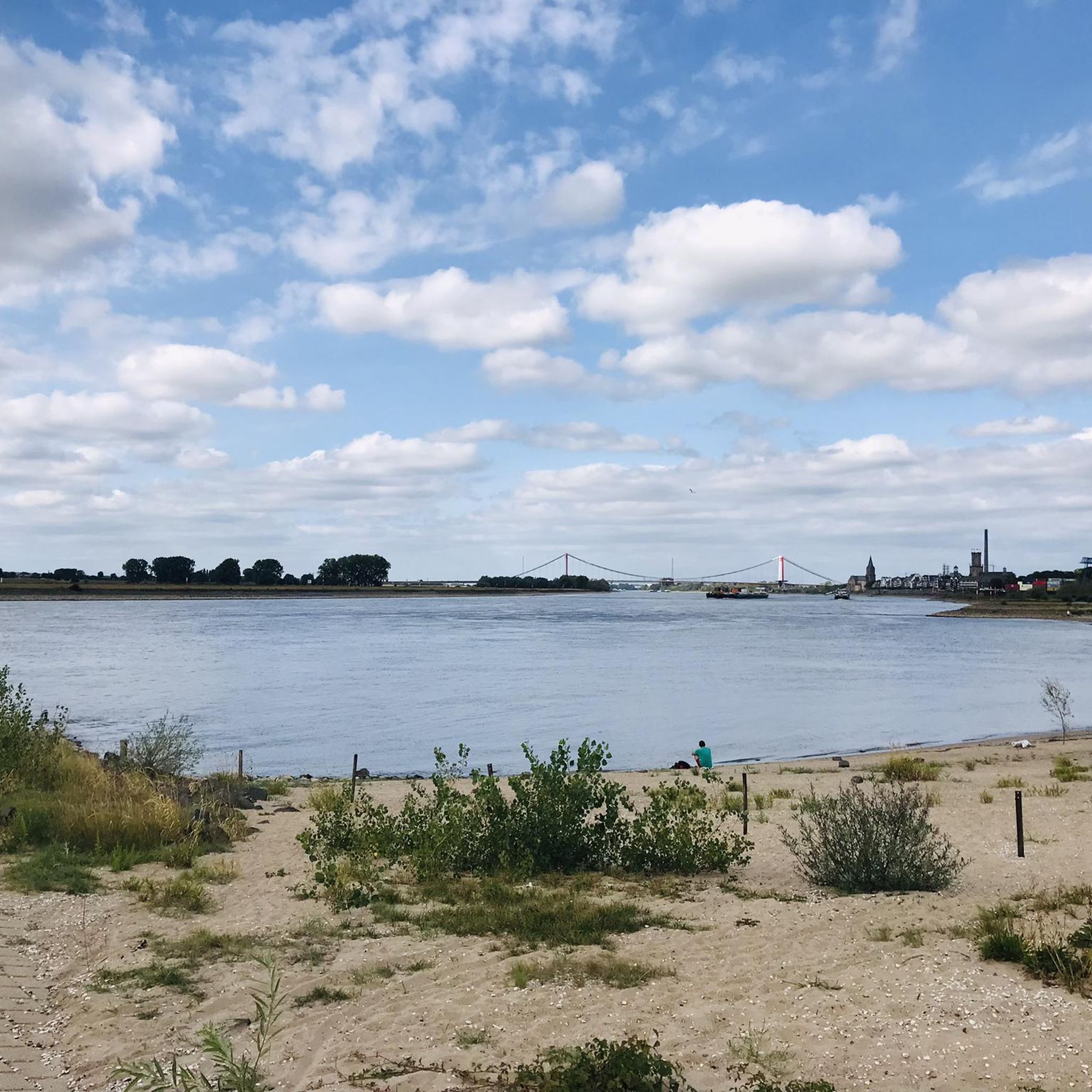
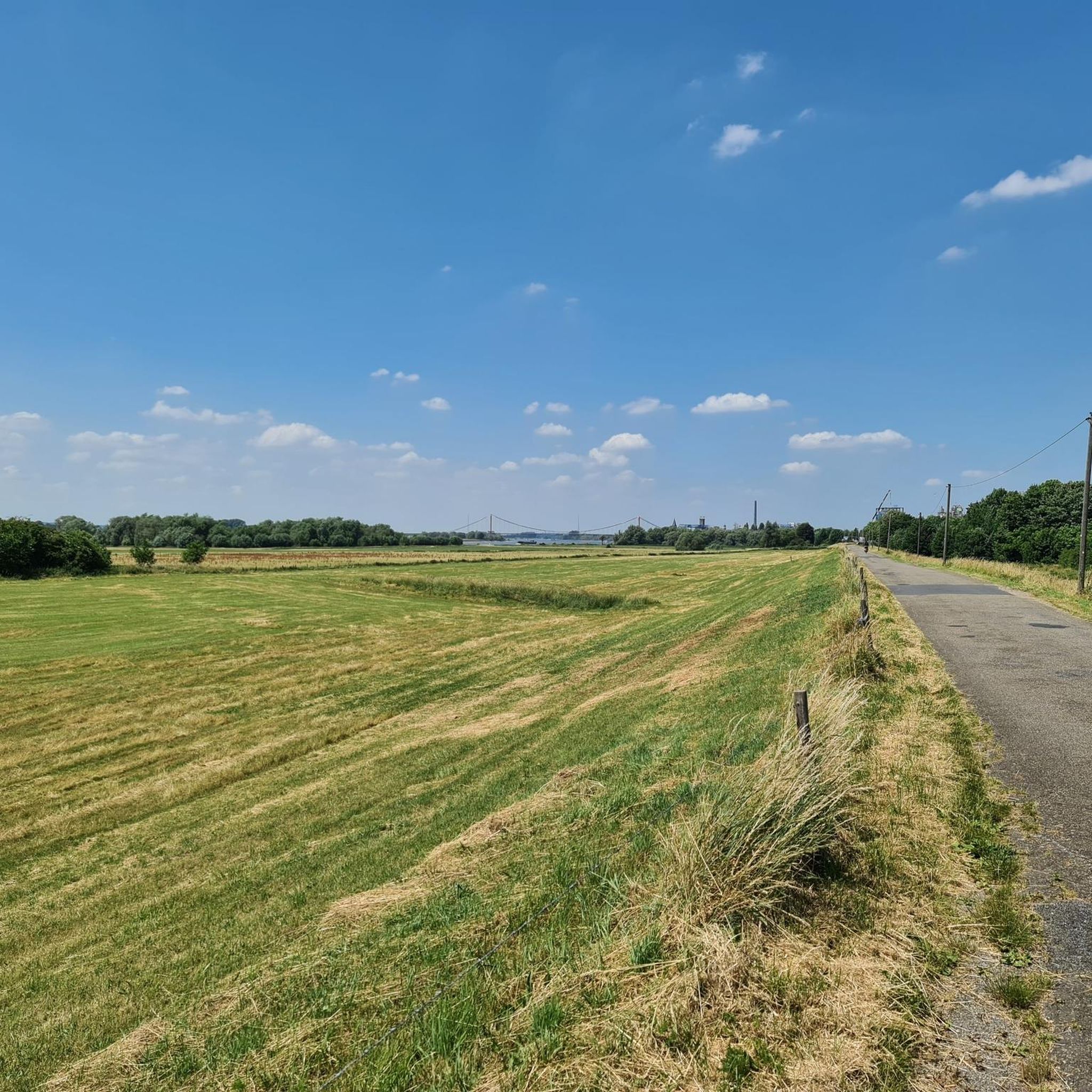
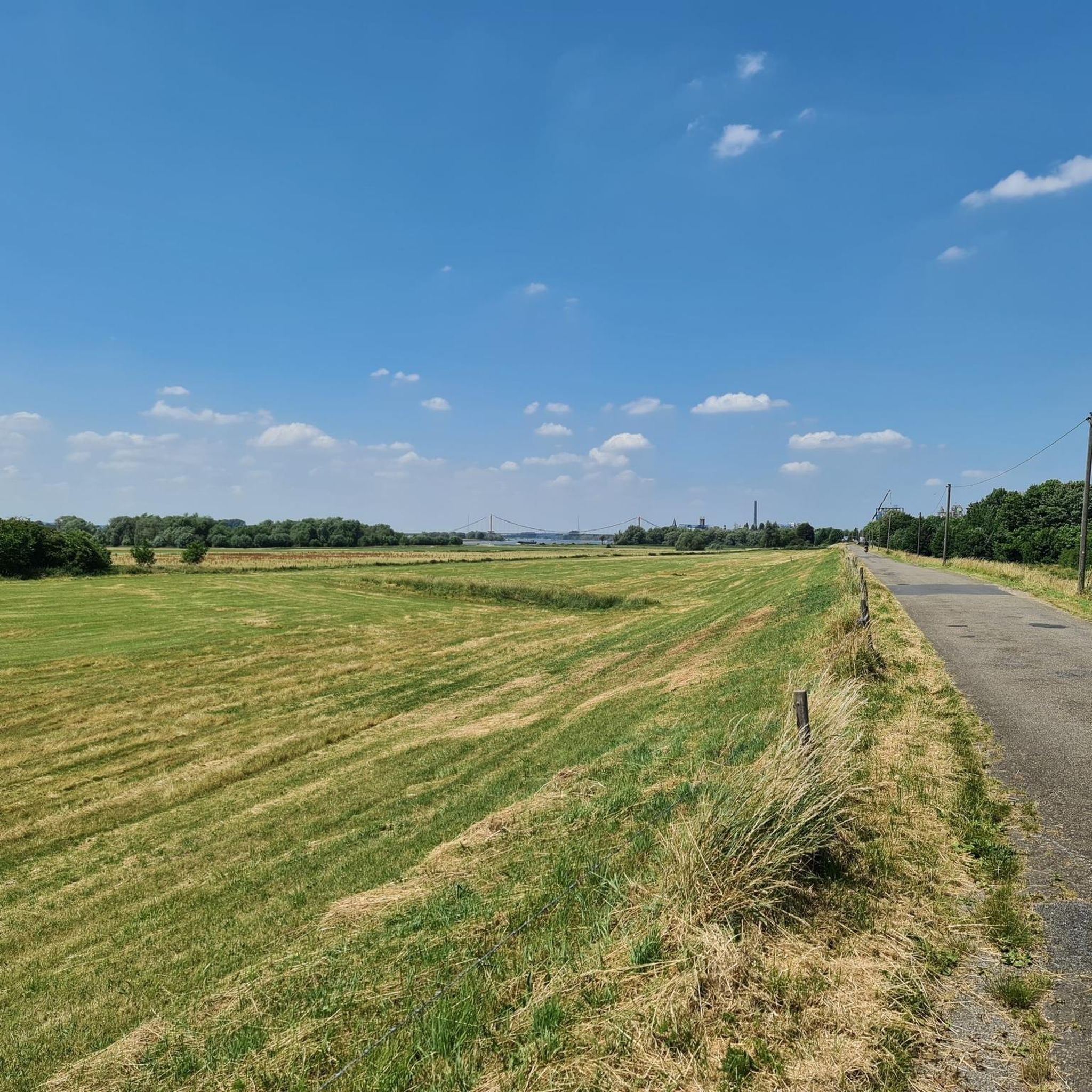
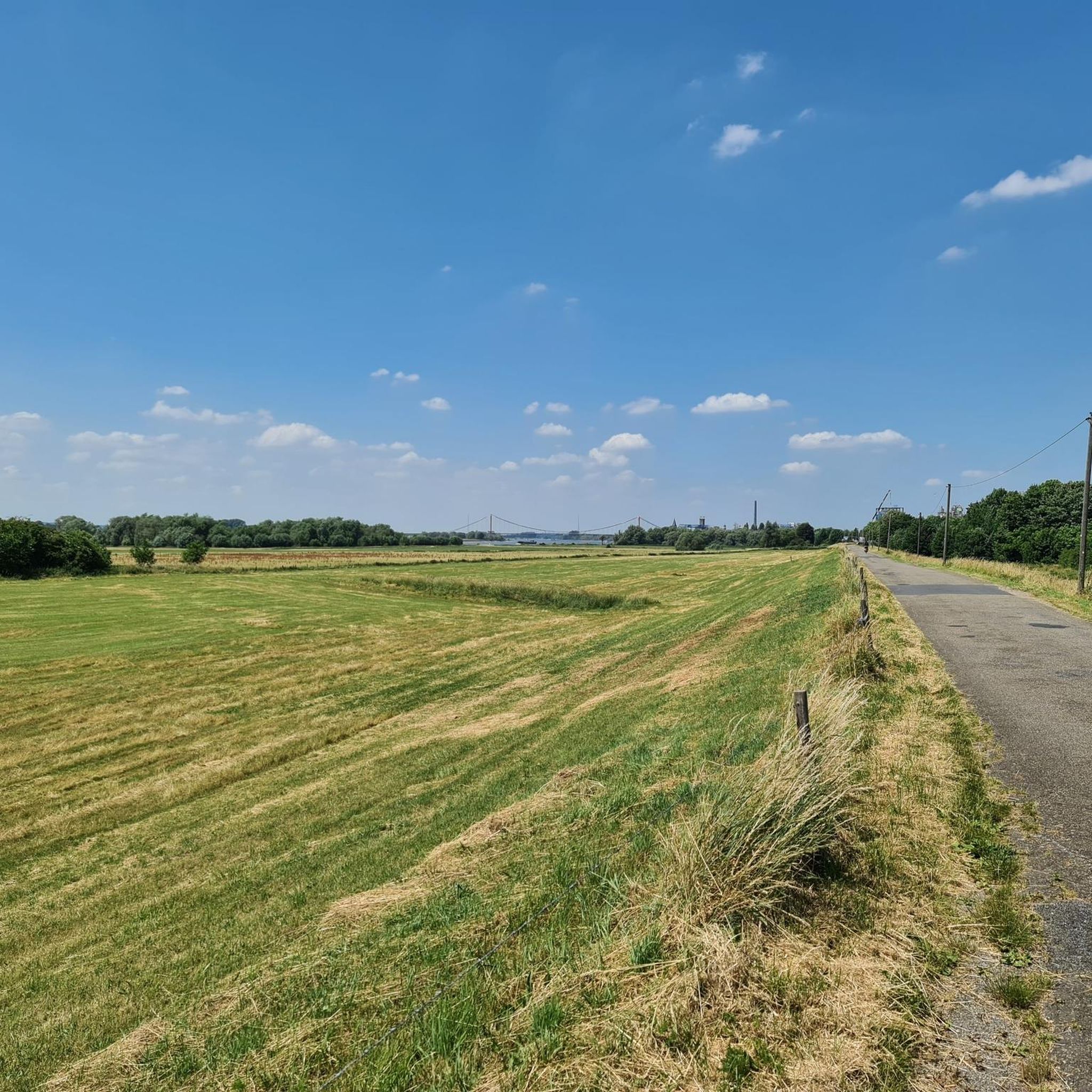
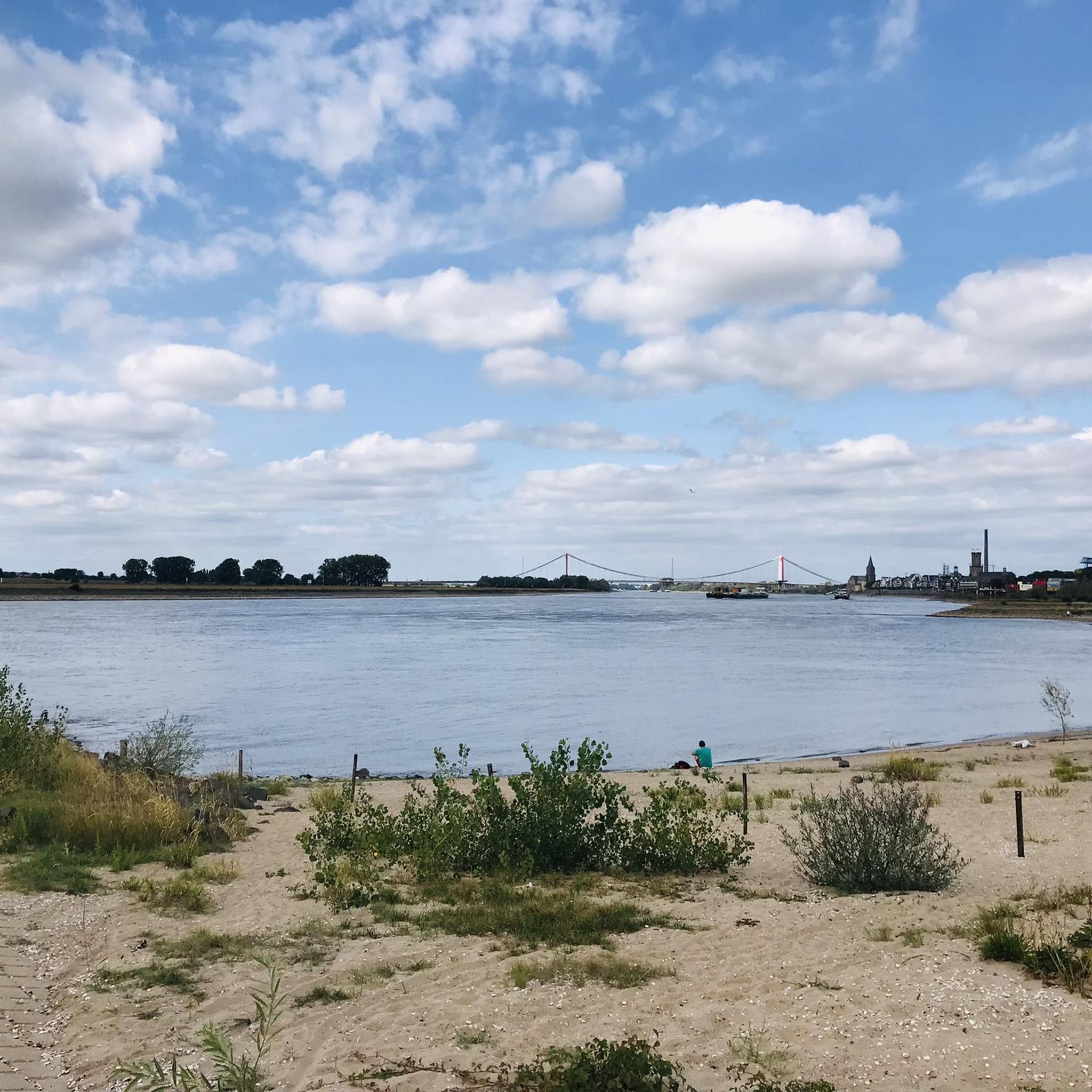
Gravel biking in Dornicksche Ward offers routes through a distinctive floodplain landscape along the Rhine River. This area features extensive grasslands, willow forests, and wetlands, with remnants of old river courses and still waters. The generally flat terrain of the Lower Rhine Plain is suitable for cycling, with accessible dike roads providing paths along the Rhine. These natural features create varied terrain for gravel biking enthusiasts.
Best gravel bike trails in Dornicksche Ward
- The most popular gravel bike trail is…
Last updated: May 6, 2026
5.0
(1)
23
riders
67.1km
03:55
220m
220m
Moderate gravel ride. Good fitness required. Mostly paved surfaces. Suitable for all skill levels.
10
riders
53.5km
03:18
150m
150m
Hard gravel ride. Good fitness required. You may need to push your bike for some segments of this route.

Sign up for free
5.0
(1)
5
riders
96.0km
05:59
540m
540m
Hard gravel ride. Very good fitness required. You may need to push your bike for some segments of this route.
3.0
(1)
6
riders
51.9km
02:50
80m
80m
Moderate gravel ride. Good fitness required. Mostly paved surfaces. Suitable for all skill levels.
17
riders
31.4km
01:56
130m
130m
Easy gravel ride. Great for any fitness level. Mostly paved surfaces. Suitable for all skill levels.
Get access to more routes and recommendations from other explorers.
Sign up for free
Already have an account?
Our route recommendations are based on thousands of hikes, rides, and runs completed by other people on komoot.
Start today with a free account
Your next adventure awaits.
Login or Signup
Tips from the Community

It is likely that Saint Martin or one of his successors had a church built in this area. The present late Gothic church building dates from the period 1300 to 1350. Oud-Zevenaar was once a place of pilgrimage. Many miracles are said to have occurred at the statue of Our Lady of Sorrows, which was placed in the church in 1440 and stolen in 1975. A replica is now in the church. The stained-glass windows, depicting the Seven Sorrows of Mary, were created in 1931 by the stained-glass artist Joep Nicolas. Next to the main entrance is a stone indicating a height of 15.25 cm above sea level (NAP).
0
0

This castle is a must see.
0
0
A beautiful church to see.
0
0


Always straight ahead, seemingly for eternity
0
0


The church's origins date back to the 10th century. It was built as a simple wooden structure at the beginning of the 10th century northeast of the then existing castle complex. In 967, the castle was converted into a free-noble women's convent. The Elten women's convent developed into an imperial foundation and thus also became a secular dominion, or rather, an independent small state with a secular bailiff. The wooden church was replaced by a three-aisled basilica. In 970, it was consecrated to St. Salvator and St. Vitus, but three years later, only the latter was listed as the patron saint. North of the church, convent buildings with a cloister were built. The chronology is based on pottery, which is discussed in detail by Janssen. Some burials northeast of the church date from as early as the 10th/11th centuries.
11
0
A truly beautiful vantage point with a view toward Emmerich. There's a small hiking trail (around the church) leading here, but if there aren't many visitors, you can also ride or push your bike.
10
1
Frequently Asked Questions
How many gravel bike trails are available in Dornicksche Ward?
Dornicksche Ward offers a good selection of gravel biking routes, with over 25 trails to explore. These routes cater to various skill levels, including easy, moderate, and difficult options.
What kind of terrain can I expect when gravel biking in Dornicksche Ward?
You'll primarily encounter a distinctive floodplain landscape along the Rhine River. The terrain is generally flat, characteristic of the Lower Rhine Plain, but features varied surfaces including accessible dike roads, natural paths through extensive grasslands, and areas shaped by old river courses and wetlands. This mix provides an engaging experience for gravel bikers.
Are there any easy gravel bike routes suitable for beginners or families?
Yes, Dornicksche Ward has several easy routes. For instance, the Oude Eltenseweg – Bergherbos Mountain Bike Trail loop from Emmerich on the Rhine is an easy 28.8 km trail that takes about 2 hours to complete, leading through grasslands and near willow forests. Another easy option is the Gaardepad behind castle – View of Huis Bergh Castle loop from 's-Heerenberg, which is about 29 km.
What are some notable natural features or landmarks I might see along the trails?
The region is rich in natural beauty, characterized by its floodplain landscape, extensive grasslands, and willow forests. You'll also find remnants of old river courses and still waters. For specific landmarks, consider visiting the Former Dornick Mill or the Dornick Tower Windmill. The Deichstraße Cycle Path Between Emmerich and Dornick itself offers scenic views along the Rhine.
Is Dornicksche Ward suitable for birdwatching while cycling?
Absolutely. Dornicksche Ward is a significant ecological area, serving as a crucial resting and wintering ground for various water and meadow birds, including arctic geese. This makes it an excellent spot for birdwatching, so keep an eye out for local and migratory species during your ride.
What do other gravel bikers say about the trails in Dornicksche Ward?
The routes in Dornicksche Ward are highly rated by the komoot community, with an average score of 4.6 stars from over 30 reviews. Many visitors praise the distinctive riverine landscape, accessible dike paths, and extensive grasslands that define the area's gravel biking experience.
Are there any longer, more challenging gravel routes in the area?
Yes, for those seeking a longer challenge, the View of the Aa River – Bridge over the Oude IJssel loop from Emmerich is a moderate 74.3 km path that navigates the flat terrain showcasing riverine scenery. Another option is the Bergherbos Mountain Bike Trail – Grafelijke Korenmolen Zeddam loop from 's-Heerenberg, a difficult 45.3 km route.
Can I find circular gravel bike routes in Dornicksche Ward?
Many of the gravel bike routes in Dornicksche Ward are designed as loops, allowing you to start and end at the same point. Examples include the Grafelijke Korenmolen Zeddam – Blick auf Oud Zeevenar loop from Emmerich and the Oude Eltenseweg – Bergherbos Mountain Bike Trail loop from Emmerich on the Rhine.
What is the best time of year to go gravel biking in Dornicksche Ward?
Given its floodplain landscape and significance as a bird resting ground, spring and autumn are often ideal. The weather is generally milder, and you can experience the vibrant seasonal changes or observe migratory birds. Summer offers longer daylight hours, while winter can be tranquil, though conditions may vary.
Are there any facilities or rest areas along the gravel bike paths?
Yes, you can find designated spots for breaks. For example, there is a Rest Area on the Dornick Dike, which provides a convenient place to pause and enjoy the views during your ride.
Is the area generally flat or are there significant climbs on the gravel routes?
The Dornicksche Ward is situated within the Lower Rhine Plain, meaning the terrain is generally flat. While some routes may have minor undulations, you won't encounter significant climbs typical of mountainous regions, making it accessible for a wide range of cyclists.
Most popular routes in Dornicksche Ward
Most popular attractions in Dornicksche Ward

Get inspired with the komoot mobile app


Explore more
Browse the best Gravel rides in other regions.
