The best mountain hikes around La Vall De Bianya
11
hikers
2
hikes
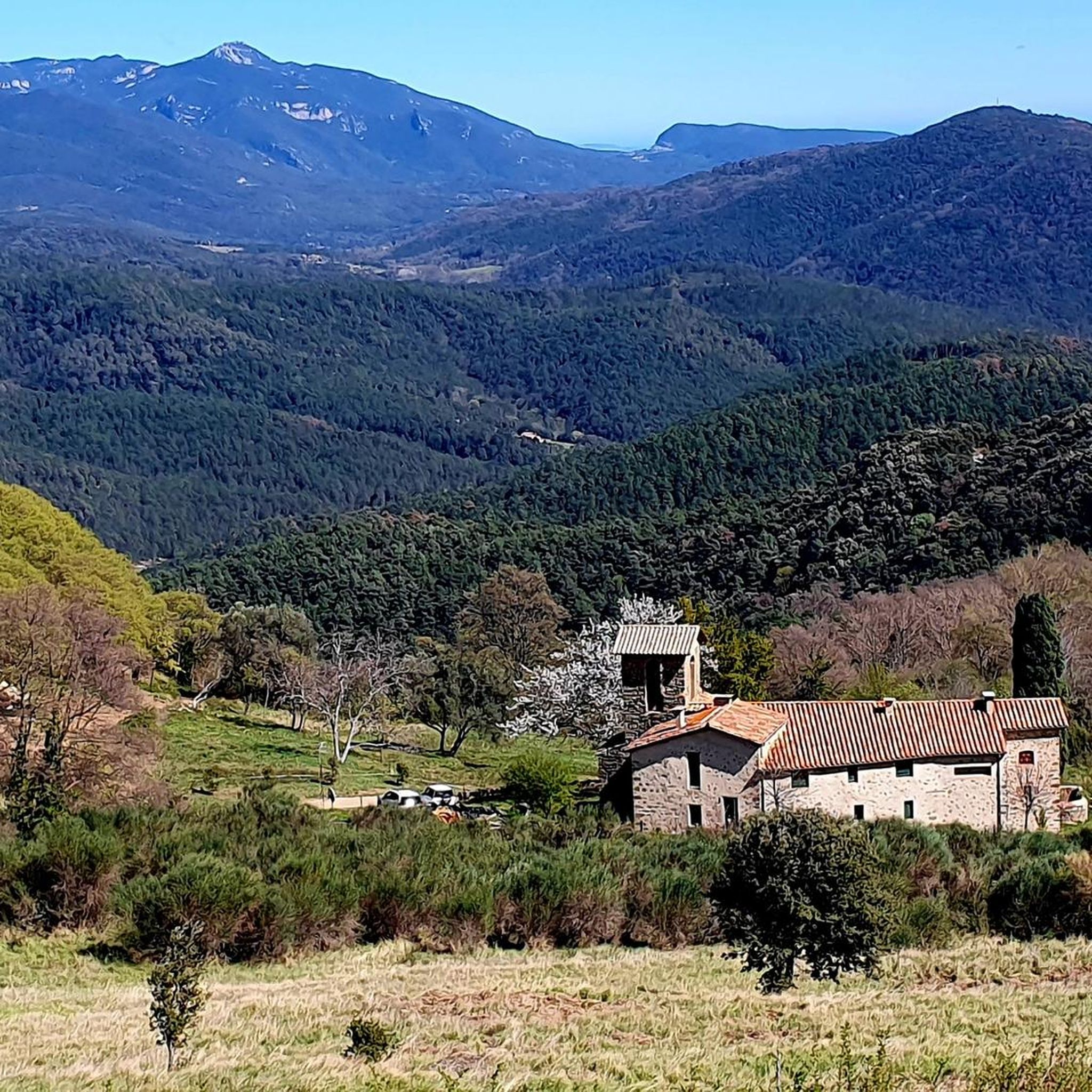
Mountaineering routes around La Vall De Bianya traverse a diverse landscape within the Garrotxa Volcanic Zone Natural Park, characterized by its unique volcanic terrain and significant elevation changes. The region features a combination of large and small valleys, including the Bianya, Bac, Carrera, and Sant Ponç, filled with lush meadows, dense woodlands, and flowing streams. Surrounded by mountains, the area offers challenging ascents, with prominent peaks like Puigsacalm reaching 1,515 meters. This varied topography provides a scenic backdrop for strenuous…
Last updated: July 12, 2026
5
hikers
13.5km
06:15
980m
980m
Hard mountaineering route. Very good fitness required. Sure-footedness, sturdy shoes and alpine experience required.
3
hikers
15.2km
05:03
710m
710m
Hard mountaineering route. Very good fitness required. Easily-accessible paths. Suitable for all skill levels.

Sign up for free
3
hikers
8.57km
02:49
390m
390m
Moderate mountaineering route. Good fitness required. Easily-accessible paths. Suitable for all skill levels.
Our route recommendations are based on thousands of hikes, rides, and runs completed by other people on komoot.
Start today with a free account
Your next adventure awaits.
Login or Signup
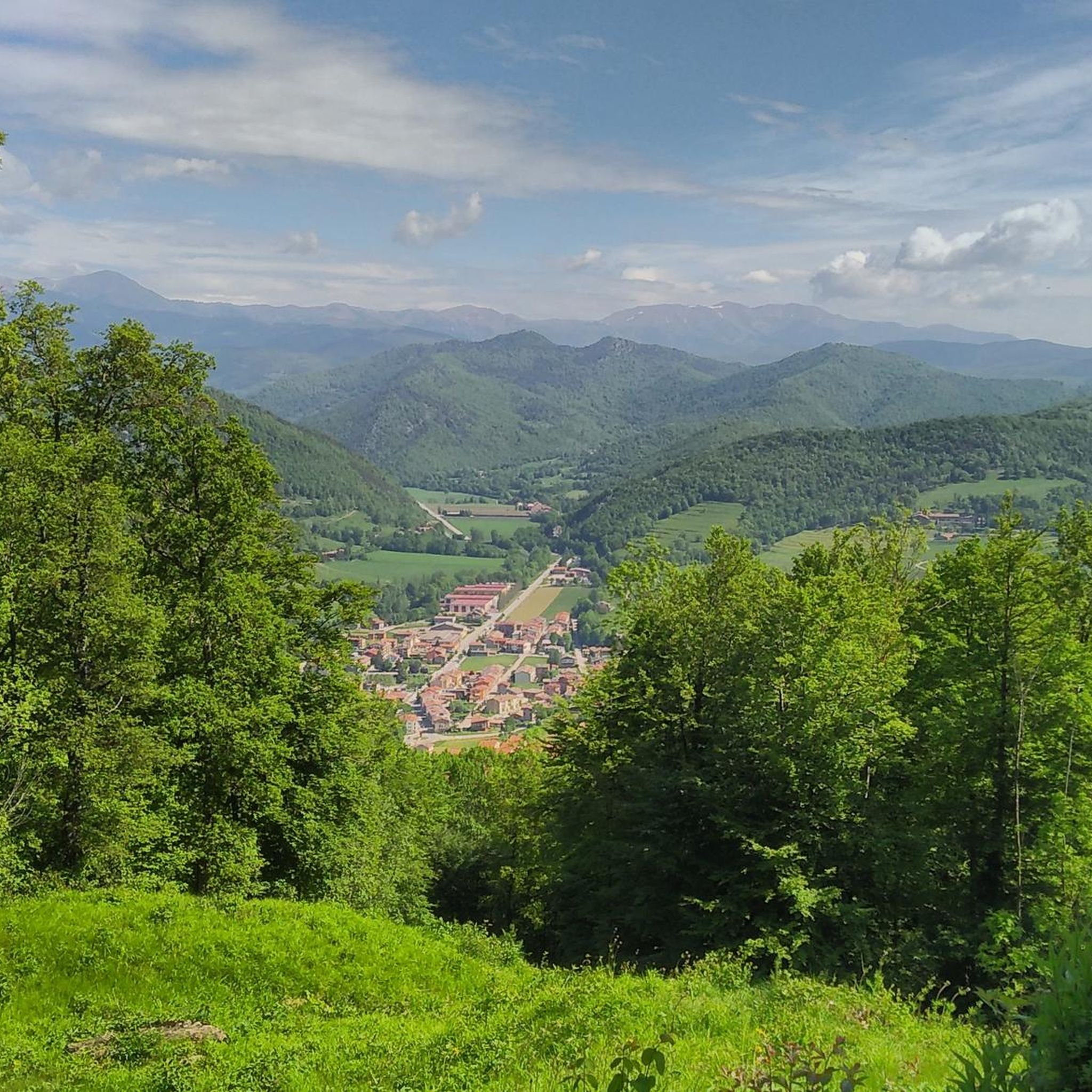
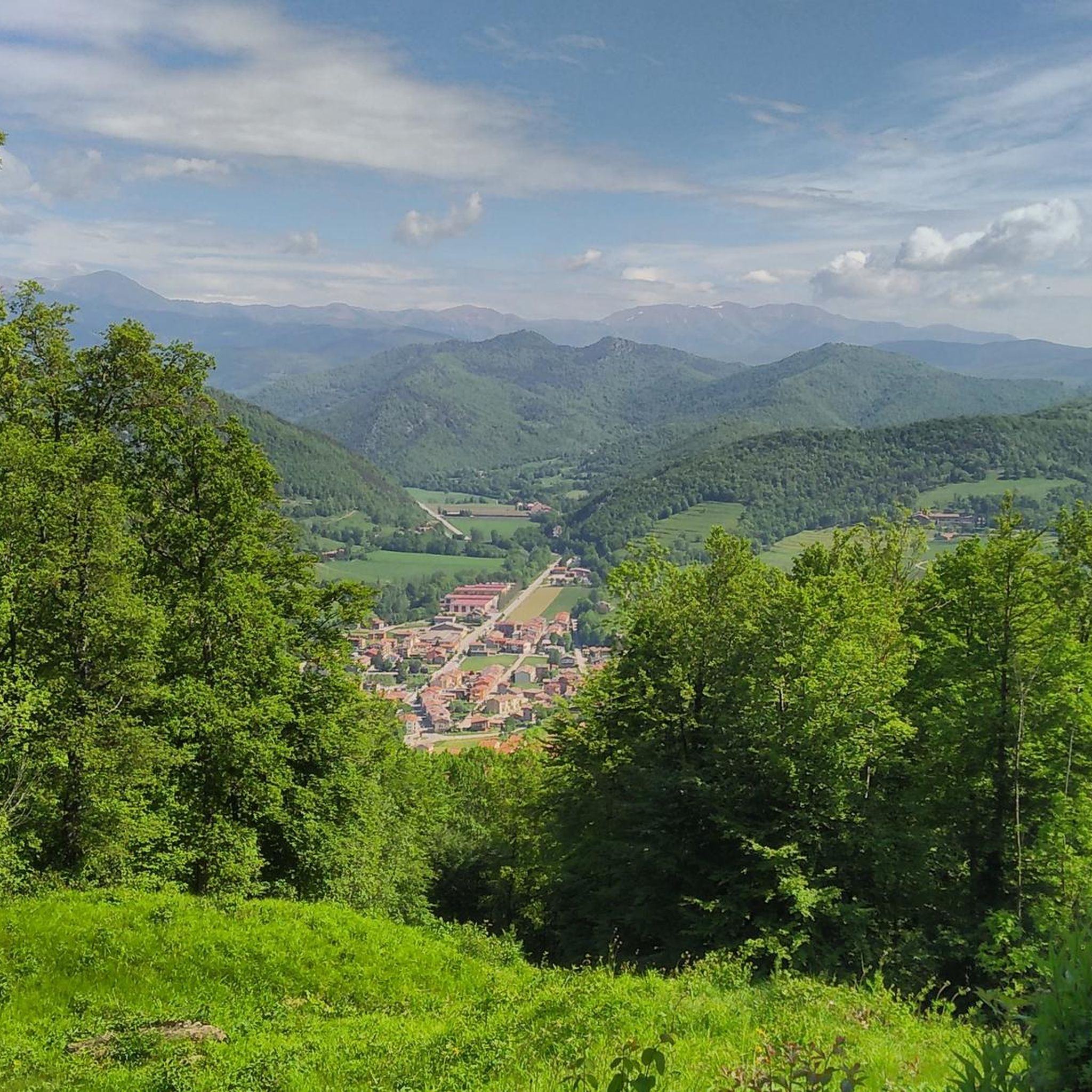
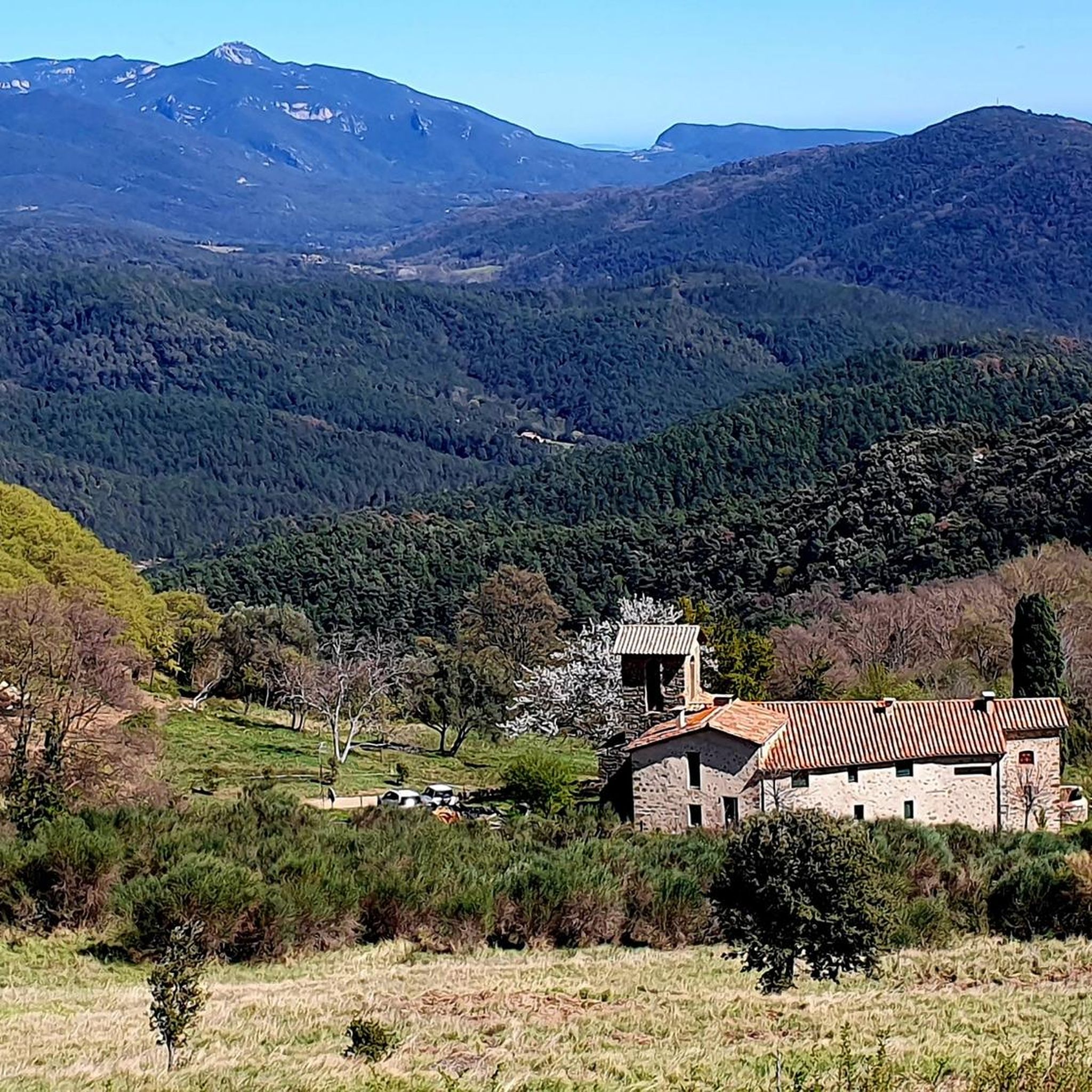
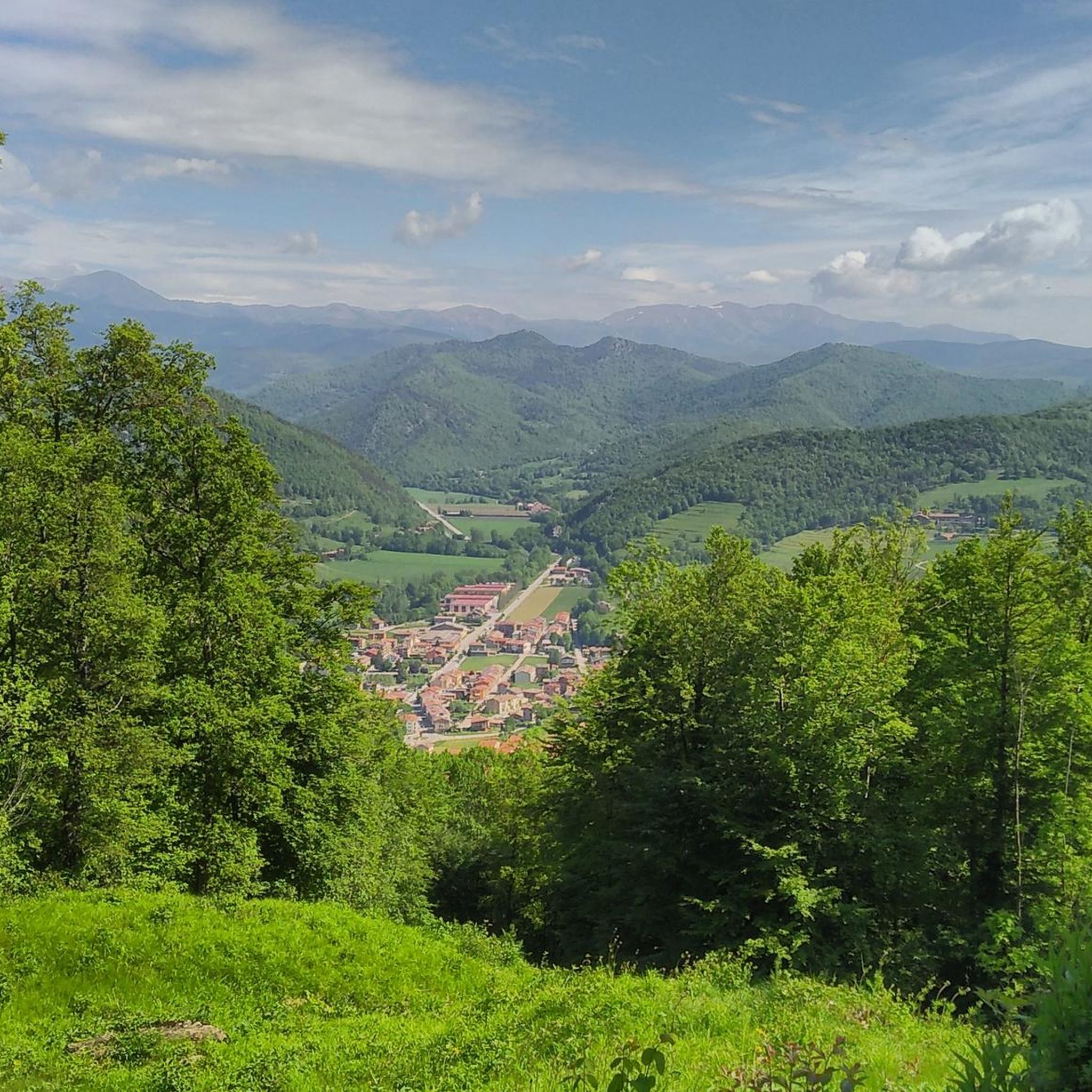

Tips from the Community

View of the impressive bridge.
0
0

Camprodon is a small town in the province of Girona with a long history behind it: it was taken and burned in several wars over the centuries. Today, it is a quiet place located in the valley where the Ter and Ritort rivers meet.
1
0


Camprodon is a charming little Catalan town located near the French border. There you will find the birthplace of the composer Isaac Albeniz (Spanish composer from the end of the 19th century), shops and a new old bridge.
2
0

Magnificent place to enjoy splendid views at the foot of Puigsacalm.
2
0

If you cross it you will have access to the old town and from its highest part you will be able to see the confluence of the Ter river with the Ritort.
1
0
It rises above the river Ter with a large arch and another small one that gives way to Carrer de Sant Roc. The construction dates back to the end of the 12th century, according to the Gothic design. It was declared a Historical and Artistic Monument in 1976. The silhouette of this bridge, located in the town centre, is one of the most characteristic prints of Camprodon. It rises above the river Ter with a large arch and another small one that gives way to Carrer de Sant Roc, through which you enter what is called Vila de Baix, formed in medieval times and surrounded by walls. In fact, the bridge, with a double slope, was a must-pass for all those going to Cerdanya, and that is why access to the walls was through the so-called Porta de Cerdanya. The construction, according to the documentation found, dates back to the end of the 12th century, following a Gothic design, although this statement is contradicted by the dates carved on the doors on both sides of the bridge, which refer to the 16th centuries and XVII. However, the upper portal, due to its characteristics, must be posterior. The name probably refers to the existence of another previous bridge. It was declared a Historical and Artistic Monument in 1976. https://www.youtube.com/watch?v=zYIP5zSMpwU
1
0
Frequently Asked Questions
What kind of terrain can I expect on mountaineering routes in La Vall De Bianya?
Mountaineering routes in La Vall De Bianya traverse a diverse landscape within the Garrotxa Volcanic Zone Natural Park. You'll encounter unique volcanic terrain, lush meadows, dense woodlands, and flowing streams across various valleys like Bianya, Bac, Carrera, and Sant Ponç. The area is also surrounded by mountains, offering significant elevation changes and challenging ascents.
Are there any challenging mountaineering routes for experienced climbers?
Yes, for experienced mountaineers, the region offers challenging ascents. A notable difficult route is the Puig del Soi – Puigsacalm loop from la Vall d'en Bas, which includes the ascent of Puigsacalm, an emblematic peak reaching 1,515 meters and offering expansive views.
Are there any moderate mountaineering routes suitable for those with some experience?
Absolutely. For those with some mountaineering experience, the Puig de Bestracà loop from Oix is a popular moderate option. This route winds through varied terrain, including dense woodlands and open mountain slopes. Another moderate choice is the Sant Antoni – Sant Antoni Vell loop from Camprodon, which leads through valleys and forested areas.
What are the typical durations for mountaineering routes in La Vall De Bianya?
The duration of mountaineering routes in La Vall De Bianya varies depending on the difficulty and length. For example, the moderate Sant Antoni – Sant Antoni Vell loop from Camprodon typically takes around 2 hours 46 minutes, while the more difficult Puig del Soi – Puigsacalm loop from la Vall d'en Bas can take approximately 6 hours 7 minutes.
What do other mountaineers say about the routes in La Vall De Bianya?
The mountaineering routes in La Vall De Bianya are highly regarded by the komoot community, holding an average score of 5.0 stars from 2 reviews. Many mountaineers appreciate the varied terrain and the stunning natural landscapes, especially the volcanic features and verdant valleys.
Are there any circular mountaineering routes available?
Yes, several routes are designed as loops, allowing you to start and end at the same point. Examples include the challenging Puig del Soi – Puigsacalm loop from la Vall d'en Bas, the moderate Puig de Bestracà loop from Oix, and the Sant Antoni – Sant Antoni Vell loop from Camprodon.
What kind of natural attractions can I see along the mountaineering routes?
The region is rich in natural attractions due to its location within the Garrotxa Volcanic Zone Natural Park. You might encounter unique volcanic formations like the Santa Margarida Volcano and the Croscat Volcano Scoria Slopes. The routes also offer views of prominent peaks such as Puigsacalm and various scenic viewpoints like Views of the Rock.
Are there any historical or cultural landmarks near the mountaineering trails?
Yes, the area around La Vall De Bianya is dotted with historical and cultural sites. You can find several castles, such as Santa Pau Castle, Castillo de Milany, and Castell de Rocabruna. The historic Pont Nou of Camprodon is also a notable landmark in the vicinity.
What is the best time of year for mountaineering in La Vall De Bianya?
While specific seasonal advice isn't detailed, the diverse landscape with its valleys, meadows, and woodlands suggests that spring and autumn would offer pleasant temperatures and vibrant scenery. Summer can be warm, and winter might bring snow to higher elevations like Puigsacalm, requiring appropriate gear and experience.
Is La Vall De Bianya suitable for mountaineering with dogs?
The region's natural park setting with extensive trails through woodlands and valleys generally makes it welcoming for dogs. However, it's always advisable to check specific trail regulations within the Garrotxa Volcanic Zone Natural Park regarding dogs, especially in protected areas or on routes that might involve scrambling or steep ascents that could be challenging for pets.
Are there any viewpoints along the mountaineering routes?
Yes, the mountainous terrain offers several opportunities for panoramic views. The ascent of Puigsacalm, for instance, is known for its expansive vistas. You can also find specific viewpoints like Views of the Rock and the Summit of La Roca de Palencà (1073 m), which provide stunning perspectives of the surrounding landscape.
Most popular routes around La Vall De Bianya
Most popular attractions around La Vall De Bianya

Get inspired with the komoot mobile app


Explore more
Browse the best Mountain Hikes & Routes in other regions.
