Top 20 Natural Monuments in Berlin
Natural monuments in Berlin offer a diverse range of natural features within an urban setting. The city is characterized by its significant green spaces, including forests, parks, and lakes, which cover approximately one-third of its area. These natural sites provide opportunities to explore unique landscapes, from geological formations to wetland ecosystems. Berlin's natural monuments are integral to its environment, showcasing both its geological history and ecological importance.
Best natural monuments in Berlin
- The most popular natural monuments is Drachenberg,…
Last updated: September 29, 2026
Drachenberg
Highlight • Viewpoint
Translated by Google •
Tip by

Eichwerder Boardwalk in the Tegeler Fließ
Highlight (Segment) • Trail
Translated by Google •
Tip by

Sign up now to discover places like this
Get recommendations on the best single tracks, peaks, & plenty of other exciting outdoor places.
TV Asahi Cherry Blossom Avenue
Highlight (Segment) • Trail
Translated by Google •
Tip by

Bathing area at Teufelssee
Highlight • Lake
You can set off from here to the Teufelsberg or the Drachenberg or towards the Havelchaussee.
Translated by Google •
Tip by

Teufelssee in the Teufelsseemoor, Köpenick
Highlight • Lake
Translated by Google •
Tip by

Buch Moor Pond
Highlight • Lake
Translated by Google •
Tip by

View of the sand dune in Grunewald
Highlight • Natural Monument
Translated by Google •
Tip by
Küstergraben Lübars
Highlight • River
Translated by Google •
Tip by

Confluence of the Dahme and the Spree
Highlight • River
Translated by Google •
Tip by

Dicke Marie — Berlin's Oldest Tree
Highlight • Natural Monument
Translated by Google •
Tip by
Sign up for free to discover even more natural monuments in Berlin.
Already have an account?
Start today with a free account
Your next adventure awaits.
Popular around Berlin
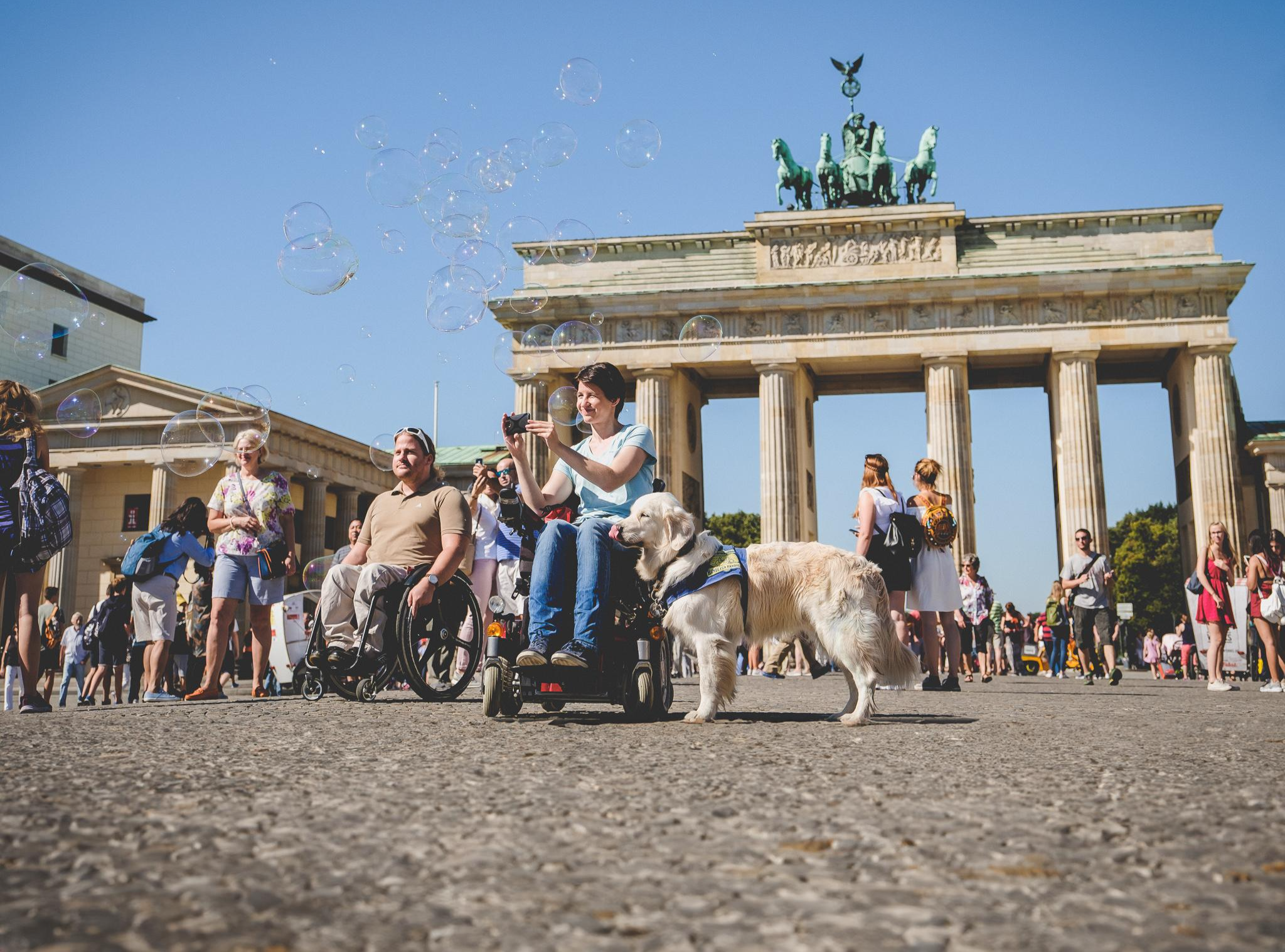
Accessible Hikes and Walks in Berlin
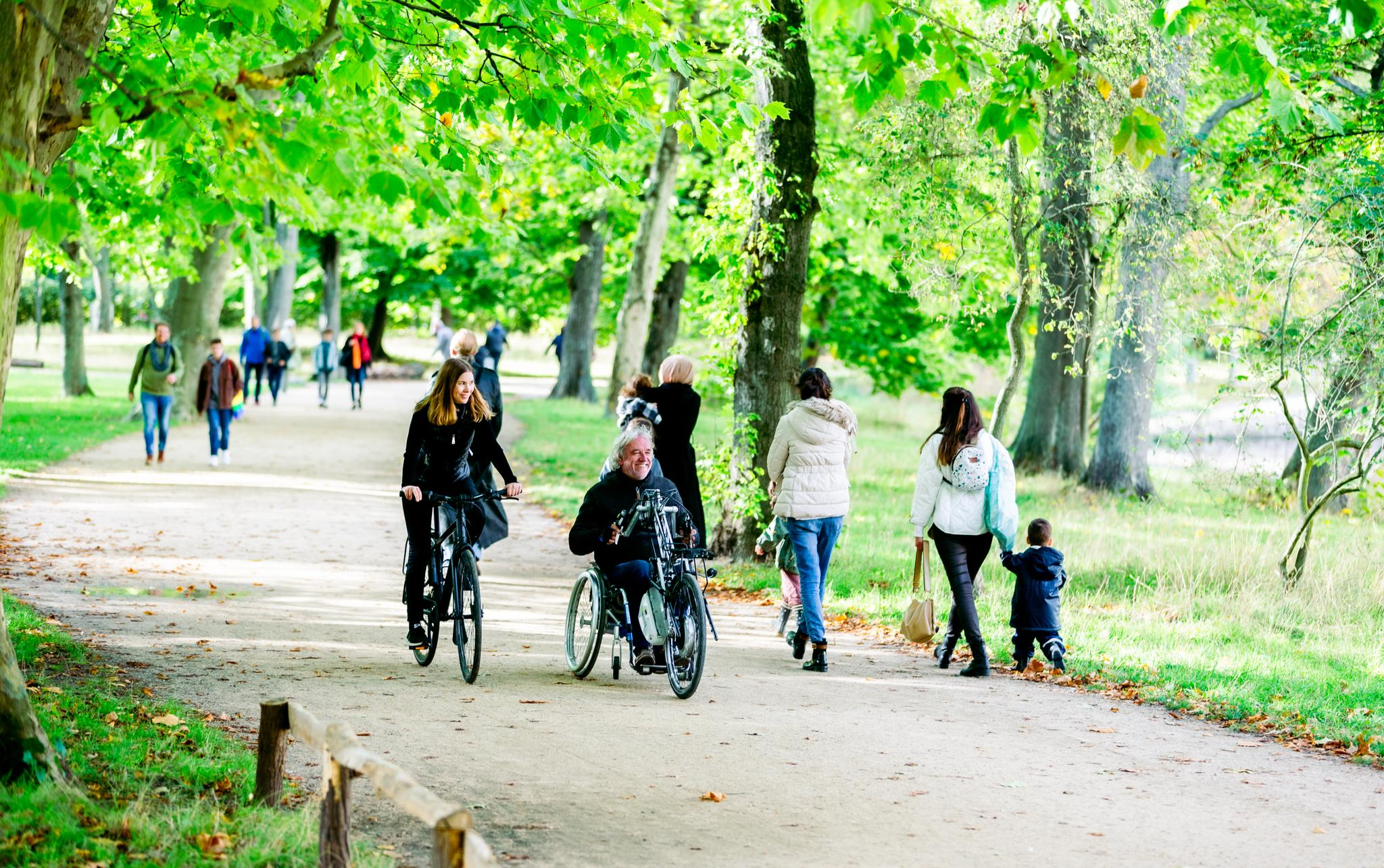
On relaxed paths through the capital – handcycling Berlin
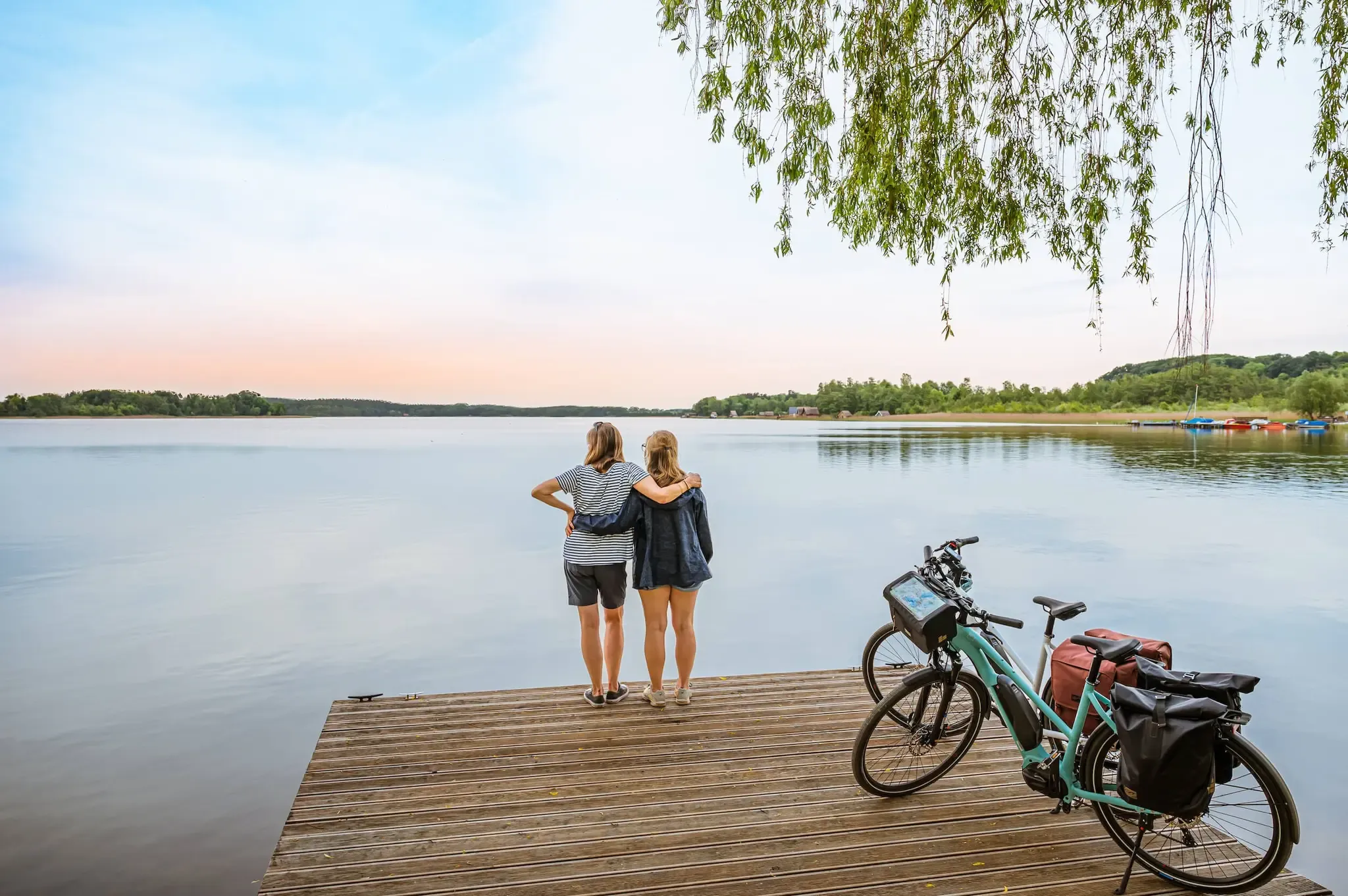
The long distance bicycle route Berlin-Copenhagen
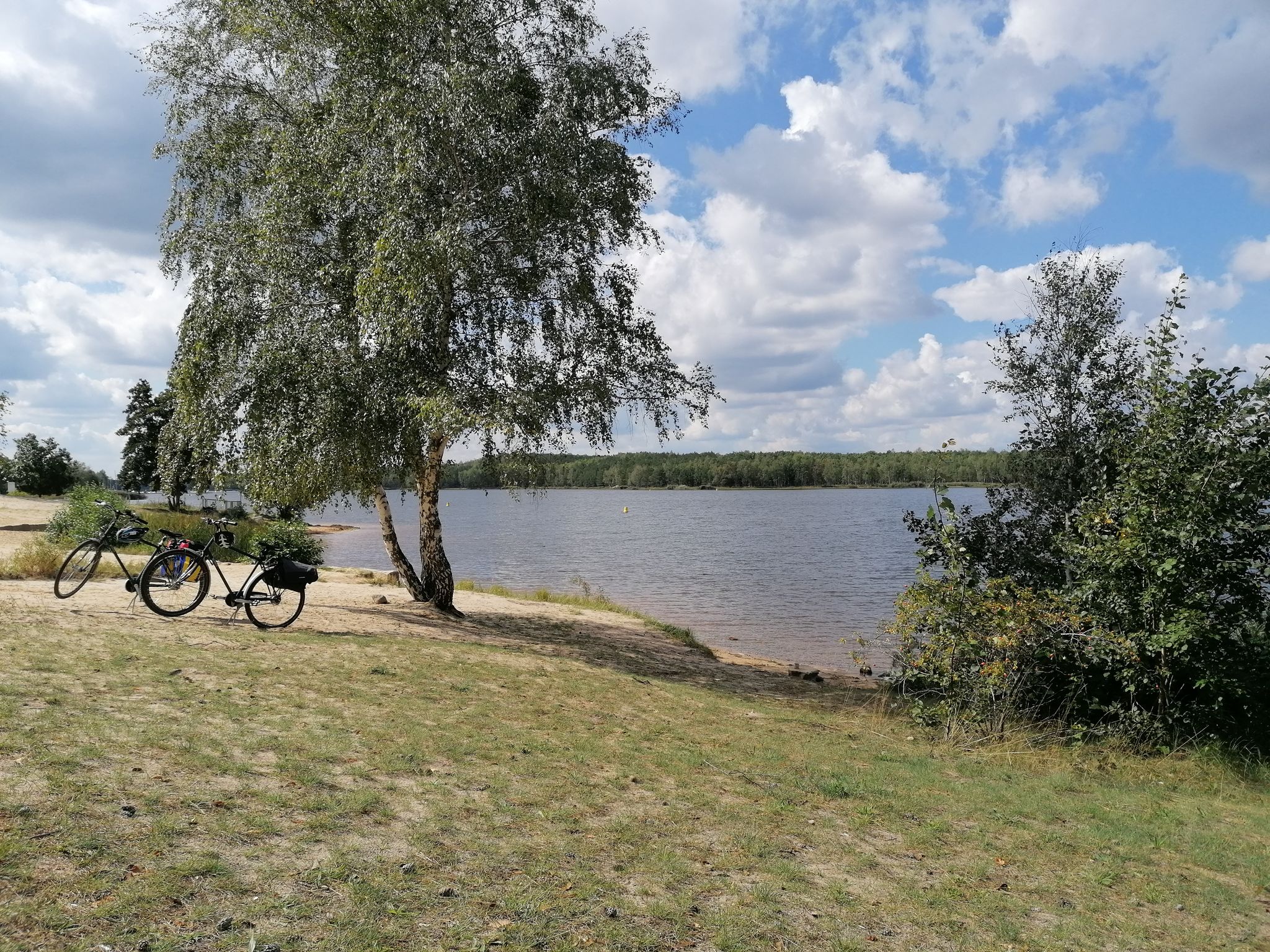
Cycling from Dresden to Berlin – lakes, nature and Sorbian culture
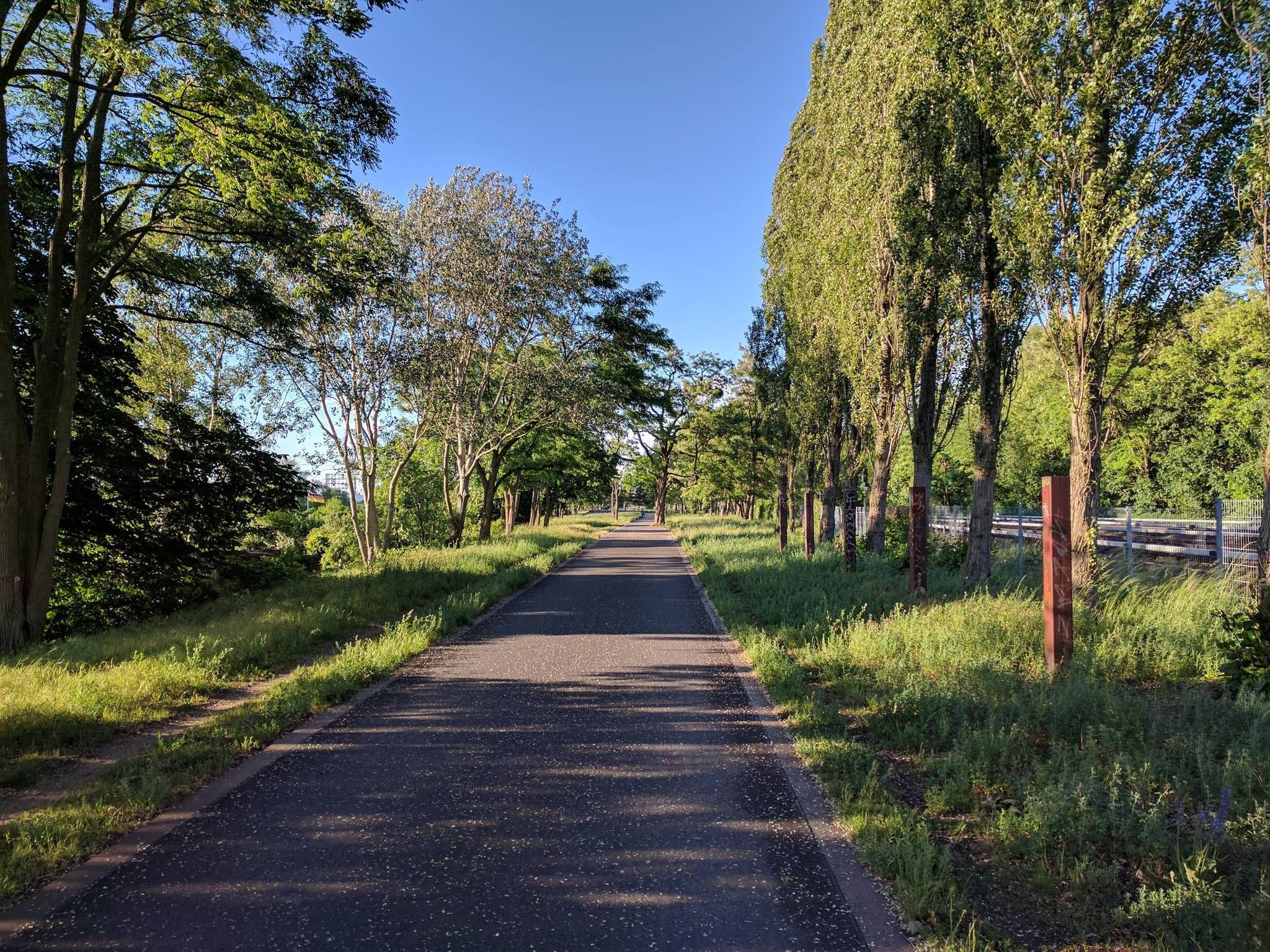
The Berlin Leipzig cycle path – Through the East in five stages
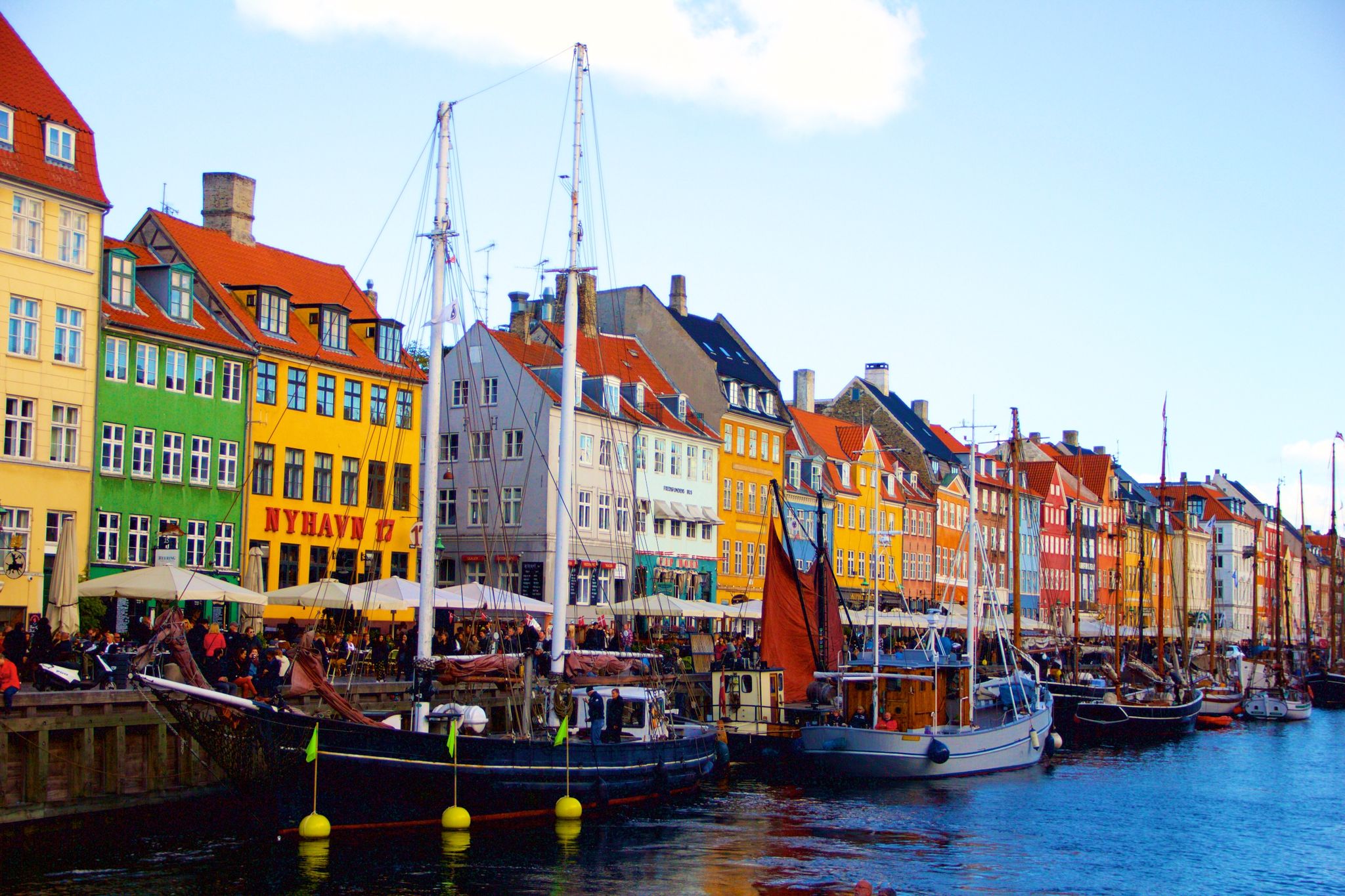
Berlin. Fehmarn. Copenhagen. An adventure on two wheels.
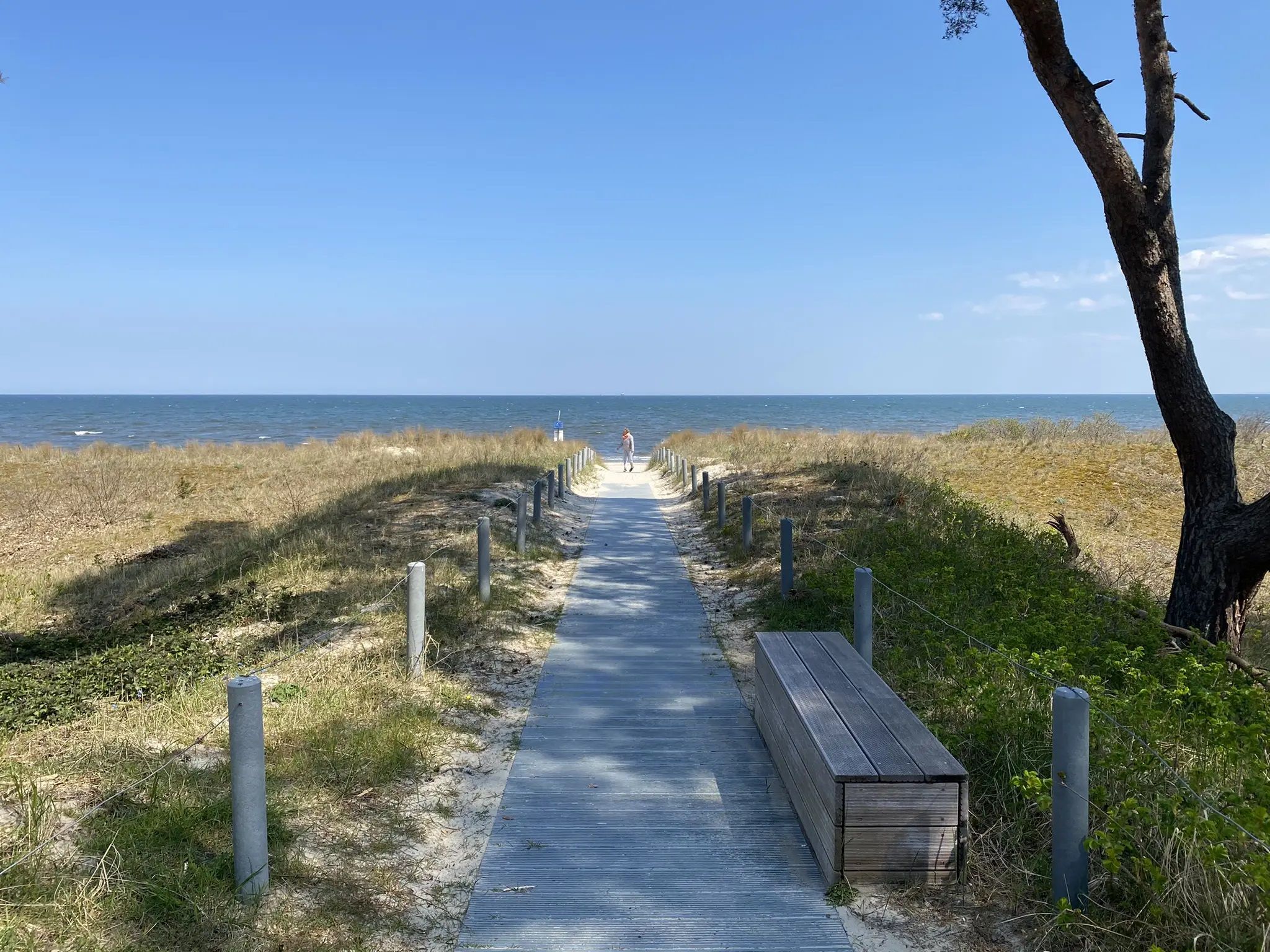
Berlin-Usedom – To the seaside in 4 days

Graffiti & Street Art Trails through Europe’s Coolest Cities
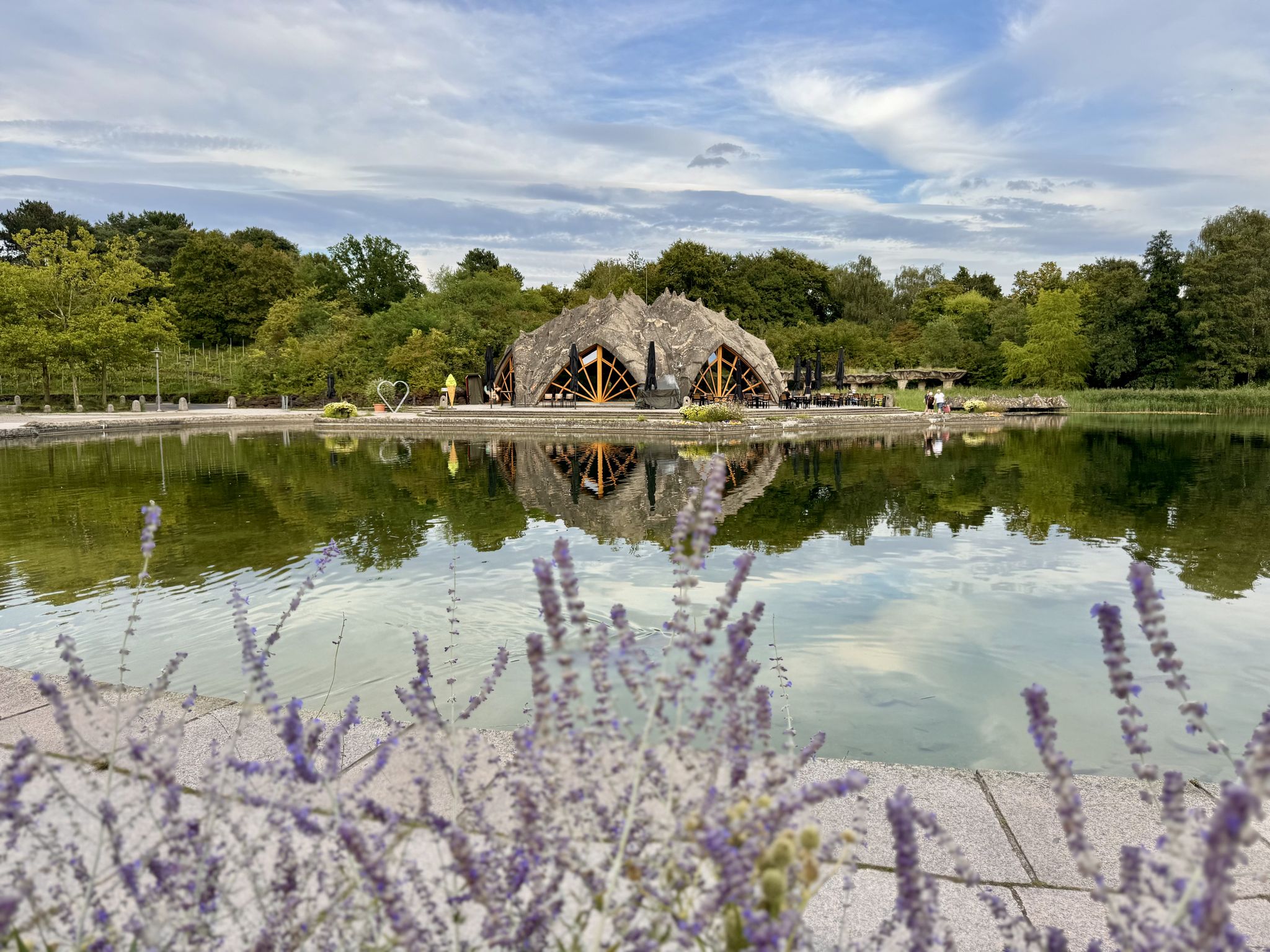
Island hopping in Berlin – exploring between water & city
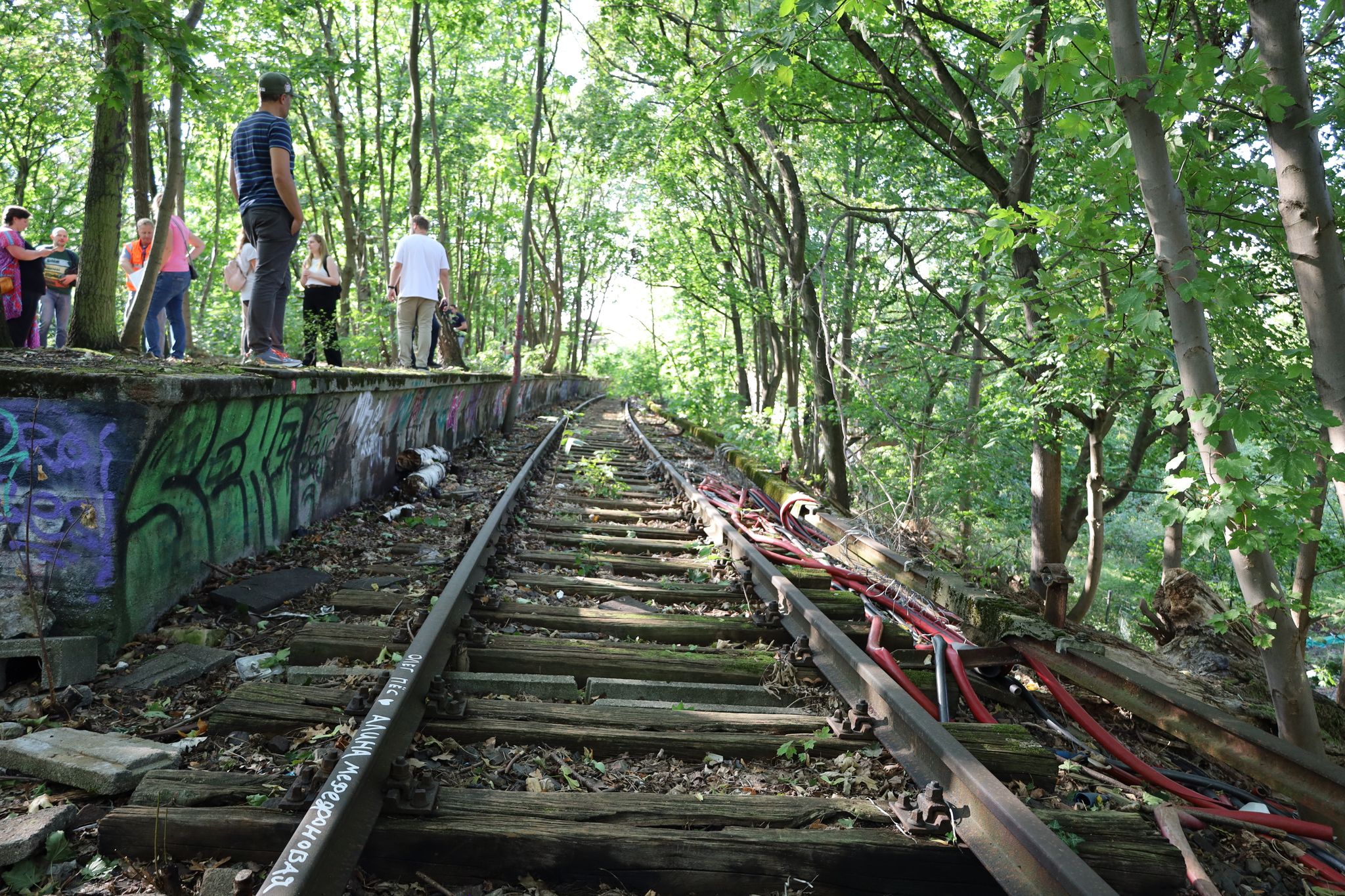
Discover the rail network of the future by bike - i2030 project
Other adventures in Berlin


Tips from the Community

The Dahme flows into the Spree. Beautiful view.
1
0

Sand mining in the Grunewald forest created a pit 18 hectares in size and 15 to 25 meters deep.
4
0

The Küstergraben Lübars is a historic ditch in Berlin-Lübars that was created in the Middle Ages to protect the village from flooding and as part of a drainage system. The ditch is around 2.5 kilometers long and runs from Waidmannsluster Straße to Alt-Lübars Straße. Today, Lübar's Küstergraben is a popular excursion destination and nature reserve that is visited by many walkers, joggers and cyclists. The area surrounding the ditch is characterized by rich animal and plant life, including rare species such as kingfishers, beavers and dragonflies.
6
0

The Japanese Cherry Alley in Lichterfelde South is a unique sight and a wonderful destination for a bike ride. Every year in April and May you can experience the stunning cherry blossoms there and be part of the traditional Hanami festival. The avenue stretches for several kilometers and is lined with numerous cherry trees that are in full bloom and offer a colorful spectacle. It is a popular place for walks, picnics and photo shoots. The area around Lichterfelde South is also very attractive for cyclists. There are many green areas and parks that invite you to relax and enjoy nature. There are also many opportunities to explore the area by bike. The atmosphere on the Cherry Allee is relaxed and cheerful. There is a positive mood and you can feel the sense of community and joy when you become part of the Hanami festival. It should be noted, however, that the Cherry Allee is very popular in spring and it can often be very busy. Nevertheless, it is definitely worth enjoying this special experience - whether it is sunny or cloudy. If you are lucky, you can even find a quiet corner for yourself and enjoy the beauty of the cherry blossom to the fullest.
3
1

My home for 63 years
1
1

Very nice and picturesque but very crowded in summer. Then only if you want to bathe yourself. A visit to the Öko-Werk (great bistro!) is well worth it.
5
0

The tributary is wider than the main river, ball of paradox
1
0

The Dahme rises southeast of the small town of Dahme, touches or flows north through the smaller towns of Golßen, Märkisch Buchholz and Königs Wusterhausen and flows into the Spree in Berlin-Köpenick just behind the palace island.
7
3
Frequently Asked Questions
What are some unique natural monuments to visit in Berlin?
Berlin offers a variety of unique natural monuments. You can explore the geological remnants of the Ice Age at the Sand Dune in Grunewald, or experience the serene wetland environment of the Eichwerder Boardwalk in the Tegeler Fließ. For a blend of nature and history, the TV Asahi Cherry Blossom Avenue transforms into a stunning sea of pink blossoms in spring, commemorating a gift from Japan to reunified Germany.
Are there natural monuments in Berlin that offer great views?
Yes, several natural monuments provide excellent vantage points. Drachenberg in Grunewald offers wide views over the forest and West Berlin. While not explicitly listed in the highlights, Viktoriapark, with its artificial waterfall, is known for panoramic views of the city from its summit, blending natural beauty with historical significance.
What kind of natural features can I expect to see among Berlin's natural monuments?
Berlin's natural monuments showcase diverse features, including lakes and moors like Teufelssee in the Teufelsseemoor, Köpenick, which offers insights into local flora and fauna. You'll also find wetlands, forests, rivers such as the Confluence of the Dahme and the Spree, and even unique geological formations like the Sand Dune in Grunewald.
Are there good walking or hiking opportunities around Berlin's natural monuments?
Absolutely. Many natural monuments are integrated into walking and hiking routes. For instance, the Eichwerder Boardwalk in the Tegeler Fließ is a popular trail for observing nature. The Erpetal Nature Reserve also offers trails through forests and along rivers. For more extensive options, explore the running trails in Berlin, which often pass through or near these natural areas. You can find detailed routes in the Running Trails in Berlin guide.
Can I go cycling near Berlin's natural monuments?
Yes, cycling is a great way to explore the natural monuments. The TV Asahi Cherry Blossom Avenue and the Japanese Cherry Blossoms on the Berlin Wall Trail are popular cycling paths. Berlin is a very bike-friendly city, and many routes pass through its green spaces. For specific cycling routes, check out the Cycling in Berlin guide.
What other outdoor activities can I do near Berlin's natural monuments?
Beyond walking and cycling, you can enjoy various outdoor activities. The extensive green spaces and waterways around Berlin's natural monuments are suitable for activities like gravel biking, with routes such as the 'Berlin Wall and Havel River Loop'. You can find more options in the Gravel biking in Berlin guide.
Are Berlin's natural monuments generally family-friendly?
Many of Berlin's natural monuments are indeed family-friendly. Locations like Drachenberg, the Eichwerder Boardwalk, and Teufelssee are noted as suitable for families, offering easy trails and opportunities for discovery. The forest school near Teufelssee, for example, provides educational activities for children.
What is the best time of year to visit Berlin's natural monuments?
The best time to visit largely depends on what you want to experience. Late April to early May is ideal for seeing the TV Asahi Cherry Blossom Avenue in full bloom. Spring and summer offer lush greenery and pleasant weather for walking and cycling. Autumn brings beautiful foliage, while winter can offer a unique, snowy landscape, though some boardwalks like the Eichwerder Boardwalk might be slippery with leaves.
How accessible are Berlin's natural monuments by public transport?
Berlin has an extensive public transport network, making many natural monuments accessible. While specific routes vary, most significant green spaces and natural attractions are reachable via S-Bahn, U-Bahn, tram, or bus. It's advisable to check connections for your specific destination before heading out.
Are there any natural monuments in Berlin that are particularly good for wildlife spotting?
Yes, areas like the Teufelssee in the Teufelsseemoor, Köpenick, with its pier stretching through the lake and moor, offer great insights into local fauna. The Eichwerder Boardwalk in the Tegeler Fließ is also recommended for observing nature and local wildlife in its wetland environment.
What do visitors enjoy most about Berlin's natural monuments?
Visitors frequently appreciate the tranquility and natural beauty found within the urban setting. Many enjoy the contrast of dense forests and serene lakes with the bustling city. The opportunity for relaxation, discovery of local flora and fauna, and the stunning views from places like Drachenberg are often highlighted. The historical significance intertwined with natural sites, such as the cherry blossom avenues, also adds to the unique appeal.
Are there any hidden or less-known natural monuments worth exploring in Berlin?
While some natural monuments are well-known, Berlin also has quieter spots. The Buch Moor Pond, for instance, offers a peaceful lake experience. The Küstergraben Lübars provides a tranquil river setting. These areas can offer a more secluded natural experience away from larger crowds.
Most popular routes in Berlin
Most popular attractions in Berlin

Get inspired with the komoot mobile app


Didn’t find what you were looking for?
Find even more amazing natural monuments in Berlin by checking out the top Highlights region by region:
Explore more
Extend your search for the best caves by checking out these guides of the top ones in Berlin:
