Top 20 Castles around Rotselaar
Castles around Rotselaar offer a glimpse into the region's rich history and architectural heritage. The area, nestled between the hills of Hageland, features a mix of historical sites and natural landscapes. While the original Rotselaar Castle is no longer standing, its historical significance to the Lords of Rotselaar remains. Visitors can explore various castles, some integrated into academic campuses or surrounded by parkland.
Best castles around Rotselaar
- The most popular castles is Horst Castle, a castle that is an…
Last updated: August 14, 2026
Horst Castle
Highlight • Castle
Translated by Google •
Tip by

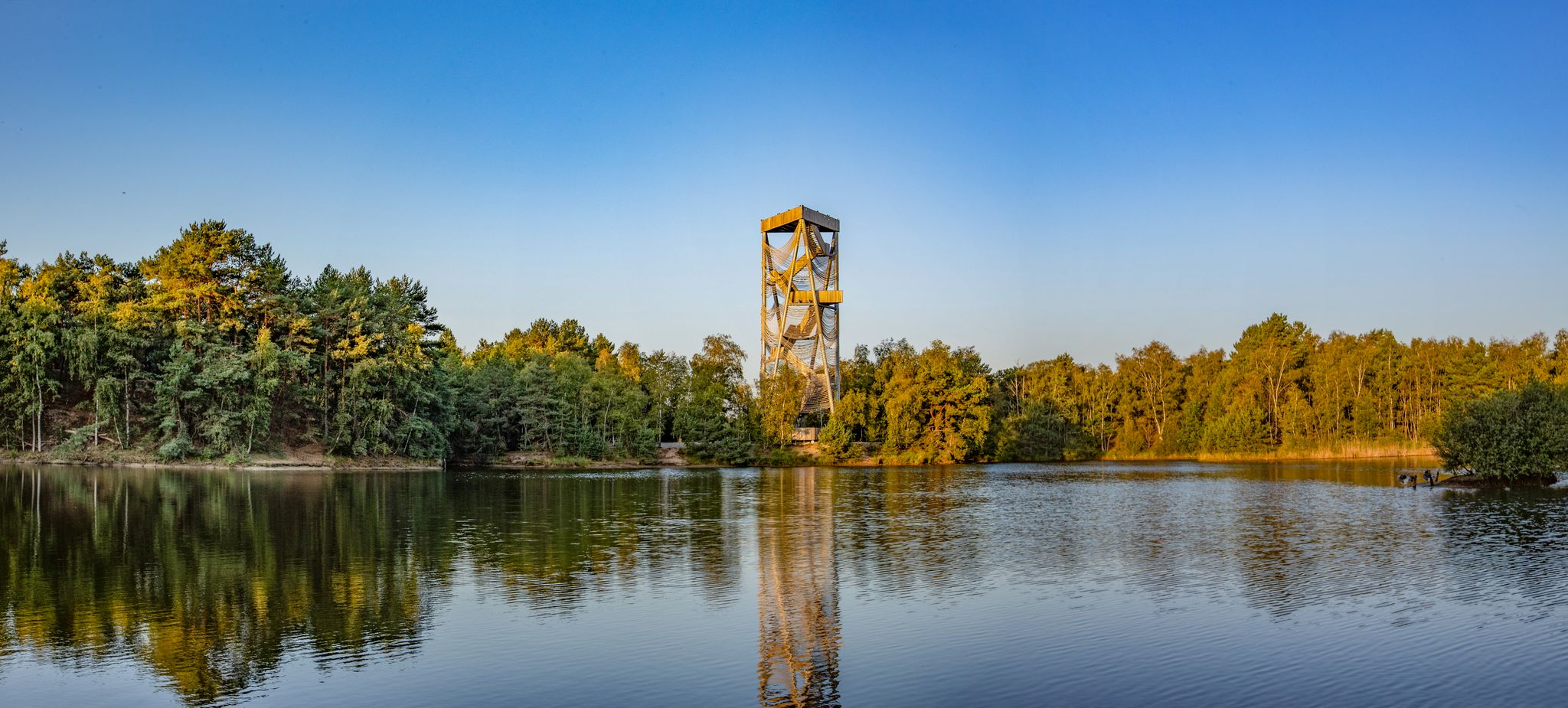
Ter Heyden Keep
Highlight • Castle
Tip by

Sign up now to discover places like this
Get recommendations on the best single tracks, peaks, & plenty of other exciting outdoor places.
Sign up for free
Ter Heiden Tower
Highlight • Castle
Translated by Google •
Tip by

Information board Domain Castle of Horst
Highlight • Rest Area
Translated by Google •
Tip by

Arenberg Castle
Highlight • Castle
Translated by Google •
Tip by

Sign up for free to discover even more castles around Rotselaar.
Sign up for free
Already have an account?
Start today with a free account
Your next adventure awaits.
Login or Signup

Tips from the Community


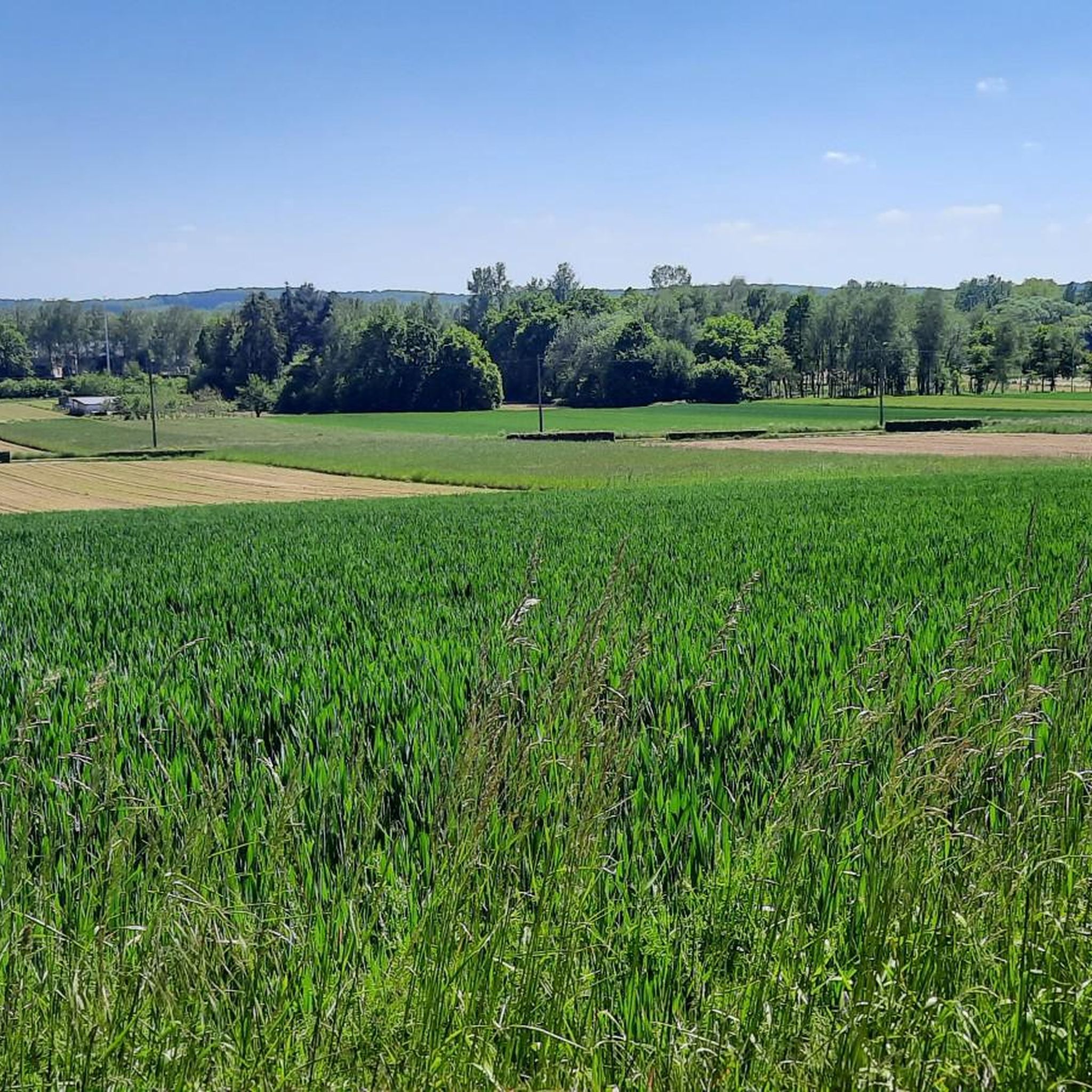
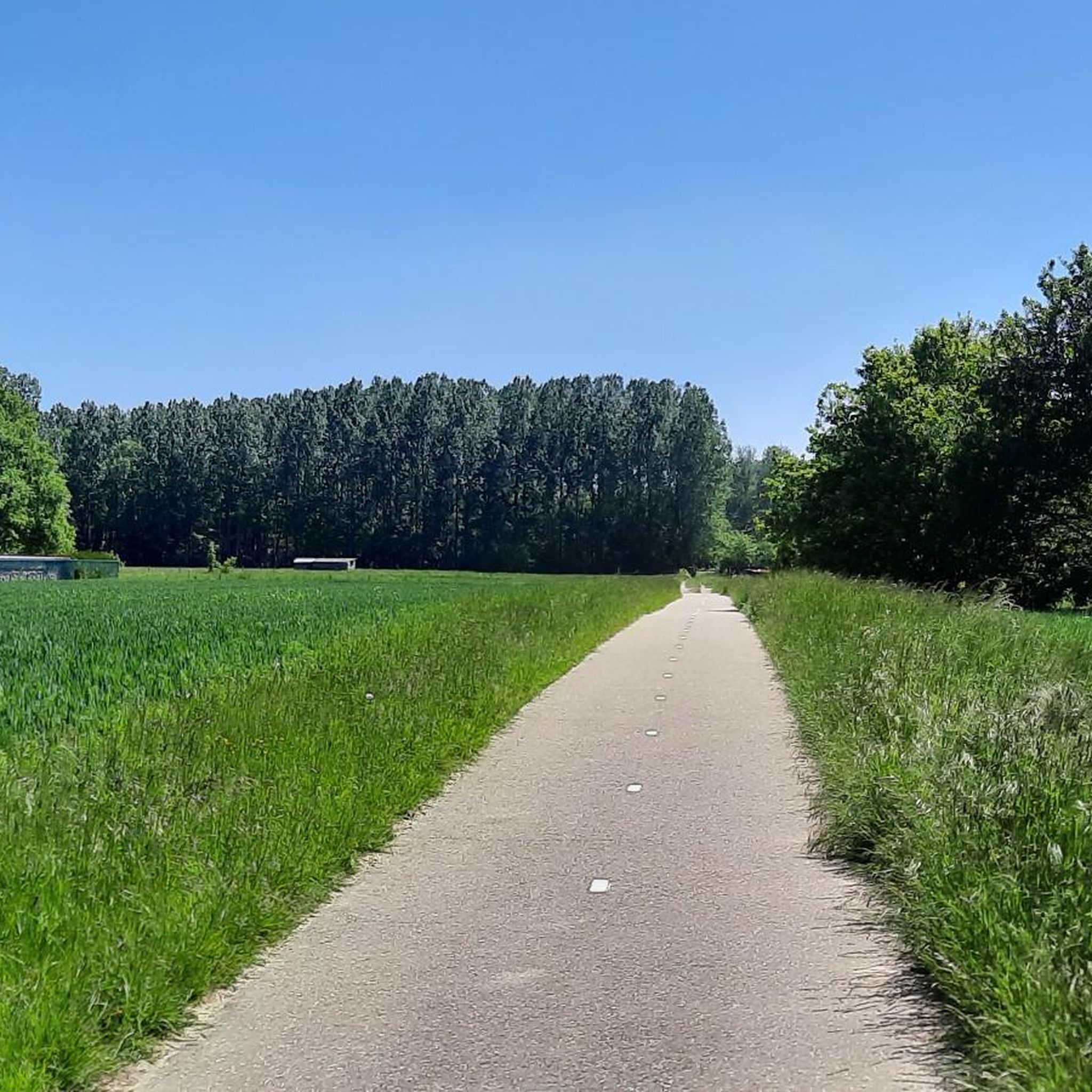
Information board with a map of the Horst castle estate, there is also parking here.
3
0

The core of Horst Castle probably dates back to the 13th century and is characterised by a square keep. The keep probably belonged to the oldest core that was further expanded into a fortified castle in the 15th century. During the troubles under Maximilian of Austria in 1489, the castle of Horst was taken by the people of Leuven and set on fire. According to literary sources, only the keep, part of the entrance gate and a defensive wall remained standing. The residential and east wing were renovated and expanded in the 16th century. The round tower also dates from this period. The outer wall was provided with a rectangular bay window. The castle lost its military character and became more of a pleasant residential area with a view of the moat, the ponds and the inner courtyard. Brick construction with sandstone layers characterise these buildings. In 1587, however, the castle was set on fire again during the raids of the Geuzen. It was not until the beginning of the 17th century that restoration work began. It is difficult to deduce from the available sources to what extent this involved restoration or an embellishing conversion of the castle complex. Presumably nothing changed in the internal structure, but only after the structurally necessary repairs were the interiors completely refinished. Maria-Anna Van den Tympel had a new chapel built against the keep in the 17th century. At the beginning of the 19th century, the complex must have been damaged by plundering and neglect, and it is possible that it also suffered from plundering during the Brabant Revolution of 1830. Around 1850, the castle must have been habitable again, but the castle buildings only served as a farm. In the land registry, the site around the castle is called "De Notelaren Boomgaerd". Around that time, the most dilapidated part must have been demolished, namely the southern part and the superstructure of the gate. The rest of the complex was probably restored with reused demolition material and in traditional style. The castle was divided in 1880, with one part being registered as a school house. In 1897, a further division followed, with two plots being designated as houses. Several restoration campaigns followed in the 20th century. Inventory of Immovable Heritage: Horst Castle, https://id.erfgoed.net/erfgoedobjecten/43619
6
0
Since December, there has been a spire on the castle again after the unstable spire was removed more than four years ago and could be viewed on a wooden platform in the pond. Now it is back. And the other works are also progressing quickly. More about the replaced spire on https://www.vrt.be/vrtnws/nl/2024/12/10/torenspits-staat-weer-op-kasteel-van-horst-holsbeek/
6
0

The Donjon Ter Heyden, also known as the tower of Ter Heyden, is a residential tower in the Belgian town of Rotselaar (province of Flemish Brabant) from the mid-fourteenth century. The donjon was built between 1350 and 1363 by order of Gerard van der Heyden, the then bailiff of the Duchy of Brabant, when he acquired the status and funds through a marriage with a noblewoman to erect a building of such calibre.
3
0
The watermill at Arenberg Castle was probably rebuilt around 1636 on a watermill site known before 1286, which was then equipped with two waterwheels. Major repairs were carried out on the locks around 1722-23 and 1733-35, and images of the mill also indicate modifications to the mill building in the 18th century. Around 1875, the watermill underwent a facade restoration and extension according to the then prevailing views, under the direction of architect Claes. At the same time (1870-80), the mill was equipped with a new bluestone lock and two wooden waterwheels. The waterwheels were replaced by metal wheels at the end of the 19th century, and the locks were also modified in the early 20th century. In 1940, the mill was demolished and the mill was converted into a drawing room; externally the mill was preserved, as well as the lock and the two water wheels. Source and more information: https://inventaris.onroerenderfgoed.be/erfgoedobjecten/42570
7
0
The first mention of a castle dates from 1371 when it was a heavy keep built by Rasse de Grez, also known as Raes van Graven, a knight who lived from 1368 to 1450 and was lord of Heverlee, Vaalbeek, Bertem, Blanden, Malève and Terbruggen, among other things. The castle was demolished and the domain was ceded to the Croys (family of Croÿ) in 1446. During the first half of the sixteenth century, the reconstruction of the castle was restarted under Guillaume II de Croÿ (Willem II van Croÿ). His successor and nephew, Philip II van Croÿ, had it completed and finished, including a moat. He also had the park laid out and the avenue to Leuven extended. After the death of Charles III of Croÿ in 1612, the castle went via his sister, Anna, to the Dukes of Arenberg who lived there until the First World War. In 1920 the university acquired the domain. Sources and more info: - https://inventaris.onroerenderfgoed.be/erfgoedobjecten/42570 - https://www.kuleuven.be/erfgoed/gebouwen-en-monumenten/arenbergkasteel
7
0
Frequently Asked Questions
What types of castles can I expect to find around Rotselaar?
The Rotselaar region offers a diverse range of castles, from historically significant sites like the vanished original Rotselaar Castle, which was a motte-and-bailey stronghold, to picturesque moated castles such as Horst Castle. You can also explore unique residential towers like Ter Heyden Keep and academic castles like Arenberg Castle, which now serves as a university campus.
Are there any castles with unique historical features in the area?
Yes, Ter Heyden Keep (also known as Donjon Ter Heyden) is a unique residential tower dating back to the mid-14th century. It stands 30 meters high with six levels and features a stone spiral staircase. Its history includes a period as a brewery, with a beautiful brick chimney still standing as a testament to this past.
Which castles are particularly scenic or picturesque?
Horst Castle is renowned for its picturesque appearance. This idyllic moated castle, dating back to the 13th century, is surrounded by an impressive moat and set between the hills of Hageland, offering a fairytale-like experience.
Can I visit castles that are now used for other purposes, such as universities?
Yes, Arenberg Castle in Heverlee is a prime example. Originally built in the 16th century and later receiving a neo-Gothic makeover, it now serves as the campus for Science and Technology of KU Leuven. Visitors can appreciate its rich history, impressive architecture, and beautiful green surroundings.
Are there any castles with amenities like cafes or restaurants on-site?
Horst Castle features Brasserie Wagenhuis on-site, making it an ideal spot for refreshments during your visit.
What outdoor activities can I do near these castles?
The area around Rotselaar offers various outdoor activities. You can find numerous hiking trails, such as the Demer and Dijle Walk or the Damiaan Trail, which are great for exploring the natural landscapes. For more options, check out the Hiking around Rotselaar guide. There are also dedicated MTB Trails and Running Trails available.
Are there family-friendly castles to visit around Rotselaar?
Many castles in the region, including Horst Castle and Ter Heyden Keep, are considered family-friendly. Their historical significance and picturesque settings offer engaging experiences for all ages. The grounds of Arenberg Castle also provide beautiful green spaces for families to enjoy.
What is the best time of year to visit the castles around Rotselaar?
Visiting during spring or autumn often provides pleasant weather for exploring the castle grounds and surrounding nature. The lush greenery of spring or the vibrant colors of autumn enhance the picturesque settings of castles like Horst Castle and the parks around Arenberg Castle.
Are there any castles that are particularly accessible?
While historic sites can have accessibility challenges, Horst Castle and Arenberg Castle are noted for having some wheelchair-accessible areas, particularly their grounds and surrounding parks. It's always advisable to check specific accessibility details with the individual castle ahead of your visit.
What natural features can be found near the castles?
Many castles are nestled within beautiful natural settings. Horst Castle is surrounded by an impressive moat and located in the green valley of the Wingebeek. Arenberg Castle is set within a large park, offering a green area on the outskirts of Leuven. De Maurissens Castle is also surrounded by a landscape park with old and rare trees and a beautiful pond.
How long should I plan for a visit to a castle in this region?
The duration of a visit can vary. For a moated castle like Horst Castle, you might spend 2-3 hours exploring the grounds, enjoying the views, and perhaps having a refreshment at the brasserie. For sites like Ter Heyden Keep, which is privately owned, viewing from the exterior and appreciating its unique architecture might take less time, perhaps 1-2 hours. If combining with nearby trails, plan for a half to full day.
Are there any castles that are less well-known but still worth visiting?
While not as widely known as Horst, De Maurissens Castle offers a charming experience. This eclectic country house, rebuilt in 1916, is surrounded by a beautiful 16-hectare landscape park with a pond, making it a peaceful and scenic spot for a visit.
Most popular routes around Rotselaar
Most popular attractions around Rotselaar

Get inspired with the komoot mobile app


Explore more
Looking for the best castles somewhere else? Discover other guides around Rotselaar:
