The best waterfall hikes and walks around Mülheim an der Ruhr
4.5
(6330)
27,258
hikers
15
hikes
Waterfall hiking trails around Mülheim an der Ruhr traverse a landscape shaped by the Ruhr river, featuring varied terrain from river valleys to forested hills. The region is characterized by its green spaces, including nature reserves and parks, which often contain streams and smaller waterfalls. These trails frequently follow watercourses, offering a mix of flat paths and gentle ascents through woodlands.
Best waterfall hiking trails around Mülheim an der Ruhr
- The most popular waterfall hiking route is Stream Trail in…
Last updated: July 9, 2026
5.0
(3)
19
hikers
8.44km
02:17
120m
120m
Moderate hike. Good fitness required. Easily-accessible paths. Suitable for all skill levels.
4.7
(3)
10
hikers
8.85km
02:24
120m
120m
Moderate hike. Good fitness required. Easily-accessible paths. Suitable for all skill levels.

Sign up for free
5.0
(1)
15
hikers
5.62km
01:31
70m
70m
Easy hike. Great for any fitness level. Easily-accessible paths. Suitable for all skill levels.
4.0
(1)
8
hikers
Easy hike. Great for any fitness level. Easily-accessible paths. Suitable for all skill levels.
4
hikers
3.27km
00:52
40m
40m
Easy hike. Great for any fitness level. Easily-accessible paths. Suitable for all skill levels.
Get access to more routes and recommendations from other explorers.
Sign up for free
Already have an account?
Our route recommendations are based on thousands of hikes, rides, and runs completed by other people on komoot.
Start today with a free account
Your next adventure awaits.
Login or Signup
Popular around Mülheim an der Ruhr

Waterfall hikes in Saarn-Mendener Ruhraue

Waterfall hikes around Entenfang

Waterfall hikes around Broich-Speldorfer Forest

Waterfall hikes in Oembergmoor Und Wambachtal
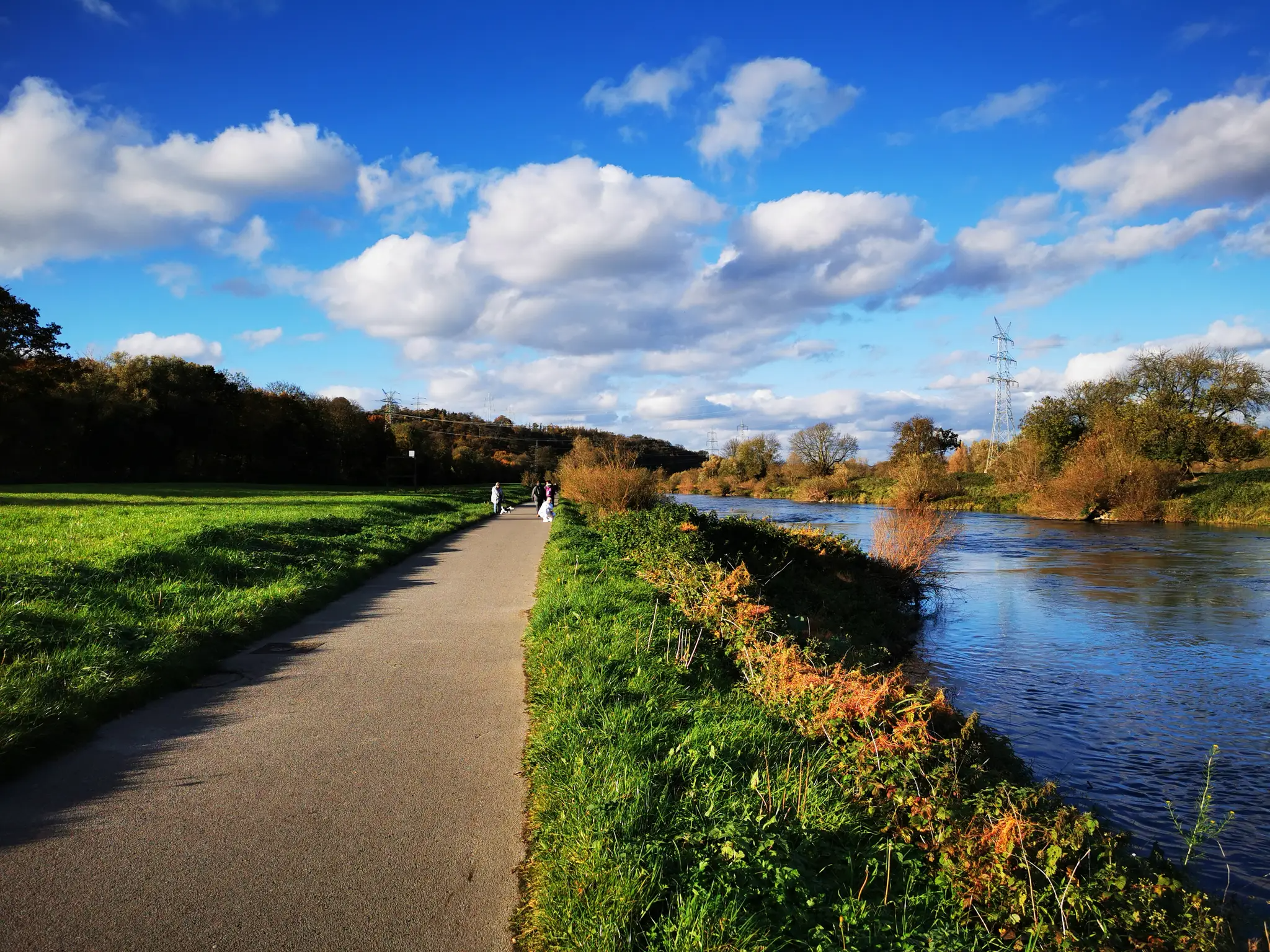
Ruhr Valley cycle path — 6 stages from Winterberg to the Rhine

Long live the break – bike tours with beer gardens & culinary delights
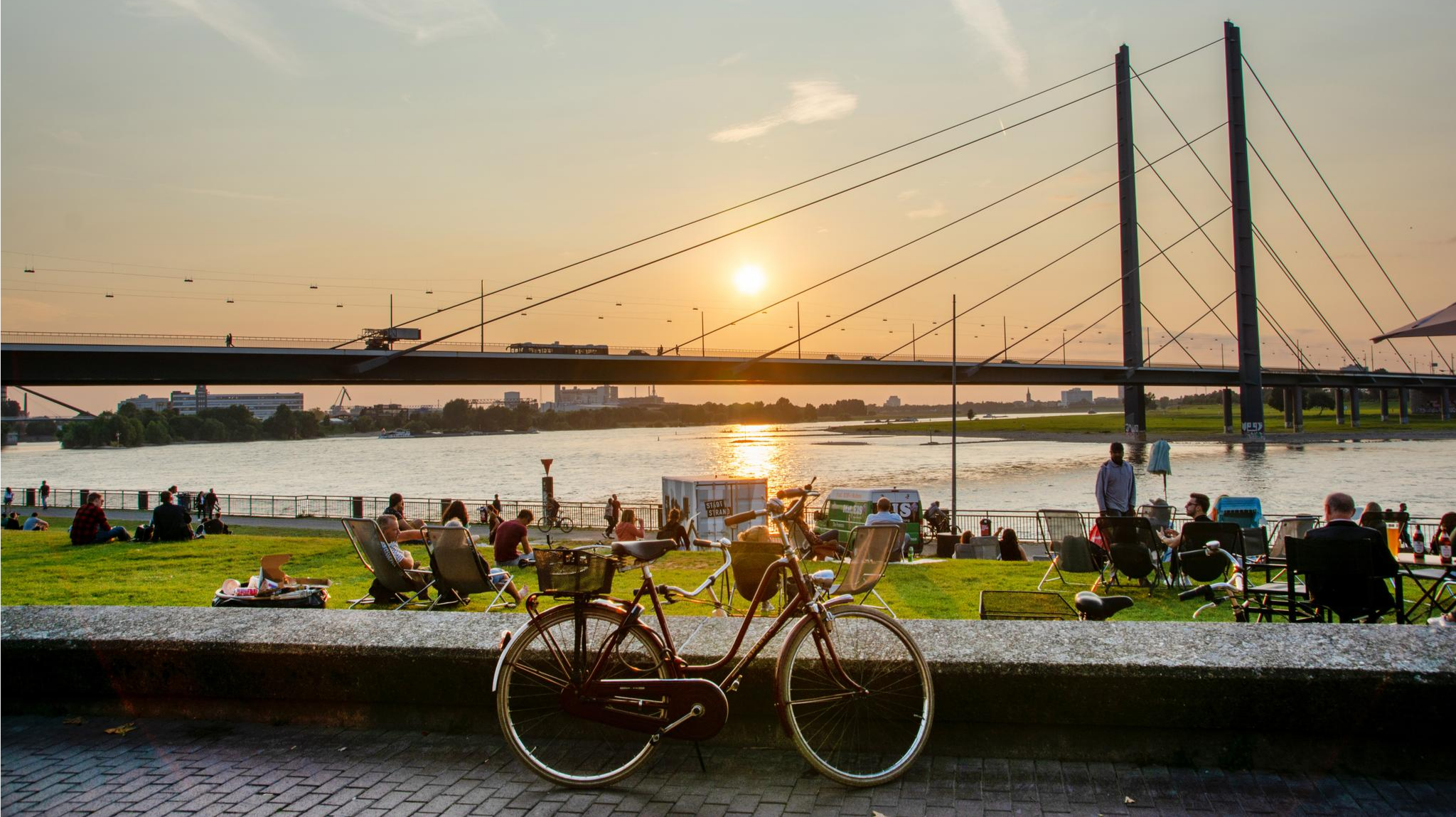
City, steel, river – cycling through North Rhine-Westphalia
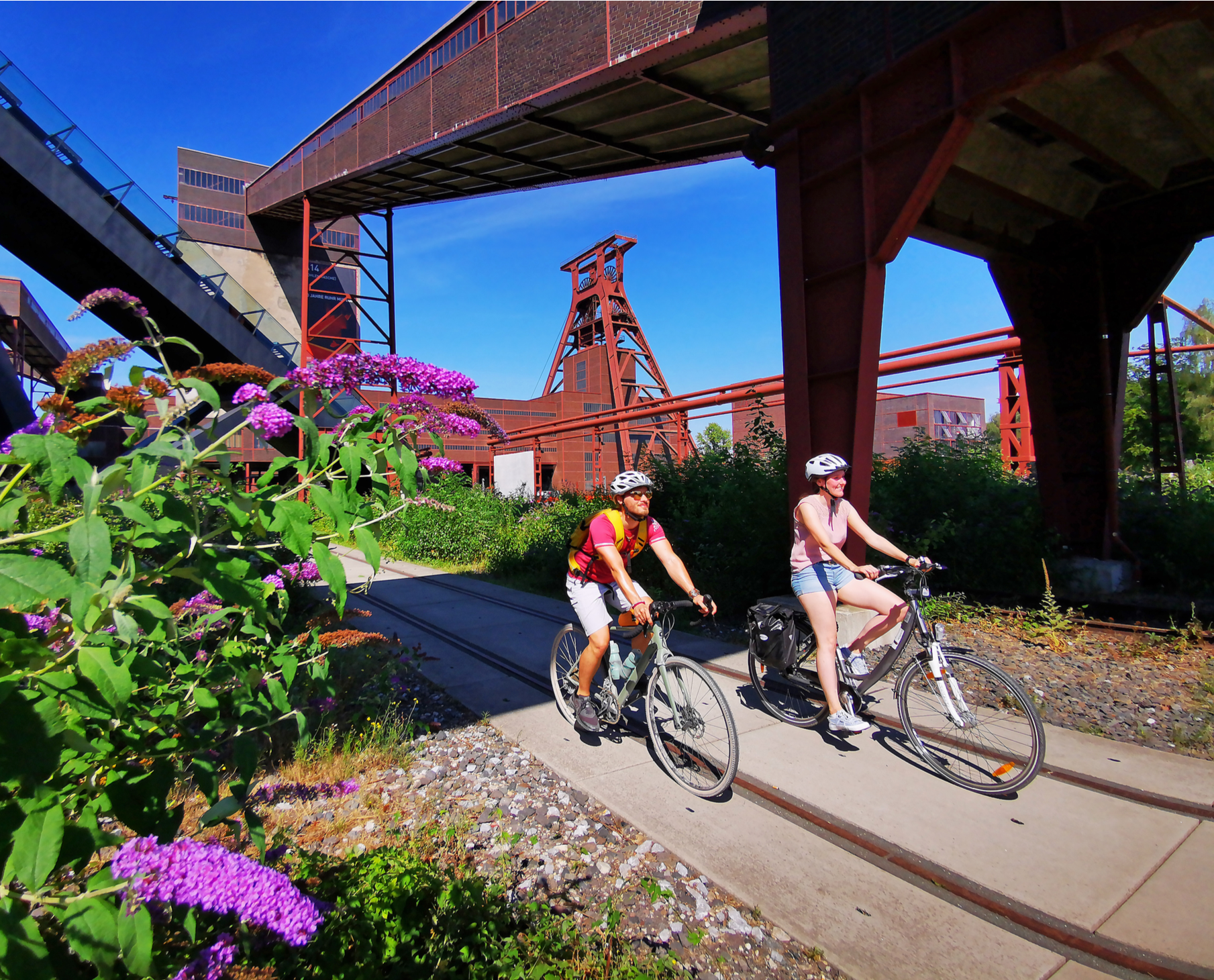
Railway cycling and industrial heritage in the Ruhr area – RevierRouten

The most eventful long-distance cycle routes in the Ruhr region
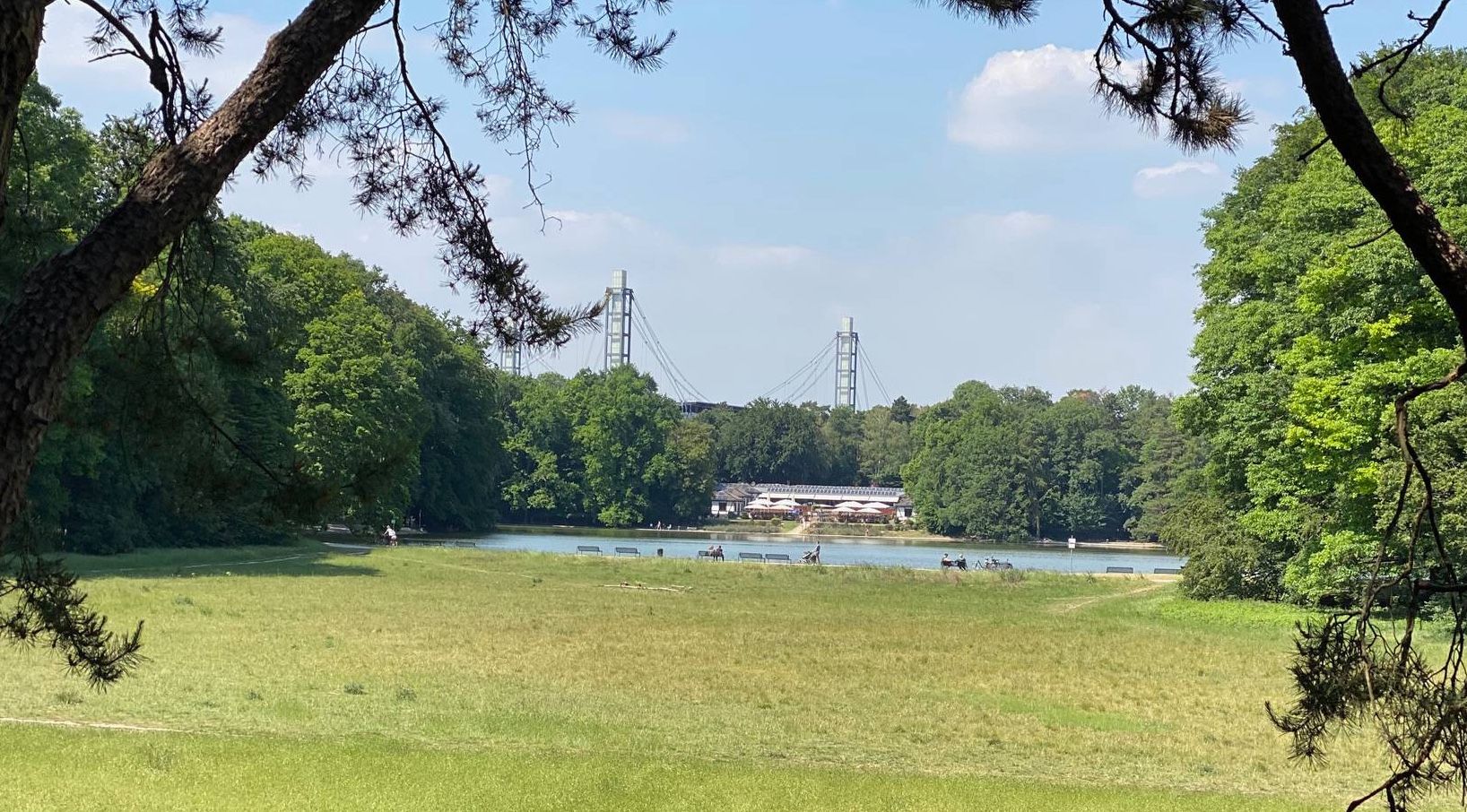
German Football Route NRW — history meets modernity
Other adventures around Mülheim an der Ruhr


Tips from the Community

The site strikes the right note: grief, not hero worship.
0
0


The hilltop, now called the "Worship Meadow," has been a leveled assembly area since Germanic times, adjacent to the sacred spring of the Holy Well. It is the westernmost and, at approximately 81 meters, one of the highest hilltops in the area. Back then, its treeless location offered an unobstructed view of the Rhine plain and the burial mound field located there, now built over. This clear view across the thousands of burial mounds towards the setting sun must have been phenomenal and of cultic significance. It is likely that, as elsewhere, a circle of wooden posts was placed here to mark the solstices and other astronomically important dates for cultic and agricultural purposes. Unfortunately, no excavations have yet been carried out to confirm this. The site was probably in continuous use, as the Roman temple of Elfrath was oriented towards this location, and baptismal ceremonies held there are documented from early Christian times. Even today, the area is used for open-air worship services.
1
0

The "holy spring" is a spring in Duisburg's city forest, south of the intersection of Rundweg and Kammerweg. The spring (also called "Marienquelle"), first mentioned in a city account in 1563 on the "hillgen bornschen Berg" (hilly born mountain), was once attributed with healing powers. The origins of this belief in the water's supposed healing powers remain unclear. In reality, the spring water, which seeps through the gravel and sand of the city forest and emerges above the impermeable clay layers, has no such effect (it is not drinking water). In 1935, the spring and its surroundings were lined with stones. Coal mining was carried out here as early as 1562, but without success. The tunnels were said to have been up to 45 meters deep.
0
0

..... Haus Hartenfels is considered a typical building of late historicism. It was extended again after 1923 (until 1926) according to plans by the Swiss architect William Dunkel with a north wing with utility and guest rooms and a terrace. It has also gained outstanding importance due to its considerable size, its good state of preservation and its typical, so-called "English floor plan". Another special feature is the tower of the building, which can be seen from afar. The family of the industrialist Klöckner lived in Haus Hartenfels until 1942; after the Second World War, bombed-out people and refugees were housed here. After being vacant for a long time, the outer parts of the building were repaired in 1986. Condominiums are currently being built in the building, which has been a listed building since 1995. (Bernward Selter, Münster, 2014)
1
0
"The house, completed in 1911 according to plans by architect (Hermann) Wolters, is in line with the castle-like country estates of historicism. The building is also characterized as a work of waning historicism by adopting numerous Gothic (exterior) and Renaissance (interior) styles" (City of Duisburg, Lower Monument Authority, Monument List No. 350). The monumentality of the building is combined with picturesque elements. "In addition to an asymmetrical and lively grouped structure, the abundant use of high roofs, gables and bay windows or balconies as well as the tower motif were attributes of old German, local architecture. In addition, efforts were made to reduce the ornamentation as much as possible" (City of Duisburg, Lower Monument Authority, Monument List No. 350). .....
2
0

From the Kaiserberg Park you can catch a glimpse of the Cameroon sheep enclosure.
0
0
Frequently Asked Questions
How many waterfall hiking trails are there around Mülheim an der Ruhr?
There are over 10 dedicated waterfall hiking trails around Mülheim an der Ruhr, offering a variety of experiences from easy strolls to more challenging treks. The region's landscape, shaped by the Ruhr river, provides numerous opportunities to explore streams and smaller cascades.
Are there easy waterfall hikes suitable for beginners or families?
Yes, Mülheim an der Ruhr offers several easy waterfall hikes perfect for beginners or families. For a pleasant and less strenuous option, consider the Sedanwiese – Duisburg Zoo loop from Duisburg Hauptbahnhof, which is rated as easy and covers a distance of about 5.6 km.
What is the best time of year to go waterfall hiking in Mülheim an der Ruhr?
The best time to experience the waterfall hikes in Mülheim an der Ruhr is typically during spring or after periods of significant rainfall. In spring, melting snow and increased precipitation ensure the streams and waterfalls are at their most impressive. Autumn also offers beautiful scenery with vibrant foliage, though water levels might be lower than in spring.
Can I bring my dog on the waterfall hiking trails?
Many of the hiking trails around Mülheim an der Ruhr are dog-friendly, allowing you to enjoy the natural beauty with your canine companion. It's always recommended to keep dogs on a leash, especially in nature reserves or areas with wildlife, and to check specific trail regulations before you go. The region's green spaces and river valleys provide ample opportunities for walks with your dog.
Are there circular waterfall walks available?
Yes, many of the waterfall hikes in the Mülheim an der Ruhr area are designed as circular routes, allowing you to start and end at the same point without retracing your steps. An example of a moderate circular route is the Sedanwiese – Owl trail in Eselsbruch loop from Duisburg Hauptbahnhof, which explores the natural features of the Eselsbruch area.
What kind of natural attractions can I expect to see along the trails?
Beyond the waterfalls themselves, the trails often lead through diverse natural landscapes. You might encounter serene lakes like Entenfang or Entenfang Lake, and explore significant natural monuments such as the Rumbachtal, Gothenbach and Schlippenbach Nature Reserve. The region is rich in green spaces, river valleys, and dense woodlands.
Are there any hidden gem waterfall hikes in the area?
While specific 'hidden gems' can be subjective, exploring the smaller streams and valleys away from the most popular routes often reveals charming, less-frequented cascades. The region's extensive network of trails means there are always new paths to discover, particularly within the numerous nature reserves like the Hexbachtal, which features highlights like the Hexbach Crossing in the Hexbachtal Nature Reserve.
What do other hikers enjoy most about the waterfall trails in Mülheim an der Ruhr?
The waterfall trails in Mülheim an der Ruhr are highly rated by the komoot community, with an average score of 4.5 stars from over 5,500 reviews. Hikers often praise the varied terrain, the peaceful atmosphere of the woodlands, and the refreshing presence of the streams and smaller waterfalls that define these routes.
Are there options for longer, more challenging waterfall hikes?
Absolutely. For those seeking a more demanding experience, the region offers longer and more difficult routes. A notable challenging option is the Stream Trail in the Oefter Tal Nature Reserve – Oefter Stream loop from Essen-Werden, which spans over 21 km and takes approximately 6 hours to complete, following the Oefter Stream through a protected natural area.
Can I reach the waterfall hiking trails using public transport?
Many starting points for hikes in and around Mülheim an der Ruhr are accessible by public transport, especially those originating from larger towns or train stations. It's advisable to check local bus and train schedules for specific trailheads to plan your journey effectively.
Are there places to eat or drink near the waterfall trails?
While specific pubs or restaurants directly adjacent to every waterfall are rare, many trails pass through or near towns and villages where you can find various options for refreshments. Exploring the areas around Mülheim an der Ruhr will often lead you to local eateries and cafes to refuel after your hike.
What should I bring for a waterfall hike in Mülheim an der Ruhr?
For a comfortable waterfall hike, it's recommended to wear sturdy, waterproof hiking boots, especially since trails can be muddy or wet near streams. Bring appropriate clothing layers for changing weather, a water bottle, snacks, and a small first-aid kit. A camera is also a great idea to capture the scenic beauty.
Most popular routes around Mülheim an der Ruhr
Most popular attractions around Mülheim an der Ruhr

Get inspired with the komoot mobile app


Didn’t find what you were looking for?
Check out more Hikes throughout Mülheim an der Ruhr below and find the perfect route in your destination.
Explore more
Browse the best Hikes in other regions.
