Yellowstone National Park
Yellowstone National Park
Top 20 Natural Monuments in Yellowstone National Park
Best natural monuments in Yellowstone National Park showcase a landscape defined by unparalleled geothermal activity and unique geological formations. The park features a complex history of volcanic processes, resulting in a diverse array of thermal features. These natural landmarks offer insights into the Earth's dynamic forces and the continuous shaping of the environment. The region is characterized by its vast wilderness and significant natural heritage.
Best natural monuments in Yellowstone National Park
- The most popular natural monuments is Old Faithful Geyser, a natural_monument that erupts approximately every 60 to 100 minutes, shooting water up to 185 feet in the air. Its reliability and accessibility make it a notable attraction.
- Another must-see spot is Grand Prismatic Spring, a natural_monument that is the largest hot spring in the United States, measuring around 370 feet in diameter. Visitors can expect to see vibrant, rainbow-like colors created by heat-loving microorganisms.
- Visitors also love Morning Glory Pool, a hot spring known for its crystal blue water. The yellowing edges are caused by bacteria thriving in the hot water, making it a visually striking feature.
- Yellowstone National Park is known for its geysers, hot springs, and travertine terraces. The park offers a diverse range of geothermal features and geological formations to explore.
- The natural monuments in Yellowstone National Park are appreciated by the komoot community, with over 60 upvotes and more than 100 photos shared.
Last updated: October 13, 2026
Old Faithful Geyser
Highlight • Natural Monument
Tip by

Grand Prismatic Spring
Highlight • Natural Monument
The beautiful colors are made from microbial mats around the edges of the mineral-rich water. In summertime the edges range from red to orange, in wintertime it is more of a dark green. The deep blue color in the center of the spring results from its sterility and depth.
Tip by

Sign up now to discover places like this
Get recommendations on the best single tracks, peaks, & plenty of other exciting outdoor places.
Mammoth Hot Springs Terraces
Highlight • Natural Monument
Tip by
Norris Basin
Highlight • Natural Monument
Tip by
Upper Yellowstone Falls
Highlight • Waterfall
Tip by
Sign up for free to discover even more natural monuments in Yellowstone National Park.
Already have an account?
Start today with a free account
Your next adventure awaits.
Popular around Yellowstone National Park
The Continental Divide Trail — Across the sky of America
Like in the Wild West – hiking on the Oregon Trail
From the Arctic Ocean to the Panama Canal — North American Epic
From the mountain peaks to the prairie – Rocky Mountains and Great Plains
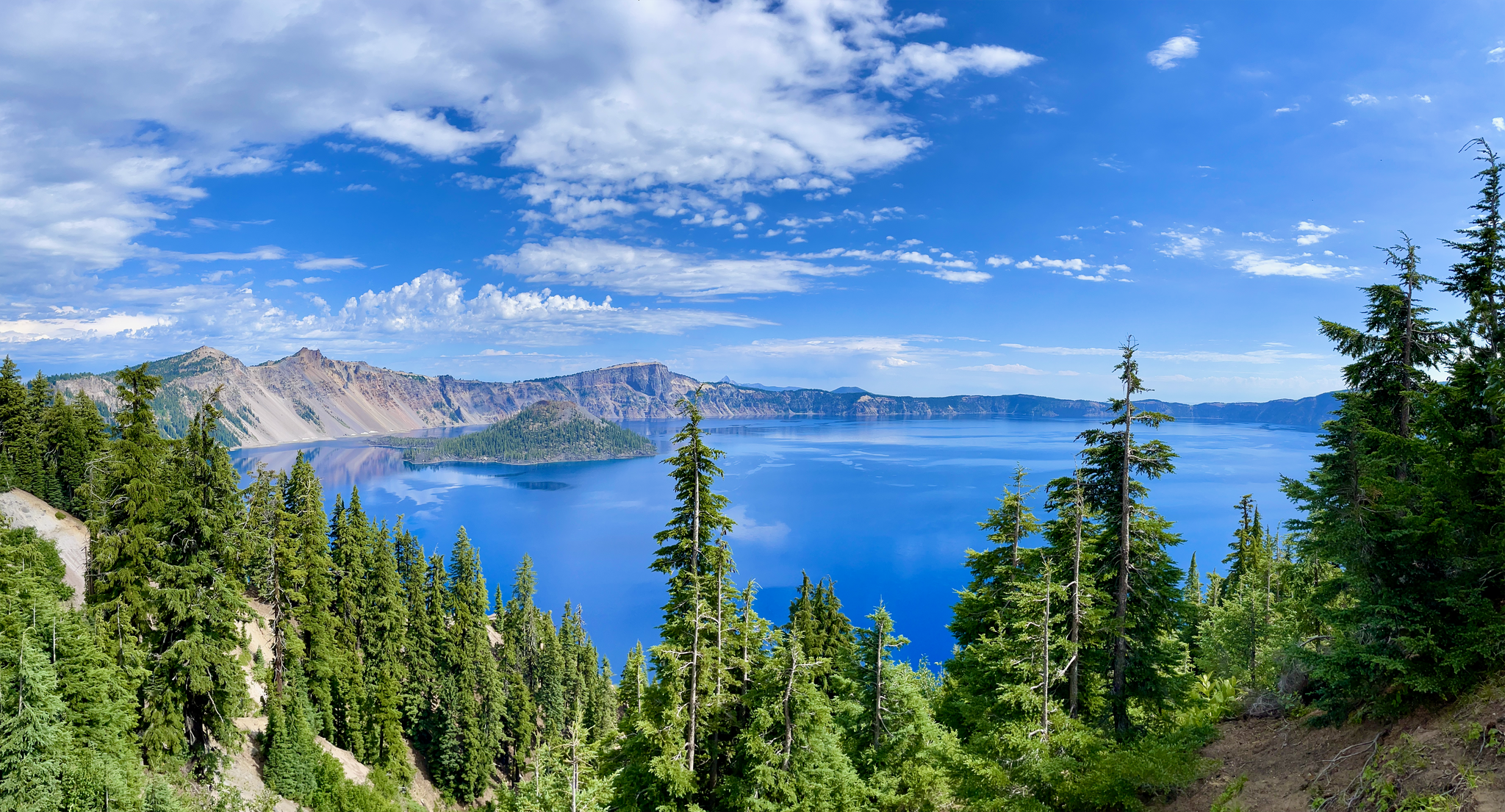
The pristine beauty of the US National Parks
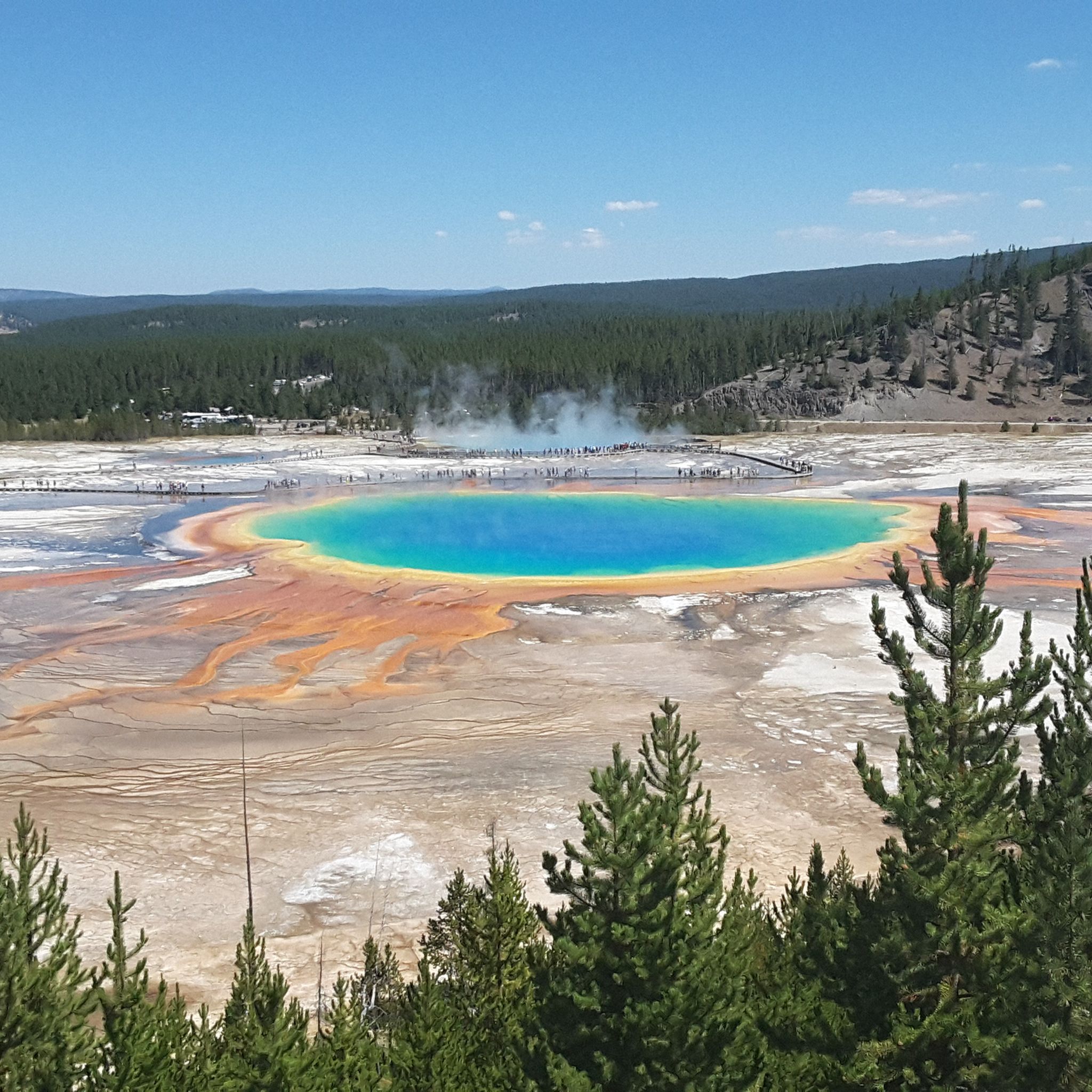
Hiking in Yellowstone National Park
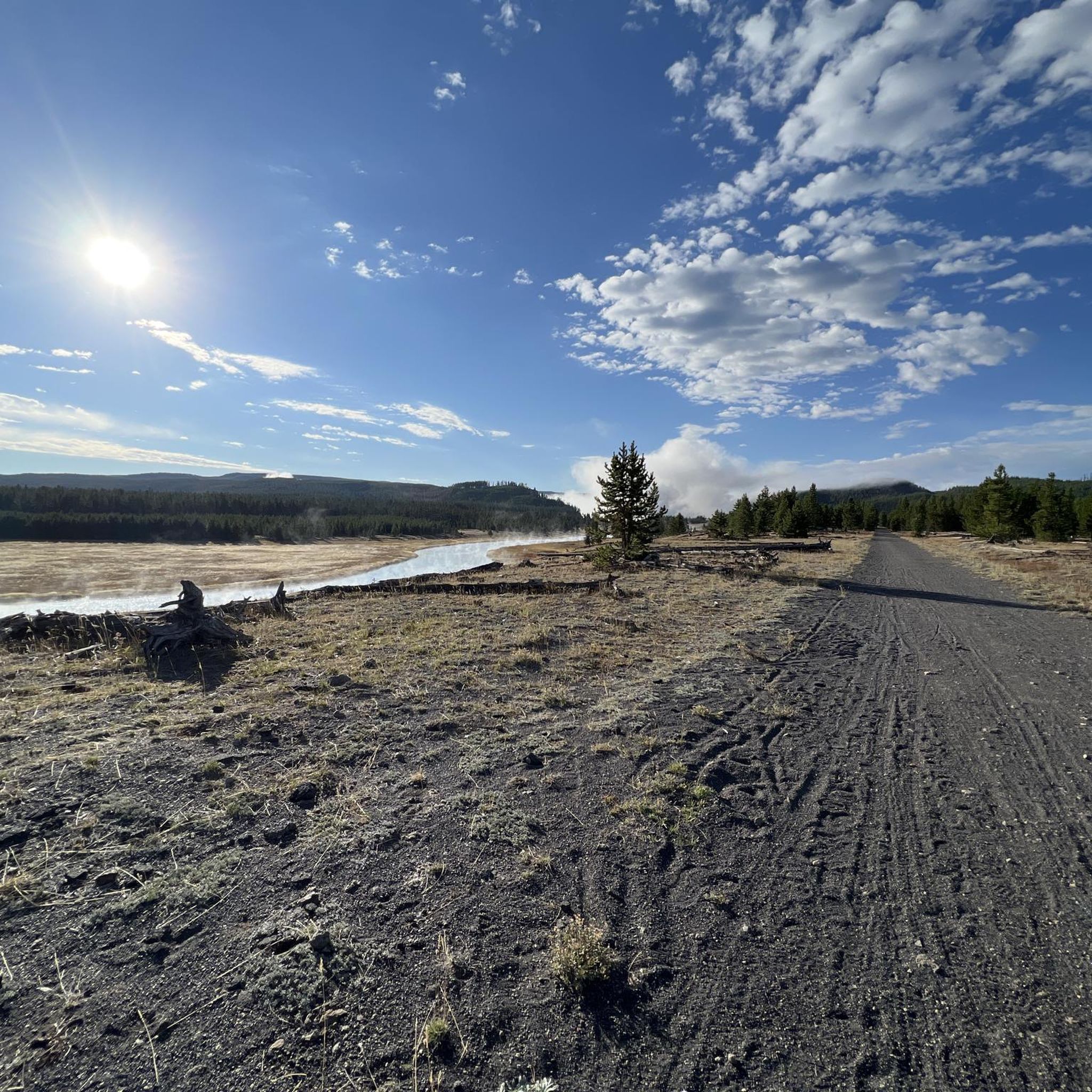
MTB Trails in Yellowstone National Park
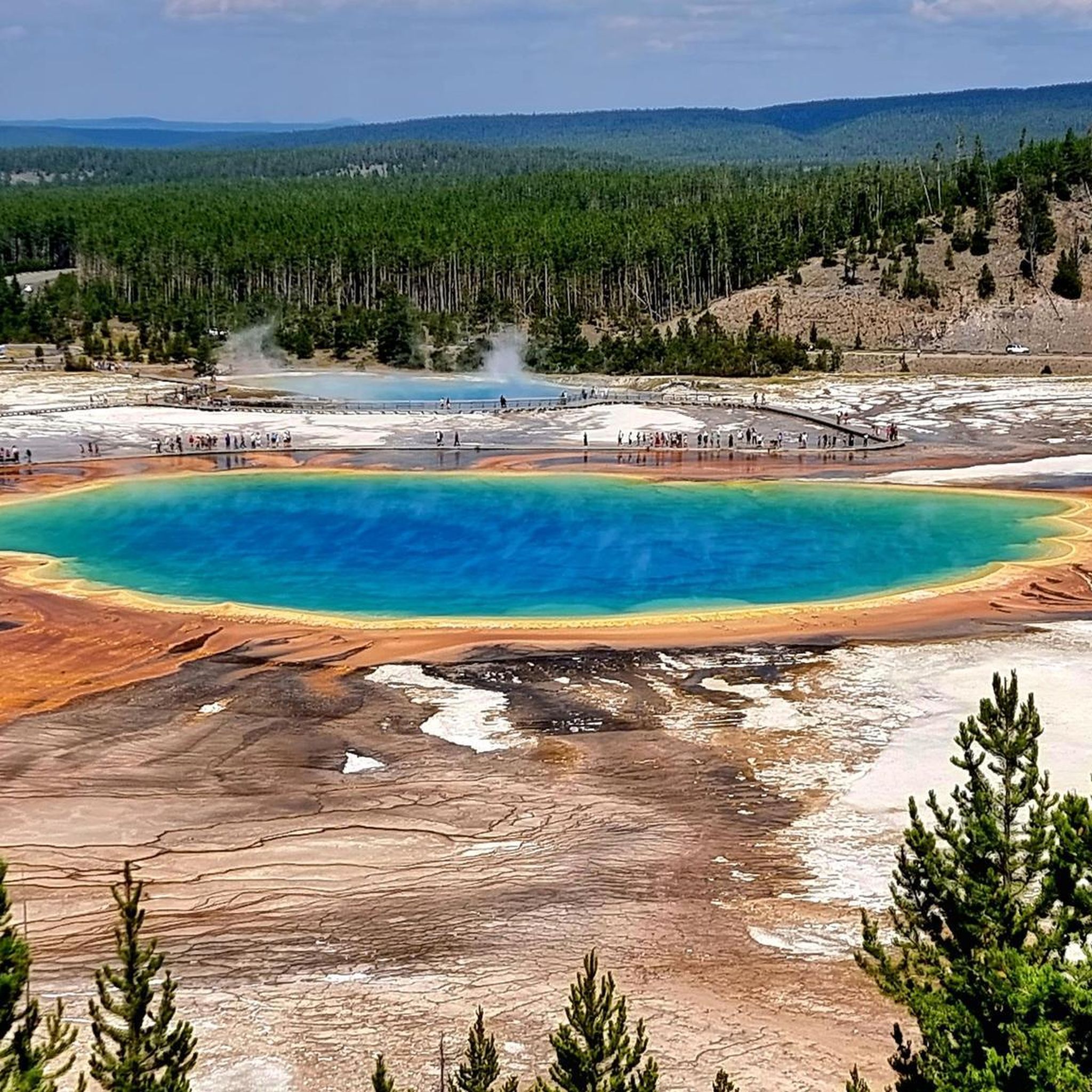
Cycling in Yellowstone National Park
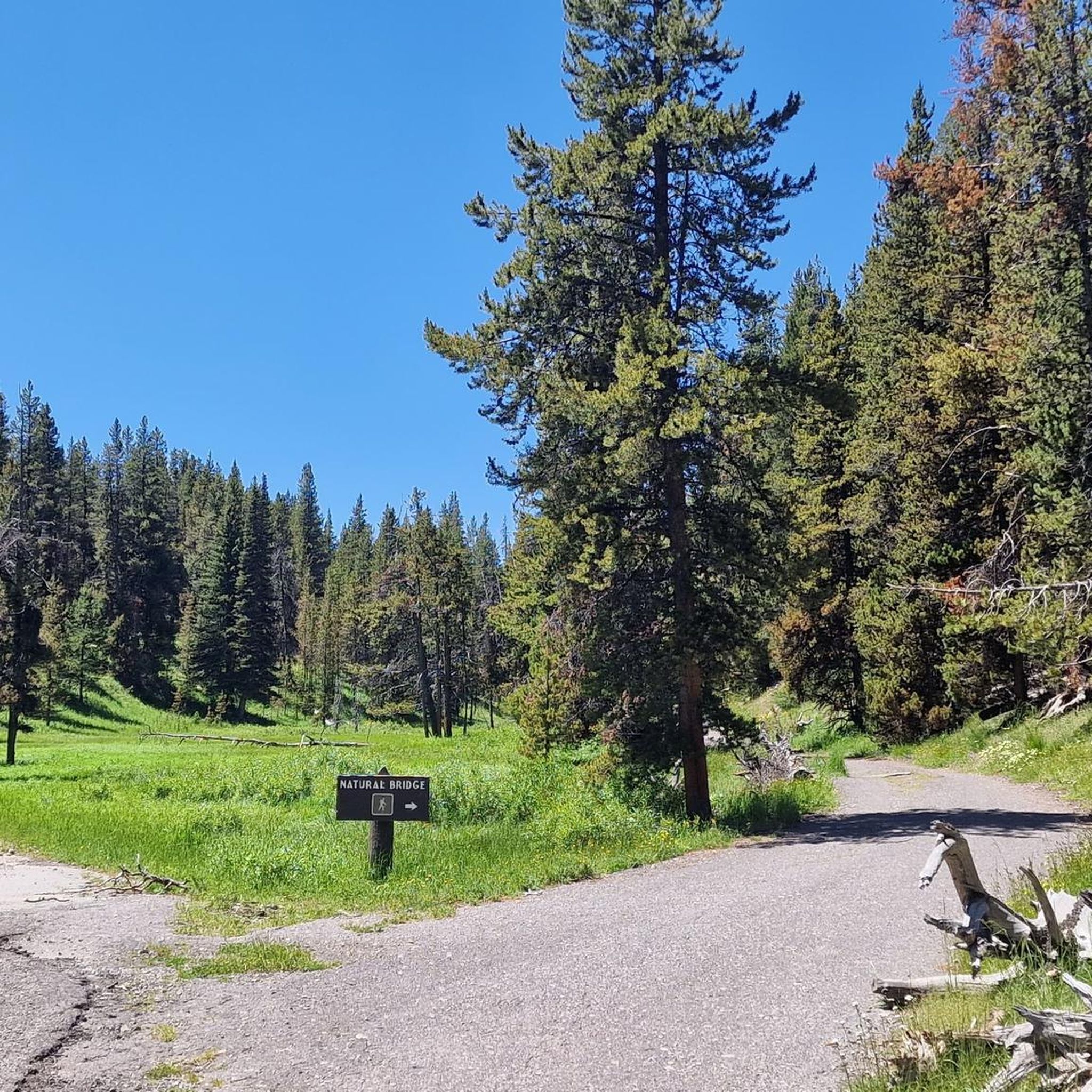
Running Trails in Yellowstone National Park
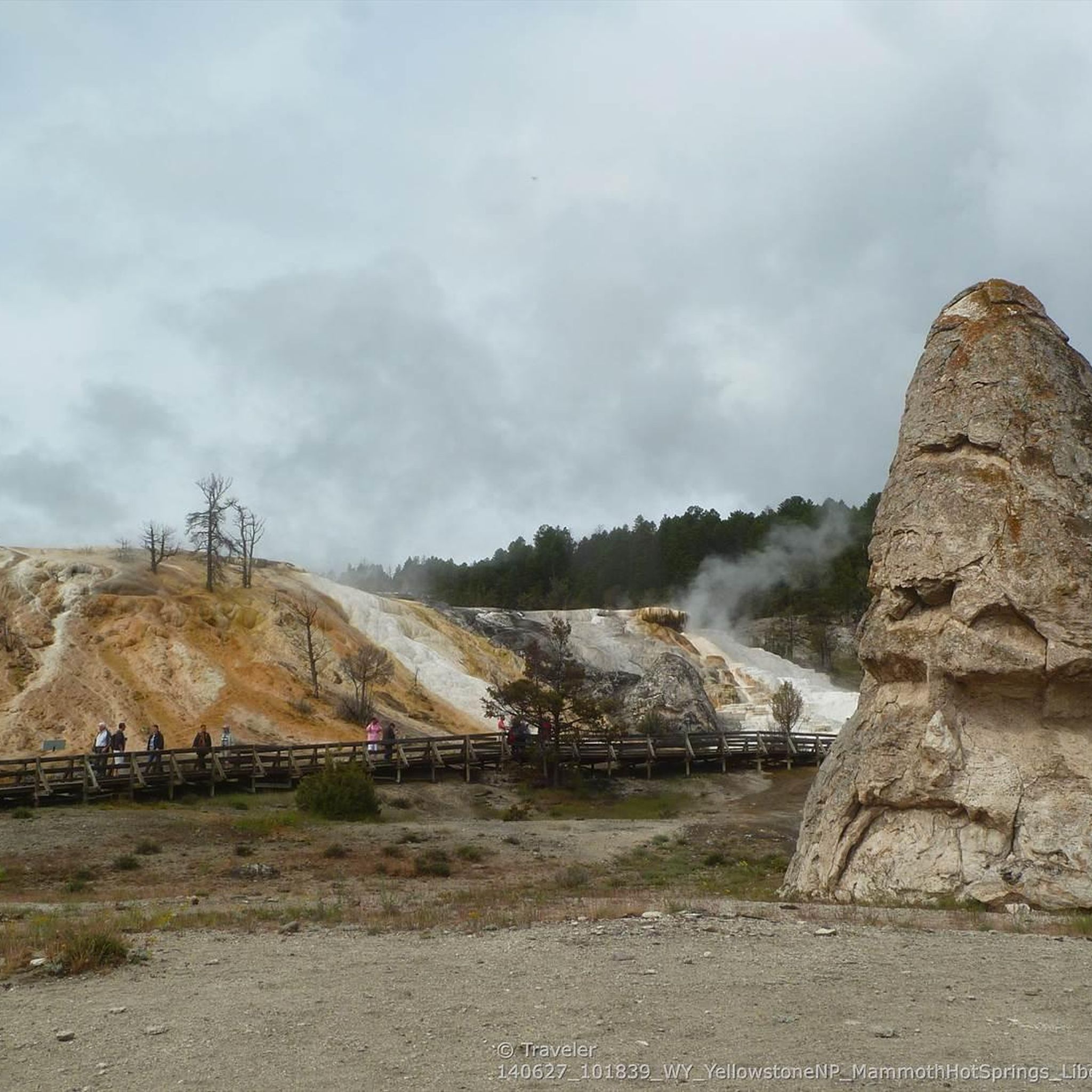
Road Cycling Routes in Yellowstone National Park
Other adventures in Yellowstone National Park


Tips from the Community


The Midway Geyser Basin is part of the giant Yellowstone Caldera and features two significant geothermal landmark: the Excelsior Geyser (a crater that discharges 4,000 gallons of water per minute into the nearby Firehole River) and the Grand Prismatic Spring (the largest hot spring in the US). A short loop on boardwalks takes you into the basin and along these stunning locations. Come early in the day to avoid the crowds.
2
0

This 110-foot waterfall is only small in comparison to the lower falls, which are almost 330 feet high. Needless to say the upper falls are still magnificent, and the interesting colors in the canyon walls are the result of this region's constant hydrothermal activity.
0
0
You get a great view of Old Faithful from here. This isn't the biggest geyser in the park, nor the one that erupts the most frequently, but it is the biggest geyser that erupts this frequently. Old Faithful is named for its dependable eruptions that usually take place 90 minutes apart, give or take.
0
0

One of the many highlights in Yellowstone NP. A must-see.
0
0

The "Old Faithful" is the geyser that ejects "its" underground water at regular intervals (approx. every 90 minutes) as a fountain (= eruption). It is quite extraordinary that the eruptions can be predicted with great certainty (ask at the visitor center about the next eruptions). The fountain is about 30-40 m high, it throws out about 3,700 gallons (for a short duration of 1.5 minutes) and 8,400 gallons (for a longer duration of 4.5 minutes) of water, the water temperature at the opening was measured at 95.6 °C....So: if you have little time or don't want to, you shouldn't miss this spectacle; however: you will rarely be able to enjoy it alone, "it" is too famous for that! Nevertheless: it is worth it!
0
0

Very easy to reach on the flat wooden walkway, very sunny on hot days
0
0

For those who are too lazy to walk, it is the easiest way to see a geyser. But the eruption times, as described above, are not correct. It erupts approximately every 2.5 hours, but can easily be delayed by 30 minutes.
0
0
Frequently Asked Questions
What are the most iconic natural monuments to see in Yellowstone National Park?
Yellowstone National Park is home to several iconic natural monuments. Among the most famous are Old Faithful Geyser, renowned for its predictable eruptions, and Grand Prismatic Spring, the largest hot spring in the United States, known for its vibrant, rainbow-like colors. Another must-see is the unique Mammoth Hot Springs Terraces, with their constantly evolving travertine formations.
What unique geothermal features can I explore in Yellowstone National Park?
Yellowstone National Park offers a diverse range of geothermal features. Beyond the famous geysers and hot springs, you can explore the terraced formations of Mammoth Hot Springs Terraces, formed by mineral-rich water. The Norris Basin is the oldest and hottest thermal area in the park, featuring distinct Porcelain and Back Basins with smoke, hissing, and bubbling pots. You can also witness the striking blue waters of Morning Glory Pool, with its colorful bacterial mats.
Are there family-friendly natural monuments in Yellowstone National Park?
Yes, several natural monuments in Yellowstone National Park are considered family-friendly. Old Faithful Geyser is easily accessible and its predictable eruptions captivate all ages. The Grand Prismatic Spring and Morning Glory Pool are also great for families, offering stunning visual displays from boardwalks. The Norris Basin also features accessible trails suitable for families.
Which natural monuments are wheelchair accessible in Yellowstone National Park?
For visitors requiring wheelchair accessibility, Old Faithful Geyser is a prime choice, located just a short walk from the parking lot with accessible viewing areas. The Norris Basin also offers wheelchair-accessible pathways, allowing visitors to experience its unique thermal features.
What is the best time of year to visit Yellowstone National Park's natural monuments?
The best time to visit Yellowstone National Park's natural monuments largely depends on what you want to experience. Summer offers the warmest weather and full access to all areas, though it's also the busiest. Spring and fall provide fewer crowds and opportunities to see wildlife, with the colors of features like the Grand Prismatic Spring varying with the seasons. Winter transforms the park into a snowy wonderland, offering a unique perspective on the steaming thermal features.
How long does it take to visit the major natural monuments in Yellowstone National Park?
Visiting the major natural monuments in Yellowstone National Park can take several days to fully appreciate. For example, viewing an eruption of Old Faithful Geyser takes about an hour, including waiting time. Exploring the boardwalks around Grand Prismatic Spring and the Midway Geyser Basin can take 1-2 hours. The Mammoth Hot Springs Terraces can be explored over a few hours, depending on how many levels you wish to walk. To see a good selection of monuments, plan for at least 3-5 days.
What outdoor activities can I do near the natural monuments in Yellowstone National Park?
Near the natural monuments, you can enjoy various outdoor activities. For cycling enthusiasts, there are routes like the Fairy Falls Trail or the Upper Geyser Basin loop. Hikers can explore trails such as the Fairy Falls Trail or the Brink of the Lower Falls Trail, which offers views of the Grand Canyon of the Yellowstone. Mountain biking options include the Lone Star Trail and Bunsen Peak Loop Trail. You can find more details on these activities in the Cycling in Yellowstone National Park, Waterfall hikes in Yellowstone National Park, and MTB Trails in Yellowstone National Park guides.
Where can I see impressive waterfalls in Yellowstone National Park?
Yellowstone National Park is home to the magnificent Grand Canyon of the Yellowstone, which features two impressive waterfalls. The Lower Falls, standing at 308 feet, is the tallest waterfall in Yellowstone and offers spectacular views from Artist Point. The Upper Falls, though smaller at 109 feet, is equally powerful and can be experienced from viewpoints like the Brink of the Upper Falls. Both are iconic highlights of the park.
What makes the Grand Prismatic Spring so colorful?
The Grand Prismatic Spring's vibrant, rainbow-like colors are created by heat-loving microorganisms called thermophiles. These organisms thrive in the progressively cooler water around the spring's edges, producing hues that range from deep blue in the center to green, yellow, orange, and red at the perimeter. The deep blue in the center is due to the water's sterility and depth.
What do visitors enjoy most about the natural monuments in Yellowstone National Park?
Visitors consistently express awe at the dynamic and ever-changing landscape of Yellowstone's natural monuments. They particularly enjoy the reliable spectacle of Old Faithful Geyser, the stunning visual splendor of Grand Prismatic Spring, and the unique geological formations of Mammoth Hot Springs Terraces. The sheer power of the waterfalls in the Grand Canyon of the Yellowstone also leaves a lasting impression.
Are there any easy hikes to natural monuments in Yellowstone National Park?
Yes, there are several easy walks and hikes to natural monuments. Old Faithful Geyser is a short, easy walk from its parking lot. The boardwalks around Grand Prismatic Spring and Morning Glory Pool offer easy, flat access to these thermal features. Additionally, the Norris Basin has a loop trail that is considered easy, allowing visitors to experience its geothermal wonders.
What is the significance of the Mammoth Hot Springs Terraces?
The Mammoth Hot Springs Terraces are a unique geological wonder formed by travertine. Millions of years ago, limestone bedrock was deposited, and today, mineral-rich hot spring water flows over the hills, depositing calcium carbonate to create intricate, marble-white structures resembling staircases. These terraces are constantly evolving, with new formations appearing and old ones changing, making each visit a unique experience.
Most popular routes in Yellowstone National Park
Most popular attractions in Yellowstone National Park

Get inspired with the komoot mobile app


Explore more
Extend your search for the best caves by checking out these guides of the top ones in Yellowstone National Park:
