Top 18 Caves around Neupré
Best caves around Neupré are found within the municipality and its surrounding areas, offering a range of subterranean experiences. This region of Wallonia, Belgium, is characterized by its limestone geology and river valleys, particularly along the Ourthe River. The caves here hold historical, archaeological, and geological significance, attracting visitors interested in natural formations and human history. These sites provide insights into the area's past and present natural processes.
Best caves around Neupré
- The most popular caves is Chawresse Trail,…
Last updated: August 22, 2026
Chawresse Trail
Highlight • Trail
Translated by Google •
Tip by

Schmerling Caves site
Highlight • Cave
Translated by Google •
Tip by
Sign up now to discover places like this
Get recommendations on the best single tracks, peaks, & plenty of other exciting outdoor places.
Sign up for free
Casino Grotto, Parc de la Chartreuse
Highlight • Cave
Translated by Google •
Tip by

Sainte-Anne Cave and Rocks
Highlight • Cave
The cave is located on the Esneux-Tilff road, on the right bank of the Ourthe River, 1 kilometer before entering Tilff. The large entrance is approximately 20 meters …
Translated by Google •
Tip by

Cave Entrances and Rock Passageways of Les Tartines
Highlight (Segment) • Cave
Translated by Google •
Tip by

Sign up for free to discover even more caves around Neupré.
Sign up for free
Already have an account?
Start today with a free account
Your next adventure awaits.
Login or Signup
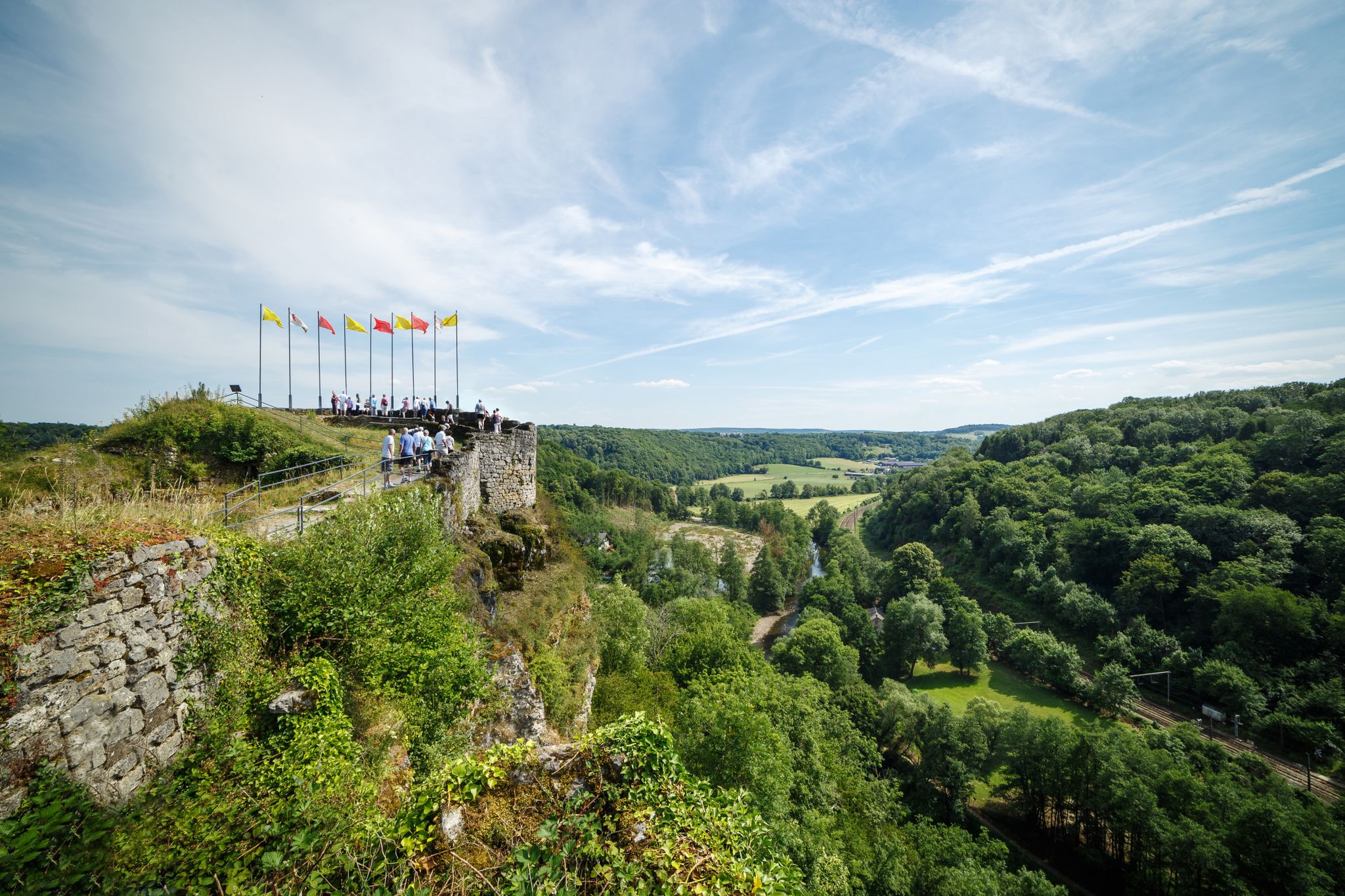
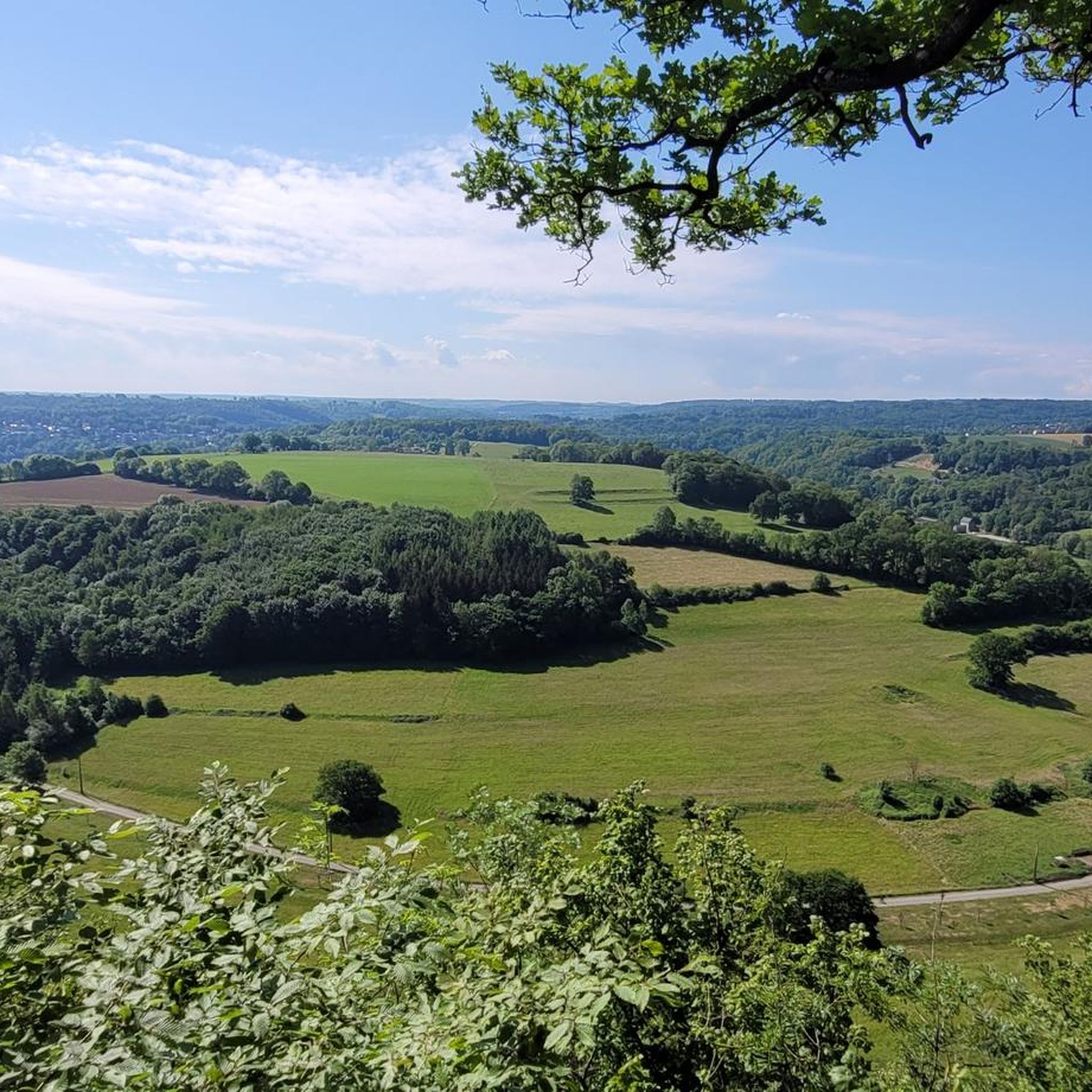
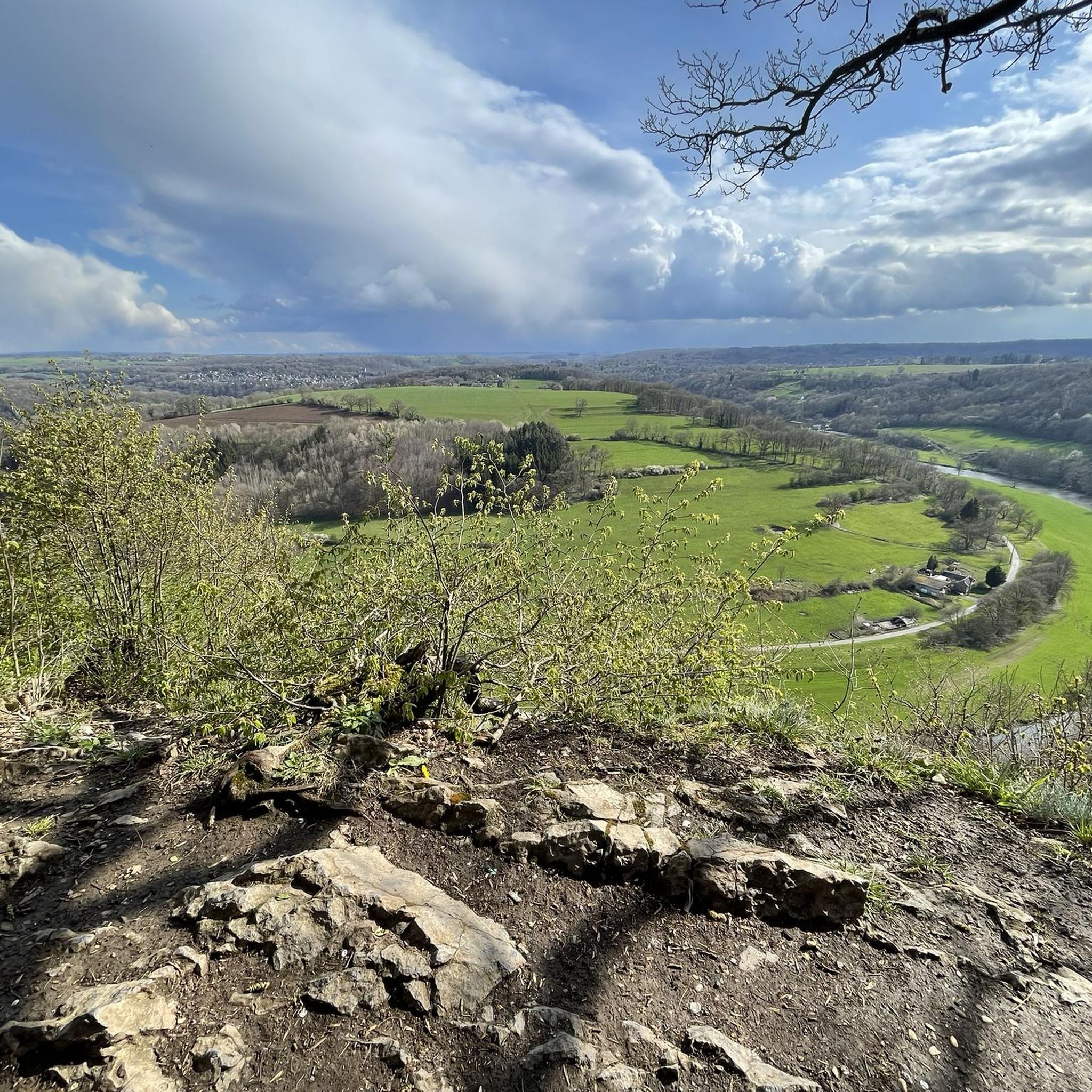
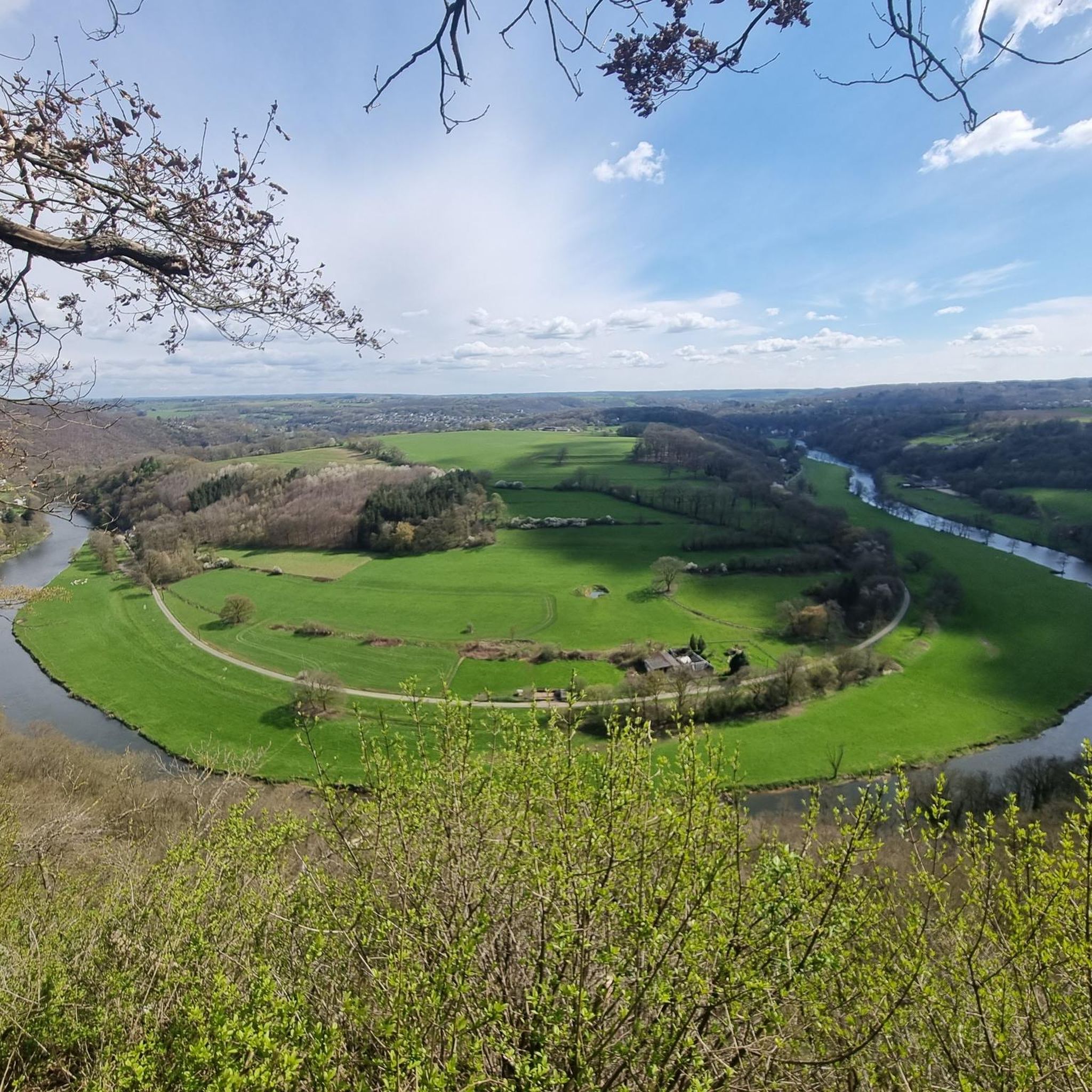

Other adventures around Neupré

Tips from the Community

Beautiful rock formations at Les Awirs with caves and climbing rocks
0
1

The complex originally consisted of four caves, some of which have now disappeared due to natural collapse and the proximity of quarries. The caves have been protected as cultural heritage in Wallonia since 1978 and have an exceptional status due to their scientific value. Although the caves themselves are currently not open to the public, the site remains an important archaeological and natural history location that visualizes the evolution of humanity.
2
0
A magnificent hiking trail, but not to be underestimated. Along the hillside, you'll walk through rock formations, some of which you'll have to crawl through, and past viewpoints overlooking the Ourthe Valley. Some caves are accessible, but only after a short, steep climb. Be careful.
4
0

Unexpected spot in the middle of the park, next to a viewpoint over the city (let's see if we can still see that far when the trees have turned green...), a reminder of a time when the walking routes were punctuated by https://www.dogwhistlings.com
0
0
This is a cave I used to visit a long time ago. Before, you could start at the very bottom and work your way up to the top of the quarry. Now, I don't think that's possible anymore.
0
1

Although the caves are no longer accessible, they are worth the detour for their unexpected beauty. The red earth blends perfectly with the gray of the rock walls and the green of its abundant ivy. There were originally four caves on this site. The first disappeared due to limestone mining between 1890 and 1900. Exploring the Cockerill quarry massif, Philippe-Charles Schmerling discovered four caves on the site called Trô Cwaheur (= cut, tear). In the second cave, he unearthed two human skulls in 1829, one said to be Cro-Magnon and the second a Neanderthal child. The bones were associated with extinct fauna and presented the same state of preservation. At a time when biblical theory still prevailed, he began to prove the appearance of humans on earth more than 4,000 years ago. But, misunderstood, it would be necessary to wait for the discoveries made in the Neander Valley, in Germany, to see his thesis confirmed. It was a close call for "Neanderthal man" to be called "Awirs man". The site belongs to the Société Carmeuse and has been classified since 1978. The ditch that can be seen on the site is due to a subsidence of the ground following the exploitation of alum. Alum was exploited in this place from 1580 until the middle of the 18th century (around 1740).
5
0

Approach (Parking) 50.556177, 5.579821 This massif consists of various climbing routes with varying degrees of difficulty. 1) La Dalle → The Slab 2) Porche de la Grotte → Portal of the Grotto or Entrance to the Cave 3) Porche Triangulaire / The Anticlinal → Triangular Portal / The Anticlinal 4) Dalle Supérieure → Upper Slab 5) Les Bombés → The Overhangs
50
0

In 1829, the Dutch physician Philippus Schmerling found prehistoric remains here. He discovered the Neanderthal man before Neandertal would give it its name after similar finds there in 1856. The caves in which the bones were found are no longer accessible. The area is still known as the site des Grottes Schmerling. Source: https://www.ultimatehiking.be/dagtocht-steengroeven-mullerthal-kastelen-langs-maas
13
0
Frequently Asked Questions
What types of caves can I explore near Neupré?
The region around Neupré offers a diverse range of subterranean experiences. You can find historically significant caves like the Schmerling Caves site, known for archaeological discoveries. There are also challenging sporting caves such as the Chawresse Trail system, and natural formations like Sainte-Anne Cave with its geological features. Additionally, you can visit man-made grottoes like the Casino Grotto, Parc de la Chartreuse.
Are there any historically significant caves in the Neupré area?
Yes, the Schmerling Caves site is of immense historical and archaeological importance. It's where the first Neanderthal fossil was discovered in 1829. While the original caves are no longer accessible due to collapses, the site itself is recognized as Cultural Heritage of Wallonia for its exceptional scientific value. You can learn more about its history on Wikipedia.
Which caves offer a challenging caving experience for experienced cavers?
For experienced cavers seeking a challenge, the Chawresse Trail area is highly regarded. The Chawresse cave system is known for its complexity, numerous pitches, and narrow passages, including the 30-meter 'Puits Boubou' and unique 'Chicanes' passages. The Grotte de Rosière in Plainevaux, part of Neupré, also offers an adventurous experience with tight entrance passages and active water flow.
Are there family-friendly caves to visit near Neupré?
Yes, the Abîme Cave (Grotte de Comblain) is a recognized 3-star tourist attraction and is considered family-friendly. It offers guided tours and a quality visitor experience. It's a great option for those looking for an accessible and engaging cave visit.
What natural features can I expect to see in the caves around Neupré?
The caves in the region showcase various natural wonders. At Sainte-Anne Cave, you can find impressive geological formations, including calcite pools and a lake within the 'Réseau Lemaire'. The Grotte de Rosière is a 'living cave' with active water flow that has shaped its passages, and features some calcite concretions.
What is the accessibility like for caves near Neupré?
Accessibility varies significantly by cave. The original Schmerling Caves are no longer accessible. Sainte-Anne Cave has an impressive entrance visible from the road, and while cavers explore deeper, the initial sections might be viewable. The Abîme Cave is set up as a tourist attraction with visitor facilities. For more challenging caves like Chawresse or Grotte de Rosière, expect difficult terrain and tight passages.
Do I need permits for cave exploration around Neupré?
For serious and challenging cave exploration, particularly in systems like Chawresse or Grotte de Rosière, permits or affiliation with caving clubs are typically required due to the technical nature and potential hazards. Tourist-oriented caves like Abîme Cave usually operate with paid admission and guided tours, not permits.
What outdoor activities can I combine with a visit to the caves?
The region around Neupré offers excellent opportunities for outdoor activities. You can find numerous routes for gravel biking, road cycling, and general cycling. The Chawresse Trail itself is a popular spot for hiking, winding along a stream with interesting rock formations.
Are there hiking trails near the caves around Neupré?
Yes, the area is rich in hiking opportunities. The Chawresse Trail is a prime example, offering a beautiful valley walk alongside a stream. Many of the caves are situated in natural landscapes that are ideal for walks and hikes, often featuring varied terrain and scenic views.
What do visitors enjoy most about the caves around Neupré?
Visitors appreciate the diverse appeal of the caves. Many are drawn to the historical significance of sites like the Schmerling Caves site, while others enjoy the natural beauty and challenging aspects of sporting caves like Chawresse Trail. The unexpected beauty of the landscapes, where red earth meets gray rock and green ivy, is also frequently highlighted.
Can I visit a man-made grotto or unique cave structure in the area?
Yes, the Casino Grotto, Parc de la Chartreuse, is a man-made cave located within a park. It offers a glimpse into historical walking routes and provides a viewpoint over the city, making it a unique and unexpected spot to visit.
What is the Grotte de Rosière and where is it located?
The Grotte de Rosière is a 'living cave' known for its active water flow and challenging passages. It was discovered in 1965 and features an entrance requiring visitors to navigate on their knees before opening into a larger chamber with calcite concretions. It is located in Plainevaux, which is part of the Neupré commune.
Most popular attractions around Neupré

Get inspired with the komoot mobile app


Explore more
Extend your search for the best caves by checking out these guides of the top ones around Neupré:
