Attractions and Places To See in Utah - Top 20
Best attractions and places to see in Utah encompass a diverse range of landscapes, from vast deserts to towering mountains. The region is home to five national parks, showcasing unique geological formations like sandstone cliffs, canyons, and natural arches. Beyond its natural wonders, Utah also offers significant cultural and historical sites that reflect its rich heritage. These points of interest provide opportunities for exploration across varied environments.
Best attractions and places to see in Utah
- The most popular attractions is…
Last updated: October 11, 2026
Sunset Point
Highlight • Viewpoint
Tip by

Sunrise Point
Highlight • Viewpoint
Tip by
Sign up now to discover places like this
Get recommendations on the best single tracks, peaks, & plenty of other exciting outdoor places.
Angels Landing
Highlight • Summit
Tip by

Queen's Garden Hoodoos, Bryce Canyon National Park
Highlight • Canyon
Tip by
Thor’s Hammer (hoodoo)
Highlight • Natural Monument
Tip by
Queens Garden Trail
Highlight • Trail
Translated by Google •
Tip by

West Rim Trail
Highlight (Segment) • Trail
Tip by
Landscape Arch
Highlight • Natural Monument
Tip by

Delicate Arch
Highlight • Natural Monument
Tip by
Devil's Garden Trail to Landscape Arch
Highlight (Segment) • Trail
Tip by

Sign up for free to discover even more attractions in Utah.
Already have an account?
Start today with a free account
Your next adventure awaits.
Popular around Utah
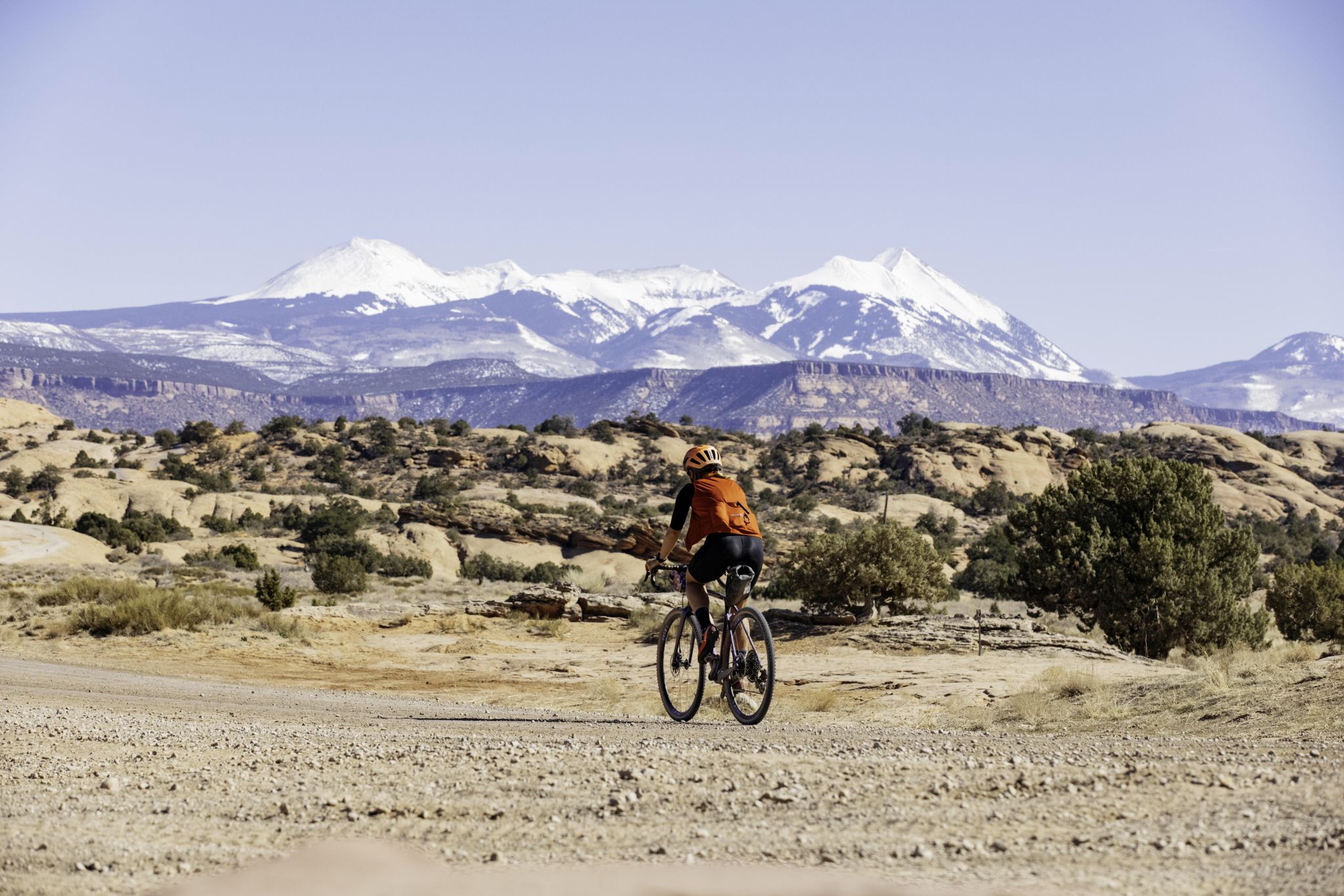
My Utah road trip: trail running and gravel riding in the mountains
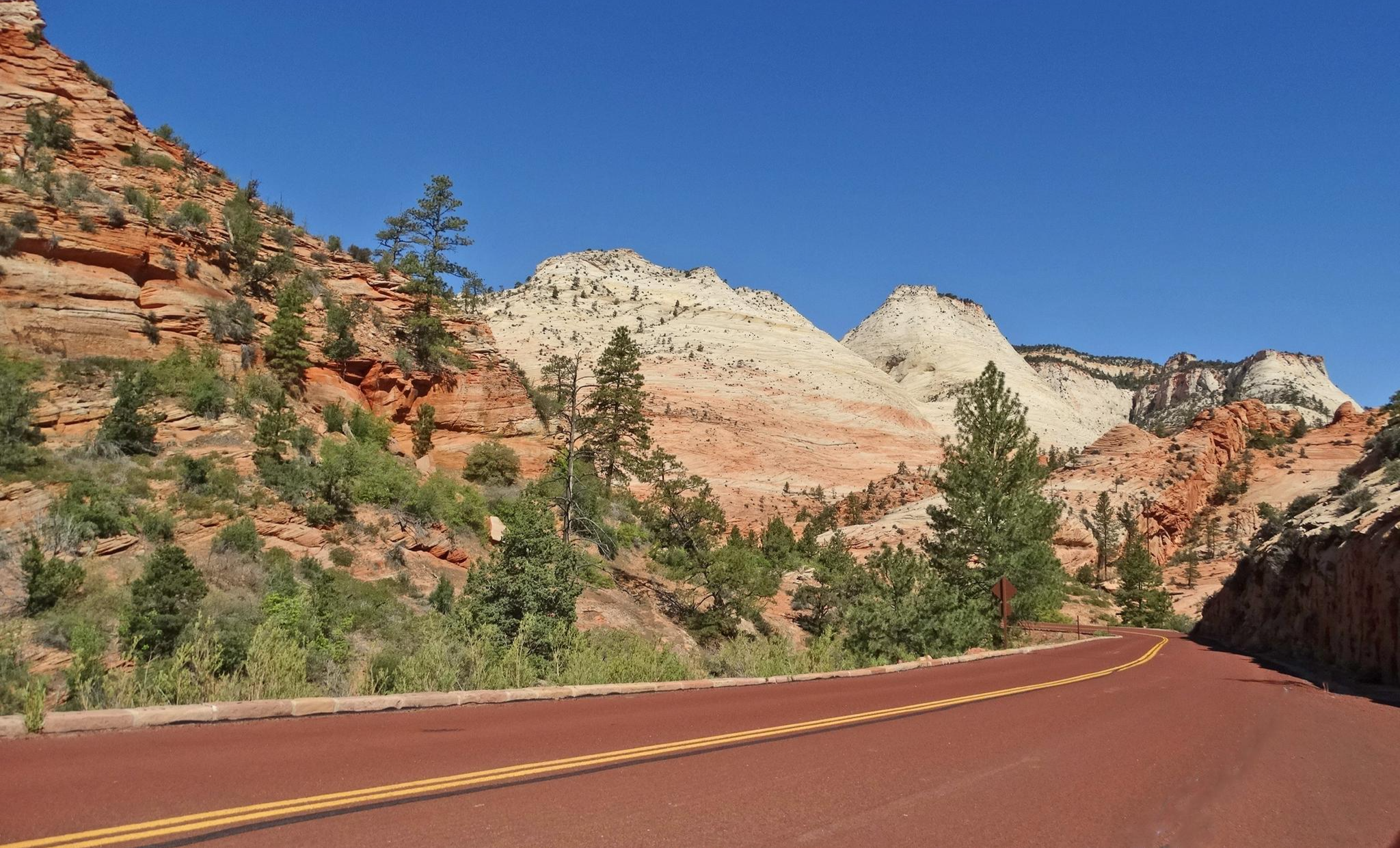
Red Rock to High Country loop — Riding from desert floors to canyon walls
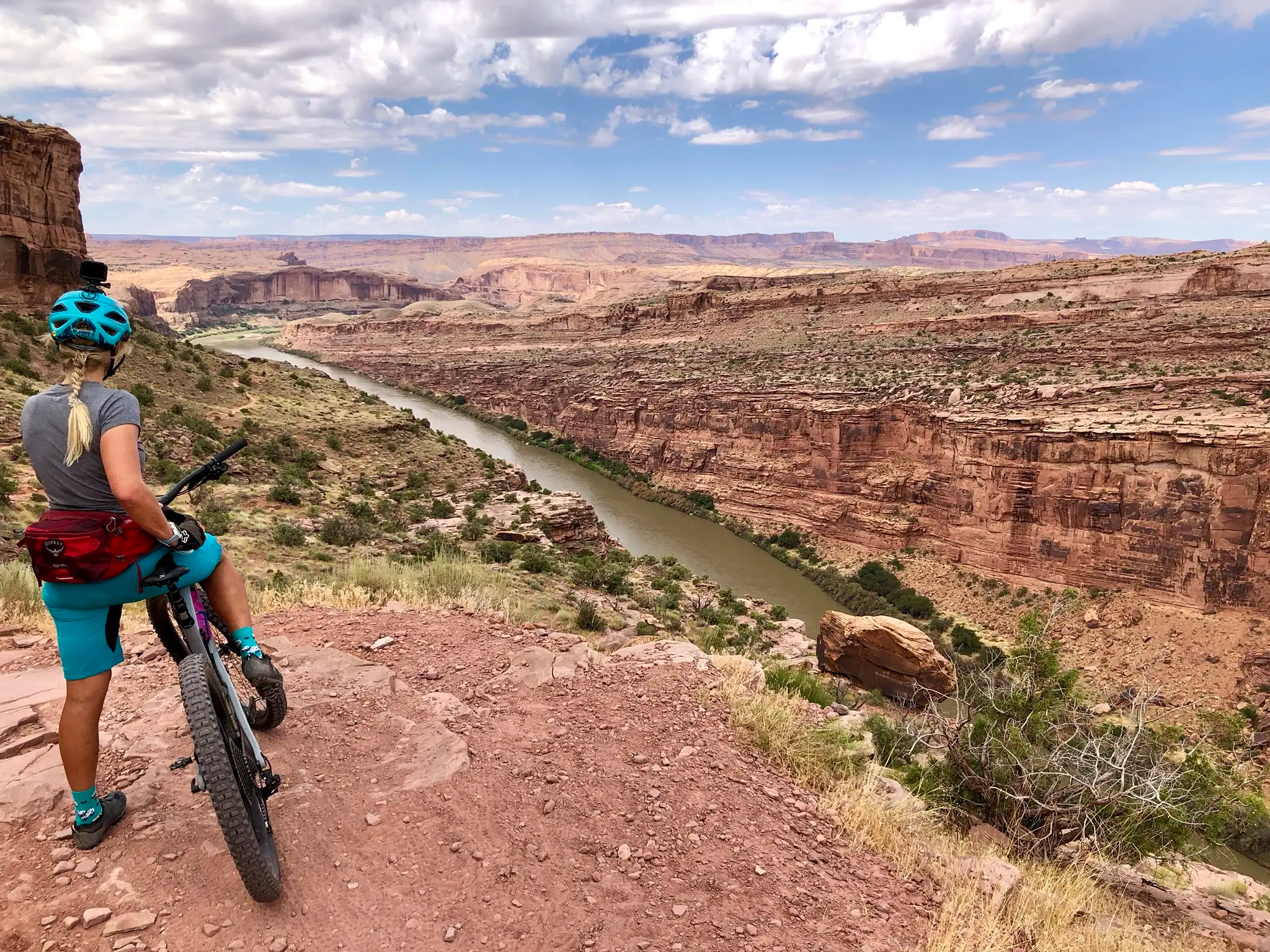
Kokopelli's Trail — Biking a legend’s trail across the desert
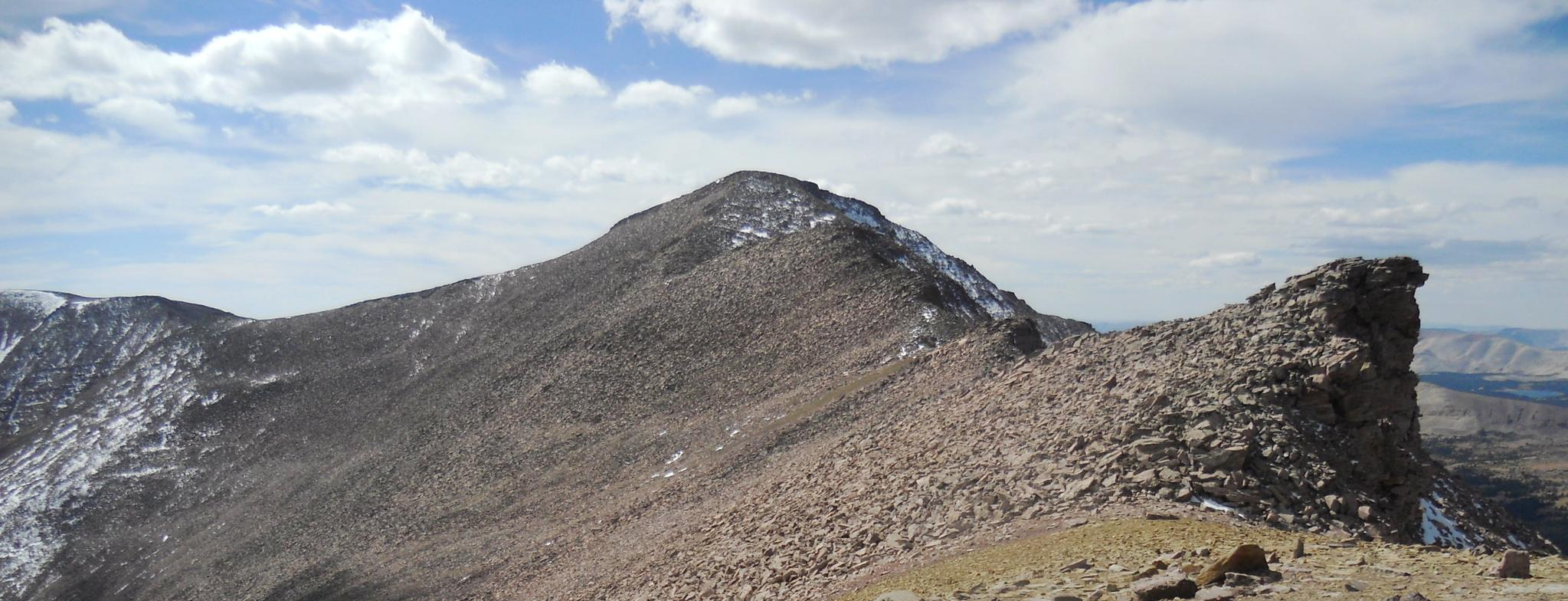
The Uinta Highline Trail — An epic journey through the wild heart of Northern Utah
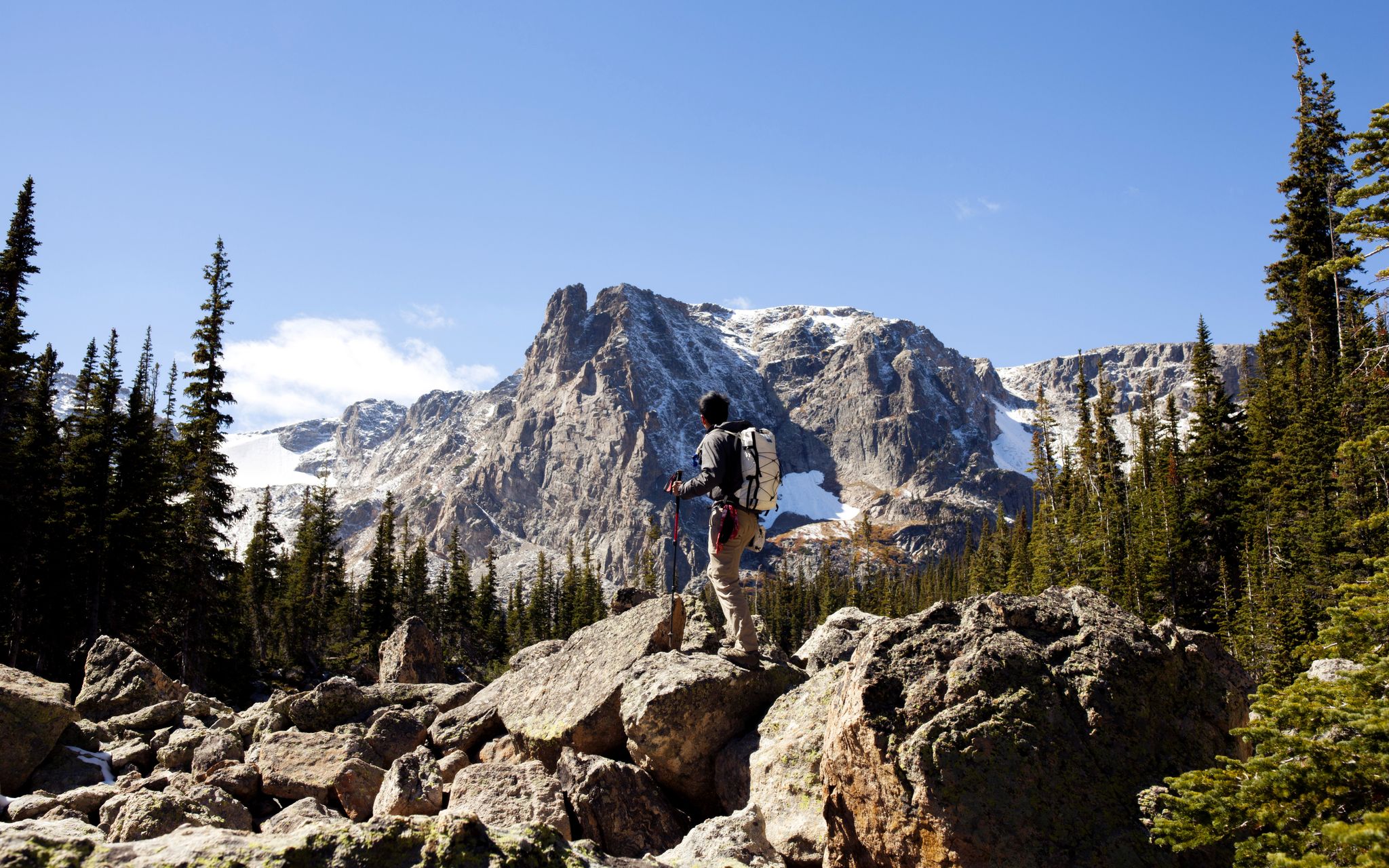
From the mountain peaks to the prairie – Rocky Mountains and Great Plains
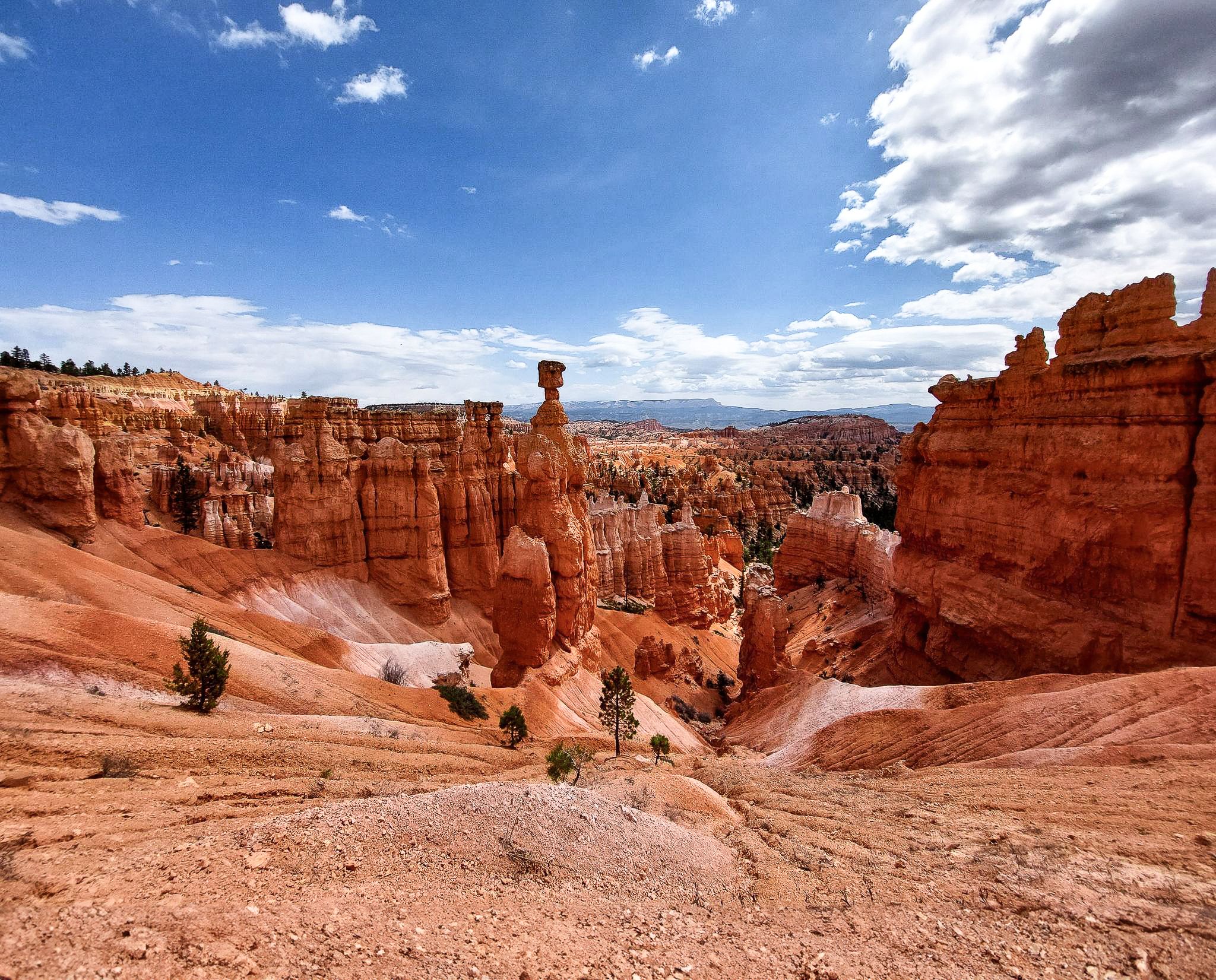
Canyons, Plateaus and Hoodoos – discover Southwest USA
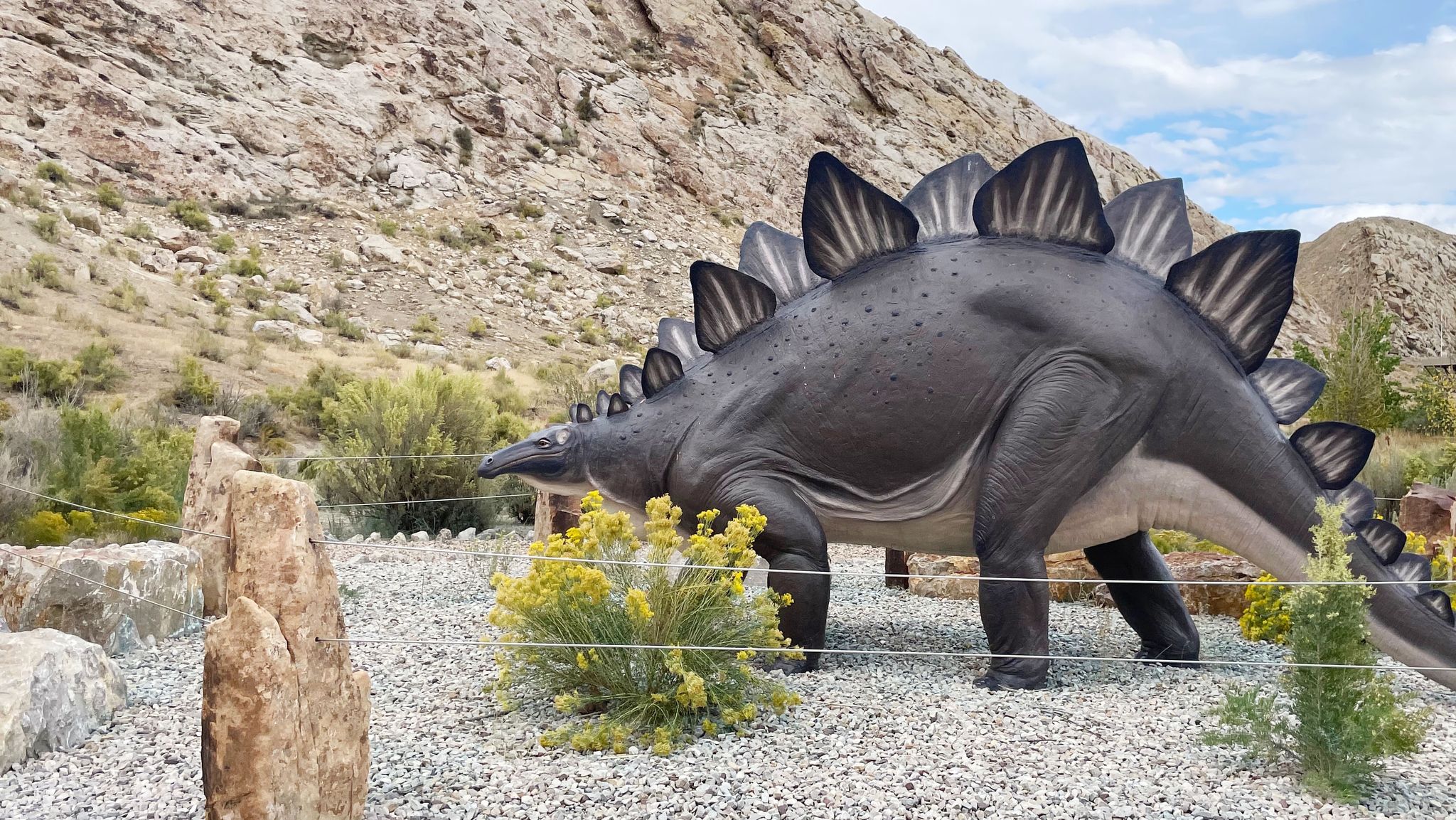
On the trail of the giants in the USA – Dinosaur National Monument
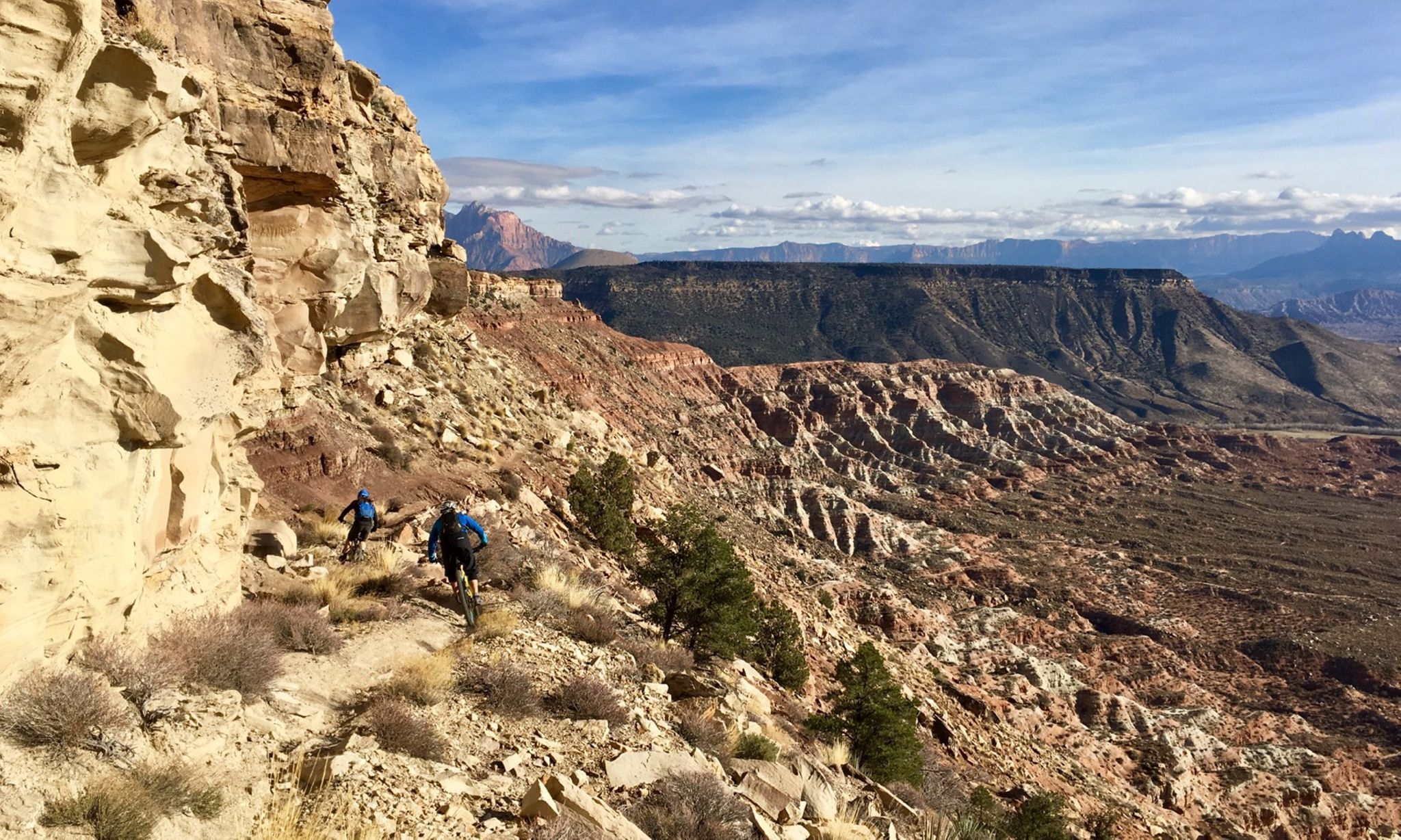
Mountain biking at the gates of Zion National Park
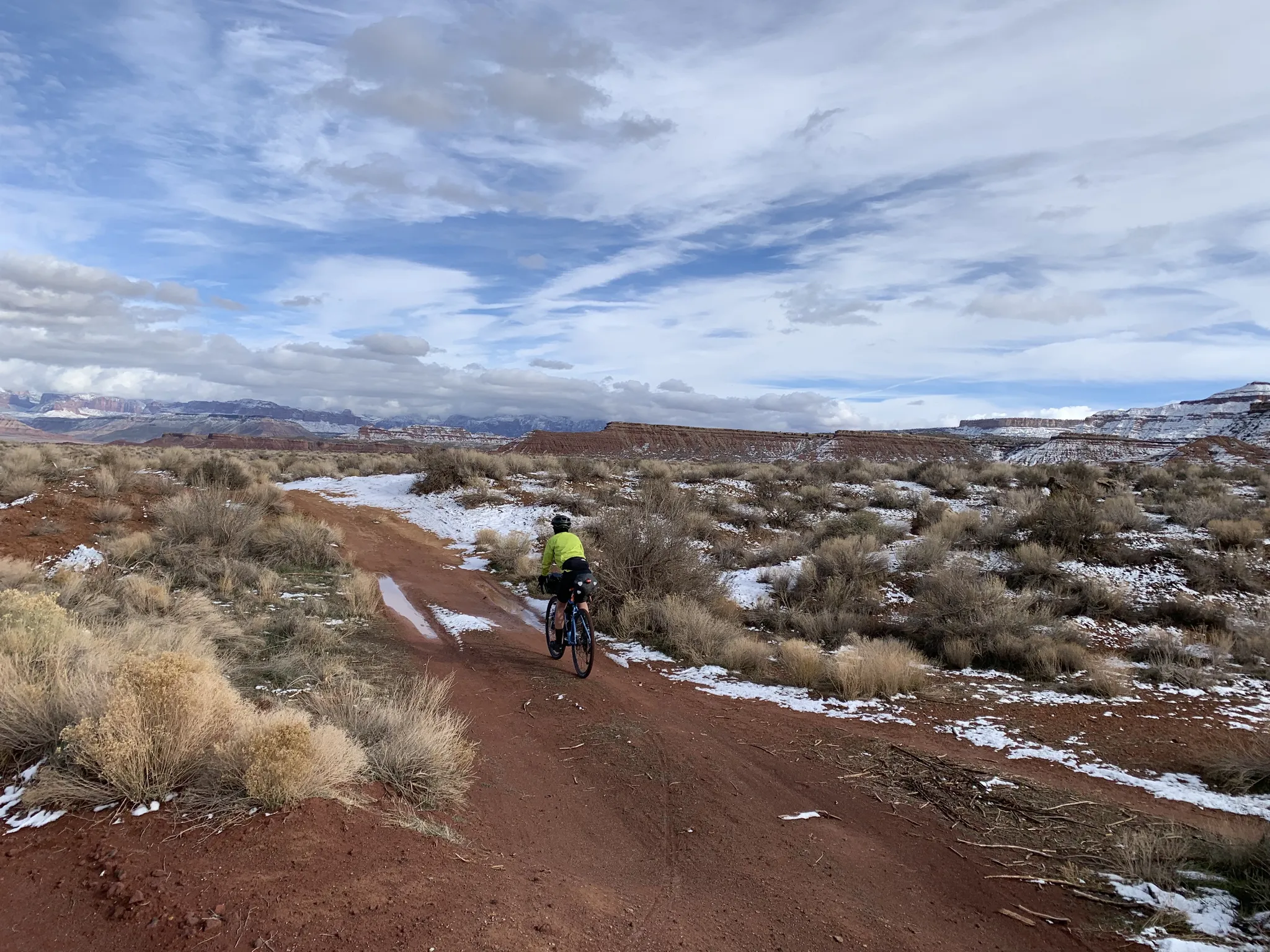
The girls of the desert — Gravel between Las Vegas and Zion
Unforgettable MTB Adventures – IMBA Epic Trails in USA and Canada
Other adventures in Utah


Tips from the Community

The Devil's Garden Trail is the longest and most arched hiking trail in Arches National Park and is considered one of its main highlights. Highly varied; it leads through a dramatic landscape of towering sandstone "fins" (rock ridges). The trail features the largest concentration of natural stone arches in the park. The first section is a wide, well-maintained path and leads directly to Landscape Arch, the longest arch in North America. The trail becomes more challenging beyond Landscape Arch. The full loop, known as the Primitive Trail, requires surefootedness, easy scrambling over slickrock (smooth rocks), and good orientation skills. Important arches (besides Landscape Arch): Tunnel Arch, Pine Tree Arch, Double O Arch, and optional Private Arch and the Dark Angel rock needle. Total length (complete loop including all detours): approximately 12 km (7.9 miles).
0
0

Try to do this hike early in the morning or don’t forget your water. The track to the arch is rather easy.
0
0

Delicate Arch, Moab, Utah, United States 🇺🇸 Delicate Arch is arguably the most famous natural arch in the world, renowned for its majestic beauty and the stunning, unobstructed views it offers of the surrounding red rock landscape. Carved by millennia of wind and water erosion, this iconic sandstone arch stands proudly at 52 feet tall, a testament to the powerful forces of nature. Visiting at sunrise or sunset offers an unparalleled experience, as the changing light paints the arch and the distant La Sal Mountains in an unforgettable array of colors, from fiery reds to soft pastels. The hike to Delicate Arch is a moderately strenuous 3-mile round trip, but every step is rewarded with increasingly dramatic vistas. The trail, though well-maintained, includes a steep climb over slickrock, so sturdy footwear and plenty of water are essential. Along the way, hikers can observe fascinating geological features, including desert varnish and potholes, adding to the richness of the journey. The final approach to the arch offers a breathtaking reveal, making the effort entirely worthwhile. Delicate Arch is not just a geological wonder; it's a symbol of Utah and a must-see for anyone exploring Arches National Park. Its isolated position and the expansive desert backdrop create a sense of awe and wonder, inviting visitors to reflect on the immense scale of geological time and the delicate balance of ecosystems. Remember to pack out everything you pack in, and leave no trace to help preserve this incredible natural treasure for future generations.
3
0


"Queen Victoria" holds court over the Queen's Garden Trail. Many believe this hoodoo, or weathered pinnacle of rock, resembles the famous memorial statue to Queen Victoria in London.
2
0

We reach the spectacular Bryce Canyon. The bizarre rock formations ("hoodoos") are just as characteristic of Bryce Canyon as its forests. The combined forces of wind, water and ice have created a landscape of rock pillars in strange shapes and sizes. These rock formations are also called hoodoos. The hoodoos create a labyrinth of constantly changing shapes and colors from bright orange to pale pink or ochre. Here we take the opportunity to descend into the canyon. The change of perspective makes us really aware of the size of the individual rock formations. We see several chipmunks that are far too quick for my camera.
4
0

Landscape Arch, one of the largest archs on the planet, stretches 3 feet longer than Zion National Park’s Kolob Arch. Though visitors can't walk directly under it due to its fragility, Devil's Garden Primative Trail Loop leads to a perfect viewpoint framed by the blue sky. Over the centuries, large pieces of the arch, some the size of cars, have fallen off. Getting here early is best, as this is a popular feature, and the lookout points can get crowded during peak hours of peak seasons.
1
0

Important for the Devils Garden Trail: Start early!
1
0
Frequently Asked Questions
What are some unique natural features to explore in Utah?
Utah is renowned for its diverse natural landscapes. You can witness the iconic hoodoos at Bryce Amphitheater, explore over 2,000 natural stone arches including Delicate Arch in Arches National Park, or marvel at the vast canyons of Canyonlands National Park. Other unique spots include the otherworldly formations of Goblin Valley State Park and the expansive Bonneville Salt Flats.
Are there family-friendly attractions in Utah?
Yes, Utah offers many family-friendly attractions. Sunset Point and Sunrise Point in Bryce Canyon National Park provide accessible viewpoints with stunning scenery. The Queens Garden Trail is a well-maintained path suitable for families. Beyond the national parks, places like Goblin Valley State Park with its 'goblins' and Coral Pink Sand Dunes State Park offer engaging experiences for all ages.
What cultural and historical sites can I visit in Utah?
Utah has a rich history reflected in several cultural sites. Temple Square in Salt Lake City is a significant landmark. You can also explore the completion site of the first transcontinental railroad at Golden Spike National Historical Park, or delve into ancient cultures at Fremont Indian State Park and Museum, known for its rock art panels. For pioneer history, visit This Is The Place Heritage Park or the Pioneer Memorial Museum in Salt Lake City.
What kind of outdoor activities can I do near Utah's attractions?
Near Utah's attractions, you can find a variety of outdoor activities. For running, consider trails like the Delicate Arch Trail or the Lake Blanche Trail. Cycling enthusiasts can explore scenic routes such as the Natural Bridges National Monument Drive or the Zion National Park Scenic Drive. There are also numerous options for gravel biking, including the Union Pacific Rail Trail.
Are there specific hiking trails recommended for visitors?
Yes, Utah offers a wide range of hiking trails. For a challenging experience, consider Angels Landing in Zion National Park (reservations often required). The Queens Garden Trail provides a wonderful, well-maintained path through Bryce Canyon. Other notable trails include the West Rim Trail and the path to Landscape Arch.
What are some of the best viewpoints in Utah?
Utah is home to many spectacular viewpoints. Sunset Point and Sunrise Point in Bryce Canyon offer breathtaking views of the hoodoos, especially during dawn and dusk. Bryce Point also provides panoramic vistas. Dead Horse Point State Park offers stunning views of the Colorado River winding through canyons, and Mesa Arch in Canyonlands National Park is famous for its sunrise views.
What do visitors enjoy most about Utah's attractions?
Visitors frequently praise the stunning geological formations and the vibrant colors of the landscapes. Many highlight the unique experience of seeing the hoodoos at Bryce Canyon, especially the changing light at Sunset Point. The sheer scale and beauty of the canyons and arches, like Delicate Arch, are consistently mentioned as awe-inspiring. The well-maintained trails and diverse outdoor activities also contribute to a highly positive experience.
Are there any less-crowded natural gems in Utah?
For those seeking a quieter experience, Capitol Reef National Park is often considered a less-crowded gem, offering a unique blend of colorful cliffs, domes, and arches. Goblin Valley State Park provides an 'otherworldly' landscape with its unique mushroom-shaped sandstone formations, and Grand Staircase-Escalante National Monument is a vast, rugged expanse with slot canyons and natural bridges, perfect for exploration away from the main tourist hubs.
Where can I see dinosaur fossils or ancient rock art in Utah?
Utah is rich in prehistoric history. Dinosaur National Monument is renowned for its extensive dinosaur fossil quarries and displays. For ancient rock art, Nine Mile Canyon is often called 'the world's longest art gallery' due to its vast collection of pictographs and petroglyphs. Fremont Indian State Park and Museum also features thousands of rock art panels, offering a glimpse into ancient Fremont Indian culture.
What are some notable landmarks beyond the national parks?
Beyond the famous national parks, Utah boasts several other significant landmarks. Monument Valley Navajo Tribal Park, on the Arizona-Utah border, features dramatic red sandstone buttes and mesas. The Great Salt Lake is the largest saltwater lake in the Western Hemisphere, offering a unique natural spectacle. Rainbow Bridge National Monument is one of the largest natural sandstone bridges in the world, an iconic symbol for Lake Powell.
What is the best time to visit Utah's national parks?
The best time to visit Utah's national parks generally depends on the activities you plan. Spring (April-May) and Fall (September-October) offer pleasant temperatures for hiking and fewer crowds than summer. Summer (June-August) is popular but can be very hot, especially in southern parks like Zion and Arches. Winter offers unique snowy landscapes and fewer visitors, though some roads and trails may be closed due to snow.
Most popular routes in Utah
Most popular attractions in Utah

Get inspired with the komoot mobile app


Didn’t find what you were looking for?
Are you keen on exploring more awesome places nearby? Browse our guides:
Explore more
Still not found the Highlight you’re looking for? See guides of the top attractions in other regions:
