Top 20 Natural Monuments in Arizona
Best natural monuments in Arizona showcase a diverse range of geological formations and ecosystems. The region features vast canyons, unique desert landscapes, and ancient rock structures. These sites offer insights into millions of years of geological history and preserve significant natural features of the American Southwest. Arizona's natural monuments provide opportunities to explore varied terrain and observe distinct natural phenomena.
Best natural monuments in Arizona
- The most popular natural monuments is South Kaibab Trailhead, a trail head that leads…
Last updated: August 19, 2026
Bright Angel Trailhead
Highlight • Trail
Tip by

South Kaibab Trailhead
Highlight • Trail
Tip by
Sign up now to discover places like this
Get recommendations on the best single tracks, peaks, & plenty of other exciting outdoor places.
Sign up for free
Ooh Aah Point
Highlight • Viewpoint
Tip by
Cedar Ridge
Highlight • Viewpoint
Tip by
Rim Trail (Grand Canyon National Park)
Highlight (Segment) • Trail
Tip by

Skeleton Point
Highlight • Viewpoint
Tip by
Horseshoe Bend
Highlight • Viewpoint
Tip by
Havasupai Gardens
Highlight • Rest Area
Tip by
Antelope Canyon
Highlight • Canyon
Tip by
Subway Cave and Ruins — Boynton Canyon
Highlight • Cave
Tip by

Sign up for free to discover even more natural monuments in Arizona.
Sign up for free
Already have an account?
Start today with a free account
Your next adventure awaits.
Login or Signup
Popular around Arizona
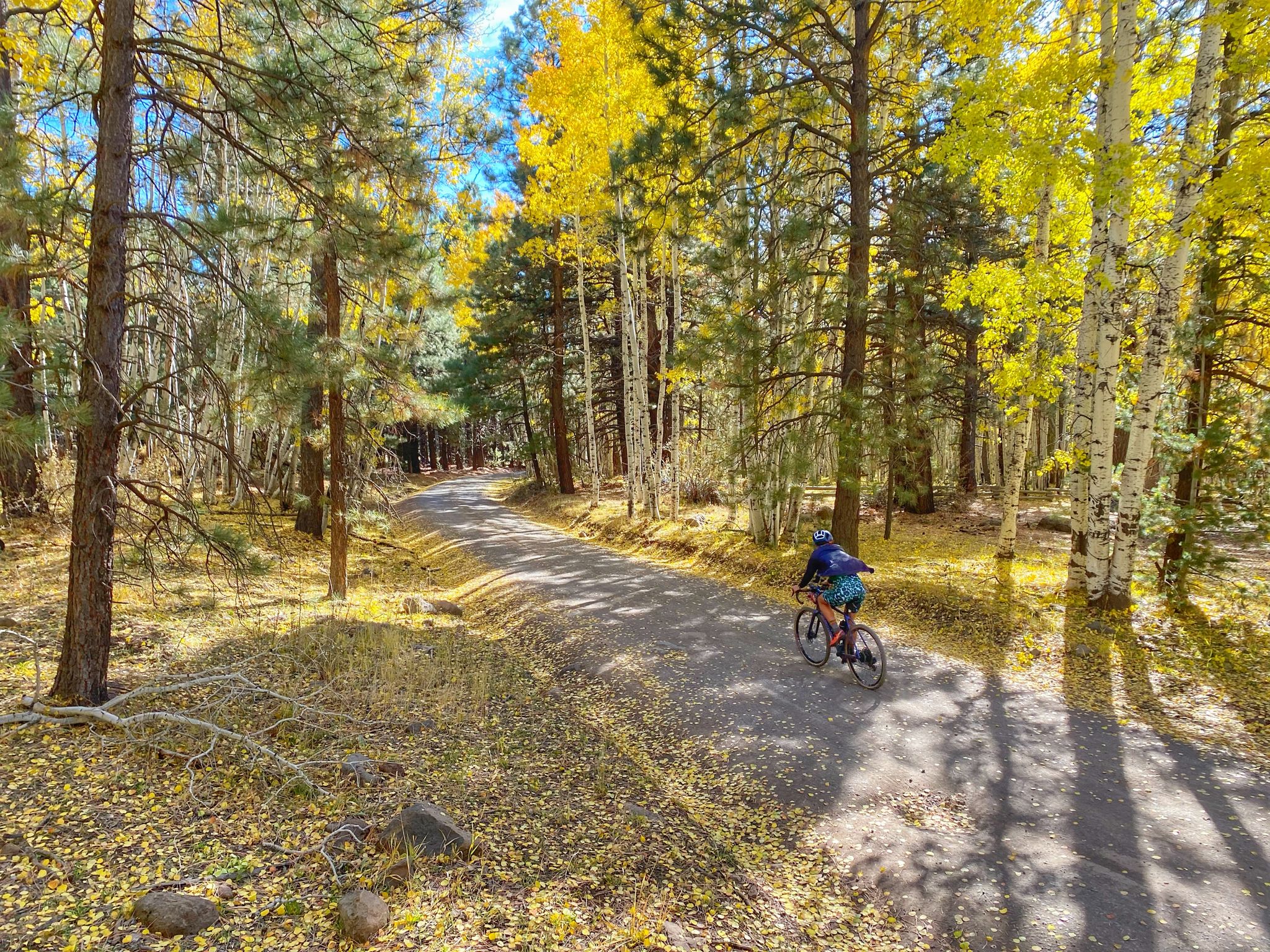
Grand Canyon to Mount Humphreys — a run, bike, run adventure
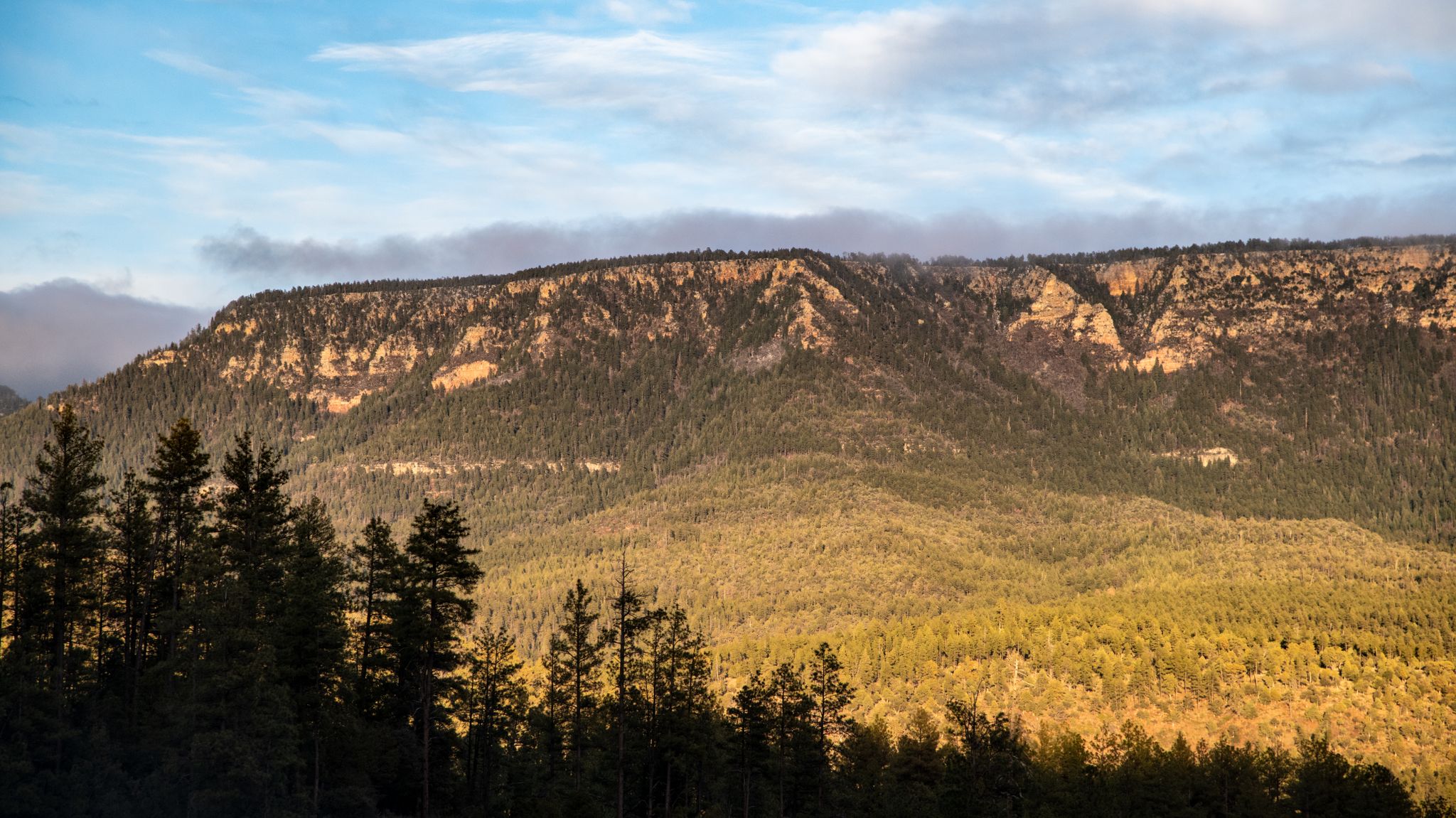
Grand Enchantment Trail — Slot canyons, spruce peaks & desert solitude
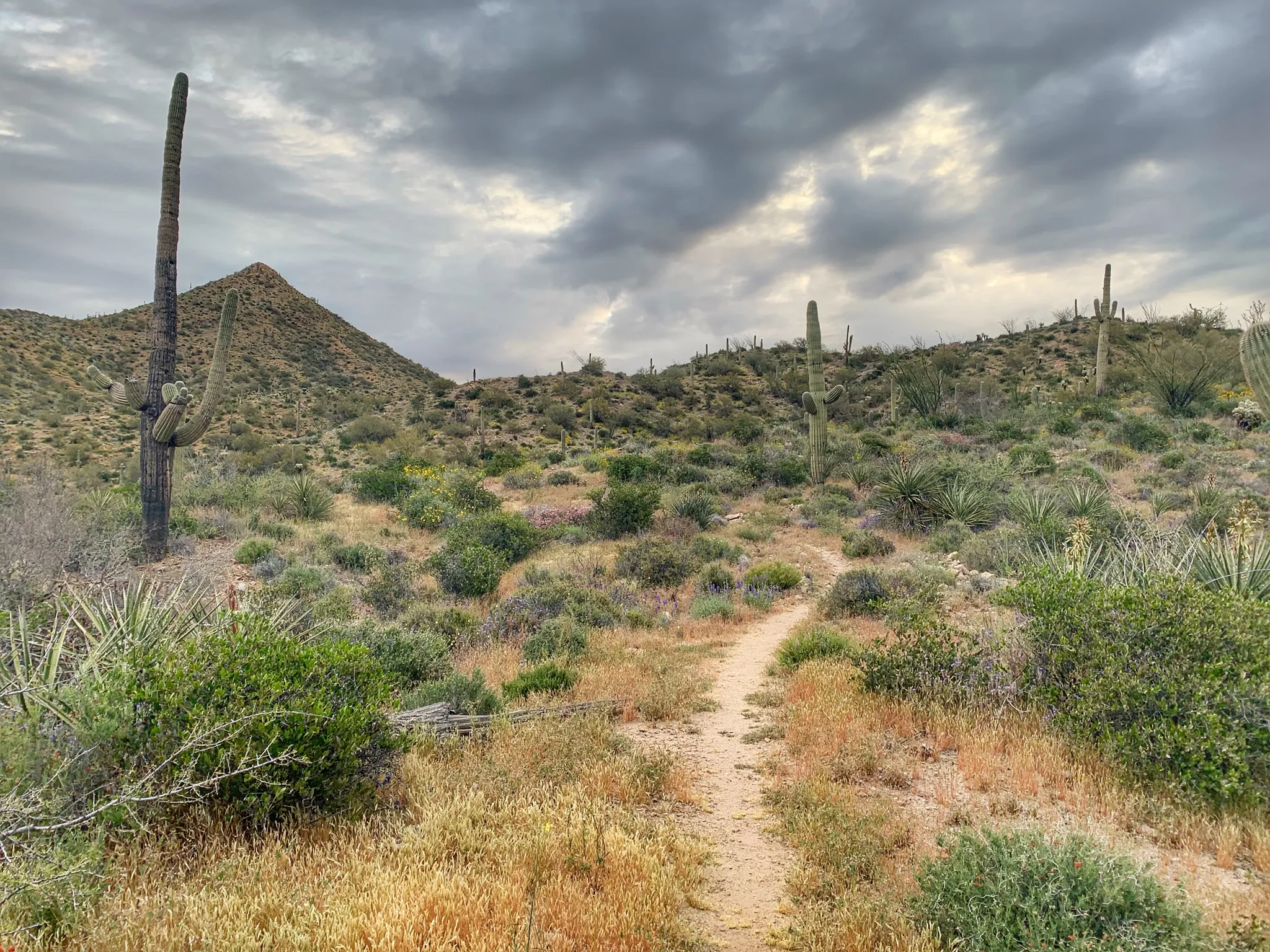
Arizona Trail — A beautiful 800-mile struggle
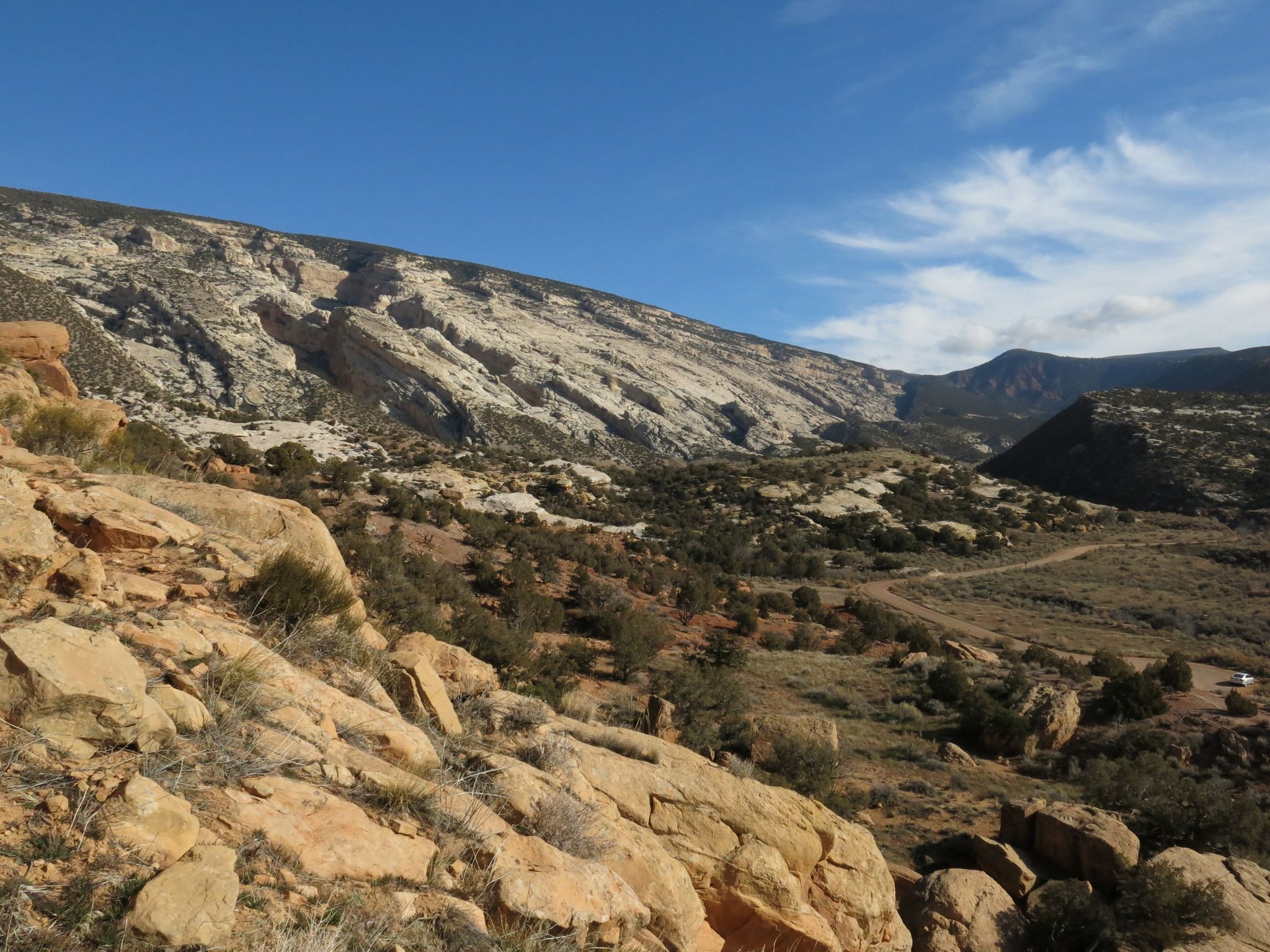
Bikepack in America's southwest – deserts, cacti and Anasazi culture
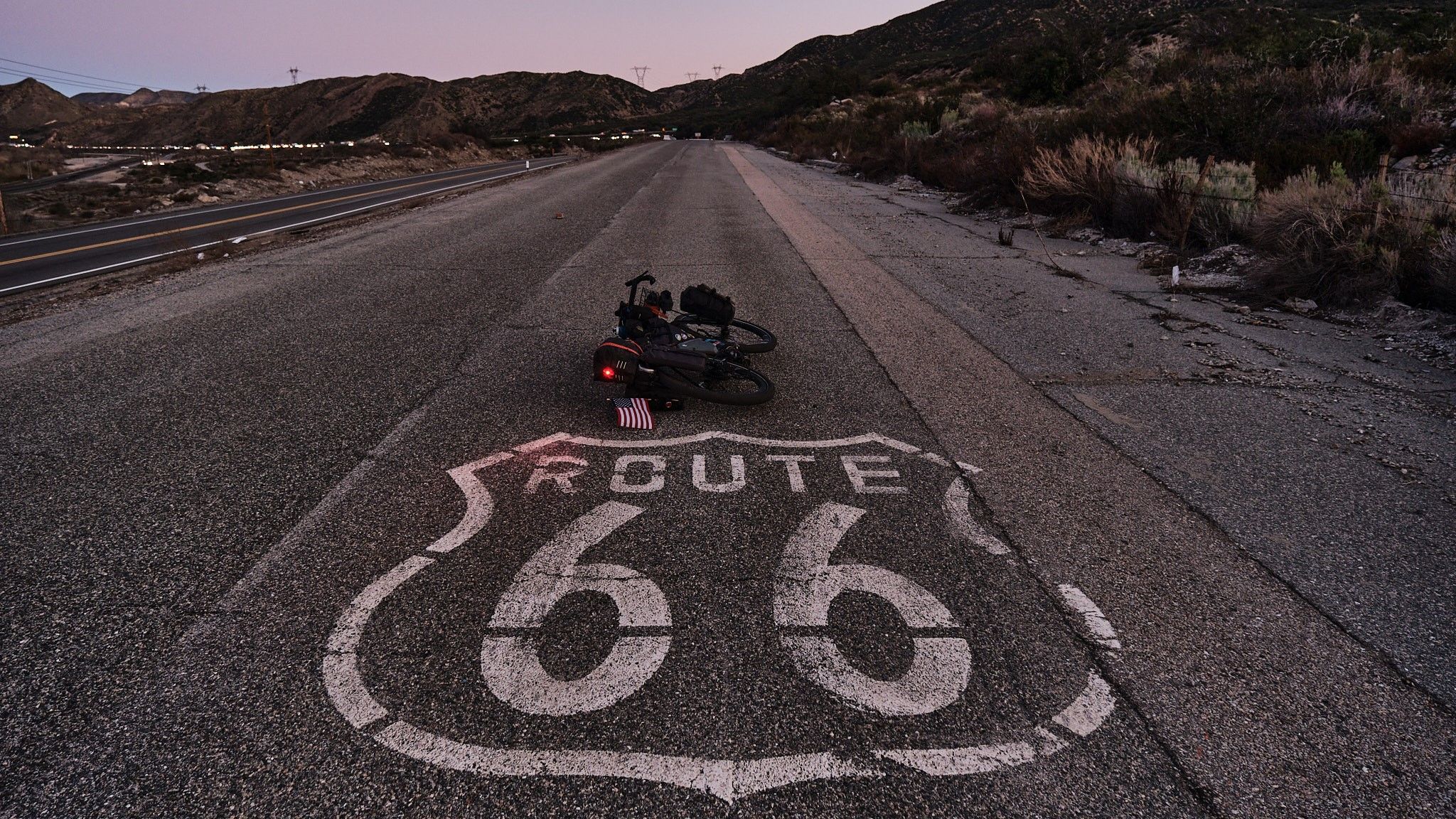
Adventure Cycling Association's Bicycle Route 66 — LA to Chicago
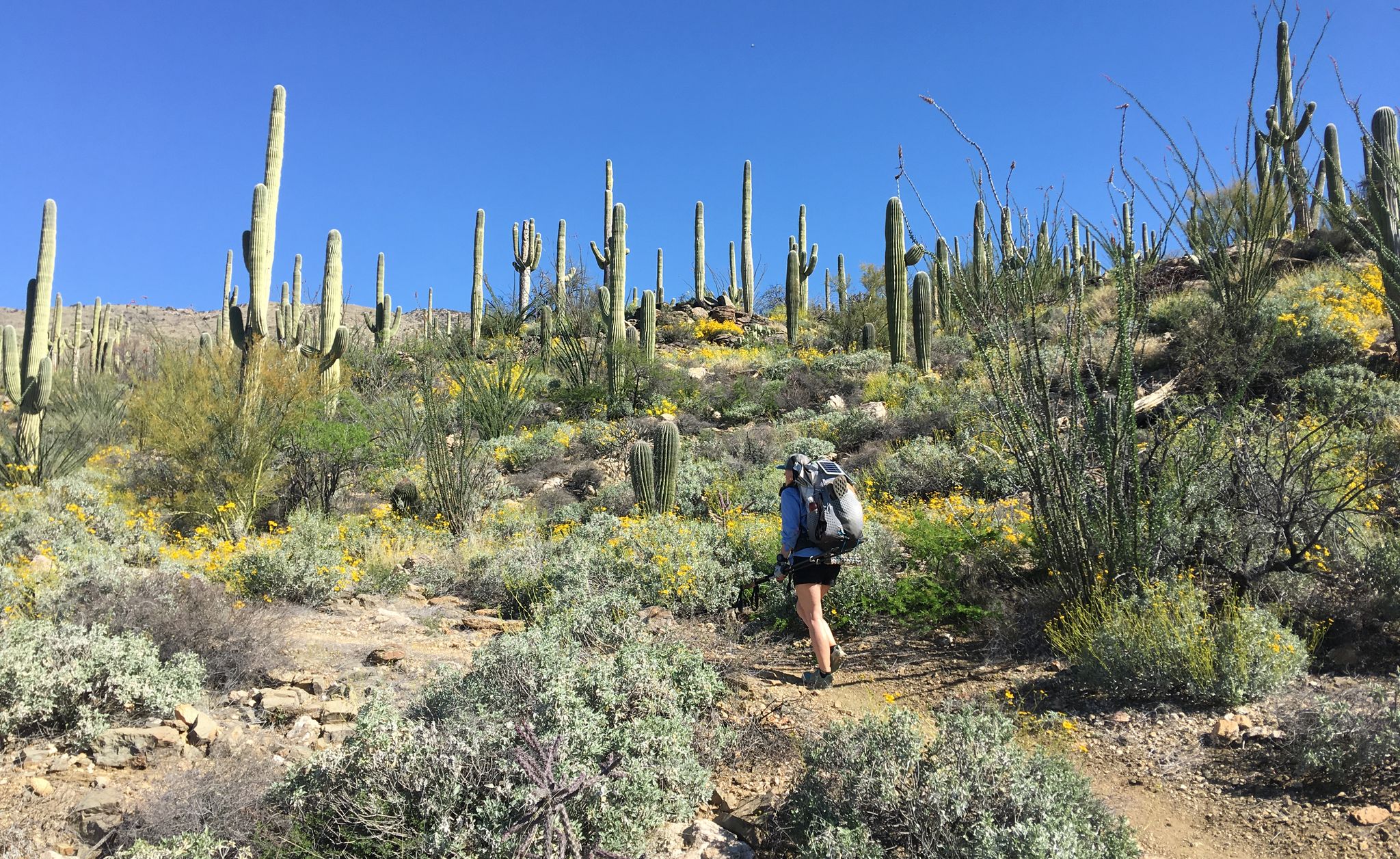
The Arizona Trail — From Mexico to Utah in 43 days
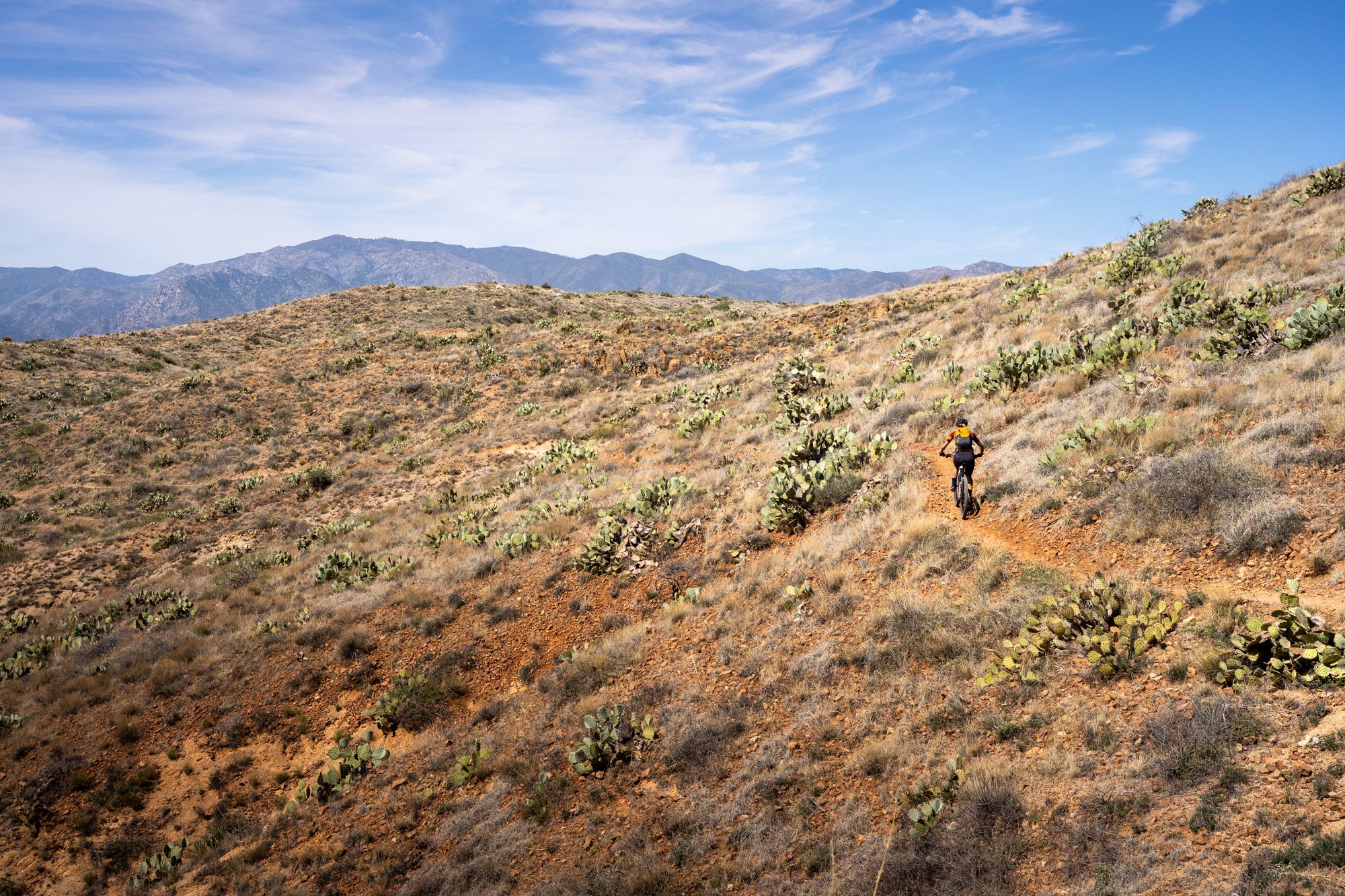
Pure Arizona mountain singletrack — Black Canyon Trail
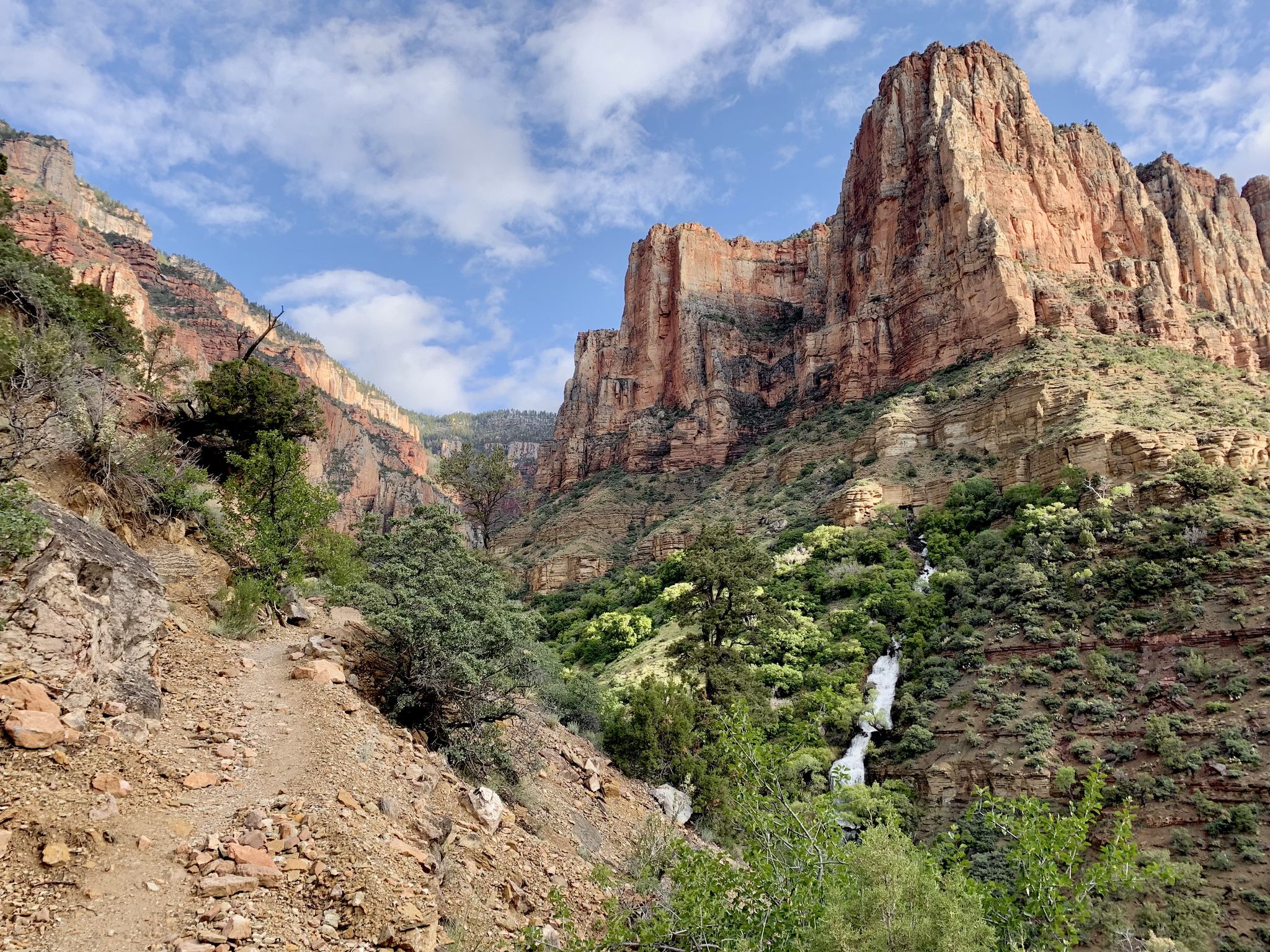
Rim-to-Rim-to-Rim – top to bottom through the Grand Canyon
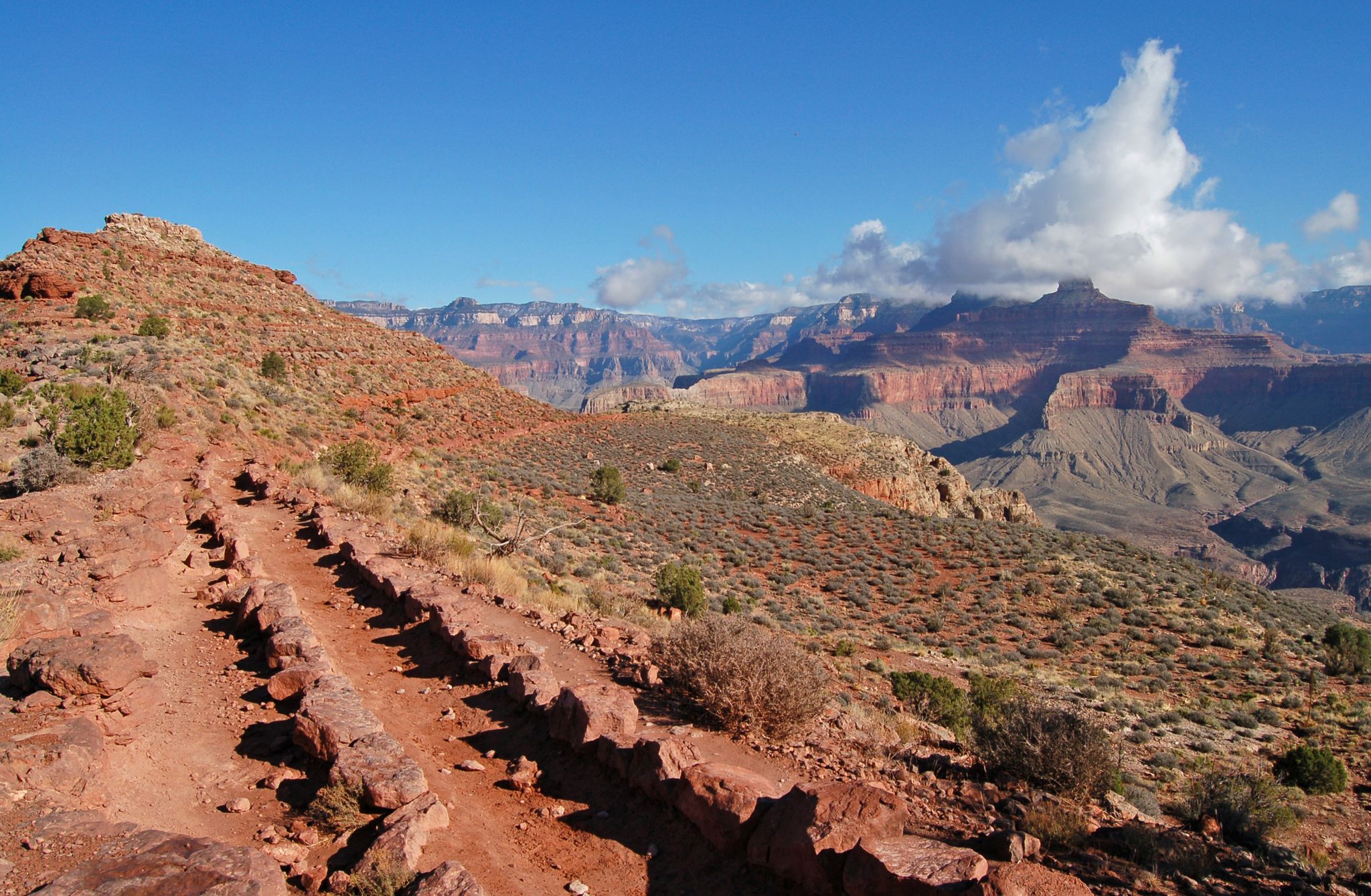
Rim-to-Rim-to-Rim — Fastpacking into the Grand Canyon’s heart
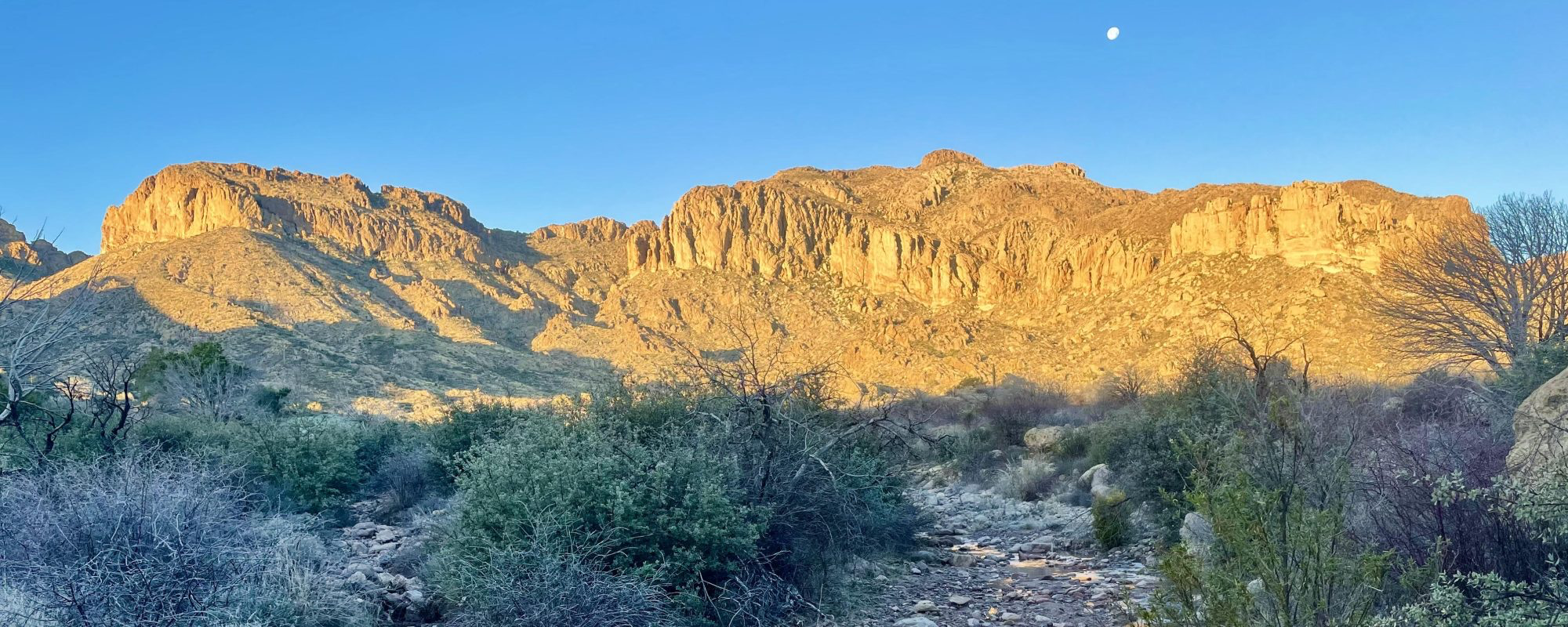
Highline National Recreation Trail – The High Road around the Mogollon Rim
Other adventures in Arizona


Tips from the Community

You can only recommend walking a few meters on this path in front of this breathtaking scenery. It's worth it.
0
0

There are two ways to get up to the Subway Cave: one is easier, but goes along a narrow cliff. The more direct approach is more technical, going up the direct slope, but also less scary if you're not good with heights.
0
0

We're all here for the incredible panoramic views; the elevation gain to get here also makes this a satisfying turnaround point if you're out for a short run. There is a pit toilet here (no running water). Use with caution and consider noseplugs. Hopefully it goes without saying that heat is a serious consideration here, as is lack of water (there is none available on the ridge).
0
0

There is no parking at the trailhead for the South Kaibab Trail. If you need parking, you can leave your car at the Visitor Center, then take the Kaibab Route shuttle bus to the trailhead. The trail itself is a wonderfully well maintained dirt trail that gives you amazing views.
0
0

The Subway Cave is a remarkable slot-like natural rock formation and is often considered a "secret spot" due to its location; however, you will likely encounter plenty of other visitors here. Reaching this location requires a short scramble, but the breathtaking views of the surrounding red rock landscape make it well worth the effort.
0
0

Lower Antelope Canyon is slightly longer and less busy that the more well known Upper section of the canyon. That being said you still need to book a guided tour in order to enter the canyon so be sure to get that taken care of early so you don't miss out.
1
0

Sweeping views of the lower canyon open up before you as you reach the point. You are about halfway down to Bright Angel, and the second major vertical section of the trail switchbacks away beneath you. Skeleton Point is so named for the unexpected discovery of the skeletons of old miners.
0
0

The Rim Trail stretches 13 miles from the South Kaibab Trailhead to Hermits Rest, offering a mostly paved, very well-defined trail. The trail is mostly flat and ideal for an easy hike. The views into the Grand Canyon are unbeatable, and there are shaded areas to take advantage of in hot weather. In winter, surfaces may be slippery or icy, so traction devices are recommended, and summer brings the risk of lightning during thunderstorms. Leashed pets are allowed on the trail but not on park shuttle buses. The trail is wheelchair accessible from Lookout Studio to the South Kaibab Trailhead, with dirt sections west of Bright Angel Lodge.
2
0
Frequently Asked Questions
What unique geological features can I explore in Arizona's natural monuments?
Arizona's natural monuments showcase an incredible array of geological wonders. You can witness the immense scale of the Grand Canyon with its layered rock formations, the ethereal light beams within the sculpted sandstone of Antelope Canyon, or the towering buttes and mesas of Monument Valley. Other unique features include the petrified wood of Petrified Forest National Park, the horseshoe-shaped bend of the Colorado River at Horseshoe Bend, and the volcanic tuff formations at Chiricahua National Monument.
Beyond the Grand Canyon, what other significant natural monuments are there in Arizona?
While the Grand Canyon is iconic, Arizona offers many other significant natural monuments. Explore the unique slot canyons of Antelope Canyon, the vast saguaro cactus forests of Saguaro National Park, or the ancient petrified wood at Petrified Forest National Park. Monument Valley's dramatic buttes and spires are also a must-see, as is the striking Meteor Crater Natural Landmark, one of the best-preserved meteorite impact sites on Earth.
Are there family-friendly natural monuments in Arizona?
Many of Arizona's natural monuments are suitable for families. Saguaro National Park offers easy trails to explore the desert flora. The viewpoints along the Grand Canyon's South Rim, such as Ooh Aah Point, provide breathtaking views without strenuous hiking. Horseshoe Bend is also easily accessible for a stunning panoramic vista. Always check specific park regulations and trail difficulties when planning a family visit.
What are the best times to visit Arizona's natural monuments?
The best times to visit Arizona's natural monuments are generally spring (March to May) and fall (September to November). During these seasons, temperatures are milder, making outdoor activities more comfortable. Summer can be extremely hot, especially in desert areas like Saguaro National Park and Monument Valley, while winter can bring snow and colder temperatures to higher elevations like the Grand Canyon, though it offers unique scenic beauty.
Are there any wheelchair accessible natural monuments in Arizona?
Yes, some natural monuments in Arizona offer wheelchair accessibility. The Grand Canyon National Park provides several accessible viewpoints along the South Rim, and parts of the Rim Trail are paved and wheelchair-friendly. Saguaro National Park also has accessible paved loops and visitor centers. It's always recommended to check the specific park's official website for the most up-to-date accessibility information before your visit.
What permits are required to visit natural monuments in Arizona?
Permit requirements vary by natural monument. National Parks and National Monuments typically require an entrance fee or a valid pass (like the America the Beautiful Pass). For specific experiences, such as visiting Antelope Canyon or Monument Valley, guided tours are mandatory and often require separate fees as they are on Navajo Nation land. Hiking into the Grand Canyon, especially for overnight trips, requires a backcountry permit. Always check the official website for each specific site you plan to visit for detailed permit and fee information.
Where can I find parking and trailheads for Arizona's natural monuments?
Parking and trailhead access vary significantly. For popular Grand Canyon trailheads like South Kaibab Trailhead, there is no direct parking; visitors must use shuttle services from visitor centers. Other locations like Horseshoe Bend have dedicated parking lots, often with a fee. For places like Saguaro National Park, parking is available at visitor centers and various trailheads. Always research specific parking instructions for each monument, especially during peak seasons.
Can I bring my dog to natural monuments in Arizona?
Dog policies differ among Arizona's natural monuments. National Parks generally allow leashed dogs on paved roads, in campgrounds, and on some rim trails, but typically not on unpaved hiking trails or in park buildings. For instance, dogs are allowed on the paved Rim Trail at the Grand Canyon. Always check the specific monument's pet regulations before bringing your dog, as rules are strictly enforced to protect wildlife and visitors.
What outdoor activities can I do near Arizona's natural monuments?
Near Arizona's natural monuments, you can find a wide range of outdoor activities. For cycling enthusiasts, there are routes like the 'Scottsdale Shea Medical Center & Tempe Town Lake loop' or the 'Paradise Valley loop'. Running trails include the 'Tempe Town Lake Trail' and the challenging 'Bright Angel Trail to Havasupai Gardens Campground'. Mountain biking options feature trails like 'Hiline – MTB Trails in Sedona' and the 'Pemberton Trail loop'. You can find more details on these and other routes in the Cycling in Arizona, Running Trails in Arizona, and MTB Trails in Arizona guides.
Are there easy hiking trails among Arizona's natural monuments?
Yes, Arizona's natural monuments offer a variety of easy hiking trails suitable for different fitness levels. For instance, the paved sections of the Grand Canyon's Rim Trail provide stunning views with minimal effort. Saguaro National Park features several accessible and relatively flat trails to experience the Sonoran Desert. Even at the Grand Canyon, short walks to viewpoints like Ooh Aah Point offer rewarding vistas without a deep descent.
Are there less crowded natural monuments to visit in Arizona?
While popular sites can draw crowds, Arizona has several natural monuments that offer a more serene experience. Chiricahua National Monument, known as a 'wonderland of rocks,' provides numerous hiking trails through unique rock formations with fewer visitors than the Grand Canyon. Sunset Crater Volcano National Monument and Canyon de Chelly National Monument also offer stunning landscapes and cultural insights in a less bustling environment. Visiting during off-peak seasons or weekdays can also help avoid crowds at more popular locations.
Do Arizona's natural monuments offer historical or cultural insights?
Absolutely. Many of Arizona's natural monuments are rich in history and culture. Canyon de Chelly National Monument, for example, combines geological formations with ancient cliff dwellings and a living Navajo community. Petrified Forest National Park preserves not only ancient trees but also archaeological sites and a section of historic Route 66. Monument Valley is deeply significant to the Navajo Nation, offering a chance to explore a culturally rich region of the American West.
Most popular routes in Arizona
Most popular attractions in Arizona

Get inspired with the komoot mobile app


Didn’t find what you were looking for?
Find even more amazing natural monuments in Arizona by checking out the top Highlights region by region:
Explore more
Extend your search for the best caves by checking out these guides of the top ones in Arizona:
