Attractions and Places To See in Galicia - Top 20
Best attractions and places to see in Galicia include a diverse range of historical landmarks, natural features, and cultural sites. Located in northwest Spain, the region is characterized by its Atlantic coastline, numerous *rías* (estuaries), and varied inland landscapes. Galicia offers a blend of ancient Roman heritage, significant pilgrimage routes, and well-preserved natural environments. The area provides opportunities to explore historical architecture, dramatic coastlines, and lush forests.
Best attractions and places to see in Galicia
- The most popular attractions is Santiago de Compostela Cathedral, a religious building that serves as the culmination of the Camino de Santiago pilgrimage route. It is known for its Romanesque core, Baroque facade, and the swinging botafumeiro during solemn masses.
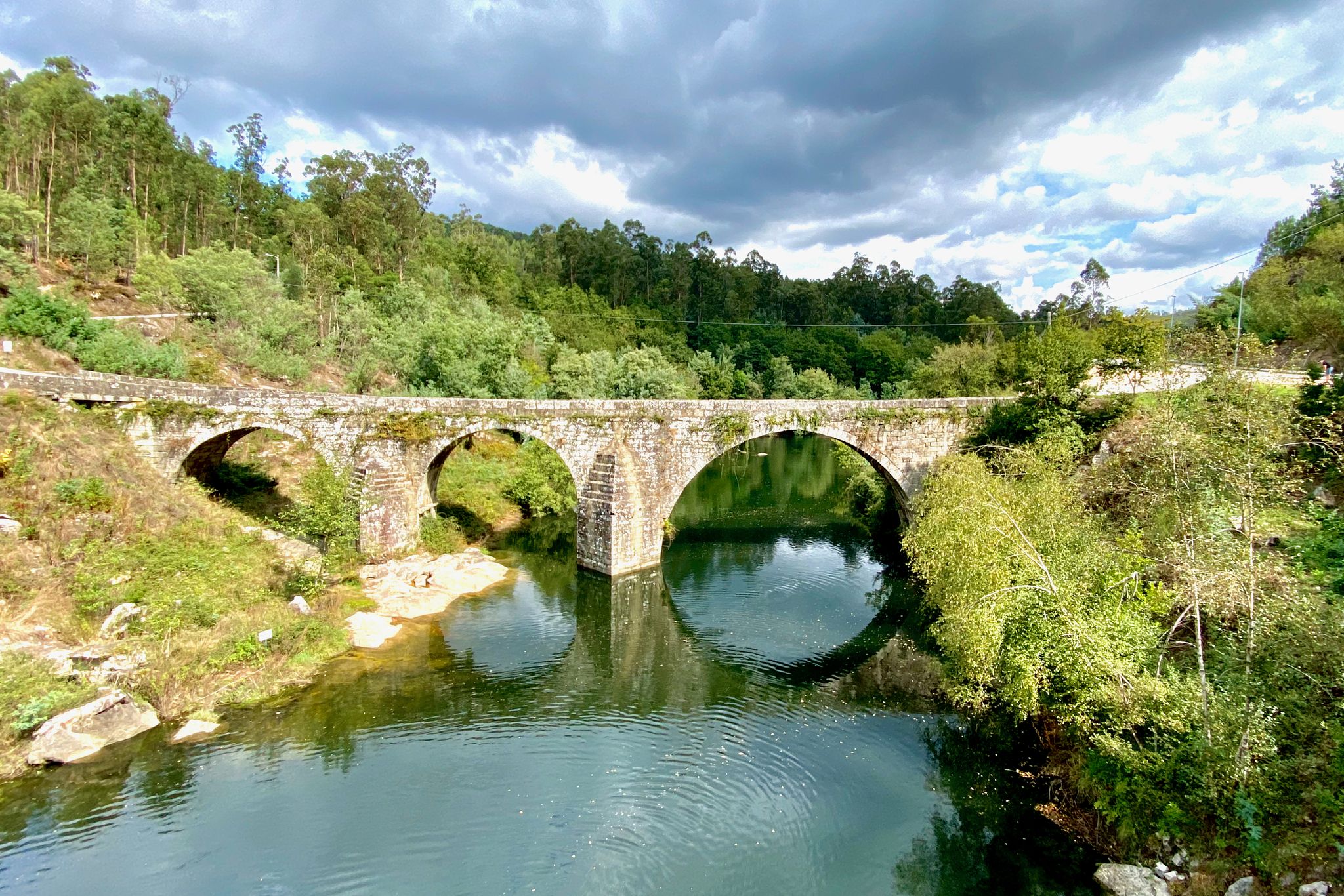
- Another must-see spot is Ponte Sampaio Bridge, a historical bridge. This medieval structure, with Roman origins, spans the River Verdugo and offers views of the surrounding landscape, notably being the site of the Battle of Pontesampaio.
- Visitors also love Río Tomeza Riverside Trail, a trail that follows the Tomeza River. It features trails, wooden walkways, and bridges, providing a natural experience with forest and river sounds.
- Galicia is known for its historical landmarks, natural features, and cultural sites. The region offers a diverse range of experiences, from ancient Roman structures to pristine beaches and lush forests.
- The attractions in Galicia are appreciated by the komoot community, with more than 2300 upvotes and over 2600 photos shared by visitors.
Last updated: August 17, 2026
Santiago de Compostela Cathedral
Highlight • Religious Site
Translated by Google •
Tip by

Ponte Sampaio Bridge
Highlight • Bridge
Translated by Google •
Tip by

Sign up now to discover places like this
Get recommendations on the best single tracks, peaks, & plenty of other exciting outdoor places.
Sign up for free
Historic Centre of Santiago de Compostela
Highlight • Historical Site
Declared a World Heritage Site by UNESCO on December 4, 1985.
Translated by Google •
Tip by

Fountain of the Horses (Fonte dos Cabalos), Plaza de Platerías
Highlight • Monument
Translated by Google •
Tip by
Santa Mariña de Carracedo Church
Highlight • Religious Site
Translated by Google •
Tip by
Río Tomeza Riverside Trail
Highlight (Segment) • Trail
Of course, it must be taken into account that in the rainy season it is not always advisable to use this path because sometimes it floods and the walkways break.
Translated by Google •
Tip by
Roman Bridge of Orbenlle
Highlight • Bridge
Translated by Google •
Tip by
Ribadiso Medieval Bridge
Highlight • Bridge
Translated by Google •
Tip by
Fisterra Lighthouse
Highlight • Monument
Translated by Google •
Tip by
Galician Hórreo (Traditional Granary)
Highlight • Monument
Translated by Google •
Tip by
Sign up for free to discover even more attractions in Galicia.
Sign up for free
Already have an account?
Start today with a free account
Your next adventure awaits.
Login or Signup
Popular around Galicia
Camino Francés and Camino Finisterre – Cycling pilgrimages in Spain
Santiago de Compostela – A journey through northern Spain (10 days)
Camino del Norte – 15 stages
Camino del Norte (in reverse) – Discovering northern Spain's stunning coastline
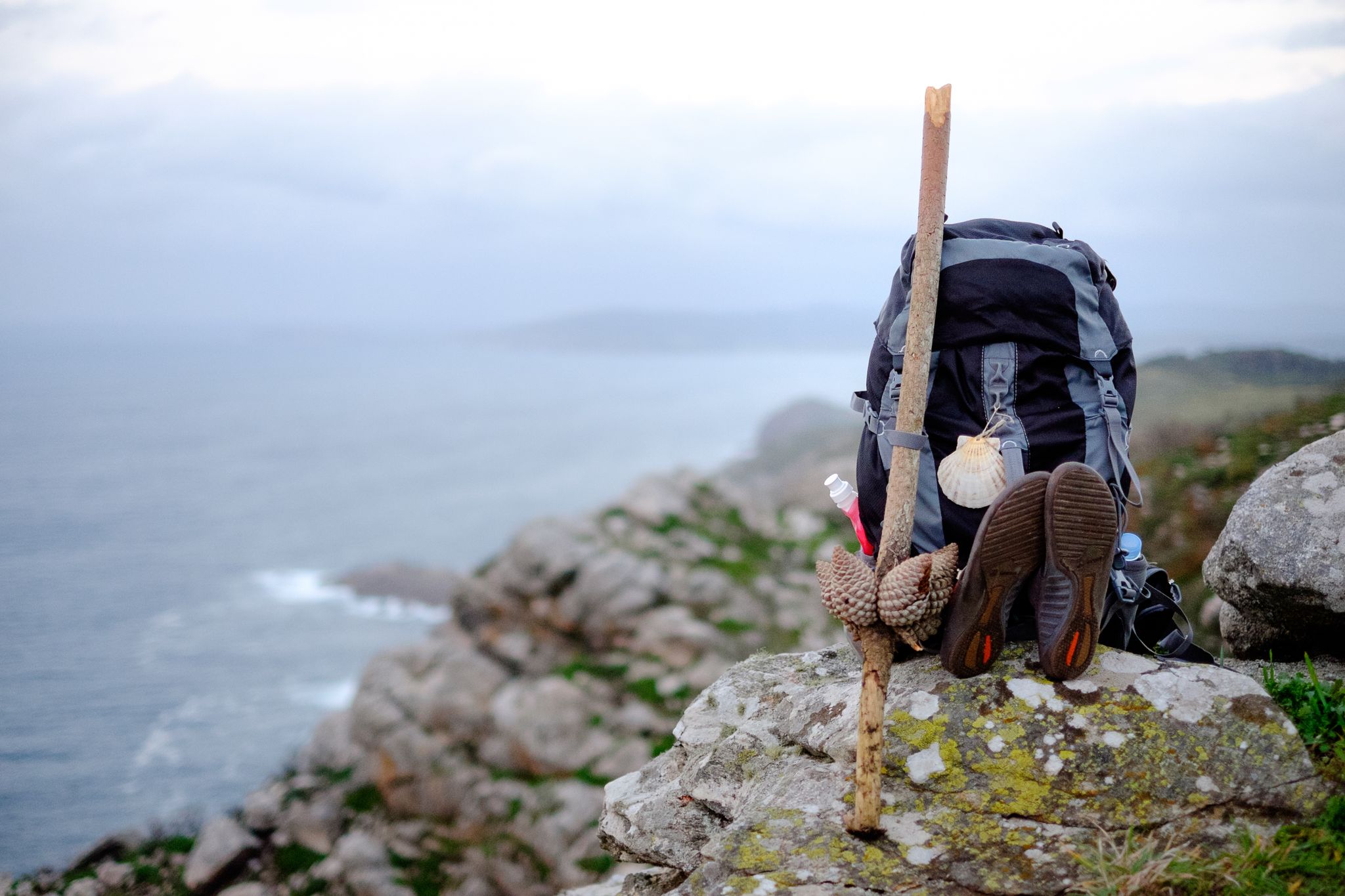
Way of St. James – 60 miles
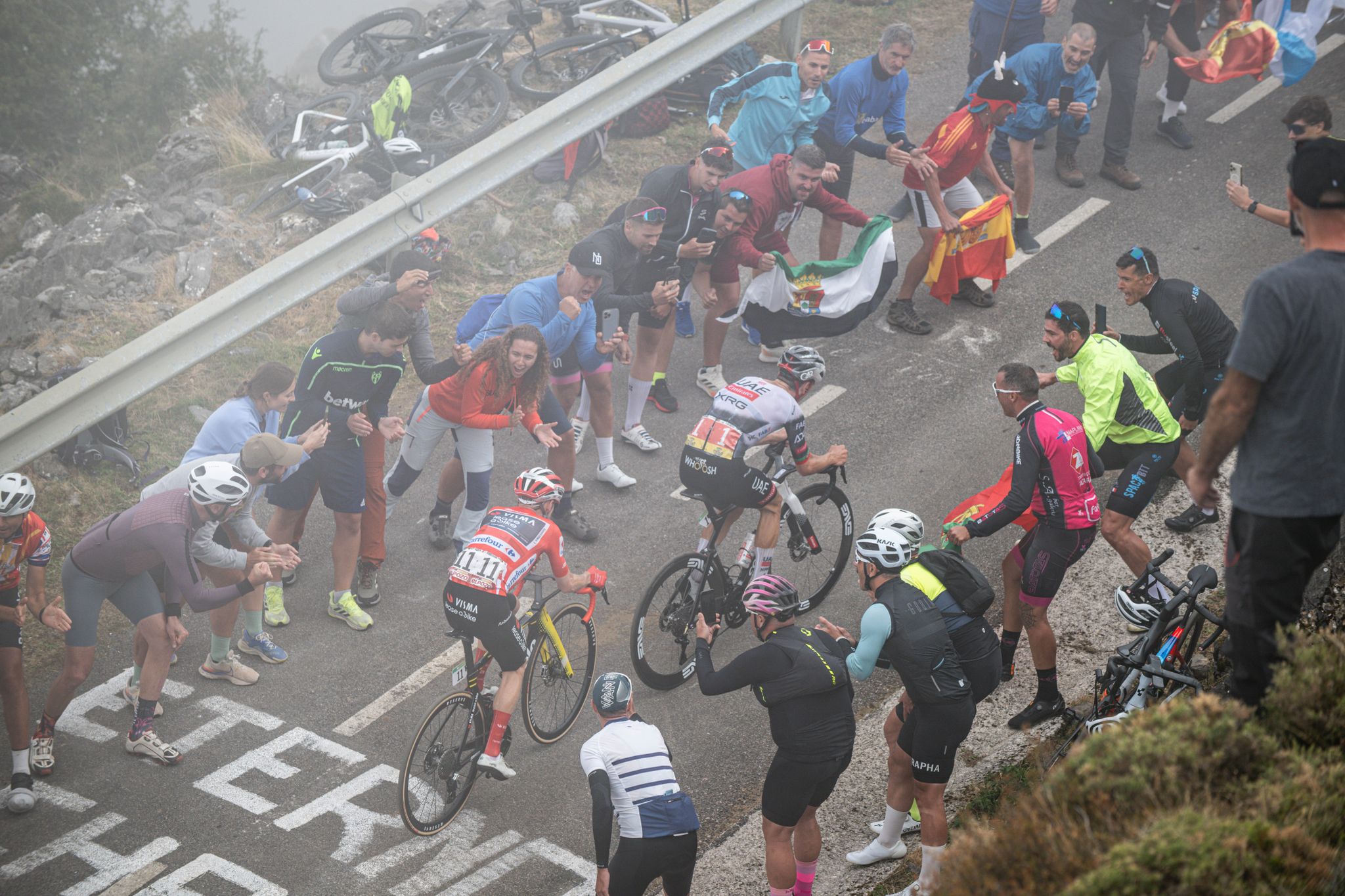
Mythical Passes and Sections of La Vuelta
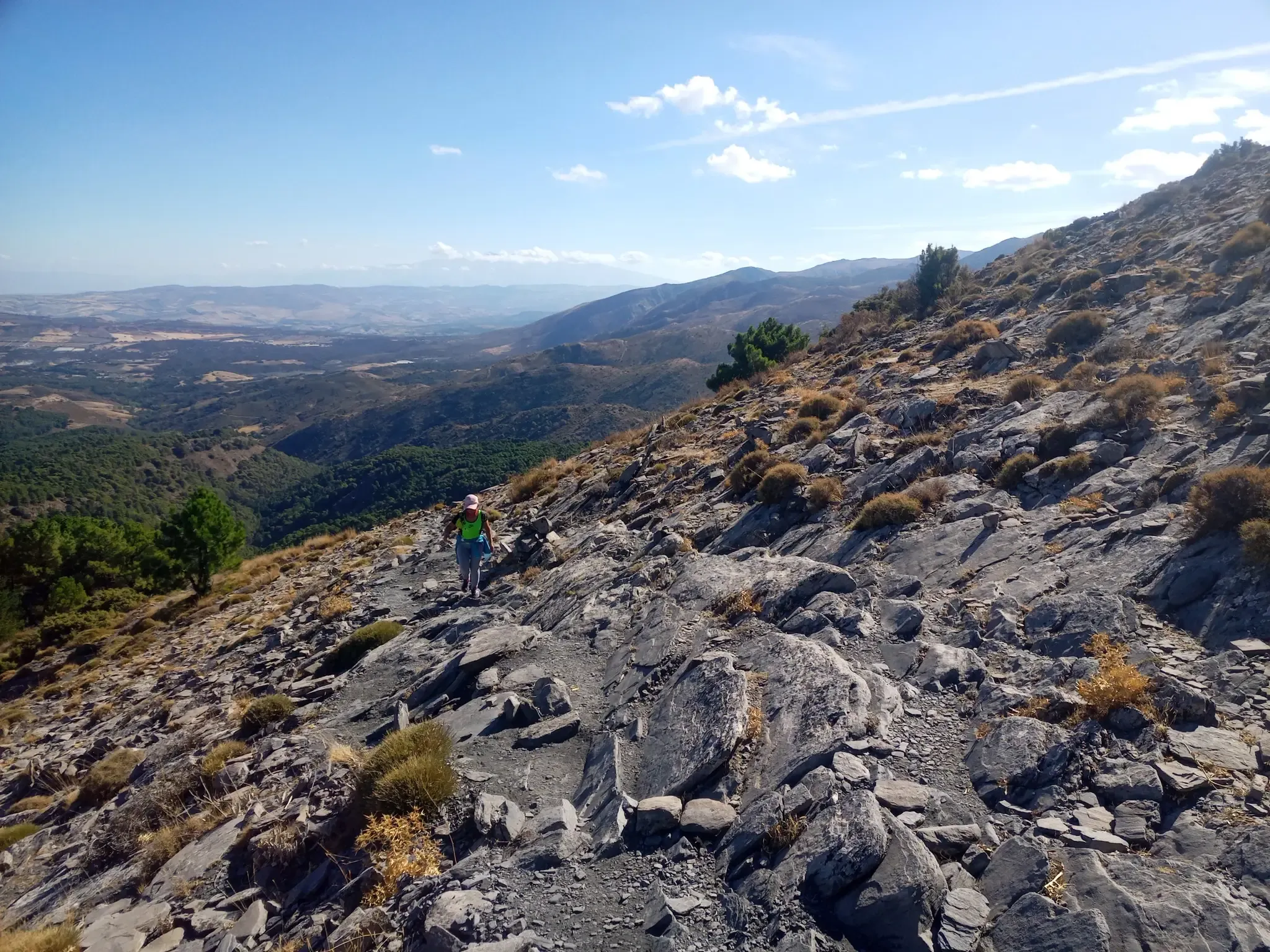
12 hiking gems throughout Spain
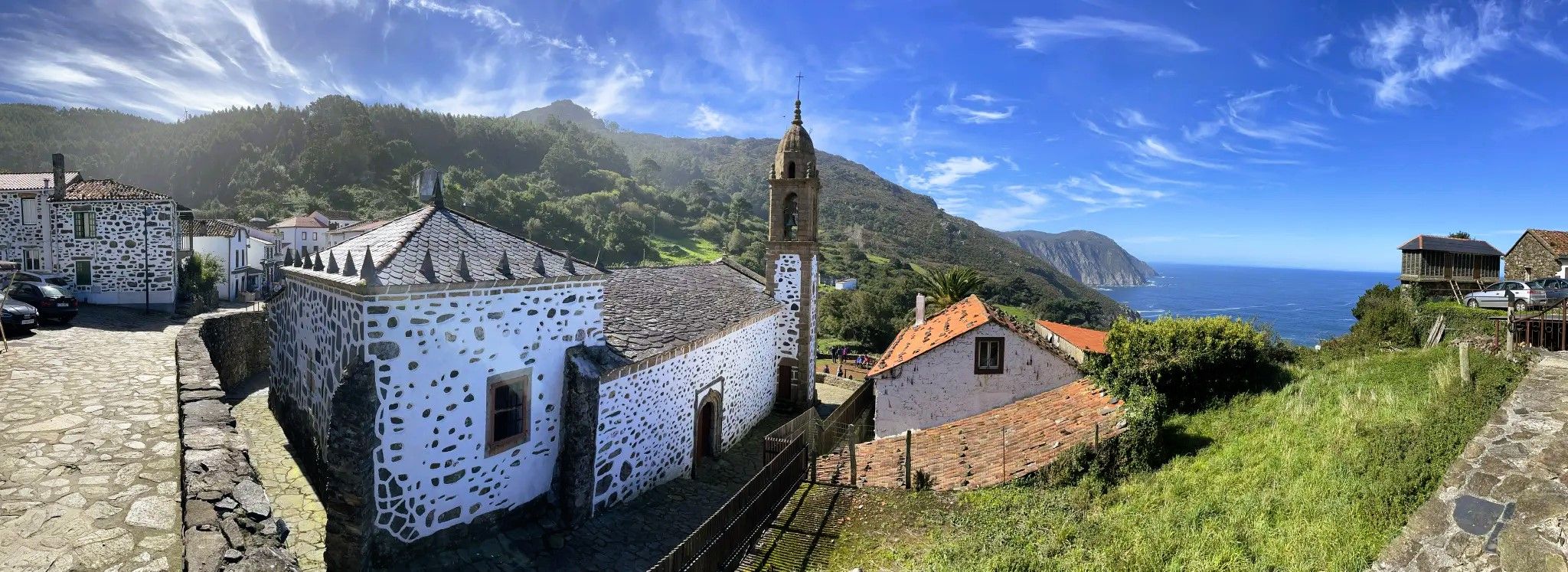
A journey through time – Camiño do Medievo (GR 55)
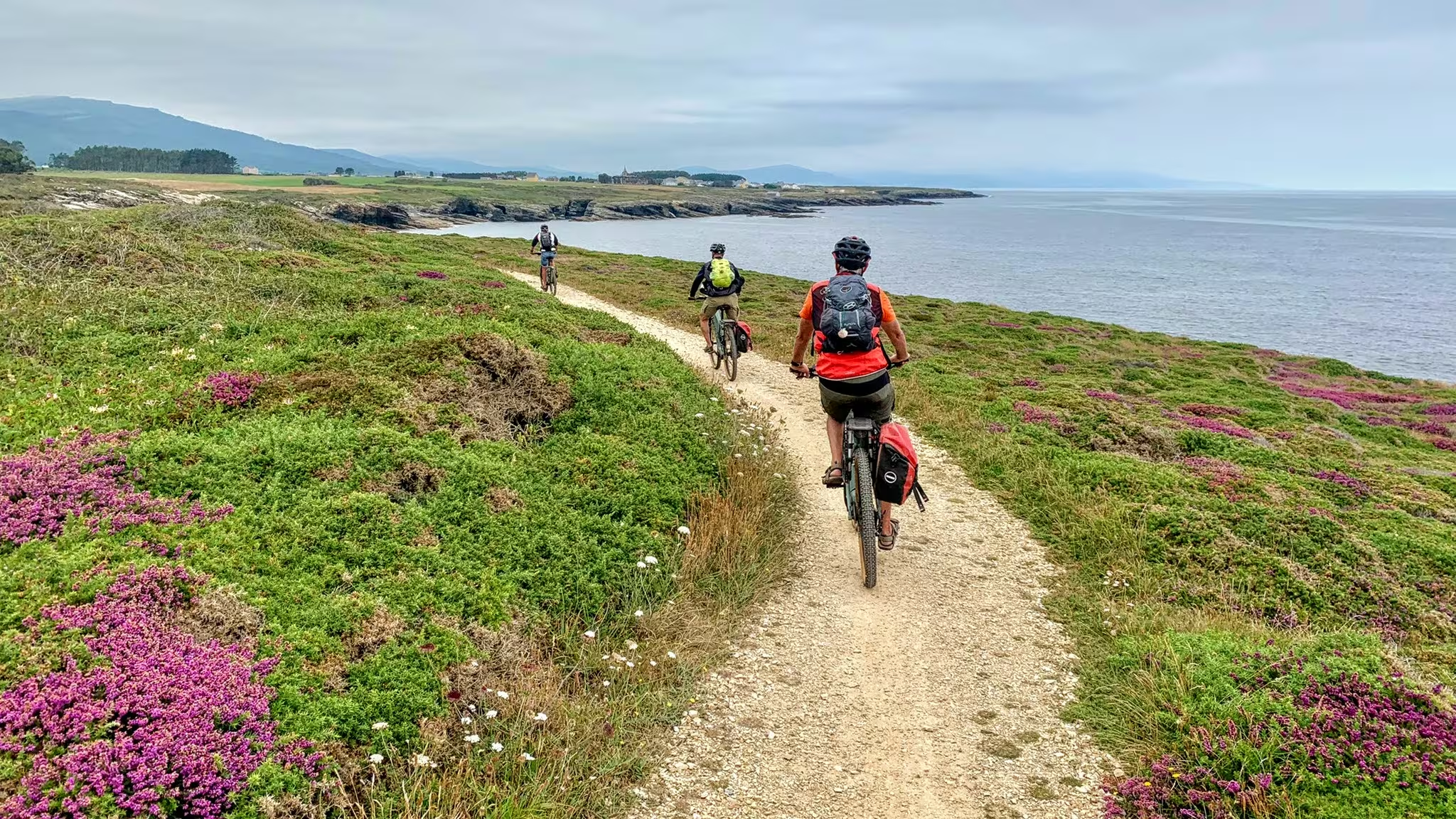
Galician coast by bike – Cantabrian Route nature trail
Spain’s Vigo region – bikepack the Sendeiro das Greas (GR 58)
Other adventures in Galicia


Tips from the Community


These granaries for drying grain are always beautiful to see. They are listed as historical monuments.
1
0

Large fountain
5
0

Santiago de C. has gained importance particularly since the Middle Ages. The old town with its lovely little streets and beautiful shops and restaurants is always worth a look. Unfortunately, there is only one supermarket left for the local population in the center. But an old hat shop has managed to survive. Men come from far away to buy their hats here.
4
0

It is famous for being the place that, according to tradition, houses the tomb of the Apostle Santiago, making it one of the main pilgrimage destinations in Europe through the Camino de Santiago. The building is a mix of architectural styles including Romanesque, Gothic and Baroque. The Obradoiro façade is particularly impressive and is one of the most recognizable symbols of the cathedral. In addition, the cathedral features the famous Botafumeiro, a huge censer used during certain liturgical celebrations.
27
0

The Fountain of the Horses, also known as Fonte dos Cabalos. The space consists of countless Renaissance details, but in the middle of the square there is a fountain with four horses in Baroque style that quickly attracts attention. Built by J. Pernas in 1825, the Fonte dos Cabalos consists of four horses spouting water from their mouths.
7
0
The history of Santiago began on July 25, 813, when the Bishop of Iria, Teodomiro, confirmed the discovery of the tomb of the apostle Saint James in the village of San Fiz de Solovio, which would eventually become the city of Compostela. News of the discovery quickly spread throughout the Christian world, which at the time was threatened by the Islamic invasions. A large basilica was built over the tomb of the apostle, and there was a constant coming and going of travelers and pilgrims between Santiago and the rest of Europe. Religion, culture, trade and politics came together along the way. Everyone who comes here is impressed by the past and the present.
4
0
Path that crosses the Louro River, with a splendid environment. 🌞🚶😎
9
0
Frequently Asked Questions
What are some unique historical landmarks to visit in Galicia?
Galicia is rich in history. Beyond the iconic Santiago de Compostela Cathedral, you can explore the ancient Ponte Sampaio Bridge, which has Roman origins and was a site of a significant battle. The Roman Walls of Lugo, a UNESCO World Heritage Site, offer a complete circuit around the city. The Tower of Hercules in A Coruña is the oldest Roman lighthouse still in use today, also a UNESCO site.
Where can I experience Galicia's natural beauty?
Galicia boasts diverse natural landscapes. The Sil River Canyon in Ribeira Sacra offers dramatic scenery and ancient monasteries. For lush forests, visit Fragas do Eume Natural Park, one of Europe's best-preserved Atlantic forests. The Dunes of Corrubedo Natural Park features a unique protected desert-like environment with a massive moving sand dune.
Are there any significant pilgrimage sites in Galicia besides the Cathedral of Santiago?
While the Santiago de Compostela Cathedral is the culmination of the Camino de Santiago, the entire network of pilgrimage routes traversing Galicia offers a profound cultural experience. Many pilgrims extend their journey to Cape Finisterre, historically considered the 'end of the world,' which holds significant meaning for many.
What kind of coastal attractions can I explore in Galicia?
Galicia's coastline is stunning. Cape Finisterre offers panoramic ocean views from its lighthouse. The Rías (estuaries) — particularly the Rías Baixas — are known for their diverse landscapes, from steep cliffs to beautiful beaches, and are significant for their marine ecosystems. The Fervenza do Ézaro is unique in continental Europe, as its river flows directly into the Atlantic via a powerful waterfall.
Are there any ancient Roman sites in Galicia?
Yes, Galicia has a strong Roman heritage. The Tower of Hercules in A Coruña is a UNESCO World Heritage Site and the oldest Roman lighthouse still in operation. The remarkably well-preserved Roman Walls of Lugo, also a UNESCO site, completely encircle the city. The Ponte Sampaio Bridge, while medieval in its current form, has Roman origins.
What are some examples of traditional Galician architecture?
You can find distinctive traditional architecture throughout Galicia. The *Pazos* are traditional Galician manor houses, such as Pazo de Oca or Pazo de Rubianes, known for their impressive architecture and elaborate gardens. Another iconic symbol is the *Hórreo*, distinctive stone or wooden granaries designed to store harvests, with notable examples in A Merca and Combarro.
What kind of running trails are available in Galicia?
Galicia offers a variety of running trails. You can find routes like the 'Pontevedra — Rio Lerez circuit and Isla las Esculturas' or the 'Cangas Coastal Trail.' For more options, explore the Running Trails in Galicia guide, which includes routes of varying difficulties.
Can I find gravel biking routes in Galicia?
Yes, Galicia has gravel biking routes, including challenging ones like the 'Circular gravel through Ourense and Castrelo do Miño' or the 'Waterfall in Teis – View of Ponte de Rande loop from Vigo-Guixar.' For a comprehensive list, refer to the Gravel biking in Galicia guide.
Are there any notable waterfall hikes in Galicia?
Absolutely. The Fervenza do Ézaro is a spectacular waterfall where the Xallas River flows directly into the Atlantic. You can also find hiking routes like the 'PR-G 98 Sil Canyon - Santa Cristina Trail' or the 'Mondoñedo Water Route' which feature waterfalls. Discover more options in the Waterfall hikes in Galicia guide.
Are there family-friendly attractions in Galicia?
Many attractions in Galicia are suitable for families. Historical sites like the Ponte Sampaio Bridge and the Roman Bridge of Orbenlle are marked as family-friendly. Natural areas such as the Río Tomeza Riverside Trail offer pleasant walks for all ages. The Cíes Islands, with their pristine beaches, are also a great family destination.
What are the Cíes Islands known for?
The Cíes Islands, part of the Islas Atlánticas de Galicia National Park, are renowned for their pristine white sand beaches and crystal-clear waters. Praia das Rodas is often cited as one of the most beautiful beaches in the world, making the islands a popular destination for nature lovers and beachgoers.
Are there any well-preserved prehistoric sites in Galicia?
Yes, Galicia offers fascinating prehistoric sites. The Campo Lameiro Archaeological Park boasts Europe's largest collection of petroglyphs (engraved rock art), providing insight into Neolithic life. The Dolmen of Dombate, known as 'the cathedral of Neolithic Galicia,' is an impressive megalithic construction. Additionally, remnants of fortified Iron Age settlements, called *castros*, like Castro de Baroña and Castro de Santa Tegra, can be explored.
What are the Rías of Galicia, and what makes them special?
The Rías are unique firth-like inlets that characterize Galicia's coastline, divided into the Rías Altas and Rías Baixas. These estuaries create diverse landscapes, from dramatic cliffs to sheltered beaches, and are vital for their rich marine ecosystems. The Rías Baixas are particularly famous for their Albariño white wine production.
Most popular routes in Galicia
Most popular attractions in Galicia

Get inspired with the komoot mobile app


Didn’t find what you were looking for?
Are you keen on exploring more awesome places nearby? Browse our guides:
Explore more
Still not found the Highlight you’re looking for? See guides of the top attractions in other regions:
