Top 20 Castles in Galicia
Castles in Galicia are found across a region characterized by its rugged coastline, lush green landscapes, and rich historical heritage in northwest Spain. The area features a mix of Atlantic climate influences and ancient Celtic roots, contributing to its unique cultural identity. Galicia's diverse terrain includes mountains, rivers, and estuaries, providing varied settings for its historical fortifications. Many of these structures served defensive purposes, reflecting centuries of regional history.
Best castles in Galicia
- The most popular castles is Portico of the Church of Santa María de la Asunción, Baiona, a religious building with the appearance of a fortification. It began construction in 1120 and features crenellated towers, blending Romanesque and Gothic elements.
- Another must-see spot is Castillo de San Antón, a 16th-century castle. This structure was part of a strategic network of castles defending the city of La Coruña and now houses the Archaeological and Historical Museum of La Coruña.
- Visitors also love Andrade Tower, a castle remnant. This octagonal tower is the only vestige of a fortress castle dating back to the 11th century, dominating the town of Vilalba.
- Galicia is known for its defensive castles, medieval towers, and fortified palaces. Visitors can explore a variety of historical structures, from coastal fortresses to inland keeps, offering insights into the region's past.
- The castles in Galicia are appreciated by the komoot community, with more than 200 upvotes and over 160 photos shared by visitors.
Last updated: August 17, 2026
Portico of the Church of Santa María de la Asunción, Baiona
Highlight • Religious Site
It began to be built in 1120, although it would not be consecrated until 1225, already in the time of King Alfonso IX. It has the appearance of a fortification, especially due to its crenellated towers.
Translated by Google •
Tip by

Andrade Tower
Highlight • Castle
Translated by Google •
Tip by
Sign up now to discover places like this
Get recommendations on the best single tracks, peaks, & plenty of other exciting outdoor places.
Sign up for free
Castillo de San Antón
Highlight • Castle
Translated by Google •
Tip by
San Carlos Garden
Highlight • Historical Site
Translated by Google •
Tip by
Parga Castle
Highlight • Castle
Translated by Google •
Tip by
Monterreal Castle (Monte do Boi Fortress)
Highlight • Castle
Today, the fortress houses the Parador de Baiona, a hotel that combines the elegance of a stately palace with the history of a medieval castle.
Translated by Google •
Tip by
Torres de Oeste
Highlight • Historical Site
The fortress was built in the 12th century at the behest of Archbishop Gelmirez to prevent the passage of Vikings and Saracens on their way to Santiago de Compostela. Six centuries later, in the 18th century, it was also used to defend against English troops.
Translated by Google •
Tip by

Lapela Tower
Highlight • Historical Site
Tip by

Monterreal Castle
Highlight • Castle
Translated by Google •
Tip by
Salvaterra de Miño Fortress
Highlight • Castle
Very few years ago, the only way to cross the river and go to the neighboring country was by using the ferry that joined the two banks aided by a large metallic cable that made sure that the barge was not dragged by the waters of the river. The docks and the old border customs are still preserved.
A Good Reference:
galiciamaxica.eu/galicia/pontevedra/comarca-do-condado/salvaterra-do-mino/fortaleza-de-salvaterra
Tip by
Sign up for free to discover even more castles in Galicia.
Sign up for free
Already have an account?
Start today with a free account
Your next adventure awaits.
Login or Signup
Popular around Galicia
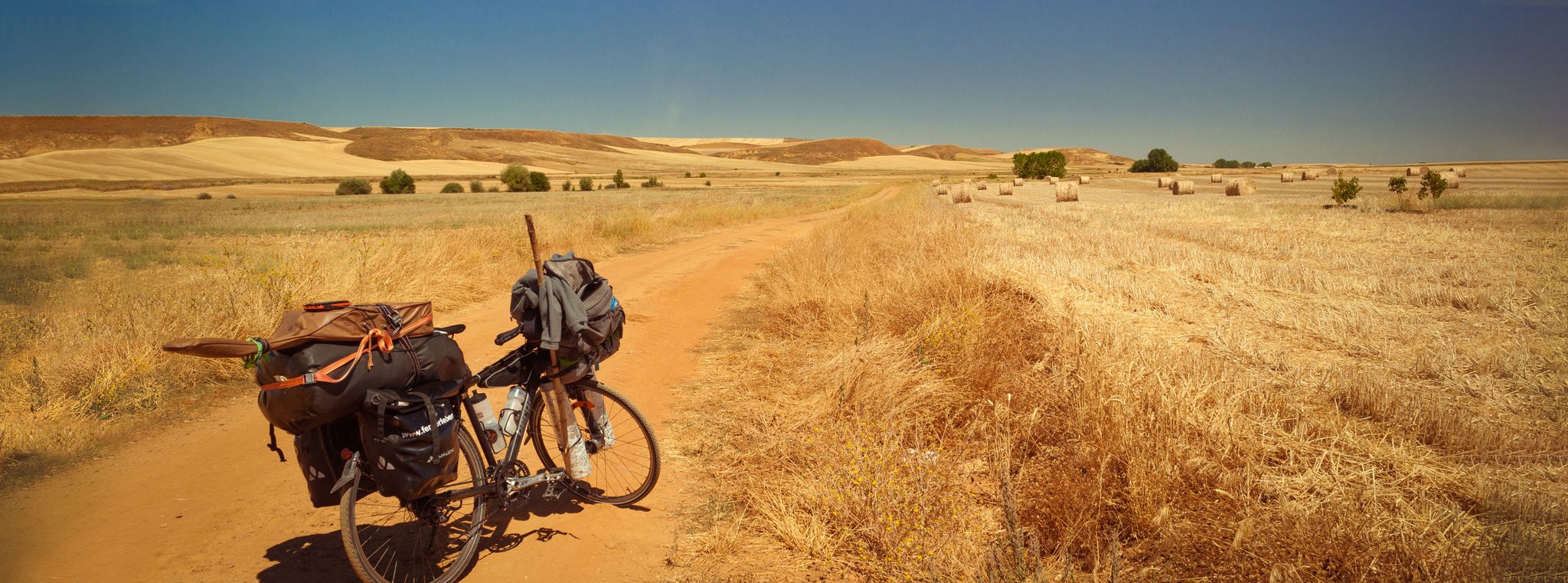
Camino Francés and Camino Finisterre – Cycling pilgrimages in Spain
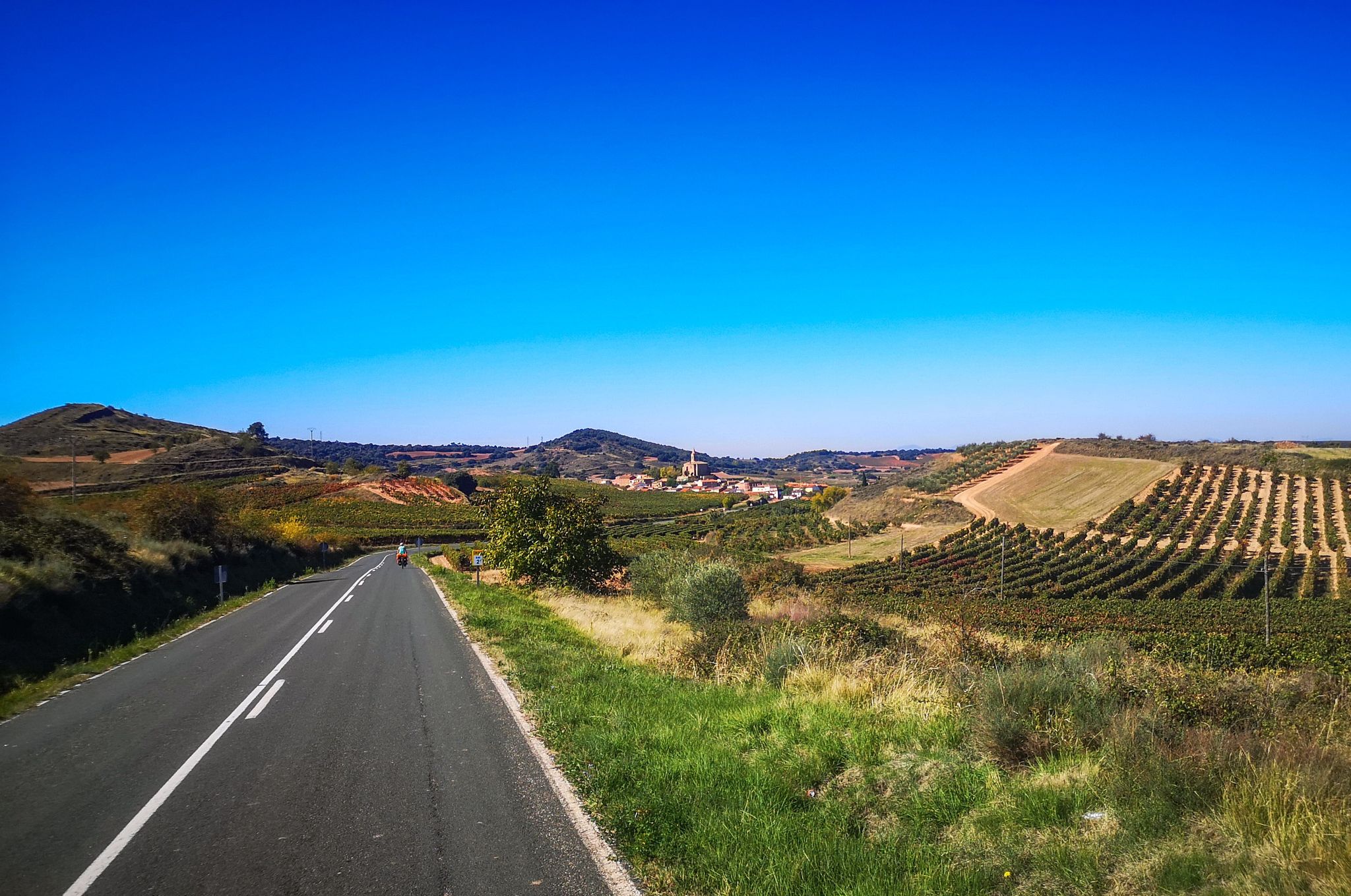
Santiago de Compostela – A journey through northern Spain (10 days)
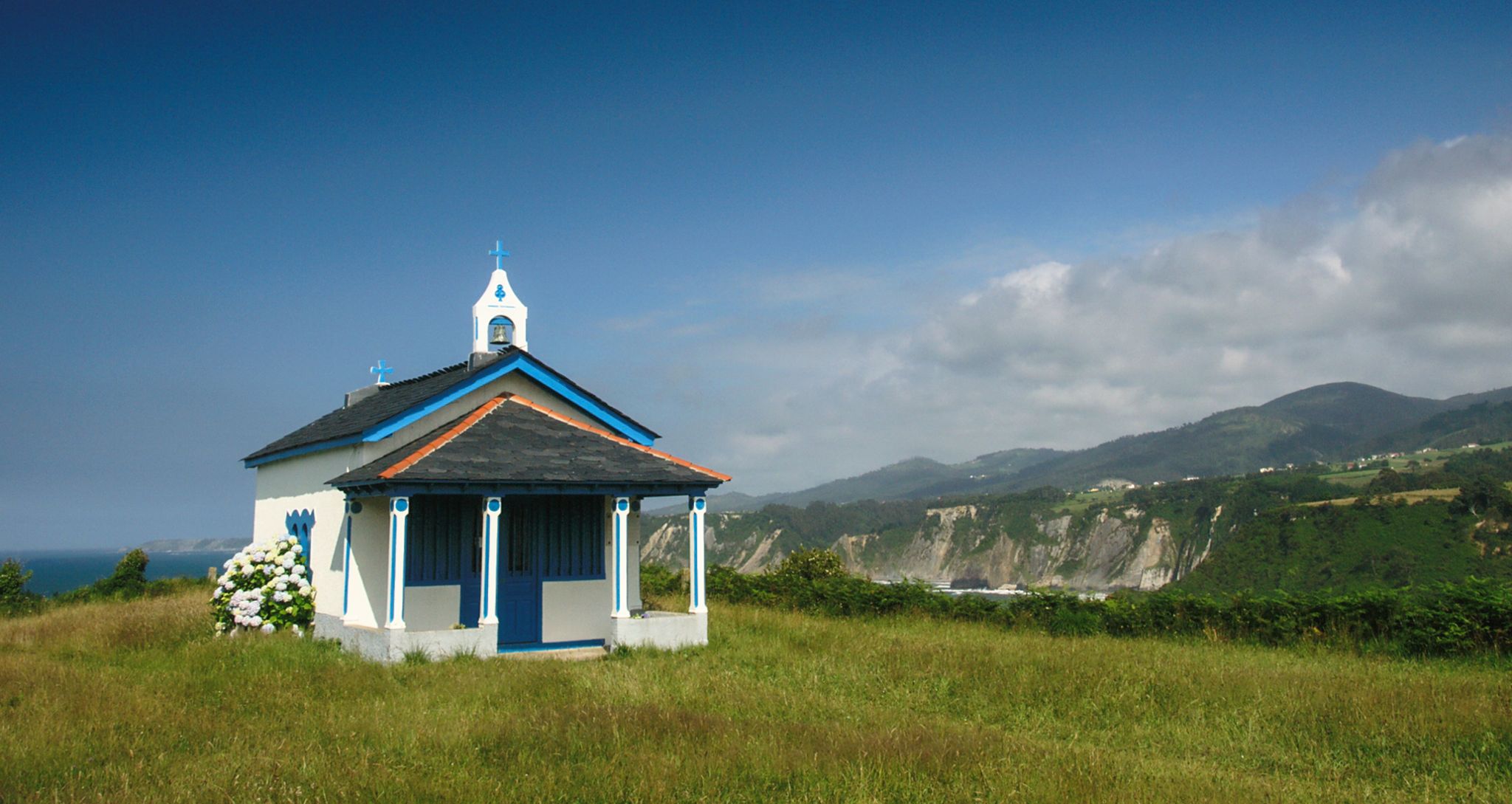
Camino del Norte – 15 stages
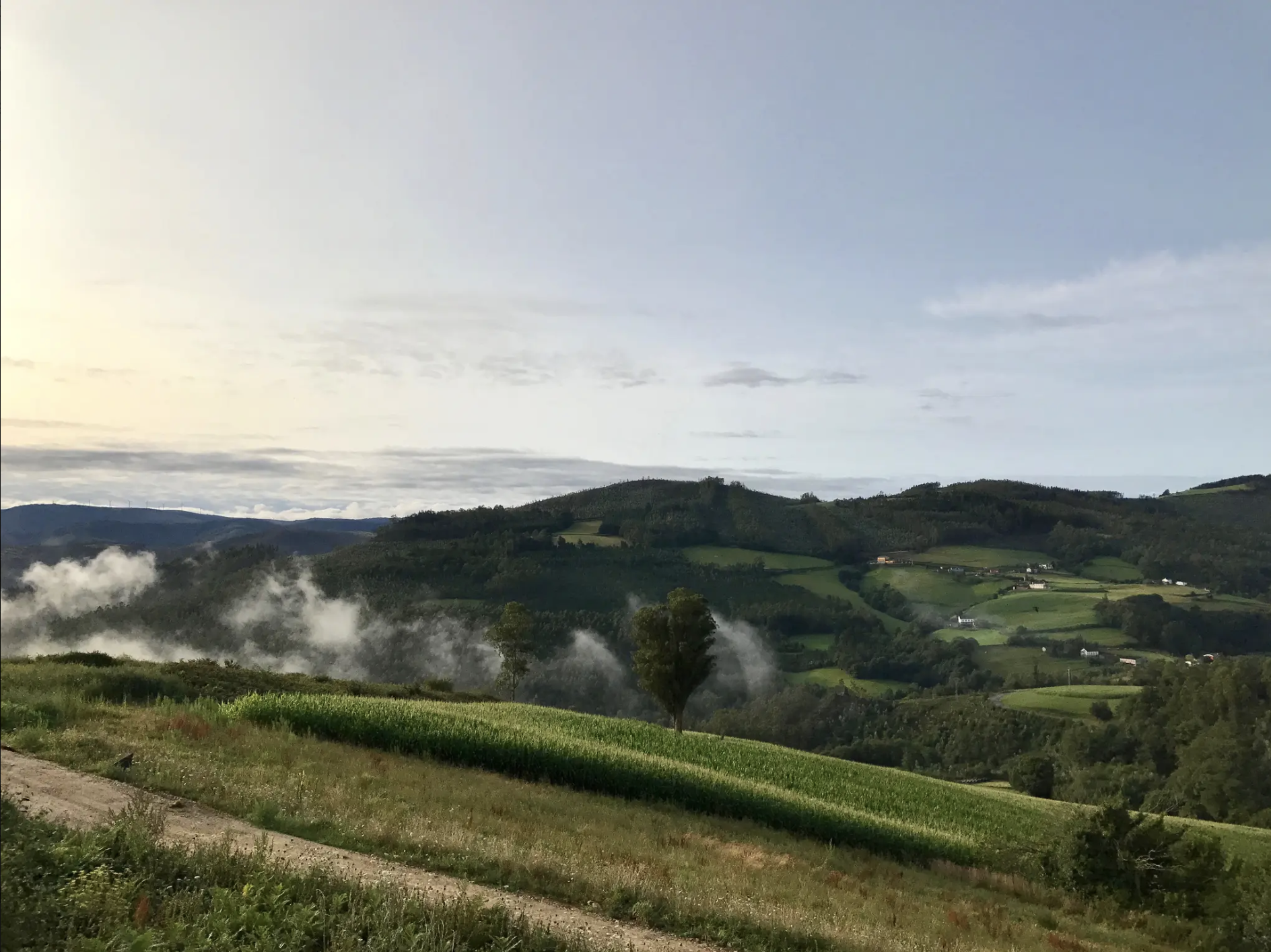
Camino del Norte (in reverse) – Discovering northern Spain's stunning coastline
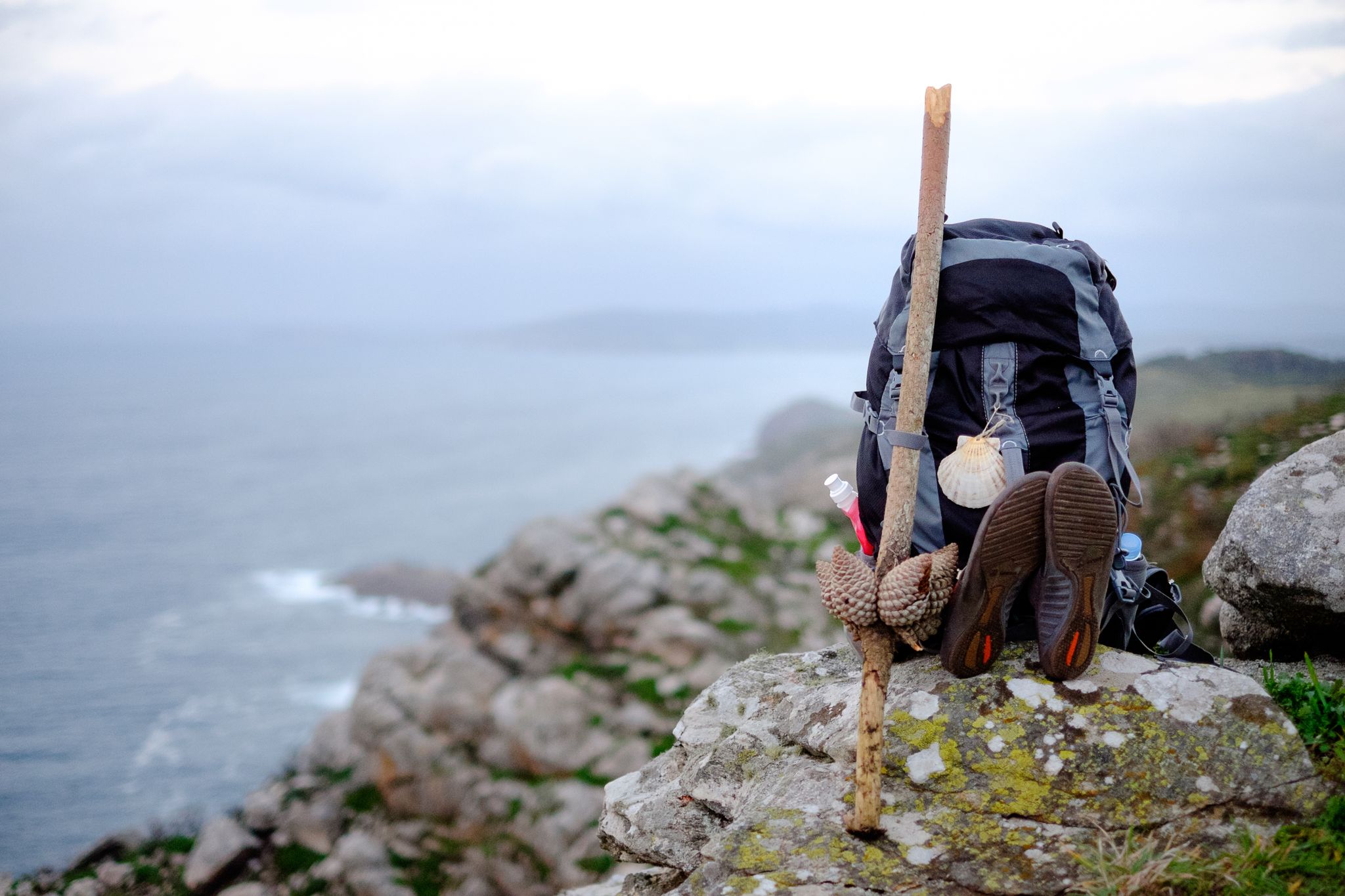
Way of St. James – 60 miles
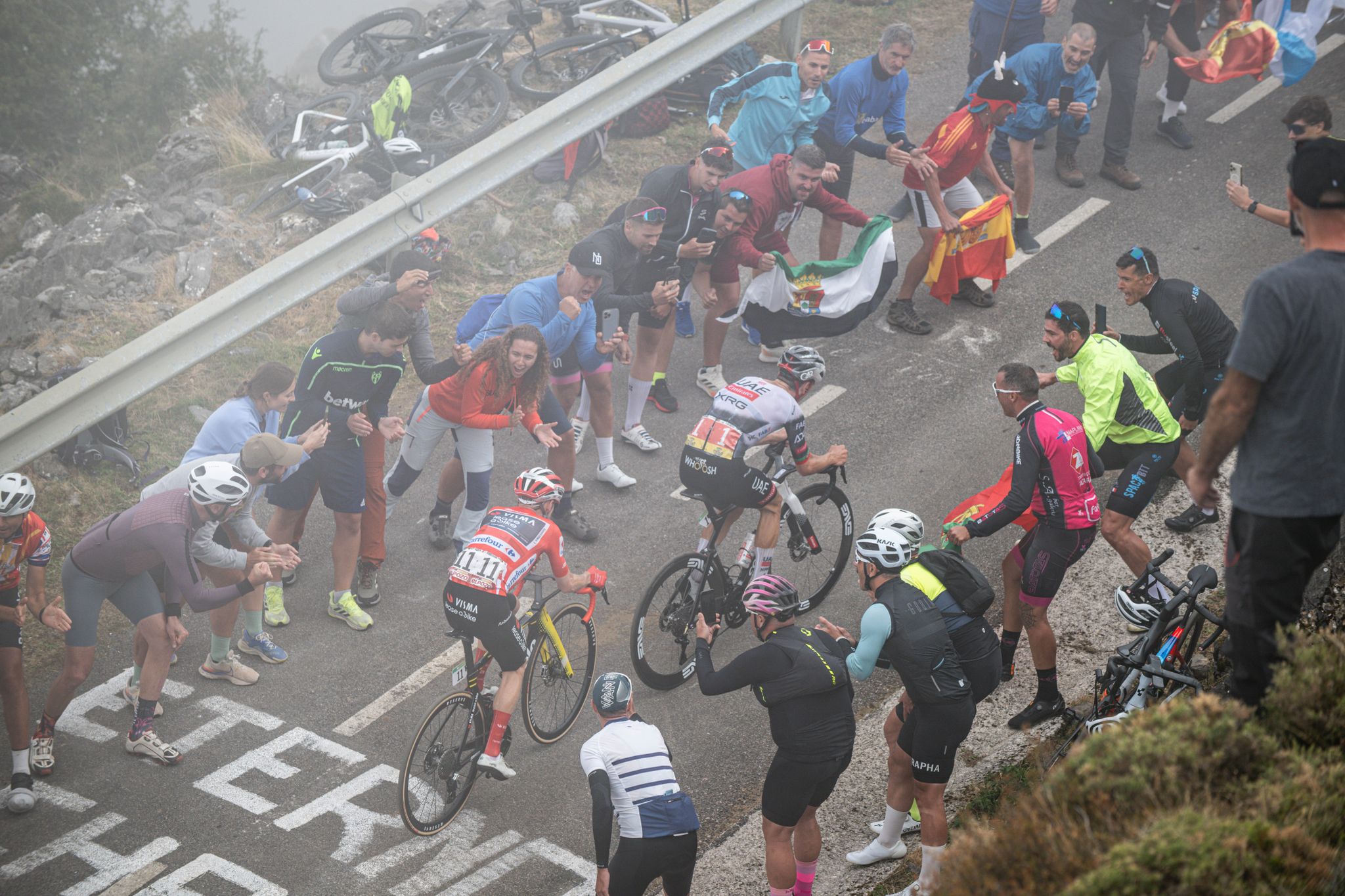
Mythical Passes and Sections of La Vuelta
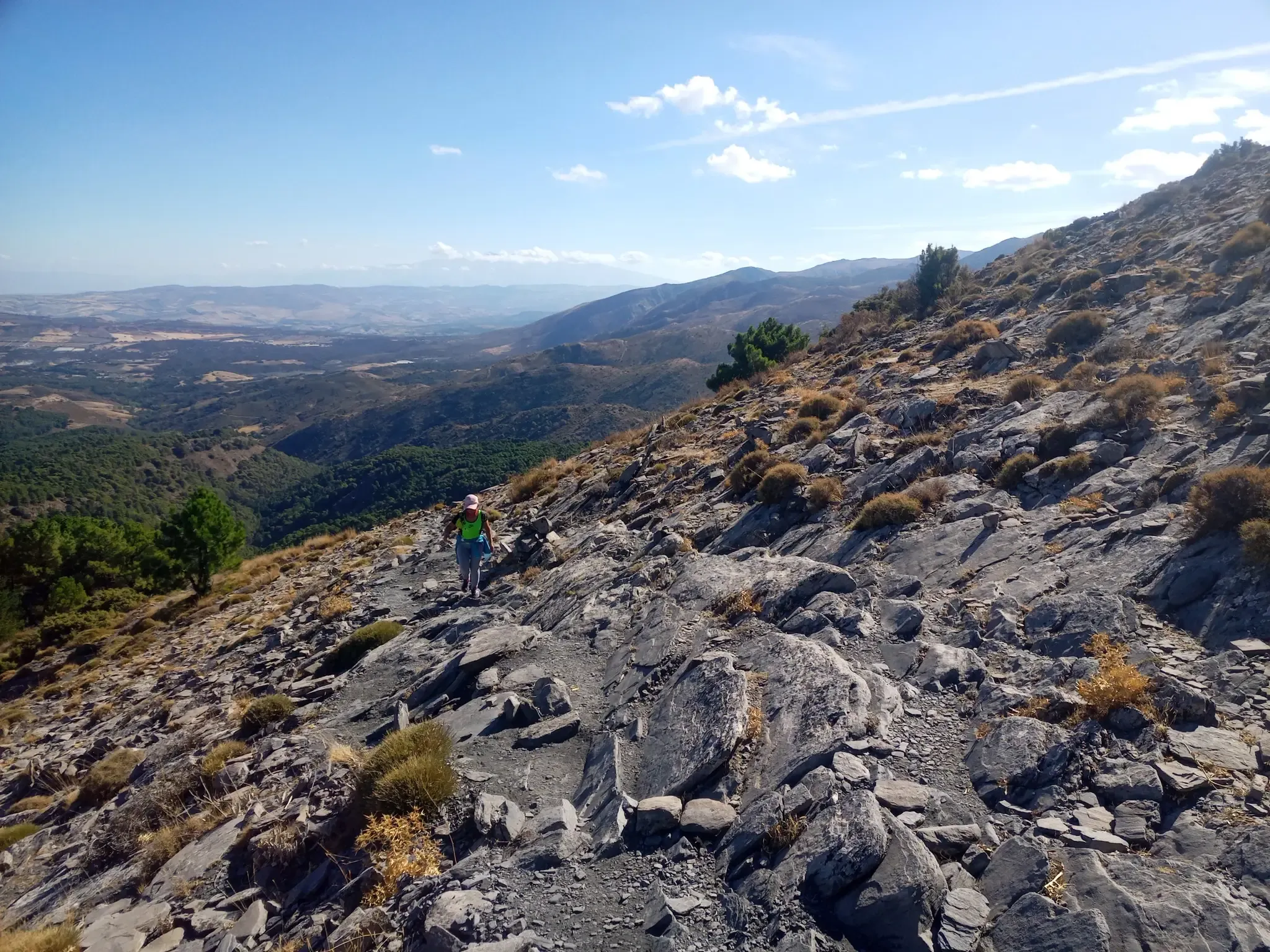
12 hiking gems throughout Spain
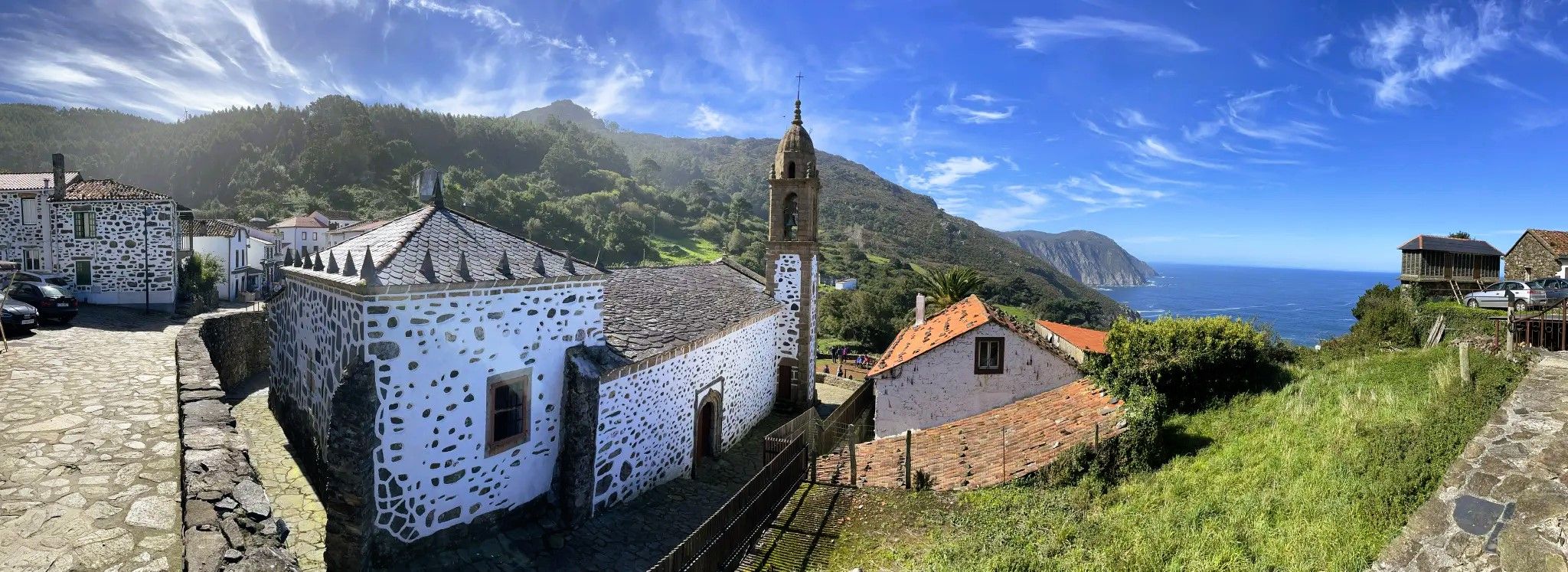
A journey through time – Camiño do Medievo (GR 55)
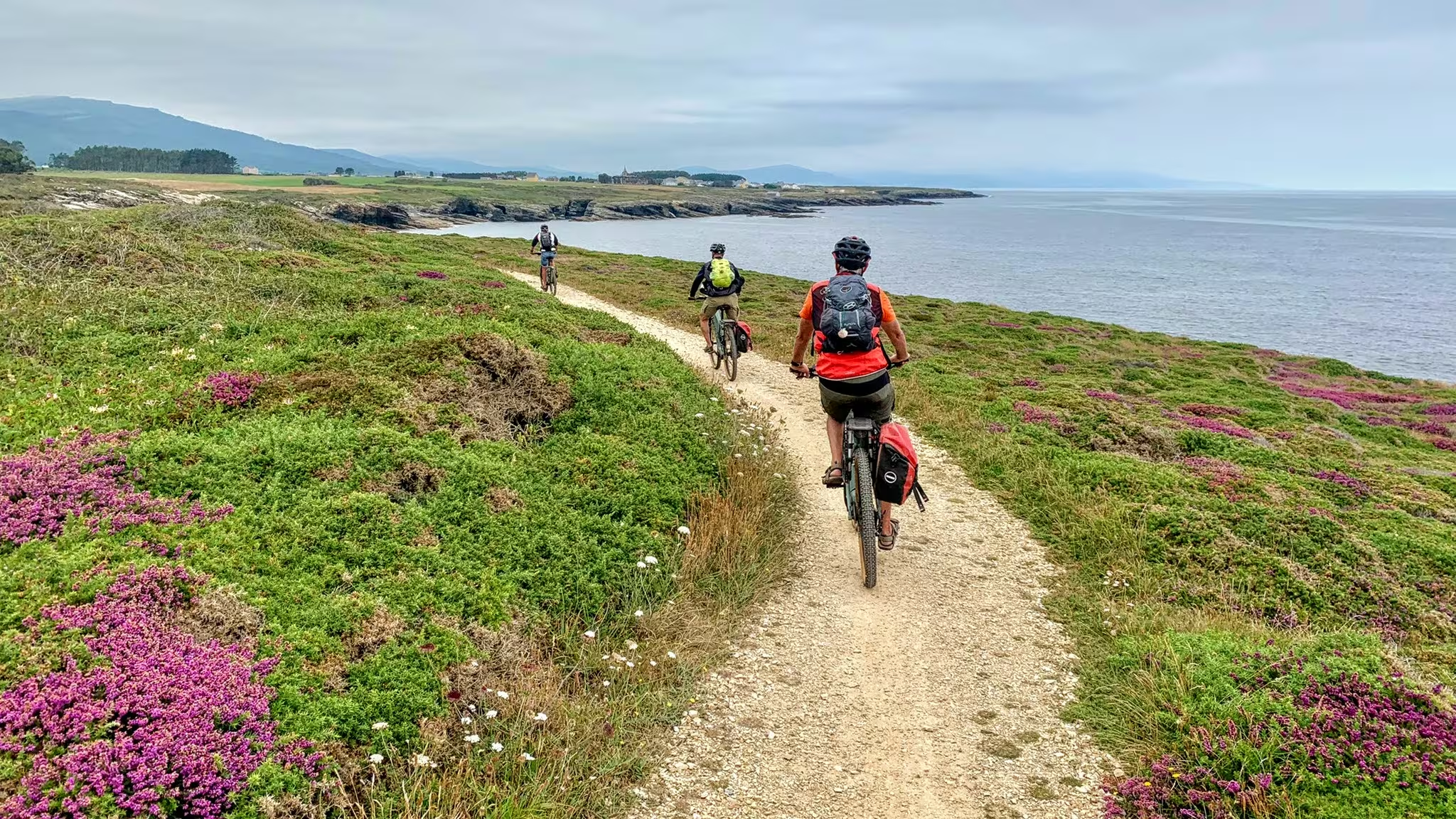
Galician coast by bike – Cantabrian Route nature trail
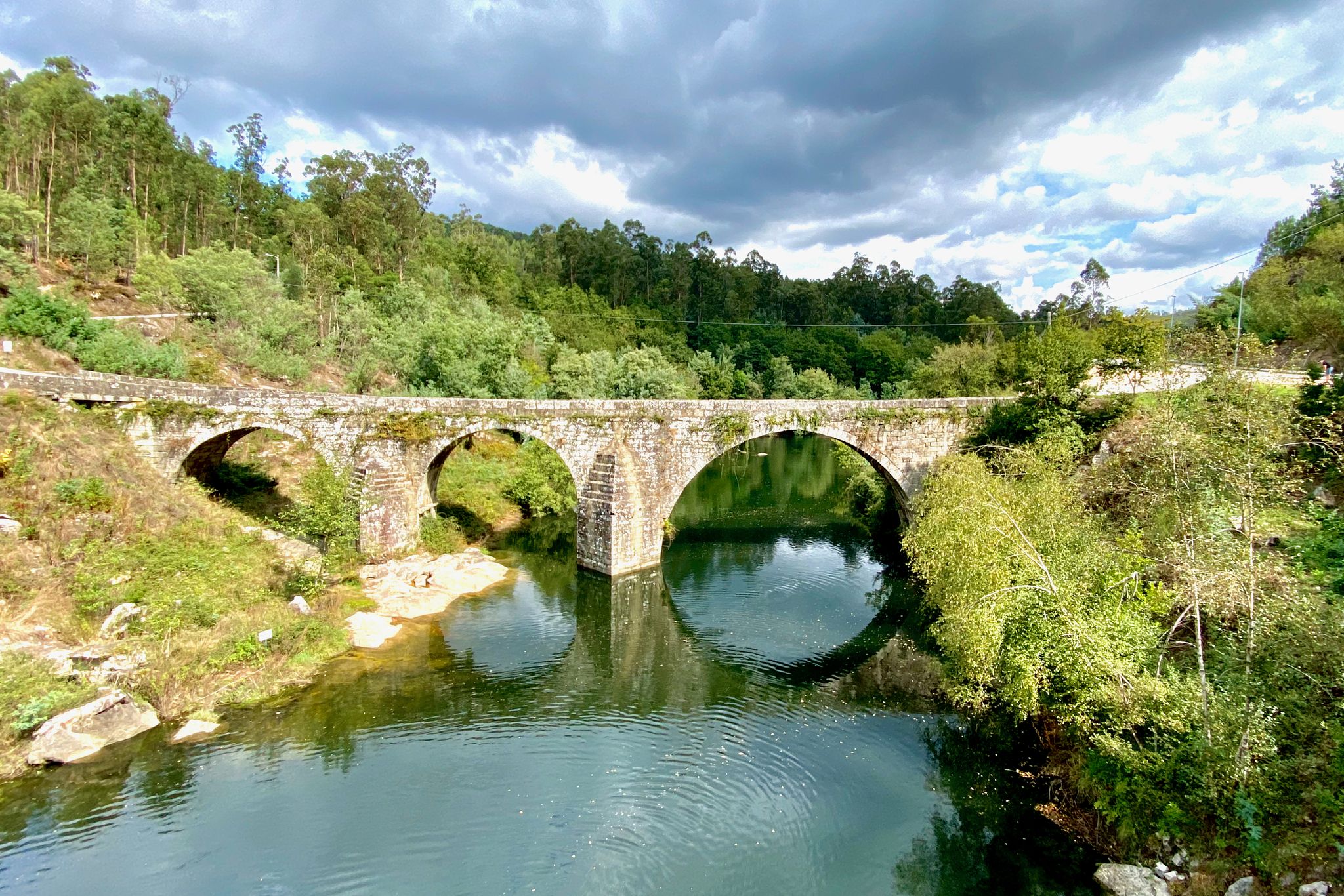
Spain’s Vigo region – bikepack the Sendeiro das Greas (GR 58)
Other adventures in Galicia


Tips from the Community


Very nice to stroll around here 🤙
0
1

Located in the old town of Pobra de Parga, opposite the parish church of Santo Estevo, in the municipality of Gutiriz, this tower and part of a medieval wall still stands proudly at its highest point. It stands guard from its hill over the Parga River, which flows below it, and connects us to the town via a Gothic bridge. It was built by Juan Pérez Parragués and in 1603 was used as a jurisdictional prison. Currently declared a site of cultural interest, remains of a section of the wall still exist. It is made of large, fine ashlar masonry, reaching a maximum height of eight meters and including a circular bastion about four meters in diameter.
0
0

The original castle dates back to the 11th century, although the current tower was rebuilt in the 15th century after the Irmandiño revolts, which destroyed much of the fortress. It was owned by the lords of Lemos and later passed into the hands of Fernán Pérez de Andrade, who left his heraldic mark on the tower with the figure of the wild boar, a symbol of his lineage. In the 19th century, during the First Carlist War, the tower was reused as a defensive bastion and later restored.
3
0
The Andrade Tower in Vilalba (Lugo) is an impressive medieval building that constitutes the only vestige of the old Vilalba Castle, and one of the most important historical symbols of the Terra Chá region.
3
0
It was built on an ancient Galician-Roman fort, giving it deep historical roots. The original fortress was rebuilt in the late 14th or early 15th century by Juan Pérez Parragués, and in 1603 it was used as a jurisdictional prison. The castle served to guard the road between Lucus Augusti (Lugo) and Flavia Brigantium (Betanzos), a strategic route in medieval Galicia.
3
0
The Castro da Pobra de Parga Castle, located in the municipality of Guitiriz (Lugo), is an ancient medieval fortress that is now in ruins, but preserves architectural elements of great historical interest. Today, only a wall of the enclosure and a cylindrical tower measuring approximately 4 meters in diameter, with ashlars reaching 8 meters in height, remain.
3
0

Frequently Asked Questions
Are there family-friendly castles to visit in Galicia?
Yes, several castles in Galicia are suitable for families. For instance, the Castillo de San Antón in A Coruña is family-friendly and houses an Archaeological and Historical Museum. The Andrade Tower in Vilalba, a historic castle remnant, is also considered family-friendly. Many castles offer open spaces for exploration, making them enjoyable for all ages.
What is the best time of year to visit castles in Galicia?
The best time to visit castles in Galicia is typically during the spring (April to June) and early autumn (September to October). During these months, the weather is generally mild and pleasant, ideal for exploring outdoor sites without the intense heat of summer or the heavier rains of winter. Summer (July and August) is also popular, but can be crowded.
What kind of historical significance do Galician castles hold?
Galician castles are rich in history, often serving defensive purposes due to the region's strategic location. Structures like the Castillo de San Antón were part of a network defending cities, while others like the Monterreal Castle in Baiona were crucial for controlling estuaries. Many reflect centuries of regional conflicts and noble family histories, with architectural styles ranging from Romanesque to Gothic.
Are there any castles in Galicia that offer accommodation?
Yes, some historical sites in Galicia have been converted or incorporated into accommodation. For example, the Monterreal Castle (Monte do Boi Fortress) in Baiona now houses the Parador de Baiona, combining the elegance of a stately palace with the history of a medieval castle. Similarly, the Andrade Tower in Vilalba is part of a four-star hotel.
What outdoor activities can I do near castles in Galicia?
Galicia's diverse landscape offers many outdoor activities near its castles. You can find numerous hiking trails, such as those listed in the Easy hikes in Galicia guide, or explore road cycling and gravel biking routes. For instance, the Lapela Tower is very close to the Ecovía do Minho, perfect for cycling.
Are there any castles in Galicia with easy access or parking facilities?
Many castles in Galicia are accessible, though specific parking availability varies. Larger, more popular sites like the Castillo de San Antón in A Coruña are typically well-integrated into urban areas with nearby parking options. For others, especially those in rural settings, parking might be more limited, requiring a short walk. It's advisable to check specific location details before visiting.
Can I visit castles in Galicia during the winter months?
Visiting castles in Galicia during winter is possible, but be prepared for cooler temperatures and a higher chance of rain. Some indoor sections of castles, like museums, will still be open. Outdoor areas might be less pleasant for extended exploration. Check specific opening hours, as some sites may have reduced schedules or closures during the off-season.
What should I wear when visiting castles in Galicia?
Given Galicia's often unpredictable weather, especially outside of summer, it's best to dress in layers. Comfortable walking shoes are essential, as many castles involve uneven terrain, stairs, and extensive grounds. A waterproof jacket or umbrella is also recommended, particularly during spring, autumn, and winter, due to the Atlantic climate.
Are there any castles in Galicia that are less known or considered 'hidden gems'?
While the guide highlights popular castles, Galicia has many smaller, lesser-known fortifications scattered across its landscape. These often offer a more tranquil experience. For example, the Parga Castle, though a ruin, offers a glimpse into medieval history away from the crowds. Exploring rural areas can reveal many such hidden gems.
What unique architectural features can be found in Galician castles?
Galician castles showcase a blend of architectural styles reflecting their long history. You'll find Romanesque and Gothic elements, as seen in the Portico of the Church of Santa María de la Asunción with its crenellated towers. The Andrade Tower is notable for its octagonal base, a distinctive feature. Many castles also feature robust defensive walls, keeps, and strategic viewpoints.
What can I expect to see at the <a href="https://www.komoot.com/highlight/3532496" target="_blank" rel="noopener">Castillo de San Antón</a>?
The Castillo de San Antón in A Coruña is a 16th-century fortress that now houses the Archaeological and Historical Museum of La Coruña. Visitors can explore its historical defenses, learn about its past as a prison and pesthouse, and view archaeological exhibits. It's a Site of Cultural Interest and offers free entry on Saturdays.
Most popular routes in Galicia
Most popular attractions in Galicia

Get inspired with the komoot mobile app


Didn’t find what you were looking for?
Explore Galicia’s best castles region by region:
Explore more
Looking for the best castles somewhere else? Discover other guides in Galicia:
