Attractions and Places To See in Castile-La Mancha - Top 20
Best attractions and places to see in Castile-La Mancha, a region in the heart of Spain, offers a diverse range of experiences. This area is known for its historical cities, cultural heritage, and varied natural landscapes, often recognized as the setting for Cervantes' "Don Quixote." Visitors can explore ancient cities with rich histories and significant natural features across the region.
Best attractions and places to see in Castile-La Mancha
- The most popular attractions is Toledo Cathedral, a religious building…
Last updated: August 29, 2026
Toledo Cathedral
Highlight • Religious Site
Translated by Google •
Tip by

El Arco de la Sangre, unique gate with statue
Highlight • Monument
Translated by Google •
Tip by

Sign up now to discover places like this
Get recommendations on the best single tracks, peaks, & plenty of other exciting outdoor places.
Sign up for free
San Martín Bridge
Highlight • Bridge
Destroyed in the …
Translated by Google •
Tip by
Alcántara Bridge
Highlight • Bridge
Originally built by …
Translated by Google •
Tip by
Uña Lagoon
Highlight • Lake
Translated by Google •
Tip by

Iron Bridge over the Guadiana River
Highlight • Bridge
Translated by Google •
Tip by
Pontón de la Oliva Dam and Cliffside Pathways
Highlight • Monument
Translated by Google •
Tip by
Source of the Mundo River
Highlight • Waterfall
Translated by Google •
Tip by

Enchanted City
Highlight (Segment) • Natural Monument
Translated by Google •
Tip by
Cuenca Cathedral
Highlight • Religious Site
Translated by Google •
Tip by
Sign up for free to discover even more attractions in Castile-La Mancha.
Sign up for free
Already have an account?
Start today with a free account
Your next adventure awaits.
Login or Signup
Popular around Castile-La Mancha
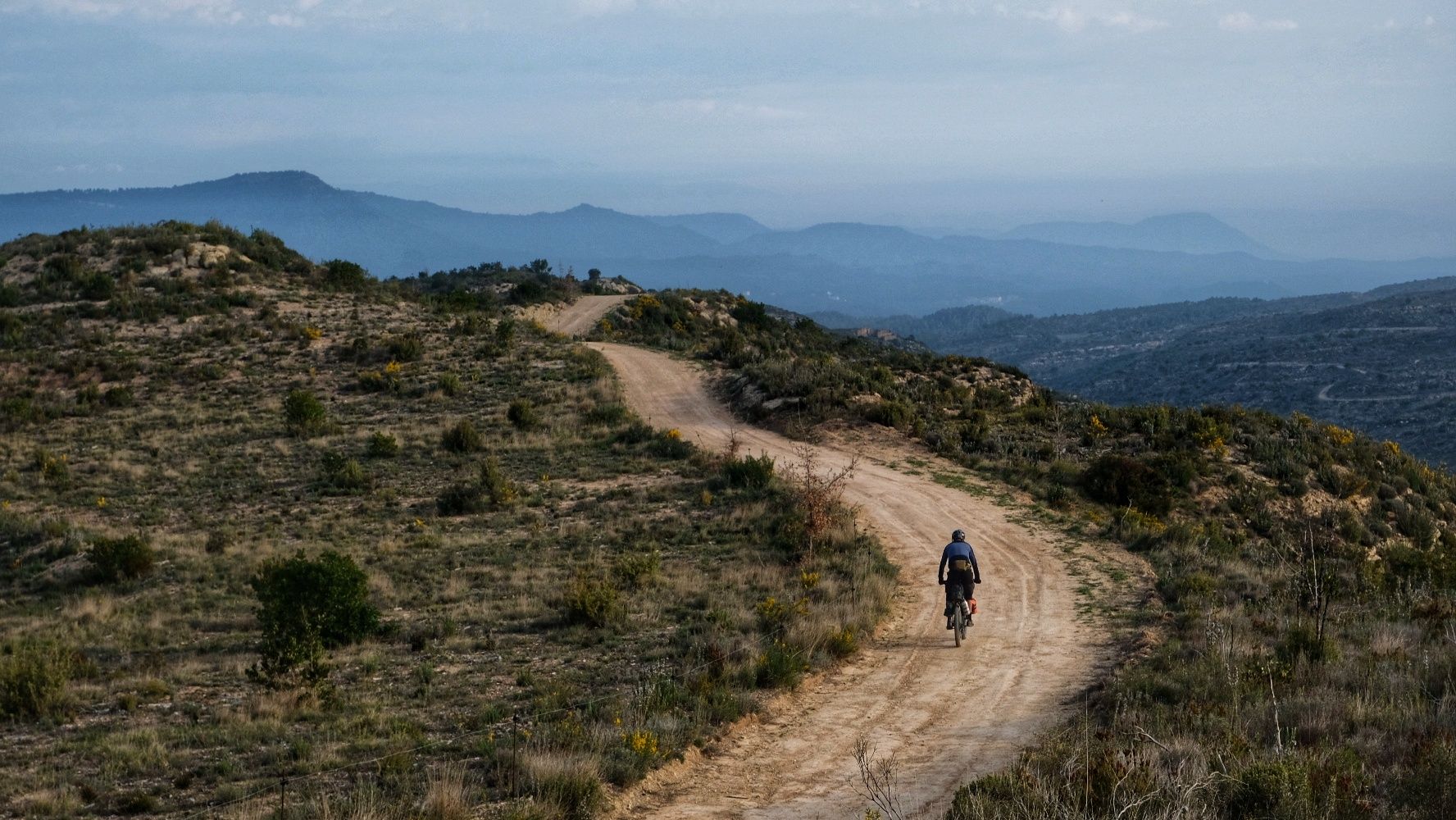
European Divide Trail — 7,600 km across the continent
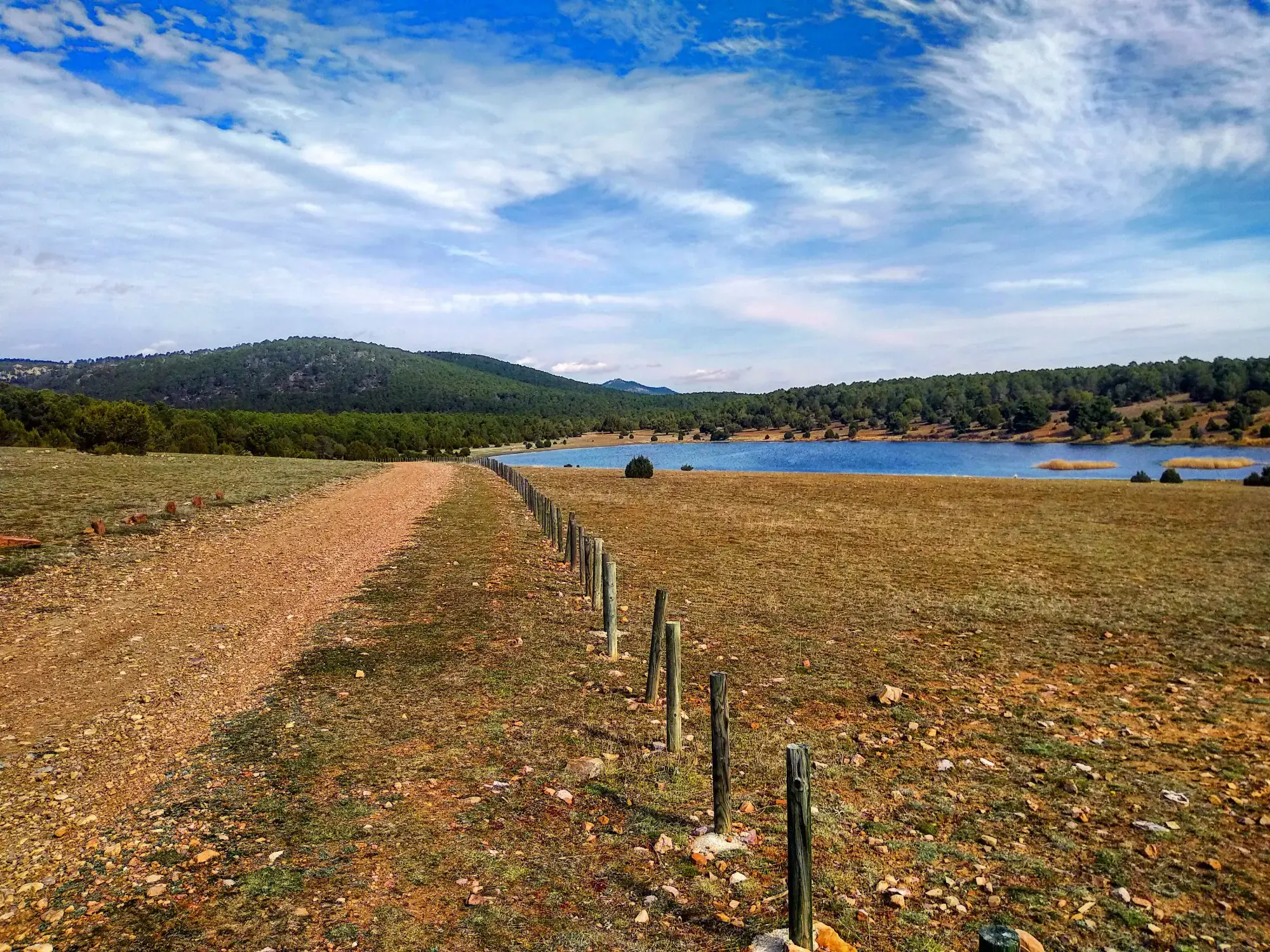
Sendero Español GR 10 — De este a oeste
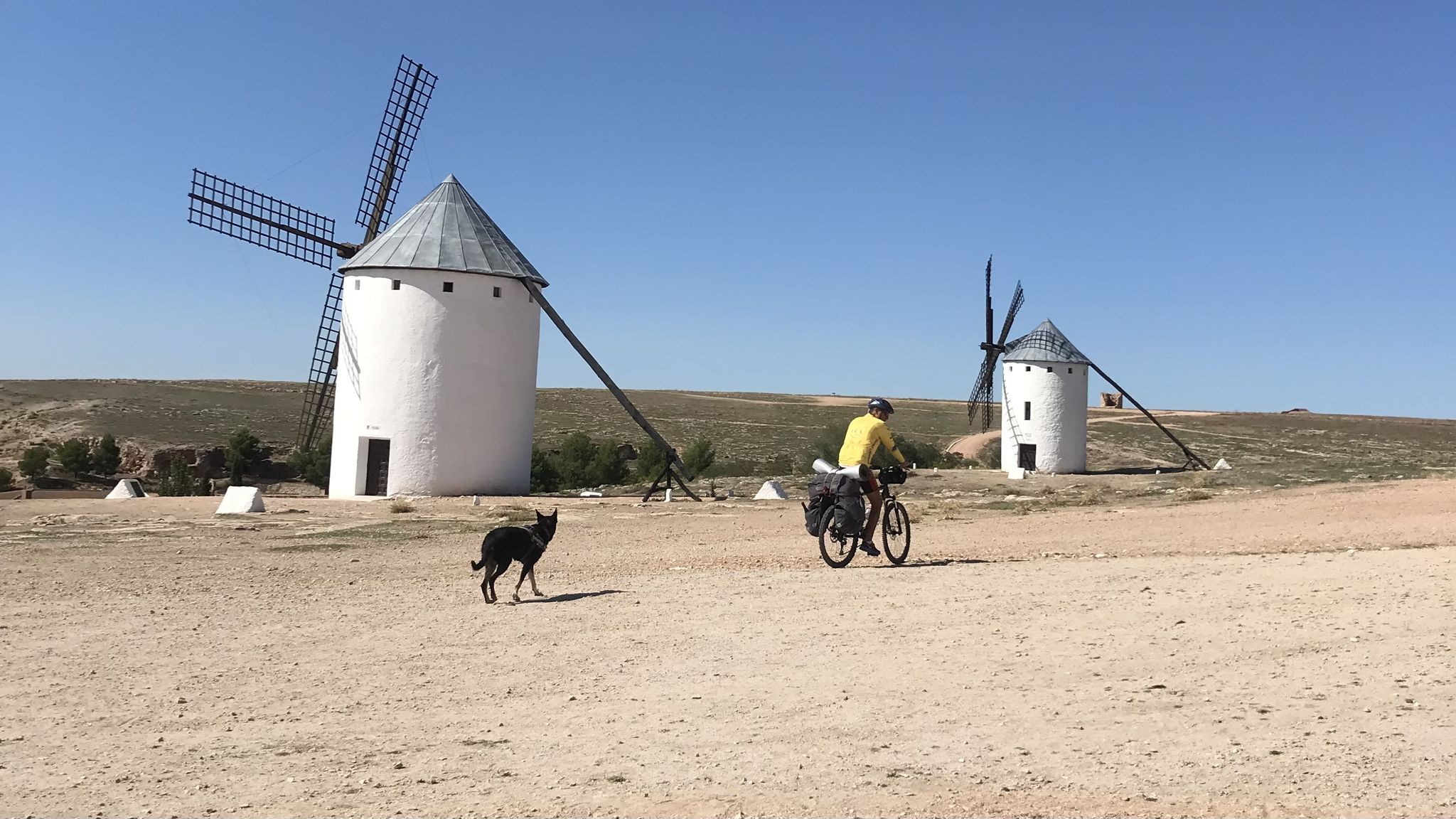
Don Quixote's route – The knight of the sorry face
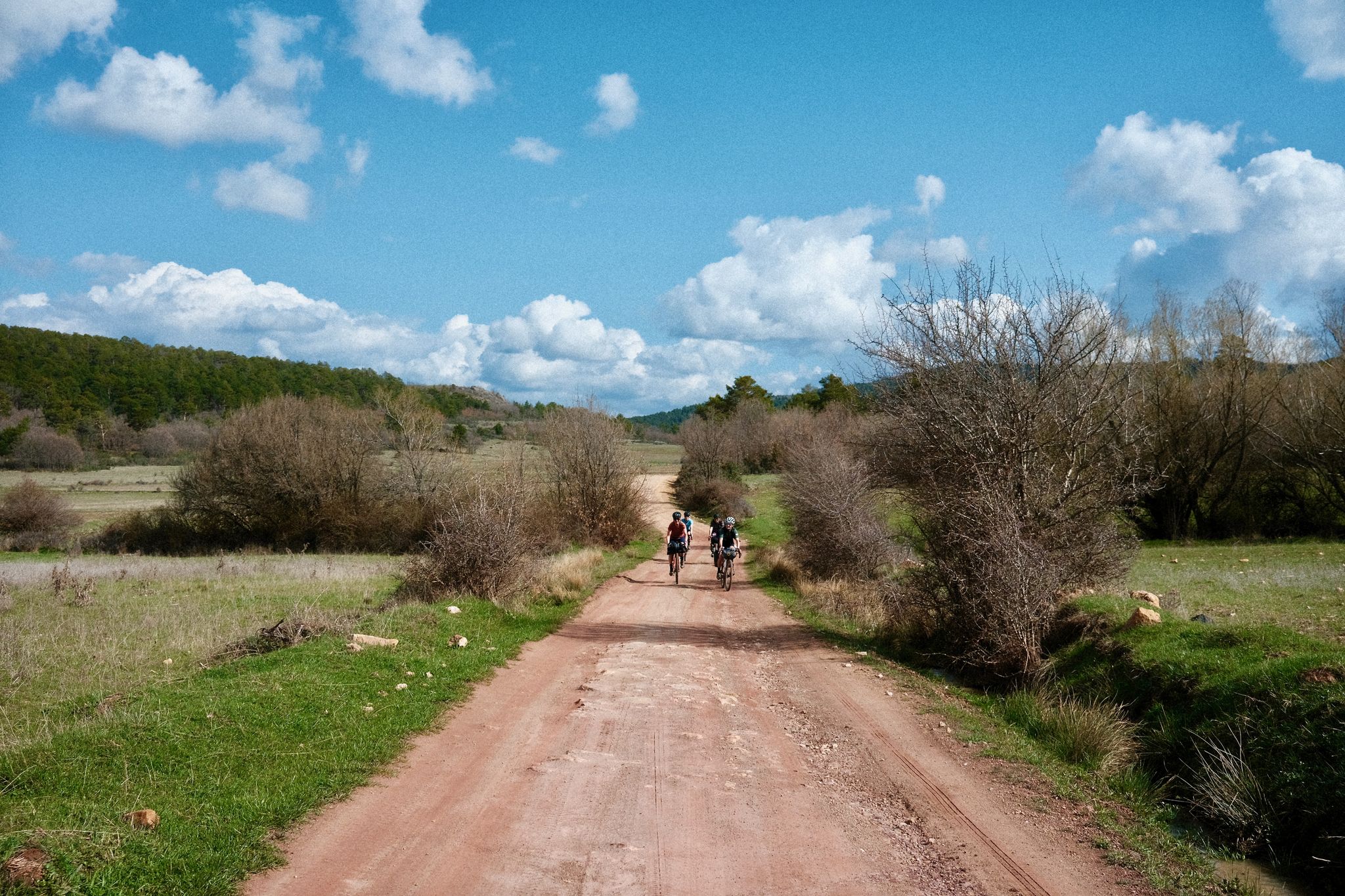
Women's Montañas Vacías 2022 — bikepack in rural Spain
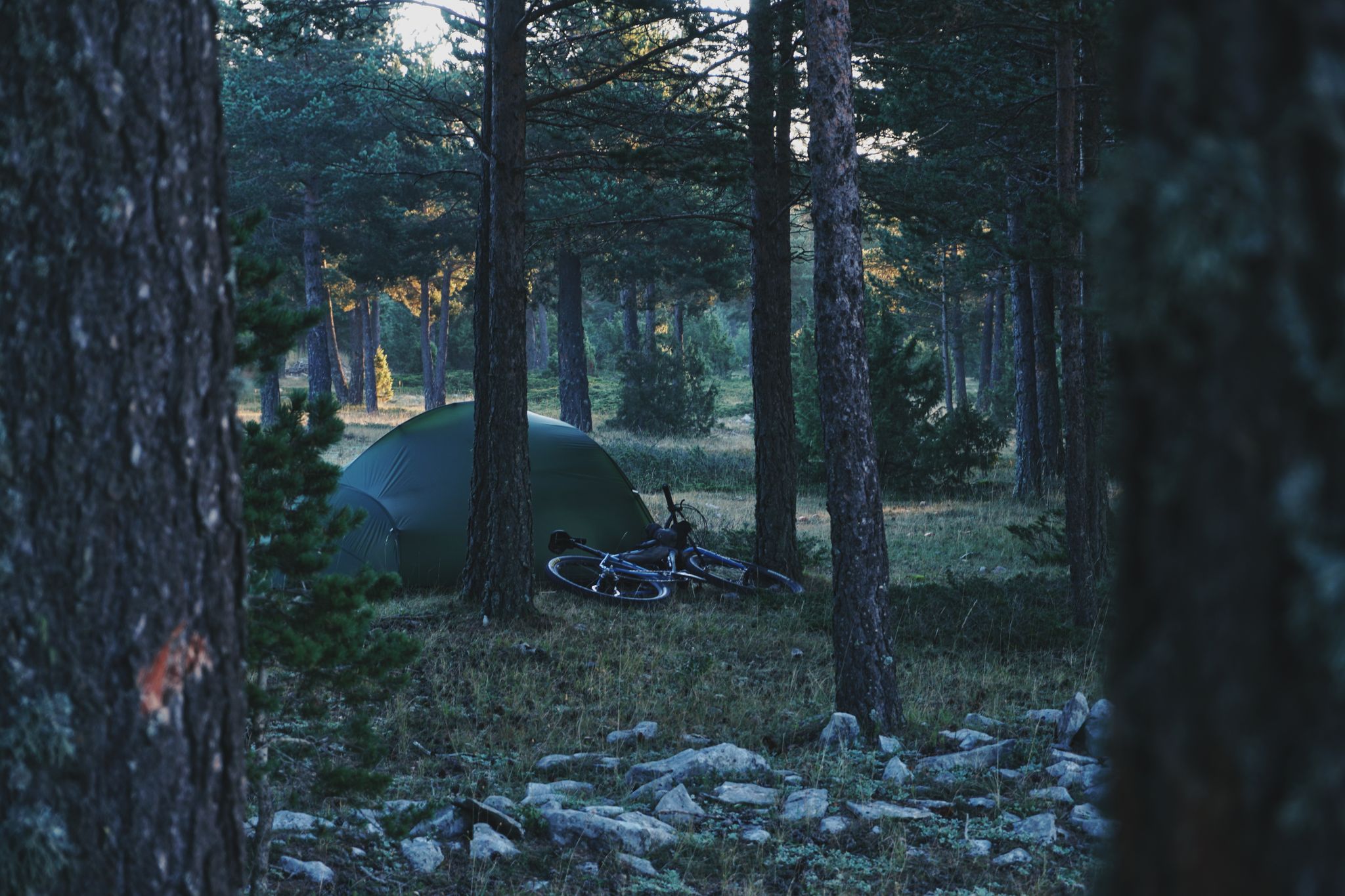
MontañasVacías official — bikepacking across the Spanish Lapland
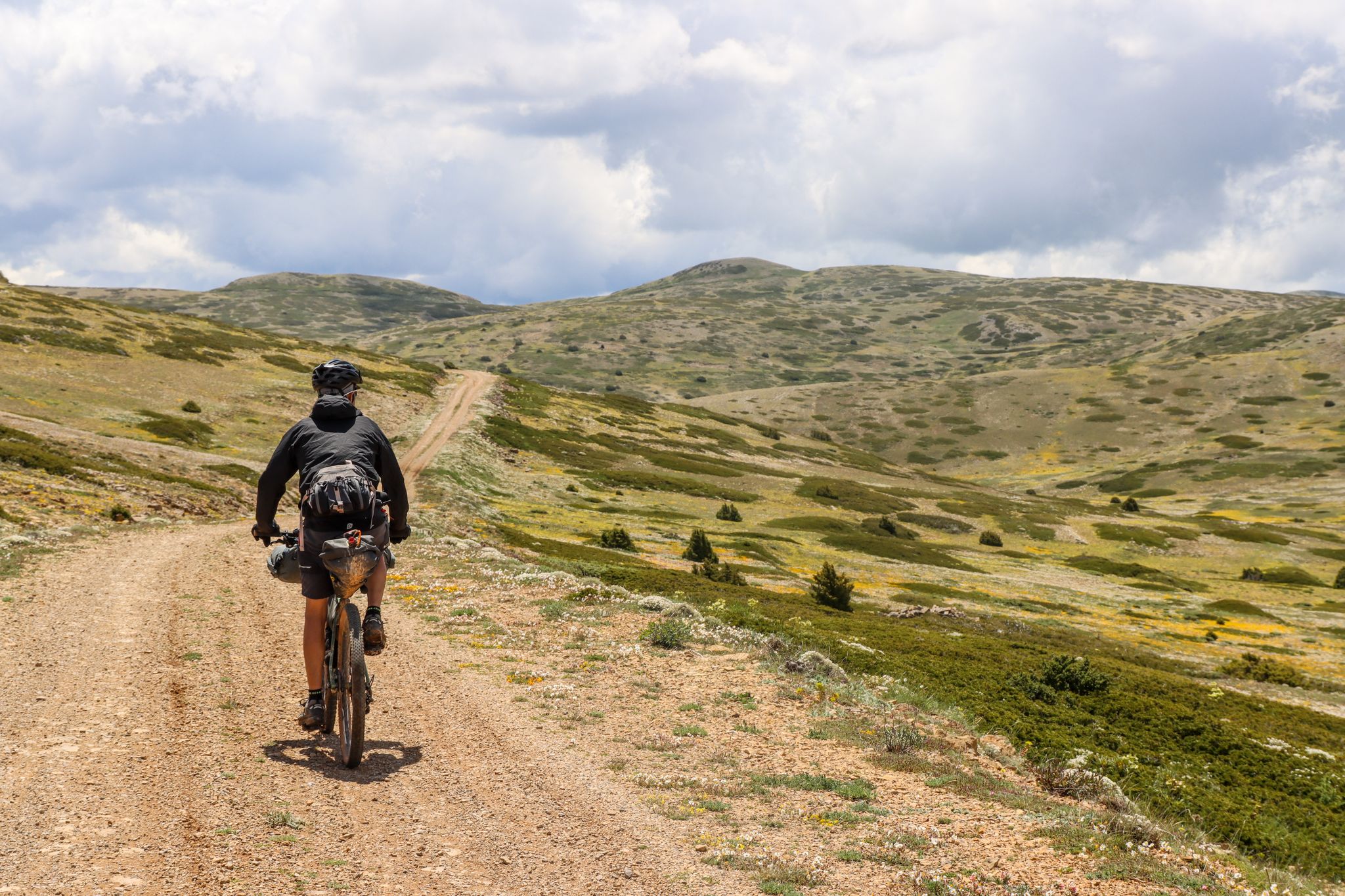
Montañas Vacías — bikepacking the wild and remote 'Empty Mountains'

Around the World in 80 Days
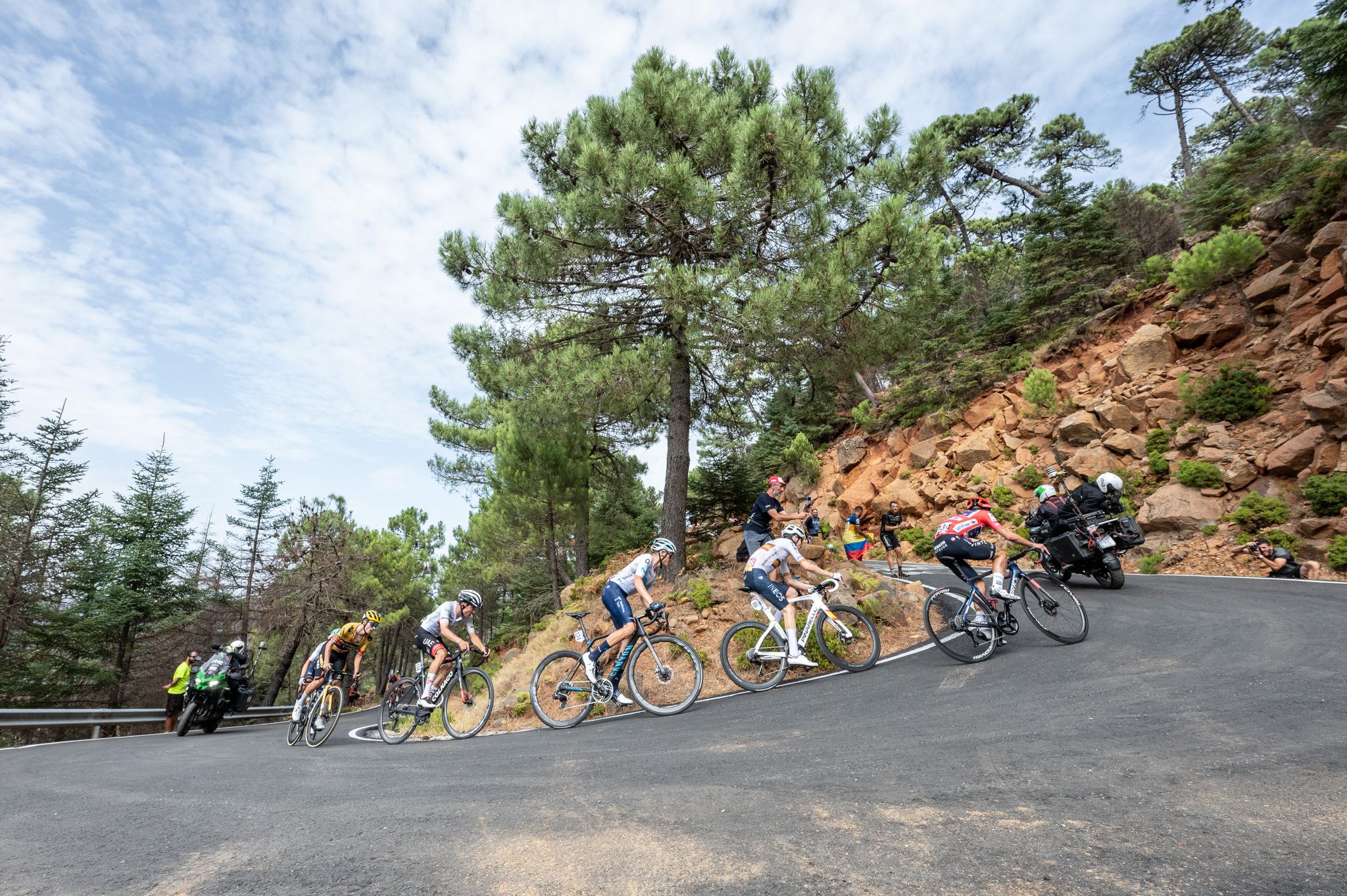
La Vuelta 26 — All Official Stages
Sigue la trashumancia — GR 164 Cañada Real Conquense o Los Serranos
Following in the footsteps of the Lusitanian leader — Viriato Path GR 63
Other adventures in Castile-La Mancha


Tips from the Community

How beautifully the Tagus winds around Toledo
9
1

The birth of the river Mundo is located in the municipality of Riópar, south of Albacete and between the Sierras of Alcaraz and Segura. It receives numerous visits for its spectacular waterfalls and for the reventón phenomenon, to see this waterfall in all its splendor it is advisable to visit it after periods of intense rains. What is most impressive is the Los Chorros waterfall, where the water gushes from a cave located more than 85 meters high above the valley, falling in a series of jumps and pools of great beauty.
2
0

The Plaza Mayor of Cuenca is a historic center and one of the most emblematic places in the city of Cuenca, in Castilla-La Mancha. This square is known for its Baroque architecture and its importance as a meeting point and hub of communication in the old part of the city. Main buildings: The Cathedral of Santa María and San Julián, the Cuenca City Hall, and the Convent of San Pedro. The most notable monument in Cuenca began construction at the end of the 12th century after the conquest of the city, but its core took shape in the 13th century. The naves, from the transept to the façade, date from the 14th century, and the ambulatory was transformed in the 16th century to adapt its original structure to new aesthetic trends. Its first façade also dates from this period, replaced in the 18th century by another that had to be demolished at the beginning of the 20th century, when the current Neo-Gothic façade, designed by Vicente Lampérez, was built.
7
0

The large archway in the middle of the building is the Arco de la Sangre (Arch of Blood).
1
0

I have always been struck by the front view of this Cathedral.
3
0
Toledo Cathedral, also known as the Primate Cathedral of Spain, is one of the masterpieces of Gothic art in Europe and a symbol of the city. Its construction began in 1226 during the reign of Ferdinand III and lasted for more than two centuries. It is dedicated to Saint Mary and stands on the site of an old mosque, which in turn was built on the site of a Visigothic church.
12
0
The Alcántara Bridge is one of Toledo's most iconic monuments, with a history dating back to Roman times and an architecture that has evolved over the centuries. Originally built by the Romans in the 3rd century AD, as part of the network of roads that connected the Empire. Its name comes from the Arabic "al-qanṭarah," meaning "the bridge," given by the Muslims after its reconstruction in the 10th century.
10
0
Its current name comes from the fact that the image of Christ of the Blood is hidden above this horseshoe arch, in a small, usually closed chapel visible from Plaza de Zocodover. The image comes from an old brotherhood founded during the reign of Sancho III, but the chapel wasn't created until the reign of Henry IV. This unusual location follows the Arab custom of placing an oratory above some gates and arches to ensure safe travel for anyone leaving the city and crossing the gate.
2
1
Frequently Asked Questions
What historical cities and sites can I explore in Castile-La Mancha beyond Toledo?
While Toledo is a major historical hub, Castile-La Mancha offers several other significant historical cities and sites. You can visit Cuenca, a UNESCO World Heritage city famous for its dramatic Hanging Houses. Almagro is known for its well-preserved historic center and the Corral de Comedias, an ancient theater. Sigüenza features a classic fortress and an impressive Gothic cathedral. The region is also dotted with medieval castles like Belmonte, Calatrava la Nueva, and Alarcón, reflecting its strategic past.
Where can I find natural parks and unique landscapes in the region?
Castile-La Mancha boasts diverse natural landscapes. The Lagunas de Ruidera Natural Park offers a stunning cascade of azure lakes, perfect for swimming and hiking. Tablas de Daimiel National Park is a vital wetland for birdwatching. In Cuenca, the Ciudad Encantada (Enchanted City) features unique rock formations sculpted by erosion, and the Uña Lagoon is a picturesque spot in the Serranía de Cuenca. You can also explore the Source of the Mundo River with its impressive waterfall in Albacete, or the mountainous landscapes of Alto Tajo Natural Park in Guadalajara.
Are there attractions related to Don Quixote in Castile-La Mancha?
Yes, Castile-La Mancha is the setting for Cervantes' "Don Quixote." You can visit the iconic Windmills of La Mancha in towns like Consuegra and Campo de Criptana, which were immortalized in the novel. The Windmills of Campo de Criptana are particularly well-known. You can also visit the Dulcinea House in El Toboso, dedicated to Don Quixote's idealized love interest.
What kind of outdoor activities can I do near the attractions?
The region offers a variety of outdoor activities. For hiking, you can explore trails in natural parks like the Serranía de Cuenca, including the Enchanted City. The Easy hikes in Castile-La Mancha guide features routes like the Enchanted City Trail. Cycling enthusiasts can find routes such as the Albacete-Valdeganga Bike Path or the Lagunas de Ruidera Loop, detailed in the Cycling in Castile-La Mancha guide. Mountain biking is also popular, with trails like the Embalse del Vicario Loop available in the MTB Trails in Castile-La Mancha guide.
Are there family-friendly attractions in Castile-La Mancha?
Many attractions in Castile-La Mancha are suitable for families. The Toledo Cathedral and Alcántara Bridge in Toledo are family-friendly historical sites. Natural spots like Uña Lagoon and the Enchanted City in Cuenca offer easy trails and scenic views that children can enjoy. Puy du Fou España is a historical theme park designed for immersive family experiences.
What are some unique cultural experiences or museums in the region?
Beyond the historical architecture, you can delve into unique cultural experiences. Visit the Corral de Comedias Theatre in Almagro, the oldest preserved theater in Spain. Explore the Almadén Mines, a UNESCO World Heritage site offering underground tours guided by former miners. In Toledo, the Museo del Greco is dedicated to the famous painter, and the Taller del Moro Museum showcases Islamic art and architecture. The region is also renowned for its gastronomy, including Manchego cheese and saffron, and is Europe's largest wine-producing region.
When is the best time to visit Castile-La Mancha?
The best time to visit Castile-La Mancha generally depends on your preferred activities. Spring (April to June) and autumn (September to October) offer pleasant temperatures for exploring historical cities and natural parks, with fewer crowds than peak summer. Summers can be very hot, especially inland, making water-based activities in places like Lagunas de Ruidera more appealing. Winters are cooler and can be a good time for cultural visits without the heat.
Are there any accessible attractions for visitors with mobility needs?
While historical sites can sometimes present challenges, efforts are being made to improve accessibility. The El Arco de la Sangre in Toledo is noted as wheelchair accessible. When planning your visit, it's advisable to check specific accessibility details for individual attractions, especially for older monuments or natural trails, as conditions can vary.
What are some notable bridges or architectural marvels in Castile-La Mancha?
The region is home to several impressive bridges and architectural feats. In Toledo, the Alcántara Bridge and San Martín Bridge are iconic historical structures spanning the Tagus River. The Iron Bridge over the Guadiana River in Ciudad Real is a significant engineering work from the early 20th century, now a protected monument. The Pontón de la Oliva Dam also features cliffside pathways and historical significance.
What do visitors enjoy most about the attractions in Castile-La Mancha?
Visitors frequently appreciate the rich historical tapestry of the region, particularly in cities like Toledo, where Christian, Jewish, and Muslim influences are evident in the architecture and culture. The stunning natural beauty of places like the Lagunas de Ruidera and the unique rock formations of the Ciudad Encantada also receive high praise. Many enjoy the blend of cultural immersion and outdoor exploration, often highlighted by the region's connection to Don Quixote.
Can I find archaeological sites in Castile-La Mancha?
Yes, Castile-La Mancha has several significant archaeological sites. You can visit the Carranque Archaeological Park in Toledo, which features Roman ruins. The Segóbriga Archaeological Park is another important Roman site. Additionally, the Mines of Lapis Specularis in Cuenca offer a glimpse into ancient Roman mining techniques for transparent gypsum, and the Abrigos de Fuencaliente in Ciudad Real contain Chalcolithic and Bronze Age cave paintings.
Most popular routes in Castile-La Mancha
Most popular attractions in Castile-La Mancha

Get inspired with the komoot mobile app


Didn’t find what you were looking for?
Are you keen on exploring more awesome places nearby? Browse our guides:
Explore more
Still not found the Highlight you’re looking for? See guides of the top attractions in other regions:
