Easy hikes and walks around Zwönitz
4.7
(2702)
8,382
hikers
371
hikes
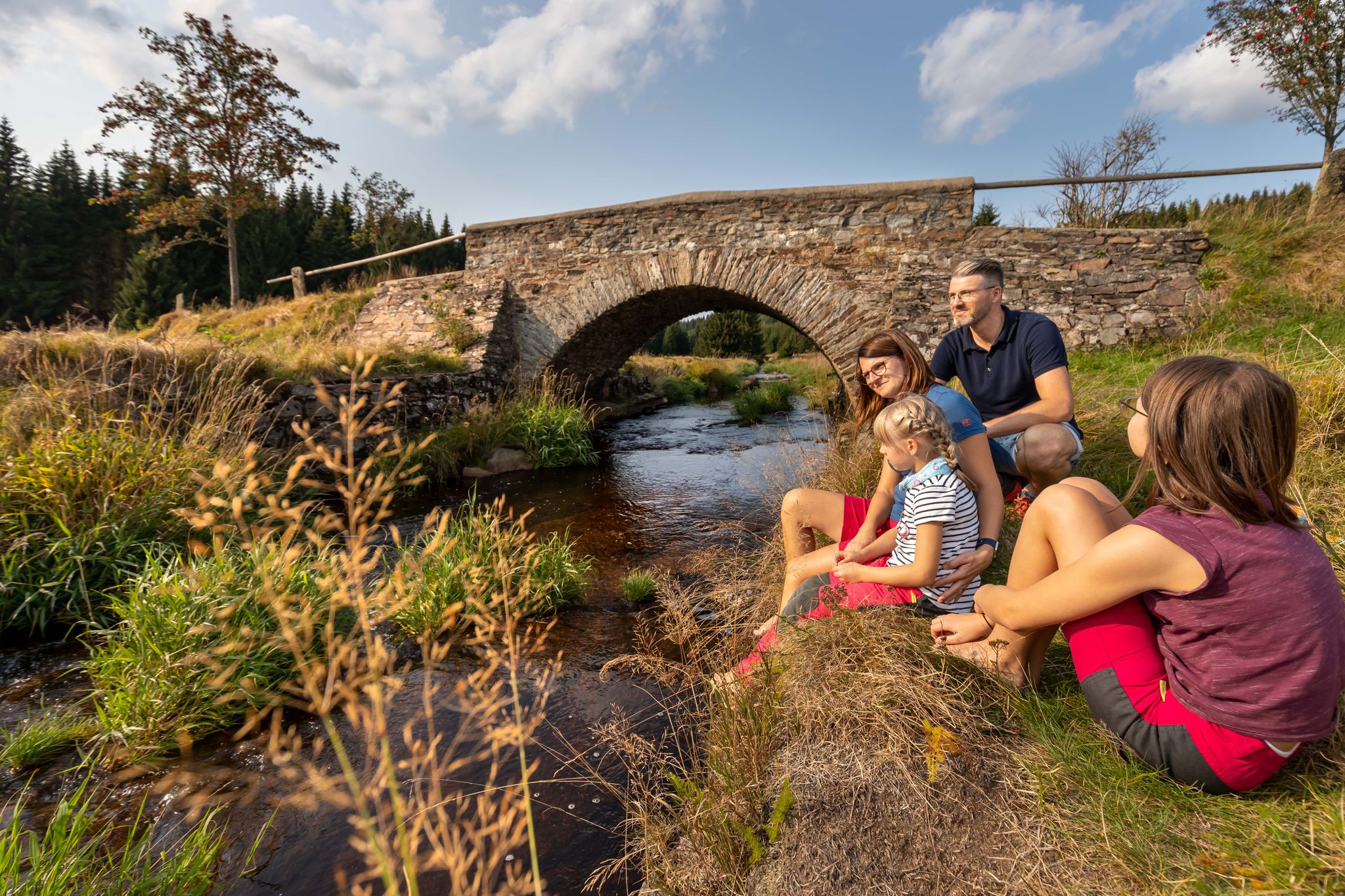
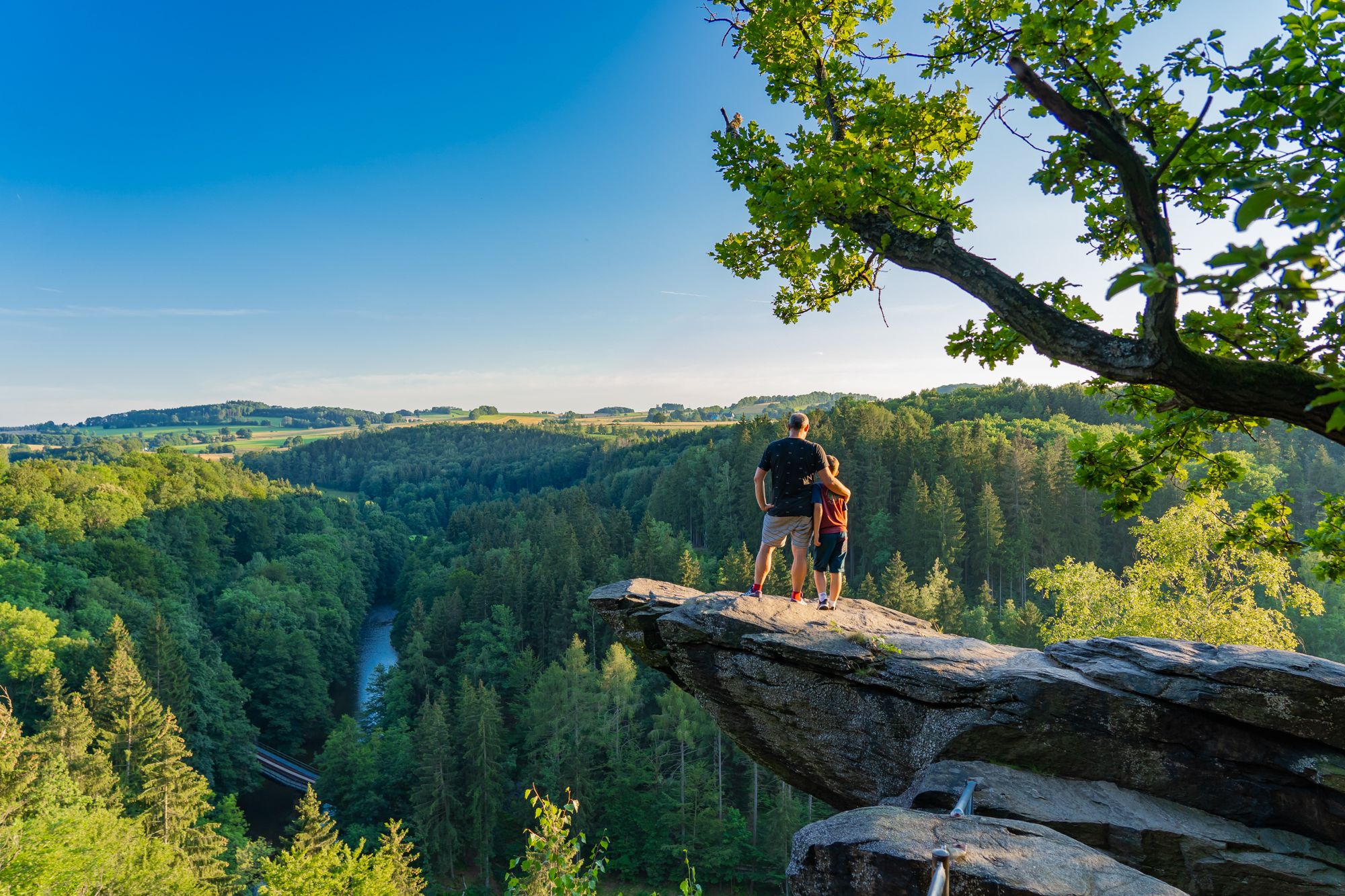
Easy hiking trails around Zwönitz are situated in the scenic Ore Mountains, characterized by gentle hills and valleys at an average elevation of 500 to 700 meters. The region features the picturesque Zwönitztal (Zwönitz Valley), with verdant fields, meadows, and dense forests. This landscape provides a setting for various hiking experiences, including paths along the Zwönitz spring and through areas with historical mining traces.
Best easy hiking trails around Zwönitz
- The most popular easy hiking route is View of the…
Last updated: October 31, 2026
4.5
(36)
112
hikers
Easy hike. Easily walkable paths.
4.4
(10)
34
hikers
6.86km
01:56
150m
150m
Easy hike. Easily walkable paths.

4.7
(13)
50
hikers
5.18km
01:26
90m
90m
Easy hike. Easily walkable paths.
5.0
(8)
51
hikers
4.04km
01:11
120m
120m
Easy hike. Easily walkable paths.
4.5
(8)
33
hikers
5.22km
01:30
130m
130m
Easy hike. Easily walkable paths.
Get access to more routes and recommendations from other explorers.
Already have an account?
Our route recommendations are based on thousands of hikes, rides, and runs completed by other people on komoot.
Start today with a free account
Your next adventure awaits.

Tips from the Community

The monument to the founding of the German Empire in 1871 commemorates the establishment of the German Empire and significant figures of that time. It has an interesting history, as it was not originally located on the Ziegenberg, but on the market square of Zwönitz. April 1895: The Erzgebirgszweigverein Zwönitz suggested erecting a monument for the 25th anniversary of the founding of the Empire. It was also intended to commemorate Imperial Chancellor Otto von Bismarck. September 2, 1895: The monument was ceremoniously inaugurated on the market square. August 1899: Due to the redesign of the market square, it was moved to the Ziegenberg. 1995: For the 100th anniversary, the previously removed plaques were reattached.
3
0
The "Headless Horseman" is a well-known landmark on the Ziegenberg near Zwönitz. The wooden figure commemorates a dark legend that is said to have taken place in the 17th century. Long ago, a miller lived in Zwönitz who had a beautiful daughter. She was engaged to a forester from Grünhain. The miller also had a son, with whom he was at odds because of his marriage to the daughter of an executioner. One day, the miller's daughter visited an inn to meet her fiancé. There, she unexpectedly encountered her brother and his wife. Full of joy, she danced with her brother. When the forester arrived, he saw his fiancée dancing with a strange man. Seized by jealousy, he believed she had been unfaithful to him. He lured her to the Ziegenberg and stabbed her. As she was dying, the young woman explained to him that the man had been her own brother. The forester realized his mistake in horror, repented his deed, and turned himself in to the court.
3
0
The name “Armesünderbrunnen” literally means fountain for the “poor sinners.” This was the term used in the past for people who had been sentenced to death for a crime. On the border with Kühnhaide, the gallows of Zwönitz once stood. It is already marked on a historical map from the year 1610. According to tradition, those sentenced to death were allowed to drink one last time at the Armesünderbrunnen before their execution.
3
0
It was erected in 1728 on behalf of Elector Augustus the Strong. In 1884, the Erzgebirgsverein had the column renovated. During this process, it changed its location from the "Roß" inn to the market square opposite. In 1937 and 1970, further work was carried out for preservation and reconstruction. In 2010, the column was color-restored. In the 18th century, the Saxon Elector had a systematic network of postal milestones erected. The land surveyor Adam Friedrich Zürner had significantly developed the project. The columns fulfilled several tasks: They showed distances to other cities and places. They made it easier for stagecoach drivers to find their way. They helped to better estimate travel times and postal connections. They promoted uniform distance information in the Electorate of Saxony at the time. The distances were given in Saxon postal miles. One such mile corresponded to approximately 9.06 kilometers.
3
0
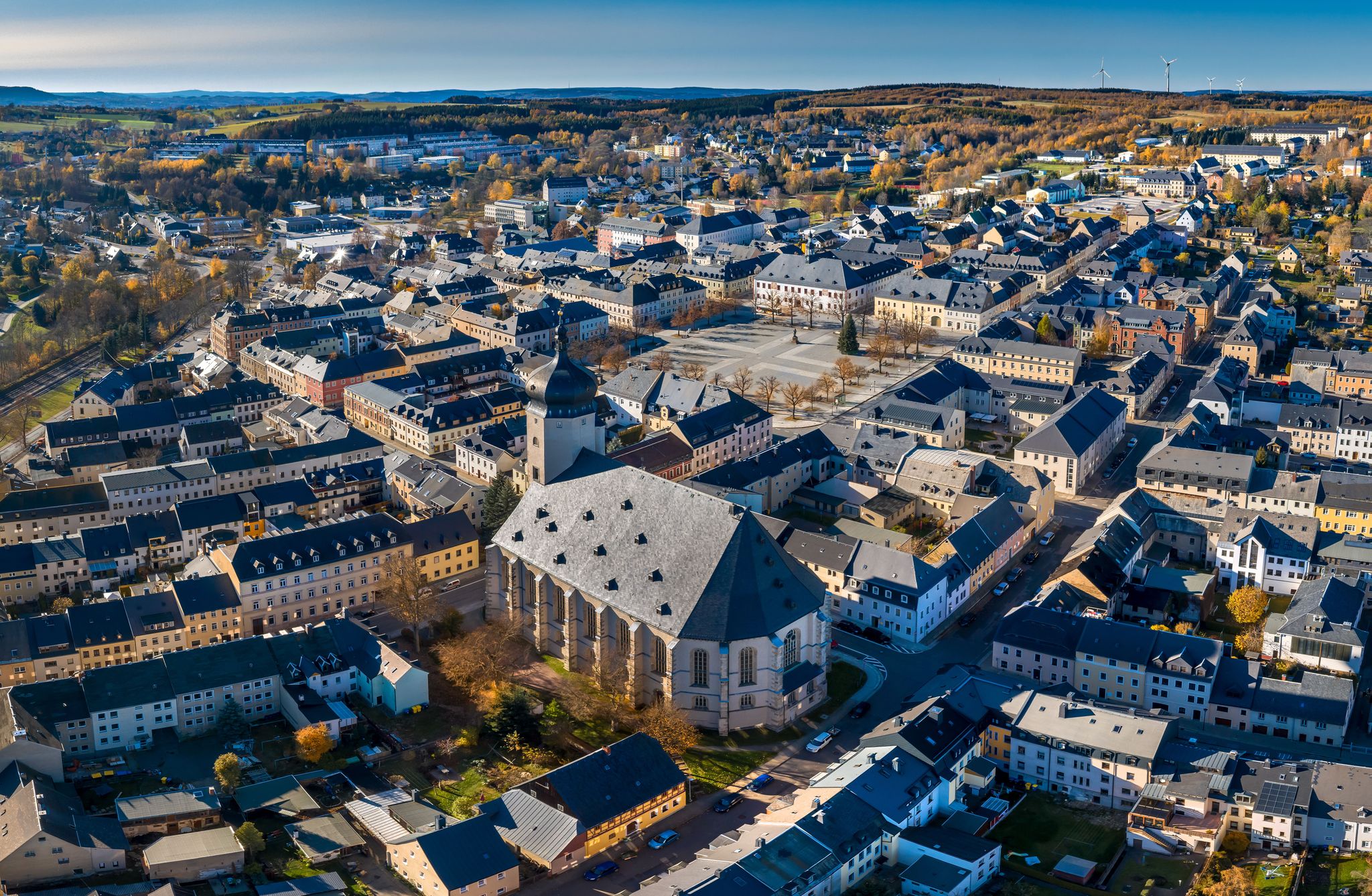
The Trinitatiskirche is one of the most significant historical landmarks in Zwönitz in the Ore Mountains. It is an Evangelical Lutheran Baroque church and is located just a few steps away from the market square.
3
0
The Zwönitz market square is the historic heart of the Erzgebirge mining town. With its old houses, the town hall, and the post milestone, it is a beautiful starting point for a tour through the city center.
3
0

Beautiful place, where not only a milestone but also an ice cream parlor invites you to linger.
0
0

Unfortunately no longer passable, but a great bat roost.
0
0
Frequently Asked Questions
How many easy hiking trails are available in Zwönitz?
Zwönitz offers a wide selection of easy hiking trails, with over 150 routes specifically categorized as easy. In total, there are more than 330 hiking tours in the region.
What kind of terrain can I expect on easy hikes in Zwönitz?
Easy hikes in Zwönitz typically feature gentle hills and valleys, with elevations ranging from 500 to 700 meters. You'll traverse picturesque landscapes including verdant fields, meadows, and dense forests, particularly within the scenic Zwönitztal (Zwönitz Valley).
Are there easy hiking trails suitable for families in Zwönitz?
Yes, Zwönitz is very family-friendly. The region offers trails specifically designed for families, such as the 1st Zwönitz Family Hiking Trail, which includes a mascot and a stamp pass. These routes often lead to engaging natural features like the Zwönitz spring or viewpoints.
Can I bring my dog on easy hiking trails in Zwönitz?
While specific dog policies for every trail are not detailed, the natural and open character of many routes in Zwönitz, particularly through forests and meadows, generally makes them suitable for walks with dogs. Always ensure your dog is on a leash and follow local regulations.
What natural features or landmarks can I see on easy hikes around Zwönitz?
Many easy hikes will lead you through the beautiful Zwönitztal, past the Zwönitz spring, and through areas with visible traces of the region's mining past. You might also encounter the impressive Fuchsbrunn Bridge, an old railway bridge that's a distinctive feature in the forest. For water features, consider trails near the Greifenbach pond or the Stollberg Reservoir.
Are there any easy circular hiking routes in Zwönitz?
Yes, many easy trails in Zwönitz are designed as loops. For example, the View of the Streitwald – Kuhbergblick Bench loop from Niederzwönitz is a popular easy circular route. Another option is the Small Forest Pond – Hormersdorfer Raised Bog loop from Hormersdorf.
Where can I find parking for easy hiking trails in Zwönitz?
Parking facilities are generally available near trailheads and popular starting points for hikes in Zwönitz. For routes starting directly in town, such as the Zwönitz Market Square – Zwönitz Brewery Inn loop, you can often find parking in the town center or designated areas.
Is it possible to reach easy hiking trails in Zwönitz by public transport?
Zwönitz has public transport connections, including bus services and a train station, which can provide access to various parts of the region. It's advisable to check local bus schedules and routes to determine the best public transport options for reaching specific trailheads.
What is the best time of year for easy hiking in Zwönitz?
The optimal times for easy hiking in Zwönitz are spring and autumn. In spring, the landscape is vibrant with blossoms, while autumn offers stunning views as the forests transform with colorful foliage. Summer is also pleasant, and some trails may be suitable for winter walks, though conditions should be checked.
Are there any easy hikes that lead to viewpoints or lookout towers?
Absolutely. The Zwönitzblick Observation Tower – View of Kühnhaide loop from Vordere Aue is an easy route that incorporates the Zwönitzblick Lookout Tower, offering sweeping vistas. The 1st Zwönitz Family Hiking Trail also leads to a viewpoint near Schatzenstein.
Can I find refreshments or accommodation near the easy hiking trails?
Zwönitz and its surrounding villages offer various options for refreshments and accommodation. Many trails pass through or near populated areas where you can find cafes, pubs, and guesthouses. For example, the Zwönitz Market Square – Zwönitz Brewery Inn loop starts and ends in the town center, providing easy access to local amenities.
What do other hikers say about the easy trails in Zwönitz?
The easy trails in Zwönitz are highly regarded by the komoot community, with an average rating of 4.7 stars from over 2,200 reviews. Hikers often praise the well-maintained paths, the peaceful forest sections, and the diverse scenery that makes these routes enjoyable for all skill levels.
Most popular routes around Zwönitz
Most popular attractions around Zwönitz

Get inspired with the komoot mobile app


Explore more
Browse the best Hikes in other regions.
