Attractions and Places To See in Reykjanesbær - Top 18
Best attractions and places to see in Reykjanesbær include a diverse range of natural features and cultural sites on the Reykjanes Peninsula. This region is part of the Reykjanes UNESCO Global Geopark, where the Mid-Atlantic Ridge is visible above sea level. Visitors can explore significant landmarks, unique geological formations, and cultural experiences that highlight the area's volcanic origin and maritime history. Reykjanesbær offers a variety of attractions for those interested in geology, history, and outdoor exploration.
Best attractions and places to see in Reykjanesbær
- The most popular attractions is Reykjanesviti Lighthouse, a man-made monument that is Iceland's oldest lighthouse, originally built in 1878. The current structure, rebuilt in 1907–1908, stands on Bæjarfell hill with its beacon 69 meters above sea level.
- Another must-see spot is Bridge Between Continents, a bridge that allows visitors to walk between the Eurasian and North American tectonic plates. This unique geological site offers a direct view of the continental plates slowly pulling apart.
- Visitors also love Great Auk Statue (Geirfuglinn), a man-made monument dedicated to the extinct seabird. This bronze sculpture stands on the cliffs of Reykjanes, serving as a memorial and a reminder of environmental awareness.
- Reykjanesbær is known for its lighthouses, geological formations, and cultural monuments. The region offers a variety of attractions to see and explore, from historical sites to unique natural wonders.
- The attractions in Reykjanesbær are appreciated by the komoot community, with 18 highlights featuring 20 photos and receiving 33 upvotes.
Last updated: July 14, 2026
Reykjanesviti Lighthouse
Highlight • Monument
Therefore, a new lighthouse was built on Bæjarfell hill in Reykjanes in 1907–1908. The old lighthouse was destroyed by an explosion on April 16, 1908. A 2007 survey conducted by Rögnvaldur Guðmundsson for the Icelandic Maritime Authority found that the Reykjanes Lighthouse was the most popular lighthouse among Icelanders.
The height of the beacon is 69 meters above sea level, but the actual height of the lighthouse is 26 meters. The Reykjanes Lighthouse also has a radio beacon with a correction signal. The lighthouse is constructed of hewn rock and concrete. The lighthouse was designed by architect Frederik Kjørboe and engineer Thorvald Krabbe. The operation of the Reykjanes Lighthouse is supervised by the Icelandic Maritime Authority.
Translated by Google •
Tip by

Bridge Between Continents
Highlight • Bridge
Translated by Google •
Tip by

Sign up now to discover places like this
Get recommendations on the best single tracks, peaks, & plenty of other exciting outdoor places.
Sign up for free
Great Auk Statue (Geirfuglinn)
Highlight • Monument
Translated by Google •
Tip by

Valahnúkamöl Cliffs
Highlight • Gorge
Translated by Google •
Tip by
Stone figures Karl og Kerling
Highlight • Monument
Translated by Google •
Tip by

Valahnúkur Lighthouse and Ruins
Highlight • Monument
Translated by Google •
Tip by
Eider Duck Sculpture, Keflavik
Highlight • Monument
Translated by Google •
Tip by
Troll Mural
Highlight • Structure
Translated by Google •
Tip by

Eldey Island
Highlight • Natural Monument
The now-extinct great auks once lived on Eldey. These flightless birds grew to about 85 cm in length and probably weighed around 5 kg when fully grown. The birds' bellies were white, their backs black, and they had a large patch of white feathers on the front of their heads – this made them visually similar to penguins, even though auks and penguins were not actually related.
Translated by Google •
Tip by
Fishing vessel Baldur (KE97)
Highlight • Monument
Translated by Google •
Tip by
Sign up for free to discover even more attractions in Reykjanesbær.
Sign up for free
Already have an account?
Start today with a free account
Your next adventure awaits.
Login or Signup
Tips from the Community

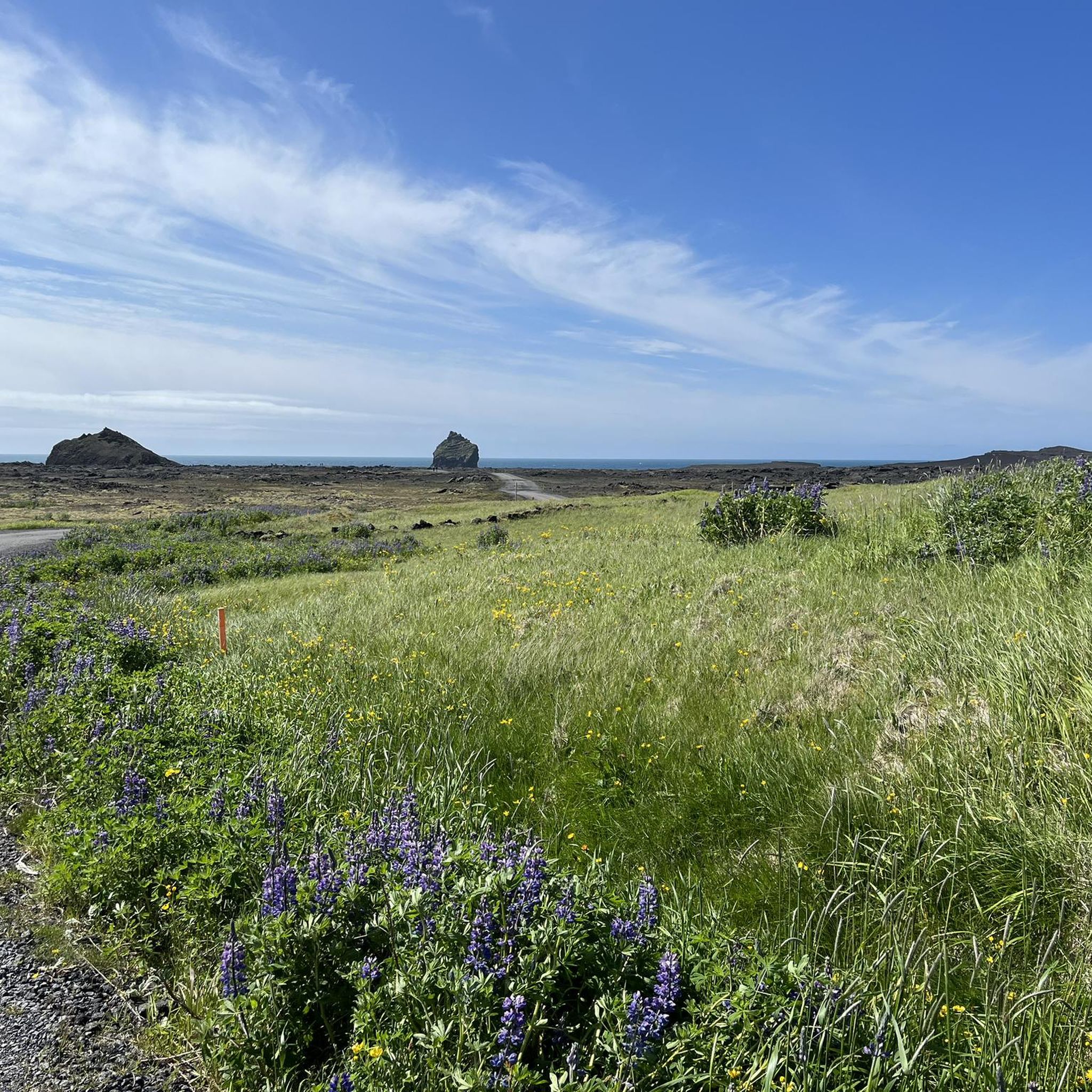
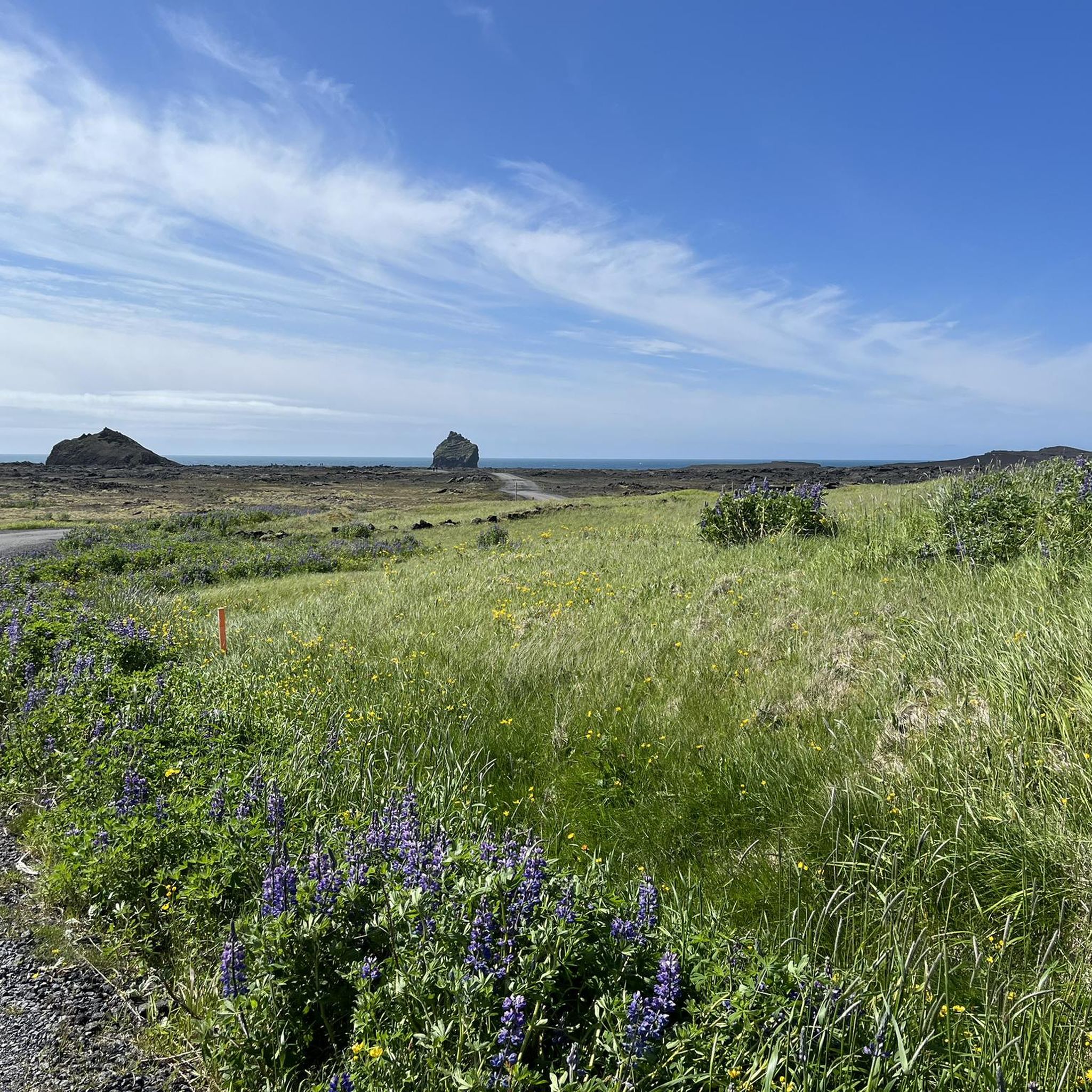
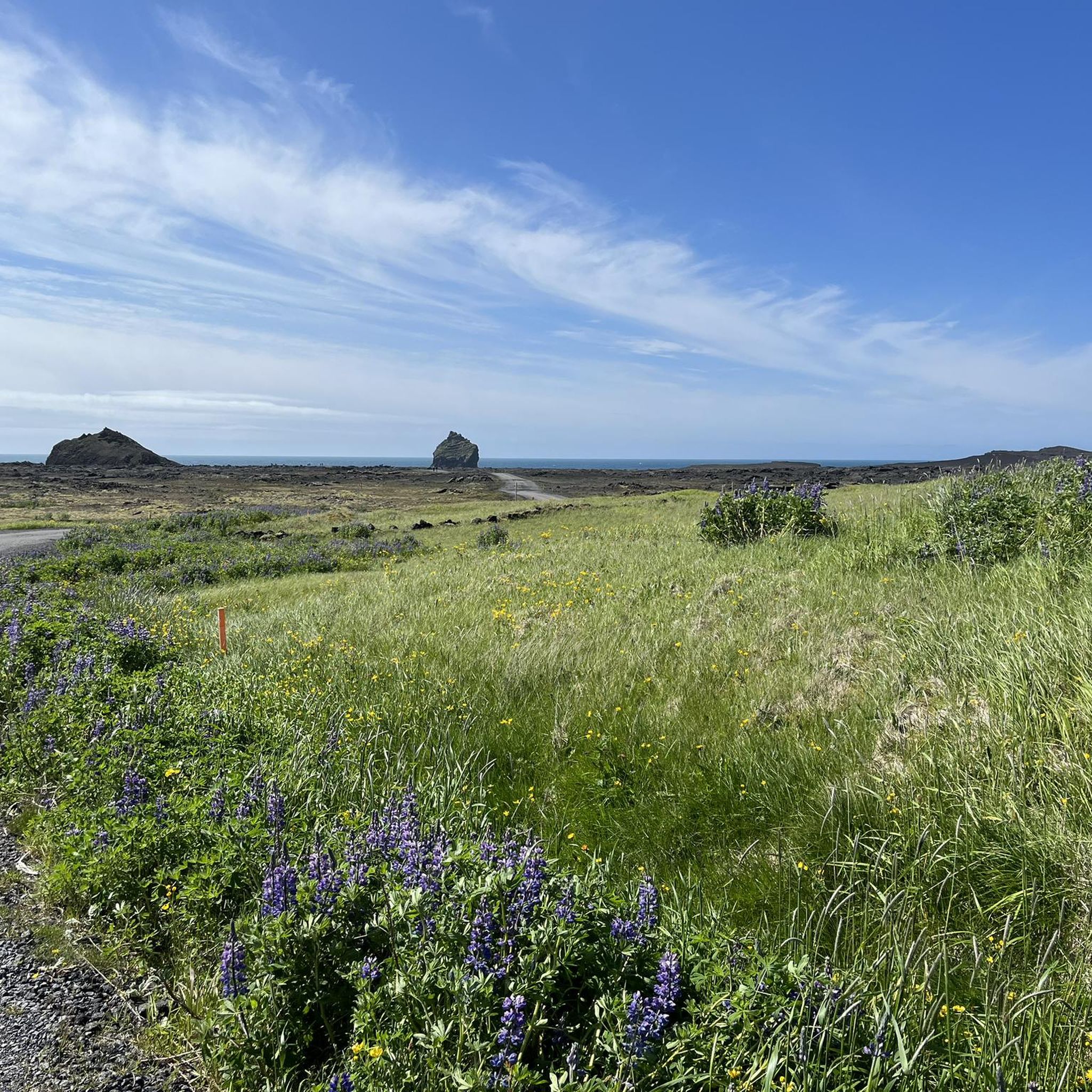
On the cliffs of Reykjanes, facing Eldey Island, stands this bronze sculpture: a great auk in its last refuge. It was here that the species became extinct in 1844, a victim of excessive hunting. Today, the statue not only commemorates a bird lost forever, but also sends a powerful message: protect what we still have. A silent pause, with sea, wind, and memory. 🌊🐦
1
0
The oldest in Iceland, built in 1907, is located on the southwestern tip of the Reykjanes Peninsula. It sits atop a hill overlooking the North Atlantic, in an area where the waves crash hard and the wind rarely slows.
0
0
At this point on the Reykjanes Peninsula, you can do something unique: cross on foot from the Eurasian tectonic plate to the North American plate. You're on the Mid-Atlantic Ridge, where the plates are moving apart about 2 cm per year, creating rifts like the one you see here. The bridge symbolizes the connection between continents and reminds us how alive the Earth is beneath our feet. On one side, Europe; on the other, America. Only in Iceland can you experience something like this without getting your feet wet. 🌋
0
0

Iceland's first lighthouse was built on Valahnúkur in Reykjanes in 1878. By 1905, earthquakes and surf had damaged Valahnúkur so severely that there was a risk of the lighthouse collapsing into the sea. Therefore, a new lighthouse was built on the hill.
0
0
About 15 km off the coast lies the rocky island of Eldey, a palagonite rock that likely formed during a volcanic eruption on the Mid-Atlantic Ridge in 1210-1211. Eldey covers just under 2 hectares and is 77 m high at its highest point. The island is considered a bird paradise. Since 1940, Eldey has been a protected area and may only be accessed with special permission. The now-extinct great auks once lived on Eldey. These flightless birds grew to about 85 cm in length and probably weighed around 5 kg when fully grown. The birds' bellies were white, their backs black, and they had a large patch of white feathers on the front of their heads – this made them visually similar to penguins, even though auks and penguins were not actually related.
0
0
Reykjanestá, also known as Valahnúkamöl, is the southwesternmost tip of Reykjanes, with a roughly 400-meter-long cliff. The town, like everything here, is of volcanic origin.
1
0
At the tip of the Reykjanes Peninsula, below Valahnjúka, is the sculpture "Geirfuglinn" (The Great Auk) by American artist Todd McGrain. The sculpture is a tribute to the extinct Great Auk and is part of McGrain's "Lost Bird Project." The Great Auk was a flightless bird that lived in the North Atlantic and was a strong swimmer. The species became extinct in the mid-18th century due to overhunting. The sculpture depicts a bronze Great Auk facing the sea, looking toward the island of Eldey, where the last documented pair of Great Auks were killed. The work is intended to raise awareness of environmental problems and is a memorial to an extinct species.
0
0
Iceland's first lighthouse was built in 1878 on Valahnúkur in Reykjanes. By 1905, earthquakes and heavy surf had damaged Valahnúkur so severely that it was in danger of collapsing into the sea. Therefore, a new lighthouse was built on Bæjarfell hill in Reykjanes in 1907–1908. The old lighthouse was destroyed by an explosion on April 16, 1908. A 2007 survey conducted by Rögnvaldur Guðmundsson for the Icelandic Maritime Authority found that the Reykjanes Lighthouse was the most popular lighthouse among Icelanders. The height of the beacon is 69 meters above sea level, but the actual height of the lighthouse is 26 meters. The Reykjanes Lighthouse also has a radio beacon with a correction signal. The lighthouse is constructed of hewn rock and concrete. The lighthouse was designed by architect Frederik Kjørboe and engineer Thorvald Krabbe. The operation of the Reykjanes Lighthouse is supervised by the Icelandic Maritime Authority.
1
0
Frequently Asked Questions
What unique geological features can I explore in Reykjanesbær?
Reykjanesbær is part of the Reykjanes UNESCO Global Geopark, offering several unique geological sites. You can walk between the Eurasian and North American tectonic plates at the Bridge Between Continents. The area also features the dramatic Valahnúkamöl Cliffs, known for their unique rock formations shaped by ancient eruptions and powerful North Atlantic waves.
Where can I experience geothermal activity near Reykjanesbær?
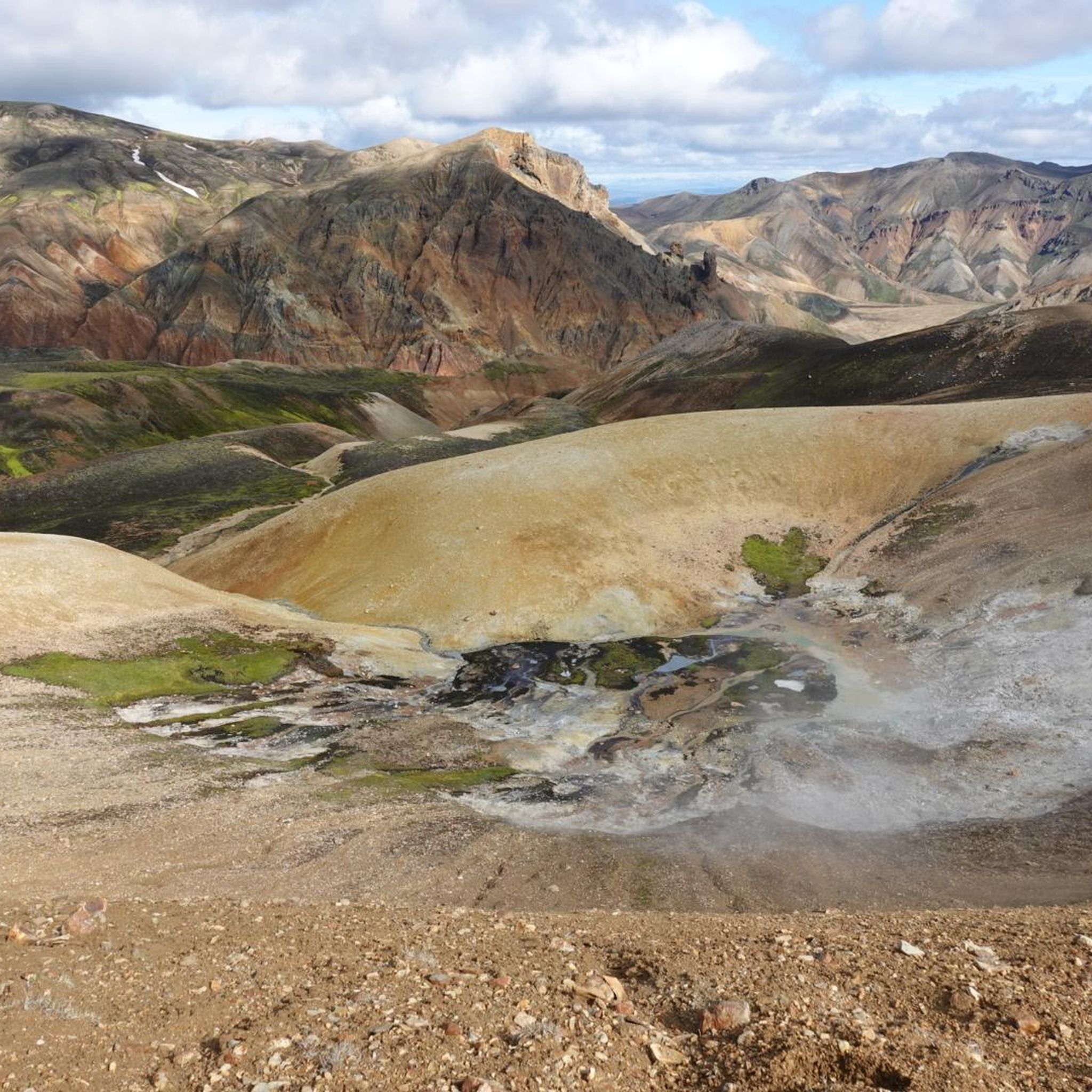
For a direct experience with geothermal activity, visit the Gunnuhver Hot Spring, which features bubbling mud pools and steam vents. The Krýsuvík & Seltún Geothermal Areas also showcase volcanic fumaroles, mud pools, and hot springs, with landscapes painted in vibrant yellows, reds, and greens due to sulfur and mineral interactions.
Are there any significant lighthouses or coastal viewpoints to visit?
Yes, the Reykjanesviti Lighthouse is Iceland's oldest lighthouse, offering majestic views from its perch 69 meters above sea level. Nearby, the Valahnúkamöl Cliffs and Hafnaberg Cliffs provide dramatic ocean vistas and are excellent spots for coastal viewing.
What cultural and historical sites are there in Reykjanesbær?
Reykjanesbær boasts several cultural and historical attractions. The Viking World Museum houses a meticulously reconstructed replica of a Viking ship. You can also explore the Duus Museum, which includes the Reykjanes Art Museum and the Reykjanes Heritage Museum, showcasing local history and maritime traditions. For music enthusiasts, The Icelandic Museum of Rock 'n' Roll (Rokksafn Íslands) offers an interactive journey through Icelandic pop and rock music history.
Are there family-friendly attractions in Reykjanesbær?
Absolutely! Many attractions are suitable for families. The Bridge Between Continents is a fun and educational stop. Children might also enjoy seeing the Stone figures Karl og Kerling, which are local troll sculptures. The Troll Mural in Keflavík is another engaging spot for younger visitors.
What kind of outdoor activities can I do near Reykjanesbær attractions?
The region offers various outdoor activities. You can find numerous hiking and running trails, such as the 'Gunnuhver Geothermal Area – Valahnúkamöl Cliffs loop' which is an easy 4.3 km hike. For more options, explore the easy hikes in Reykjanesbær or the running trails in Reykjanesbær. There are also road cycling routes available, including longer loops like 'Keflavík Bike Pit – Garðskagaviti Lighthouse loop'. You can find more details on road cycling routes in Reykjanesbær.
What is the best time to visit Reykjanesbær for outdoor activities?
While Reykjanesbær can be visited year-round, the summer months (June to August) generally offer milder weather and longer daylight hours, making them ideal for outdoor activities and exploring natural attractions. However, the dramatic landscapes and geothermal areas can be particularly striking under a fresh layer of snow in winter, though you should be prepared for colder temperatures and potentially strong winds.
Are there any attractions dedicated to local wildlife or environmental awareness?
Yes, the Great Auk Statue (Geirfuglinn) is a poignant bronze sculpture dedicated to the extinct seabird, serving as a memorial and a powerful message about environmental awareness. You can also find an Eider Duck Sculpture in Keflavík, celebrating local birdlife.
What do visitors enjoy most about the attractions in Reykjanesbær?
Visitors frequently highlight the unique geological experiences, such as walking between continents at the Bridge Between Continents, and the dramatic coastal scenery around the Reykjanesviti Lighthouse and Valahnúkamöl Cliffs. The blend of natural wonders with cultural insights, like those offered at the Viking World Museum, also receives high praise.
Is public transport available to reach attractions in Reykjanesbær?
While some attractions might be accessible by local bus services, many of the natural wonders and more remote sites on the Reykjanes Peninsula are best reached by car. It's advisable to check local bus schedules and routes if you plan to rely on public transport, especially for destinations outside the main town areas.
Are there any attractions that are wheelchair accessible?
Some attractions offer better accessibility than others. The Eider Duck Sculpture in Keflavik is noted as wheelchair accessible. For other sites, particularly natural features, accessibility can vary due to terrain. It's recommended to check specific site information for detailed accessibility details before your visit.
Where can I find information about local events or exhibitions?
The Duus Museum (Duushús Cultural Center) often hosts exhibitions on local history and art. The Reykjanesbær Library also serves as a cultural center with exhibitions and events. For larger performances, the Hljómahöll Concert Hall is a significant venue that hosts various events, including concerts and conferences.
Most popular attractions in Reykjanesbær

Get inspired with the komoot mobile app


Explore more
Still not found the Highlight you’re looking for? See guides of the top attractions in other regions:
