Attractions and Places To See in Osijek-Baranja - Top 20
Best attractions and places to see in Osijek-Baranja include a diverse range of historical landmarks, significant natural features, and cultural sites. Located in eastern Croatia, the region is characterized by its wetland areas, rivers, and agricultural landscapes. It offers a blend of urban historical centers and expansive natural parks. The area provides opportunities to explore Baroque architecture, ancient history, and unique ecosystems.
Best attractions and places to see in Osijek-Baranja
- The most popular attractions is Pedestrian Bridge Over the Drava (Osijek), a bridge that spans the Drava River. It is considered one of the most striking symbols of Osijek, offering views of the city and river.
- Another must-see spot is Osijek Catacombs, a historical site. These catacombs represent the last remains of an 18th-century fortress and were historically used for food storage and as a bomb shelter.
- Visitors also love Prandau-Normann Castle, Valpovo, a castle that reflects the history of the Valpovo region. This architectural entity combines elements of a fortress and a castle, offering a unique historical experience.
- Osijek-Baranja is known for its historical sites, natural parks, and cultural institutions. The region offers a variety of attractions, from well-preserved Baroque complexes to significant wetland areas and museums.
- The attractions in Osijek-Baranja are appreciated by the komoot community, with 33 upvotes and 27 photos shared by visitors.
Last updated: August 30, 2026
Co-Cathedral of St. Peter and St. Paul (Osijek)
Highlight • Religious Site
Translated by Google •
Tip by

Main Entrance to Kopački Rit Nature Park
Highlight • Rest Area
Translated by Google •
Tip by
Sign up now to discover places like this
Get recommendations on the best single tracks, peaks, & plenty of other exciting outdoor places.
Sign up for free
Pedestrian Bridge Over the Drava (Osijek)
Highlight • Bridge
Note that there are stairs at both the beginning and the end, there is no fence and no sign, get off in time.
Translated by Google •
Tip by
Belje transmitter (Odašiljač Belje)
Highlight • Structure
Translated by Google •
Tip by

Ante Starčević Square
Highlight • Monument
Translated by Google •
Tip by
Batina World War II Memorial
Highlight • Monument
Translated by Google •
Tip by

Pedestrian and Bicycle Bridge over the Drava River
Highlight • Bridge
Tip by

Tvrđa Fortress Osijek
Highlight • Castle
The hotel offers uniquely decorated, luxurious and comfortable rooms with free wireless internet access. For your comfort, "HOTEL TVRĐA" offers several facilities on site, such as a swimming pool and sauna on the roof, and the possibility of dining. We have designed a place where superior services are integrated with authentic design to make guests feel comfortable and relaxed.
Translated by Google •
Tip by
Camping Suza Baranja
Highlight • Rest Area
Open around the clock, the friendly owner speaks German and looks the next morning to see if anyone has come. They also run a guest house a few hundred meters away and a third generation wine cellar. We recommend!
Translated by Google •
Tip by

Osijek Catacombs
Highlight • Historical Site
Translated by Google •
Tip by
Sign up for free to discover even more attractions in Osijek-Baranja.
Sign up for free
Already have an account?
Start today with a free account
Your next adventure awaits.
Login or Signup
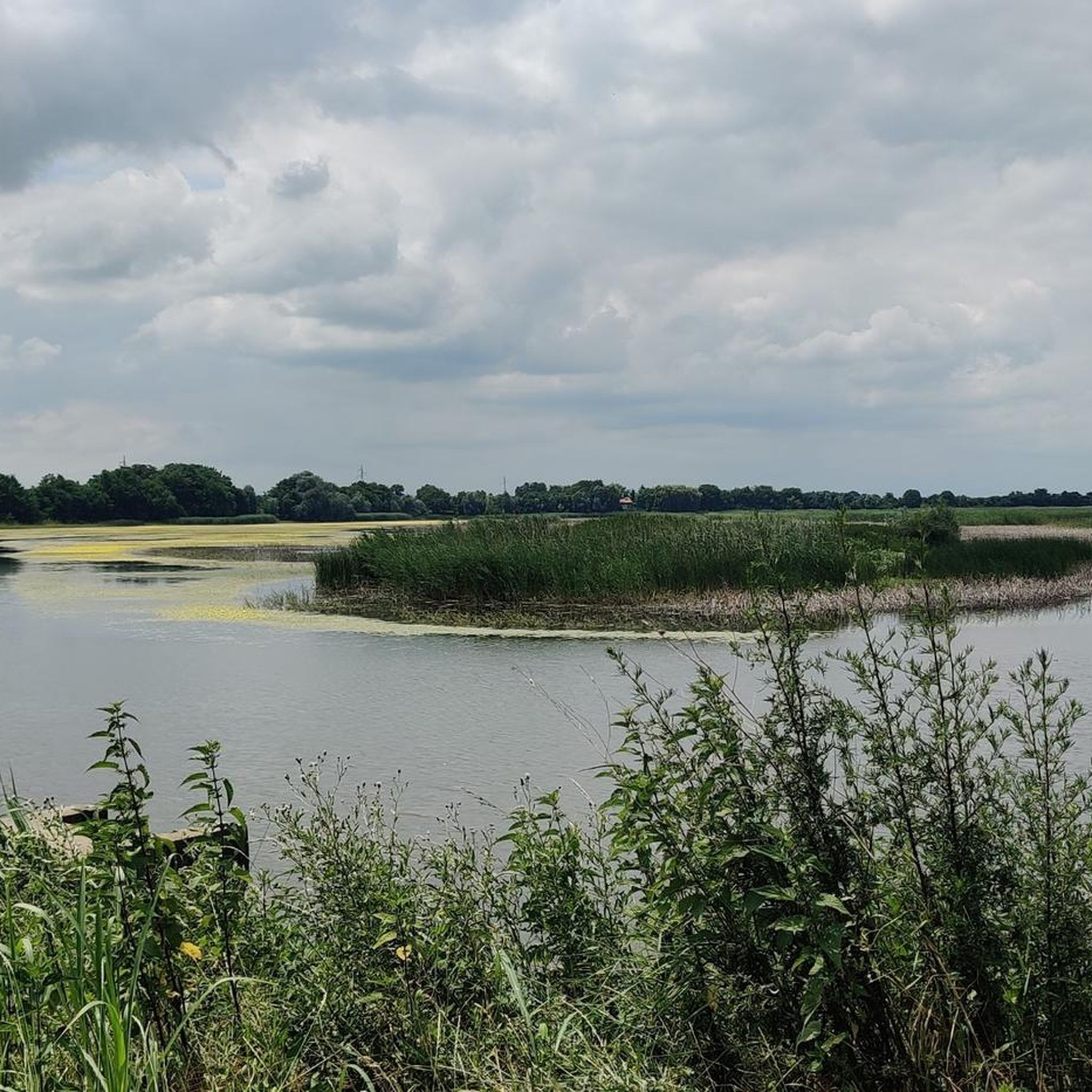
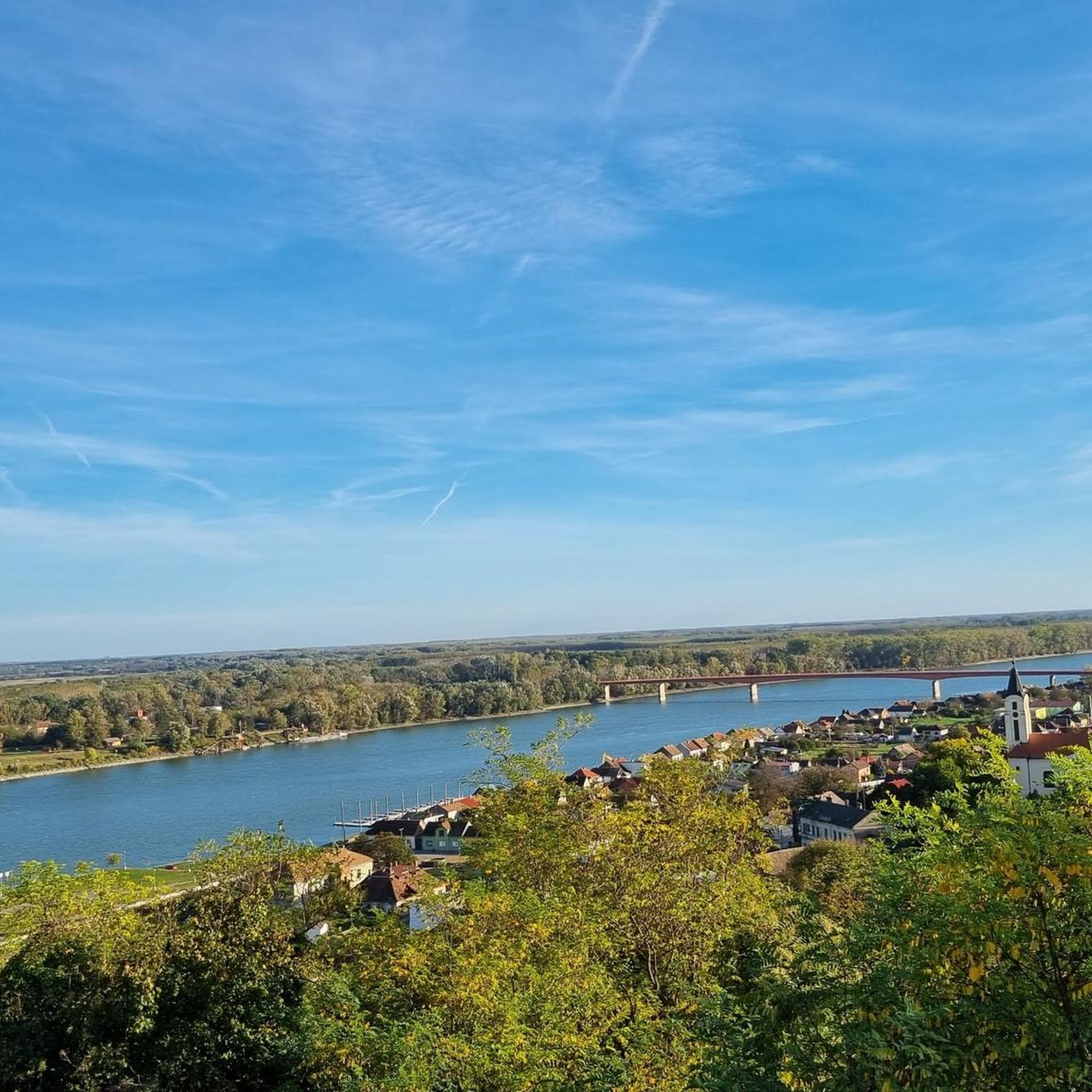
Other adventures in Osijek-Baranja

Tips from the Community

A look into the cathedral is desirable. Really nice to look at
0
0
Backpack, poles and hiking boots included
0
0

The catacombs look a bit lost, they were used as food storage and bomb shelter. Now a festival is sometimes held there.
12
0

Here you can park or continue by bike, walk or train, further on a boat is waiting to show you the swamp
3
0

As part of the Department for Regional Operations, Region East manages large facilities such as Belje "Đuro Podboj", Borinci, Josipovac, Slavonski Brod - Košarevac, Papuk and Psunj, as well as a number of smaller locations. It covers six counties, from Ilok and Drenovac in the east to Slatina and Kutina in the west. Large flat areas without high elevations are the reason for tall antenna towers such as the Belje "Đuro Podboj" facility with a height of 222 meters and Borinci with a height of 165 meters. However, not everything is "so flat" in the east, there are inaccessible objects, especially in winter when a lot of experience and dexterity are needed to reach them, for example to Psunj, which is located at 985 meters above sea level, or Papuk, at 789 meters above sea level. Thirteen employees of the region carry out preventive and corrective maintenance of equipment and infrastructure for OIV and other teleoperators, and they eliminate observed defects immediately or repair them, thereby preventing greater damage that would occur over time. When the device breaks down, they are the first on location, and in some situations, they also act as an extended hand to specialists from other departments, with whose assistance the problem is solved. The on-calls are organized outside working hours and on weekends, so the time response to the intervention is short. The only problem, as they say, is when nature makes work difficult. Through the work they are responsible for, they encounter a multitude of devices from different manufacturers, so every intervention is a challenge. Constant improvement of knowledge is inevitable, since it is a dynamic business with various technologies that are followed as they come, and accordingly new skills are adopted in the field of scope of work. In addition to the above, a lot is learned during the actual assembly and later in working with the devices, as well as during training sessions organized by the equipment manufacturer. CURIOUS THINGS 70 transmitter locations and facilities The highest pillar - Belje "Đuro Podboj" 222 m (also the highest in Croatia) The lowest columns – 12 m Highest altitude – 984 m above sea level, object Psunj The lowest elevation – with the antenna tower Drenovci 83 m
3
0
With more than 40 km of cycle paths, Osijek is the cycling city of Croatia.
5
1
Ante Starcevic was a Croatian politician and writer (1823 -1896). His policies were aimed at Croatian state law, the integrity of Croatian lands and the right of its people to self-determination. As an important member of the Croatian parliament and founder of the Party of Rights, he laid the foundations of Croatian nationalism. source wikipedia
0
0
the statue looks very powerful
4
0
Frequently Asked Questions
What are some popular natural attractions to visit in Osijek-Baranja?
The region is renowned for its natural beauty. A must-visit is Kopački Rit Nature Park, one of Europe's largest wetland areas, home to over 140 bird species. You can explore it via wooden promenades, bicycle, or guided boat tours. Another option is the extensive Drava River Promenade in Osijek, perfect for walking and cycling, offering scenic views. For a different natural experience, consider Lake Borovik, an artificial lake ideal for recreation, fishing, and camping.
Where can I find historical landmarks in Osijek-Baranja?
Osijek-Baranja boasts several significant historical sites. The well-preserved Baroque military complex of Tvrđa in Osijek, with its cobblestone streets and historic buildings, is a key landmark. Within Tvrđa, you'll also find the Osijek Catacombs, remnants of an 18th-century fortress. Outside Osijek, the Prandau-Normann Castle in Valpovo offers a unique blend of fortress and castle architecture, reflecting the region's rich history.
Are there family-friendly activities available in Osijek-Baranja?
Yes, there are several family-friendly options. Kopački Rit Nature Park offers educational and engaging experiences for all ages, including boat tours and walking paths. The Osijek Zoo and Aquarium, Croatia's largest zoo, is another excellent choice with spacious enclosures and interactive exhibits. Additionally, Copacabana Beach (Kopika) in Osijek is a popular summer spot for swimming and sunbathing, providing a beach experience inland.
What cultural sites should I visit in the region?
For cultural insights, explore the Museum of Slavonia and the Archaeological Museum, both located within Tvrđa in Osijek, offering deep dives into regional history. The Croatian National Theatre in Osijek, housed in a beautiful Venetian-Moorish style building, hosts various performances. Don't miss the State Stud Farm Đakovo, one of Europe's oldest, showcasing the region's equestrian tradition. For a taste of local heritage, visit Ethno Village Karanac, known for its traditional houses and rural tourism.
What kind of outdoor activities can I do near the attractions in Osijek-Baranja?
The region offers diverse outdoor activities. You can find numerous cycling routes, such as the 'Osijek Catacombs – Kopački Rit Nature Park loop' or the 'Winter Port Marina, Osijek – Secessionist Fountain loop'. For hiking, explore trails like the 'River promenade – Tvrđa Fortress Osijek loop'. You can find more details and routes on the Cycling in Osijek-Baranja and Hiking in Osijek-Baranja guide pages.
Where can I experience the local wine culture?
Osijek-Baranja is known for its wine. The Baranja Wine Roads invite visitors to sample local wines and explore rustic villages surrounded by vineyards. A notable stop is the Wine Cellar of the "Vina Belje" Winery in Kneževi Vinogradi, offering a chance to taste regional varieties and learn about winemaking traditions.
What are some unique architectural sights in Osijek?
Osijek features several architectural gems. The Co-Cathedral of St. Peter and St. Paul is a magnificent Neo-Gothic church with a towering spire and beautiful stained glass. European Avenue is famous for its stunning Art Nouveau architecture, showcasing majestic secessionist buildings. The Tvrđa fortress itself is a prime example of 18th-century Baroque military architecture.
Are there any good places for cycling in Osijek-Baranja?
Osijek is known as a cycling city, with over 40 km of cycle paths. The Pedestrian Bridge Over the Drava is part of a great cycling network, offering beautiful views. You can also cycle from villages to Kopački Rit Nature Park. For more routes, check the Cycling in Osijek-Baranja guide.
What do visitors enjoy most about the attractions in Osijek-Baranja?
Visitors frequently praise the scenic views from the Pedestrian Bridge Over the Drava and the well-maintained cycle paths. The historical significance and unique architecture of sites like the Prandau-Normann Castle are also highly appreciated, with many noting the opportunity to walk through history. The natural beauty of Kopački Rit and the overall relaxed atmosphere of the region are also common highlights.
Are there any unique or lesser-known spots worth visiting?
Beyond the main attractions, consider visiting the Red Fićo Memorial in Osijek, which commemorates a powerful incident from the Croatian War of Independence. The Porić eco-educational path, a 12-kilometer trail along the Danube between Aljmaš and Erdut, offers an intriguing walk and insight into cultural heritage. For a modern eco-experience, the Eco Center Zlatna Greda provides educational programs and activities like boat or canoe driving.
What is the best time to visit Kopački Rit Nature Park for wildlife spotting?
Kopački Rit Nature Park is a significant habitat for over 140 bird species. While beautiful year-round, spring and autumn are generally considered the best times for birdwatching due to migration periods and active wildlife. Spring brings nesting birds and lush greenery, while autumn offers spectacular colors and different migratory species.
Where can I find a good viewpoint in Osijek-Baranja?
For excellent views, the Pedestrian Bridge Over the Drava in Osijek offers panoramic vistas of the city and the river, especially beautiful when illuminated at night. Ban's Hill (Bansko brdo) also provides stunning views over vast vineyards, forests, and fields, making it a great spot for photography and enjoying the landscape.
Most popular routes in Osijek-Baranja

Get inspired with the komoot mobile app


Didn’t find what you were looking for?
Are you keen on exploring more awesome places nearby? Browse our guides:
Explore more
Still not found the Highlight you’re looking for? See guides of the top attractions in other regions:
