Attractions and Places To See in Durrës - Top 20
Best attractions and places to see in Durrës include a blend of ancient history and Adriatic charm. This coastal city, founded around 627 B.C., has a history spanning nearly 3,000 years. Durrës served as a significant port city, influenced by Roman, Byzantine, and Ottoman empires. Visitors can explore numerous historical sites, cultural institutions, and natural features.
Best attractions and places to see in Durrës
- The most popular attractions is Durrës Amphitheater, a historical site that is the largest in Albania and one of the biggest in the Balkans. It is a testimony to the ancient origins of Durrës.
- Another must-see spot is Venetian Tower (Kulla Veneciane), a historical site that stands proudly as part of a former Byzantine fortress. This tower offers a magnificent view of the city and the water from its roof.
- Visitors also love Durrës City Walls, historical sites constructed around the 5th century AD. These walls are concrete evidence of ancient Dyrrah's importance and can be seen throughout the city.
- Durrës is known for its ancient historical sites, coastal features, and cultural attractions. Visitors can explore a variety of landmarks, museums, and natural points of interest.
- The attractions in Durrës are appreciated by the komoot community, with 74 upvotes and 82 photos shared across 48 highlights.
Last updated: October 9, 2026
Venetian Tower (Kulla Veneciane)
Highlight • Historical Site
Translated by Google •
Tip by

Durrës Amphitheater
Highlight • Historical Site
Translated by Google •
Tip by

Sign up now to discover places like this
Get recommendations on the best single tracks, peaks, & plenty of other exciting outdoor places.
Krujë Castle
Highlight • Castle
Showing Translation
Tip by

Old Bazaar Street (Rruga e Pazarit), Berat
Highlight • Historical Site
Showing Translation
Tip by
Albanian Coastal Bunkers
Highlight • Monument
Showing Translation
Tip by
Skanderbeg Museum (Krujë)
Highlight • Historical Site
Showing Translation
Tip by
Church of St. Anthony, Rodon Cape
Highlight • Religious Site
Showing Translation
Tip by
Rodoni Castle
Highlight • Castle
Kalaja e Rodonit (Rodoni Castle)
The castle is located on Kepi i Rodonit (Rodon Cape), a promontory on the coast of Albania, near Durrës.
Construction of the castle began in 1450 by Gjergj Kastrioti Skënderbeu and was completed around 1452.
Today, the site is a popular tourist destination due to its combination of nature, sea views, and historical ruins.
A walking trail ("Falëza e Kishës - Kalaja e Kepit të Rodonit") was recently marked, approximately 2 km long (round trip), with views of the castle.
Visitors should note that the ruins are in a severe state of disrepair – they are no longer a complete castle, but rather ruins with little infrastructure.
Wikipedia (English): Castle of Rodon
en.wikipedia.org/wiki/Castle_of_Rodon
Albanian-language information page: Kalaja e Rodonit – IETT
iett.al/kalaja-e-rodonit
Translated by Google •
Tip by

Metal stairs up Gamti mountain
Highlight • Structure
If you have a fear of heights, you can enjoy a similar panorama from the bottom, but those who take the stairs stand on a steel viewing deck that hangs spectacularly over the canyon.
Showing Translation
Tip by
Sari Salltiku Temple and Cave
Highlight • Religious Site
Showing Translation
Tip by
Sign up for free to discover even more attractions in Durrës.
Already have an account?
Start today with a free account
Your next adventure awaits.
Tips from the Community

3 Euro entrance fee, which is really worth it. The underground passages are still preserved and accessible.
0
0
VR tour through history in English and ascent costs 600 Lek per person, about 6 Euros. Quite expensive compared to other facilities.
0
0

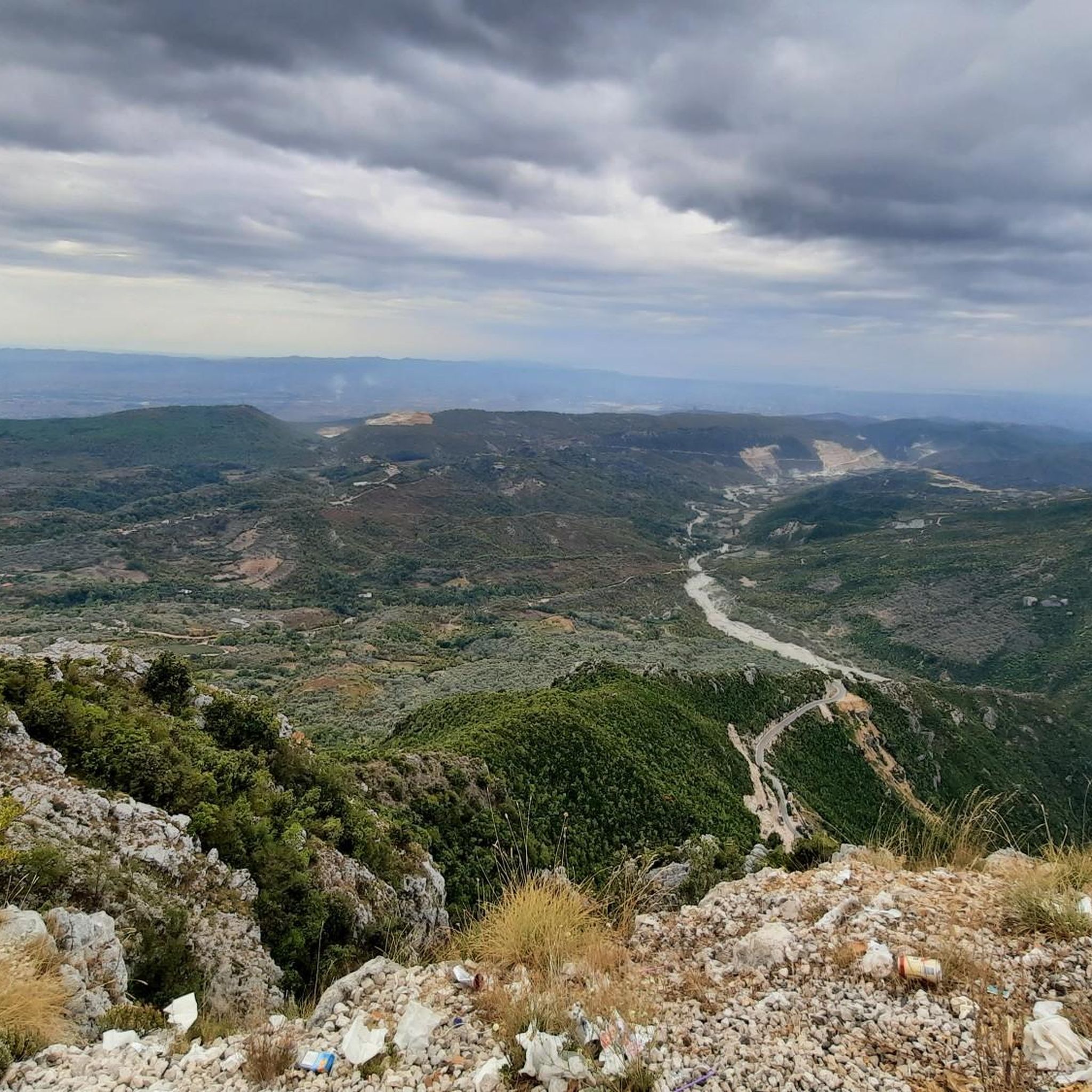
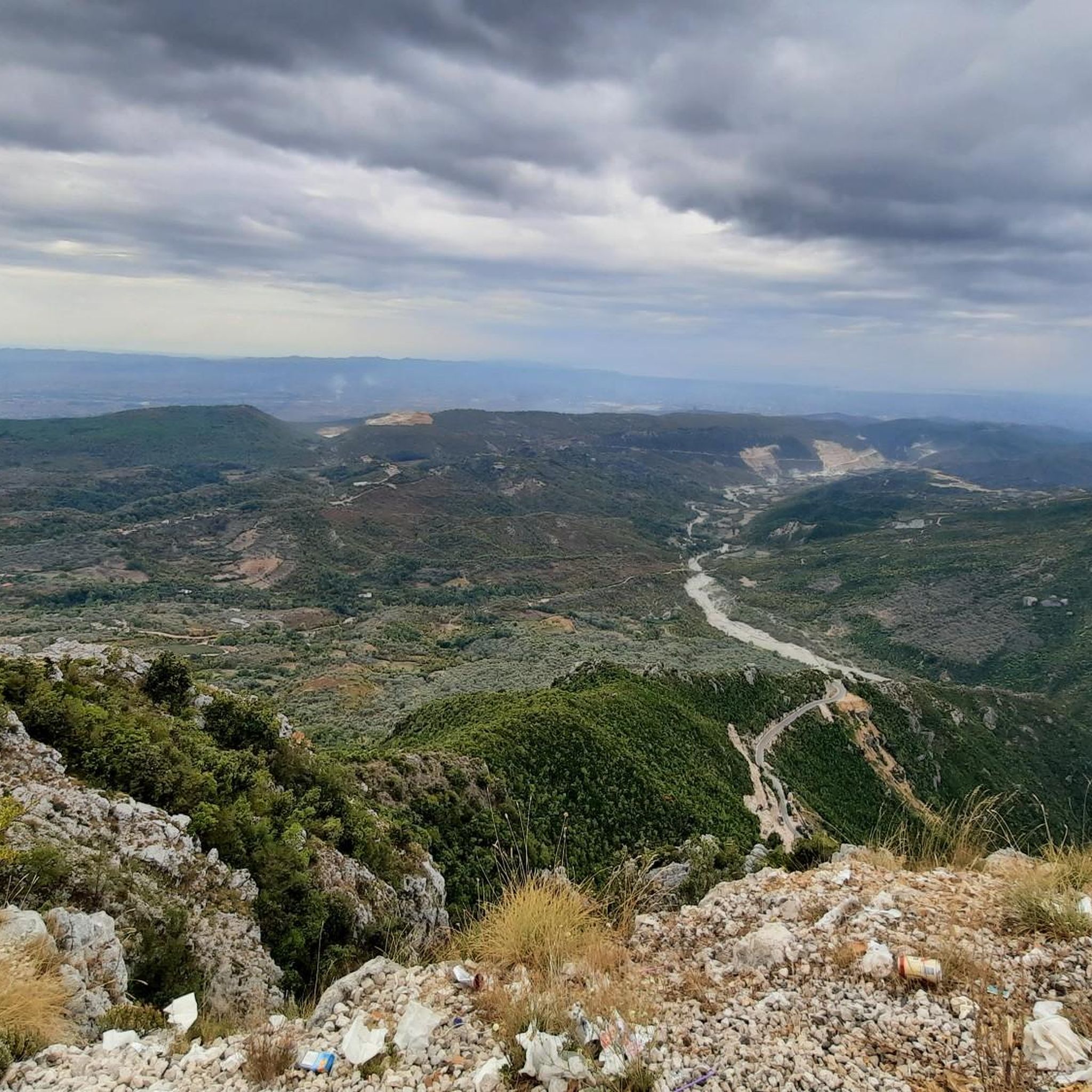
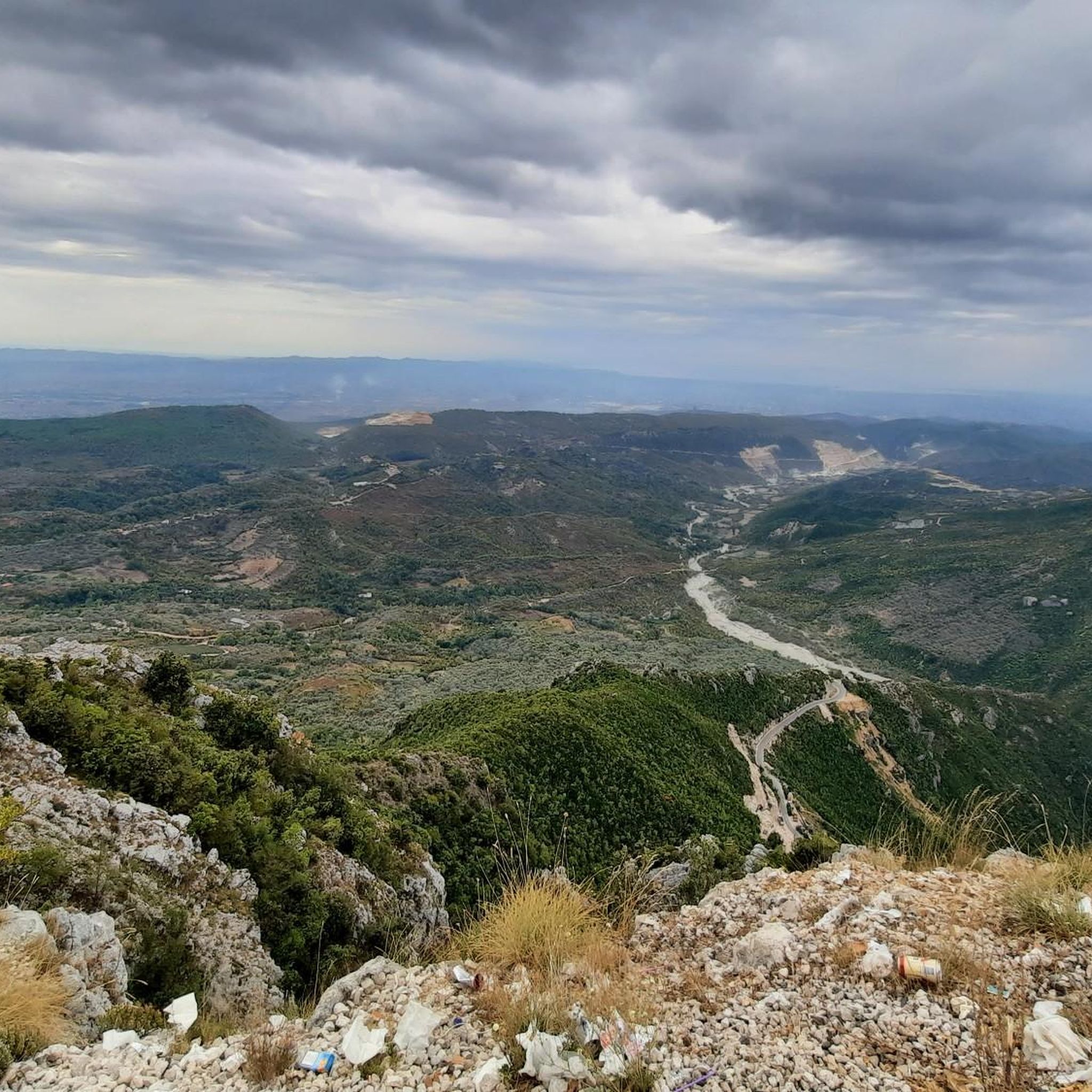
The last few meters to the Balcony of Bovilla viewpoint are via a set of metal stairs anchored directly into the rock face. It is a short but steep passage, technically simple but physically demanding due to the gradient. If you have a fear of heights, you can enjoy a similar panorama from the bottom, but those who take the stairs stand on a steel viewing deck that hangs spectacularly over the canyon.
6
0
Bektashi shrine on the plateau of Mali i Krujës, dedicated to Sari Salltiku, a wandering 13th-century dervish revered as a saint in Albania. According to tradition, he resided in the cave next to the current temple, where he retreated for prayer and meditation. The complex, at 1,150 m, forms the spiritual endpoint of the climb above Krujë, with open views over the valleys.
5
0
Medieval mountain fortress at 598 meters above Krujë, known as the historical center of Skanderbeg's battles. Within the walls lie the Skanderbeg Museum (1980s, in medieval style) and the 18th-century Dollma-tekke. Views over the city, plains, and the Adriatic coast on clear days.
8
0
The Skanderbeg Museum in Krujë is the national tribute to Gjergj Kastrioti Skanderbeg, Albania’s most important historical figure. It stands within the walls of Krujë Castle and was designed in the 80s as a monumental, almost fortress-like museum that evokes the medieval atmosphere of Skanderbeg's struggle. The museum focuses on Skanderbeg and his fight against the Ottoman Empire, featuring weapons, maps, and historical iconography.
7
0
Pazari I Derexhikut or Kruje Bazaar is a small market with small shops mainly aimed at tourists. The bazaar was founded in the 15th century and was restored in the 1960s. Besides small tourist souvenirs, you will also find handmade art objects here.
7
0
The Sint-Antoniuskerk is a 14th-century cultural monument, restored in 2000, located on the Adriatic coast near Durrës (Albania). The building combines Romanesque and Gothic elements with carved stone details on the exterior and historical murals inside. Historically, the church had close ties to a nearby Byzantine monastery of Mary (confirmed in a document from 1418) and served as a burial place for local noble families. Two unique features of the building are the symbol of the double-headed eagle in the stonework and a rare mural of Mamica Kastrioti on horseback, the sister of national hero Skanderbeg. Today, the well-preserved church is accessible on foot and open to visitors.
8
0
Frequently Asked Questions
What historical sites can I explore in Durrës?
Beyond the prominent Durrës Amphitheater and Venetian Tower, you can discover the remains of the Byzantine Forum and Roman Baths, which include sections like the apodyterium (dressing room) and tepidarium (sauna). The Durrës City Walls, constructed around the 5th century AD, are also visible throughout the city.
Are there any museums in Durrës to learn about its past?
Yes, the Archaeological Museum of Durrës houses the largest archaeological collection in Albania, displaying artifacts from Greek to Roman times. For a glimpse into local traditions, the Ethnographic Museum, located in a typical 19th-century Durrës house, showcases traditional costumes and central Albanian craftsmanship.
What natural attractions are there around Durrës?
Durrës offers several natural points of interest. The city boasts the Beach of Durrës, stretching for over six miles along the Adriatic Sea. For a day trip, consider the Cape of Rodon (Kepi i Rodonit), located about 50 km north, which features incredible landscapes and beautiful sandy beaches. Further inland, Bovilla Lake and Gamti Mountain offer scenic views and hiking opportunities.
What outdoor activities or hiking opportunities are available near Durrës?
You can find various outdoor activities, including hiking and cycling. Popular hiking routes include the Bovilla Reservoir loop from Tërkuzë and a moderate route around Durrës Amphitheater and Durrës City Walls. For more options, explore the Hiking in Durrës guide, Road Cycling Routes in Durrës, or MTB Trails in Durrës.
Are there any family-friendly attractions in Durrës?
Many of Durrës's historical sites are suitable for families, including the Durrës Amphitheater and the Venetian Tower. The Beach of Durrës is also a popular spot for families to enjoy the seaside. Additionally, the Vollga Promenade offers a pleasant stroll with parks and public art.
What is the best time to visit Durrës?
Durrës is a coastal city, making the warmer months ideal for enjoying its beaches and outdoor attractions. Late spring (May-June) and early autumn (September-October) offer pleasant weather for exploring historical sites and natural features without the peak summer crowds.
Can I visit any castles or fortresses near Durrës?
Yes, you can visit several castles. The Krujë Castle, dating back to the early 6th century, is a historical treasure located a short distance away. Another option is Rodoni Castle, a 15th-century fortress built by Skanderbeg, situated on the scenic Cape of Rodon.
What are some unique cultural experiences or hidden gems in Durrës?
For a unique cultural experience, visit the Fatih Mosque (Great Mosque), built around 1502-1503 on the ruins of an 11th-century Christian church. You can also explore the Royal Villa of King Zog, perched on a hill overlooking the city and the Adriatic Sea, which served as his summer residence. For local produce, consider a visit to the Duka Winery and Vineyard.
How can I get to attractions in Durrës by public transport?
Durrës has a local bus network that connects various parts of the city, including areas near major attractions. Taxis are also readily available. For specific routes and schedules, it's advisable to check locally upon arrival, as public transport information can vary.
What do visitors enjoy most about Durrës?
Visitors often appreciate the blend of ancient history and coastal charm. The Durrës Amphitheater is frequently highlighted as a must-see, with many noting that even walking around its exterior offers a significant historical experience. The panoramic views from the Venetian Tower are also a favorite among those who visit.
Are there any viewpoints offering scenic panoramas of Durrës?
Yes, the Venetian Tower offers a magnificent view of the city and the water from its roof. Additionally, the Royal Villa of King Zog, situated on a hill, provides excellent vistas over Durrës and the Adriatic Sea. For natural landscapes, the Cape of Rodon and Bovilla Lake areas also boast stunning scenic views.
Most popular attractions in Durrës

Get inspired with the komoot mobile app


Explore more
Still not found the Highlight you’re looking for? See guides of the top attractions in other regions:
