The best MTB trails around Kirchroth
4.6
(71)
335
riders
47
rides
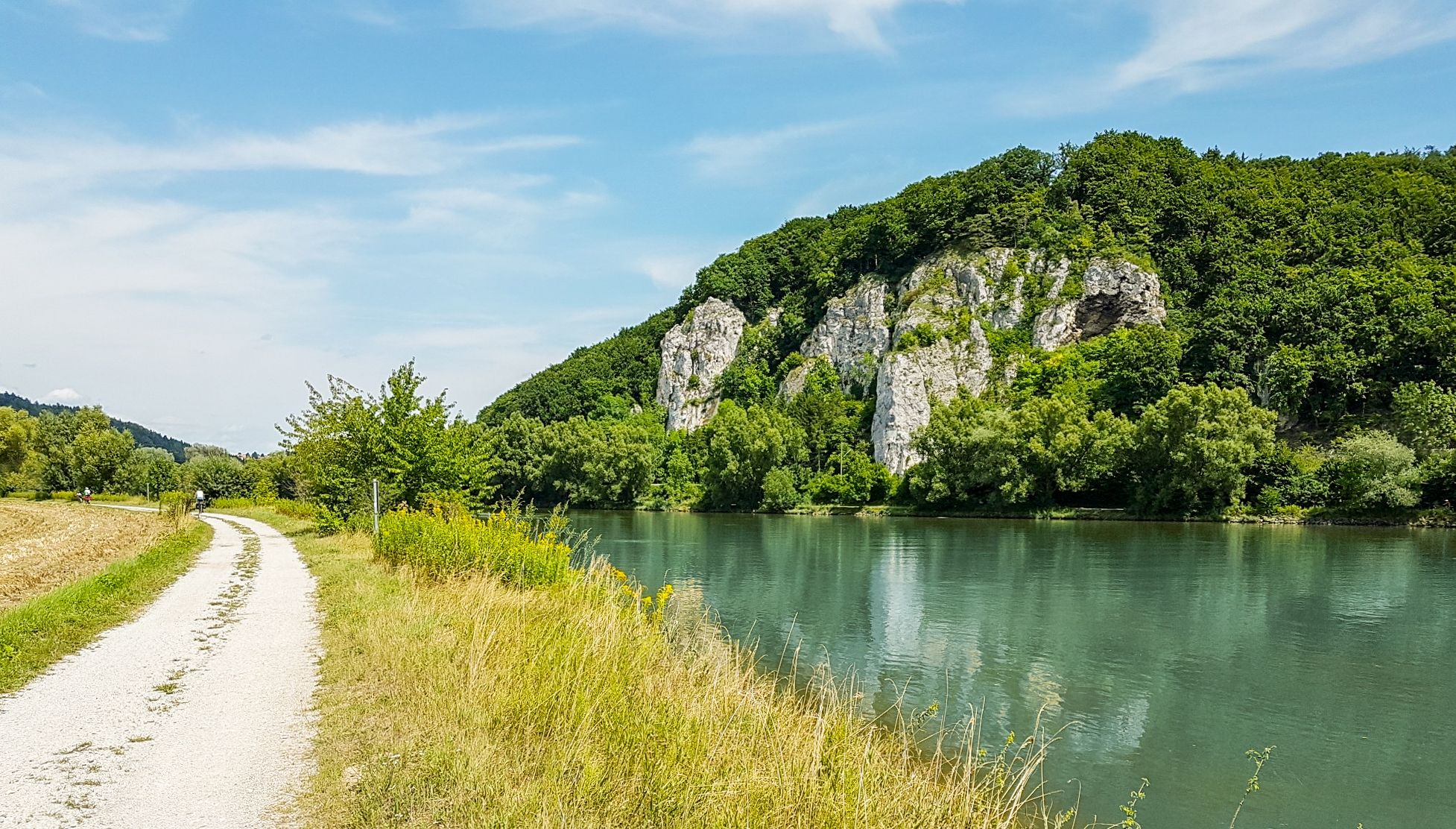
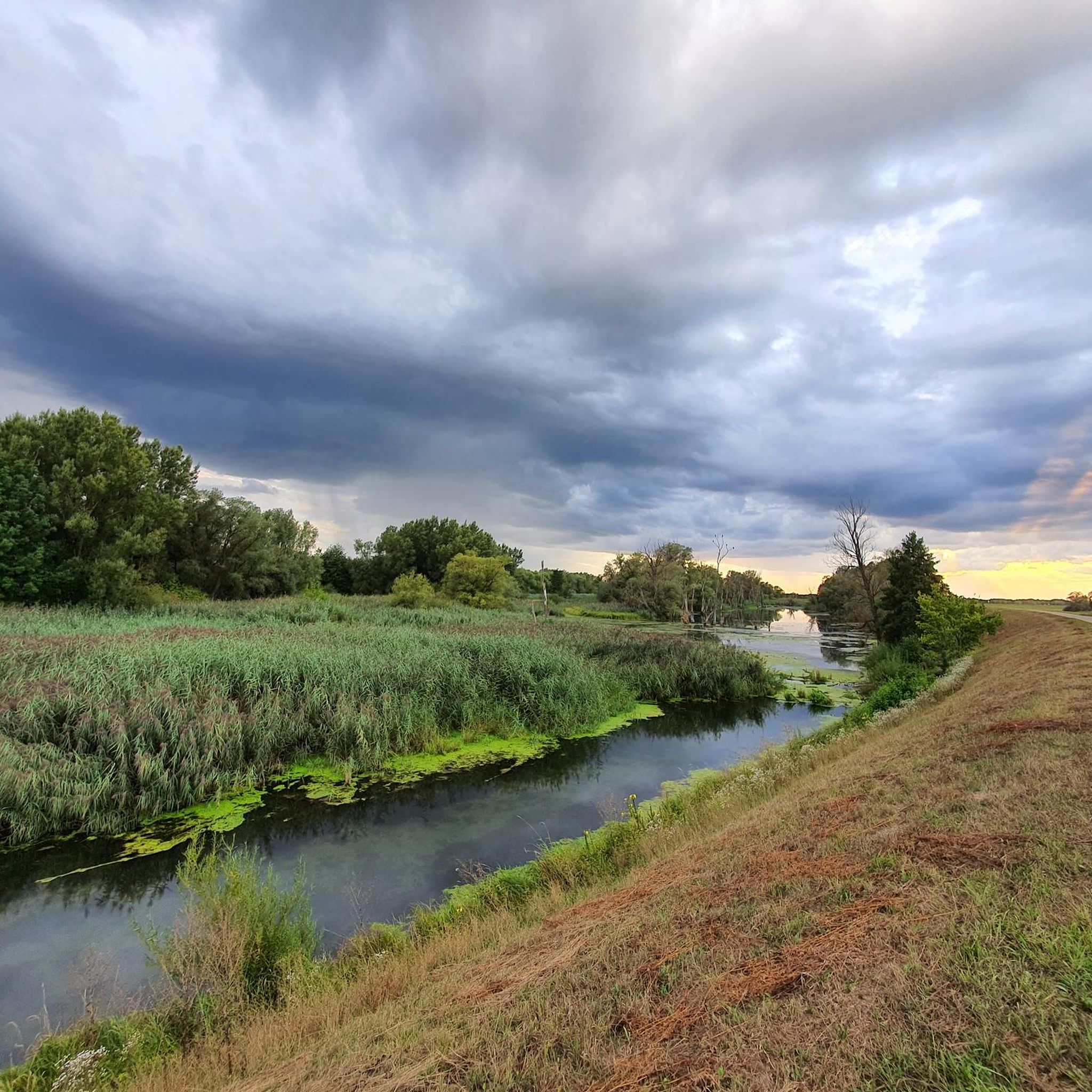
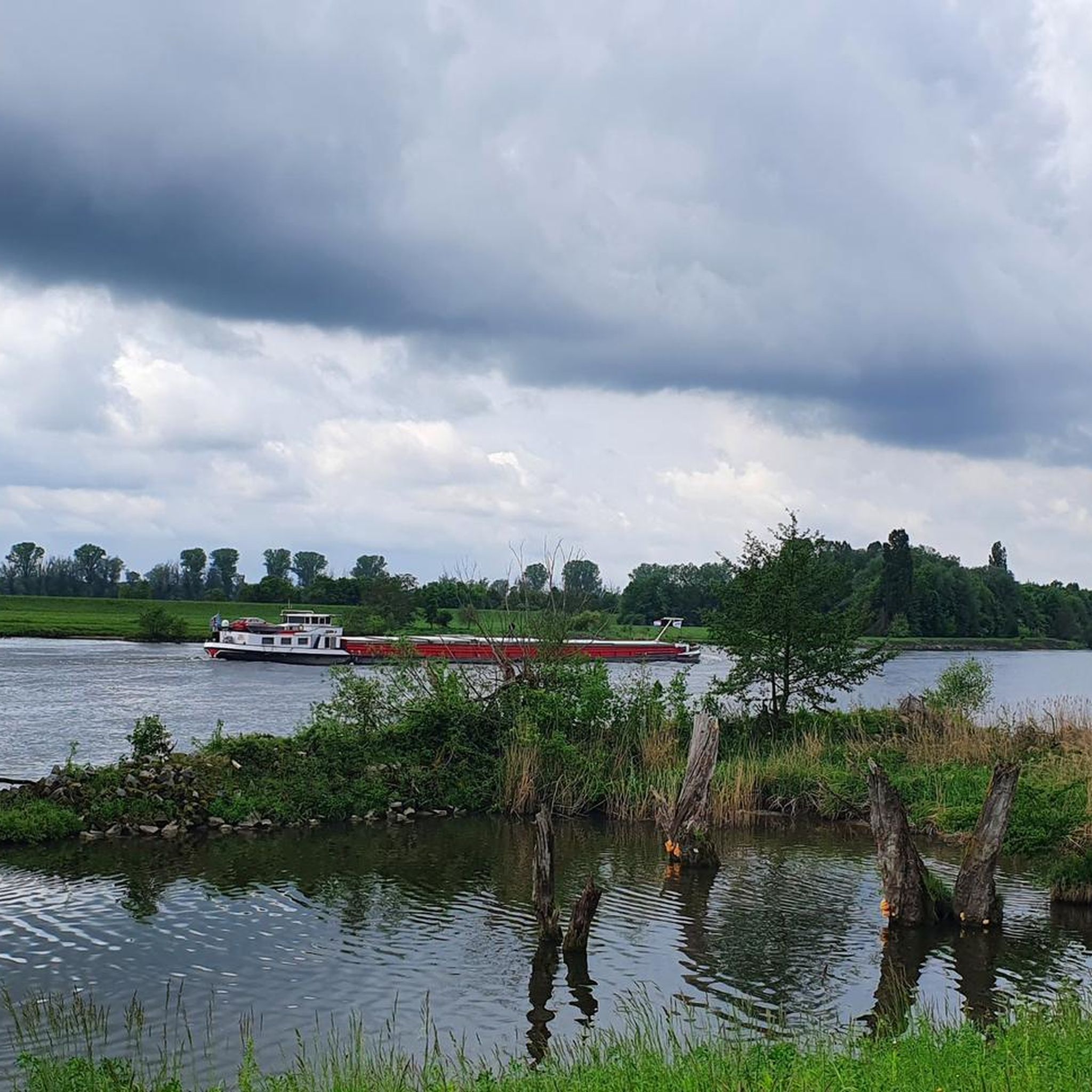
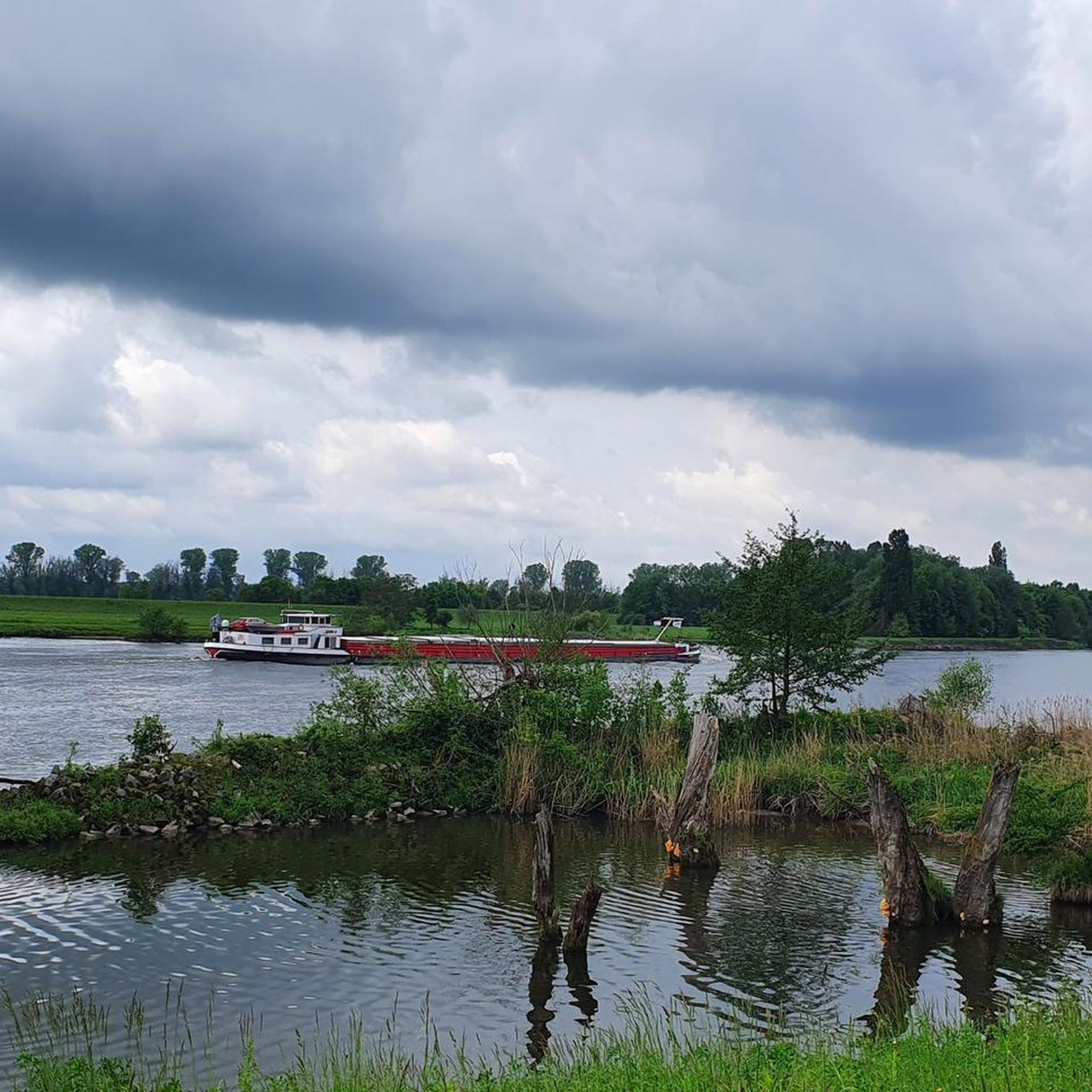
Mountain biking around Kirchroth offers diverse terrain characterized by picturesque forests and rolling hills. The region's landscape is shaped by the Danube River and its floodplains, providing varied environments for trails. Riders can explore routes that wind through tranquil woodlands and along riverine paths. The area features a mix of elevation changes, from gentle slopes to more challenging climbs.
Best mountain bike trails around Kirchroth
- The most popular mountain bike trail is Goldsteig Singletrail Section – Trail 8: Rooty Fun…
Last updated: July 4, 2026
4.5
(10)
46
riders
31.5km
02:27
510m
510m
Moderate mountain bike ride. Good fitness required. Suitable for all skill levels.
4.7
(3)
23
riders
Moderate mountain bike ride. Good fitness required. Suitable for all skill levels.

Sign up for free
4.7
(6)
13
riders
23.5km
01:54
500m
500m
Moderate mountain bike ride. Good fitness required. Suitable for all skill levels.
4.6
(7)
16
riders
Moderate mountain bike ride. Good fitness required. Suitable for all skill levels.
5.0
(9)
13
riders
22.0km
01:38
420m
420m
Moderate mountain bike ride. Good fitness required. Suitable for all skill levels.
Get access to more routes and recommendations from other explorers.
Sign up for free
Already have an account?
Our route recommendations are based on thousands of hikes, rides, and runs completed by other people on komoot.
Start today with a free account
Your next adventure awaits.
Login or Signup
Other adventures around Kirchroth

Tips from the Community

Beautiful viewpoint with shelter
0
0

Pilgrimage Church of St. John Called "St. John by the Oak", the first beginnings were probably a wayside cross or a small chapel as a resting place for the carters on the old road that led from Italy across the Danube to Bohemia. In 1664 it was mentioned as a small chapel with a portable altar that had been desecrated by the Swedes during the Thirty Years' War. The current church is an attractive baroque building from around 1721, very nicely situated next to a small property. The nave has three window axes and a flat ceiling. The slightly recessed choir of one bay closes off on three sides. Tuscan pilasters structure the entire room. The west gallery with a curved parapet is supported by two wooden columns. The west portal has a straight lintel. The square projecting west tower stands in the central axis; the top of its three floors has bevelled corners and a shingled onion dome. The portal vestibule has a cross vault. A beautiful frame stucco from the time the church was built has been applied to the nave ceiling. The high baroque altar dates from 1729, with two straight and two twisted columns, between them the altarpiece of the Baptism of Christ by John, created around 1670. In the elevator between volute pilasters is the image of the Immaculata, framed by acanthus carvings. The antependium has foliage carvings. The early baroque side altars were made in 1609 in the Windberg monastery and bought at auction for St. Johann in 1803. Two columns flank each shell niche. In the niches on the left are Mary with the child on a crescent moon, in the elevator St. Anne Selbdritt; on the right St. Sebastian, in the elevator St. Florian. The originals of the elevator figures were stolen in the 1960s. The confessional is a stylish baroque creation from the beginning of the 18th century. Major restorations took place in 1879, 1968 and 1985. The current organ comes from Haunkenzell and was installed in 2004. The roof structure and interior were completely restored from 2009 to 2011. Source: Extracts from information boards and pilgrimage churches in the diocese of Regensburg
2
0
St. Joseph's Castle Chapel Built on medieval castle walls and dedicated to St. George as a castle chapel. In 1693 a new building was built in honor of the Holy Family, especially St. Joseph, with the founding of a St. Joseph's Brotherhood by Baroness Theresia von Weichs. Devastated by fire in 1807, the church was rebuilt with changes. In 1888, the tower and roof structure burned out again due to a lightning strike, and the tower was given a crenellated crown when the new building was built. In 1897, it was expanded to its current size with neo-baroque interior design. In 1967, the church was completely remodeled, with the ceiling and roof structure being renewed and the interior redesigned. From 1991 to 1993, it was renovated again, restoring the original condition and returning the late baroque altar and the figures of saints. The renovated church and the people's altar were consecrated on March 21. Source: information board
2
0
Falkenfels Castle Around 1100, the Counts of Bogen built the castle on the rock that slopes steeply on three sides. From 1232, the Knights of Hohenfels ruled the castle, and from 1400, the Falkensteiners of Falkenfels. In 1331, “Valkenfelss” is mentioned in a copy from the 15th century as a landed estate. In 1425, the castle came into the possession of the Frauenbergers and remained so until their extinction in 1480. The castle was plundered by the Hussites in 1425 and conquered by troops of Duke Albrecht IV in the Böckler War in 1468. The Frauenbergers were followed by the Paulsdorfers. In the Löwler War, the castle was besieged for a week in 1492 and burned down after the capitulation on June 8, 1492, but was then rebuilt by Hans von Paulsdorf. In 1525, the property passed to the Seyboltstorffer family through marriage. From 1607 to 1796, the noble family of Barons von Weichs owned Falkenfels Castle. In the Thirty Years' War, the castle was set on fire by the Swedes in 1641, but was then rebuilt. On April 15, 1796, Josef Maria von Weichs sold Falkenfels and the associated manorial estates to Baron Gabriel von Buchstetten for 320,000 guilders. In 1807, the castle was again burned down, but was rebuilt. After the end of the Falkenfels manorial estate, the castle economy was destroyed in 1820. In 1821, the Lang family acquired the castle and set up a brewery here, which lasted until 1934. In 1925, a fire destroyed large parts of the complex, after which it was only partially rebuilt. From 1919 to 1950, the castle belonged to the Schimmelmann family. On May 8, 1951, the furniture manufacturer Franz Xaver Baier from Straubing bought the castle and converted it into a hotel with a restaurant. The castle was also increasingly used as a conference and congress building. Since 2001, the castle has belonged to the publisher Udo Sieber. Falkenfels Castle was originally surrounded by two terraced ring walls, one above the other. Today, the fortifications are only preserved on the north side. Approximately in the middle of the east side is the keep from the 13th century, the battlements are from a later period. The baroque castle chapel of St. Joseph was built in the 17th century on medieval foundations. It contains gravestones of Falkenfels castle lords. The outer areas of Falkenfels Castle are freely accessible, otherwise it serves as a castle hotel and restaurant. Source: Excerpts from www.wikipedia.de
3
0

Nice home stretch. Very quiet stretch
0
0
Wind turbines are always worth a trip afterwards you can take a break at the Schiederhof
0
0
Very nice trail route
0
0
Very nice area. Quiet in the evening too
0
0
Frequently Asked Questions
How many mountain bike trails are available around Kirchroth?
Kirchroth offers a wide selection of mountain bike trails, with over 40 routes available. These range from easy to difficult, catering to various skill levels.
What kind of terrain can I expect on mountain bike trails around Kirchroth?
The terrain around Kirchroth is diverse, featuring picturesque forests, rolling hills, and sections along the Danube River floodplains. You'll find a mix of gentle slopes and more challenging climbs, with some routes, like the Goldsteig Singletrail Section – Trail 8: Rooty Fun at Büscherl loop from Kirchroth, offering technical sections with varied surfaces.
Are there any challenging mountain bike trails for experienced riders in Kirchroth?
Yes, experienced riders can find challenging routes. For instance, the Pilgrimage Trail Singletrack – St. Sixtus Church on the Gallner loop from Kirchroth is a difficult 45.7 km trail with significant elevation gain, leading through varied singletrack terrain.
Can I find family-friendly mountain bike routes in Kirchroth?
While many mountain bike trails in Kirchroth involve varied terrain and elevation, there are easier options available. The region's proximity to the Danube Cycle Path also provides opportunities for more relaxed rides suitable for families, though these might not be dedicated mountain bike trails.
What are some scenic viewpoints or natural attractions along the mountain bike routes?
Many routes offer scenic views of the Danube River and its landscapes. You can also find natural highlights such as the Bogenberg, visible from the old Danube arm, or the Gmünder Au Danube Wetland. The Schiederhof Forest Inn – Wald Wind Farm Schiederhof loop from Obermiethnach also passes a wind farm with scenic views.
Are there any historical landmarks or castles I can visit near the trails?
Yes, the Kirchroth area is rich in historical sites. You can explore impressive structures like Wörth an der Donau Castle, Mitterfels Castle, or the Ducal Castle Straubing. The nearby Bogenberg also features a significant pilgrimage church.
Where can I find parking for mountain bike trails in Kirchroth?
Specific parking information varies by trailhead. Many routes, like those starting from Kirchroth or Obermiethnach, typically have designated parking areas nearby. It's advisable to check the individual route details on komoot for precise starting points and parking recommendations.
What is the best time of year for mountain biking in Kirchroth?
The spring, summer, and autumn months generally offer the best conditions for mountain biking in Kirchroth. The weather is usually mild, and the trails are dry. Winter riding might be possible, but conditions can be challenging due to snow or ice.
Are there many loop trails available for mountain biking in Kirchroth?
Yes, many mountain bike routes in Kirchroth are designed as loops, allowing you to start and end at the same point. Examples include the Goldsteig Singletrail Section – Trail 8: Rooty Fun at Büscherl loop from Kirchroth and the Schwedenschanze (800 m) – Schiederhof Forest Inn loop from Untermiethnach.
What do other mountain bikers say about the trails in Kirchroth?
The mountain bike trails in Kirchroth are highly regarded by the komoot community, with an average rating of 4.7 stars from over 60 reviews. Riders often praise the varied terrain, the scenic forest sections, and the engaging singletrack experiences.
Are there options for a post-ride meal or accommodation near the trails?
Yes, Kirchroth and nearby towns like Straubing and Bogen offer various amenities. You can find restaurants, cafes, and pubs for post-ride refreshments. There are also accommodation options available in the region for those looking to extend their stay.
What are the typical durations and distances for mountain bike routes in Kirchroth?
Mountain bike routes in Kirchroth vary significantly in duration and distance. You can find shorter rides, but many popular trails range from 20 km to over 45 km, with durations from 2.5 hours to over 4 hours, depending on the route and your pace. For example, the Schiederhof Forest Inn – Trail 8: Rooty Fun at Büscherl loop from Obermiethnach is about 31.7 km and takes around 2 hours 45 minutes.
Most popular routes around Kirchroth
Most popular attractions around Kirchroth

Get inspired with the komoot mobile app


Explore more
Browse the best MTB trails in other regions.
