The 20 Most Amazing Peaks in Toledo
Mountain peaks in Toledo, Spain, are primarily found within the Montes de Toledo mountain range. This range acts as a natural divide between the Tagus and Guadiana river basins, featuring diverse landscapes and significant elevations. The city of Toledo itself is situated at 533 meters above sea level, providing a gateway to these natural features. The region is characterized by its well-preserved ecosystems and opportunities for outdoor exploration.
Best mountain peaks in Toledo
- The most popular mountain peaks is Noez Peak, a summit that offers panoramic views of the plains and the Montes de Toledo from its 1034-meter elevation. From its top, the silhouette of the Sierra Layos is visible to the northeast.
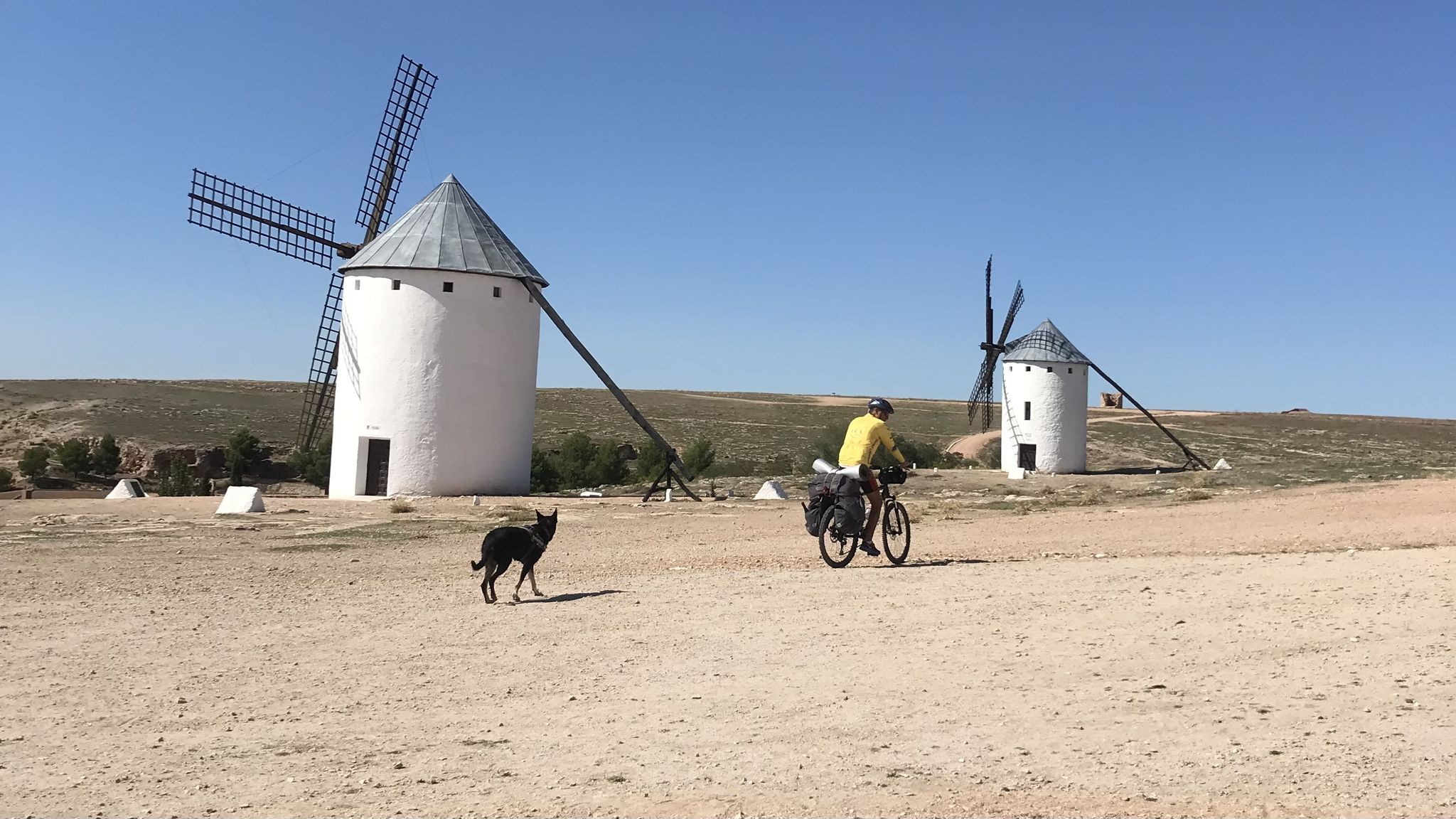
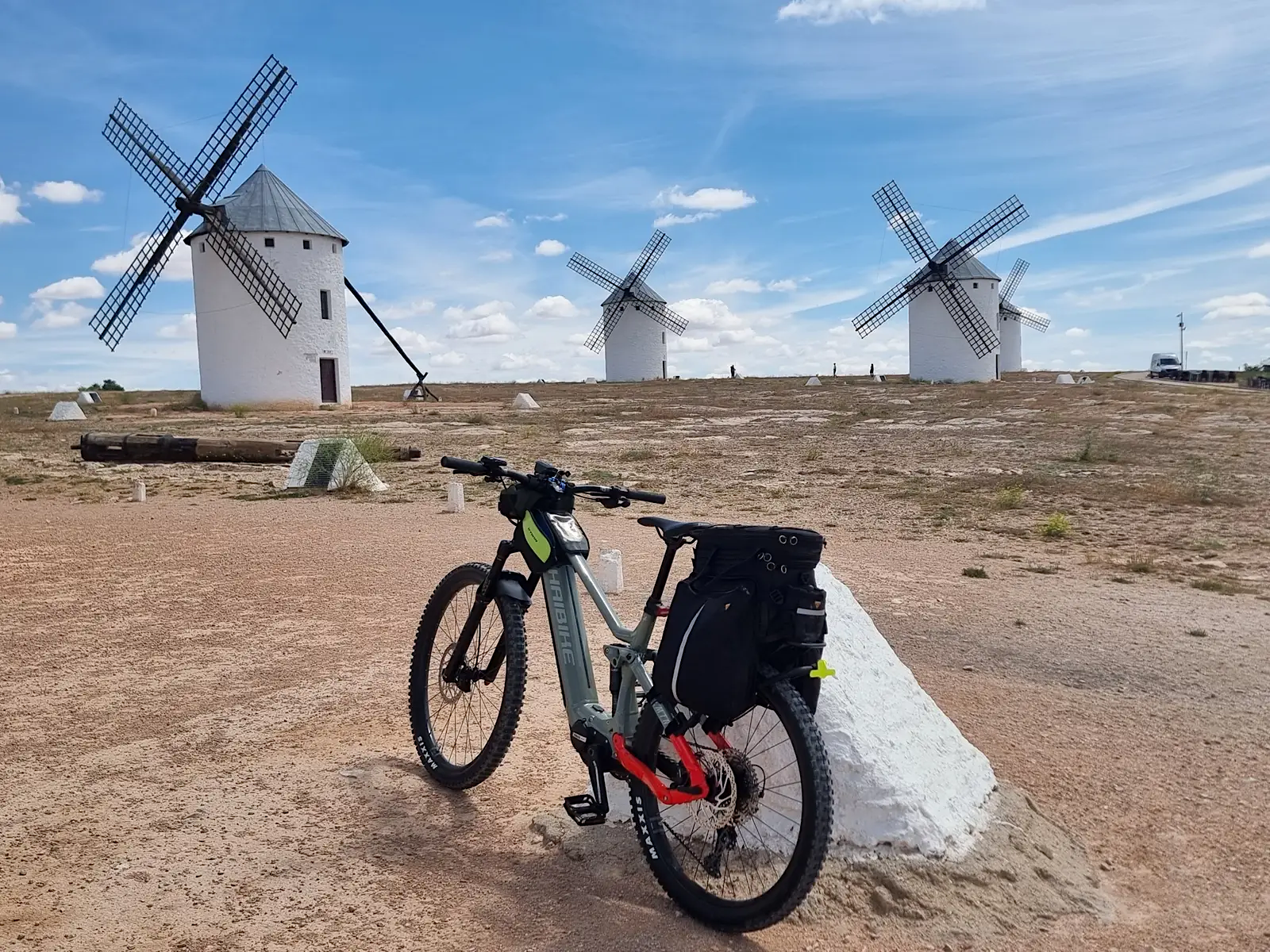
- Another must-see spot is Calderico Hill, a natural monument. This limestone elevation is home to a castle and windmills that extend along its top, offering views of the surrounding La Mancha plain.
- Visitors also love Pico Rocigalgo, a summit that is the highest mountain in the province of Toledo and one of the highest in the Montes de Toledo. It is located within Cabañeros National Park.
- Toledo is known for its diverse summits, natural monuments, and historical sites. The region offers a variety of mountain peaks to see and explore, ranging from challenging climbs to viewpoints with historical landmarks.
- The mountain peaks in Toledo are appreciated by the komoot community, with 30 upvotes and 41 photos shared across the highlights.
Last updated: August 23, 2026
Calderico Hill
Highlight • Natural Monument
The Hill rises in the middle of the La Mancha plain, being visible for many kms. away and printing Consuegra (Toledo) with its own stamp of identity. As the most relevant heritage elements we find the Castle and the Windmills that extend along its top following its longitudinal profile. Its views of the mills and castle, worth seeing.
Translated by Google •
Tip by

Almonacid Castle
Highlight • Castle
Translated by Google •
Tip by
Sign up now to discover places like this
Get recommendations on the best single tracks, peaks, & plenty of other exciting outdoor places.
Sign up for free
Noez Peak
Highlight • Summit
Translated by Google •
Tip by

San Vicente Hill (1320m)
Highlight • Summit
Translated by Google •
Tip by
Pico Rocigalgo
Highlight • Summit
Translated by Google •
Tip by
El Piélago Pass
Highlight (Segment) • Mountain Pass
Translated by Google •
Tip by

Mount Magán
Highlight • Summit
Translated by Google •
Tip by
Cerro Gordo de la Oliva
Highlight • Summit
It forms part of a mountain range approximately 3 km long and 1 km wide, with its summit, Pico Oliva, reaching 901 meters.
From the summit: panoramic views extend towards the Sierra de Nambroca, Cerro Marica, Nambroca, Burguillos, Ajofrín, Sonseca, Villaminaya, Mascaraque, Mora, and Almonacid Castle.
Translated by Google •
Tip by
Summit of Sierra Calderina
Highlight • Summit
Translated by Google •
Tip by
Sierra Morena
Highlight • Natural
Translated by Google •
Tip by
Sign up for free to discover even more peaks in Toledo.
Sign up for free
Already have an account?
Start today with a free account
Your next adventure awaits.
Login or Signup
Popular around Toledo
Don Quixote's route – The knight of the sorry face
Around the World in 80 Days
Following in the footsteps of the Lusitanian leader — Viriato Path GR 63
Route of Don Quixote – cycling between rivers, lagoons and hills
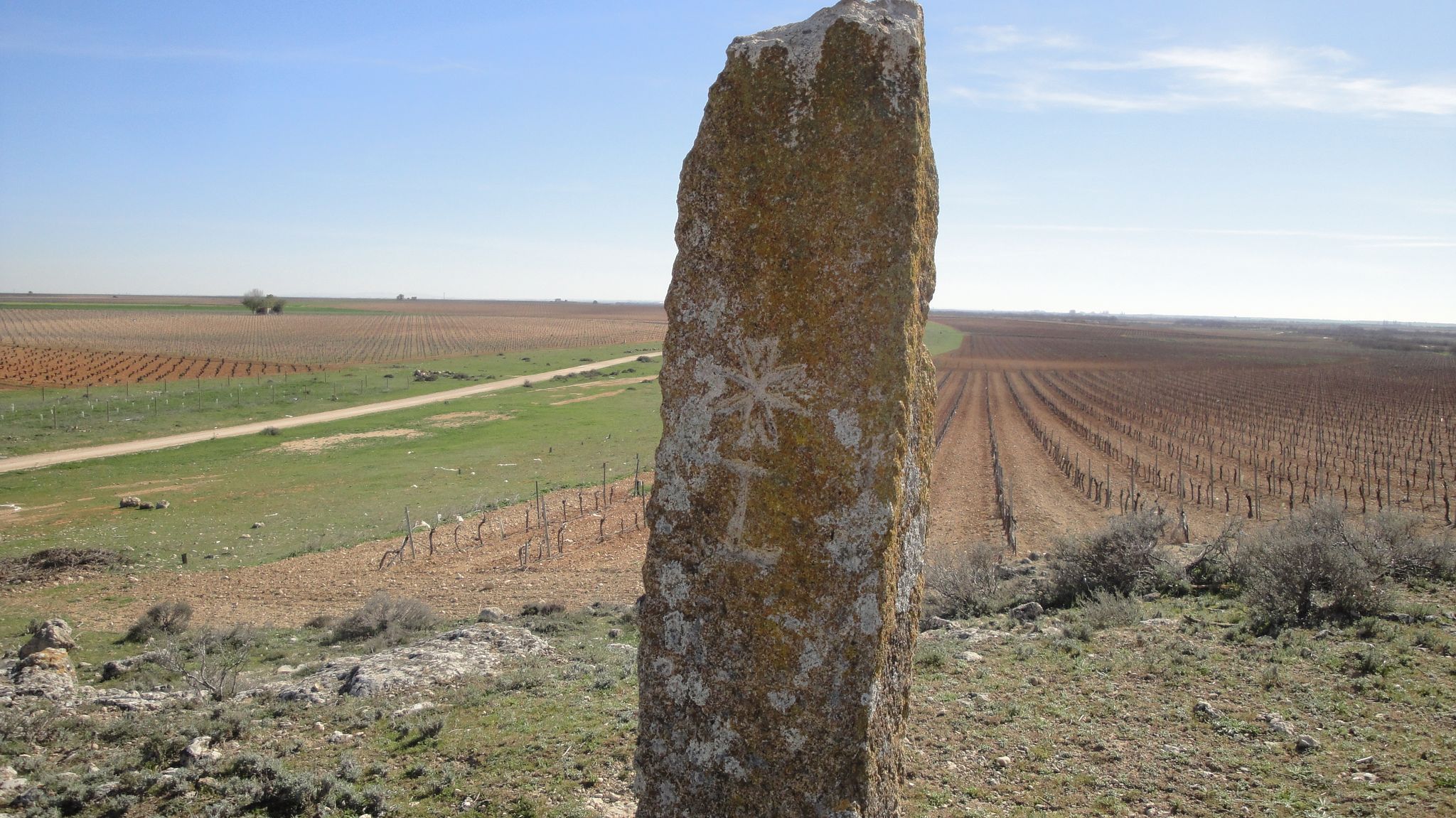
The Reconquest of La Mancha on Foot - Camino Natural del río Riánsares
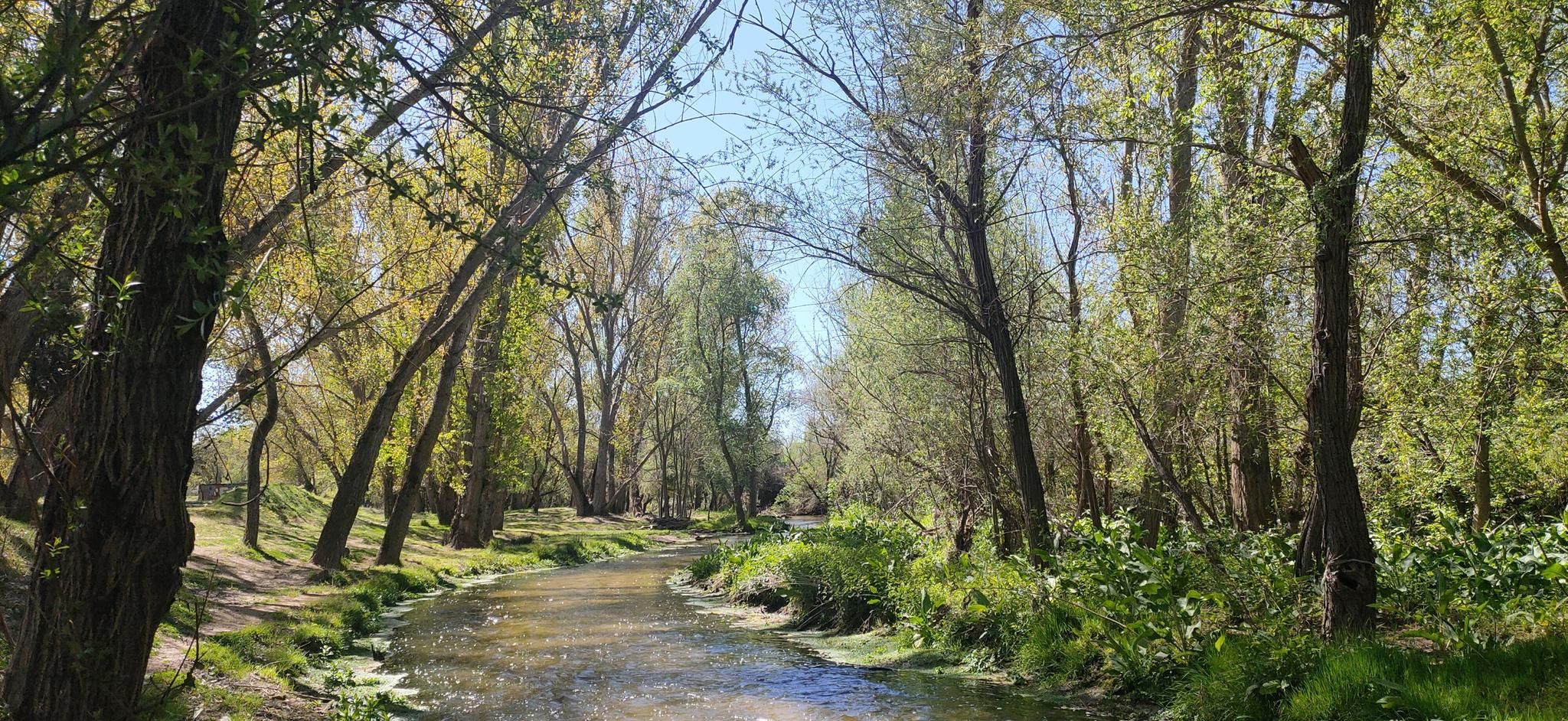
Hidden treasures in the river – hike along Spain’s Guadarrama River
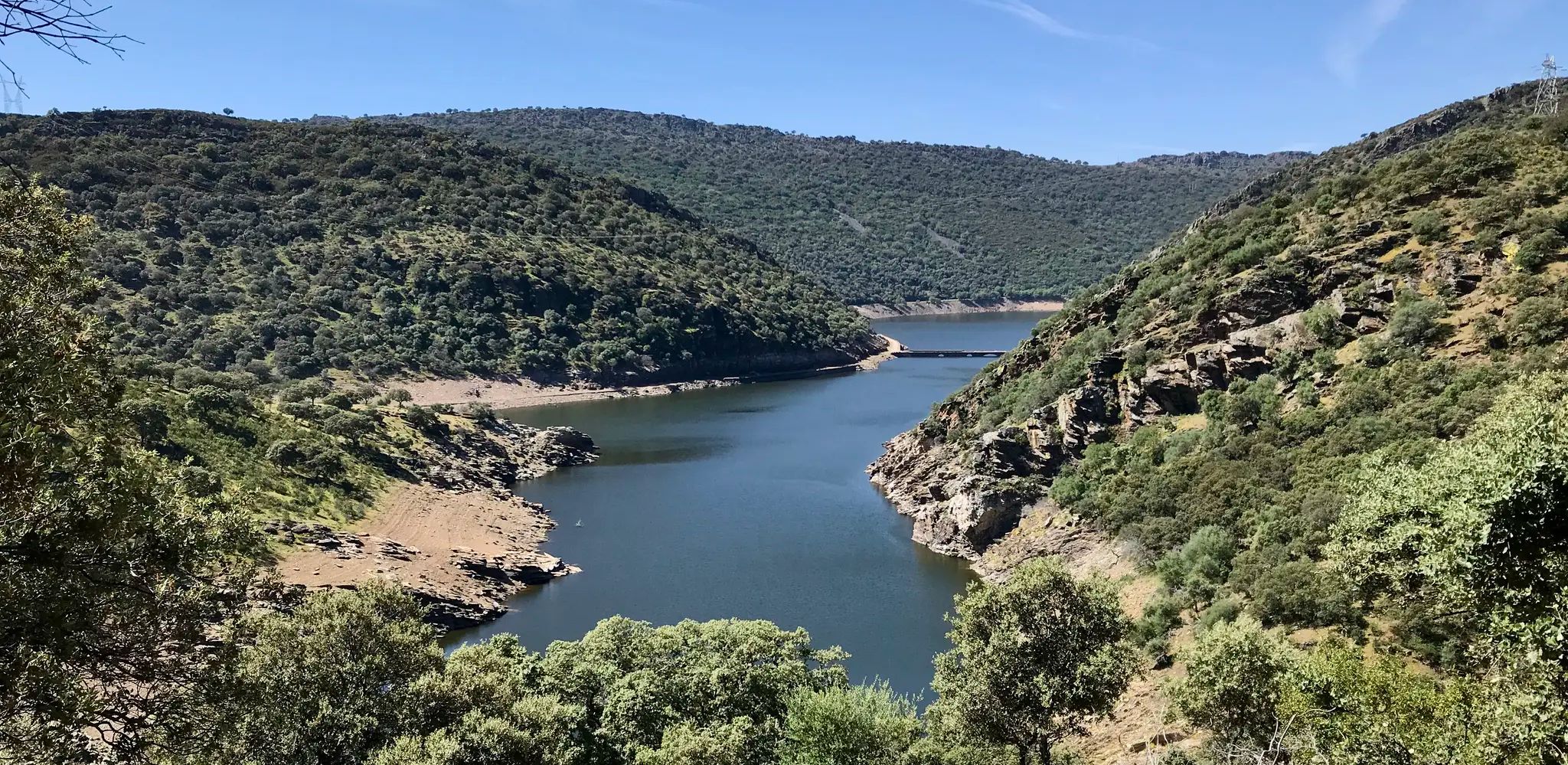
Toledo to Cedillo – Camino Natural del Tajo West
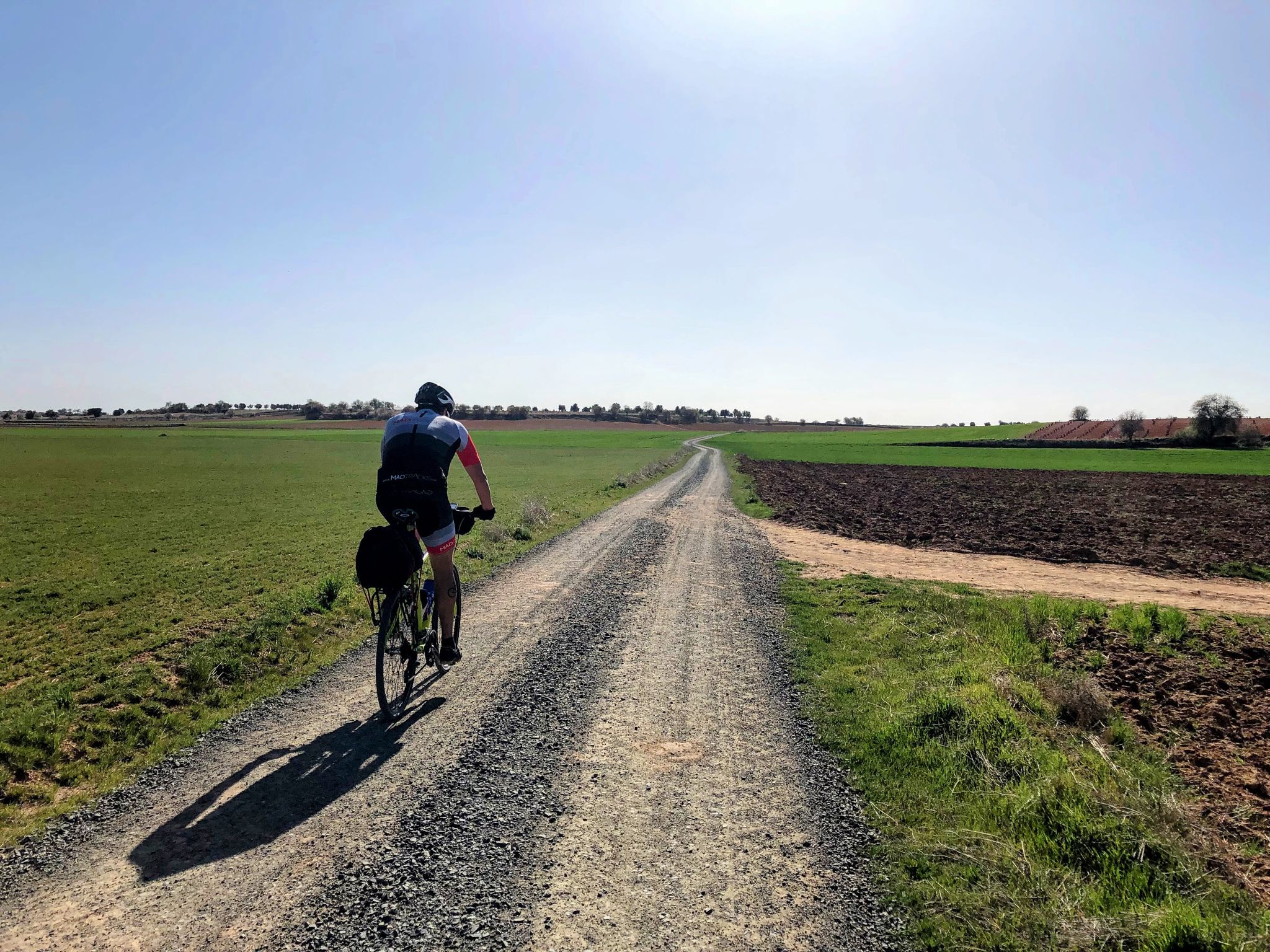
In search of the coast – Madrid to Puerto de Mazarrón
A Stronghold of Lusitania – explore the Viriato Trail on MTB
A gravel pilgrimage – Toledo to Guadalupe (GR 166)
Other adventures in Toledo


Tips from the Community

El Cerro Calderico is the great icon of Consuegra, with the Muela castle and its windmills on its summit.
1
0

If you survive the first corner, the rest is done.
0
0

Currently, it is not possible to climb to the castle because a tower has collapsed.
0
1

Pico de Noez, in the Sierra de Noez mountain range (municipality of Noez, Toledo), reaches an altitude of 1034 meters, making it the highest point in the central part of the province. It stands in isolation south of the Tagus River plain, within the Montes de Toledo mountain range. At the summit, there is a geodetic marker and a compass rose carved in granite, with inscriptions from the surrounding villages (Pulgar, Polán, Guadamur, etc.).
3
0
Cerro Gordo de la Oliva is a 900-meter peak located in the Sierra de la Oliva mountain range, part of the Montes de Toledo, within the municipalities of Villaminaya (Toledo) and Almonacid de Toledo (Castilla-La Mancha). It forms part of a mountain range approximately 3 km long and 1 km wide, with its summit, Pico Oliva, reaching 901 meters. From the summit: panoramic views extend towards the Sierra de Nambroca, Cerro Marica, Nambroca, Burguillos, Ajofrín, Sonseca, Villaminaya, Mascaraque, Mora, and Almonacid Castle.
2
0
Calderico Hill rises from the plains of La Mancha, visible for miles around and giving Consuegra (Toledo) its distinctive character. Its most notable heritage features are the castle and the windmills that line its summit, following its longitudinal profile. The views of the windmills and castle are truly worth seeing.
3
0
A classic climb for local cyclists, with stunning views, although you'll have to work up a sweat to enjoy them.
0
1
A fun climb and descent to this low-mountain area of Villacañas.
0
0
Frequently Asked Questions
What are the Montes de Toledo?
The Montes de Toledo are a significant mountain range in the Iberian Peninsula, acting as a natural divide between the Tagus and Guadiana river basins. They are characterized by diverse landscapes and well-preserved ecosystems, including the Cabañeros National Park, known for its intact Mediterranean forest. The city of Toledo itself is situated at 533 meters above sea level, serving as a gateway to these mountains.
Which mountain peak is the highest in the province of Toledo?
The highest mountain peak in the province of Toledo is Pico Rocigalgo (also known as Corocho de Rocigalgo), reaching 1,447 meters (4,747 feet). It is located within the Cabañeros National Park, in the municipality of Los Navalucillos.
Which peaks offer the best panoramic views in the Toledo mountains?
Several peaks in the Toledo mountains provide excellent panoramic views. Noez Peak, at 1,034 meters, offers beautiful vistas of the plains and the Montes de Toledo, with the Sierra Layos visible to the northeast. San Vicente Hill (1,320m) provides extensive views of the Toledo area, and on clear days, even the Sierra de Gredos can be seen. Additionally, Cerro Gordo de la Oliva (900m) offers panoramic views of surrounding areas, including the Sierra de Nambroca.
Are there any historical sites or castles associated with the mountain peaks in Toledo?
Yes, the region combines natural beauty with historical significance. Calderico Hill is a notable example, featuring a castle and windmills along its top, offering views of the La Mancha plain. Almonacid Castle is another historical site located on an elevated position, providing both cultural interest and scenic viewpoints.
What is the best time of year to visit the mountain peaks in Toledo for hiking?
The Montes de Toledo are generally best visited during the spring (March to May) and autumn (September to November) months. During these seasons, the weather is typically mild and pleasant for hiking, and the natural landscapes are vibrant. Summers can be very hot, and winters, while generally mild, can bring colder temperatures and occasional snow at higher elevations.
Are there family-friendly hiking options in the Montes de Toledo?
While specific 'family-friendly' categories aren't always explicitly tagged for every peak, many areas within the Montes de Toledo offer trails suitable for families. For instance, the Cabañeros National Park, where Pico Rocigalgo is located, has various routes, some of which are less strenuous and can be enjoyed by families. It's advisable to check the difficulty level of individual trails, as some peaks like Rocigalgo are considered challenging.
What kind of outdoor activities can I do near the mountain peaks in Toledo?
The region around Toledo's mountain peaks offers a variety of outdoor activities. You can explore numerous running trails, such as the 'Los Riscos de Yebenes - circular trail run by windmills' or the 'River Tajo Nature Trail'. For mountain biking enthusiasts, there are routes like the 'Camino Natural del Tajo and Barrancas de Burujón Loop'. Road cyclists can enjoy routes like the 'Montes de Toledo: Alto de las Paradas Loop'. You can find more details on these activities and routes in the respective guides for Running Trails in Toledo, MTB Trails in Toledo, and Road Cycling Routes in Toledo.
Are there any challenging mountain passes for cyclists in the Toledo region?
Yes, the Toledo region features challenging mountain passes. El Piélago Pass is known as one of the most demanding and emblematic passes in the province of Toledo, particularly popular among cyclists in the Sierra de San Vicente. It offers beautiful views and can be combined with routes in multiple directions.
Where can I find accommodation or cafes near the Montes de Toledo hiking trails?
Towns and villages surrounding the Montes de Toledo, such as those near Cabañeros National Park or in the Sierra de San Vicente area, offer various options for accommodation, cafes, and pubs. These local establishments cater to visitors exploring the natural beauty of the region. Specific recommendations would depend on the exact trail or peak you plan to visit.
What makes Mount Magán a worthwhile climb?
Mount Magán, though involving a somewhat steep ascent, is highly regarded for the incredible views it offers of the northern area of Toledo. The effort to reach its summit is well worth it for the panoramic reward.
Are there any specific natural monuments among the peaks in Toledo?
Yes, Calderico Hill is recognized as a natural monument. This limestone elevation, with its distinctive castle and windmills, rises prominently from the La Mancha plain. Pico Rocigalgo is also part of the Cabañeros National Park, which is a significant natural area.
Most popular routes in Toledo
Most popular attractions in Toledo

Get inspired with the komoot mobile app


Didn’t find what you were looking for?
Discover Toledo’s best peaks and summits by region:
Explore more
See even more amazing summits in Toledo with these guides:
