Attractions and Places To See in Cuenca - Top 20
Attractions and places to see in Cuenca, Spain, encompass a diverse array of historic landmarks, cultural sites, and natural landscapes. The city is characterized by its dramatic setting amidst deep gorges and river valleys. Its rich heritage is evident in its well-preserved architecture and significant historical locations. Visitors can explore both urban cultural offerings and extensive outdoor natural features, including many hiking trails in Cuenca.
Best attractions and places to see in Cuenca
- The most popular attraction is Uña Lagoon…
Last updated: August 30, 2026
Uña Lagoon
Highlight • Lake
Translated by Google •
Tip by

Enchanted City
Highlight (Segment) • Natural Monument
Translated by Google •
Tip by

Sign up now to discover places like this
Get recommendations on the best single tracks, peaks, & plenty of other exciting outdoor places.
Sign up for free
Cuenca Cathedral
Highlight • Religious Site
Translated by Google •
Tip by
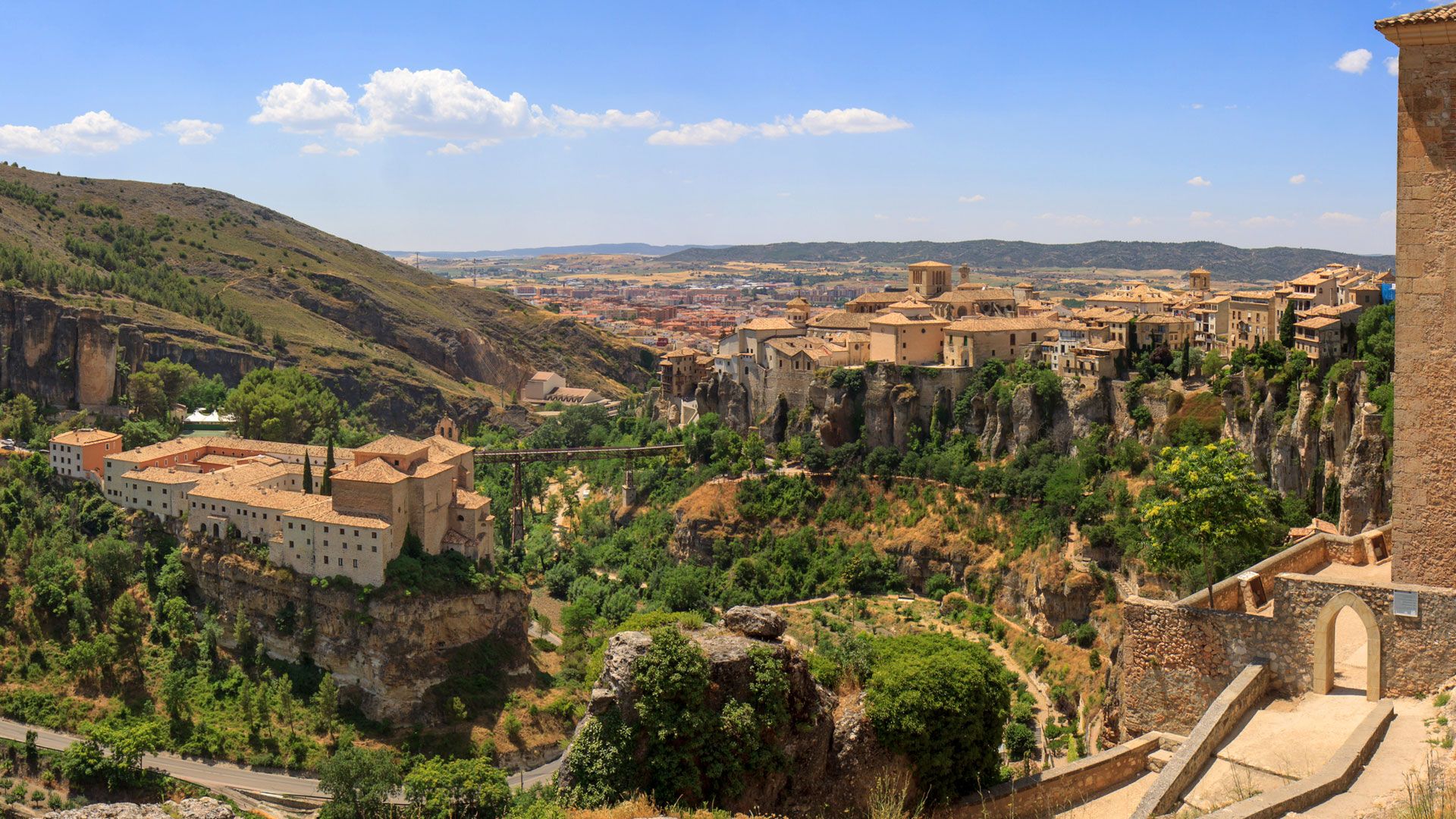
San Pablo Bridge
Highlight • Bridge
Translated by Google •
Tip by
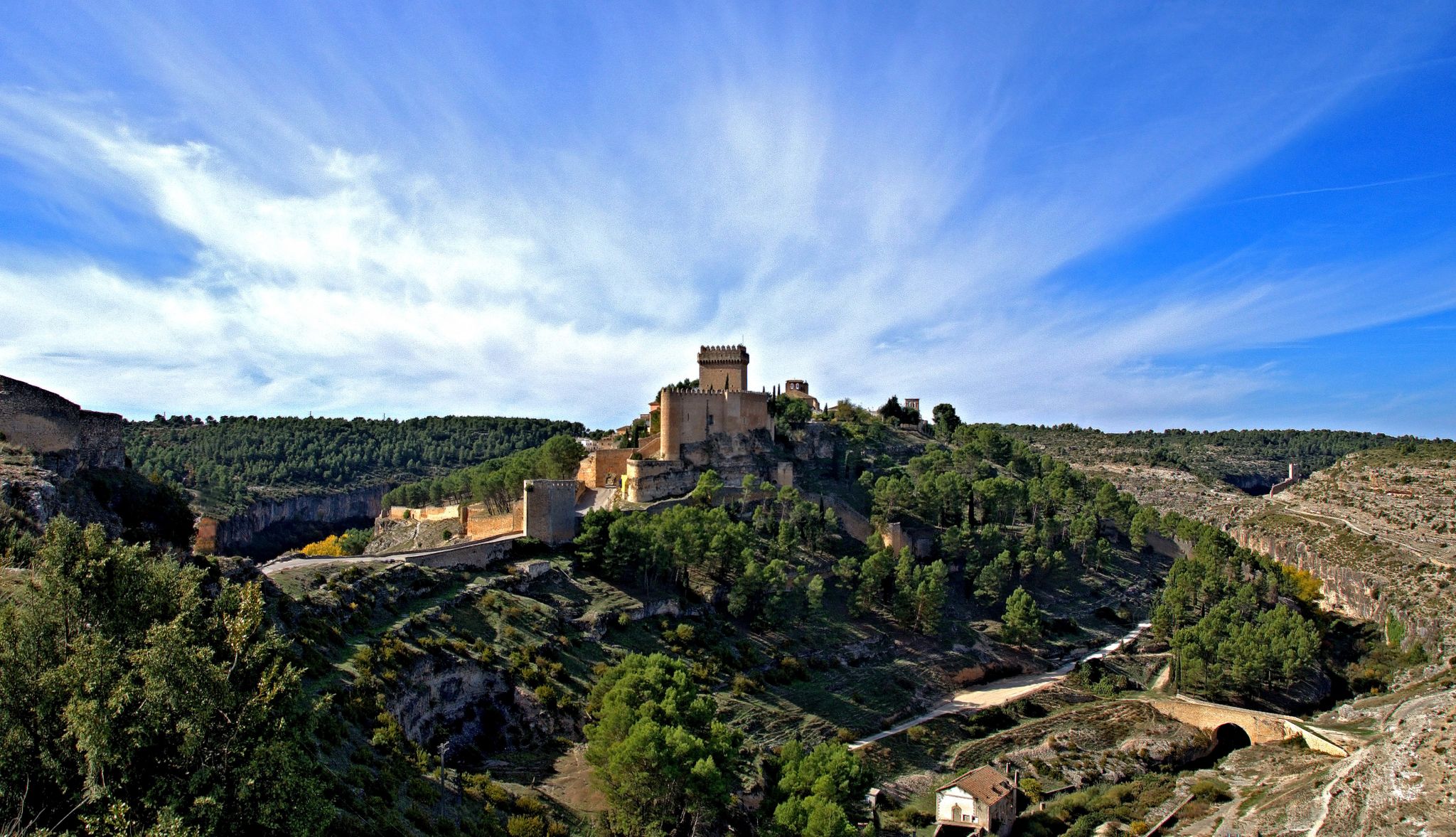
Alarcón Castle
Highlight • Castle
In …
Translated by Google •
Tip by
Source of the Cuervo River
Highlight • Natural Monument
Translated by Google •
Tip by
Beteta
Highlight • Settlement
It can be seen from a distance, where there is also a beautiful …
Translated by Google •
Tip by

Source of the River Tagus
Highlight • River
Translated by Google •
Tip by
The Callejones of Las Majadas
Highlight • Natural Monument
Translated by Google •
Tip by
Refugio de la Alconera
Highlight • Mountain Hut
4 wooden bunk beds, a fireplace, a central table and stone benches. A great place to spend the night and regain strength.
The only negative point …
Translated by Google •
Tip by

Sign up for free to discover even more attractions in Cuenca.
Sign up for free
Already have an account?
Start today with a free account
Your next adventure awaits.
Login or Signup
Popular around Cuenca
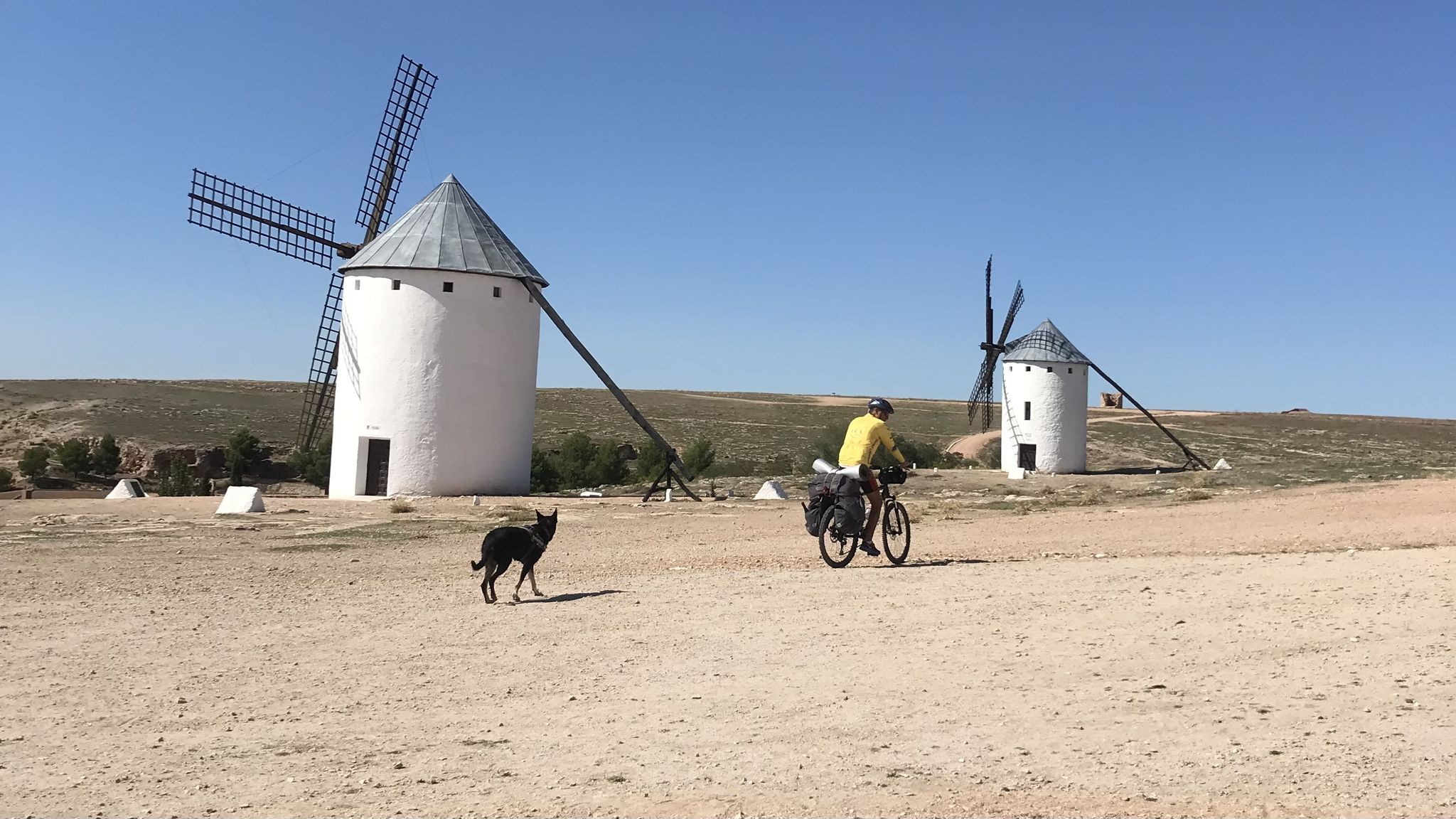
Don Quixote's route – The knight of the sorry face
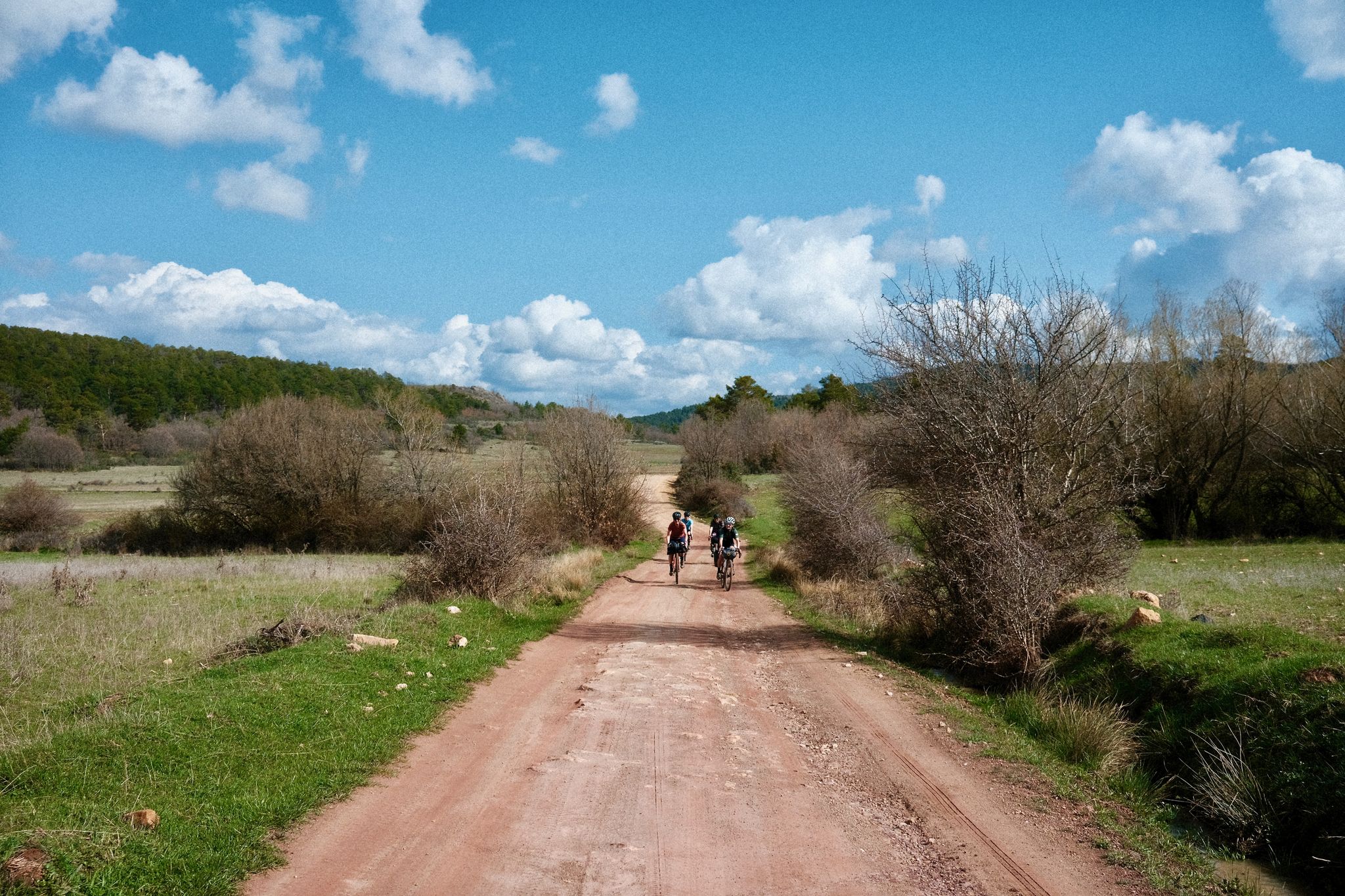
Women's Montañas Vacías 2022 — bikepack in rural Spain
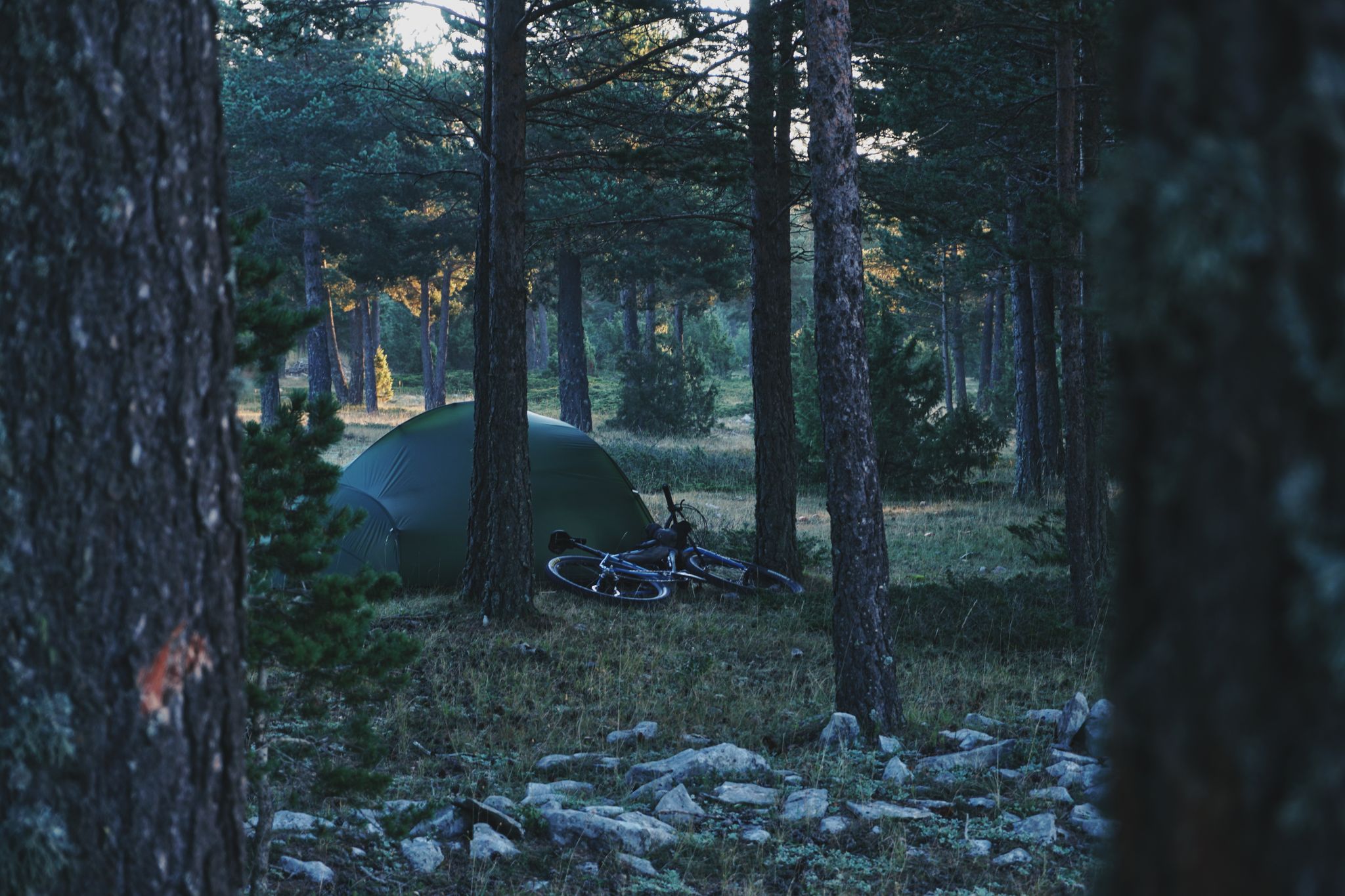
MontañasVacías official — bikepacking across the Spanish Lapland
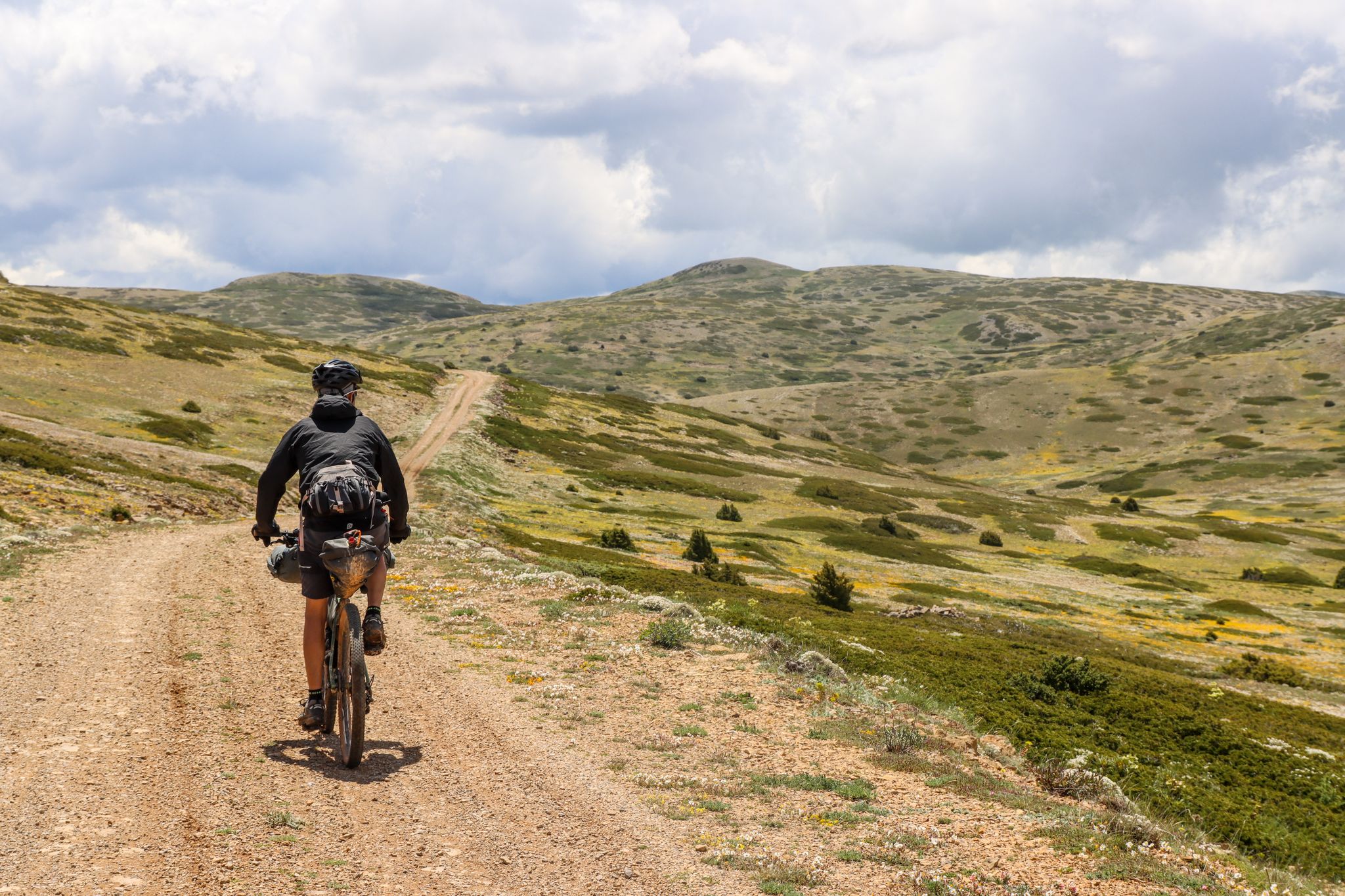
Montañas Vacías — bikepacking the wild and remote 'Empty Mountains'
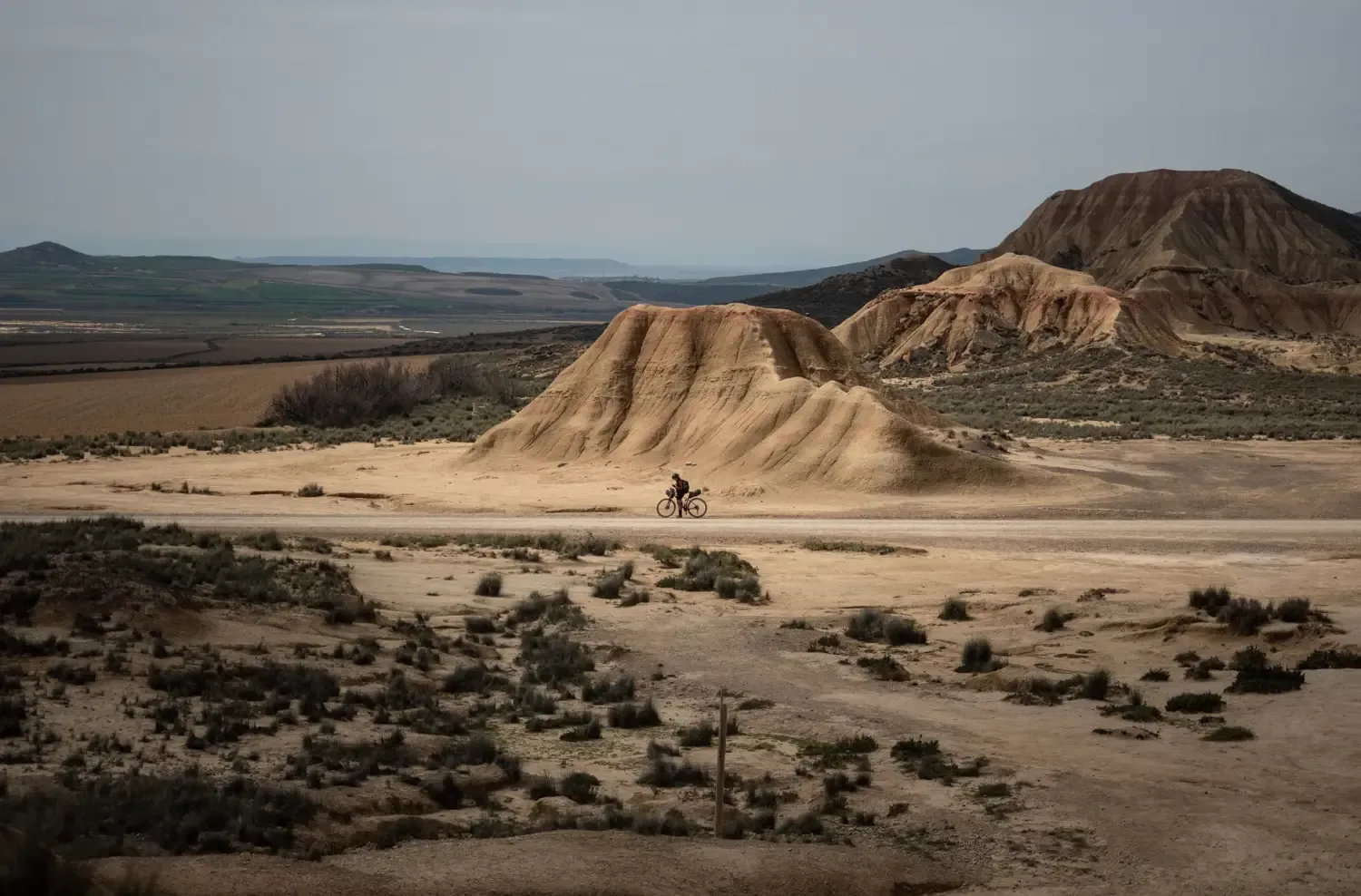
9 mountain biking routes in undiscovered Spain
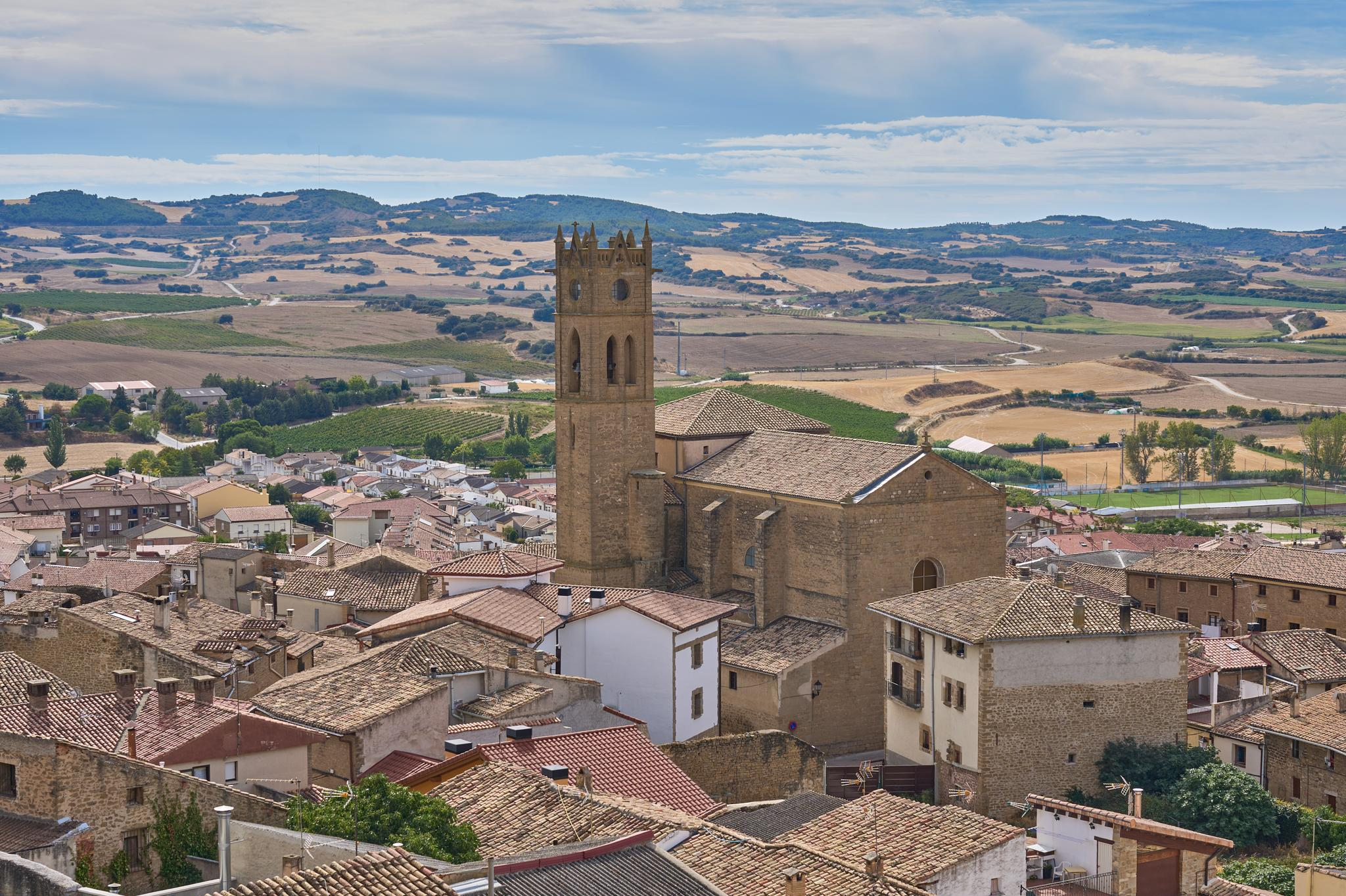
Path of the Templars — Path of the True Cross (GR 250)
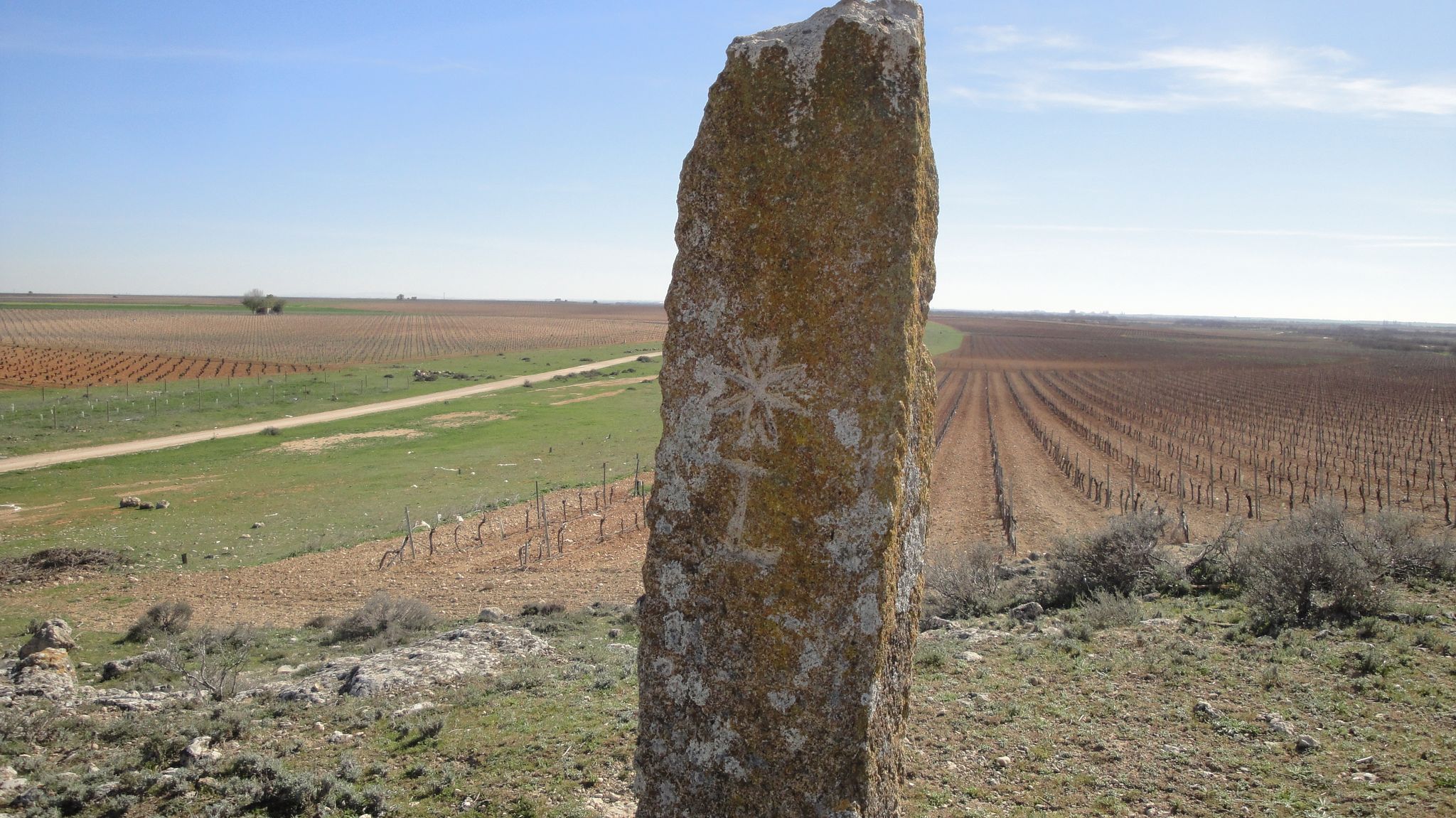
The Reconquest of La Mancha on Foot - Camino Natural del río Riánsares
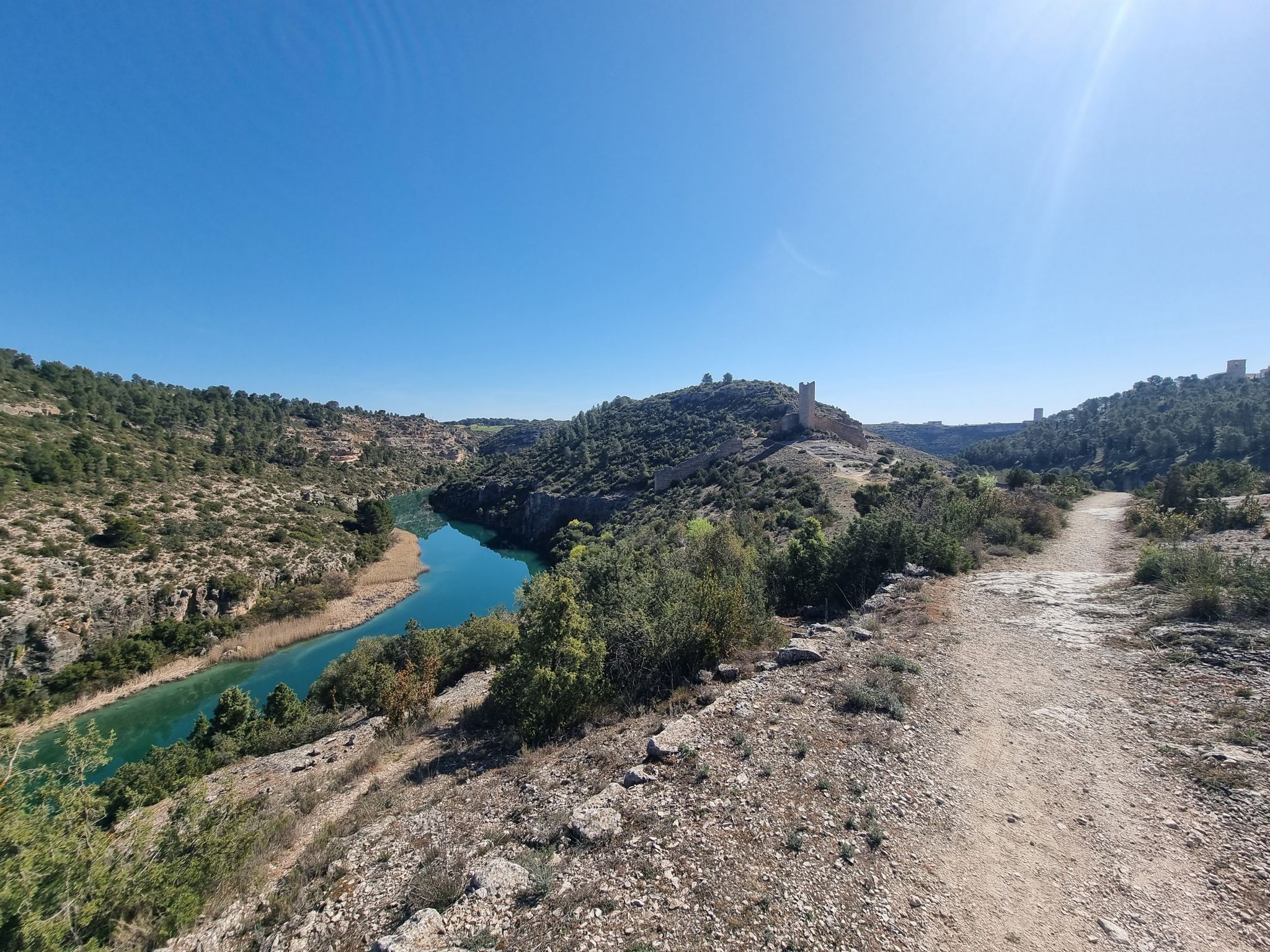
A gravel bike adventure between Madrid and Valencia
A walk through La Manchuela – hiking the GR 64
Levante to Castile – Ruta de la Lana Gravel Route
Other adventures in Cuenca


Tips from the Community

Refuge in perfect condition for spending a night, it had four bunk beds, a fireplace area, and a small stable.
0
0

The Plaza Mayor of Cuenca is a historic center and one of the most emblematic places in the city of Cuenca, in Castilla-La Mancha. This square is known for its Baroque architecture and its importance as a meeting point and hub of communication in the old part of the city. Main buildings: The Cathedral of Santa María and San Julián, the Cuenca City Hall, and the Convent of San Pedro. The most notable monument in Cuenca began construction at the end of the 12th century after the conquest of the city, but its core took shape in the 13th century. The naves, from the transept to the façade, date from the 14th century, and the ambulatory was transformed in the 16th century to adapt its original structure to new aesthetic trends. Its first façade also dates from this period, replaced in the 18th century by another that had to be demolished at the beginning of the 20th century, when the current Neo-Gothic façade, designed by Vicente Lampérez, was built.
7
0

A veritable rock festival.
0
1
A beautiful castle, now converted into a Parador (state-run hotel).
0
1
I have always been struck by the front view of this Cathedral.
3
0
A true gateway to the famous Hanging Houses of Cuenca.
1
0

A beautiful village built on a promontory where its castle serves as a lookout for the population. It can be seen from a distance, where there is also a beautiful church in the center of town. This village is the only one with a gas station in the area.
7
0
The official source of water is located at Fuente de García, in the Montes Universales, within the municipality of Frías de Albarracín (Teruel). It is located at an altitude of approximately 1,590 meters, surrounded by pine forests and high mountain meadows. Access is very easy and well signposted. Take the A-1704 highway, which connects Frías de Albarracín with Huélamo (Cuenca). From the highway, a paved detour of approximately 2 km takes you directly to the recreational area and the monument. There is free parking next to the monument.
10
0
Frequently Asked Questions
What natural attractions can I explore in Cuenca?
Cuenca offers a variety of stunning natural attractions. You can visit Uña Lagoon, an ideal spot for a quiet walk with an easy path surrounding it. Another must-see is the Enchanted City, known for its impressive rock formations sculpted by nature. Don't miss the Source of the Cuervo River, a picturesque area with waterfalls and lush scenery.
Are there historical landmarks to visit in Cuenca?
Yes, Cuenca is rich in history. The Cuenca Cathedral is a significant Gothic religious building with a Neo-Gothic facade. You can also explore the San Pablo Bridge, which offers views of the Hanging Houses and the Convent of San Pablo. Further afield, the Alarcón Castle is an authentic medieval fortress with a rich history.
What are some family-friendly activities in Cuenca?
Many attractions in Cuenca are suitable for families. The easy path around Uña Lagoon is perfect for a leisurely family walk. The Enchanted City with its curious rock formations resembling figures and animals is also a fascinating experience for all ages. Additionally, the Source of the Cuervo River offers beautiful scenery and easy trails.
Where can I go hiking near Cuenca's attractions?
Cuenca offers numerous hiking opportunities. You can find trails around Uña Lagoon and within the Enchanted City. For more options, explore the running trails guide, which includes routes like the 'Parque Natural de la Serranía de Cuenca – trail run circular from Uña via the Escalerón path to La Raya' or the 'Sendero de la Hoz de Alarcón – running circular from Alarcón'. You can find more details on these routes in the Running Trails in Cuenca guide.
Can I find any unique geological formations in the Cuenca region?
Absolutely. The Enchanted City is a prime example, featuring rock formations sculpted by water, wind, and ice into curious shapes resembling human figures, animals, and objects. Another unique site is The Callejones of Las Majadas, which also presents impressive natural rock formations.
What is the best time of year to visit Cuenca for outdoor activities?
The best time to visit Cuenca for outdoor activities generally depends on the specific activity. Spring and autumn offer pleasant temperatures for hiking and cycling. Summer can be warm, but the natural parks and higher elevations provide cooler escapes. Winter can be cold, especially in the mountains, but offers a different kind of beauty.
Are there any castles or ancient settlements to see?
Yes, the region boasts historical fortifications. The Alarcón Castle is a well-preserved medieval fortress offering privileged views. While not a castle, the town of Beteta also has historical significance and a castle ruin.
What kind of wildlife can I expect to see in Cuenca's natural areas?
In Cuenca's natural areas like the Serranía de Cuenca Natural Park, you can expect to see diverse wildlife. Birdwatching is popular, with various species inhabiting the forests and near lakes like Uña Lagoon. Mammals such as deer, wild boar, and various smaller species can also be found, especially in more secluded areas.
Are there any viewpoints offering panoramic views of Cuenca?
Yes, several spots offer great views. The San Pablo Bridge provides excellent views of the Hanging Houses and the Huécar gorge. For natural vistas, the Estrecho del Horcajo Viewpoint offers stunning perspectives of the gorge and surrounding forest.
What are the options for cycling near Cuenca's attractions?
Cuenca is a great destination for cycling. You can find routes like 'Hoz del Júcar y del Huécar — circular desde Cuenca' or the more challenging 'Enchanted City and Devil's Window Loop from Cuenca'. For a comprehensive list of routes, check out the Cycling in Cuenca guide.
Are there any waterfall hikes in the Cuenca region?
Yes, the Cuenca region features beautiful waterfall hikes. The Source of the Cuervo River is a popular spot with cascading waterfalls. Other options include the 'Cascada del Molino de la Chorrera Trail' and 'Cascada Campana del Tío Mil Hombres'. More details can be found in the Waterfall hikes in Cuenca guide.
What do visitors particularly enjoy about the natural sites in Cuenca?
Visitors frequently praise the tranquility and natural beauty of sites like Uña Lagoon, describing it as a 'wonderful place' for a quiet walk and enjoying a beautiful landscape. The Enchanted City is often highlighted for its 'fascinating' and 'impressive' rock formations that spark imagination.
Is Cuenca Cathedral worth visiting?
Yes, the Cuenca Cathedral is definitely worth a visit. It is one of the earliest Spanish examples of Gothic architecture, with its construction beginning in the 12th century. Its Neo-Gothic facade and historical significance make it a key monument in the city, located in the historic Plaza Mayor.
Are there any dog-friendly trails around Cuenca?
While specific dog-friendly designations aren't always explicit, many natural trails in the Serranía de Cuenca Natural Park, such as those around Uña Lagoon or the Source of the Cuervo River, are generally suitable for dogs on a leash. Always check local regulations for specific areas within natural parks.
How can I reach the Enchanted City by public transport?
The Enchanted City is located in the heart of the Serranía de Cuenca Natural Park, near Valdecabras. While direct public transport options might be limited, it's generally accessible by car or organized tours from Cuenca. It's advisable to check local bus schedules or tour operators for the most current transport information.
Most popular routes in Cuenca
Most popular attractions in Cuenca

Get inspired with the komoot mobile app


Didn’t find what you were looking for?
Are you keen on exploring more awesome places nearby? Browse our guides:
Explore more
Still not found the Highlight you’re looking for? See guides of the top attractions in other regions:
