Top 20 Castles in Cuenca
Castles in Cuenca offer a journey through centuries of history, showcasing diverse architectural styles and strategic significance across the region. The province of Cuenca, Spain, features numerous fortifications, often perched atop cliffs or integrated into defensive chains. These sites provide insights into Moorish and Christian pasts, with some offering panoramic views of gorges and rivers. Cuenca's landscape is characterized by its dramatic natural features, which historically provided ideal defensive positions for these structures.
Best castles in Cuenca
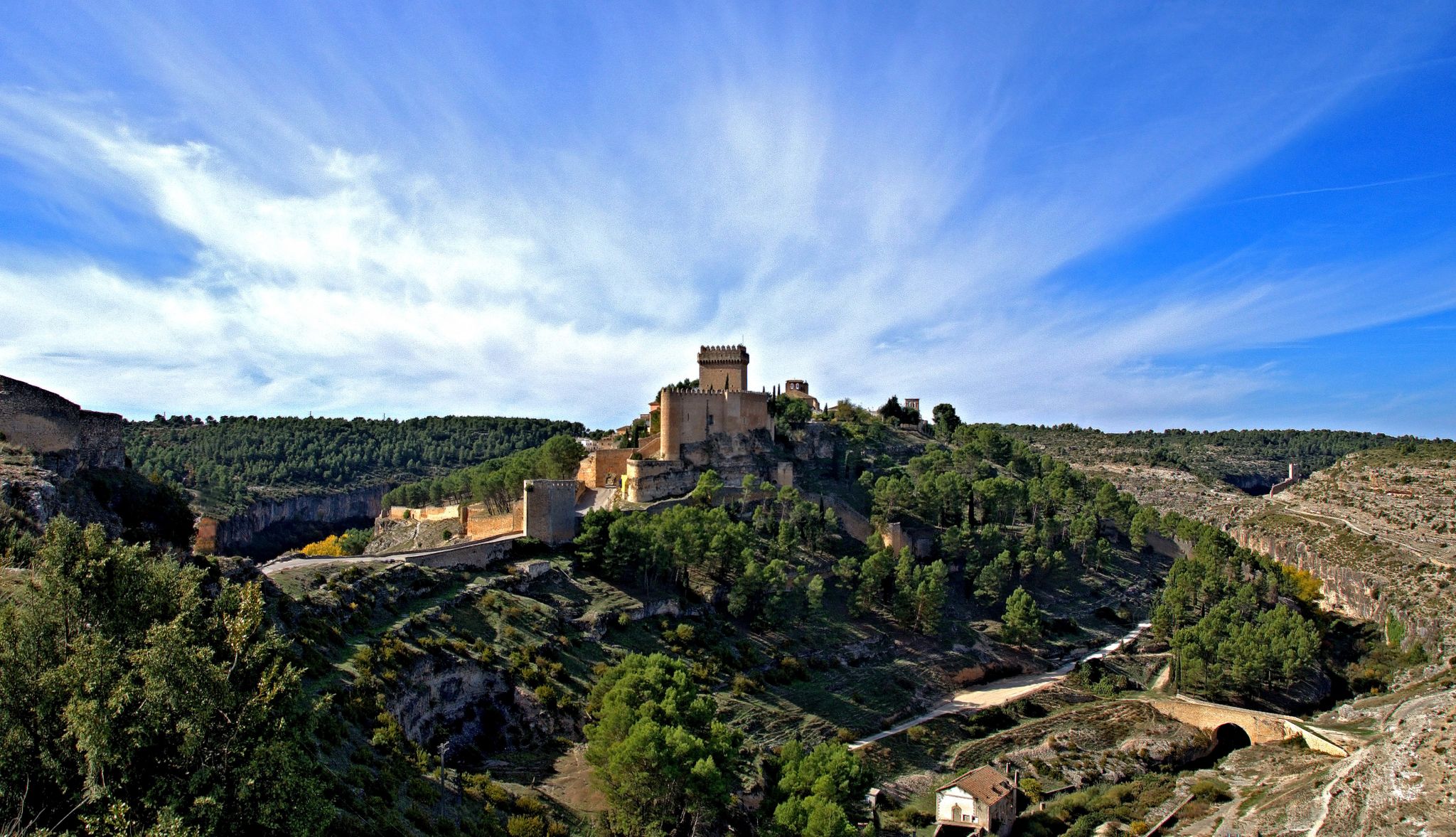
- The most popular castles is Alarcón Castle, a castle that has a square plan, surrounded by a double defensive enclosure. This authentic medieval fortress was later reformed during the Renaissance.
- Another must-see spot is Beteta, a settlement where its castle serves as a lookout for the population. From the castle, panoramic views of the surrounding area are available.
- Visitors also love Castillo de Belmonte, a castle that is a well-preserved medieval castle dating back to the 15th century. It features a unique triangular plan and combines Gothic and Mudejar architectural elements.
- Cuenca is known for its Mudejar Gothic, medieval, and Renaissance castles. Visitors can explore a variety of fortifications, from well-preserved fortress-palaces to significant ruins integrated into city defenses.
- The castles in Cuenca are appreciated by the komoot community, with more than 30 upvotes and 50 photos shared by visitors.
Last updated: August 25, 2026
Alarcón Castle
Highlight • Castle
In general, it is a fortification of irregular shape, of great volume, joined by the stone itself to the rest of the wall and fortifications of the city, together constituting the basis of the entire defensive system of Alarcón.
Translated by Google •
Tip by

Beteta
Highlight • Settlement
It can be seen from a distance, where there is also a beautiful church in the center of town. This village is the only one with a gas station in the area.
Translated by Google •
Tip by

Sign up now to discover places like this
Get recommendations on the best single tracks, peaks, & plenty of other exciting outdoor places.
Sign up for free
Monastery of Uclés
Highlight • Religious Site
From Madrid starts a famous pilgrimage route called the Camino de Uclés, about 144km long and planned to be completed in 6 stages.
Translated by Google •
Tip by

Views of the Castle of Puebla de Almenara
Highlight • Viewpoint
Translated by Google •
Tip by
Castle of Santiago de la Torre
Highlight • Castle
Explore this medieval treasure and immerse yourself in its legacy! 🏰🌿
Translated by Google •
Tip by
Castillo de Belmonte
Highlight • Castle
Its architectural style combines Gothic and Mudejar elements.
It has a peculiar triangular plan and a strategic location on the top of a hill.
Over the centuries, the castle has witnessed historical events, from visits by the Catholic Monarchs to restorations and cultural events.
Today, the castle hosts exhibitions, dramatized tours, medieval combat tournaments and the impressive Trebuchet Park, which displays full-scale siege engines. 😊🏰
Translated by Google •
Tip by
Enguídanos
Highlight • Settlement
Translated by Google •
Tip by

Castilla La Mancha
Highlight • Historical Site
Translated by Google •
Tip by
Monastery of Uclés and Castle
Highlight • Religious Site
Translated by Google •
Tip by
The Mirabueno Blockhouse
Highlight • Historical Site
Translated by Google •
Tip by
Sign up for free to discover even more castles in Cuenca.
Sign up for free
Already have an account?
Start today with a free account
Your next adventure awaits.
Login or Signup
Popular around Cuenca
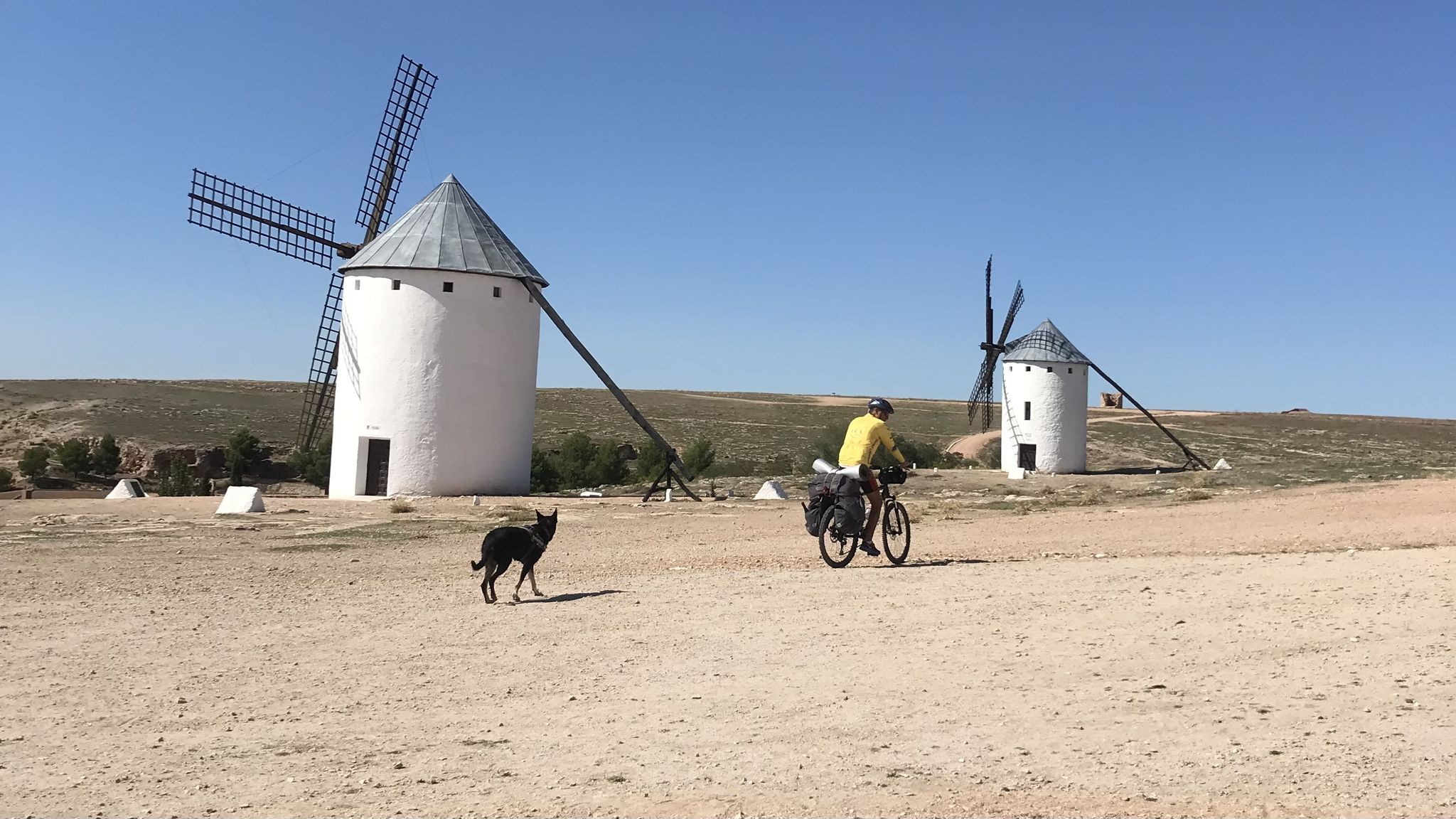
Don Quixote's route – The knight of the sorry face
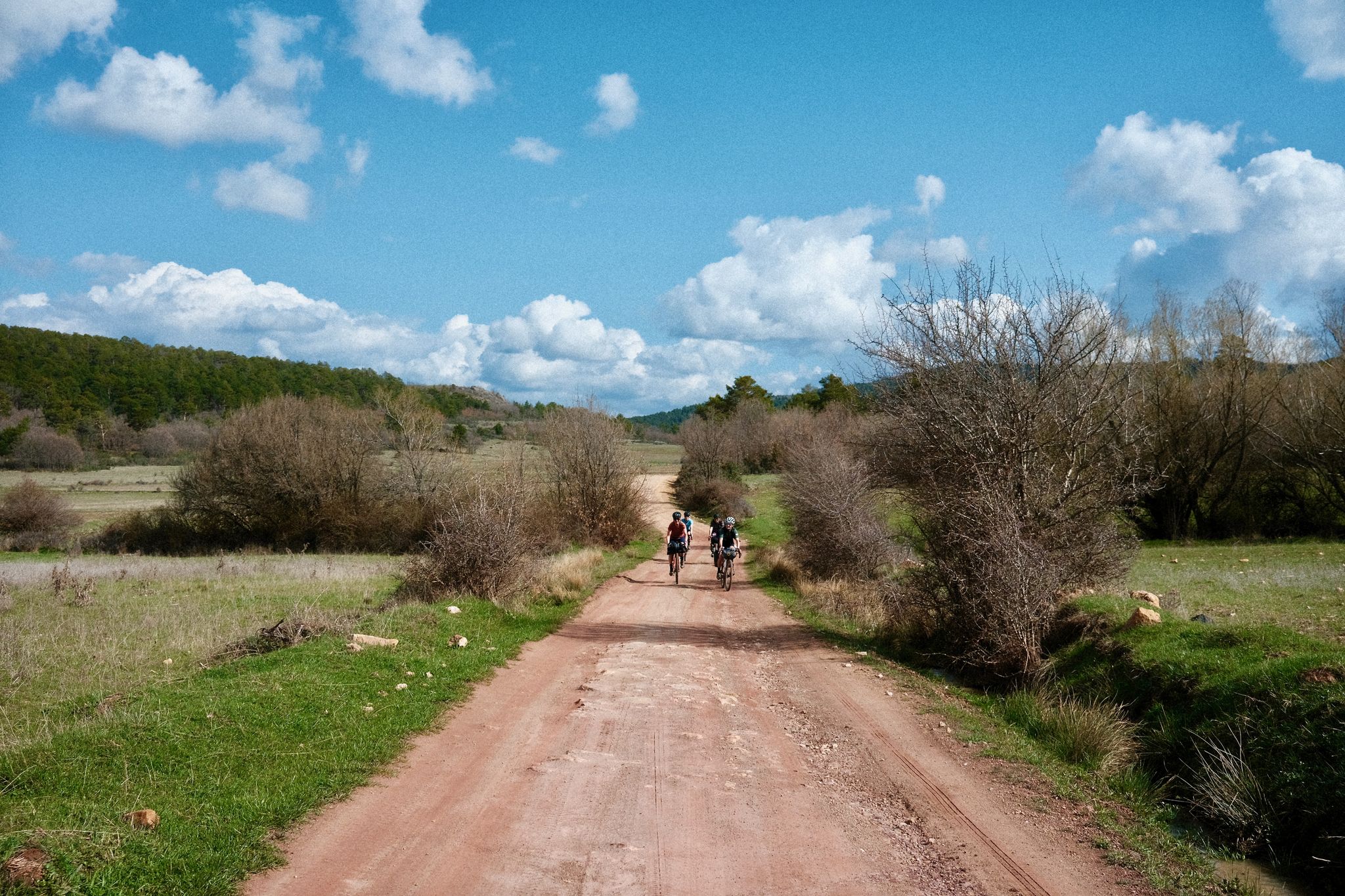
Women's Montañas Vacías 2022 — bikepack in rural Spain
MontañasVacías official — bikepacking across the Spanish Lapland
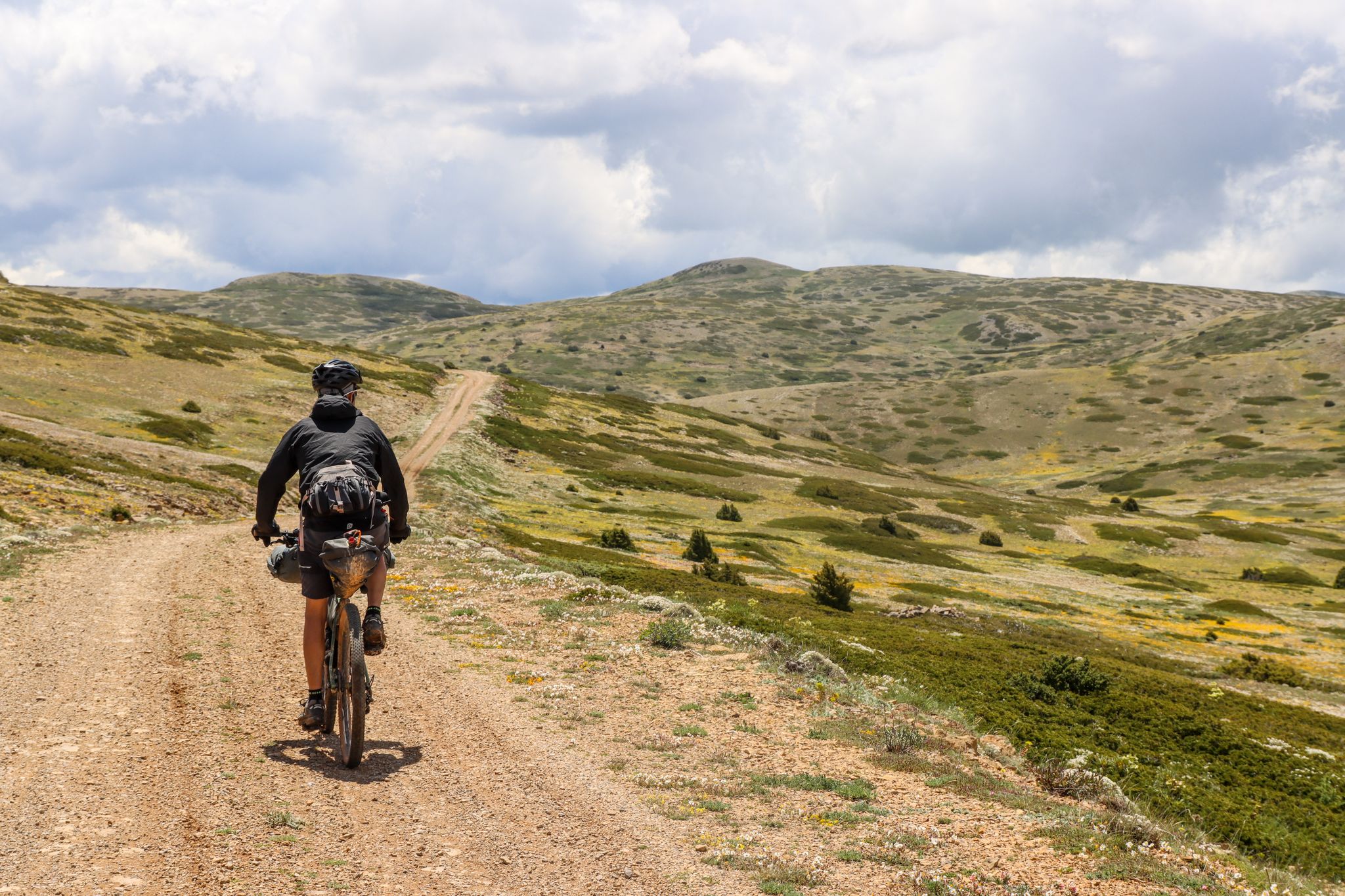
Montañas Vacías — bikepacking the wild and remote 'Empty Mountains'
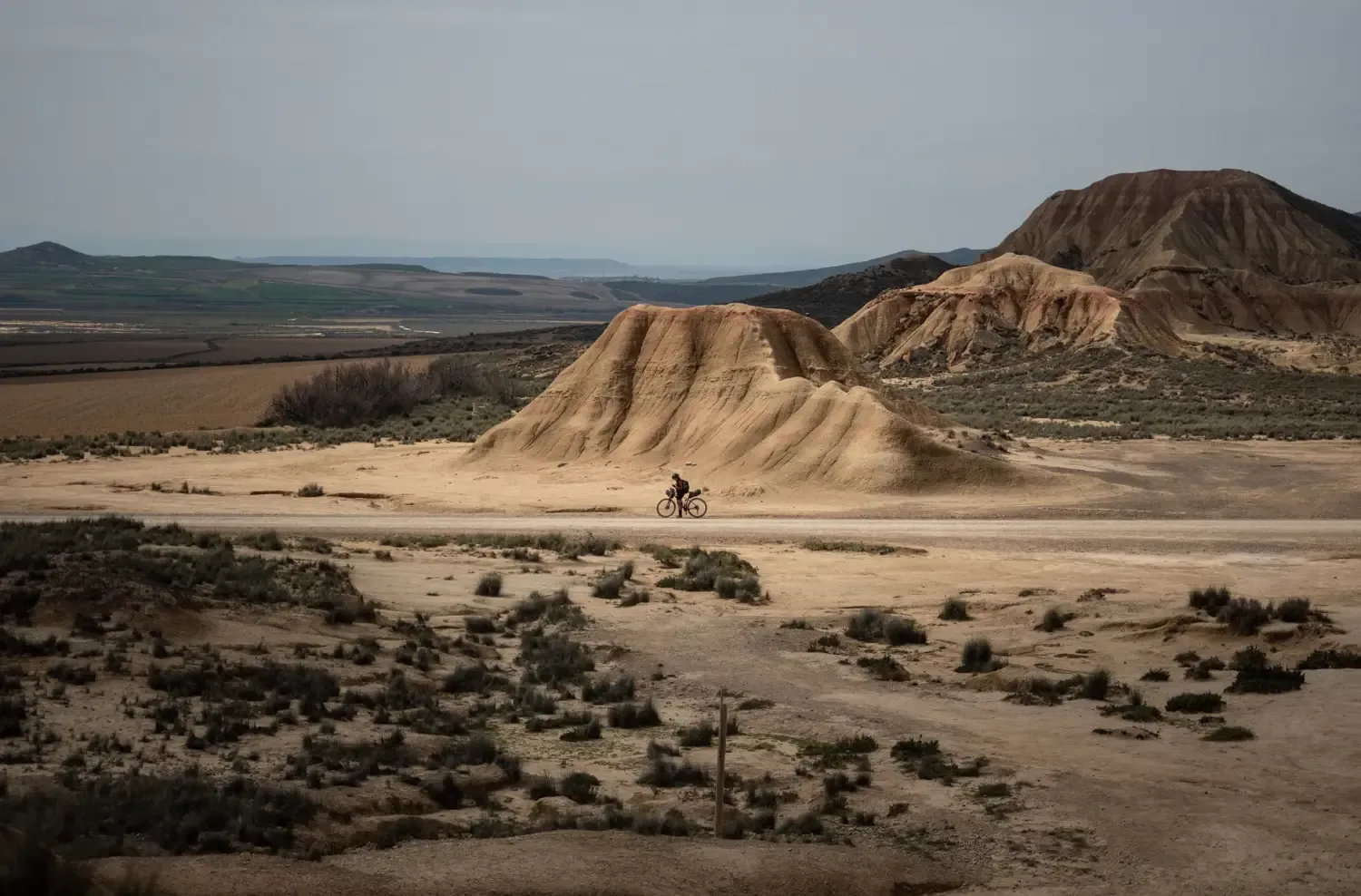
9 mountain biking routes in undiscovered Spain
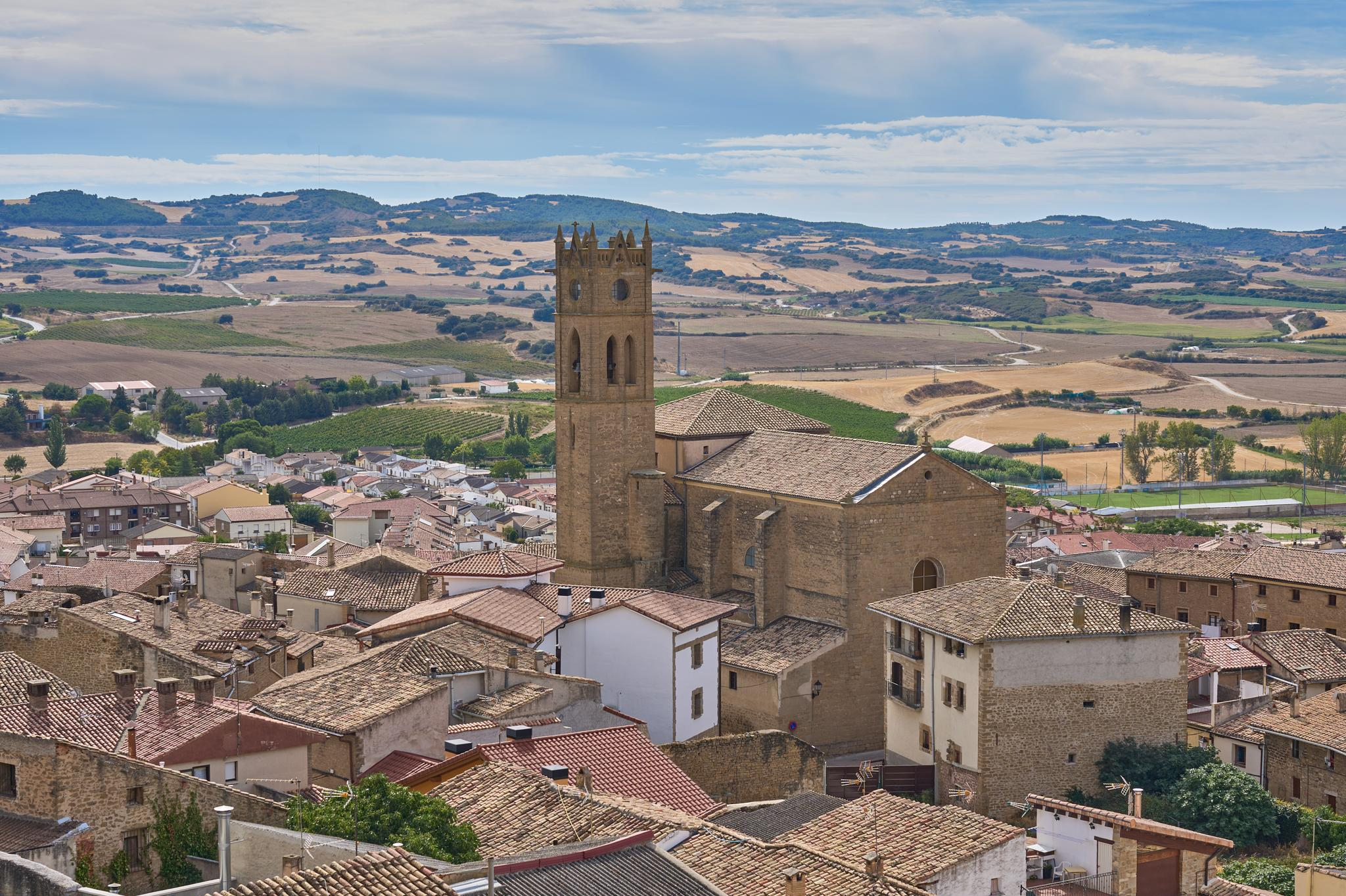
Path of the Templars — Path of the True Cross (GR 250)
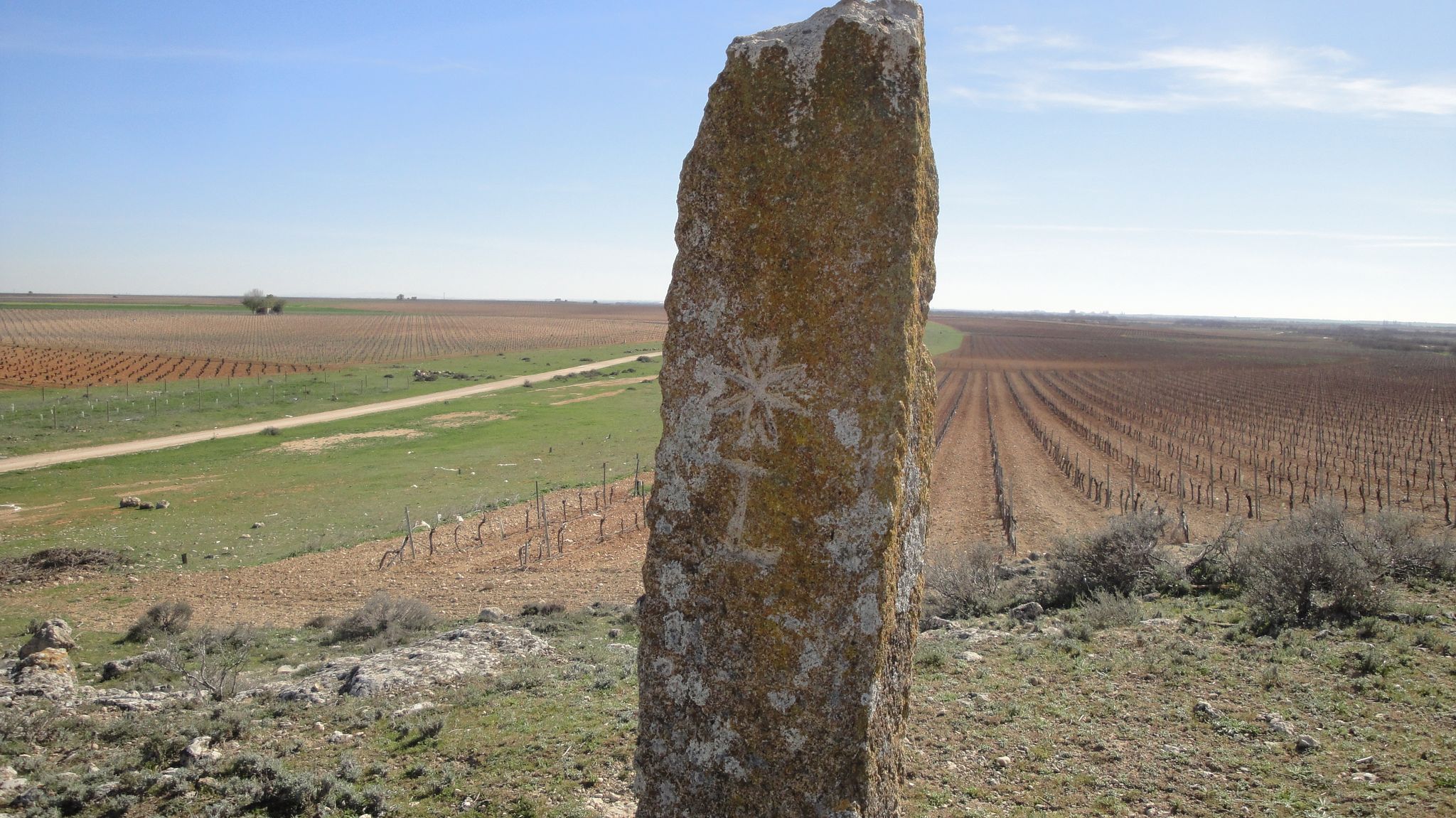
The Reconquest of La Mancha on Foot - Camino Natural del río Riánsares
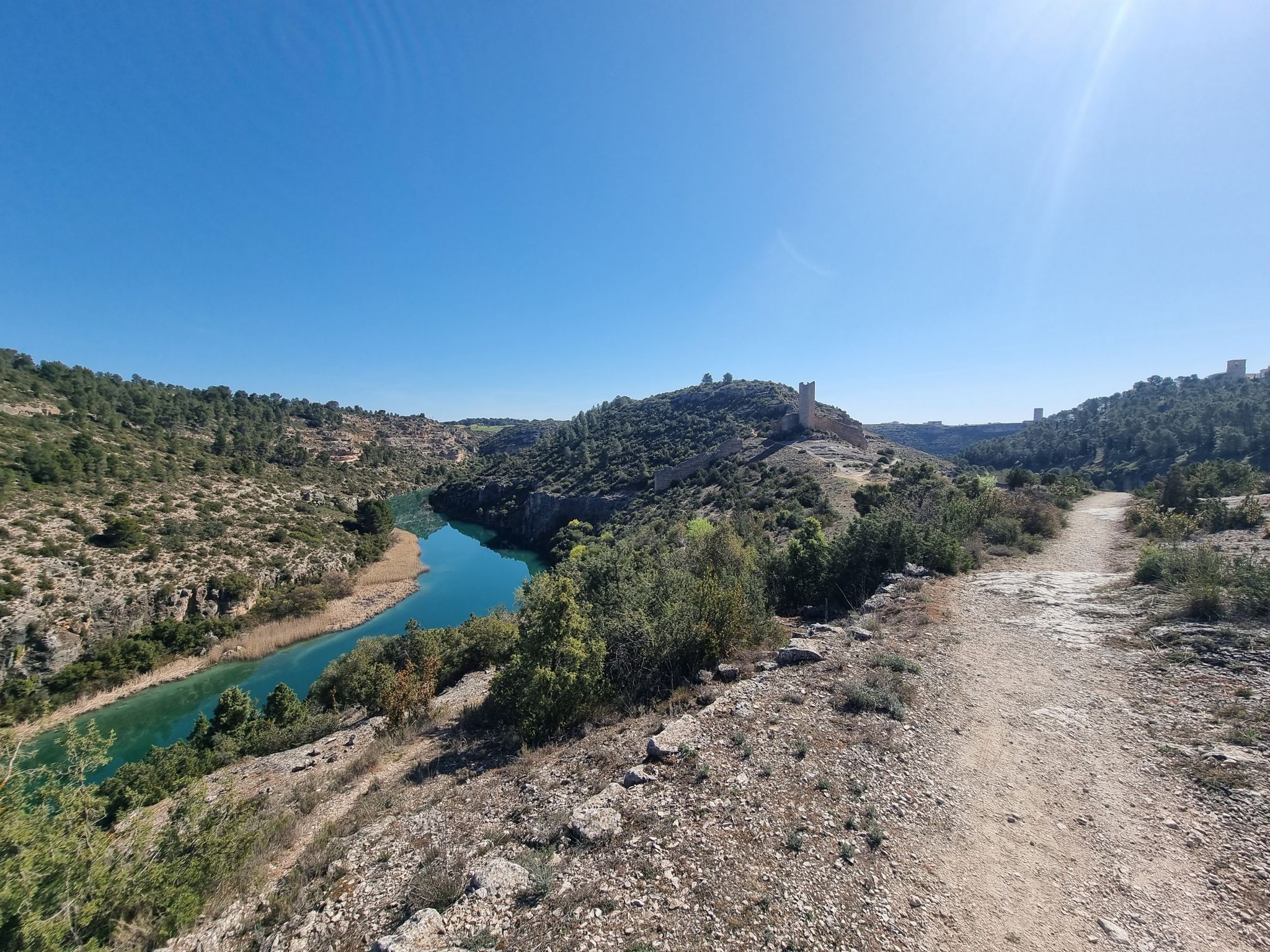
A gravel bike adventure between Madrid and Valencia
A walk through La Manchuela – hiking the GR 64
Levante to Castile – Ruta de la Lana Gravel Route
Other adventures in Cuenca


Tips from the Community

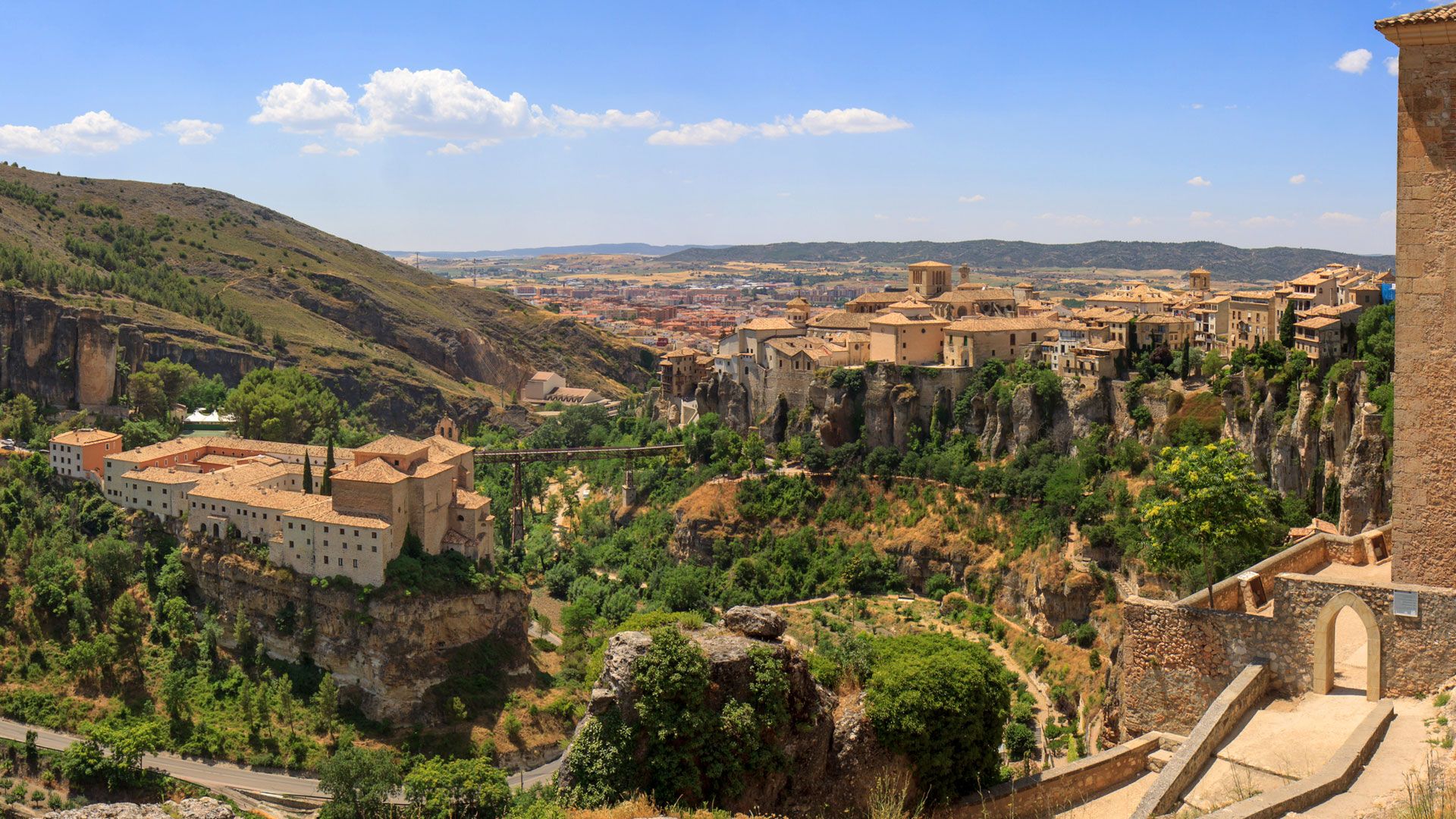
The Mangana Tower is one of the most emblematic monuments in Cuenca's historic center and has been listed as a Site of Cultural Interest since 2001. It stands in Mangana Square, built on the site of the former Moorish fortress, the heart of the Jewish quarter and later home to noble palaces. Traditionally, it has served as the city clock since the 16th century. Today, it is a municipal symbol and a visual landmark of Cuenca's skyline.
8
0

A beautiful castle, now converted into a Parador (state-run hotel).
0
1

A beautiful village built on a promontory where its castle serves as a lookout for the population. It can be seen from a distance, where there is also a beautiful church in the center of town. This village is the only one with a gas station in the area.
7
0

Not from all sides easy to reach. Best to find a good trail to go up and down.
0
0


You have to climb up to the antenna of the hermitage of the Virgin of Mercy, along the road on the side of the hermitage, it is a tough 400 meters but it is worth it.
0
0

The Monastery welcomes you at the top of the village with a stunning view from the road leading to Uclés. After a long bike ride, it is a good reward.
0
0
Built in the 15th century by order of Don Juan Pacheco, first Marquis of Villena, the castle is a notable example of Gothic-Mudejar architecture. The castle has been restored and turned into a museum, and is now considered a Site of Cultural Interest. In addition to its rich history, the castle is known for events such as the National Medieval Combat Championship, which is held annually.
3
0
Frequently Asked Questions
What is the historical significance of castles in Cuenca?
The castles in Cuenca, primarily in the Spanish province, offer a deep dive into centuries of history, showcasing diverse architectural styles and strategic importance. They provide insights into the region's Moorish and Christian pasts, often built on dramatic natural features like cliffs and gorges. For example, the Cuenca Castle and City Walls are the remains of a significant Moorish stronghold, later conquered by Alfonso VIII.
Are there specific architectural styles to look for among Cuenca's castles?
Yes, Cuenca's castles display a variety of architectural styles. You can find examples of Mudejar Gothic, medieval, and Renaissance designs. Belmonte Castle, for instance, is a striking example of Mudejar Gothic architecture with a unique triangular plan, while Alarcón Castle, though medieval in origin, underwent significant Renaissance reforms.
What are some lesser-known but historically significant castles to visit in Cuenca?
Beyond the most prominent sites, you can explore the Castle of Santiago de la Torre, a medieval fortress in the southwest of the province. Another notable site is Paracuellos Castle, dating back to the 12th century, which played a role in the region's defense and features a blend of medieval and Renaissance elements.
Are there family-friendly castles or activities near them in Cuenca?
Many castles in Cuenca offer family-friendly experiences. Castillo de Belmonte is particularly family-friendly, offering cultural and didactic tours, and even medieval-themed events. The settlement of Beteta, with its castle, is also noted as family-friendly, providing panoramic views that children might enjoy.
What is the best time to visit Cuenca castles?
The best time to visit Cuenca castles is generally during the spring (April to June) and autumn (September to October) months. During these periods, the weather is typically mild and pleasant, ideal for exploring outdoor ruins and enjoying the panoramic views without the intense heat of summer or the chill of winter. This also avoids peak tourist season, making for a more relaxed visit.
Are there hiking trails near Cuenca castles?
Yes, the region around Cuenca offers numerous hiking opportunities. For example, you can find trails near the Cuenca Castle and City Walls that explore the Júcar and Huécar gorges. For more options, check out the Hiking in Cuenca guide, which includes routes like the 'El Escalerón to La Raya Trail' and the 'Enchanted City Trail'.
What natural features can I see near the castles in Cuenca?
Many castles in Cuenca are strategically located amidst stunning natural landscapes. The Cuenca Castle and City Walls offer breathtaking panoramic views of the Júcar and Huécar gorges. The settlement of Enguídanos, which includes a castle, is also known for its river and scenic viewpoints. The dramatic gorges and river valleys are characteristic natural features of the region.
How difficult are Cuenca castle ruins to access?
Access difficulty varies by castle. The ruins of Cuenca Castle and City Walls are located at the top of the city, requiring some uphill walking within the historic center. For views of the Castle of Puebla de Almenara, there's a steep slope to reach the viewpoint, but the effort is rewarded with great views. Always check specific access details for each site.
Are there parking options for Cuenca castles?
Parking availability varies. For castles within or near urban areas like the Cuenca Castle and City Walls, you may find public parking lots in the city center, often requiring a short walk to the ruins. For more remote castles like Belmonte Castle, dedicated parking facilities are usually available on-site or nearby.
What outdoor activities can I do near these castles?
Beyond exploring the castles themselves, the Cuenca region is excellent for outdoor activities. You can find mountain biking trails, such as those in the MTB Trails in Cuenca guide, including the 'Júcar and Huécar Gorges Loop'. Hiking is also popular, with routes like the 'Enchanted City Trail' available in the Hiking in Cuenca guide.
Are there cafes or accommodation near Cuenca castles?
Yes, especially in the vicinity of more popular castles or within towns. For example, the Parador de Alarcón is an impressive hotel located within a medieval castle, offering unique accommodation. In settlements like Beteta, you can find local cafes and eateries. For the Cuenca Castle and City Walls, numerous options are available in the historic city center.
Are there any dog-friendly walks near Cuenca castles?
While specific castle interiors may have restrictions, many outdoor areas and trails around the castles are suitable for walks with dogs. The natural landscapes surrounding the ruins, such as the gorges near Cuenca Castle, often provide opportunities for dog-friendly exploration. Always ensure dogs are on a leash and follow local regulations.
Most popular routes in Cuenca
Most popular attractions in Cuenca

Get inspired with the komoot mobile app


Didn’t find what you were looking for?
Explore Cuenca’s best castles region by region:
Explore more
Looking for the best castles somewhere else? Discover other guides in Cuenca:
