Top 20 Castles in Cáceres
Castles in Cáceres province offer a rich history, reflecting centuries of Arab and Christian heritage. The region's diverse landscape, from national parks to historic cities, provides a setting for numerous fortified structures. These sites feature unique architectural elements and captivating stories, showcasing the strategic importance of the area. Visitors can explore a variety of castles and palaces, many situated on strategic high points.
Best castles in Cáceres
- The most popular castles is Monfragüe Castle, a castle located within the…
Last updated: July 1, 2026
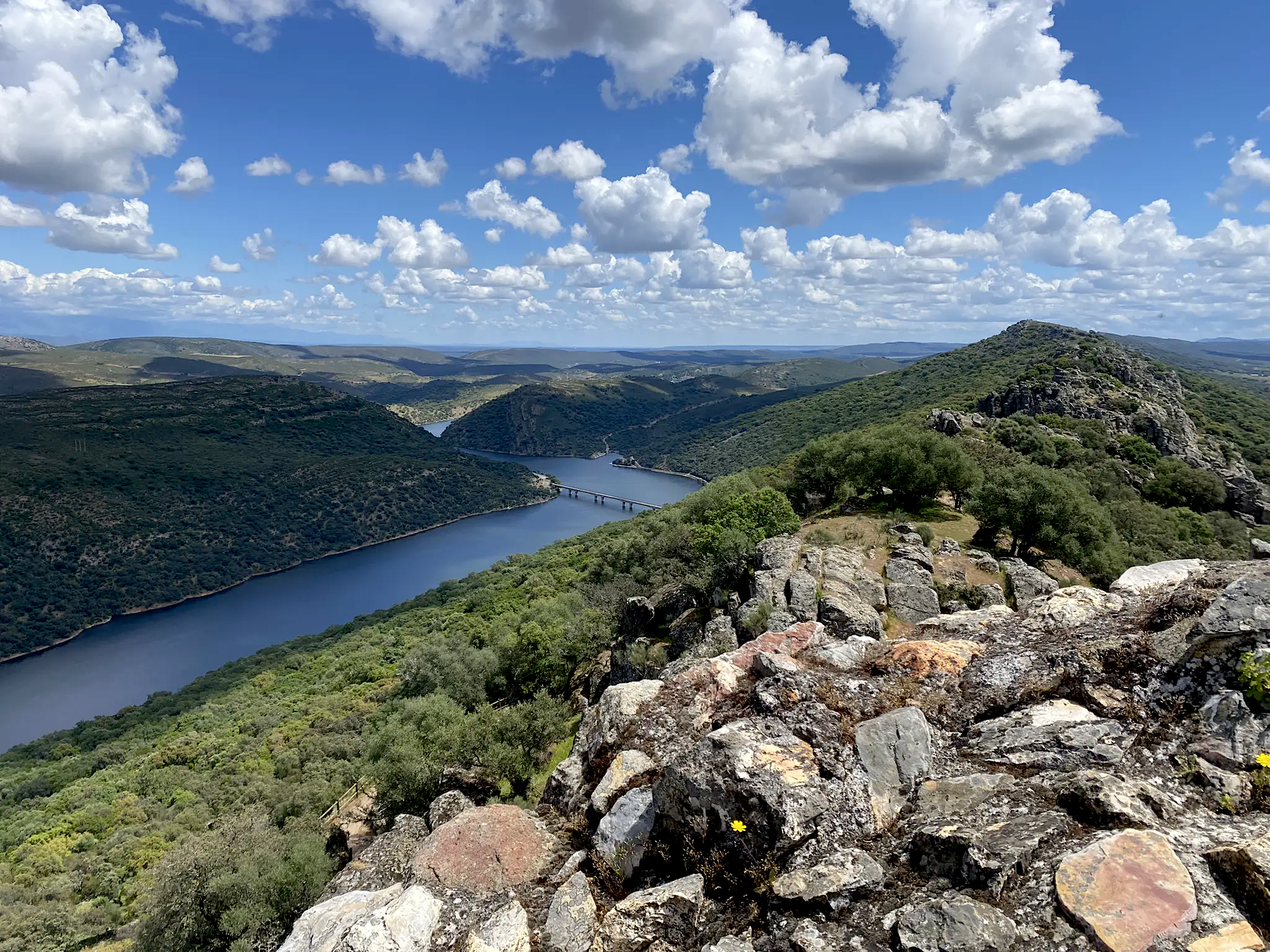
Monfragüe Castle
Highlight • Castle
Translated by Google •
Tip by

Historic center of Cáceres
Highlight • Historical Site
Translated by Google •
Tip by

Sign up now to discover places like this
Get recommendations on the best single tracks, peaks, & plenty of other exciting outdoor places.
Sign up for free
Montánchez Castle
Highlight • Castle
Translated by Google •
Tip by
Palace and Tower of the Storks
Highlight • Castle
Translated by Google •
Tip by
Palace of the Golfines de Abajo
Highlight • Historical Site
It has one of the most beautiful facades in Cáceres, uniting different …
Translated by Google •
Tip by
Cáceres Old Town (UNESCO World Heritage Site)
Highlight • Historical Site
Translated by Google •
Tip by
Torre de Bujaco
Highlight • Monument
Translated by Google •
Tip by
Carvajal Palace
Highlight • Historical Site
Its main façade follows the typology of …
Translated by Google •
Tip by
Palace of the Marquises of Torreorgaz
Highlight • Historical Site
Translated by Google •
Tip by
Orellana Pizarro Palace
Highlight • Historical Site
Translated by Google •
Tip by
Sign up for free to discover even more castles in Cáceres.
Sign up for free
Already have an account?
Start today with a free account
Your next adventure awaits.
Login or Signup
Popular around Cáceres
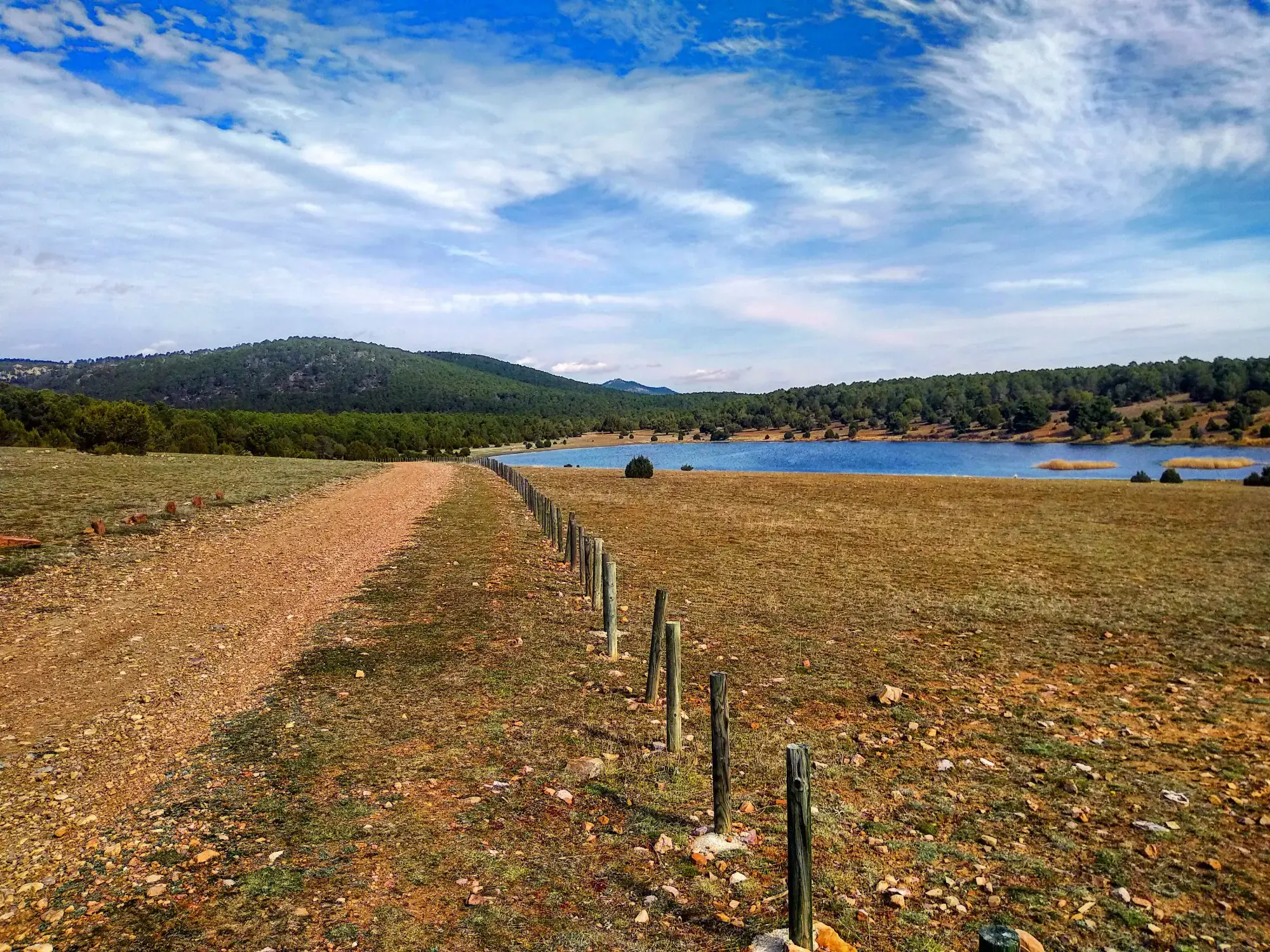
Sendero Español GR 10 — De este a oeste
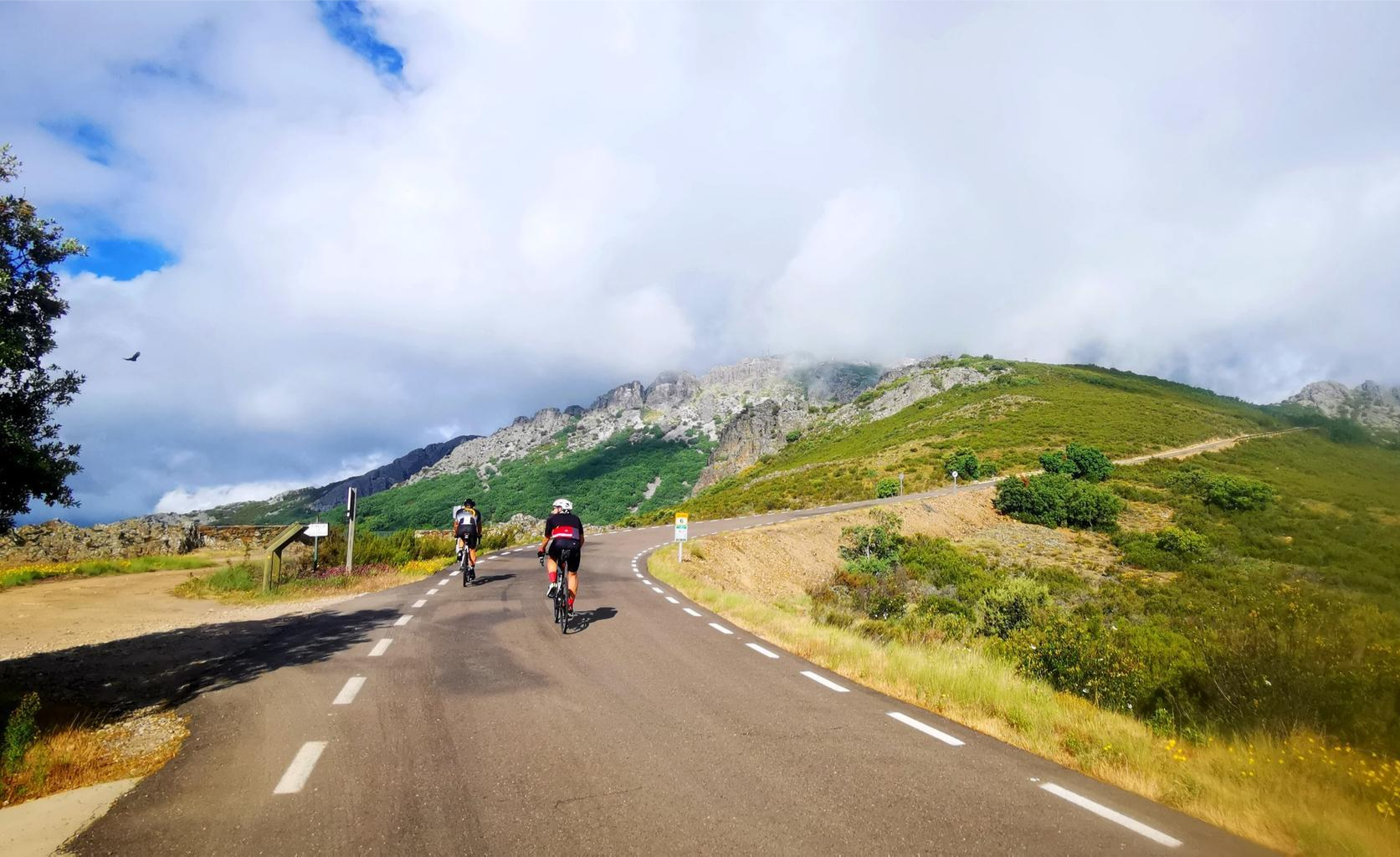
Legendary climbs - Ports of La Vuelta a España
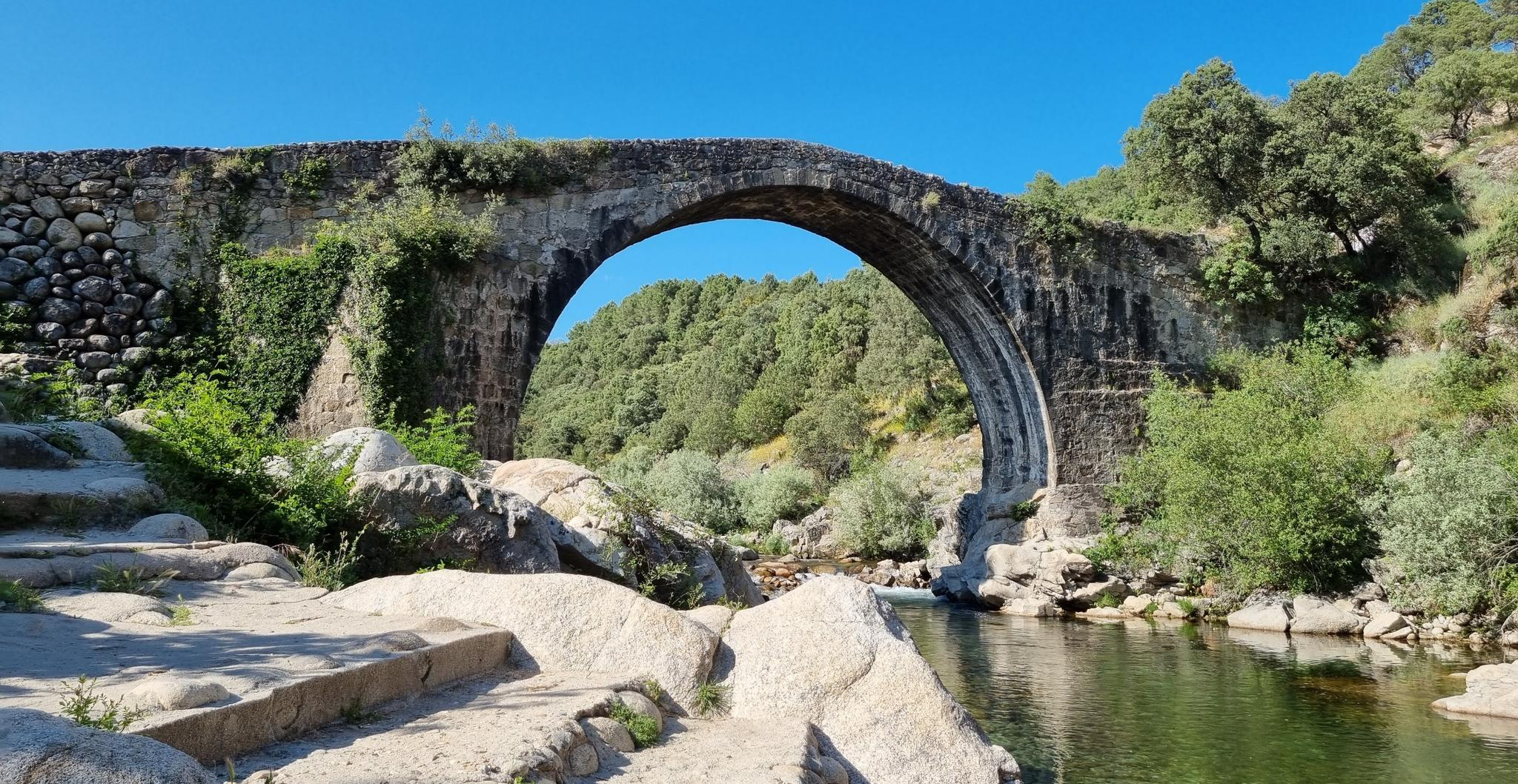
Monumental and Natural History — The Way of La Vera GR-111
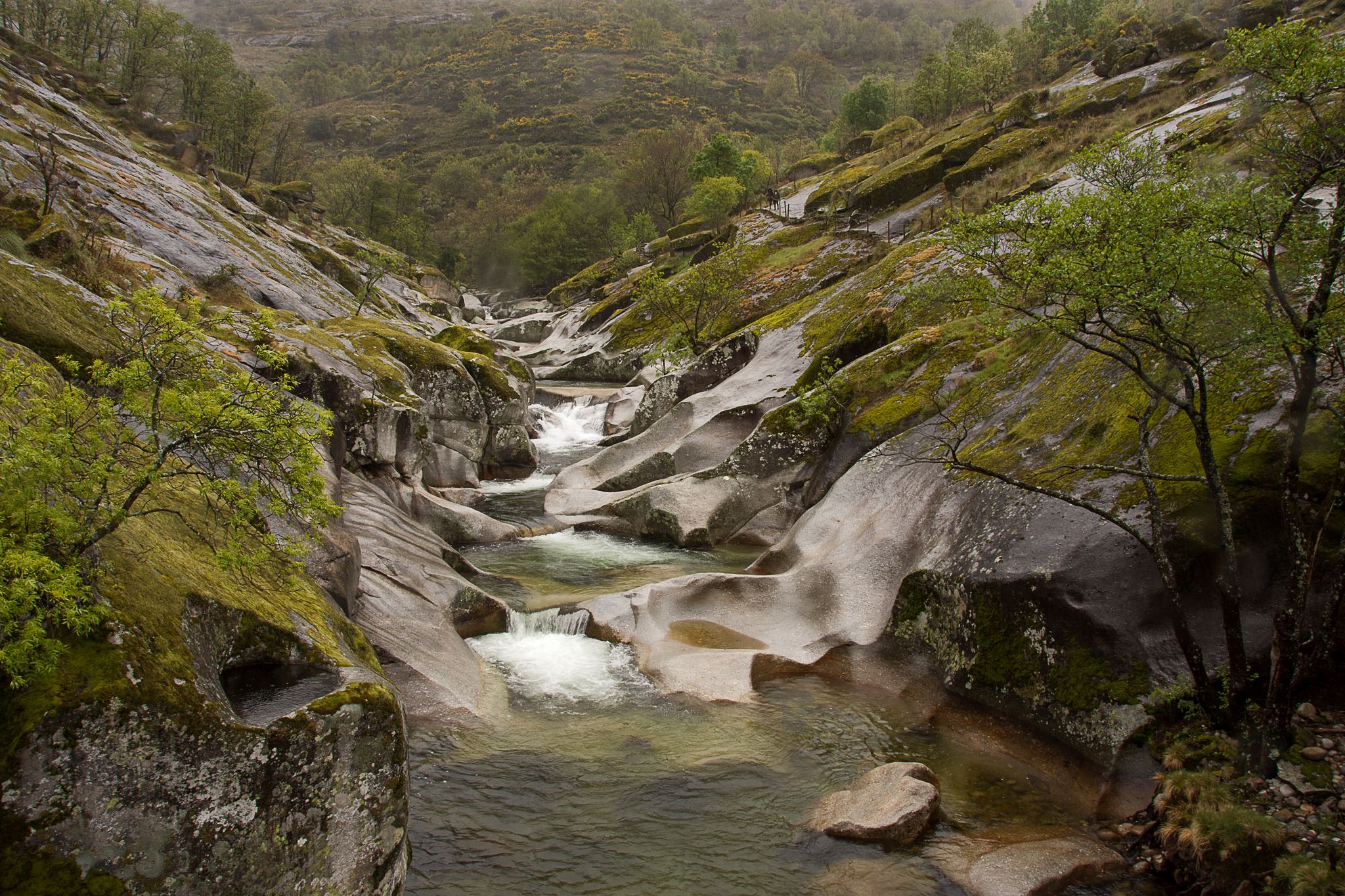
Six routes to discover Extremadura on foot
Extremadura's natural paradise by bike — Tour of Monfragüe
12 hiking gems throughout Spain
Gijón to Sevilla in Spain – Vía de la Plata (GR 100)
An epic hike in Spain’s Tiétar Valley – Valle del Tiétar (GR 180)
Cherry paradise – Spain’s Valle del Jerte (GR 110)
Toledo to Cedillo – Camino Natural del Tajo West
Other adventures in Cáceres


Tips from the Community

To enjoy all the beauty, walk to the parador in the former, fourteenth-century palace of the marquises of Torreorgaz, truly magnificent. The restaurant serves good local dishes.
3
0

It is located atop a hill in the Sierra de Montánchez, also known as the "balcony of Extremadura," at an altitude of approximately 700–900 meters above sea level. Founded on the site of an earlier Roman fortress, its main structure dates back to the Caliphate period of the 9th century (Almohad era). It preserves three underground cisterns built between the 11th and 13th centuries. Captured around 1156–1230, it passed to the Order of Santiago after being granted by Alfonso XI. Walls, a keep, and defensive enclosures were added. 17th century: A hermitage and an interior pond were added. In 1620, it served as a prison for Don Rodrigo Calderón.
1
0
The historic center of Cáceres, declared a UNESCO World Heritage Site, is one of the most impressive monumental complexes in Spain. Walking through its cobbled streets is like traveling to the Middle Ages, thanks to its excellent state of preservation and the absence of modern buildings that alter its aesthetics.
14
1
Walking anywhere along its narrow cobblestone streets is like traveling back in time. You'll find yourself surrounded by mansions, Renaissance palaces, and churches crowned with stork nests, and you'll understand why Cáceres is a World Heritage City. Get your camera ready to photograph one of Spain's most beautiful historic centers.
8
0


The hiking trail from the parking lot at the foot of the Castillo is easy to walk and mostly goes up on the road. No particular difficulties await the hiker, but there are fantastic views over the Monfragüe Nature Park. Don't forget your binoculars so you can get a good look at the many vultures, eagles and black storks. The Castillo itself is rather uninteresting.
2
0
The Orellana Pizarro Palace, located in Trujillo, is a monument that combines Renaissance and Baroque elements. Its history dates back to the 16th century, when Juan Pizarro de Orellana, cousin of Francisco Pizarro and first Corregidor of Cuzco, decided to renovate an old military building in Trujillo, property of the Vargas family. He transformed this defensive construction into a stately Renaissance palace.
10
1
Beautiful Renaissance palace renovated by Juan Pizarro, the explorer of Peru. On its facade you can see two rectangular towers from the 14th and 15th centuries and a large balcony with the individual coats of arms of the Pizarro and Orellana families.
3
0
Frequently Asked Questions
Which castles in Cáceres offer the best panoramic views?
For breathtaking vistas, visit Monfragüe Castle, located within Monfragüe National Park, which provides impressive views of the park and the Tagus River. Castillo de Trujillo also offers magnificent views from its battlements, especially at sunset. Additionally, Castillo de Mirabel, situated on Cerro del Acero, provides wonderful views of the dehesa and sierras surrounding the Tagus.
Are there castles in Cáceres with significant Arab heritage?
Yes, several castles showcase their Arab origins. Castillo de Trujillo was originally an Arab fortress, retaining square towers and a horseshoe arch entrance. Monfragüe Castle was built by Arabs in the early 9th century to defend the Tagus River passages. Torre de Bujaco in Cáceres city is also of Arab origin, built on Roman ashlars.
What kind of outdoor activities can I do near the castles in Cáceres?
The region around Cáceres castles offers various outdoor activities. You can find excellent hiking routes, such as the 'Monfragüe Castle Trail' near Monfragüe Castle. For cycling enthusiasts, there are options for gravel biking and touring, including routes like 'Parque Nacional de Monfragüe — circular por la Vía Verde del Monfragüe'. Explore more trails in the Hiking in Cáceres, Gravel biking in Cáceres, and Cycling in Cáceres guides.
Which castles are particularly family-friendly to visit in Cáceres?
The Historic Centre of Cáceres, which includes many fortified palaces and structures, is considered family-friendly. Within this area, Torre de Bujaco and the Palace of the Golfines de Abajo are also noted as suitable for families.
Can I visit castles that have been converted into hotels or offer unique experiences?
Yes, the Palacio de los Marqueses de Torreorgaz in Cáceres city now houses the Parador de Turismo de Cáceres hotel, allowing visitors to experience its historic ambiance. Additionally, Castillo de las Arguijuelas de Arriba, a palatial castle near Cáceres, has been restored and is frequently used for events, offering a glimpse into its past eras.
What historical periods are represented by the castles in Cáceres?
The castles in Cáceres span several significant historical periods. You'll find structures with origins dating back to Roman times, such as Montánchez Castle. Many, like Castillo de Trujillo and Monfragüe Castle, have strong Arab foundations from the 9th-12th centuries, later extended during the Christian Reconquest. Palaces like the Palacio de los Golfines de Abajo showcase Gothic, Renaissance, and Plateresque styles from the 15th-16th centuries.
Are there any castles in Cáceres that are good for birdwatching or stargazing?
Absolutely. Monfragüe Castle, located within Monfragüe National Park, is an excellent spot for birdwatching, offering impressive views of the park's diverse avian life. Castillo de Mirabel, due to its lofty location and minimal light pollution, is also an excellent spot for stargazing and frequently offers sightings of birds of prey.
What are some notable architectural features to look for in Cáceres' castles?
Cáceres' castles display a blend of architectural styles. Look for square defensive towers and horseshoe arches from Islamic military architecture at Castillo de Trujillo. The Palacio de los Golfines de Abajo features a facade combining Gothic, Renaissance, and Plateresque elements, including twin Gothic windows and classical medallions. Many structures also feature family crests, battlements, and ancient cisterns.
Where can I find accommodation or cafes near the castles in Cáceres?
For accommodation and dining, the historic city of Trujillo offers various options near Castillo de Trujillo and Alcázar de los Bejarano. Similarly, the city of Cáceres, with its UNESCO World Heritage site, has numerous cafes, pubs, and hotels, including the Parador de Turismo de Cáceres located in the historic Palacio de los Marqueses de Torreorgaz. Monfragüe National Park also has options for visitors exploring Monfragüe Castle.
What is the best time of year to visit the castles in Cáceres for hiking?
While specific seasonal considerations vary, spring and autumn generally offer the most pleasant weather for hiking and exploring the castles in Cáceres. Temperatures are milder, making outdoor activities more comfortable than in the heat of summer. These seasons also often bring lush landscapes or vibrant fall colors, enhancing the scenic beauty around the castles.
Are there any castles in Cáceres that are easily accessible by public transport?
The castles located within the city of Cáceres, such as Torre de Bujaco and the various palaces, are generally well-served by public transport within the city. Trujillo is also accessible by public transport, allowing visitors to reach Castillo de Trujillo. For castles in more rural areas like Monfragüe, access might require a combination of public transport to a nearby town and then a shorter drive or hike.
What makes the Historic Centre of Cáceres a significant site to visit?
The Historic Centre of Cáceres is a UNESCO World Heritage Site, renowned for its exceptional state of preservation. Strolling through its narrow cobblestone streets feels like stepping back to the Middle Ages, surrounded by mansions, Renaissance palaces, and churches. It's a unique monumental complex that showcases centuries of history without modern disruptions.
Most popular routes in Cáceres
Most popular attractions in Cáceres

Get inspired with the komoot mobile app


Didn’t find what you were looking for?
Explore Cáceres’s best castles region by region:
Explore more
Looking for the best castles somewhere else? Discover other guides in Cáceres:
