Top 20 Castles in Malaga
Castles in Malaga province offer a rich array of historical sites, reflecting diverse influences from Phoenician and Roman origins to Moorish and Christian rule. Many of these fortresses are strategically located on hilltops, providing extensive views of the surrounding landscape, coastline, and cities. The region's varied terrain features numerous historical structures, from well-preserved palatial fortifications to ancient ruins. These sites serve as key landmarks, showcasing centuries of architectural and cultural development.
Best castles in Malaga
- The most popular castles is The Alcazaba of Málaga and the Roman Theatre, a historical site that combines history and beauty. This palatial fortification, built between the 11th and 14th centuries, is one of the best-preserved alcazabas in Spain.
- Another must-see spot is Marbella Castle, a castle with origins in the time of Abderramán III. It was of great importance for the defense of the Nasrid Kingdom of Granada.
- Visitors also love Colomares Castle, a man-made monument built as a tribute to Christopher Columbus and the discovery of America. It is an artistic monument that symbolically represents the story of Columbus.
- Malaga is known for its Moorish fortresses, Roman-era structures, and unique commemorative castles. Visitors can explore ancient ruins, well-preserved palatial fortifications, and modern architectural tributes.
- The castles in Malaga are appreciated by the komoot community, with more than 720 upvotes and over 840 photos shared across 41 highlights.
Last updated: August 24, 2026
The Alcazaba of Málaga and the Roman Theatre
Highlight • Historical Site
Translated by Google •
Tip by

Colomares Castle
Highlight • Monument
Translated by Google •
Tip by

Sign up now to discover places like this
Get recommendations on the best single tracks, peaks, & plenty of other exciting outdoor places.
Sign up for free
Mondragón Palace
Highlight • Historical Site
I was lucky enough to see a wedding coming out right inside it as I was passing by.
Translated by Google •
Tip by

Sohail Castle
Highlight • Castle
Translated by Google •
Tip by
Marbella Castle
Highlight • Castle
Translated by Google •
Tip by

The Alcazaba of Antequera
Highlight • Castle
Translated by Google •
Tip by

Gaucín
Highlight • Settlement
The most characteristic is the mound crowned by the castle of the Eagle. It is the first town between the Campo de Gibraltar and the Serranía de Ronda.
Translated by Google •
Tip by
Álora
Highlight • Settlement
The cobblestone streets and cozy squares invite you to stroll, while the authentic local cuisine completes the experience. Álora, with its rich heritage and welcoming atmosphere, stands as a tourist destination in itself in the beautiful region of Malaga.
Translated by Google •
Tip by

La Terrazita Café at Gibralfaro Castle
Highlight • Cafe
Translated by Google •
Tip by
Castillo de Calacette
Highlight • Monument
Translated by Google •
Tip by
Sign up for free to discover even more castles in Malaga.
Sign up for free
Already have an account?
Start today with a free account
Your next adventure awaits.
Login or Signup
Popular around Malaga

Triathlon 360 – my journey around the world

Road to Lisbon – bikepacking the Alps, Pyrenees and Picos de Europa
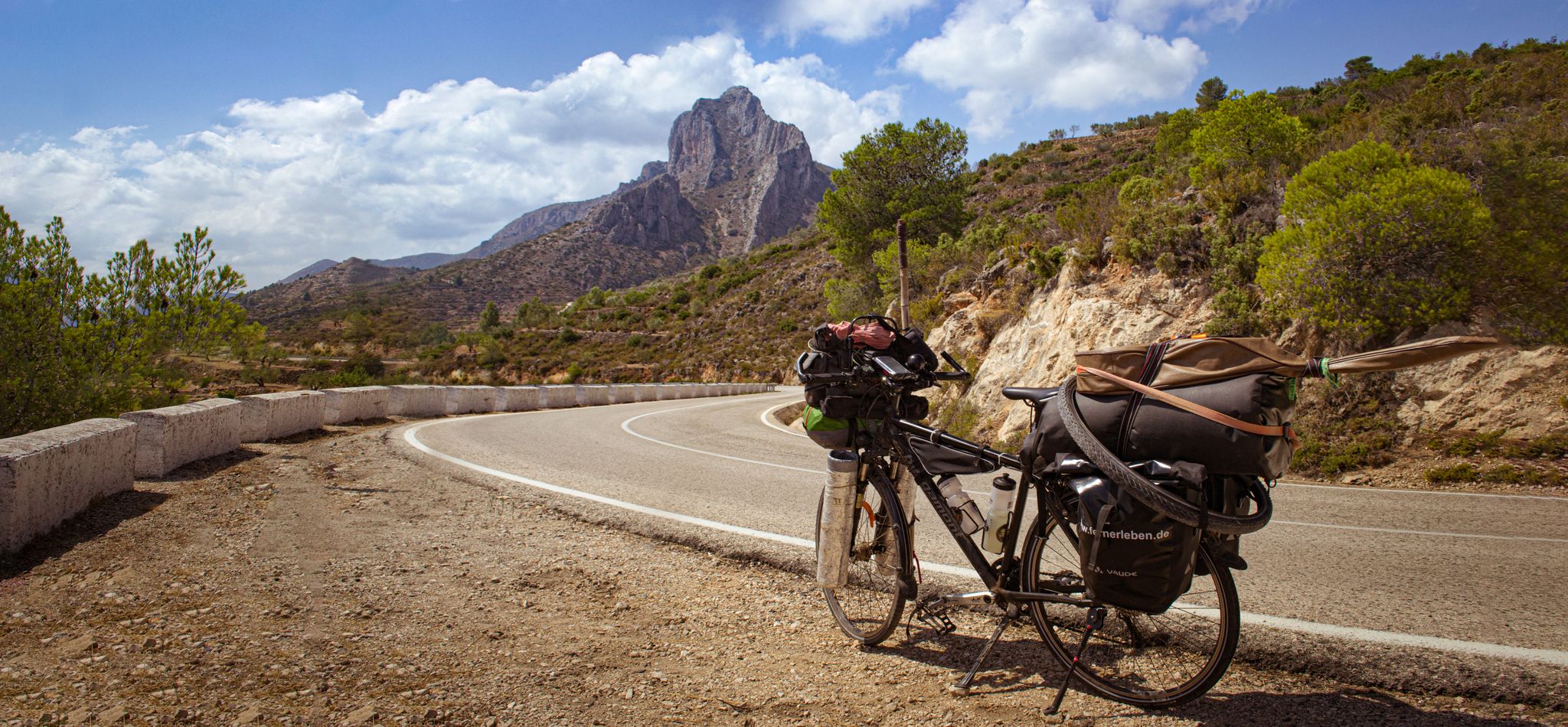
On the road to the sun — bikepacking to southeast Spain
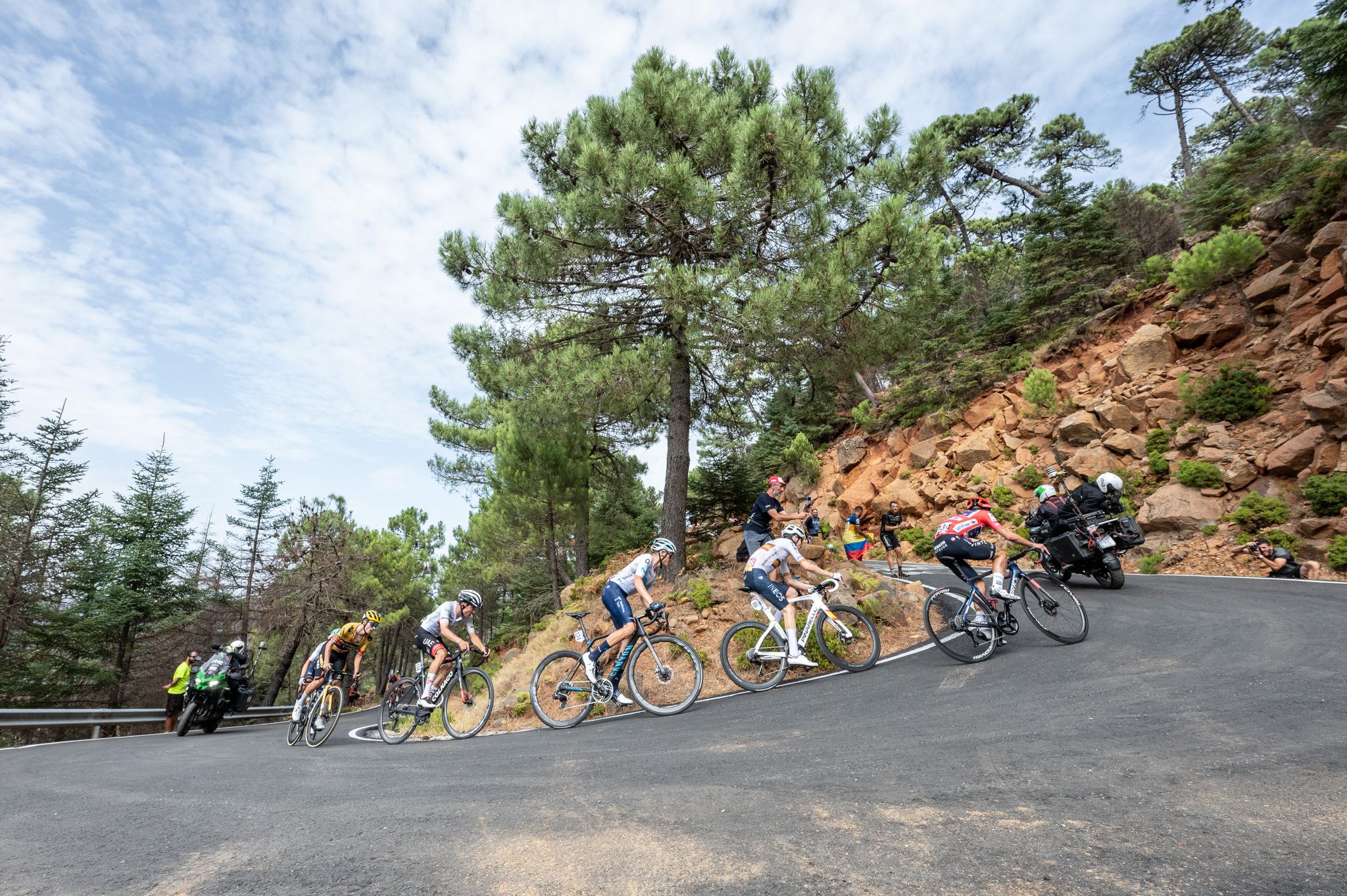
La Vuelta 26 — All Official Stages
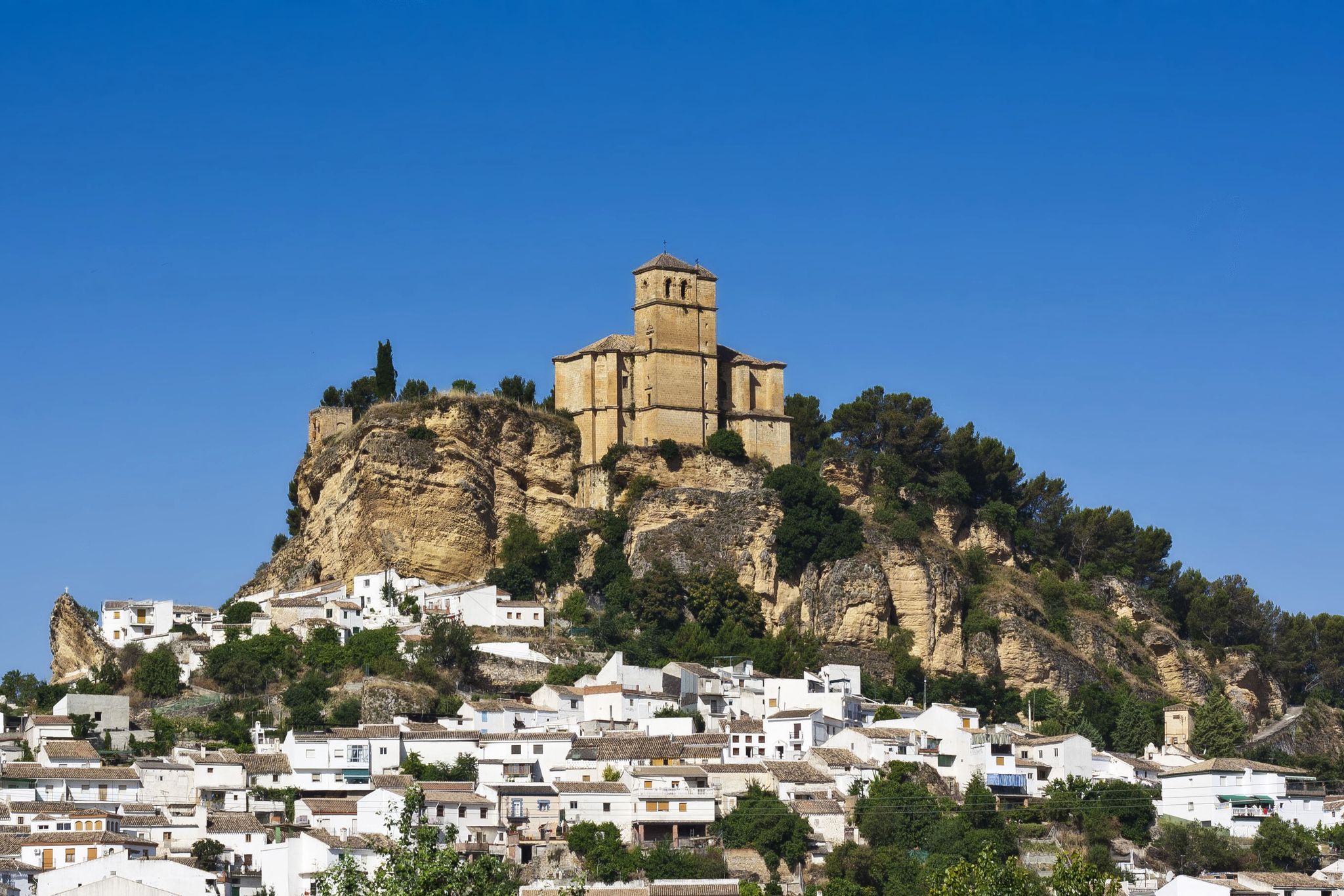
Washington Irving – cycle through the Arab vestiges of Andalusia
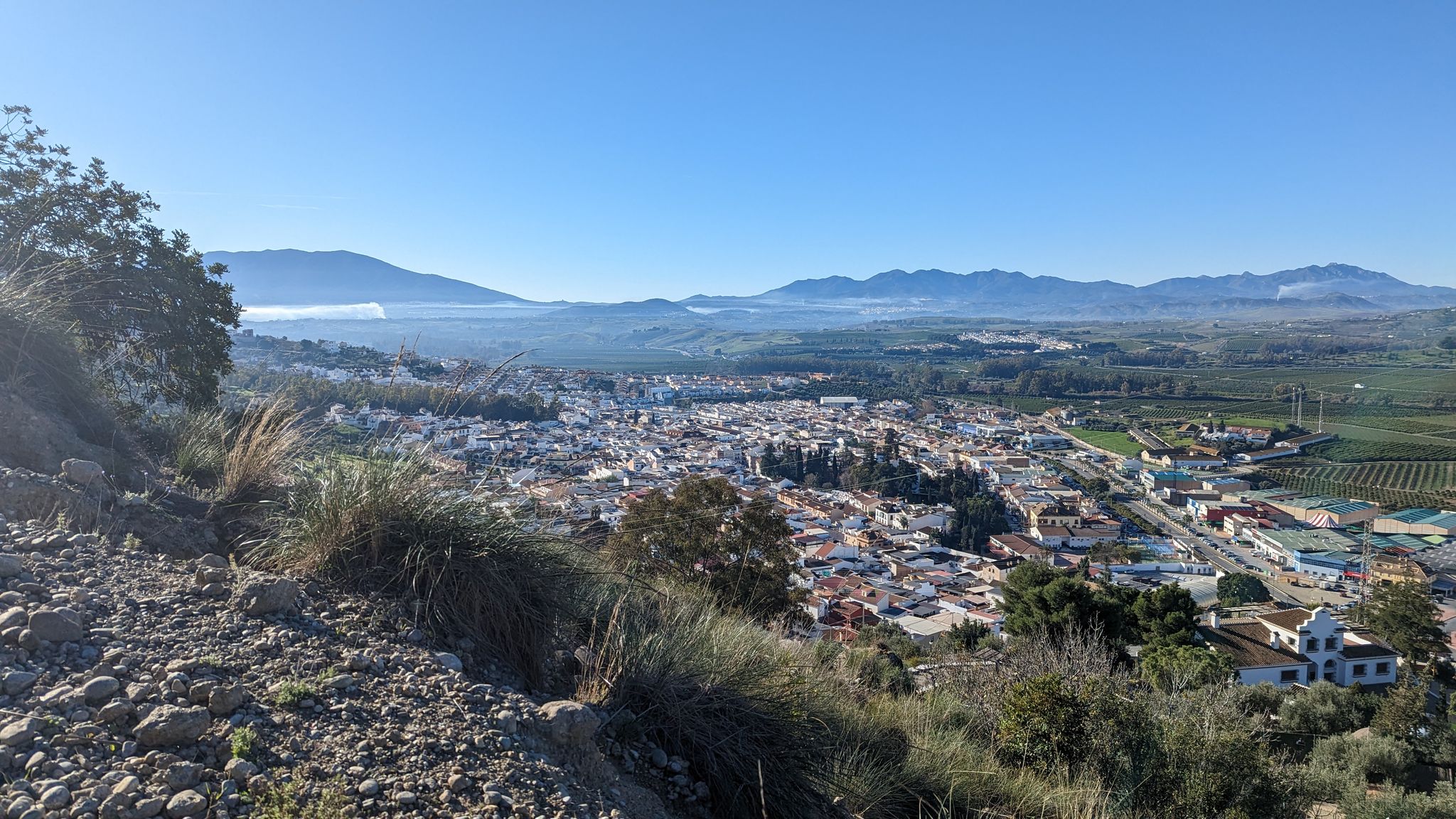
River path to the sea in Andalusia – Gran Senda del Guadalhorce (GR 248)
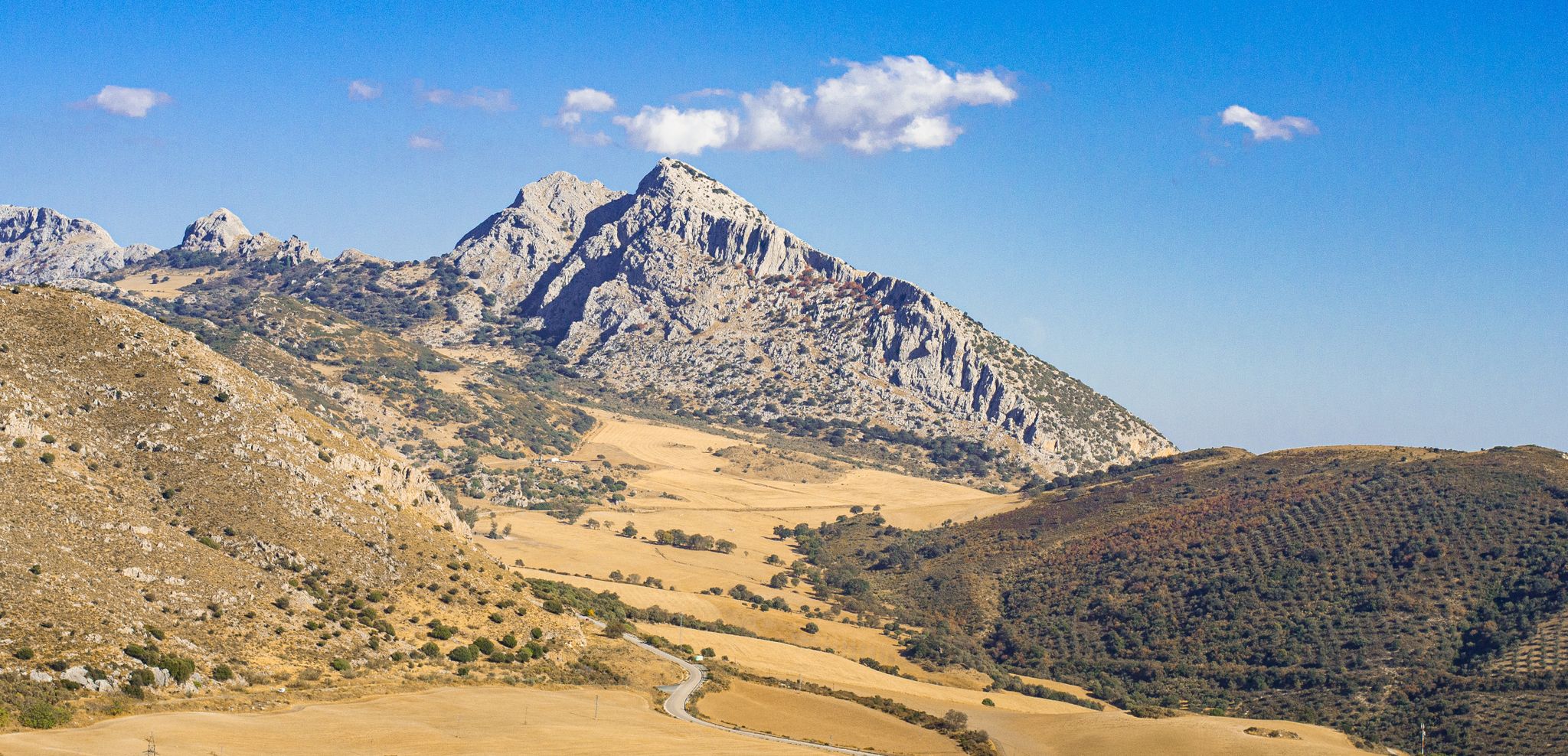
The beauty of the Andalusian mountains – Transandalus southern section
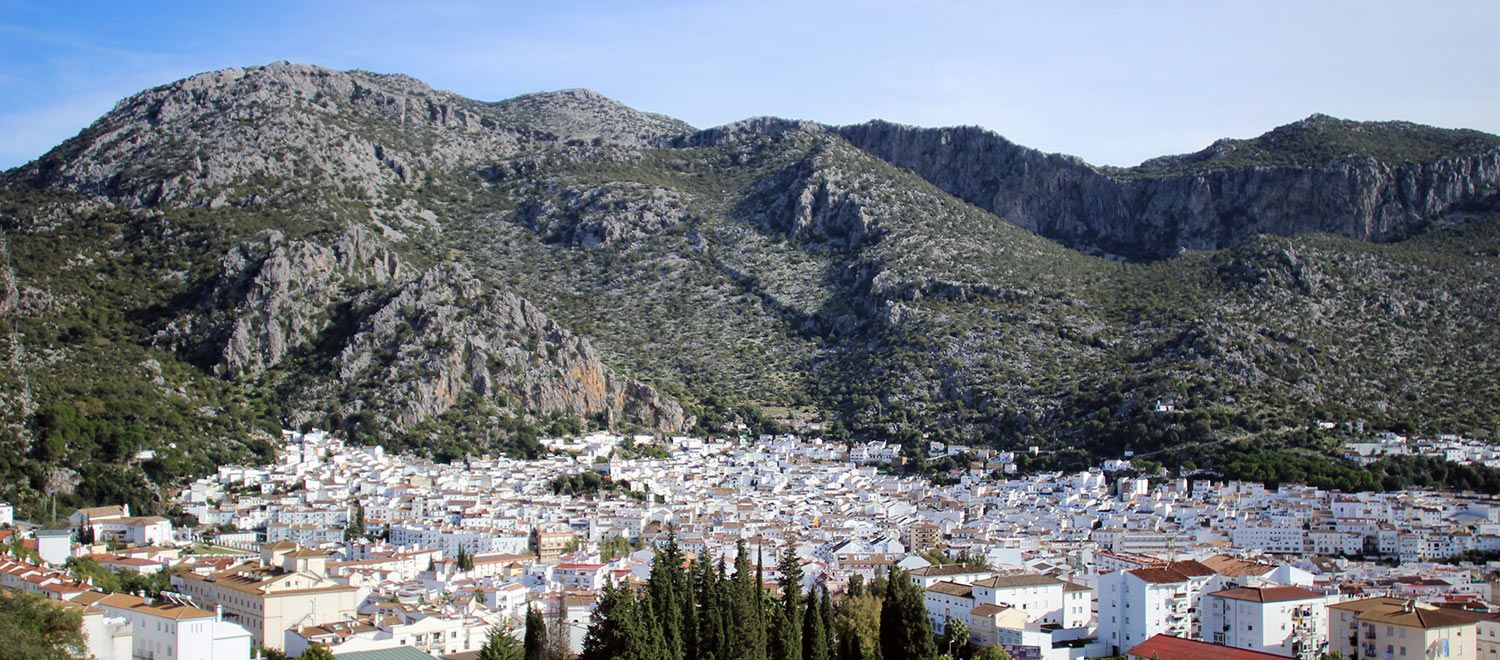
Explore the Betic Mountains on two wheels – Altravesur
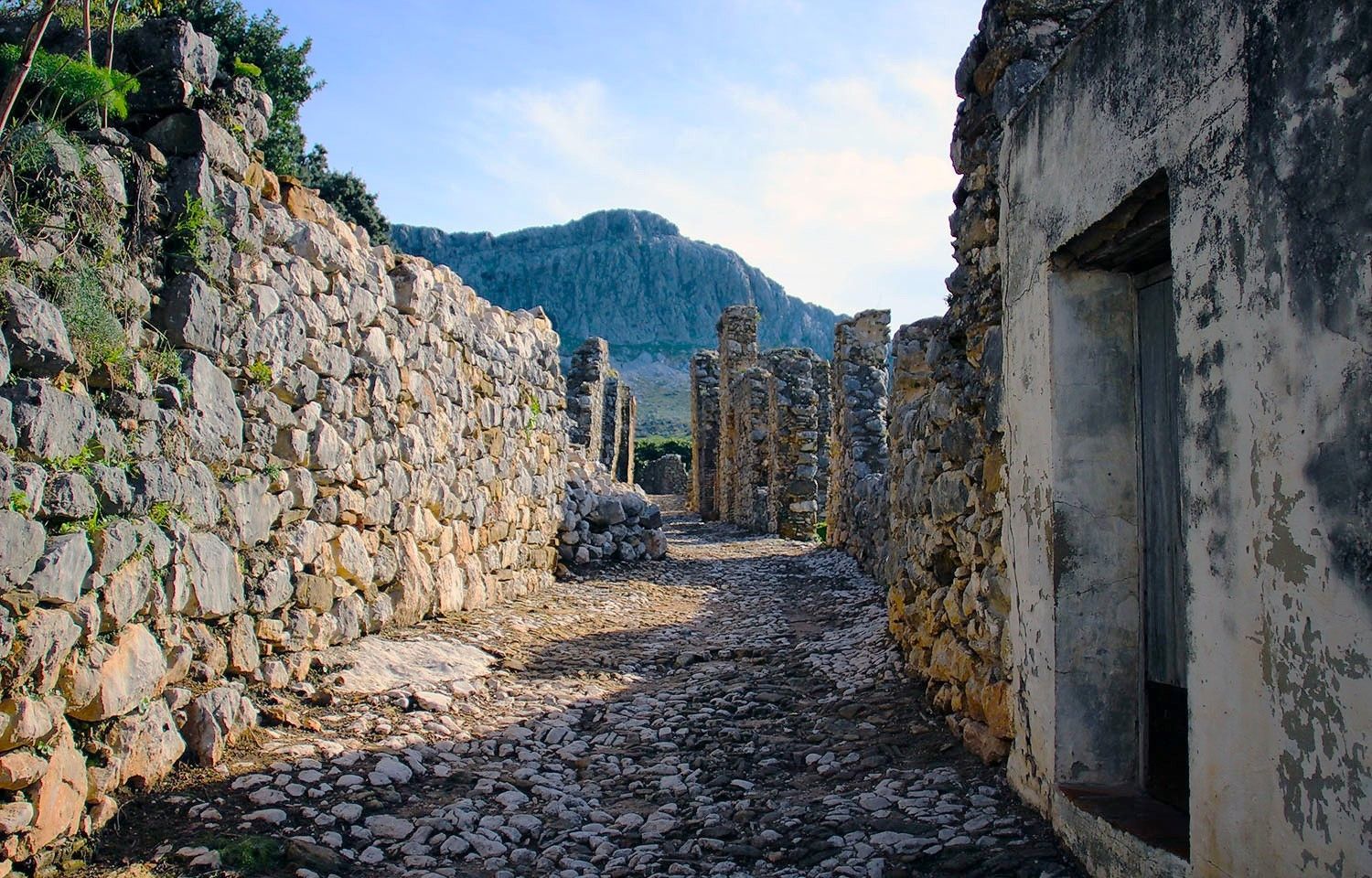
Andalusia without limits – Tarifa to La Puebla de Don Fabrique on the GR 7
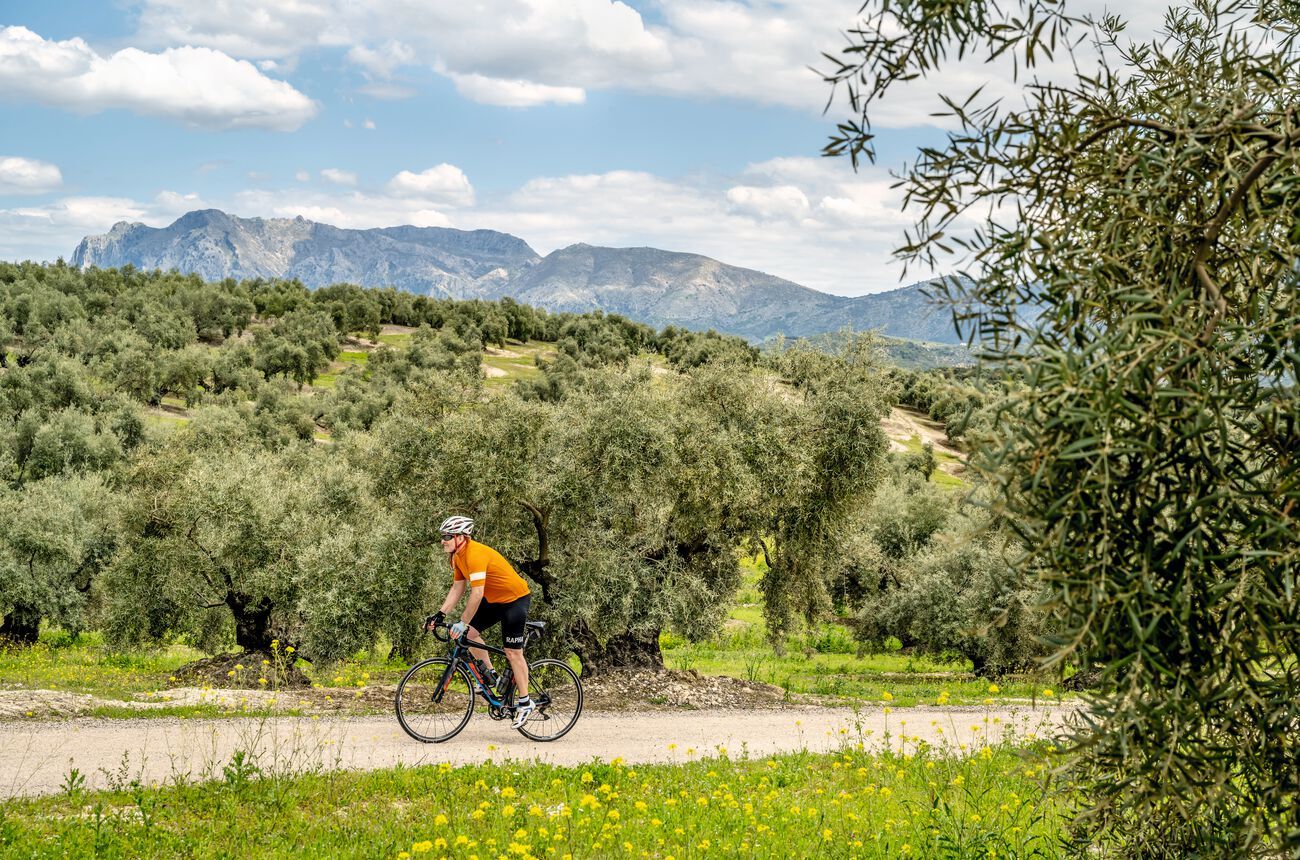
With TOUR in Andalusia - Costa del Sol and hinterland
Other adventures in Malaga


Tips from the Community

It is a very interesting structure in honor of Columbus. A visit is worthwhile.
0
0

The Mirador Niña de Antequera offers excellent views over the eastern part of the old town of Antequera and the surrounding mountains.
0
0
Hi everyone! I'm usually the type who tests everything for free first and is extremely cautious. But recently I got the itch to take a real risk again. Inflation here in Germany is incredibly annoying right now, so I wanted to try my luck with a very small budget. I read a report about fast payouts and wanted to experience the Playfina Casino real money experience (https://playfinacasinowin.net/) for myself. I only deposited €20. What really impressed me was the wide selection of payment methods. Apparently, even crypto is accepted, although I used a traditional bank transfer. I actually doubled my stake on Book of Dead. The payout was faster than expected, which is the most important thing for me. Trustworthiness is my top priority.
0
0

The Alcazaba de Antequera is a 14th-century Moorish fortress in the heart of the Andalusian city of Antequera. Built on the remains of an ancient Roman settlement, it served as a defensive fortification during the Muslim rule, protecting the city and the surrounding valley. After the Christian conquest in 1410 by Infante Ferdinand of Castile, the fortress became a key strategic point in the Kingdom of Castile. The imposing Torre del Homenaje (Tower of Homage) is particularly impressive, one of the largest keeps in Andalusia, offering panoramic views of the city, the Peña de los Enamorados (Peño de los Enamorados rock formation), and the surrounding landscape. A bell tower was later added to the tower, housing a large bell dating from 1582. Within the walls, remnants of residential buildings, cisterns, and fortifications can still be seen. Today, the Alcazaba is open to the public, offering a fascinating glimpse into the history of Antequera and Andalusia through its panoramic views and audio guides.
1
1
The Alcazaba de Antequera is a 14th-century Moorish fortress in the heart of the Andalusian city of Antequera. Built on the remains of an ancient Roman settlement, it served as a defensive fortification during the Muslim rule, protecting the city and the surrounding valley. After the Christian conquest in 1410 by Infante Ferdinand of Castile, the fortress became a key strategic point in the Kingdom of Castile. The imposing Torre del Homenaje (Tower of Homage) is particularly impressive, one of the largest keeps in Andalusia, offering panoramic views of the city, the Peña de los Enamorados (Peño de los Enamorados rock formation), and the surrounding landscape. A bell tower was later added to the tower, housing a large bell dating from 1582. Within the walls, remnants of residential buildings, cisterns, and fortifications can still be seen. Today, the Alcazaba is open to the public, offering a fascinating glimpse into the history of Antequera and Andalusia through its panoramic views and audio guides.
2
1

Public museum in a 14th-century house with gardens, courtyards, balconies, and water features. Address: Pl. Mondragón, s/n, 29400 Ronda, Málaga, Spain Province: Málaga Phone: +34 952 87 08 18 Opening Hours: Friday 9:30 AM–7:00 PM Saturday 10:00 AM–2:00 PM, 3:00 PM–6:00 PM Sunday (Fiesta Nacional de España) 10:00 AM–3:00 PM Opening hours may vary Monday (Fiesta Nacional de España (celebration)) 10:00 AM–2:00 PM, 3:00 PM–6:00 PM Opening hours may vary Tuesday 9:30 AM–7:00 PM Wednesday 9:30 AM–7:00 PM Thursday 9:30 AM–7:00 PM
3
0
The name Palacio de Mondragón is very well-known in Ronda. But its other name, Palacio del Marqués de Villasierra (once a very important resident of Ronda), is less well-known. In any case, this palace is Ronda's most important monument (besides the bridge and the bullring), for both historical and architectural reasons. There is a legend that this was the residence of the great Moorish king Abbel Malik. He was the son of the Sultan of Morocco, Abul Asan. A few years after his death, the then-kingdom of Ronda passed into the hands of Granada, just before Ronda was conquered by Catholic soldiers. It is known that the last governor, Hamet el Zegri, lived in this palace. To this day, it is not known exactly what the palace looked like during the Moorish period. A few Mudéjar remains provide a general idea. What is more known is that the most significant changes were made later by the Christian rulers. The current location of the garden, for example, dates from that period. The current Gothic-style patio and various wooden ceilings were built at that time. The palace is now open to the public, very beautiful and well worth a visit. Not only can you admire the beautiful palace with its garden and stunning views, but it also houses a museum showcasing the history of the palace and the Ronda region.
3
0

See: https://rondatoday.com/rondas-mondragon-palace/
0
2
Frequently Asked Questions
Which castles in Malaga offer the best panoramic views?
Many castles in Malaga are strategically located to provide stunning views. For exceptional city and port views, visit Gibralfaro Castle in Malaga City. Sohail Castle in Fuengirola offers magnificent coastal and mountain vistas, while Colomares Castle provides epic views of Benalmádena's coastline. From the largely ruined Gaucín castle, you can also enjoy impressive countryside views.
Are there family-friendly castles to visit in Malaga?
Yes, several castles in Malaga are suitable for families. The Alcazaba of Málaga is a great option, offering a fascinating historical experience with beautiful gardens. Colomares Castle, with its unique architecture and tribute to Christopher Columbus, is also very engaging for children. Sohail Castle in Fuengirola often hosts events and concerts, making it a lively spot for families.
What is the best time of year to visit castles in Malaga?
The best time to visit castles in Malaga is typically during the spring (April to June) and autumn (September to October) months. During these periods, the weather is pleasant, with comfortable temperatures for exploring. Summer can be very hot, especially at exposed hilltop locations, so if visiting then, plan your trip for early mornings or late afternoons.
Can I find cafes or amenities near the castles?
Yes, many popular castles have amenities nearby. For instance, there is La Terrazita Café at Gibralfaro Castle, offering refreshments with a great view. The Alcazaba of Málaga is located in the city center, providing easy access to numerous cafes and restaurants. Smaller castles or ruins in more rural areas might require you to bring your own provisions.
Are there any walking routes connecting the castles in Malaga City?
Yes, a popular walking route connects The Alcazaba of Málaga to the Castillo de Gibralfaro via a walled corridor known as La Coracha. This walk offers historical insights and magnificent views over Malaga and its harbor. You can find more hiking options in the region by exploring the Hiking in Malaga guide.
What are some lesser-known or 'hidden gem' castles in the Malaga region?
Beyond the main attractions, the Malaga province holds several lesser-known but historically rich sites. The Alcazaba of Antequera, a 14th-century Moorish fortress built on Roman ruins, offers excellent views and is next to a beautiful Renaissance church. The largely ruined Castillo de Álora, with Phoenician origins and an Islamic horseshoe arch, provides marvelous views of the Guadalhorce Valley and is near the Caminito del Rey.
What outdoor activities can I do near Malaga's castles?
The region around Malaga's castles offers diverse outdoor activities. Near the Castillo de Álora, you can access the famous Caminito del Rey footpath. For general outdoor exploration, you can find numerous hiking trails, including easy options like the 'Sendero Acequia del Guadalmina' or more challenging routes like the 'Caminito del Rey from El Chorro' in the Hiking in Malaga guide. Cycling routes are also available, such as the 'From Torremolinos to Fuengirola and Castillo de Sohaial de Fuengirola – by the sea' in the Cycling in Malaga guide.
Is the Alcazaba of Málaga wheelchair accessible?
While parts of the Alcazaba of Málaga have been made more accessible, its historical nature with uneven paths, stairs, and multiple levels can present challenges for wheelchair users. It's advisable to check the official website for the most current accessibility information before your visit.
How long does it typically take to visit the Alcazaba of Málaga?
To fully appreciate The Alcazaba of Málaga, including its courtyards, gardens, and the archaeological museum, you should allocate at least 2 to 3 hours. If you plan to combine it with a visit to the Roman Theatre at its base and the Castillo de Gibralfaro, allow for a half to a full day.
What historical periods do Malaga's castles represent?
Malaga's castles showcase a rich tapestry of history, reflecting diverse influences. Many, like The Alcazaba of Málaga and Marbella Castle, have Moorish origins from the Al-Andalus period. Others, such as Castillo de Álora, trace their roots back to Phoenician times, with later Roman and Christian additions. This blend offers a unique journey through centuries of architectural and cultural development.
Are there any castles that are not traditional historical fortresses?
Yes, Colomares Castle in Benalmádena is a unique monument built as a tribute to Christopher Columbus and the discovery of the New World. It's an artistic and symbolic representation rather than a traditional historical fortress. Similarly, Mondragón Palace, while historical, is more of a palatial residence than a defensive castle.
What are the options for public transport to Malaga's castles?
For castles within Malaga City, such as The Alcazaba and Gibralfaro Castle, public buses are readily available from various points in the city center. For castles outside the city, like Sohail Castle in Fuengirola or Colomares Castle in Benalmádena, local bus services or regional trains (Cercanías) can get you close, often requiring a short walk or taxi ride from the station.
Most popular routes in Malaga
Most popular attractions in Malaga

Get inspired with the komoot mobile app


Didn’t find what you were looking for?
Explore Malaga’s best castles region by region:
Explore more
Looking for the best castles somewhere else? Discover other guides in Malaga:
