Attractions and Places To See in Taranto - Top 20
Best attractions and places to see in Taranto include a blend of ancient history, cultural sites, and natural beauty, earning it the moniker "the City of Two Seas." Situated between the Mar Grande and Mar Piccolo, Taranto offers a unique coastal experience in Italy's Puglia region. Visitors can explore historic landmarks, significant archaeological museums, and picturesque coastlines. The area provides opportunities to discover ancient Greek remains and diverse natural landscapes.
Best attractions and places to see in Taranto
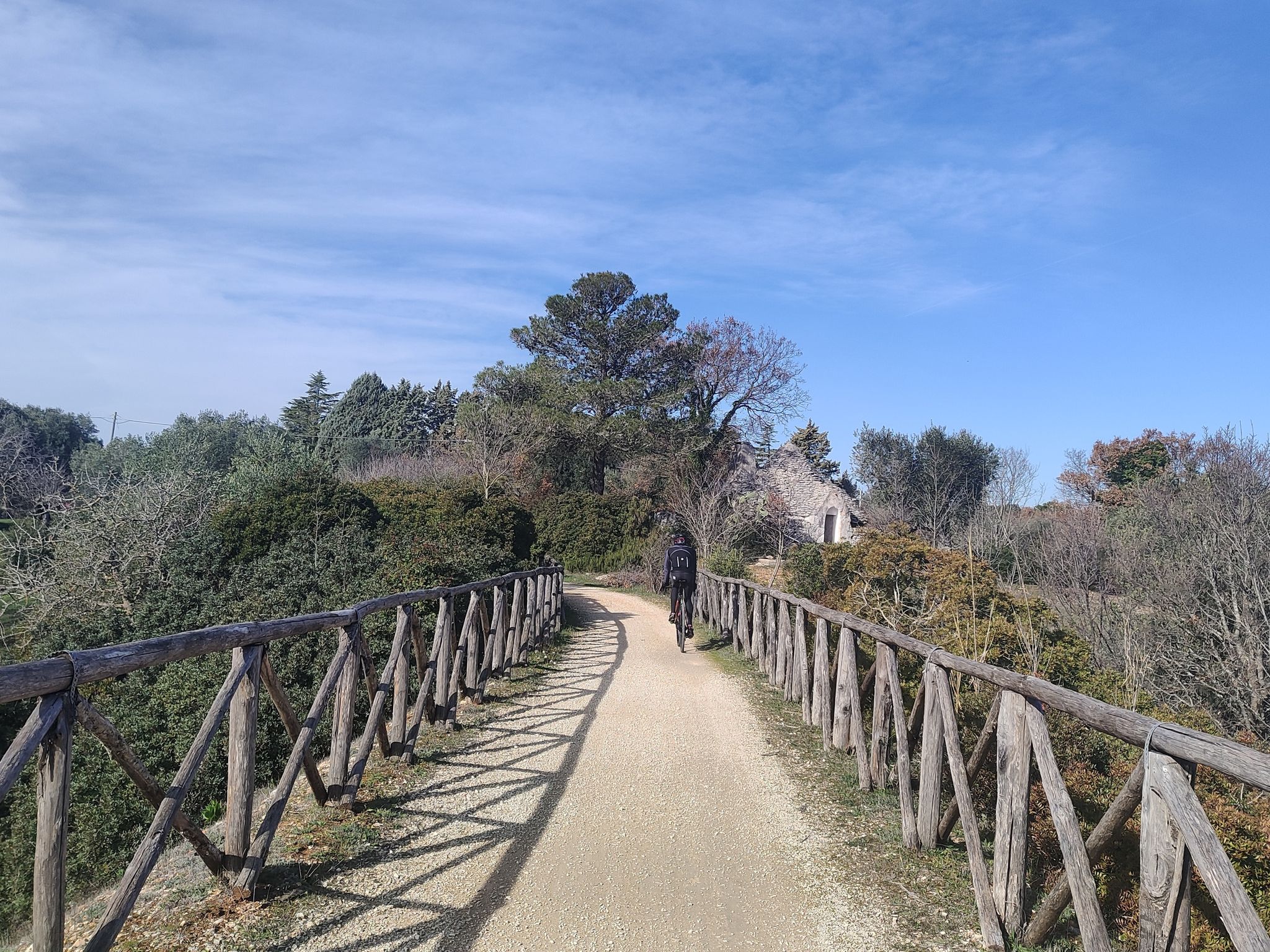
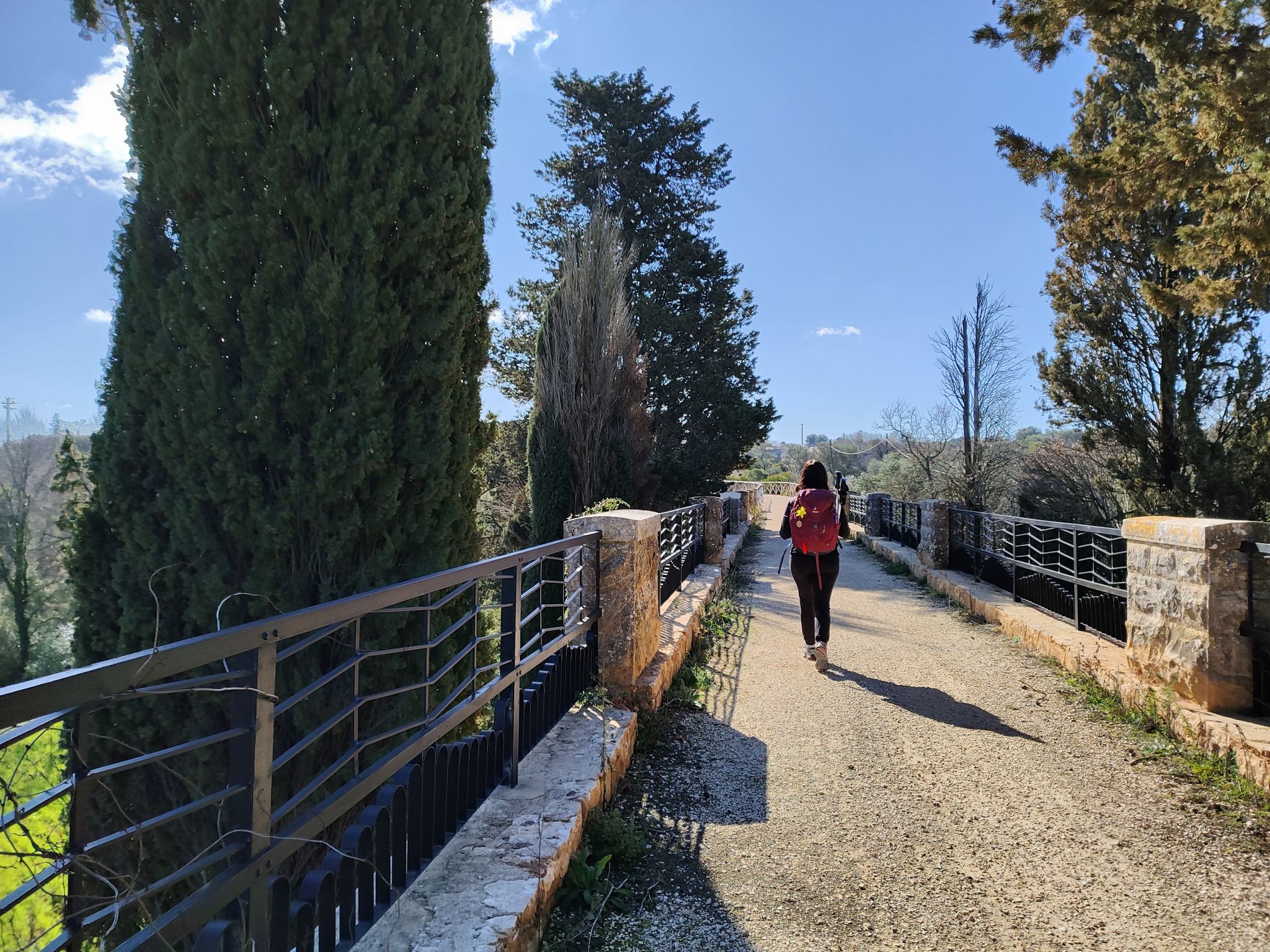
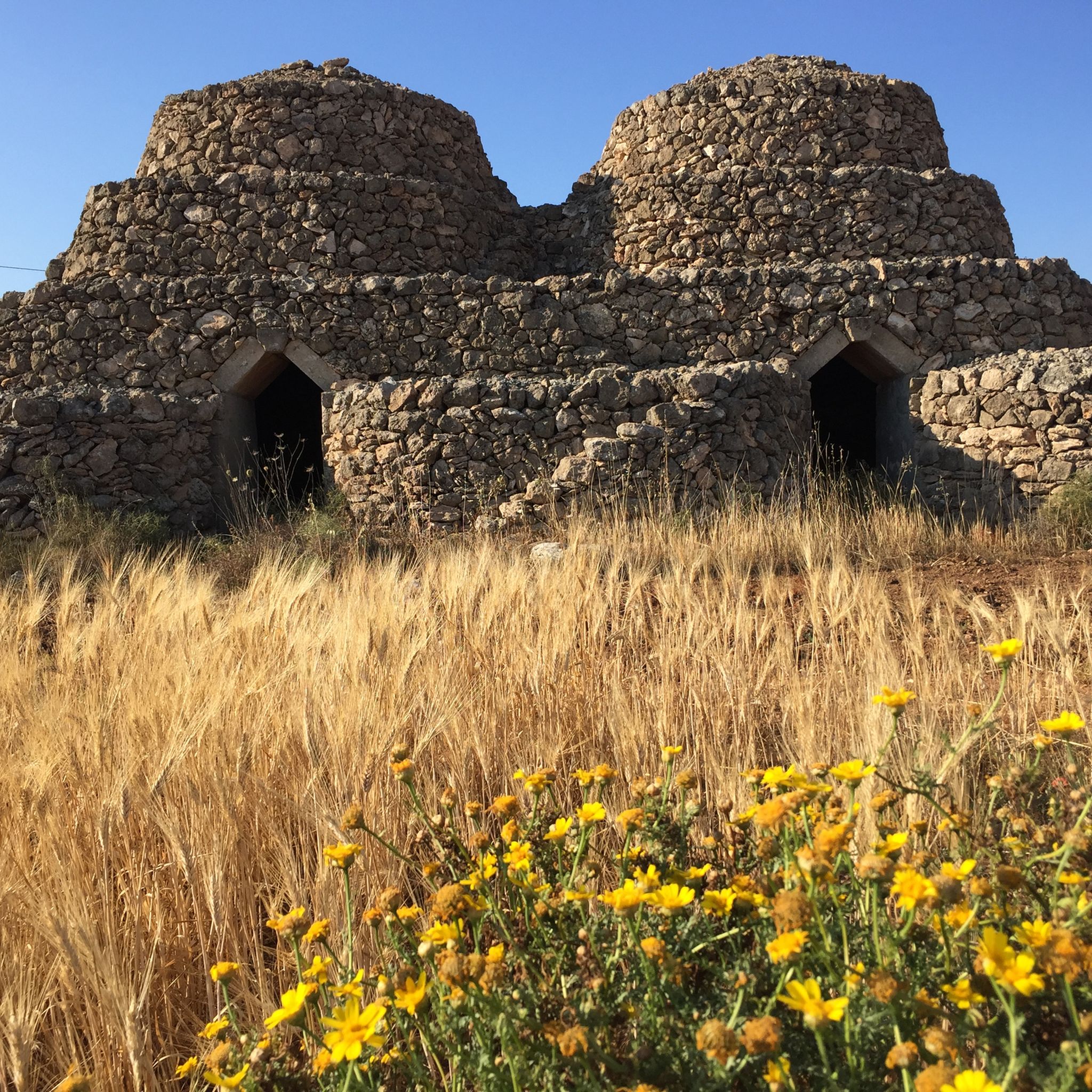
- The most popular attractions is Alberobello–Locorotondo Cycle Route (IT02), a cycle way that offers manicured roads and views of dry stone walls, trulli, olive, and cherry trees. This route is part of the Network of Cycle Routes of the Vast Area of the Itria Valley.
- Another must-see spot is Bosco delle Pianelle Nature Reserve, a forest that preserves the largest wooded complex of the South East Murgia. It features holm oak, Mediterranean scrub, and oak wood, offering numerous trails for cycling and hiking.
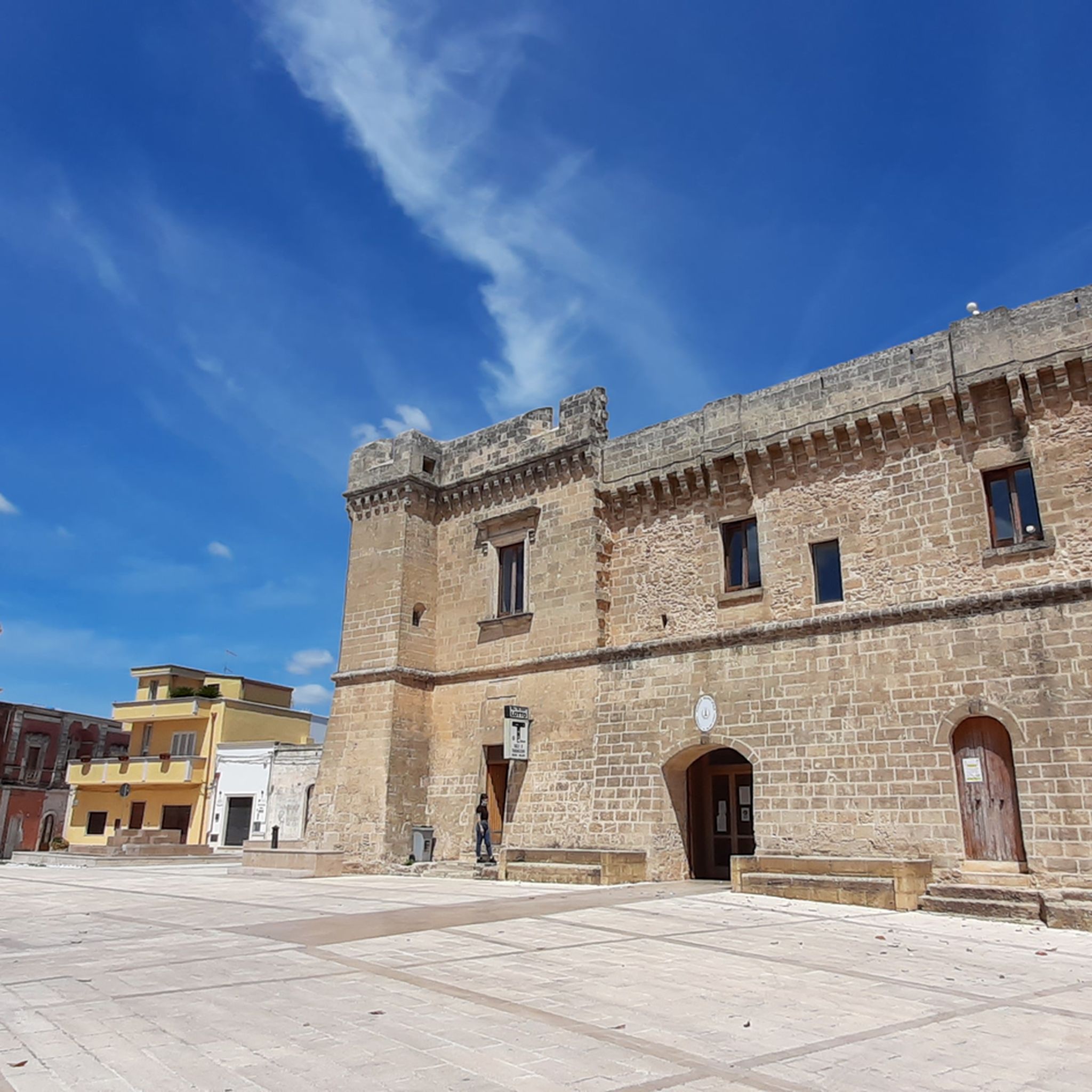
- Visitors also love Aragonese Castle, Taranto, a castle with origins dating back to Byzantine times. This 15th-century fortress, managed by the Italian Navy, offers well-preserved interiors and panoramic sea views.
- Taranto is known for its historical sites, natural reserves, and religious buildings. The city offers a variety of attractions to see and explore, from ancient temples to modern engineering marvels.
- The attractions in Taranto are appreciated by the komoot community, with more than 60 upvotes and 10 photos shared across various highlights.
Last updated: October 9, 2026
Salina dei Monaci Nature Reserve
Highlight • Natural
Translated by Google •
Tip by

Bosco delle Pianelle Nature Reserve
Highlight • Forest
In front of the entrance to the wood, the rest and refreshment area
Translated by Google •
Tip by

Sign up now to discover places like this
Get recommendations on the best single tracks, peaks, & plenty of other exciting outdoor places.
Aragonese Castle, Taranto
Highlight • Castle
Translated by Google •
Tip by

Church of St. Anthony of Padua
Highlight • Religious Site
The church dates from the Flamboyant Gothic period, as evidenced by the epigraphic engravings in the intrados of the arches, the third on the left and the first on the right, which mark the dates 1499 and 1500 respectively.
The side aisles are characterized by altars, niches and paintings: the one on the left has a beautiful crucifix, an altar surmounted by the painting of the Madonna delle Grazie (work by Leonardo Antonio Olivieri, considered the most famous painter of the Martinian Baroque ) and a Wooden altar, finely worked by Salento masters, surmounted by the statue of Saint Francis; the right aisle is instead accompanied by niches of the saints, including the statue of S. Antonio. The interior therefore retains a distinct medieval setting. Only the left aisle was enlarged and rebuilt from scratch in the 18th century. The facade is a mixture of classic elements and baroque-inspired motifs.
Source: santantoniomartinafranca.altervista.org/chiesa.html
Translated by Google •
Tip by

Alberobello–Locorotondo Cycle Route (IT02)
Highlight (Segment) • Cycleway
Translated by Google •
Tip by

Doric Columns of the Temple of Poseidon
Highlight • Historical Site
Translated by Google •
Tip by

Taranto Swing Bridge
Highlight • Bridge
Translated by Google •
Tip by
Ponte di Pietra (Porta Napoli Bridge)
Highlight • Bridge
Translated by Google •
Tip by
Gravina di Riggio
Highlight • Gorge
Translated by Google •
Tip by
Bucito Cave
Highlight • Cave
For some years, in the cave annexed to the ravine, on the night of December 25 of each year, the midnight Christmas Mass has been celebrated.
Translated by Google •
Tip by

Sign up for free to discover even more attractions in Taranto.
Already have an account?
Start today with a free account
Your next adventure awaits.
Popular around Taranto
Discovering Puglia by bike – essential rides
Caposele to Santa Maria di Leuca – Apulian Aqueduct Cycle Route
Sea, culture, taste and nature — Italy’s Puglia by bike
Ciclovia Anello d'oro di Puglia - Viaggio nella Puglia profonda
Anello d'oro di Puglia - Trekking nella Puglia profonda
Cycling in Taranto
Road Cycling Routes in Taranto
Hiking in Taranto
MTB Trails in Taranto
Running Trails in Taranto
Other adventures in Taranto


Tips from the Community

Temporarily closed to traffic, it allows you to enjoy it better by bike
0
0

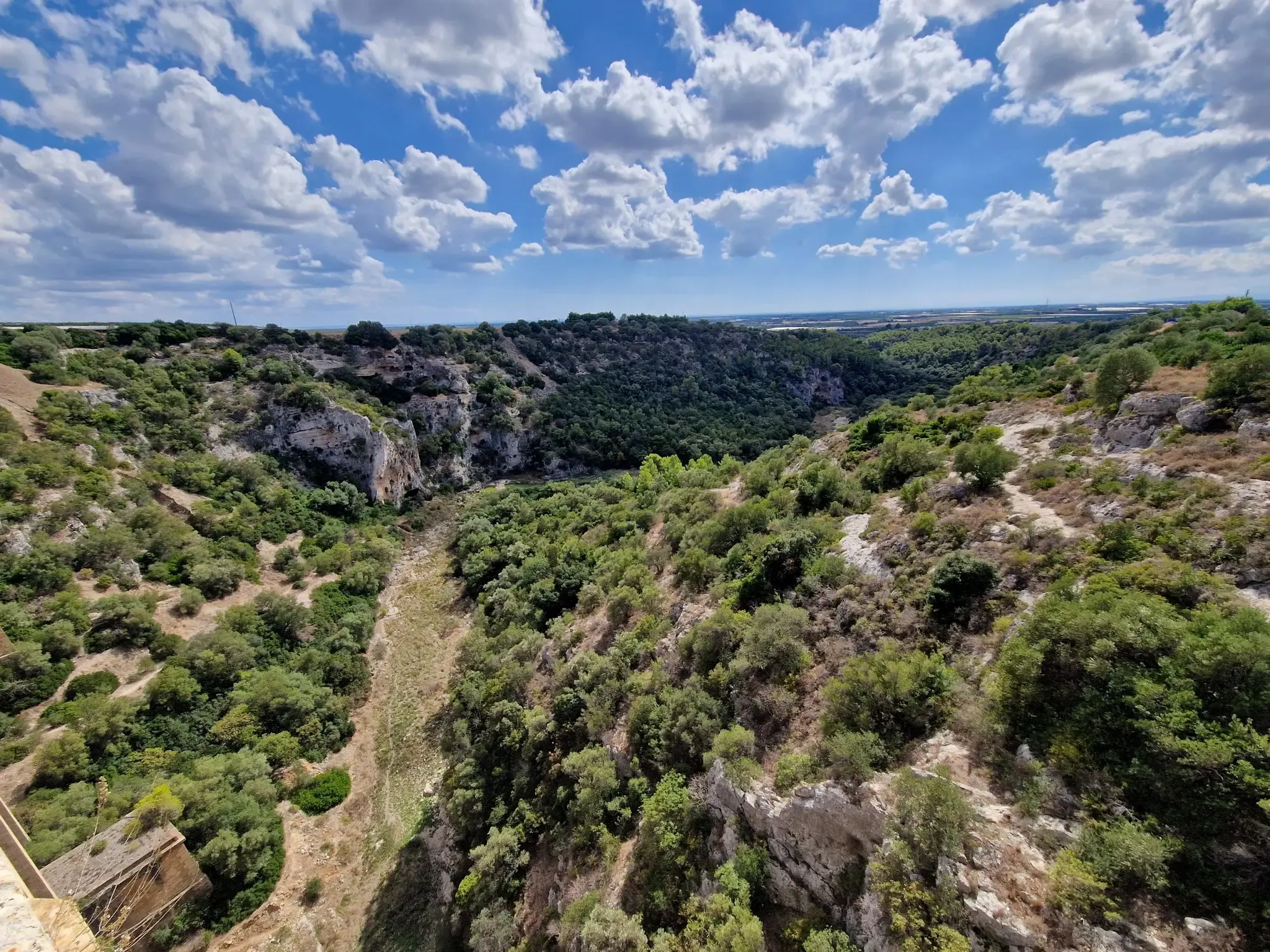
A valley with a small lake, a small natural waterfall—unique in Puglia—and numerous historical sites, from prehistory to the 10th century. A small paradise that many may not know, yet it lies within our territory. We're talking about the Gravina di Riggio, a place of great natural and historical value. A few kilometers from the city, the Gravina di Riggio is a deep valley characterized by a waterfall, a small lake, and a small stream, as well as numerous relics related to the phenomenon of "living in caves." Of particular note is "il Caggione," a circular chasm located near the waterfall. On its sheer walls, a cave village spread across three levels of caves is clearly visible. The remains of a fortification wall, some graffiti, and fragments of pottery date back to the Greek and Roman periods. Finally, the area was heavily inhabited during the Middle Ages, as evidenced by the two frescoed rock churches, the cenobitic hermitage, the pit burials, and a village with communal facilities such as water cisterns and a granary. The Gravina di Riggio rises 4 kilometers from Grottaglie, in the province of Taranto, and is a valley 1,300 meters long and 25 meters deep. In addition to being home to many animal and plant species, it is famous for its caves, some of natural origin, others man-made. The Gravina di Riggio is unique for its waterfall, which after a 15-meter drop feeds a small lake and a stream. The Church-Crypt of the Savior, with frescoes from the 10th and 11th centuries, is also beautiful. A special place not to be missed.
0
0


The origins of the fortress of Taranto date back to Byzantine times. The current appearance of the complex dates back to Ferdinand of Aragon, who had the outdated castle converted into a modern fortress at the end of the 15th century. The fortifications were further reinforced by the Spanish in the 16th century. At the end of the 19th century, the Aragonese Castle passed to the Italian Navy, which still owns the complex today.
14
0
Taranto's old town lies on an island between the Mare Piccolo and Mare Grande, connected to the mainland by only two bridges. Many people here still make their living from fishing and the oyster beds of the Mare Piccolo. The sea is present everywhere, even in the paintings of street artists.
17
0

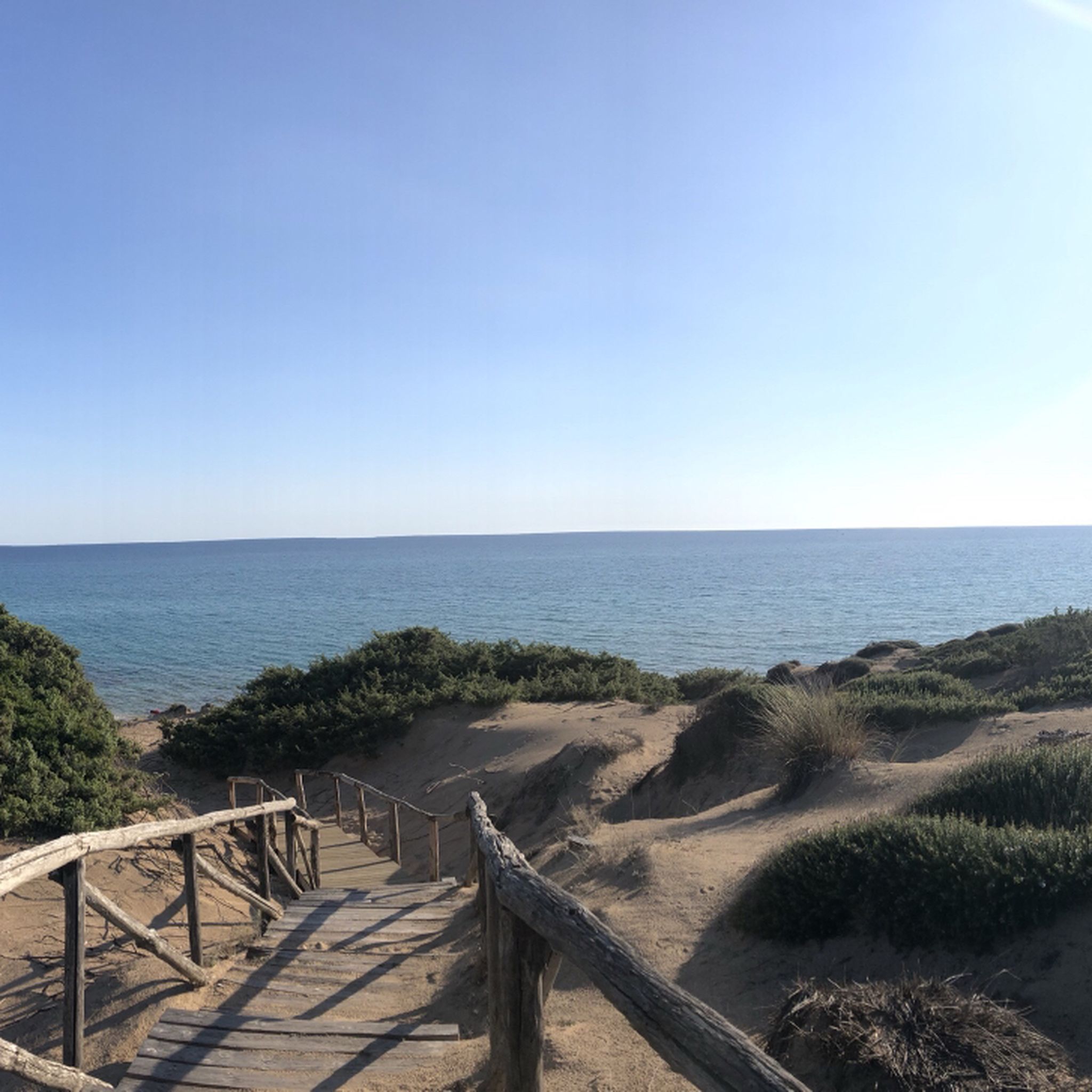
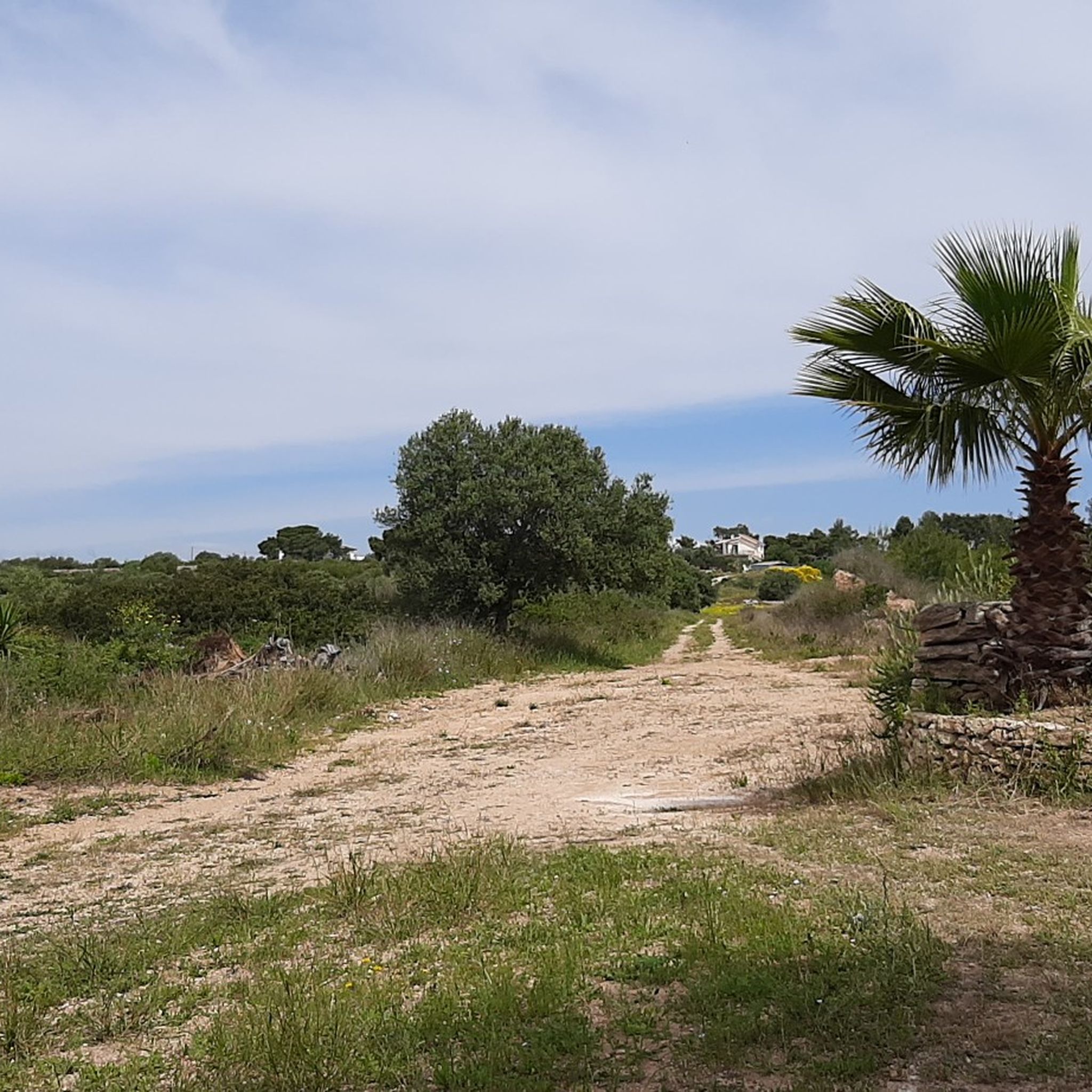
In some parts the sand on the trail is quite thick: if you are travelling with a very heavy bike it might be better to push it.
0
0

The Salina dei monaci of Torre Colimena is a small earthly paradise located on the Ionian coast of Salento a few kilometers from Porto Cesareo
0
0
"The Bucito Cave", in Grottaglie I'll make a very brief introduction: generally the manifestations of worship in caves, here, refer to what is the devotion for the Archangel Michael (quis ut Deus). And we owe this to the Lombards who made him their national saint. I would not leave out, however, the Byzantines of Puglia among whom this saint enjoyed enormous popularity. "The Grottaglie area, like other places in the area, has been inhabited by man since the most remote times. In fact, in some districts (Bucito, Coluccio and Lonoce) roughly worked stone tools, splinters and processing residues have been found, belonging to the Paleolithic, that is, to the period of the Ancient Stone. The Buccito Cave (or Coluccio), near Grottaglie, is located at an important road junction, closely connected to the Tratturo Martinese. These are the oldest signs of the presence of man in our territory. In the Neolithic Age (from the mid-5th to the first centuries of the 4th millennium BC) the first agricultural villages began to emerge (Bucito and Caprarica). Caves and natural caverns were then used in all phases of the Bronze and Iron Ages, especially in the villages of Riggio, Lonoce, Fullonese and Pensieri. In the last period of the Bronze Age, the agricultural economy took over from pastoralism, so the ravines were gradually abandoned to form small urban-type settlements. This process was however stifled with the foundation of Taranto by Spartan colonists (towards the end of the 8th century BC)” (From metropolis.it) Why is it called that? The cave takes its name from the Greek term βοῦς, βοός- bus,- or “ox” and οἰκία or “house, shelter, dwelling” and therefore, originally, indicated a place of shelter for these animals. The Greek etymology is evidence of both Magna Graecia, of Byzantine d+-++-homination and of the subsequent presence of the Basilian monks in our territory For some years, in this cave, the mass of December 24th was celebrated. Suggestive! A custom that would be nice to resume, both for our religion and for our traditions.
0
0
Frequently Asked Questions
What historical sites can I explore in Taranto?
Taranto offers a rich array of historical sites. You can visit the iconic Aragonese Castle, a 15th-century fortress with well-preserved interiors and panoramic sea views. Wander through the charming Old Town (Città Vecchia) with its narrow streets and ancient churches, or see the ancient Doric Columns of the Temple of Poseidon, dating back to the 6th century BC.
Are there any natural parks or reserves near Taranto for outdoor activities?
Yes, Taranto is close to several natural areas. The Bosco delle Pianelle Nature Reserve is a significant wooded complex offering numerous trails for cycling and hiking. You can also explore the deep canyons and diverse landscapes of the Terra delle Gravine Regional Natural Park, or the Gravina di Riggio, known for its canyons, caves, and waterfalls.
What are some family-friendly attractions in Taranto?
Many attractions in Taranto are suitable for families. The Aragonese Castle offers guided tours that can engage children, and the Bosco delle Pianelle Nature Reserve has trails for various activity levels. Boat tours for dolphin watching in the Gulf of Taranto are also a memorable experience for all ages.
Can I go hiking or cycling in Taranto?
Absolutely! Taranto and its surroundings are great for outdoor activities. The Bosco delle Pianelle Nature Reserve is a popular spot for both hiking and cycling, with trails for all skill levels. For cycling, the Alberobello–Locorotondo Cycle Route (IT02) offers scenic views of trulli and olive groves. You can find more routes in the easy hikes, gravel biking, and road cycling guides for Taranto.
Where can I experience Taranto's unique marine environment?
Taranto is known as the 'City of Two Seas' (Mar Grande and Mar Piccolo). You can take boat tours in the Gulf of Taranto for dolphin watching, an activity supported by local organizations like the Ionian Dolphin Conservation. The scenic Lungomare Vittorio Emanuele III promenade also offers beautiful views of the Gulf.
What is the National Archaeological Museum of Taranto (MArTA) known for?
The National Archaeological Museum of Taranto (MArTA) is one of Italy's most important archaeological museums. It houses an extraordinary collection of artifacts from the Magna Graecia period, including intricate gold jewelry, ceramics, pottery, and sculptures that narrate the history of ancient Greek and Roman life in the region.
What is the best time of year to visit Taranto?
The best time to visit Taranto is generally during the spring (April to June) and early autumn (September to October). During these months, the weather is pleasant for exploring historical sites and enjoying outdoor activities, and the crowds are typically smaller than in the peak summer season.
Are there any unique engineering marvels in Taranto?
Yes, the Ponte Girevole (Swing Bridge) is a fascinating engineering marvel. It connects Taranto's Old Town to the modern city and rotates to allow large ships to pass, creating a unique spectacle for visitors.
Can I find beaches for swimming and relaxation near Taranto?
Absolutely. Just 20 minutes from Taranto, you'll find the Pulsano Beaches and Marina di Pulsano, known for their pristine sands and crystal-clear waters. Lido Gandoli is another popular beach ideal for swimming and sunbathing.
What are some nearby towns or attractions I can visit from Taranto?
Taranto serves as an excellent base for exploring other notable destinations in Puglia. You can easily visit Alberobello, famous for its unique trulli houses, Matera with its ancient Sassi cave dwellings, and Grottaglie, known for its traditional ceramics.
What do visitors particularly enjoy about the Bosco delle Pianelle Nature Reserve?
Visitors to the Bosco delle Pianelle Nature Reserve appreciate its extensive network of trails, making it a 'bikers' paradise' for cycling and mountain biking. The reserve's diverse landscape of holm oak, Mediterranean scrub, and oak wood also offers a beautiful setting for hiking and enjoying nature.
Are there any accessible attractions for visitors with mobility needs?
While specific accessibility details for all attractions vary, many public areas like the Lungomare Vittorio Emanuele III promenade are generally accessible. For specific historical sites like the Aragonese Castle or museums, it's advisable to check their official websites or contact them directly for the most up-to-date accessibility information.
What cultural experiences can I have in Taranto beyond museums?
Beyond museums, Taranto offers rich cultural experiences through its religious architecture and historic palaces. You can visit the Cathedral of San Cataldo with its Baroque façade and ancient crypt, or explore the elegant 18th-century Palazzo Pantaleo, which provides a glimpse into Taranto's aristocratic past.
Most popular routes in Taranto
Most popular attractions in Taranto

Get inspired with the komoot mobile app


Didn’t find what you were looking for?
Are you keen on exploring more awesome places nearby? Browse our guides:
Explore more
Still not found the Highlight you’re looking for? See guides of the top attractions in other regions:
