Top 15 Castles in Naples
Castles in Naples offer a glimpse into the city's extensive history and strategic importance. Naples is a coastal city in southern Italy, known for its rich cultural heritage and proximity to Mount Vesuvius and the Bay of Naples. The city's landscape features a mix of urban development and natural beauty, with several historical fortresses dotting its skyline. These structures reflect centuries of architectural evolution and various ruling powers.
Best castles in Naples
- The most popular castles is Sant'Elmo Castle, a castle that offers panoramic views of Naples and Mount Vesuvius. It is a star-shaped medieval fortress located on Vomero Hill.
- Another must-see spot is Castel dell'Ovo (Egg Castle), an ancient castle. It is the oldest castle in Naples, situated on the Megaride islet directly on the seafront.
- Visitors also love Lettere Castle, a historical castle. It was built around the 10th century to defend borders and offers a panoramic position overlooking the Gulf of Naples.
- Naples is known for its medieval, coastal, and hilltop castles. Visitors can explore a variety of historical fortresses, from ancient coastal defenses to strategic hilltop strongholds.
- The castles in Naples are appreciated by the komoot community, with more than 240 upvotes and over 260 photos shared by visitors.
Last updated: October 11, 2026
Sant'Elmo Castle
Highlight • Castle
Translated by Google •
Tip by

Castel dell'Ovo (Egg Castle)
Highlight • Castle
Translated by Google •
Tip by

Sign up now to discover places like this
Get recommendations on the best single tracks, peaks, & plenty of other exciting outdoor places.
Lettere Castle
Highlight • Castle
Translated by Google •
Tip by

Aragonese Castle
Highlight • Castle
Translated by Google •
Tip by

Aragonese Castle of Ischia
Highlight • Castle
Translated by Google •
Tip by

Bridge to the Aragonese Castle
Highlight • Bridge
Translated by Google •
Tip by

New Castle (Maschio Angioino)
Highlight • Castle
Translated by Google •
Tip by
Torrione Museum
Highlight • Historical Site
Translated by Google •
Tip by

Castello Aselmeyer
Highlight • Castle
Translated by Google •
Tip by
Palazzo Mediceo di Ottaviano
Highlight • Castle
Translated by Google •
Tip by

Sign up for free to discover even more castles in Naples.
Already have an account?
Start today with a free account
Your next adventure awaits.
Popular around Naples

Naples to North Cape — Two friends, one purpose and many scoops of ice-cream

Campania by bike – rides among villages, valleys and water landscapes
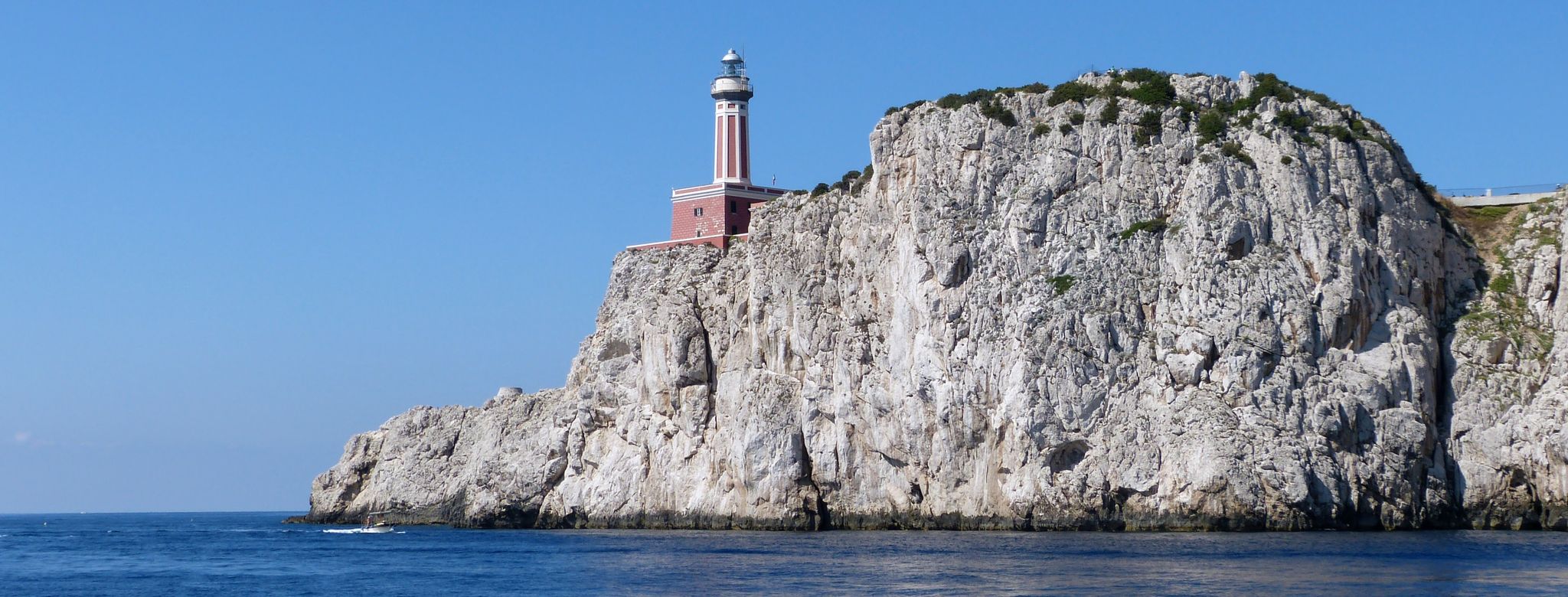
Micro-adventures on the island of Capri – the Amalfi Coast
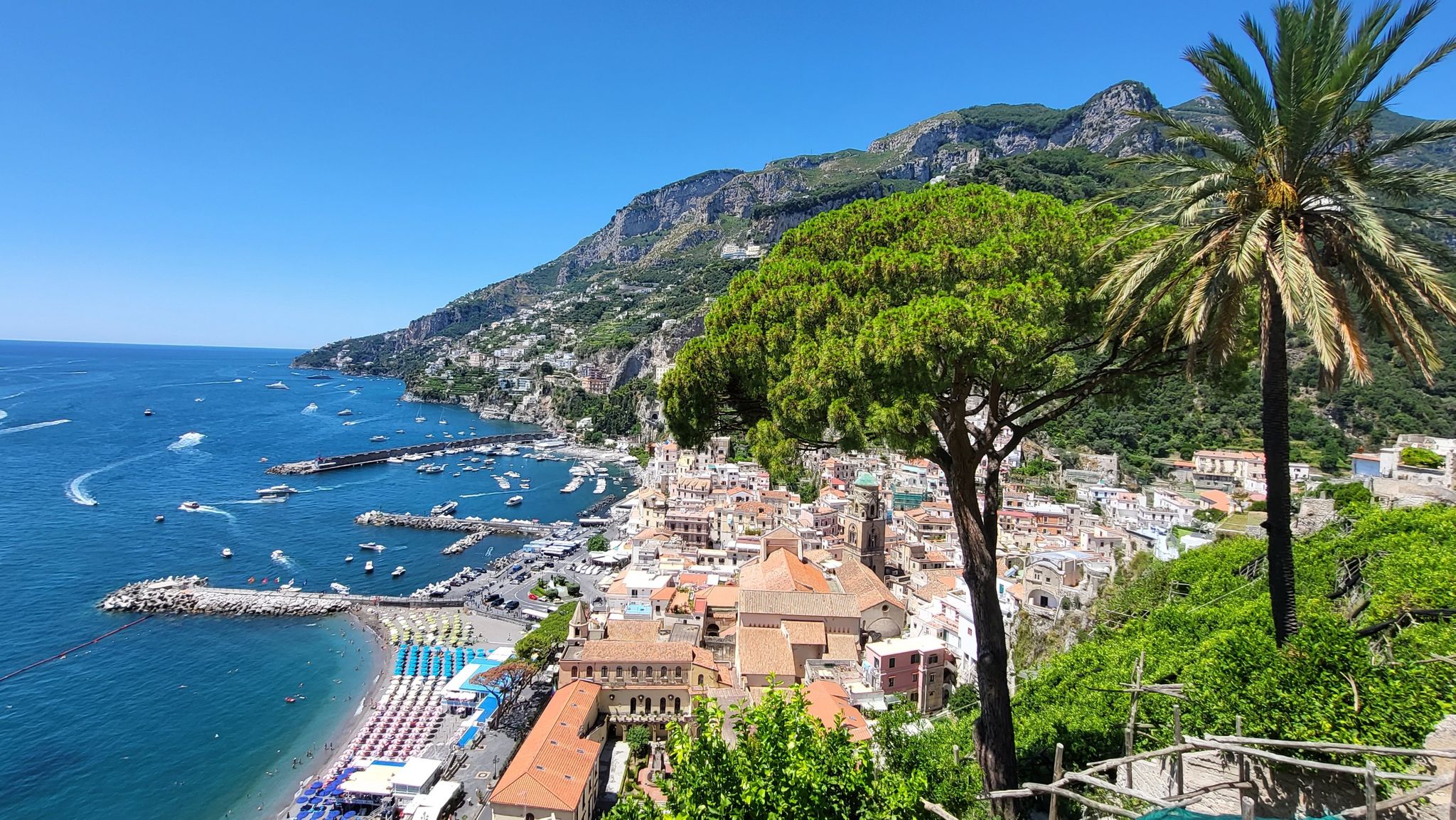
Discovering the Amalfi Coast – four unmissable walks

Hiking in Naples
Cycling in Naples

MTB Trails in Naples

Running Trails in Naples
Road Cycling Routes in Naples

Gravel biking in Naples
Other adventures in Naples


Tips from the Community

The Maschio Angioino, or Castel Nuovo, is a majestic medieval and Renaissance fortress in Piazza Municipio in Naples, a historic symbol of the city built in 1266 by Charles I of Anjou. Famous for the Aragonese Arch of Triumph, it houses the Civic Museum and offers visits to the Palatine Chapel, with opening hours Mon-Sat 9:00-18:00 (closed Sundays).
1
0
The castle originally took the name Castrum Gironis: according to some from the name of Hieron of Syracuse (to whom the first settlement dating back to the 5th century BC is attributed), according to others from the "circumference of walls" fortified that surrounded the small island of trachyte rock.
0
0

The medieval Castel Nuovo is also known as 'Maschio Angioino', in homage to the French house of Anjou. From the end of the 13th to the mid-15th century, the castle was the residence of French kings and queens. Notably, four towers are made of the volcanic stone piperno and one tower of yellow tuff. The architectural style of the facade is inspired by Roman triumphal arches and shows the entry of King Alfonso of Aragon in 1443; the Spanish king who drove the Anjou out of Naples, after all, did not want this to go unnoticed. Inside the castle, you will find the Museo Civico, which houses a collection of paintings from old Naples.
2
0

A charming passage in front of Castel Nuovo, perfect for a break and some photos 📸; inside, in my opinion, it's not worth paying the entrance fee.
2
0

The Aragonese Castle of Baia houses a museum with very interesting finds as well as offering visitors a breathtaking view of the entire area.
1
0

The Palazzo Mediceo is a historic structure built in the Lombard era before the year 1000 in Ottaviano, a municipality in the province of Naples, and later belonged to a branch of the Florentine Medici family. In the second half of the 20th century it ended up in the hands of the Camorra, and was then returned to the city of Ottaviano in 1995. From the garden you can enjoy a beautiful view of the nearby Parish of San Michele Arcangelo. From November to April it is open from Thursday to Sunday from 10 am to 1 pm and from 2 pm to 5 pm. From May to October it is open from Monday to Friday from 10 am to 1 pm and from 4 pm to 8 pm. On Saturday and Sunday instead from 11 am to 2 pm and from 4 pm to 8 pm. During this period it hosts beautiful Christmas markets in the evening, with shows and various related initiatives.
0
0

A beautiful, high-lying castle with a charming park all around. The administration of the Vesuvio National Park is located in the gatehouse at the entrance.
2
0

Frequently Asked Questions
Which castles offer the most impressive panoramic views of Naples?
For breathtaking panoramic views, Sant'Elmo Castle is unparalleled. Perched atop Vomero Hill, its star-shaped ramparts provide expansive vistas of the city, the Bay of Naples, the islands, and Mount Vesuvius. Castel dell'Ovo also offers stunning seafront views, especially from its ancient ramparts overlooking the Bay of Naples.
Are there family-friendly castles to visit in Naples?
Yes, several castles in Naples are suitable for families. Castel dell'Ovo is a great option, with its fascinating legend of the magical egg and accessible ramparts. Lettere Castle is also categorized as family-friendly and offers historical exploration with a view. The Bridge to the Aragonese Castle is another family-friendly spot, leading to a historic site.
Which castles are a must-visit for history enthusiasts?
History buffs will find much to explore. Castel Nuovo, also known as Maschio Angioino, served as a royal seat for centuries and features an impressive Triumphal Arch and the Palatine Chapel. Castel dell'Ovo is the oldest castle in Naples, rich in ancient history and legends. Castel Capuano, the second oldest, offers a unique glimpse into Naples' legal and cultural heritage, having served as a courthouse and prison.
What is the best time of year to visit the castles in Naples?
The best time to visit the castles in Naples is generally during the spring (April to June) and autumn (September to October). During these months, the weather is pleasant, with comfortable temperatures for exploring on foot and enjoying the outdoor views without the intense heat of summer or the cooler, wetter conditions of winter. This also avoids the peak tourist crowds of mid-summer.
What outdoor activities or routes can I find near the castles in Naples?
While the castles themselves are historical sites, the region around Naples offers various outdoor activities. You can find numerous hiking routes, such as those detailed in the Hiking in Naples guide, which includes trails like the 'Path of the Gods'. For more challenging adventures, explore the Mountain Hikes in Naples guide, featuring routes like the 'Crater of Mount Vesuvius'. Some castles, like Sant'Elmo Castle, are accessible via scenic walks from the city center.
Do Naples castles have entrance fees and what are their opening hours?
Entrance fees and opening hours vary by castle. For instance, entrance to Castel dell'Ovo is generally free, and it often hosts cultural events. Sant'Elmo Castle typically has an entrance fee of around 5€, offering access to its museum and panoramic walkways. For specific and up-to-date information on other castles like Castel Nuovo or Castel Capuano, it's advisable to check their official websites or local tourist information centers as these details can change.
Where can I find restaurants or cafes near the castles?
Many castles are located in vibrant areas with dining options. Near Castel dell'Ovo, you'll find the charming Borgo Marinari, a fishing village bustling with restaurants and cafes offering local cuisine and harbor views. Castel Nuovo is centrally located near Piazza Municipio, providing easy access to numerous eateries in the city center. Sant'Elmo Castle, on Vomero Hill, is also close to various cafes and restaurants in the Vomero district.
How can I reach the castles in Naples using public transport?
Naples has an extensive public transport network. Sant'Elmo Castle can be reached via the Montesanto Funicular or the Vanvitelli Metro station, followed by a short walk. Castel Nuovo is conveniently located near the Municipio Metro station. Castel dell'Ovo is accessible by bus routes that run along the seafront. For castles outside the immediate city center, such as Lettere Castle or the Aragonese Castle of Ischia, regional buses or ferries may be required.
Are there accessible castles in Naples for visitors with mobility needs?
Accessibility can vary significantly between castles due to their historical nature. While many have stairs and uneven terrain, some may offer partial accessibility. For example, Sant'Elmo Castle has lifts to reach its upper levels, making the panoramic views more accessible. The Aragonese Castle of Ischia also has a lift to assist visitors. It is recommended to check specific accessibility details directly with each castle before your visit.
What is the historical significance of Castel Nuovo (Maschio Angioino)?
Castel Nuovo, also known as Maschio Angioino, holds immense historical significance as a medieval castle that served as a royal residence for the kings of Naples, Aragon, and Spain from 1279 until 1815. It was a cultural and political hub, hosting figures like Petrarch and Giovanni Boccaccio. Its iconic Triumphal Arch commemorates Alfonso of Aragon's entry into Naples, and it houses the Palatine Chapel with remnants of Giotto's frescoes, making it a cornerstone of Neapolitan history.
What makes Castel dell'Ovo unique among Naples' castles?
Castel dell'Ovo stands out as the oldest castle in Naples, situated uniquely on the former island of Megaride, directly on the seafront. Its distinctive name, 'Egg Castle,' comes from a legend that the Roman poet Virgil hid a magical egg in its foundations, believed to protect the city. This blend of ancient history, folklore, and its picturesque location makes it a truly unique and enchanting site.
Are there any lesser-known or 'hidden gem' castles near Naples worth visiting?
Beyond the most famous, Lettere Castle is a notable historical castle built around the 10th century to defend borders, offering a splendid panoramic position overlooking the Gulf of Naples. The Aragonese Castle of Baia, which houses an archaeological museum, is another fascinating site offering both history and breathtaking views of the Phlegraean Fields. These provide a deeper dive into the region's rich past away from the main tourist trails.
Most popular routes in Naples
Most popular attractions in Naples

Get inspired with the komoot mobile app


Didn’t find what you were looking for?
Explore Naples’s best castles region by region:
Explore more
Looking for the best castles somewhere else? Discover other guides in Naples:
