Top 20 Castles in Rome
Castles in Rome and the surrounding Lazio region offer a glimpse into centuries of history. While Rome is known for its ancient ruins, the area also features impressive fortresses and papal retreats. These sites showcase diverse architectural styles, from imperial mausoleums to medieval strongholds. The region's varied landscape, including coastal areas and hills, provides unique settings for these historical structures.
Best castles in Rome
- The most popular castles is Castel Sant'Angelo (Castle of the Holy Angel), a castle that originated as an imperial mausoleum. It later transformed into a formidable fortress and papal residence, offering a journey through nearly 2,000 years of Roman history.
- Another must-see spot is Mausoleum of Cecilia Metella, a historical site that was reused in medieval times as a tower of a perfectly preserved castle. Visitors can explore this grandiose Roman funerary monument and the surrounding Appia Museum.
- Visitors also love Julius II Castle (Ostia Antica), a castle representing a virtuous example of Renaissance military architecture. It is a significant historical site that can be visited.
- Rome is known for imperial mausoleums, medieval fortresses, and papal residences. The area offers a variety of castles to see and explore, each with unique historical significance.
- The castles in Rome are appreciated by the komoot community. The guide features 45 highlights, with more than 2000 upvotes and over 1300 photos shared by visitors.
Last updated: September 26, 2026
Castel Sant'Angelo (Castle of the Holy Angel)
Highlight • Castle
Translated by Google •
Tip by

Porta San Sebastiano
Highlight • Historical Site
Translated by Google •
Tip by
Sign up now to discover places like this
Get recommendations on the best single tracks, peaks, & plenty of other exciting outdoor places.
Mausoleum of Cecilia Metella
Highlight • Historical Site
Translated by Google •
Tip by
Julius II Castle (Ostia Antica)
Highlight • Castle
Translated by Google •
Tip by

Fort Michelangelo
Highlight • Castle
Translated by Google •
Tip by

Isola Farnese Village
Highlight • Settlement
At the center of the village, which became a Roman municipality after the conquest of the city of Veio, there was a small square with a column in the center and a church built in 1400, the Church of San Pancrazio. On the island there was a medieval castle which in the 1500s was purchased by the Farnese family, from which it later took its name.
As in every fairy tale, the castle was separated from the rest of the town by an artificial moat, which could be overcome thanks to a drawbridge; it was surrounded by walls that divided it from small houses inhabited by the inhabitants of the village…
Thus began the tale of Isola Farnese, the magical village of the 15th Municipality, the small town immersed in the Parco di Veio and only a couple of kilometers away from the highly populated districts of La Storta and Olgiata.
A timeless place, where the clock seems to have stopped with the intention of preserving the past and tradition, the little jewel between the Valle della Storta and the Pianoro della Comunità Campetti, hidden between Via Cassia and the countryside hills that lead up to Formello.
So small but rich in history, the Insula takes its name from its conformation and from Cardinal Alessandro Farnese who in the 17th century became the owner of the castle, now private property.
vignaclarablog.it/2019050285958/isola-farnese-borgo-tempo-fermato
Translated by Google •
Tip by

Brancaccio Castle in San Gregorio da Sassola
Highlight • Castle
Translated by Google •
Tip by

Rocca Pia of Tivoli
Highlight • Castle
Translated by Google •
Tip by

Historic center of Bracciano
Highlight • Historical Site
Translated by Google •
Tip by

Monterano Ruins
Highlight • Historical Site
Highly recommended🤩🤩
Translated by Google •
Tip by

Sign up for free to discover even more castles in Rome.
Already have an account?
Start today with a free account
Your next adventure awaits.
Popular around Rome
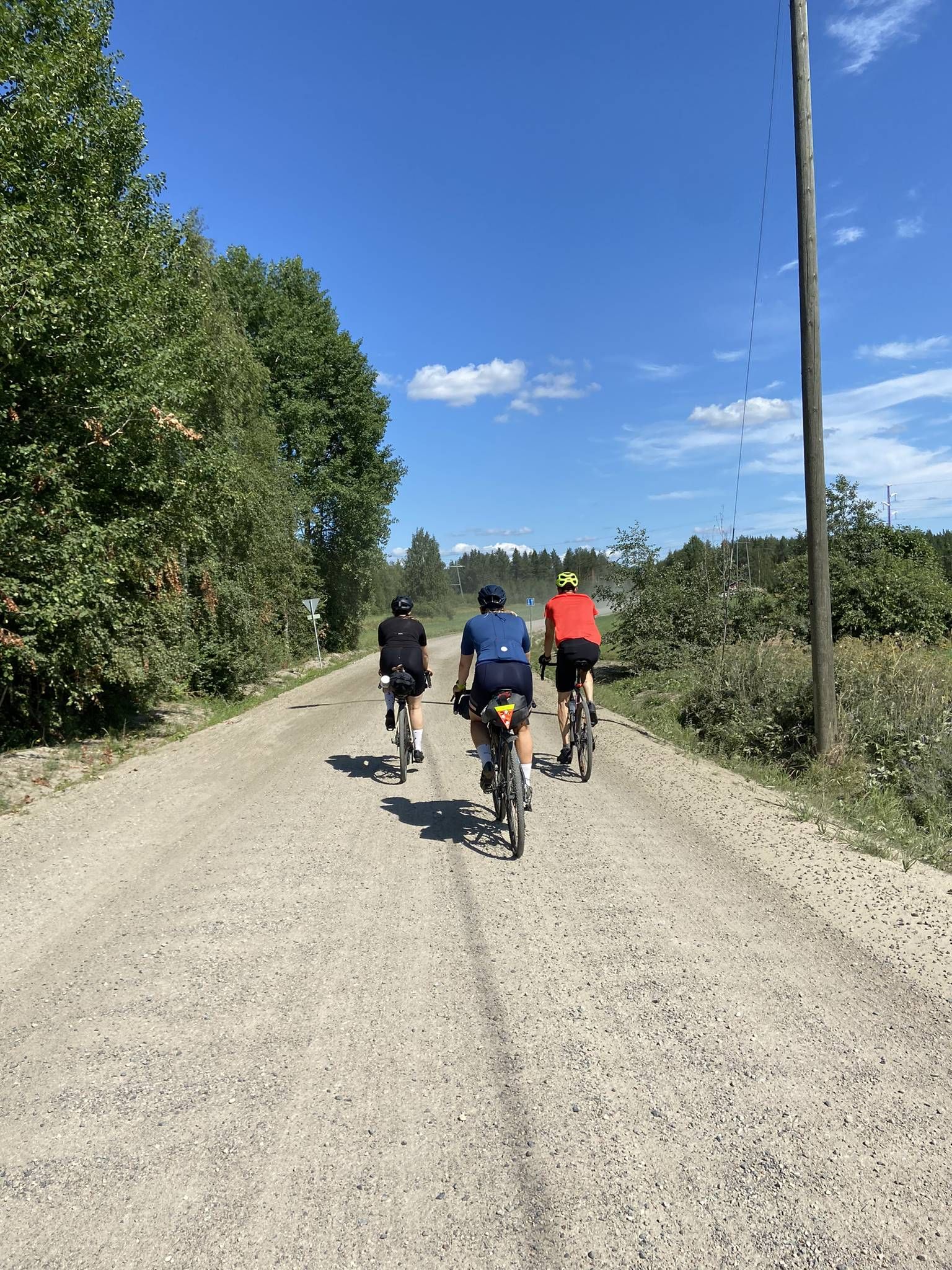
Naples to North Cape — Two friends, one purpose and many scoops of ice-cream
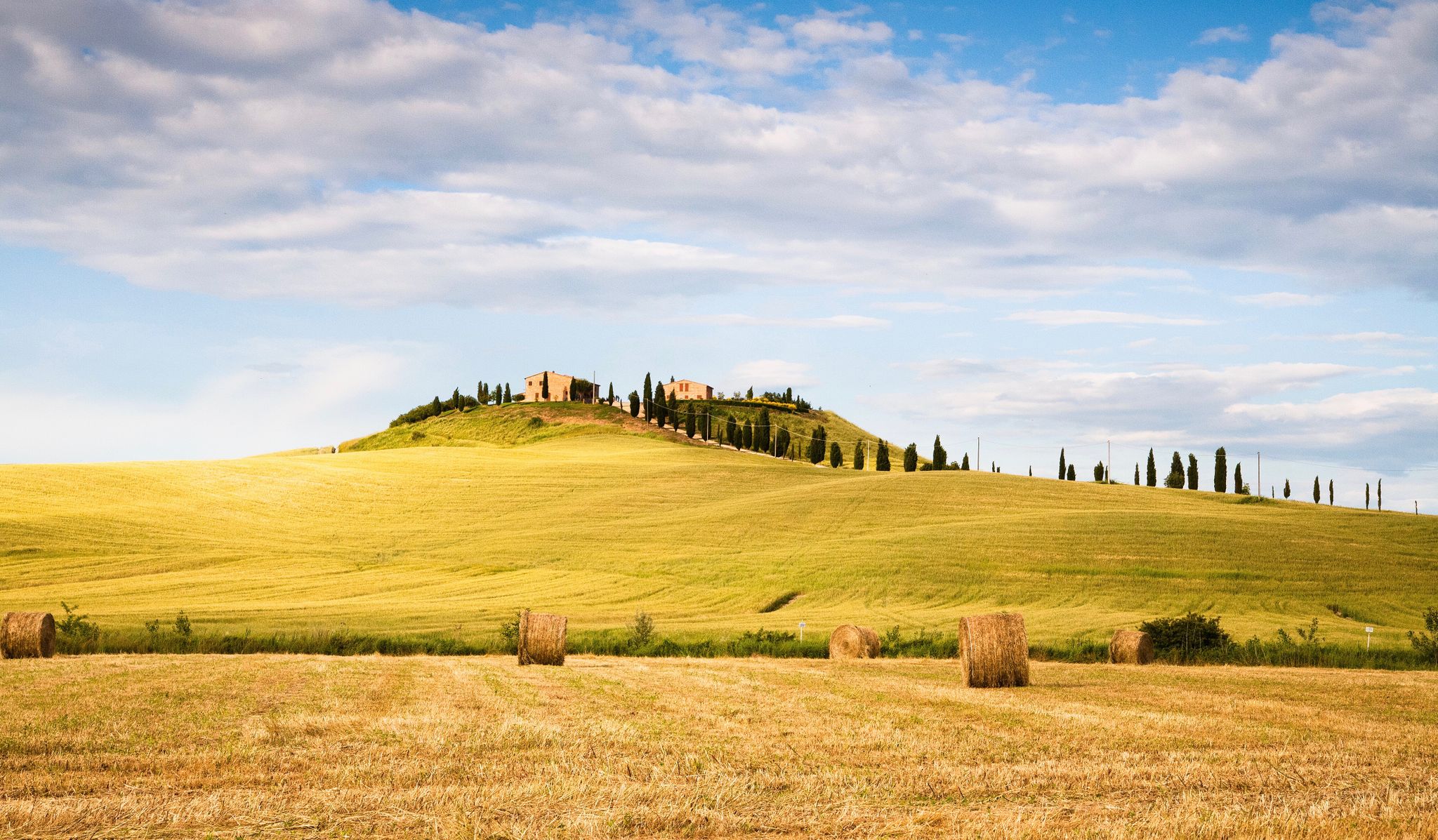
Via Francigena South — Siena to Rome
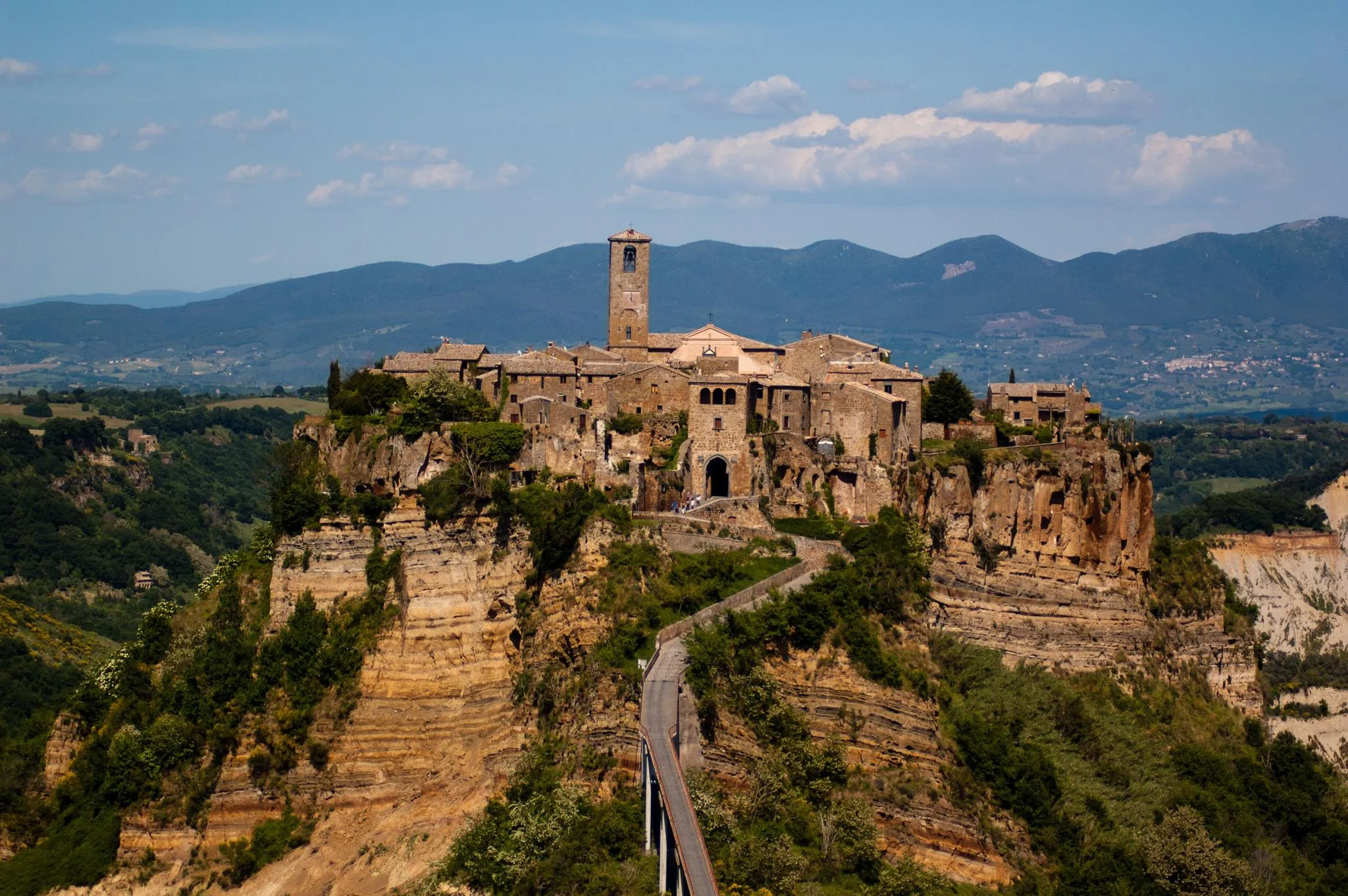
Lazio by bike – suspended villages, turquoise waters and natural parks
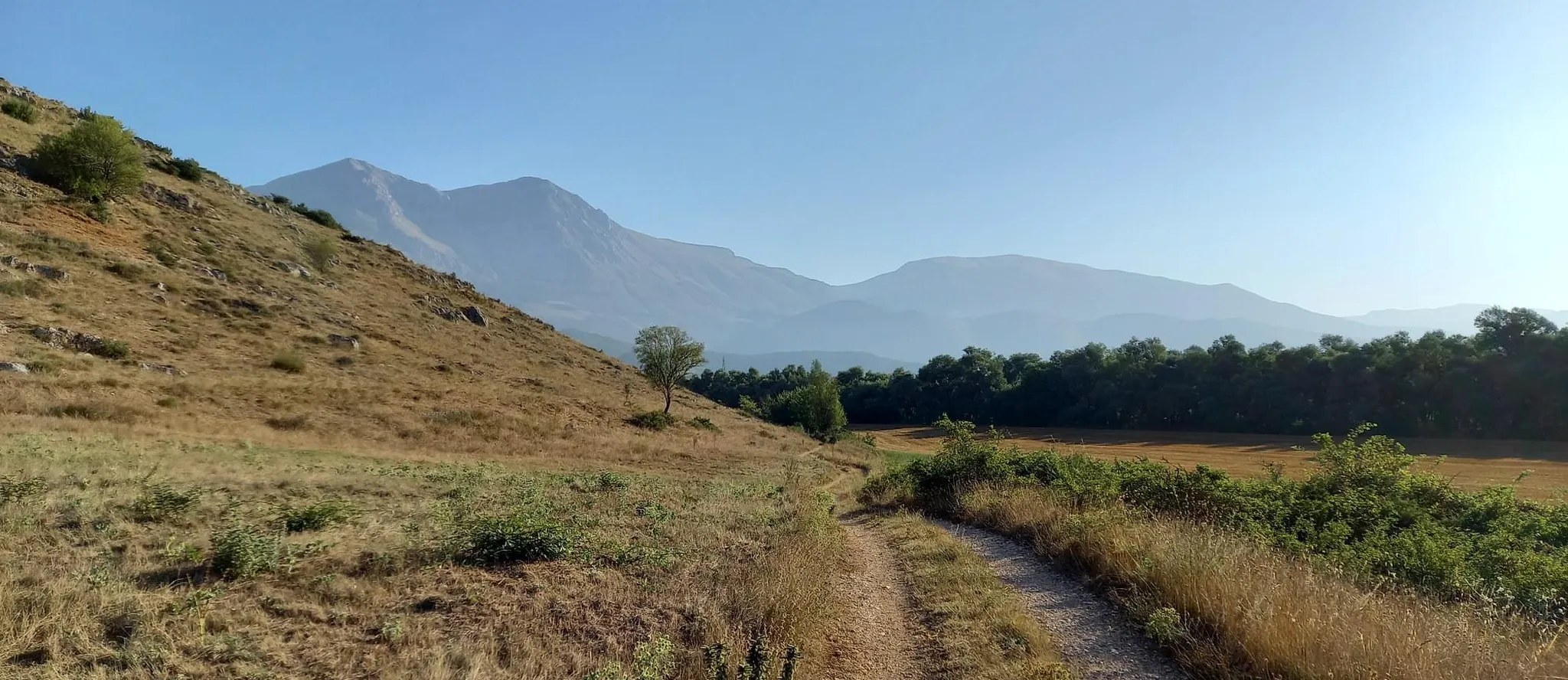
Hike from Rome to the Adriatic Sea – Way of St. Thomas
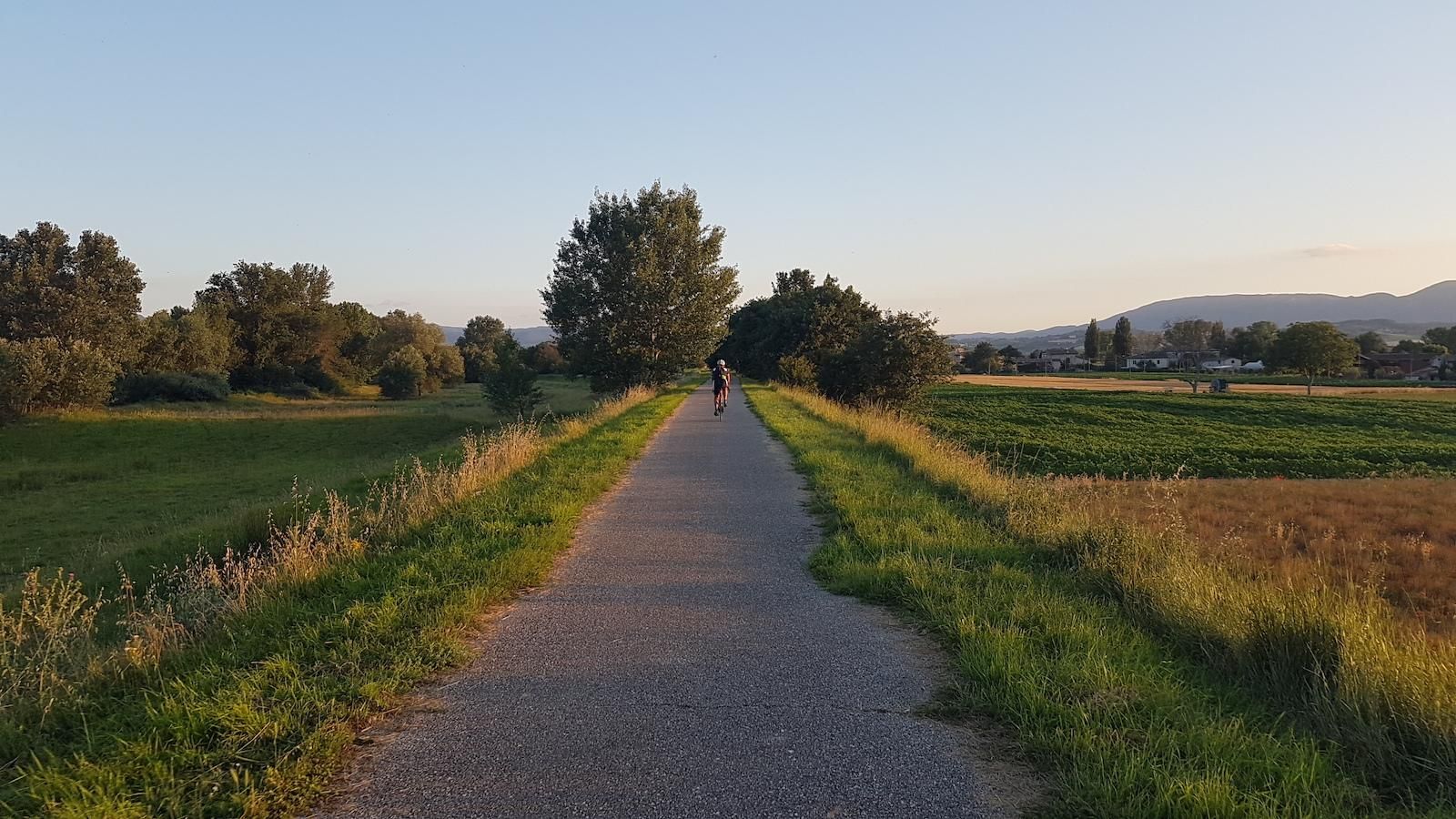
Ride St Francis Way in Italy – Via del Sud pilgrimage
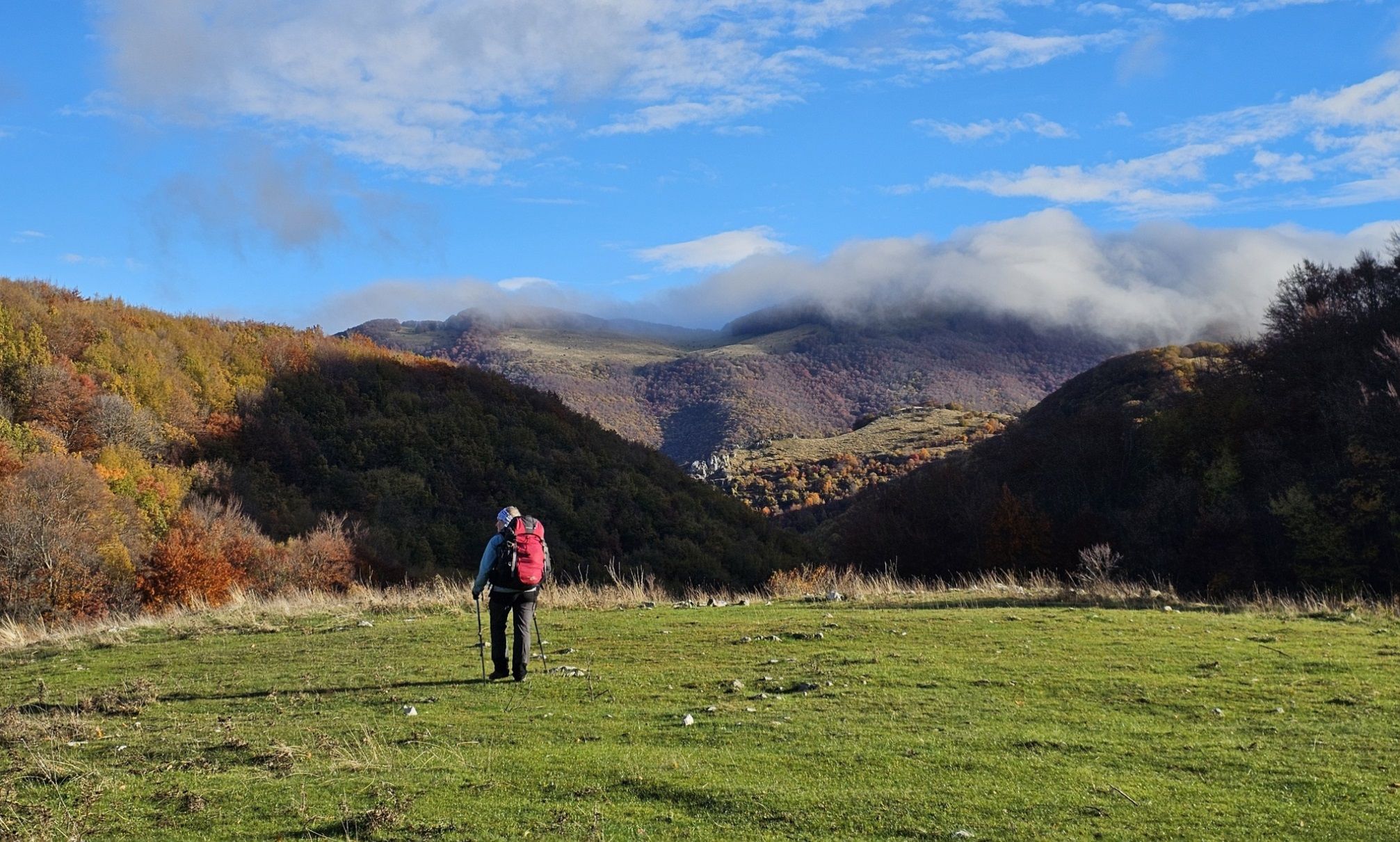
A colourful journey – hike in the Simbruini Mountains
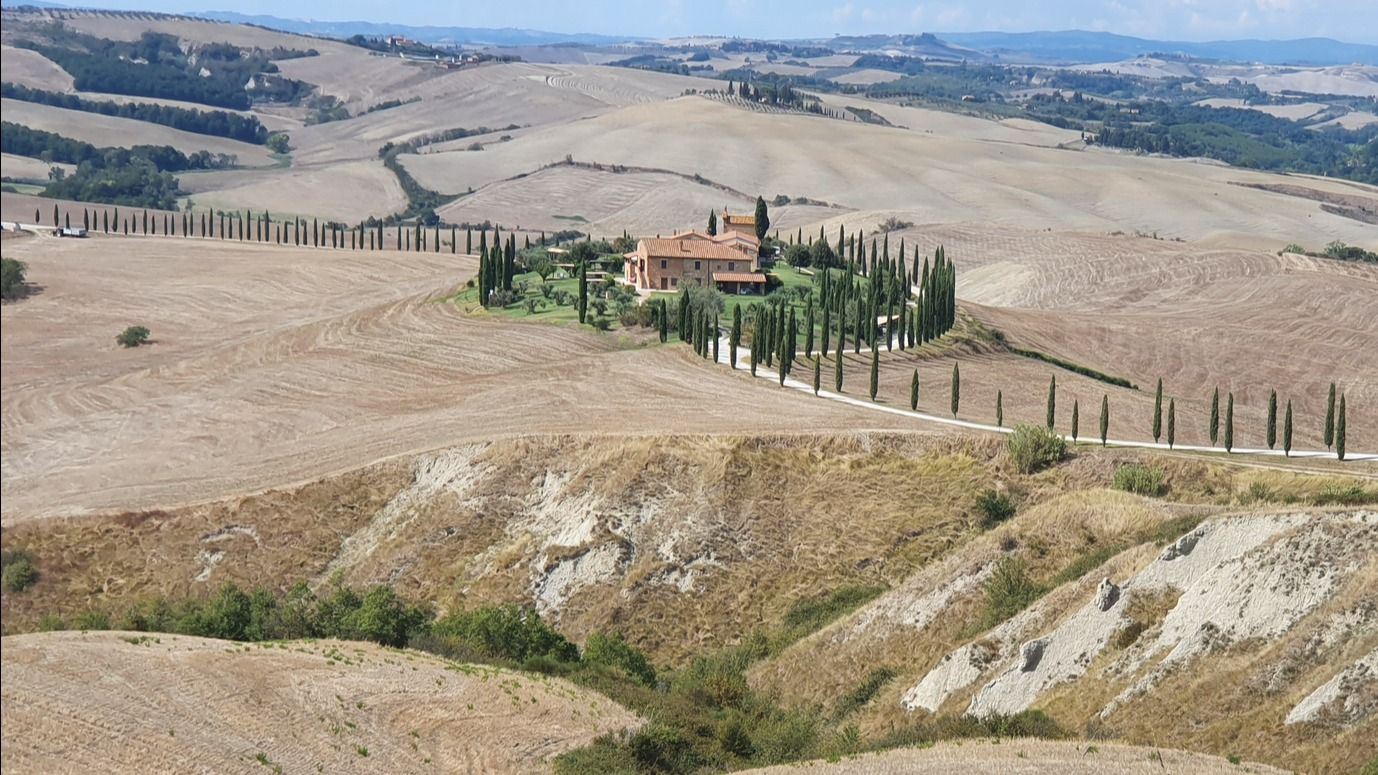
A Grand Tour of Italy – Rome to Milan by bike
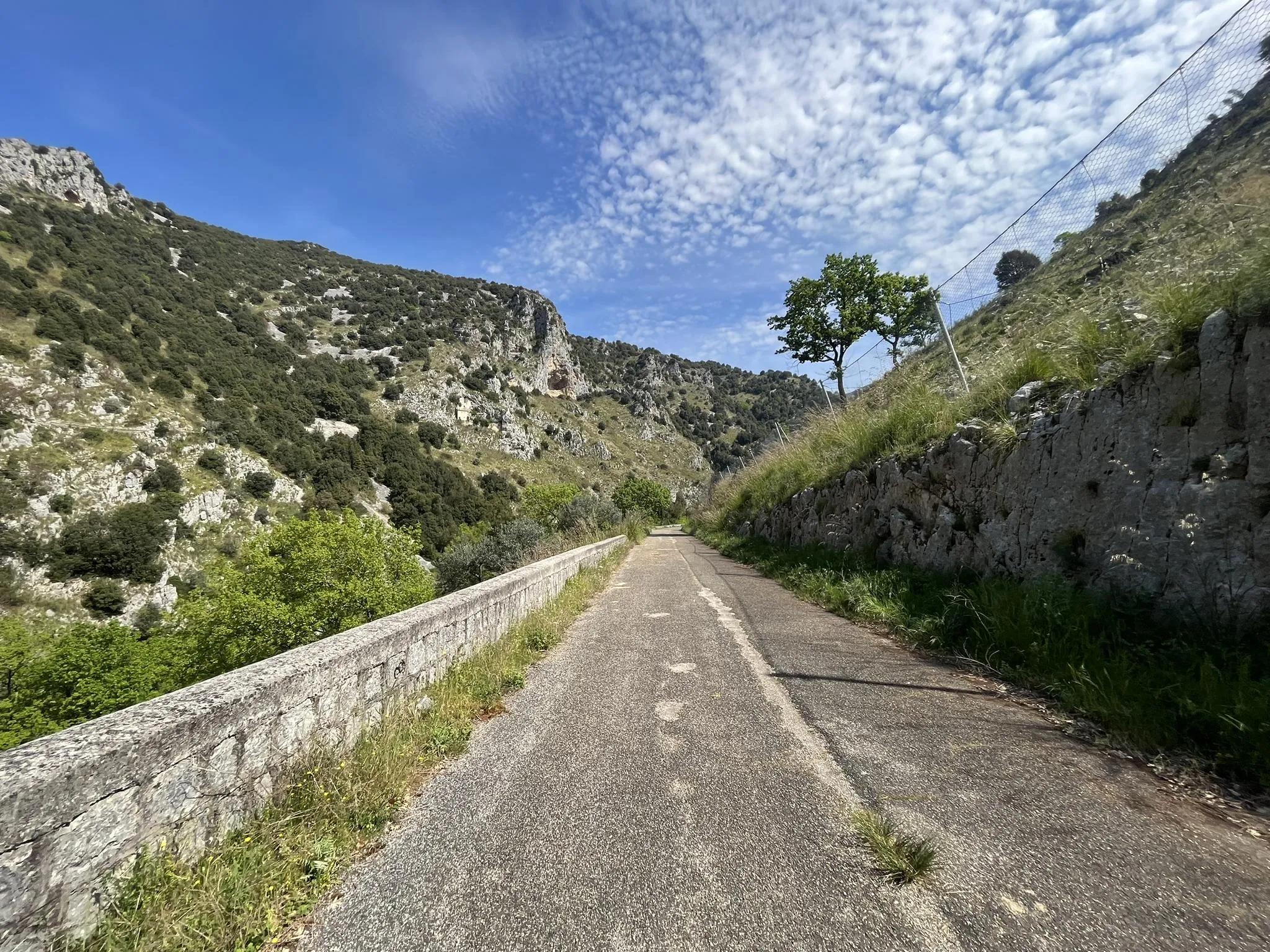
Between abbeys and quiet valleys – Saint Benedict's Way by bike
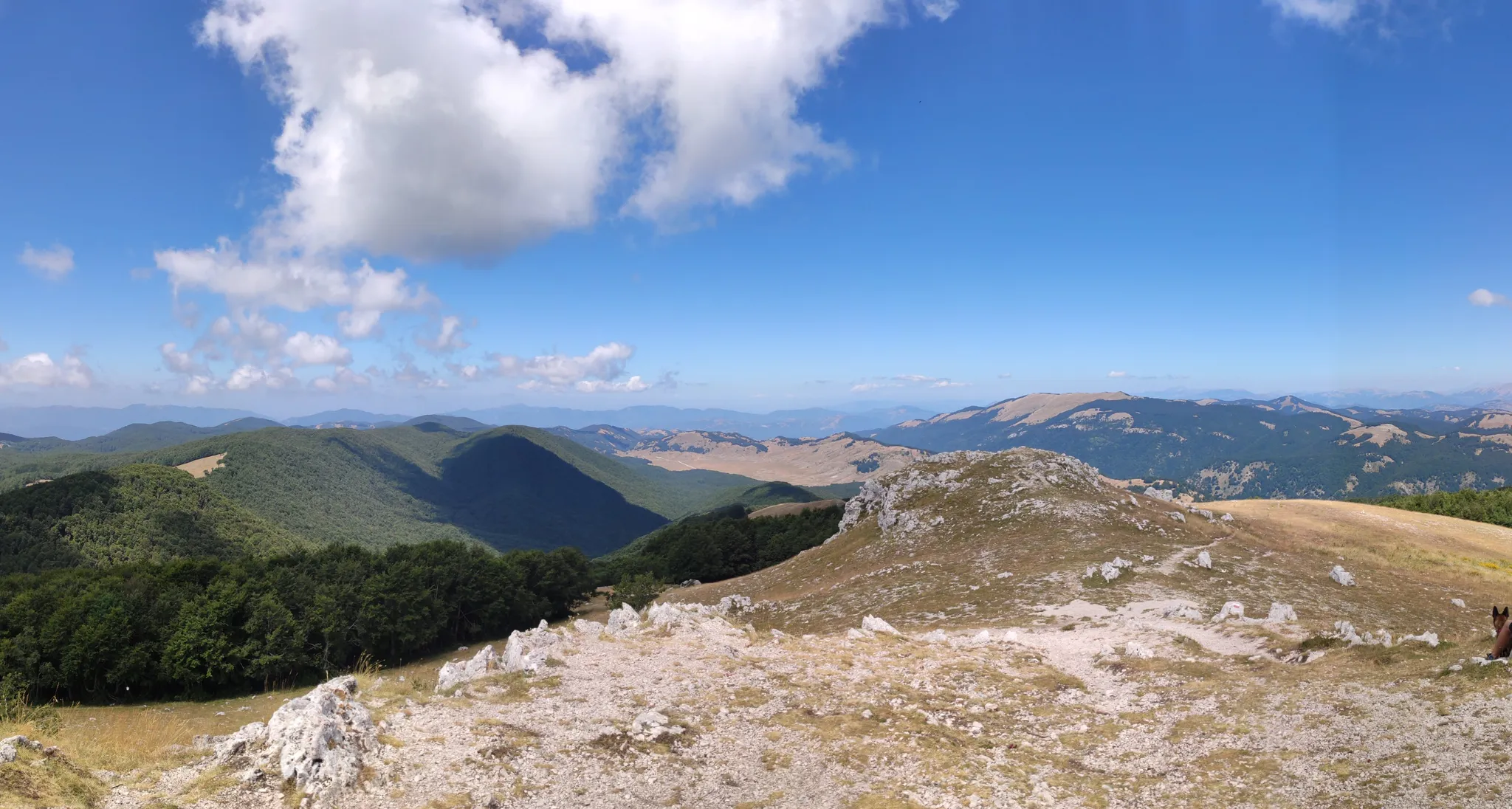
Cammino Naturale dei Parchi – Part 2 Livata to Corvaro
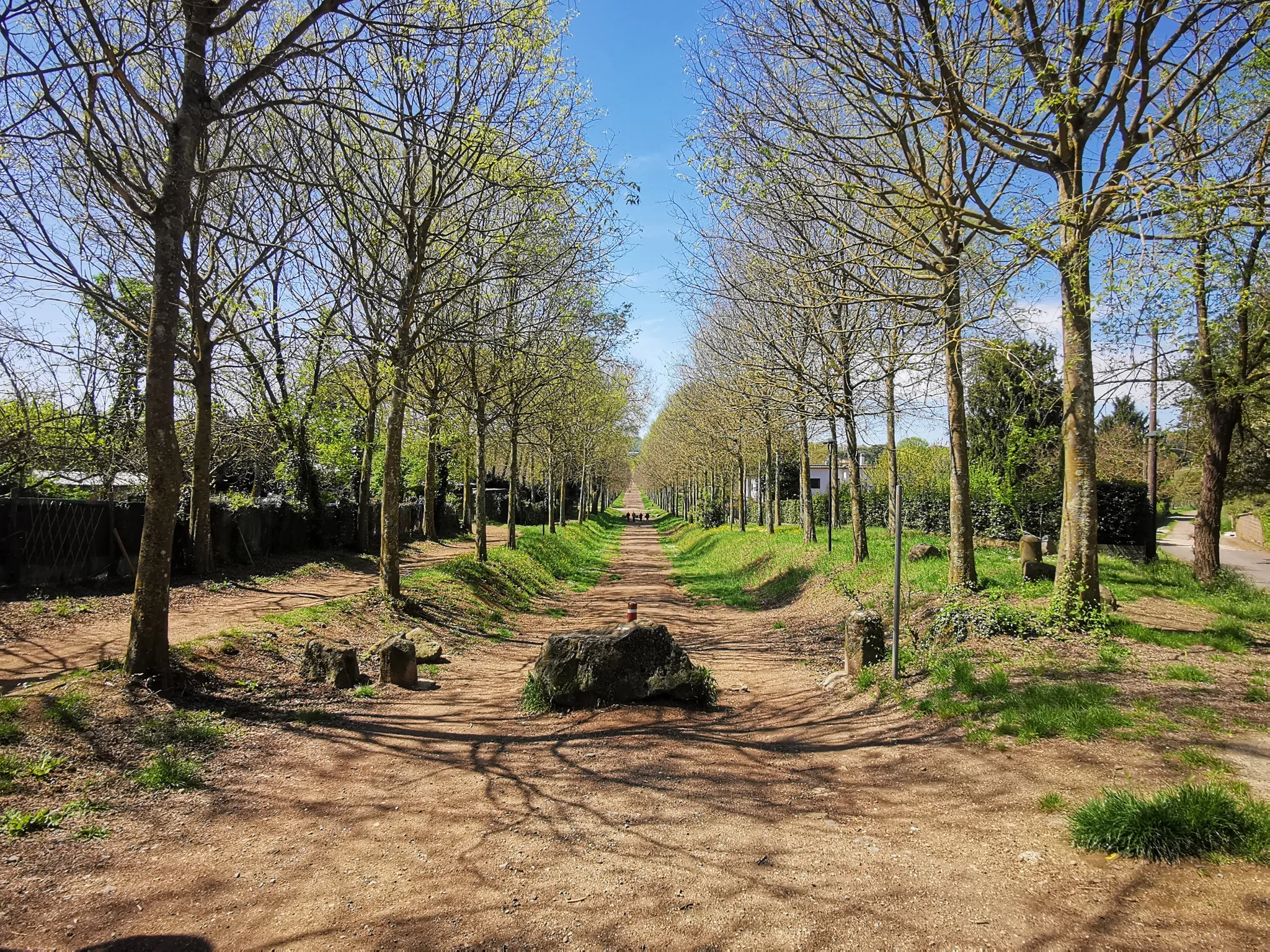
Ancient paths and necropolises – the Via Clodia by bike
Other adventures in Rome


Tips from the Community

La Rocca Pia is an imposing 15th-century fortress located in the very historic center of Tivoli, in Lazio. Built starting in July 1461 by order of Pope Pius II Piccolomini (from whom it takes its name), the fortress was created with the dual objective of militarily controlling the strategic access routes to the city and reaffirming papal authority over the citizenry after long periods of unrest and internal clashes, particularly between the Guelphs and Ghibellines factions and the powerful Colonna and Orsini families. The project, completed under the pontificate of Pope Alexander VI, is traditionally attributed by the only historical source (Vasari) to Filarete and his disciples.
0
0

🥴 Look to the left of the image, how awful! 5 cruise ships
0
0

Vicolo Barchetto, 00019 Tivoli RM, Italy
10
0

Tivoli's Rocca Pia, an imposing Renaissance fortress located in the city center, was built by Pope Pius II Piccolomini starting in 1461 to defend the city and control the population. The structure is characterized by four large circular towers of varying heights, connected by high crenellated walls. Over the course of its history, the Rocca has alternated defensive functions with those of a papal barracks and, for a long time, a prison until 1960. It is currently a tourist attraction located near Piazza Garibaldi and the Bleso amphitheater. WEBSITE: https://visittivoli.it/sito-turistico/rocca-pia/
2
0

Can only be viewed from the outside
0
0
This fortress, located directly on the harbor, is a 16th-century landmark. It can only be viewed from the outside. The fortress has been involved in numerous battles. It suffered severe damage during World War II but was later restored. It currently serves as the headquarters of the harbor authority. The fortress itself was completed in 1535. Its floor plan is rectangular, with sides measuring 100 by 82 meters. There are circular towers at the corners.
1
0

Castel Sant'Angelo, also known as Hadrian's Mausoleum, is an impressive rotunda located in Parco Adriano, Rome, Italy. It was originally commissioned by the Roman Emperor Hadrian as a mausoleum for himself and his family. Later, the popes used the building as a fortress and castle, and it is currently a museum. The castle has had a fascinating history, from its use as a mausoleum to its conversion into a military fortress and its inclusion in the Aurelian Walls. Today, visitors can explore its various rooms and enjoy panoramic views of Rome from its terrace.
15
0

It's hard to imagine that all the traffic once had to go through here! Even today, the Via Appia Antica is a busy road, except that most cars now turn off.
1
0
Frequently Asked Questions
Which castles near Rome offer a deep dive into history?
For history enthusiasts, Castel Sant'Angelo (Castle of the Holy Angel) is a must-visit. It began as Emperor Hadrian's mausoleum and evolved into a papal fortress, spanning nearly 2,000 years of Roman history. Another significant site is the Mausoleum of Cecilia Metella, a grandiose Roman funerary monument later reused as a castle tower, offering insights into ancient Roman nobility and medieval fortifications.
Are there any family-friendly castles to visit near Rome?
Yes, several castles are great for families. Castel Sant'Angelo offers a fascinating journey through history that can captivate all ages. Julius II Castle (Ostia Antica) is another excellent choice, representing a virtuous example of Renaissance military architecture that can be explored. The medieval village surrounding Santa Severa Castle also provides an engaging experience for families.
What outdoor activities can I do near these castles?
The region around Rome's castles offers various outdoor activities. You can find numerous hiking trails, such as those in the waterfall hikes in Rome guide, or explore running routes like the running trails in Rome. For cyclists, there are road cycling routes, including a tour of Lake Bracciano, near Castello Orsini-Odescalchi.
Which castles offer beautiful viewpoints or scenic surroundings?
Castel Sant'Angelo provides breathtaking panoramic views of Rome and St. Peter's Basilica from its terrace. Castello Orsini-Odescalchi in Bracciano is beautifully situated on the southern shore of Lake Bracciano, offering picturesque lake views. Santa Severa Castle, located directly on the Tyrrhenian coast, boasts stunning sea views and a unique blend of history and coastal beauty.
How can I reach castles near Rome using public transport for a day trip?
Many castles are accessible for day trips. Castello Orsini-Odescalchi in Bracciano, for example, is about an hour from Rome by regional train, making it an easy and popular day trip destination. Santa Severa Castle is also reachable, though specific public transport details vary; checking local train and bus schedules is recommended for planning.
What is the best time of year to visit castles in the Rome region?
Spring (April-May) and Autumn (September-October) are generally the best times to visit. The weather is pleasant for exploring, and the crowds are typically smaller than in the peak summer months. Visiting in winter can also be rewarding, with fewer tourists and a unique atmosphere, though some sites might have reduced hours.
Are there any lesser-known or 'undiscovered' castles worth visiting near Rome?
While not entirely 'undiscovered,' castles like Brancaccio Castle in San Gregorio da Sassola or Rocca Pia of Tivoli offer a glimpse into the region's rich history away from the most prominent tourist paths. Castello della Cecchignola, south of Rome, provides a blend of historical periods and is less of a traditional tourist attraction, offering a unique perspective.
What kind of historical sites are near the castles in Rome?
Many castles are surrounded by or incorporate other significant historical sites. For instance, the Mausoleum of Cecilia Metella is part of the Appia Museum complex, located along the ancient Appian Way. Porta San Sebastiano, a well-preserved gate in the Aurelian Walls, is also nearby and offers access to the Appia Antica. Santa Severa Castle is built on the site of an ancient Roman settlement and Etruscan port.
Can I find cafes or restaurants near Castello Orsini-Odescalchi in Bracciano?
Yes, the town of Bracciano, where Castello Orsini-Odescalchi is located, has a charming historic center (Historic center of Bracciano) with various cafes and restaurants. Its picturesque setting by Lake Bracciano means you can enjoy meals with scenic views after exploring the castle.
What makes Castel Sant'Angelo unique compared to other castles in the region?
Castel Sant'Angelo stands out due to its origin as Emperor Hadrian's mausoleum, making it an imperial tomb turned fortress, papal residence, and prison. Its direct connection to the Vatican via the Passetto di Borgo, a fortified escape route, highlights its unique role in papal history. This evolution over nearly 2,000 years is unparalleled among other castles in the Lazio region.
Are there any castles in the Lazio region that are directly on the coast?
Yes, Santa Severa Castle is a prime example. It is uniquely situated directly on the Tyrrhenian coast near Santa Marinella, offering a rare combination of medieval history and stunning beachfront views. This location also means it was built on the site of an ancient Roman settlement and Etruscan port.
What do visitors appreciate most about the castles in Rome and Lazio?
Visitors frequently appreciate the diverse historical layers, from ancient Roman origins to medieval and Renaissance transformations. The stunning architecture, panoramic views, and the opportunity to step back in time are often highlighted. The komoot community has shared over 1300 photos and given more than 2000 upvotes, reflecting the strong appeal of these historical sites.
Most popular routes in Rome
Most popular attractions in Rome

Get inspired with the komoot mobile app


Didn’t find what you were looking for?
Explore Rome’s best castles region by region:
Explore more
Looking for the best castles somewhere else? Discover other guides in Rome:
