The 20 Most Amazing Peaks in Florence
Best mountain peaks in Florence are found in the surrounding Tuscan and Apennine landscapes, offering diverse options for outdoor activities. While Florence itself is known for city viewpoints, the nearby areas feature true mountain peaks and hills. This region provides a mix of forested areas, panoramic summits, and historic mountain passes. The geography ranges from the high Apennine mountains to more accessible hills closer to the city.
Best mountain peaks in Florence
- The most popular mountain peaks is Mount Cantagrilli, a summit that is a panoramic meadow peak where wild horses and cows can be seen, with beautiful blooms in spring. It offers stunning views of the Marina valley, Monte Morello, and the Piana.
- Another must-see spot is Croce della Retaia, a summit offering extensive panoramas over the Florentine plain and the city of Prato. On clear days, views can extend to the port of Livorno and the island of Capraia.
- Visitors also love Mount Falco, a summit that is the highest peak in the Tuscan-Romagnolo Apennines. An integral nature reserve protects rare alpine and subalpine vegetation in this area.
- Florence is known for panoramic viewpoints, forested summits, and historic mountain passes. These include high peaks in the Apennines and smaller, accessible hills.
- The mountain peaks in Florence are appreciated by the komoot community, with more than 200 upvotes and 150 photos shared.
Last updated: October 9, 2026
Mount Falco
Highlight • Summit
Translated by Google •
Tip by

Croce della Retaia
Highlight • Summit
Translated by Google •
Tip by

Sign up now to discover places like this
Get recommendations on the best single tracks, peaks, & plenty of other exciting outdoor places.
Mount Cantagrilli
Highlight • Summit
Translated by Google •
Tip by
Burnt Inn Pass
Highlight • Mountain Pass
Translated by Google •
Tip by

Monte Maggiore Summit (917 m)
Highlight • Summit
Translated by Google •
Tip by

Poggio Pratone Summit
Highlight • Summit
Translated by Google •
Tip by

Raticosa Pass
Highlight • Mountain Pass
Translated by Google •
Tip by

Banditacce – Highest Point of the Via degli Dei (1,204 m)
Highlight • Summit
Tip by

Secchieta Hut
Highlight • Mountain Hut
Translated by Google •
Tip by

Poggio All'Aia (Third Peak)
Highlight • Summit
Translated by Google •
Tip by

Sign up for free to discover even more peaks in Florence.
Already have an account?
Start today with a free account
Your next adventure awaits.
Popular around Florence
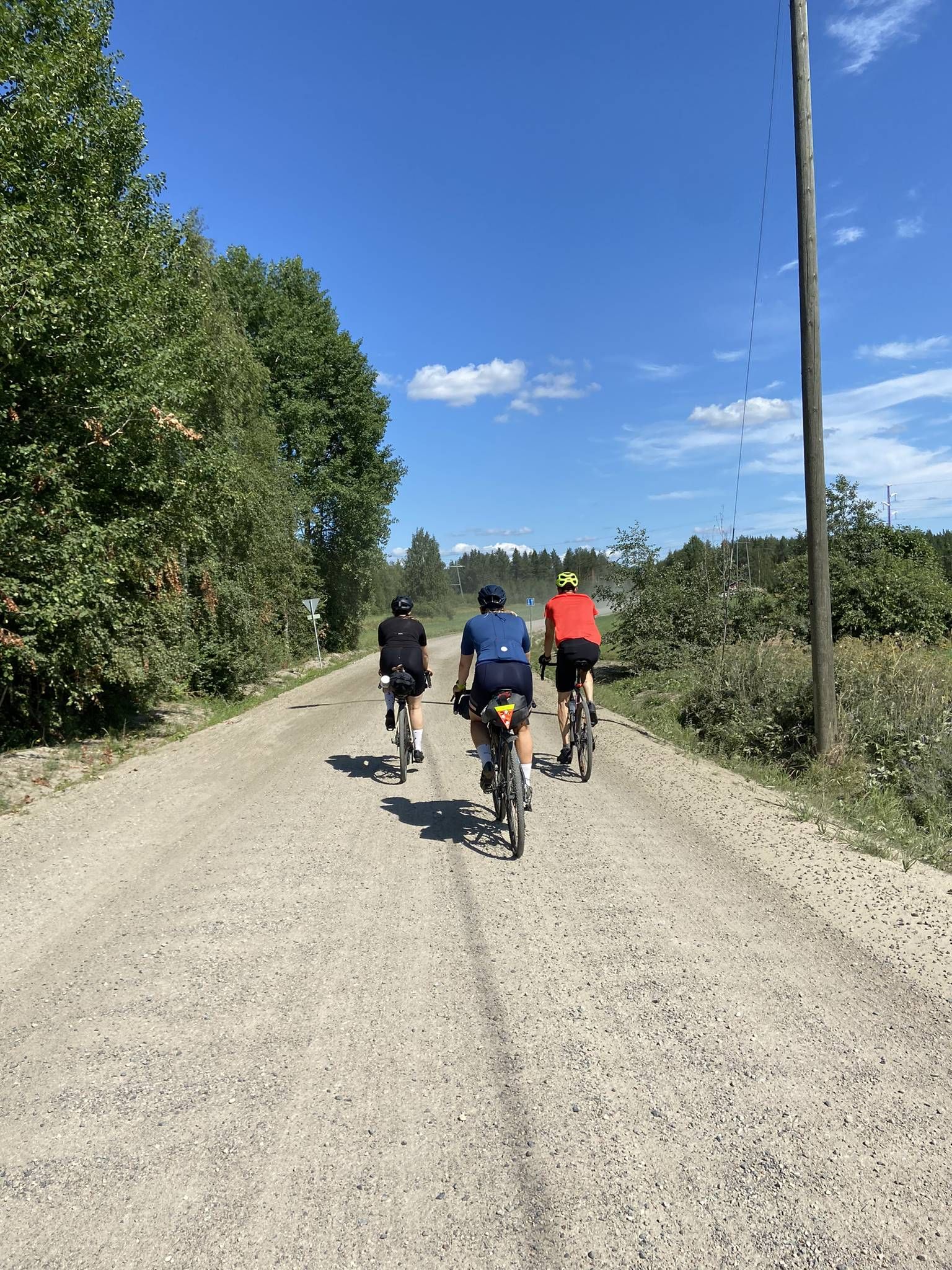
Naples to North Cape — Two friends, one purpose and many scoops of ice-cream
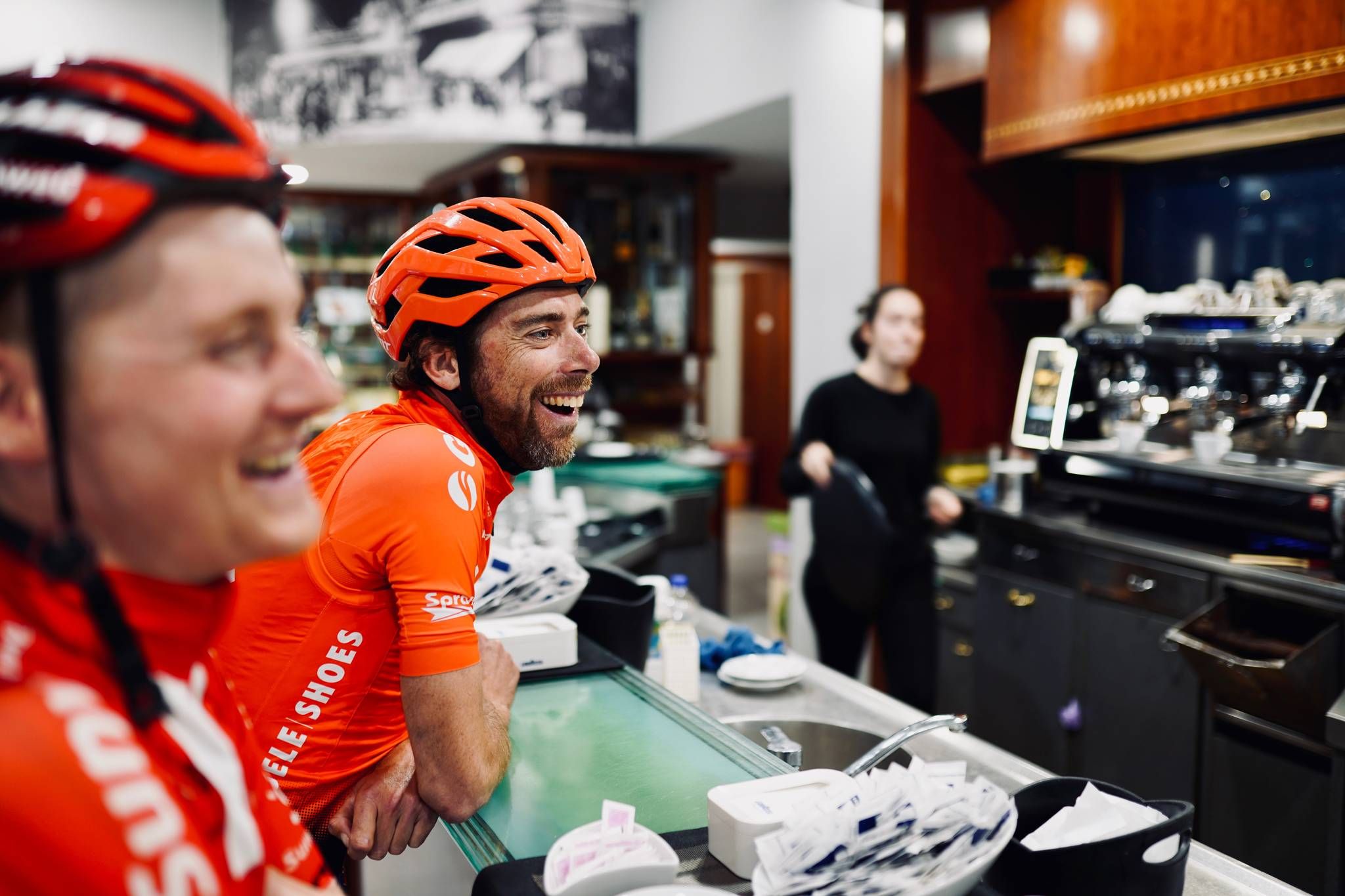
#transit: My farewell to pro-cycling – from Como to Lecchi in two days
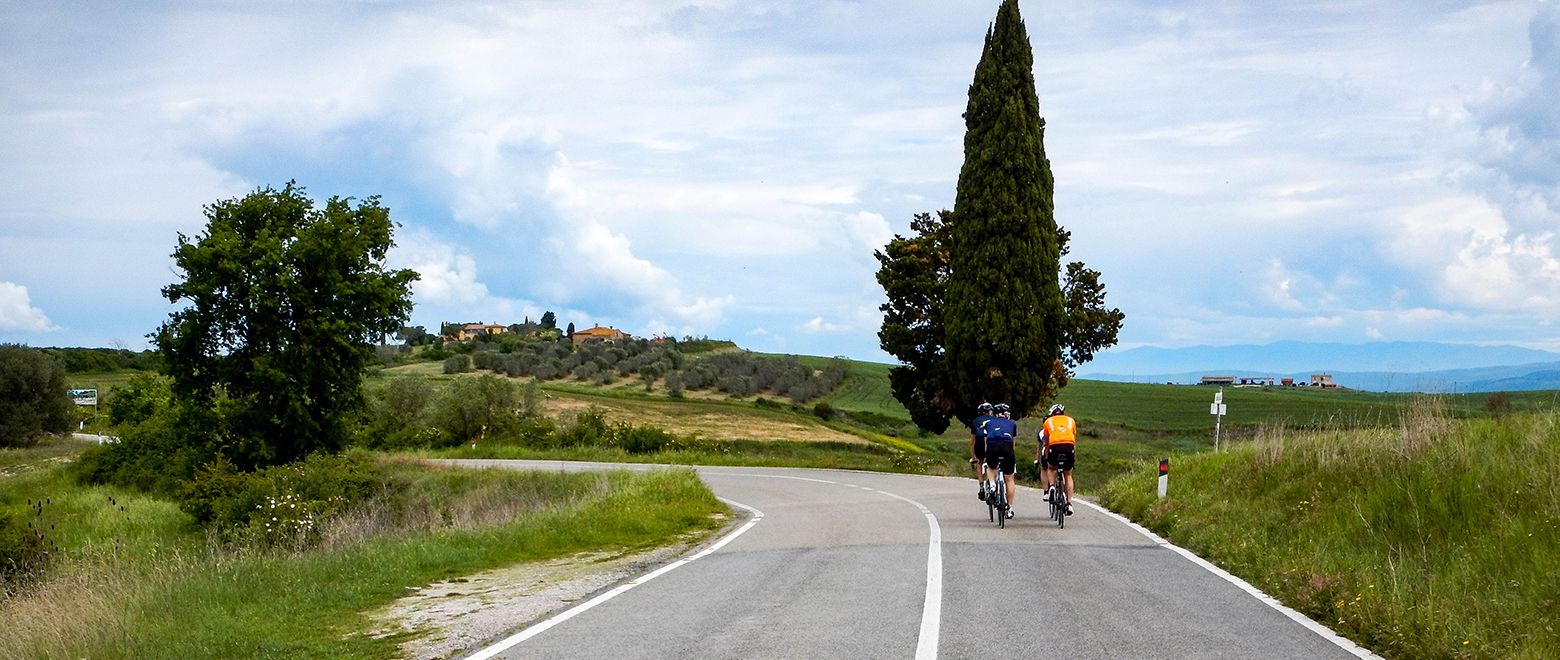
A heavenly week cycling in Tuscany
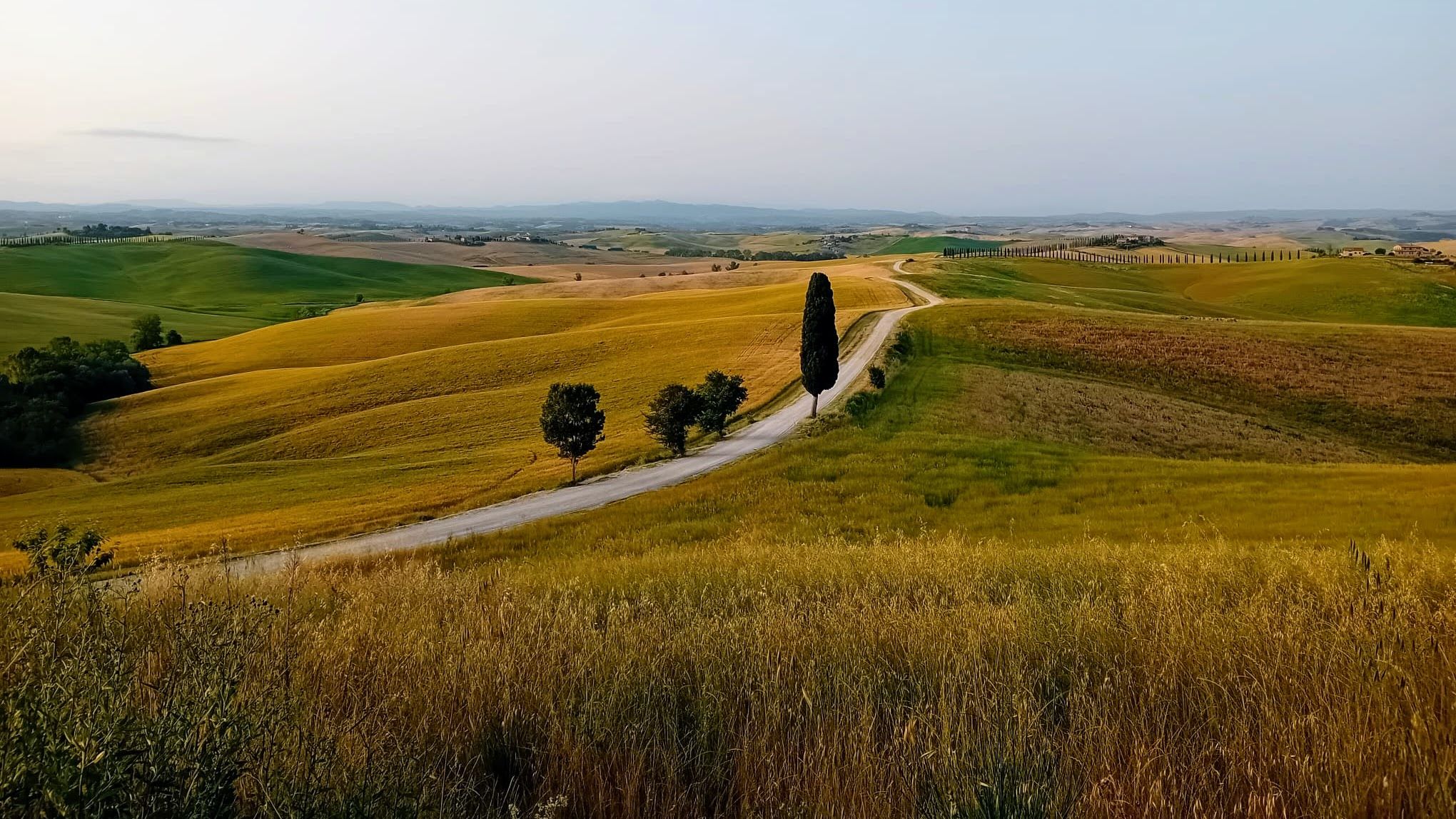
Tuscany by bike – history, cypresses and the Strade Bianche
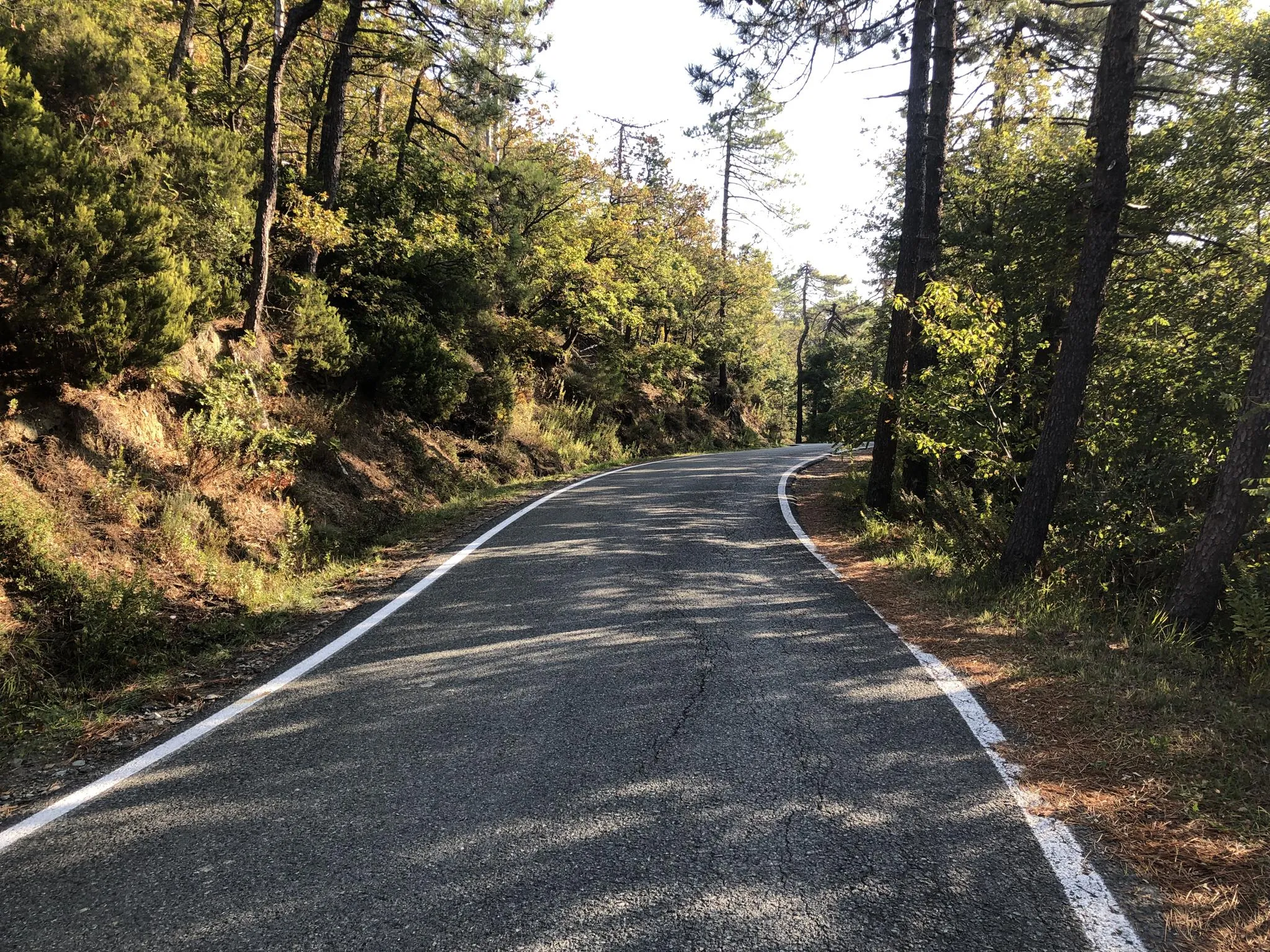
Apennine Cycle Route (Part 1) - From Liguria to Umbria
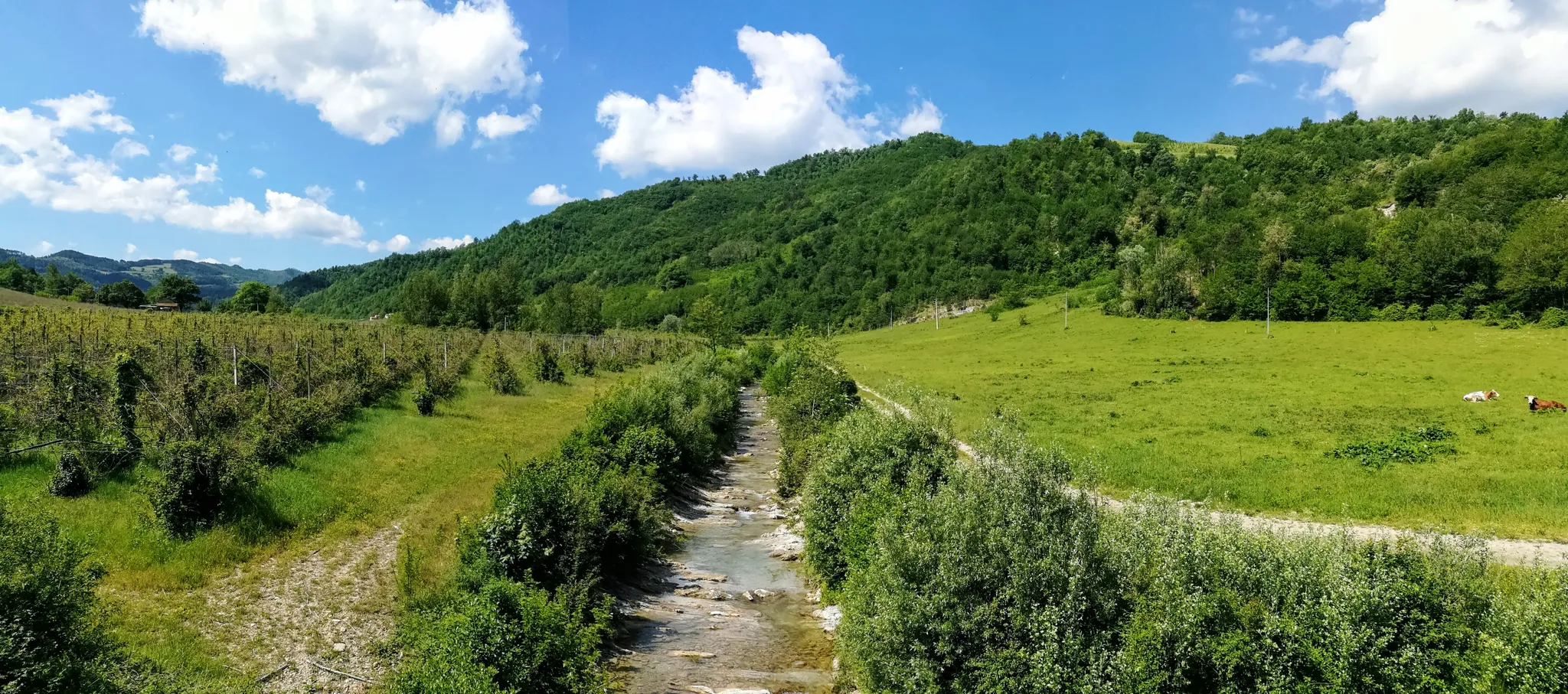
Hills, rivers and valleys - Transromagna by MTB
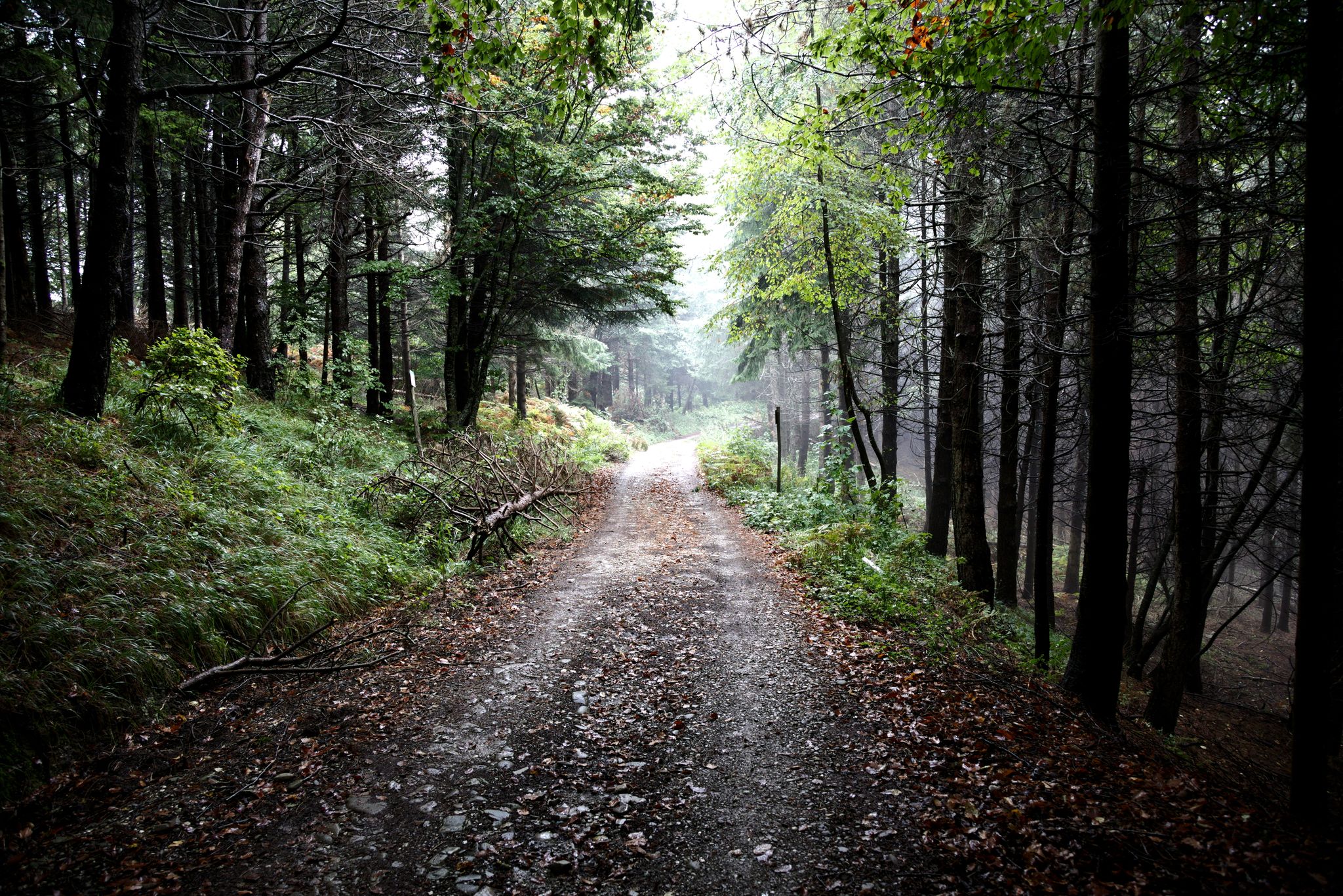
Marradi to Camaldoli – Alta Via dei Parchi (part 4)
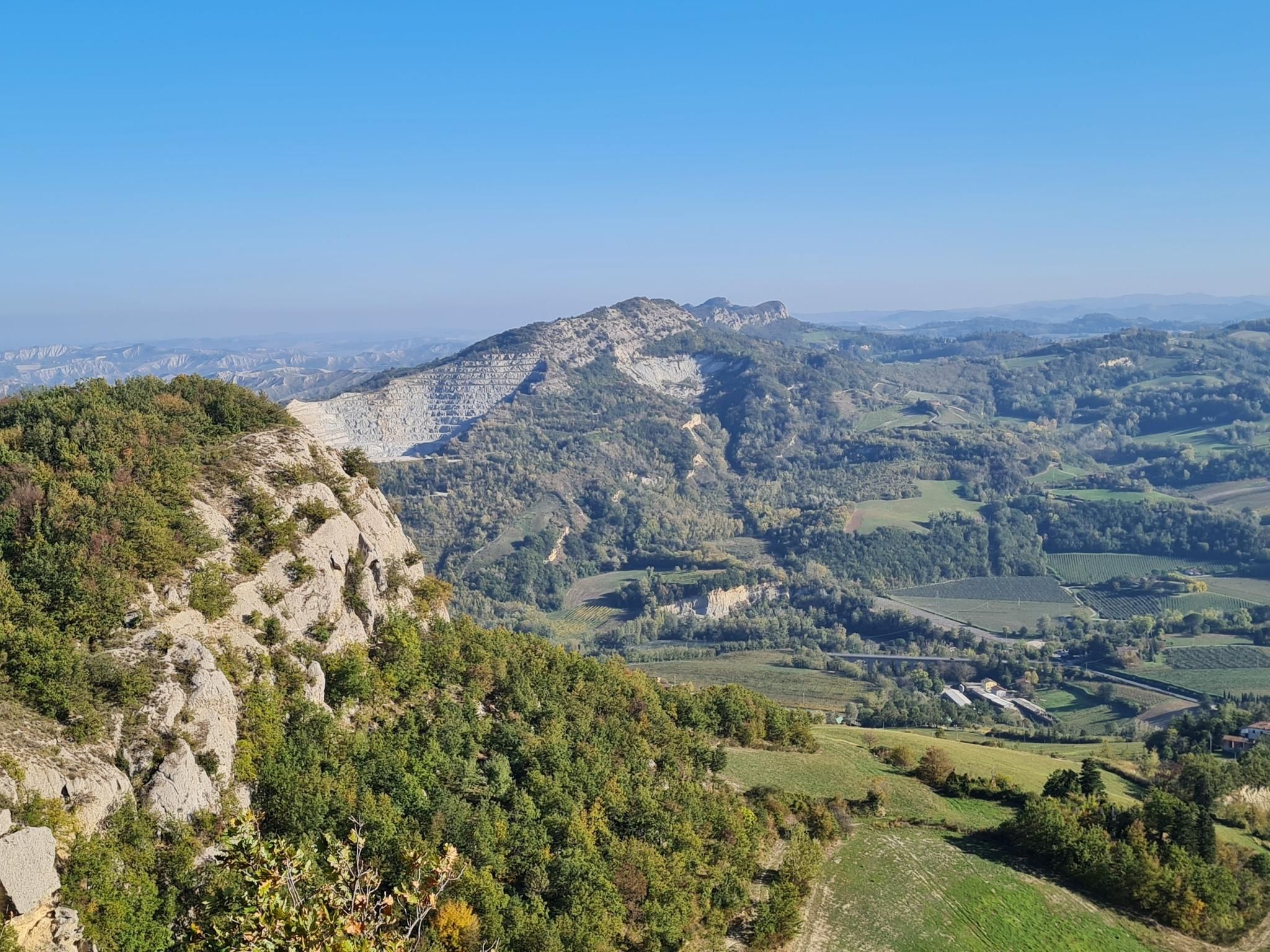
Lake Brasimone to Marradi – Alta Via dei Parchi (part 3)
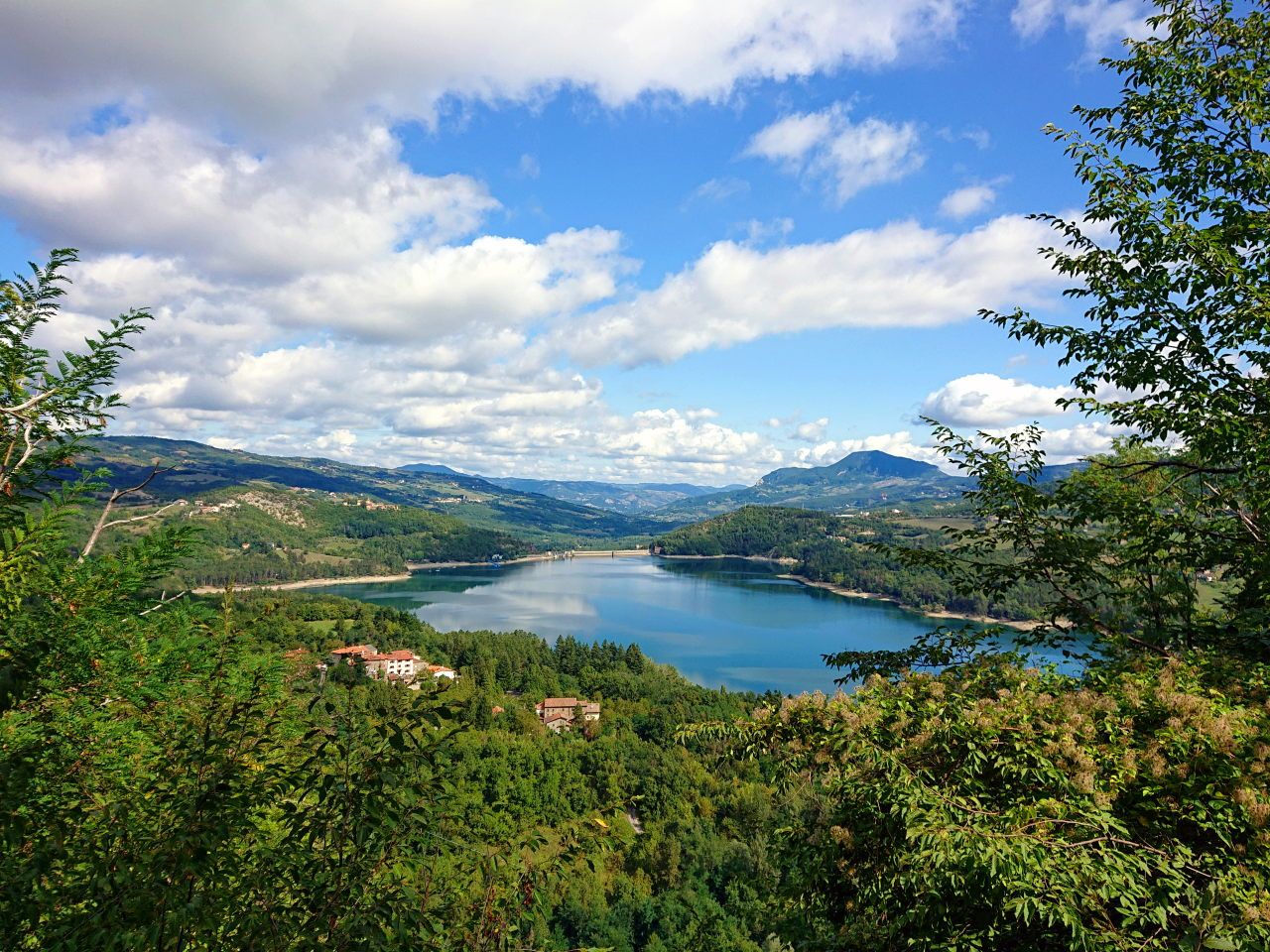
Interiora - A Journey into the Remote Areas of Italy
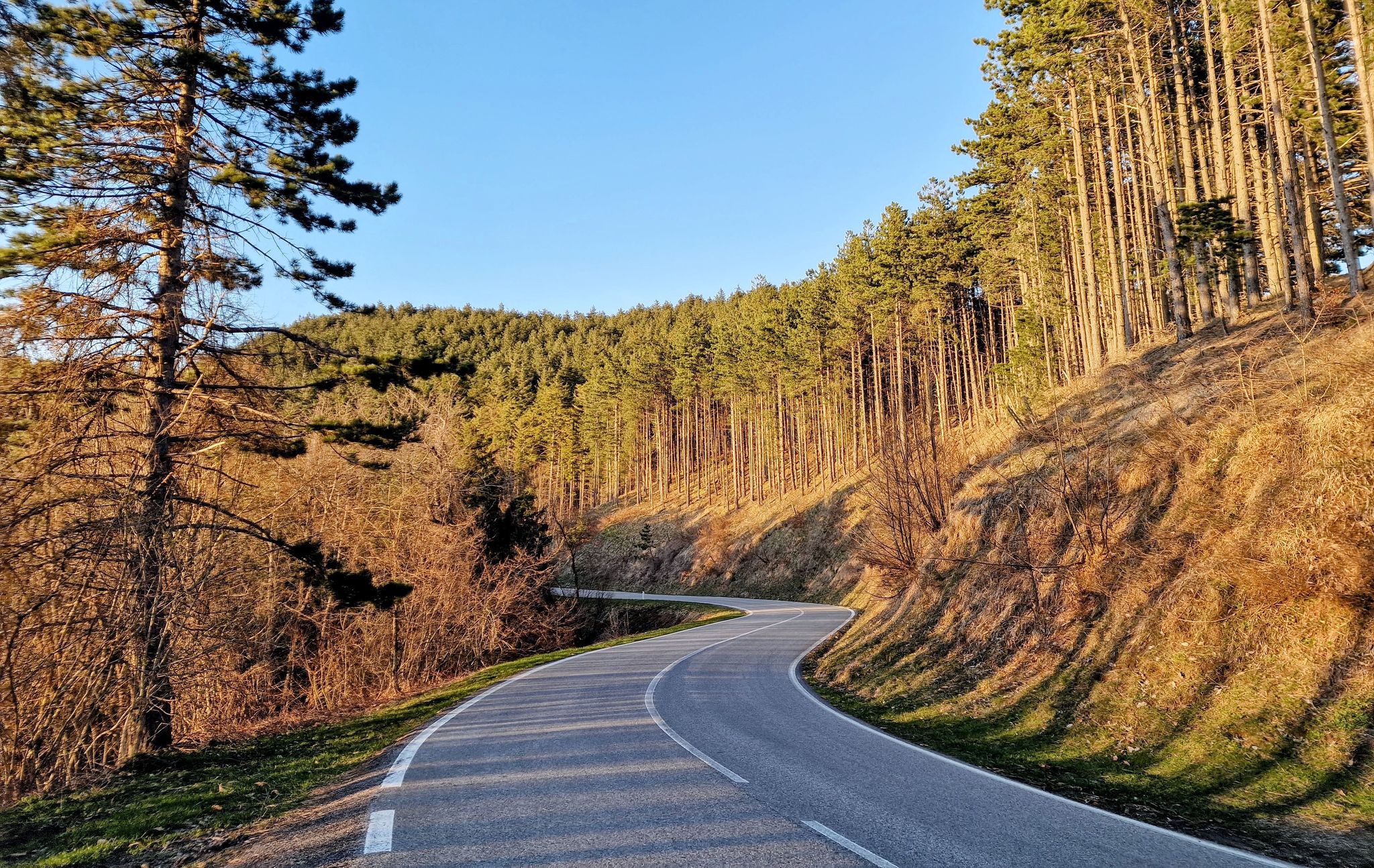
Centuries-old woods and lost roads – in the heart of the Casentinesi Forests
Other adventures in Florence


Tips from the Community

Dilapidated and abandoned structure. A shame because it would be a place for the area's hospitality and culture.
0
0

Admittedly a bit unspectacular, in the middle of the forest lies the highest peak on the Via degli Dei. At least you can ring a little bell.
0
0

The highest peak of Monte Morello. Getting there requires a bit of effort, but once at the top you are rewarded with a beautiful view of the Florentine plain. Here you can stop to rest, enjoy the view and meditate.
0
0

Mount Secchieta lies between the municipalities of Reggello and Montemignaio. The peak, approximately 1,500 meters above sea level, is part of the Pratomagno ridge and separates the Casentino valley from the Upper Valdarno valley. There is a refuge there, which can also be reached by a paved road.
0
0

It is the pinnacle of Prato's hikes, starting from the slopes to get some fresh air, or for those with more time, as a stopping point for beautiful hikes in Calvana.
0
0

Rifugio Secchieta, with its cyclist museum featuring many interesting jerseys. The sandwiches are excellent, and the view is beautiful.
0
0

In the Middle Ages it was the highway that connected northern Italy with the south (in particular trade with Milan and the Church with Rome)
1
0

Frequently Asked Questions
What are the most popular mountain peaks and viewpoints near Florence?
While Florence itself is known for iconic city viewpoints, the surrounding Tuscan and Apennine landscapes offer true mountain peaks. Among the most popular are Mount Cantagrilli, a panoramic meadow peak known for wild horses and spring blooms, and Croce della Retaia, offering extensive views over the Florentine plain. For higher altitudes, Mount Falco is the highest peak in the Tuscan-Romagnolo Apennines.
Where can I find the best panoramic views of Florence from an elevated point?
For breathtaking panoramic views of Florence, consider visiting Piazzale Michelangelo or San Miniato al Monte, both offering stunning cityscapes. Within the city, you can climb the Dome of Florence Cathedral, Giotto's Bell Tower, or Arnolfo Tower at Palazzo Vecchio for unique perspectives of the city's architecture. For views from a natural setting, Croce della Retaia provides extensive panoramas over the Florentine plain.
Are there family-friendly mountain hikes near Florence?
Many areas around Florence offer trails suitable for families, though specific 'family_friendly' tags are not always present for summits. The Calvana Mountains, including Mount Cantagrilli, feature panoramic meadows where children might enjoy seeing wild horses and cows. Monte Ceceri, near Fiesole, also offers accessible trails with valley views and a connection to Leonardo da Vinci's history.
What kind of natural features can I expect to see on mountain peaks around Florence?
The mountain peaks around Florence offer diverse natural features. You'll find extensive forests of oaks, chestnut trees, and black pines, especially on Monte Morello and in the Casentino Forests around Mount Falco and Monte Falterona. The Calvana Mountains feature barren areas with shrubby vegetation, grasslands, and beautiful spring wildflowers. Integral nature reserves protect rare alpine and subalpine vegetation in higher areas like Mount Falco.
What outdoor activities are available near these mountain peaks?
The areas around Florence's mountain peaks are excellent for various outdoor activities. You can find extensive hiking and mountain biking trails, particularly on Monte Morello and in the Casentino Forests. For running, there are trails like the Monte Ceceri Summit Trail. Cycling enthusiasts can explore numerous routes, including road cycling and gravel biking options. You can find more details on specific routes in the Road Cycling Routes in Florence, Gravel biking in Florence, and Running Trails in Florence guides.
Are there challenging mountain climbs for experienced hikers near Florence?
Yes, for experienced hikers seeking a challenge, the Apennine mountains near Florence offer more demanding climbs. Mount Falco, the highest peak in the Tuscan-Romagnolo Apennines, provides challenging hikes with significant elevation gain. The Calvana Mountains also feature trails rated as challenging, such as those leading to Mount Cantagrilli.
Which mountain peaks are historically significant or offer cultural insights?
Several peaks and areas near Florence hold historical significance. Monte Ceceri is notable for its connection to Leonardo da Vinci, who reportedly conducted early flight experiments there. Monte Senario is home to a historic monastery and offers a cool retreat with various walking routes. Monte Falterona is historically significant as the source of the Arno River, famously mentioned by Dante.
What is the highest mountain closest to Florence?
Monte Morello, located northwest of the city, is the highest mountain closest to Florence, reaching 934 meters at its highest point, Poggio all'Aia. It offers scenic trails and is a stop on the Renaissance Ring, providing a natural escape just a short distance from the city.
Can I find wilderness experiences or dense forests near Florence?
Absolutely. The National Park of Casentino Forests, Monte Falterona and Campigna, which includes Mount Falco and Monte Falterona, offers extensive wilderness. Further north, the Riserva Acquerino provides a true wilderness experience with dense forests and opportunities to observe wildlife.
Are there any mountain passes near Florence that are worth visiting?
Yes, there are several mountain passes that offer scenic views and are popular for outdoor activities. Burnt Inn Pass and Raticosa Pass are notable for their views and as points along popular routes. Consuma Pass is also a well-known area offering cooler temperatures and hiking opportunities.
What do visitors enjoy most about the mountain peaks and trails around Florence?
Visitors frequently praise the stunning panoramic views, especially from spots like Croce della Retaia and Mount Cantagrilli. The chance to encounter wildlife, such as wild horses and cows, and the beautiful spring blooms are also highly appreciated. Many enjoy the peaceful escape into nature, often just a short distance from the bustling city, and the diverse trails suitable for various activity levels.
Which mountain peak is known for being the source of the Arno River?
Monte Falterona is famously known as the source of the Arno River. The river originates on its southern slope, about 300 meters below the peak, offering a unique natural and historical point of interest.
Most popular routes in Florence
Most popular attractions in Florence

Get inspired with the komoot mobile app


Didn’t find what you were looking for?
Discover Florence’s best peaks and summits by region:
Explore more
See even more amazing summits in Florence with these guides:
