Top 20 Castles in Florence
Best castles in Florence are found amidst a landscape rich in Renaissance art and architecture, offering a glimpse into centuries of history. The region features a diverse array of fortified structures, from medieval strongholds to grand residences, often situated on hills. Florence's historical significance and varied terrain make it a notable area for exploring ancient castles and fortified villas. The surrounding Tuscan landscape is home to a remarkable collection of castles, fortified villas, and palaces.
Best castles in Florence
- The…
Last updated: June 24, 2026
Piazza della Signoria and the Palazzo Vecchio, Florence
Highlight • Historical Site
Translated by Google •
Tip by

Palazzo Vecchio and Statue of David (Replica)
Highlight • Historical Site
Translated by Google •
Tip by

Sign up now to discover places like this
Get recommendations on the best single tracks, peaks, & plenty of other exciting outdoor places.
Sign up for free
Montefioralle Castle
Highlight • Castle
Tip by

Pitti Palace
Highlight • Historical Site
Translated by Google •
Tip by

Fountain at the Castello del Trebbio
Highlight • Rest Area
Tip by

Sammezzano Castle
Highlight • Castle
Too bad it is left in this state because it would have great potential.
Translated by Google •
Tip by

Palazzo dei Vicari, Scarperia
Highlight • Historical Site
Translated by Google •
Tip by

Pretorio Palace in Certaldo
Highlight • Historical Site
it.wikipedia.org/wiki/Palazzo_Pretorio_(Certaldo)
Translated by Google •
Tip by

Twin Sequoias of Sammezzano
Highlight • Natural Monument
Translated by Google •
Tip by

Malmantile Fortified Castle
Highlight • Castle
Translated by Google •
Tip by
Sign up for free to discover even more castles in Florence.
Sign up for free
Already have an account?
Start today with a free account
Your next adventure awaits.
Login or Signup
Popular around Florence
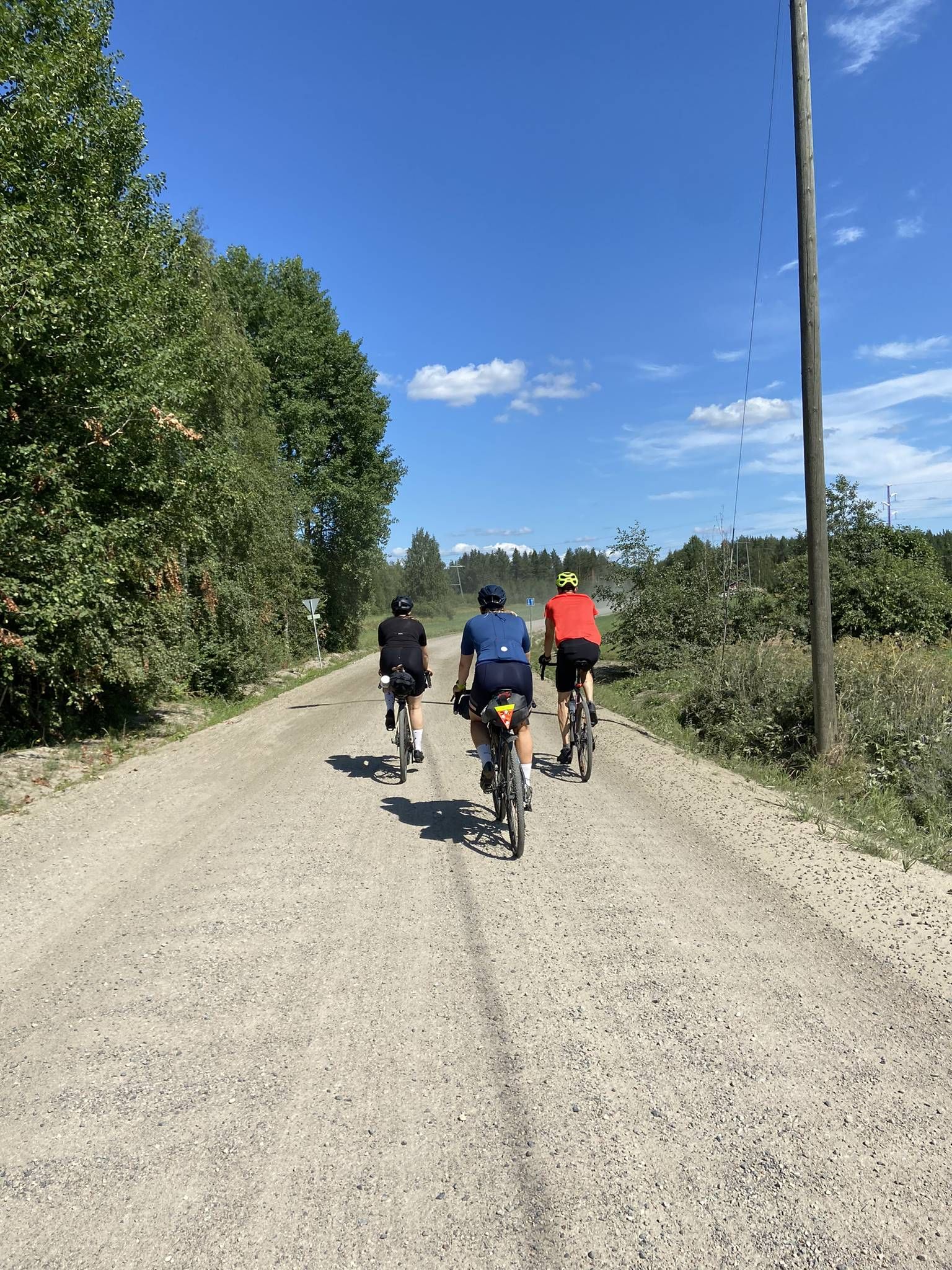
Naples to North Cape — Two friends, one purpose and many scoops of ice-cream

#transit: My farewell to pro-cycling – from Como to Lecchi in two days
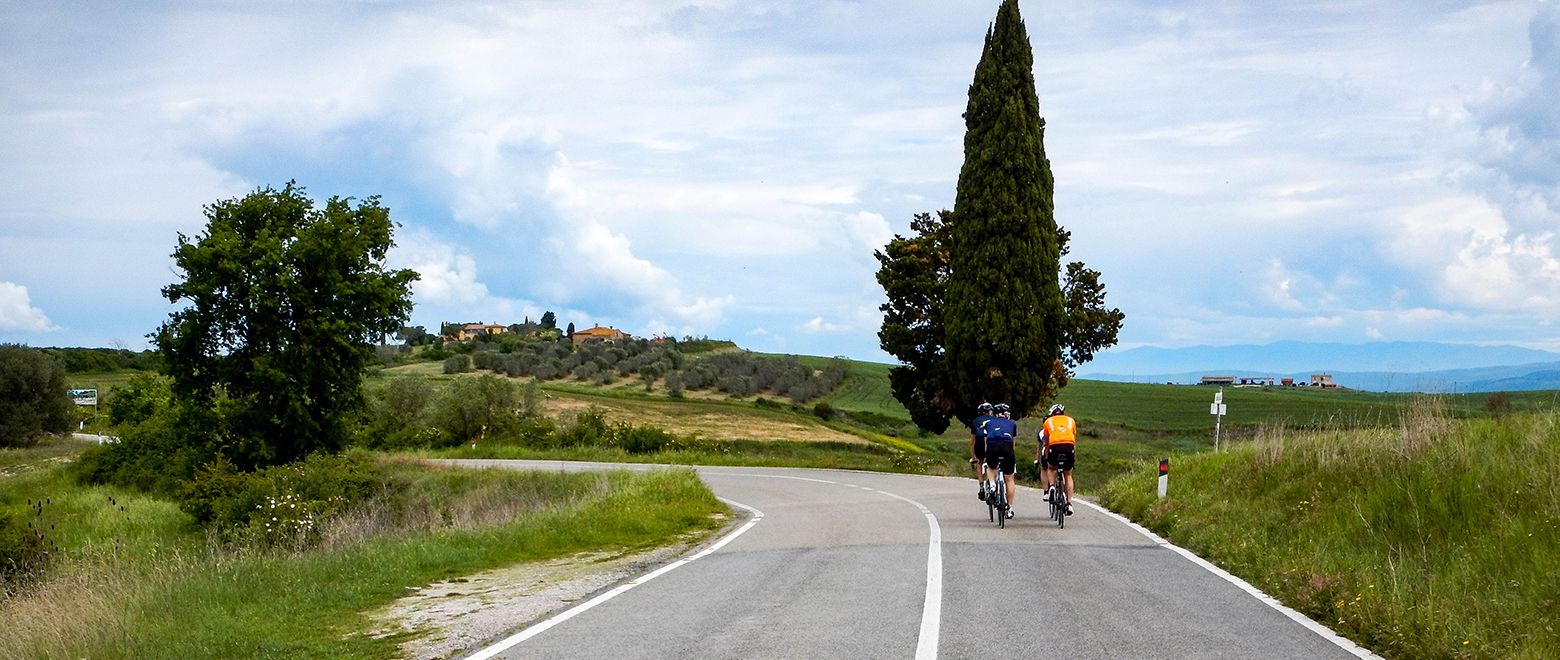
A heavenly week cycling in Tuscany
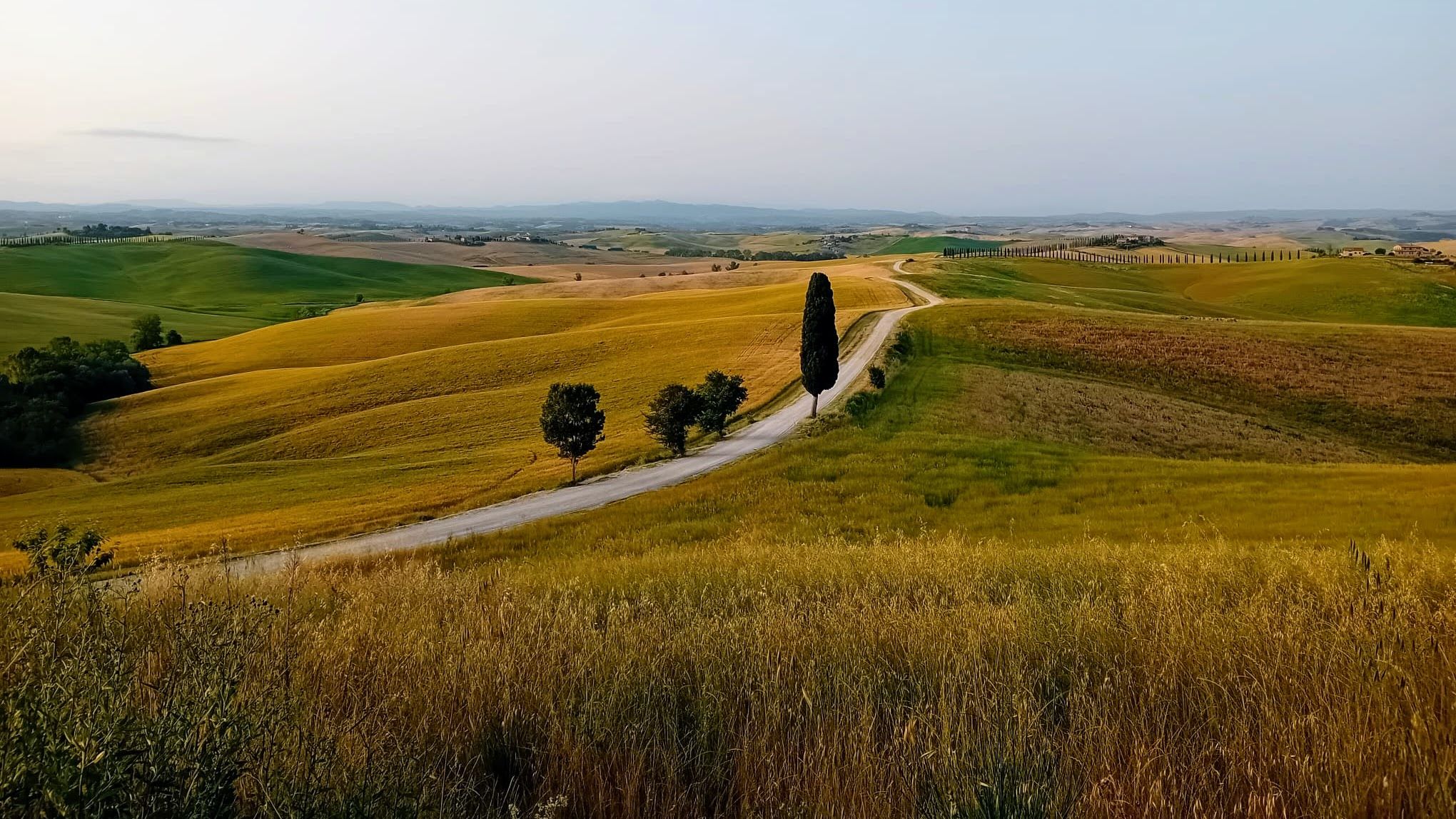
Tuscany by bike – history, cypresses and the Strade Bianche
Apennine Cycle Route (Part 1) - From Liguria to Umbria
Hills, rivers and valleys - Transromagna by MTB
Marradi to Camaldoli – Alta Via dei Parchi (part 4)
Lake Brasimone to Marradi – Alta Via dei Parchi (part 3)
Interiora - A Journey into the Remote Areas of Italy
Centuries-old woods and lost roads – in the heart of the Casentinesi Forests
Other adventures in Florence


Tips from the Community

As a plant expert and botany enthusiast, Ferdinando Panciatichi Ximenes d’Aragona designed the large green area surrounding Sammezzano Castle, approximately 65 hectares, which constitutes the current Historic Park. Around the ancient "ragnaia" (woodland) formed by a high forest of holm oaks, Ferdinando decided to place numerous rare and exotic plants. Their purpose was to serve the dual purpose of beautifying the exterior and gradually introducing visitors and guests to the wonders of the "Moorish" style of the Villa-Castle of Sammezzano. Among the exotic species introduced by Ferdinando, the most well-known are undoubtedly the majestic sequoias (Sequoia sempervirens and Sequoia gigantea), which, as demonstrated by the remarkable size they reached in just 150 years, certainly found the geological, soil, and climatic conditions favorable to their growth. Among these, the so-called "twin sequoia" stands out, as its trunk forks into two enormous vertical branches a few meters from the base. It is almost 54 meters tall and, with a circumference of 837 centimeters, the tallest sequoia in Italy. It is not only one of Italy's monumental trees, but also one of the select group of "150 trees of exceptional environmental or monumental value."
0
0


The small village of Malmantile has one of the best preserved examples of medieval city walls in Tuscany. Its origins are unknown, it was essentially a military center located along the ancient and very important road that connected Florence to Pisa and only later became an inhabited center. Legend has it that the episode that gave rise to its name dates back to the 4th century! St. Ambrose, bishop of Milan, was traveling towards central Italy while St. Zanobi, bishop of Florence, was in the area. The two met where the commemorative tabernacle of the meeting stands and stayed for a few days to talk in a farmhouse. Upon leaving, St. Ambrose was so dissatisfied with the welcome he received from the locals that he cursed the place so much that the farmhouse sank into a crevasse. Once word of what had happened spread, the town was called 'Malmantile', which literally meant 'bad tablecloth' but in a broader sense 'bad reception'. The late Gothic walls of the town date back to 1424 and are one of the first examples of a wall equipped with a projecting device, the most used type in Tuscany for the entire following century. It seems that Brunelleschi also supervised their construction. The walls have a layout of 125x70 meters and form an almost perfect rectangle, oriented with the longer sides to the north-west and south-east and with the short ones, in the center of which are the two gates, joined by the single road axis, to the north-east and south-west. Although the entire perimeter of the loose stone wall is preserved, little remains of the projecting defensive device. This is made up of stone corbels of the type with four rounded projections to support the slightly pointed brick arches. Compared to the nearby circle of Lastra a Signa, here there are, in alternating arches, the machicolations for the plunging defense. The wall is completed by square towers placed at the four corners plus two other towers, without an internal front, placed at the center of the longer sides, the largest of which is the one on the north-west side, the one facing the external road and also the best preserved as it is completely free from overlapping of subsequent buildings. The two gates, both with round arches, are obtained by projecting a section of the walls themselves outwards and equipped with a series of slits on both sides. The one towards Florence is currently in need of restoration with the arch at risk of collapse. To the west of the gate facing Pisa (southwest) we find the only still intact section of the projecting apparatus, crowned by a parapet made of finer stone than that of the walls. Along the entire perimeter the escarpment joins the upper part plumb without a roundabout. To the south of the gate and along the walls they are in some places pierced by the windows of the houses leaning against them. The north-west side is internally free from buildings but partially covered by buildings built externally.
0
0

Village of Villages
0
0

A Renaissance palace located in the Oltrarno district, in the center of Florence and former residence of the banker Luca Pitti, Palazzo Pitti was for decades the main residence of the Grand Dukes of Tuscany. Today it houses important museums with works by artists such as Titian and Raphael.
0
0

Inserted among the most beautiful villages in Italy, this hamlet of Greve in Chianti reserves an atmosphere suspended in time, between stone houses and alleys and medieval fortifications.
0
0

Palazzo Pretorio, the most representative monument of Certaldo, was the ancient residence of the Alberti counts, built around the end of the 12th century on the ruins of the ancient houses of this family. The prisons, the audience hall, the archive, the chapel and the private quarters of the Vicars can still be visited today. On the facade and inside the palace there are numerous coats of arms, each of which represents the effigy of the family of each Vicar who governed and lived here. In the Palace you can admire frescoes and sinopias from the 15th and 16th centuries. For further information: https://www.comune.certaldo.fi.it/it/page/palazzo-pretorio
0
0
Frequently Asked Questions
Which castles near Florence offer panoramic views of the Tuscan countryside?
Several castles around Florence provide stunning vistas. Montefioralle Castle, situated on a hill, offers picturesque views of the Chianti region. Castello di Vincigliata, located in the hills of Fiesole, boasts breathtaking panoramic views of Florence and the surrounding Tuscan landscape. Additionally, Badia a Passignano Abbey and Castello di Brolio also feature excellent viewpoints amidst vineyards and rolling hills.
Are there castles near Florence that are family-friendly?
Yes, several castles and historical sites are suitable for families. Piazza della Signoria and the Palazzo Vecchio in Florence offer an engaging historical experience in the city center. Montefioralle Castle and Badia a Passignano Abbey are also listed as family-friendly. Many Medici Villas, with their impressive gardens, can also be enjoyable for families.
What outdoor activities can I do near the castles in Florence?
The region around Florence's castles is excellent for outdoor activities. You can find numerous hiking and gravel biking routes. For instance, near castles like Montefioralle Castle, you can explore routes like the 'View of Montefioralle – Montefioralle Village loop from Greve in Chianti.' For more options, check out the guides for Hiking in Florence and Gravel biking in Florence.
Which castles offer a unique historical experience beyond typical medieval structures?
For a unique historical experience, consider Sammezzano Castle, known for its rare orientalist style and beautiful surrounding forest. Castello di Vincigliata, restored in a Neo-Gothic style, has a rich history including serving as a WWII prisoner-of-war camp. The Medici Villas, many with defensive elements, offer insights into Renaissance life, art, and the powerful Medici family's legacy.
Are there castles near Florence where I can experience local wine and food?
Absolutely! Castello del Trebbio functions as an agriturismo, offering visitors the chance to experience a working farm and winery, taste locally produced wines and olive oil, and enjoy traditional Tuscan cuisine. Castello di Brolio is also famous as the birthplace of the Chianti Classico wine formula and offers wine tastings at one of the oldest continuously operating wineries in the world.
What is the best time of year to visit castles around Florence?
The best time to visit castles around Florence is generally during the spring (April-May) and autumn (September-October). During these seasons, the weather is pleasant for exploring, the Tuscan landscape is vibrant, and the crowds are typically smaller than in the peak summer months. Summer can be very hot, while winter might offer a quieter experience but with potentially colder weather and some seasonal closures.
Can I reach castles near Florence using public transport?
While some castles closer to Florence, like the Palazzo Vecchio, are easily accessible by public transport within the city, many of the more rural castles require a combination of public transport and a taxi, or a car. For specific routes, it's best to check local bus schedules to the nearest towns and then plan onward travel. Castello di Vincigliata, for example, is in the hills of Fiesole, which is reachable by bus from Florence.
Are there any castles near Florence that are accessible for wheelchairs?
The Piazza della Signoria and the Palazzo Vecchio in Florence are listed as wheelchair accessible, offering a central historical experience. For other castles, accessibility can vary greatly due to their historic nature. It is recommended to check specific castle websites or contact them directly for detailed information on accessibility features before planning your visit.
Which castles are known for their historical significance related to the Medici family?
The Medici family had a profound impact on Florence. The Palazzo Vecchio served as their residence before they moved to the Pitti Palace. Castello del Trebbio also has strong connections to the Medici, as Cosimo il Vecchio transformed it into a country residence. Many Medici Villas, such as Villa di Cafaggiolo and Villa La Petraia, are UNESCO World Heritage Sites showcasing their grandeur and influence.
Are there less crowded castles to visit near Florence?
To avoid the largest crowds, consider visiting castles slightly further from the immediate city center or those that are less frequently highlighted in mainstream tourism. Montefioralle Castle, a charming medieval village, offers a more authentic and less crowded experience than some of the larger attractions. Castello del Trebbio, with its agriturismo focus, also provides a more intimate visit.
What kind of natural features can I expect to see around Florence's castles?
The castles around Florence are often nestled within the stunning Tuscan landscape. You can expect to see rolling hills covered in vineyards and olive groves, particularly around Castello del Trebbio and Castello di Brolio. Sammezzano Castle is immersed in a beautiful forest, offering a different natural setting. Many castles also feature elaborate Renaissance gardens and English woods.
Are there any castles near Florence that offer accommodation or dining options?
Yes, some castles have been converted or incorporate facilities for visitors. Castello del Trebbio operates as an agriturismo, offering accommodation, wine tasting, and traditional Tuscan cuisine. Montalbano Castle also provides hotel services and has a sun terrace. Additionally, Badia a Passignano Abbey is known for having very good restaurants nearby.
Most popular routes in Florence
Most popular attractions in Florence

Get inspired with the komoot mobile app


Didn’t find what you were looking for?
Explore Florence’s best castles region by region:
Explore more
Looking for the best castles somewhere else? Discover other guides in Florence:
