Top 20 Mountain Passes in Florence
Mountain passes near Florence Italy offer diverse landscapes in the surrounding Tuscan Apennines and picturesque hills. These areas provide opportunities for cycling, driving, and exploring nature. Visitors can find a refreshing escape from the city, with routes known for their winding roads and historical significance. The region features a variety of passes, from challenging climbs to scenic drives through forests and valleys.
Best mountain passes in Florence
- The most popular mountain passes is Passo del Giogo, a mountain pass…
Last updated: September 29, 2026
Burnt Inn Pass
Highlight • Mountain Pass
Translated by Google •
Tip by

Raticosa Pass
Highlight • Mountain Pass
Translated by Google •
Tip by

Sign up now to discover places like this
Get recommendations on the best single tracks, peaks, & plenty of other exciting outdoor places.
Muraglione Pass
Highlight • Mountain Pass
Translated by Google •
Tip by
Passo del Passeggere
Highlight • Mountain Pass
Translated by Google •
Tip by
Tre Faggi Pass
Highlight • Mountain Pass
Translated by Google •
Tip by

Passo della Colla
Highlight • Mountain Pass
Translated by Google •
Tip by

Passo del Giogo – Stronghold of the Gothic Line
Highlight • Mountain Pass
The events of the Second World War WW2, which …
Translated by Google •
Tip by

Passo del Giogo
Highlight • Mountain Pass
Translated by Google •
Tip by
Passo Carnevale
Highlight • Mountain Pass
Translated by Google •
Tip by

Futa Pass
Highlight • Mountain Pass
Translated by Google •
Tip by

Sign up for free to discover even more mountain passes in Florence.
Already have an account?
Start today with a free account
Your next adventure awaits.
Popular around Florence
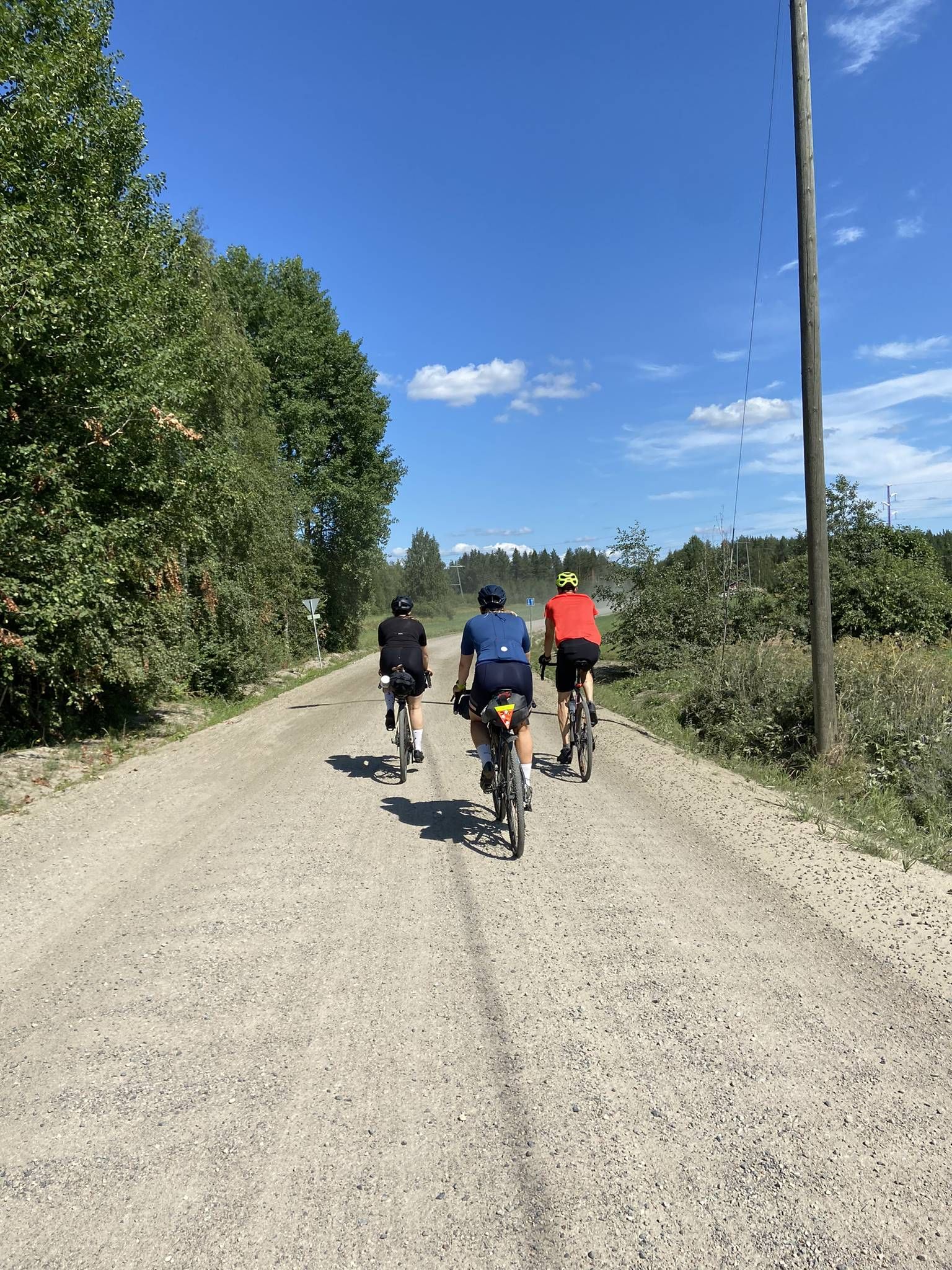
Naples to North Cape — Two friends, one purpose and many scoops of ice-cream

#transit: My farewell to pro-cycling – from Como to Lecchi in two days
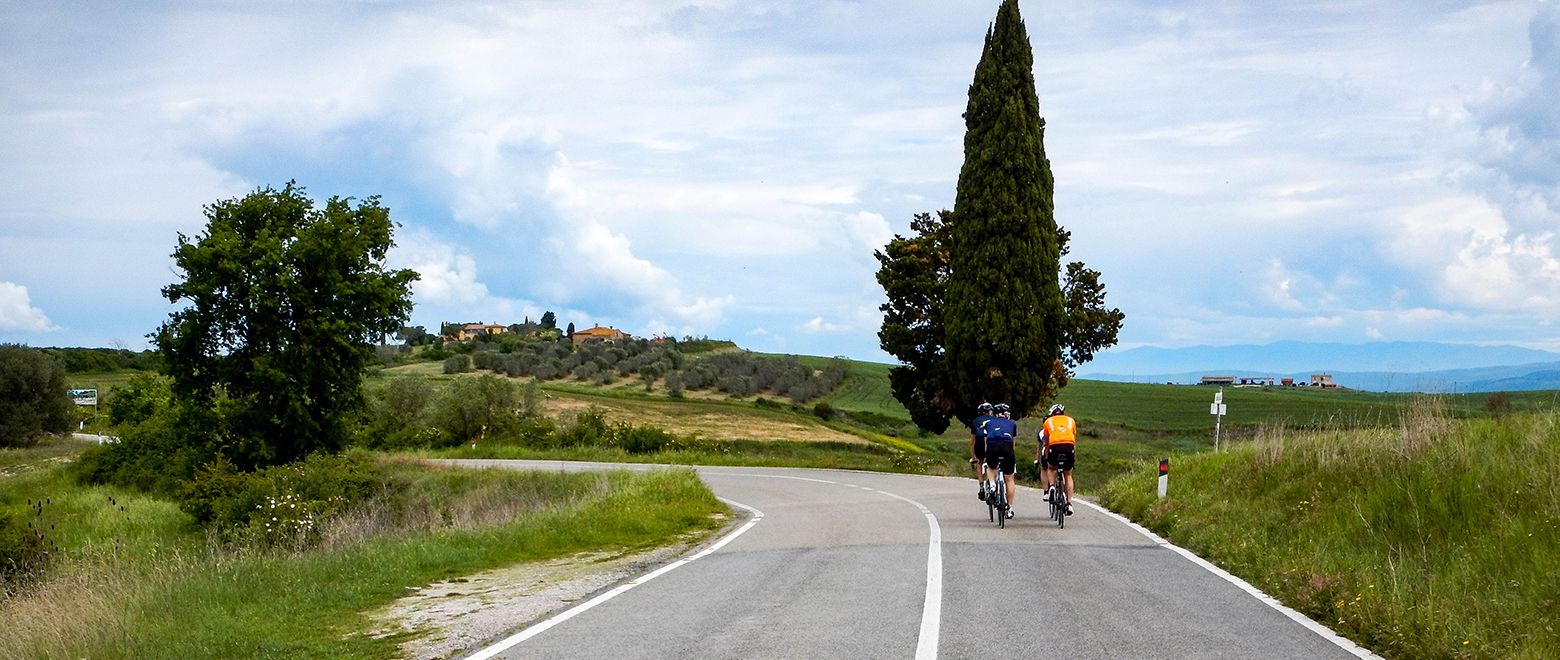
A heavenly week cycling in Tuscany
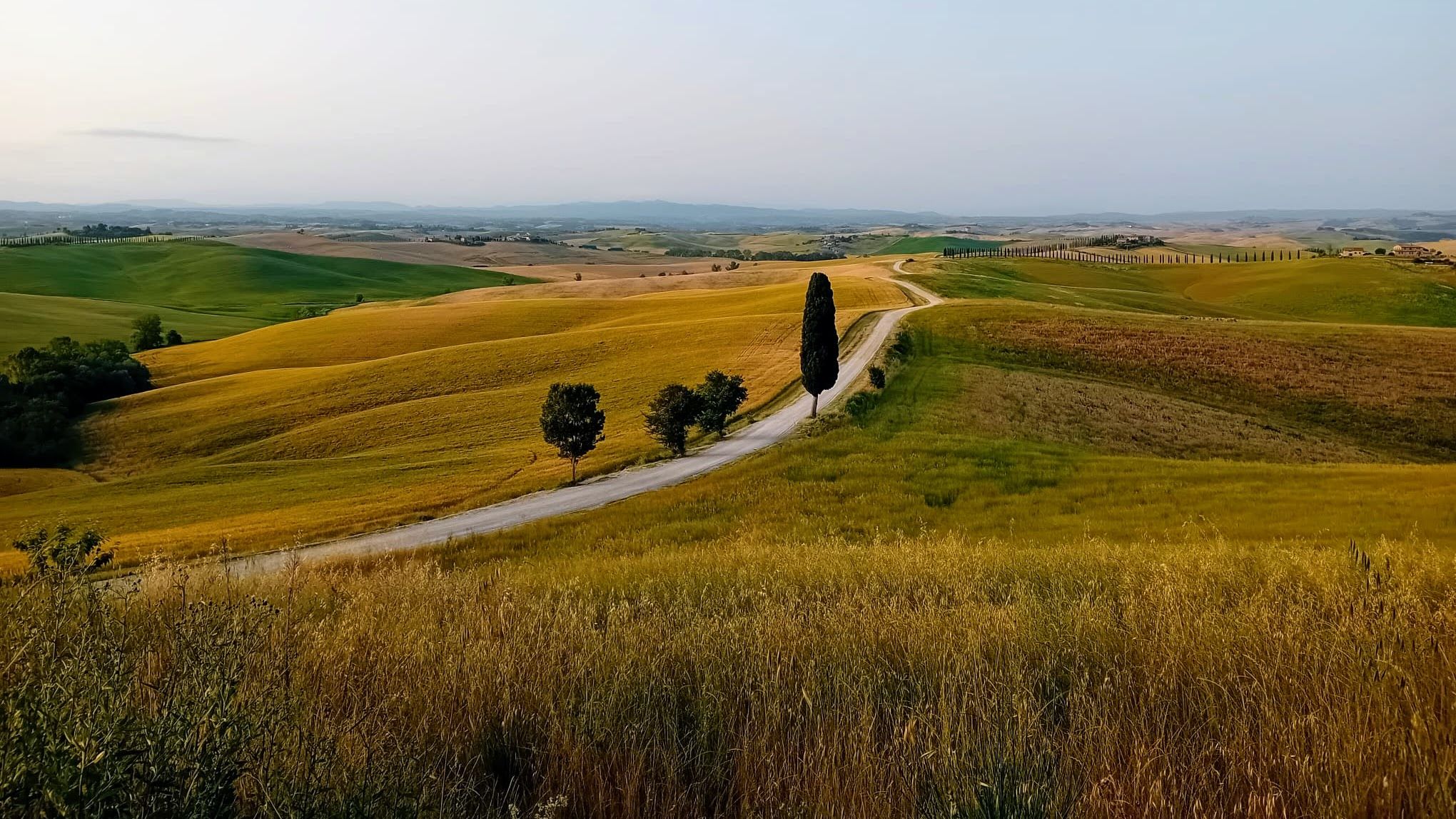
Tuscany by bike – history, cypresses and the Strade Bianche
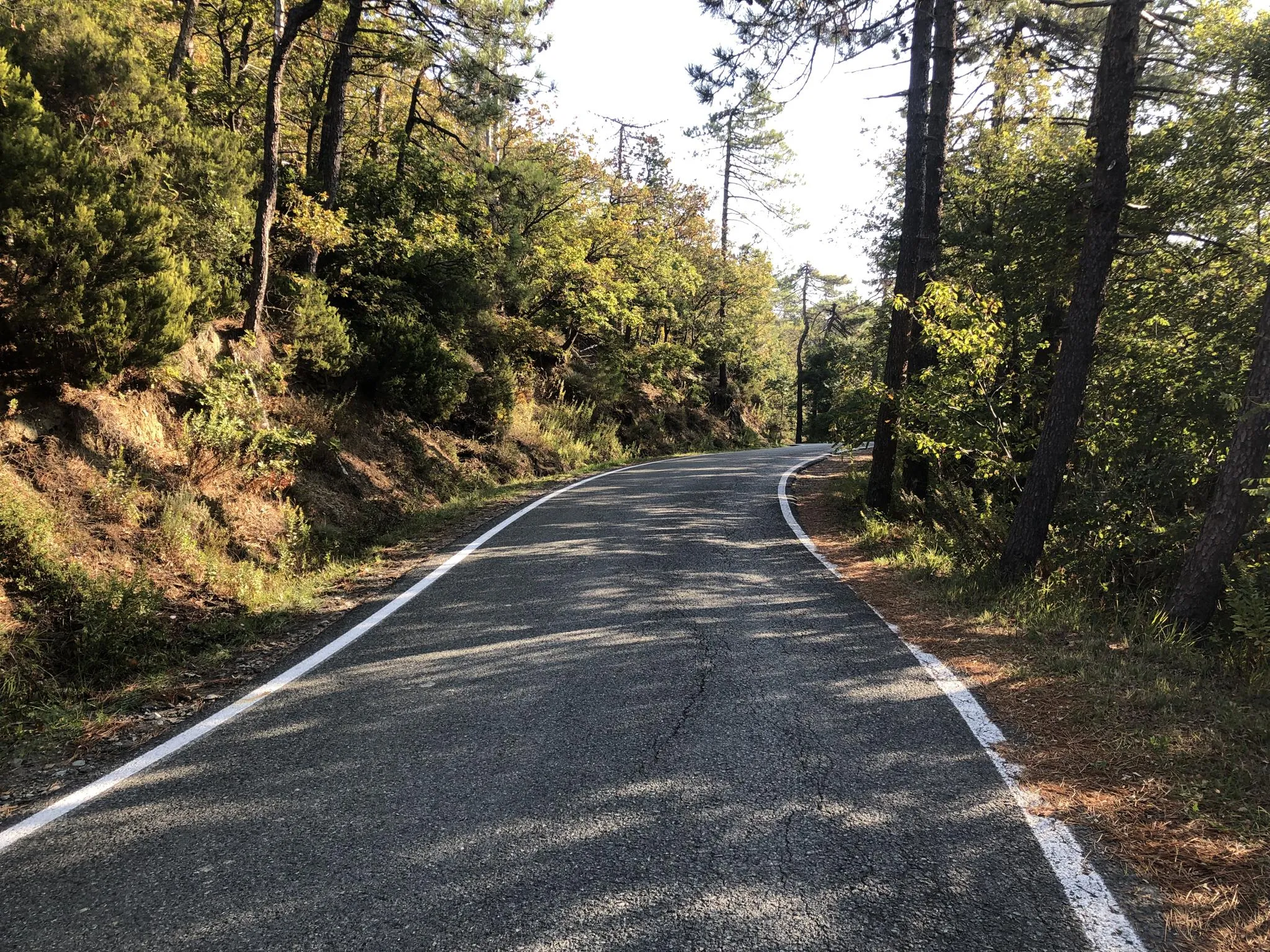
Apennine Cycle Route (Part 1) - From Liguria to Umbria
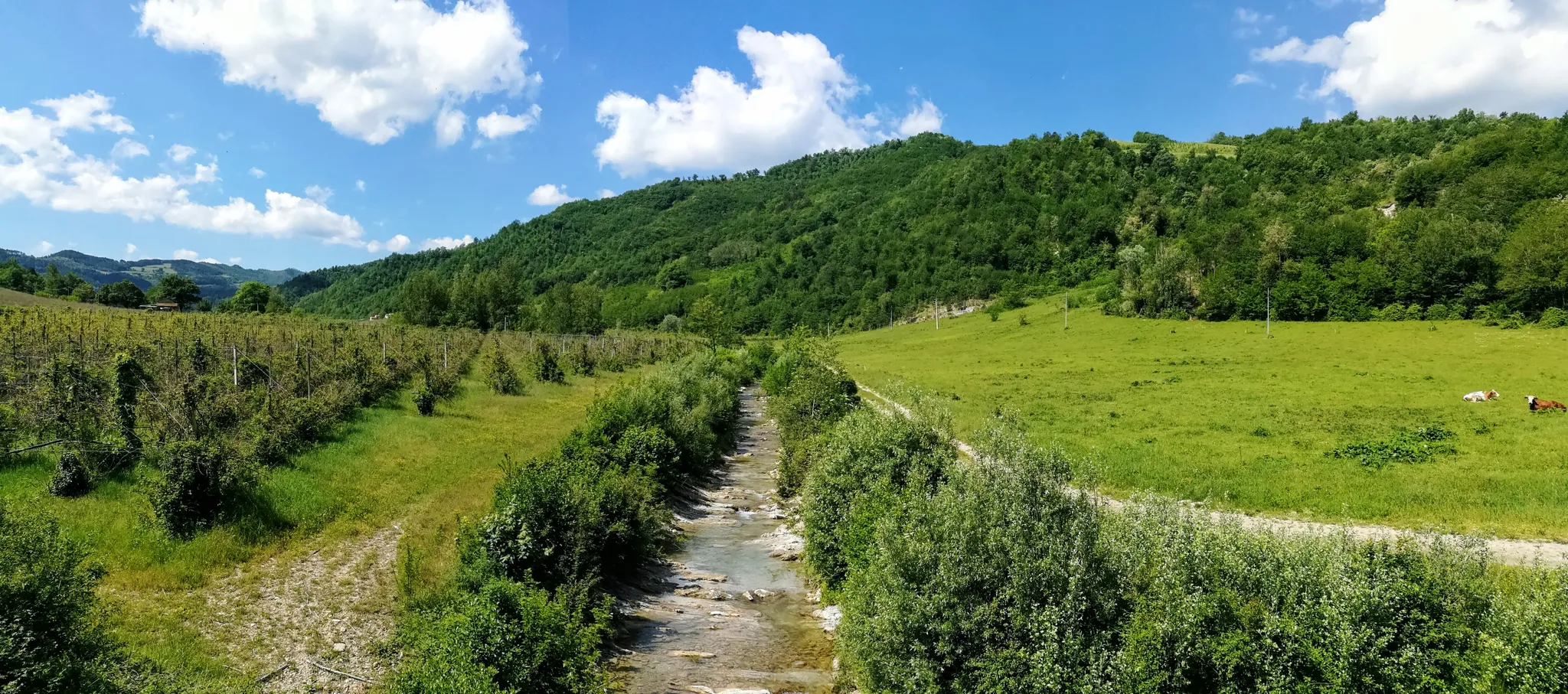
Hills, rivers and valleys - Transromagna by MTB
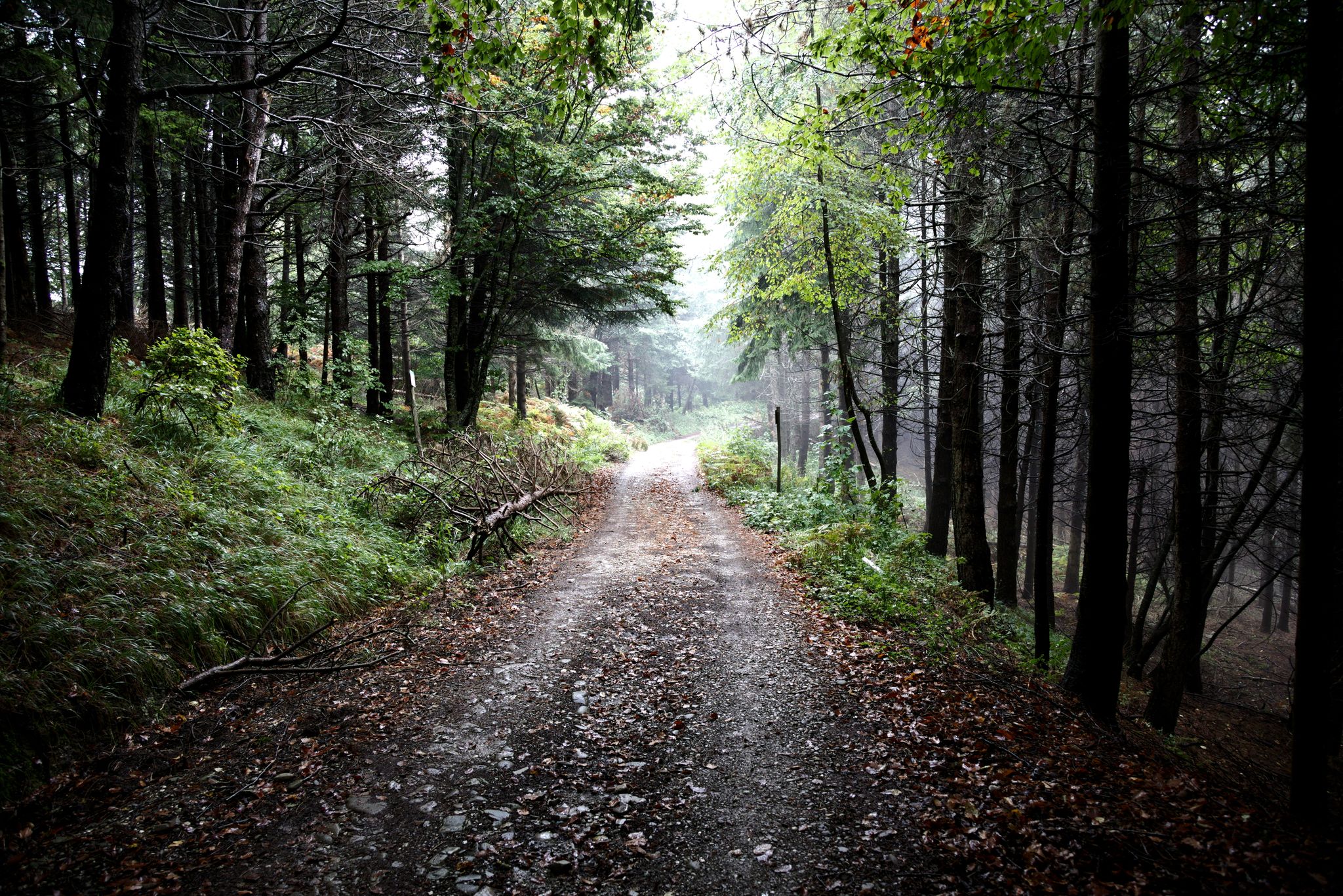
Marradi to Camaldoli – Alta Via dei Parchi (part 4)
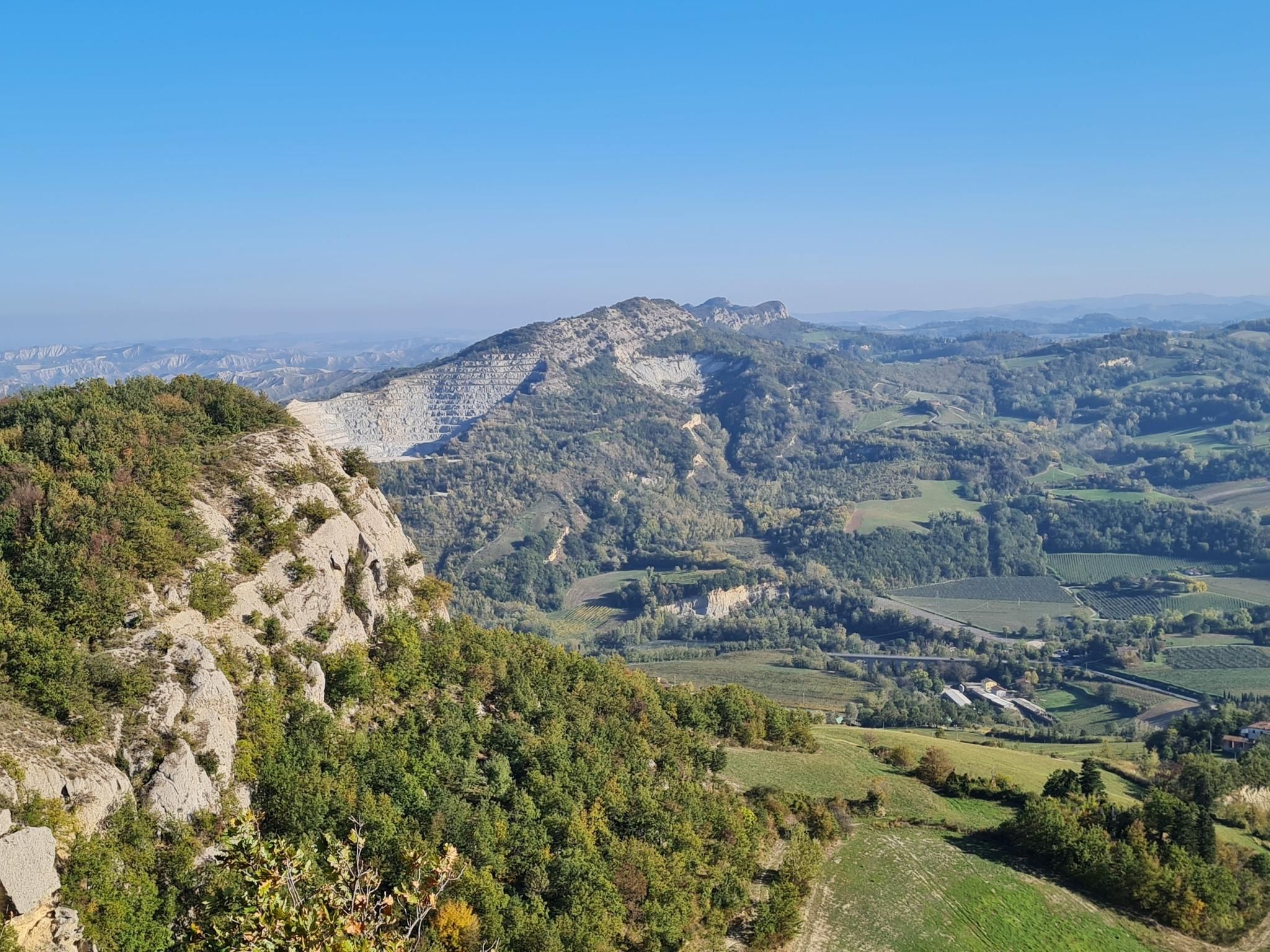
Lake Brasimone to Marradi – Alta Via dei Parchi (part 3)
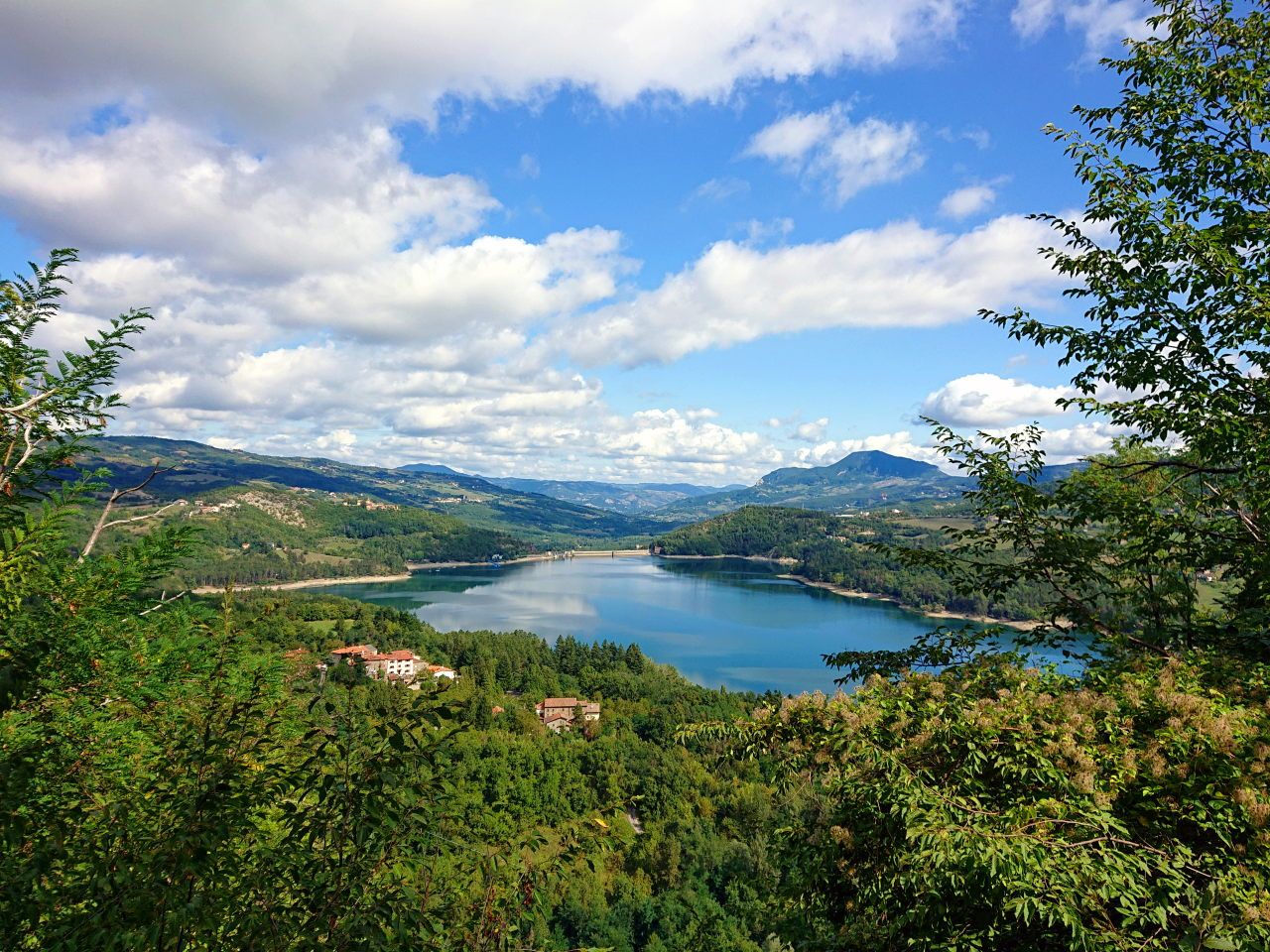
Interiora - A Journey into the Remote Areas of Italy
Centuries-old woods and lost roads – in the heart of the Casentinesi Forests
Other adventures in Florence


Tips from the Community

Badtzmaru, it's the Passo della Futa and not Raticosa, but where are you from…
0
0

In the Middle Ages it was the highway that connected northern Italy with the south (in particular trade with Milan and the Church with Rome)
1
0


During the summer weekends it is a land of roaring motorbikes but during the week the SS65 of Futa is a paradise of peace and beauty to be enjoyed by bicycle, it is automatic to stop at the Passo della Raticosa and enjoy the view, clean air and peace and the bar is a good excuse to delay as much as possible the departure from that mystical place...
0
0

Fascinating forest, but don't go down from Gazzarro by bike
1
0

Antico Passo dell' Osteria Bruciata, coming from Bologna on the Via degli Dei you have made the greatest difference in altitude
1
0

The pass is located in the municipality of Borgo San Lorenzo, in the province of Florence, at 913 m above sea level, along the former state road 302 Brisighellese Ravennate. It takes its name from the hamlet of Casaglia, which is the first town you come across when descending from the Romagna side. The former Alpe di Casaglia state road 477 branches off from the pass in a northerly direction and, after passing the nearby Sambuca Pass, descends the Senio valley.
2
0
Still closed (June 2024) and, I think forever, the old Bar-Restaurant. However, a bar is now open next door, on the side of the pass that leads towards Palazzuolo.
0
0
Frequently Asked Questions
What are the most popular mountain passes near Florence?
Among the most popular mountain passes near Florence, visitors frequently enjoy Passo del Giogo, known for its historical significance as part of the Gothic Line and its scenic views. Another favorite is Raticosa Pass, which is popular with motorcyclists and car enthusiasts for its winding roads and facilities. Muraglione Pass also stands out for its views and amenities, making it a well-loved spot in the Apennines.
Are there mountain passes with historical significance near Florence?
Yes, several passes near Florence hold significant historical value. Passo del Giogo was a crucial part of the German defensive 'Gothic Line' during World War II. The Futa Pass is another famous Apennine pass with a German cemetery at its summit, connecting Tuscany to Emilia Romagna. Additionally, Burnt Inn Pass is steeped in local legend, telling tales of an ancient medieval tavern.
Which mountain passes are best for cycling near Florence?
For cyclists seeking a challenge, Passo Carnevale is highly recommended. Starting from Marradi, it features sections with gradients between 8% and 10%, offering a demanding yet rewarding route through the Upper Mugello. Passo della Colla is also a popular choice, often included in longer cycling routes like the 'I quattro passi' for its picturesque views and challenging climbs.
What kind of natural features can I expect to see at these mountain passes?
The mountain passes near Florence are primarily located in the Tuscan-Emilian Apennines, offering diverse natural beauty. You can expect to see extensive forests, such as those surrounding Tre Faggi Pass in the Casentino Forests, and scenic viewpoints providing panoramic vistas of the rolling Tuscan hills and valleys. Many passes, like Passo del Passeggere, are nestled within lush woodlands, providing a refreshing escape from the city.
Are there family-friendly mountain passes or areas to visit near Florence?
Yes, some mountain passes offer amenities that make them suitable for families. Raticosa Pass, for example, has facilities, a restaurant, and a cafe, making it a convenient stop for families. While not a pass itself, the Consuma Pass area, including nearby Vallombrosa, provides a natural escape with cooler temperatures and plenty of trails for moderate hiking, which can be enjoyable for families seeking a hint of mountain ambiance.
What outdoor activities can I do near the mountain passes in Florence?
The region around Florence's mountain passes offers a variety of outdoor activities. You can find numerous hiking opportunities, including challenging waterfall hikes like those detailed in the Waterfall hikes in Florence guide, or easier options found in the Easy hikes in Florence guide. For runners, there are dedicated Running Trails in Florence that explore the diverse landscapes. The winding roads of passes like Raticosa and Carnevale are also highly popular for scenic drives and motorcycling.
What is the best time of year to visit the mountain passes near Florence?
The best time to visit the mountain passes near Florence is generally during spring (April-May) and autumn (September-October) when the weather is mild and the landscapes are particularly beautiful, with blooming flora or vibrant fall colors. Summer can also be pleasant, especially in higher elevations like Consuma Pass or Vallombrosa, which offer cooler temperatures than the city. It's always advisable to check local weather conditions, as they can change quickly in the Apennines, especially at passes like Raticosa.
Are there cafes or restaurants available at the mountain passes?
Yes, some mountain passes offer amenities like cafes and restaurants. Raticosa Pass is known for having facilities, including a restaurant and cafe, making it a popular stop. Passo del Giogo also features a hut and cafe, providing a place to rest and refuel. These spots are often frequented by cyclists and motorcyclists.
Can I find quiet and peaceful routes among the mountain passes?
Absolutely. If you're looking for tranquility, Tre Faggi Pass is an excellent choice. Hidden in the Casentino Forests, it's known for its very quiet and silent road. Historically, it lost importance after the Muraglione Pass was built, contributing to its peaceful atmosphere today. It's a favorite for those seeking calm and a less trafficked route.
What are the options for scenic drives near Florence that aren't strictly mountain passes?
Beyond the specific mountain passes, the region offers iconic scenic drives. The Chianti Classico Route (SR222 - Chiantigiana Road) is a renowned drive connecting Florence to Siena, winding through rolling hills, vineyards, olive groves, and charming medieval villages. This route embodies the iconic Tuscan landscape and offers opportunities for wine tastings and exploring historic towns, providing breathtaking panoramic views.
Are there any areas near Florence's mountain passes that offer an 'alpine feel'?
While Florence's immediate surroundings are not high-altitude Alps, the area around Fiesole and Monte Morello, just a short distance from the city, can offer an 'alpine feel'. The fir tree-lined roads towards Monte Morello provide a cooler, more forested environment and technical descents, reminiscent of mountain terrain, along with spectacular views of Florence.
Most popular routes in Florence
Most popular attractions in Florence

Get inspired with the komoot mobile app


Didn’t find what you were looking for?
Find even more amazing mountain passes in Florence organized by region:
Explore more
See even more epic mountain passes by checking out these guides in Florence:
