Top 16 Lakes around Dwingelderveld National Park
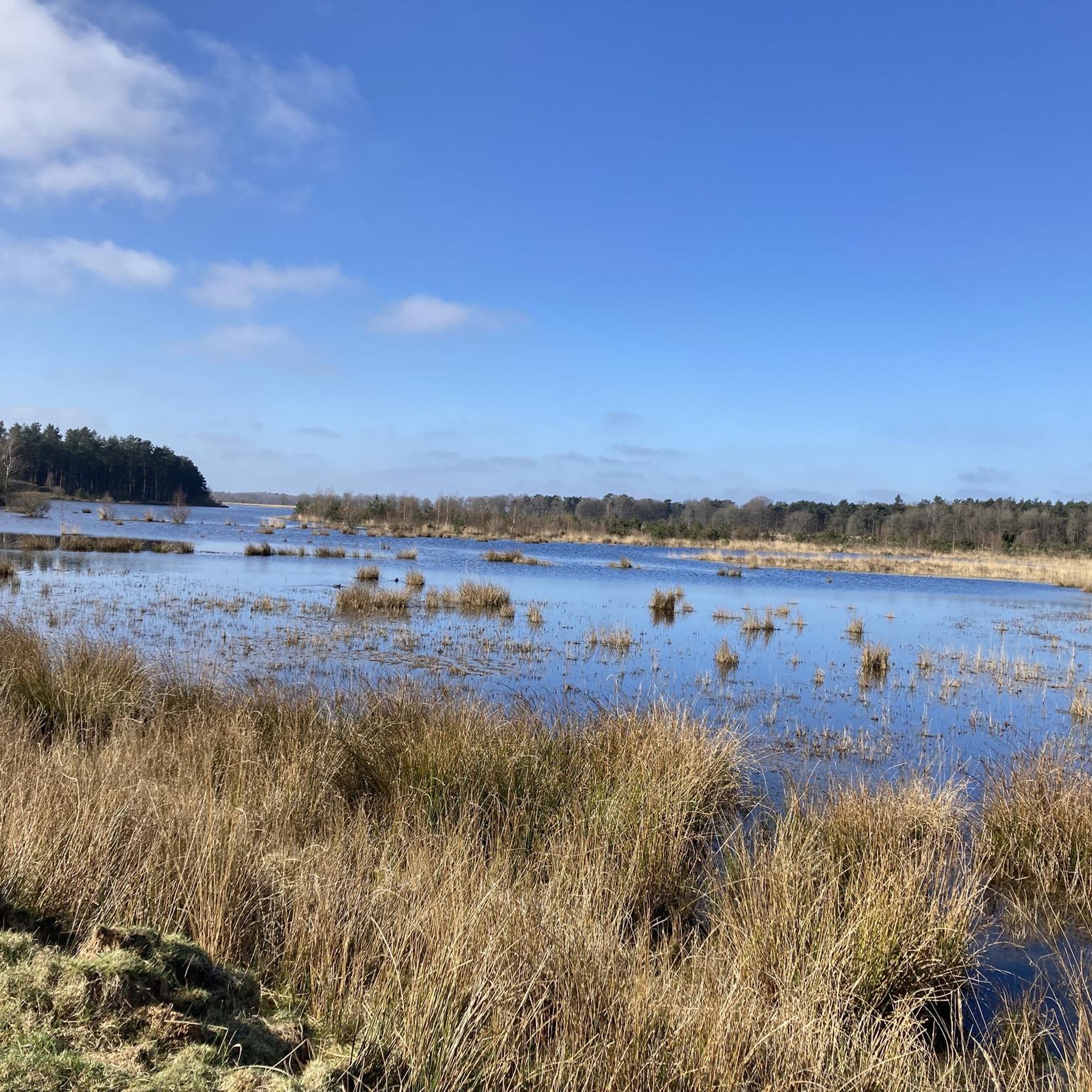
Best lakes around Dwingelderveld National Park are found within one of Western Europe's largest wet heathland areas. This national park in Drenthe, Netherlands, features extensive heathlands, forests, and numerous fens and peat bogs. These water bodies, many of which are relict pingo ruins, contribute to a diverse landscape and are significant habitats for wildlife. The park's unique environment supports a rich variety of plants and animals, making it a notable natural area.
Best lakes around Dwingelderveld National Park
- The most…
Last updated: May 13, 2026
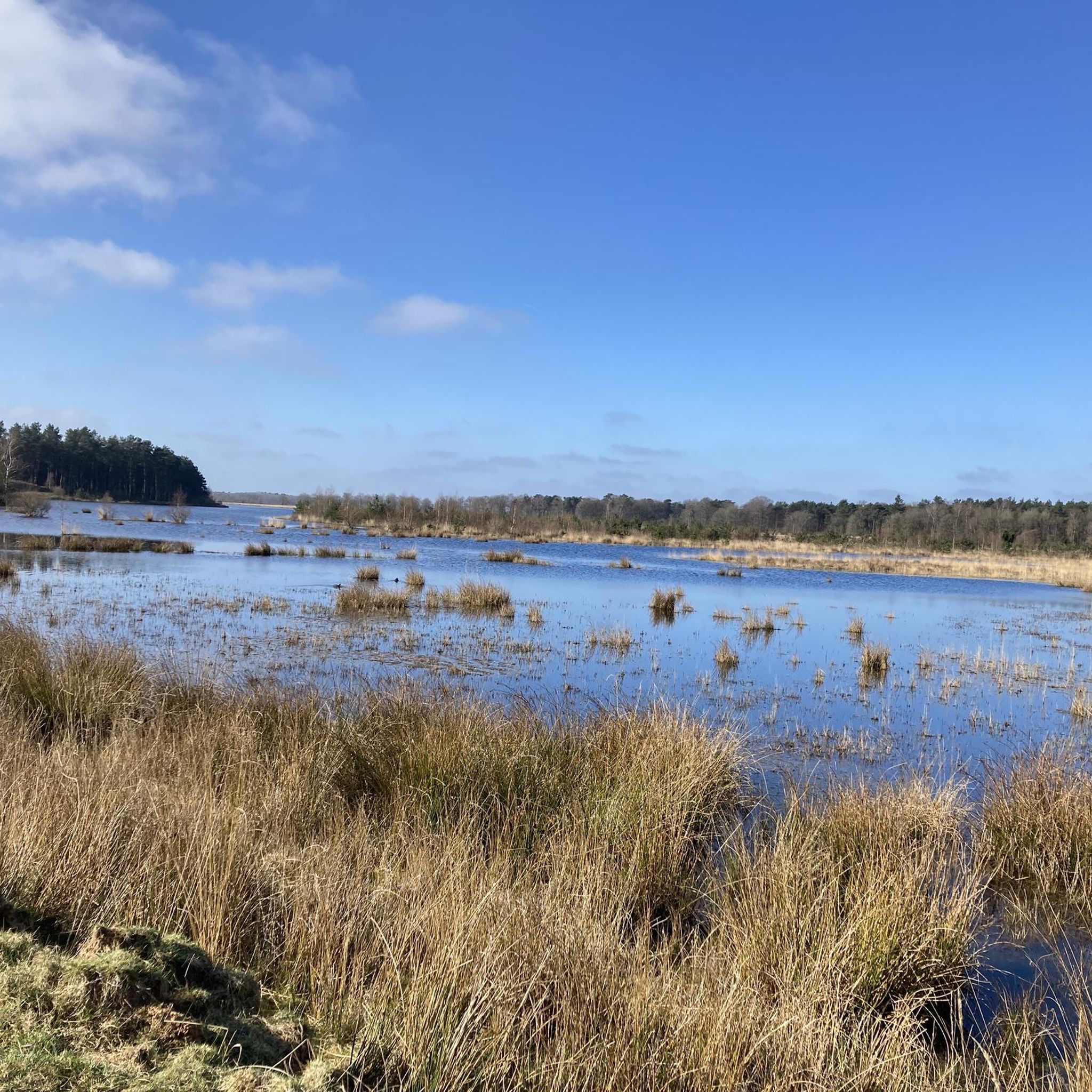
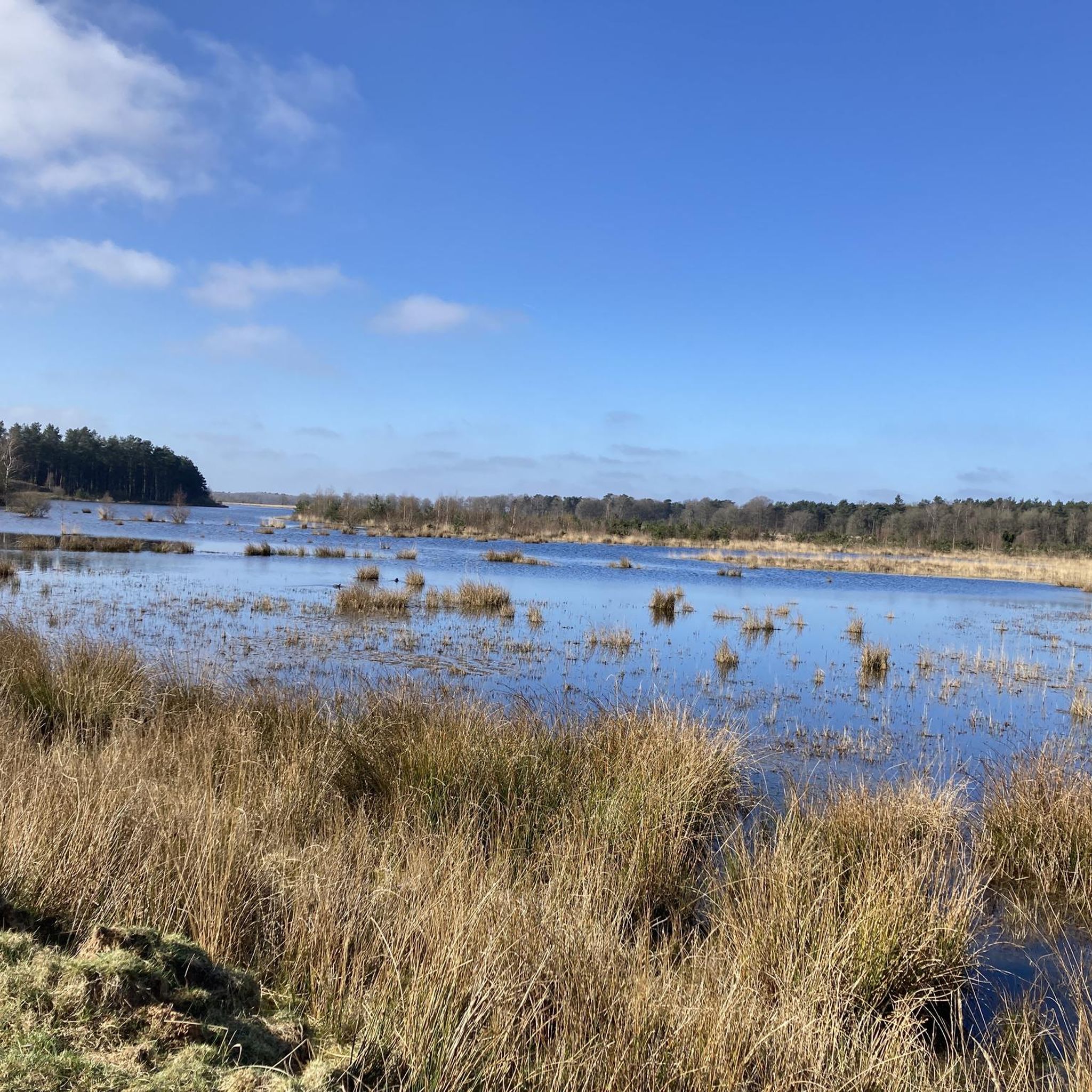
Dwingelderveld National Park
Highlight • Forest
Translated by Google •
Tip by

Holtveen Bird Hide
Highlight • Structure
The Dwingelerveld offers everything that makes cycling in Drenthe so great: forests, heaths, moors and beautiful cycle paths.
Translated by Google •
Tip by

Sign up now to discover places like this
Get recommendations on the best single tracks, peaks, & plenty of other exciting outdoor places.
Sign up for free
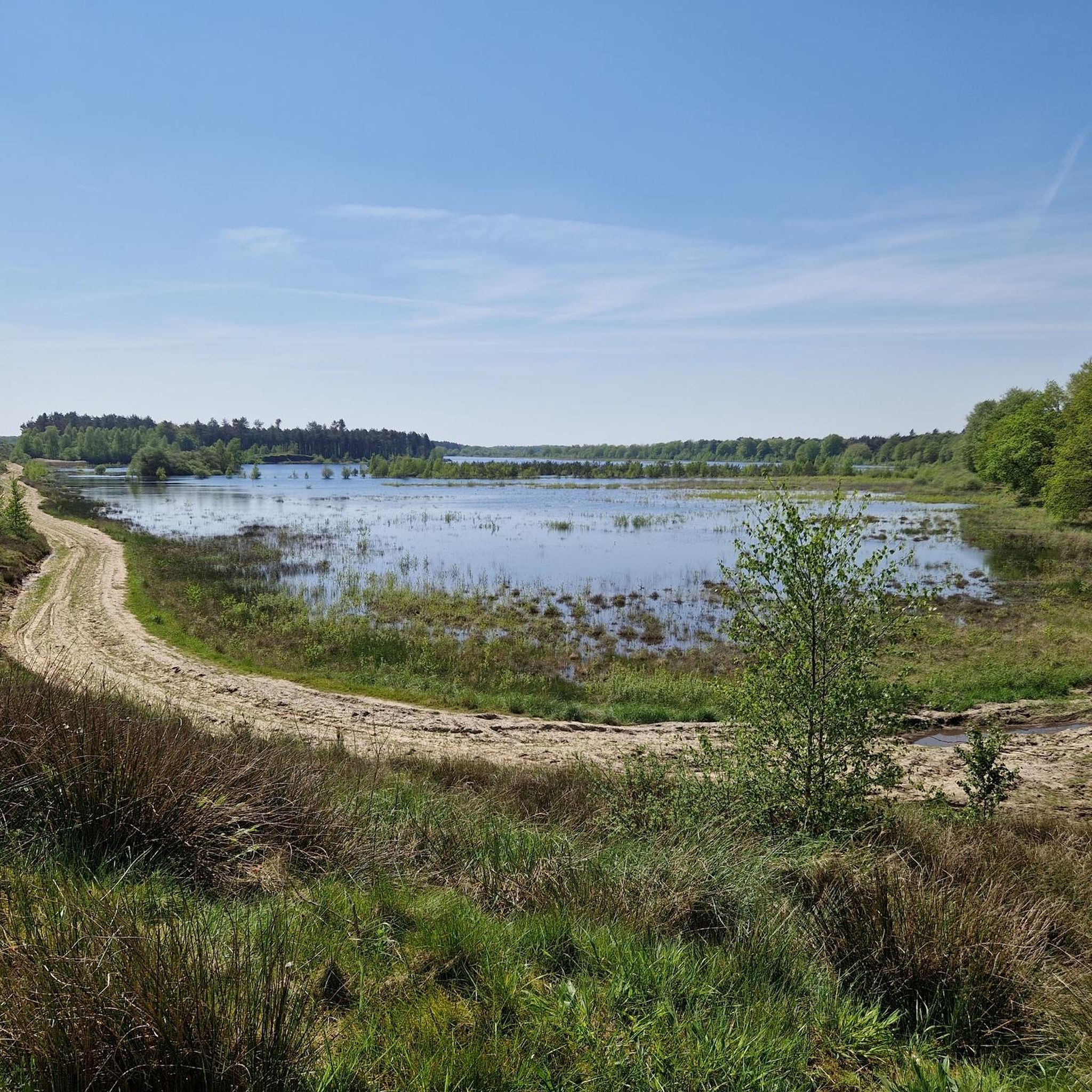
Beautiful pond in the Drenthe heath landscape
Highlight • Lake
Translated by Google •
Tip by

Water Lily Pond in Dwingelderveld
Highlight • Lake
Translated by Google •
Tip by

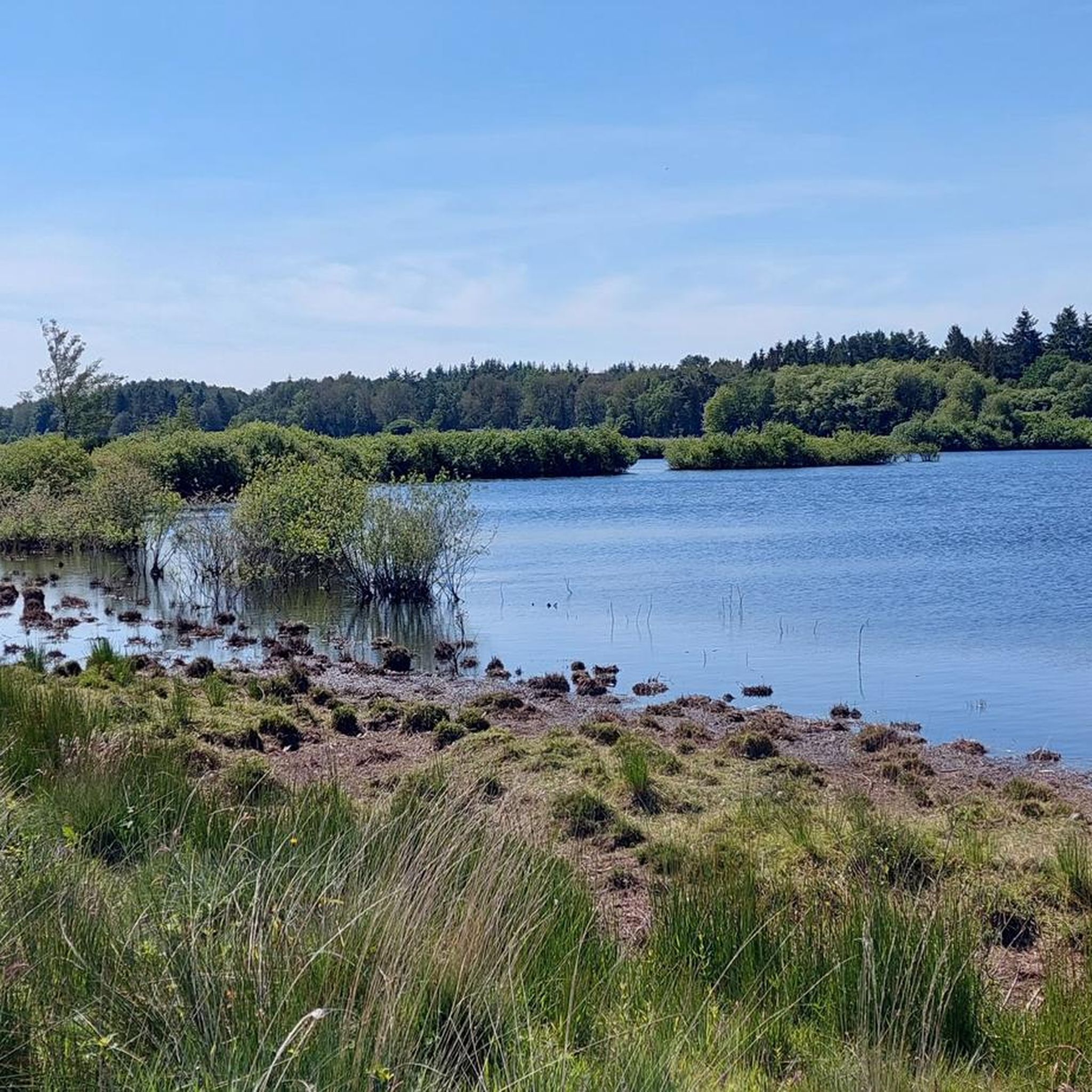
Sunken Trees in Dwingelderveld
Highlight • Natural
Translated by Google •
Tip by

Sign up for free to discover even more lakes around Dwingelderveld National Park.
Sign up for free
Already have an account?
Start today with a free account
Your next adventure awaits.
Login or Signup
Popular around Dwingelderveld National Park
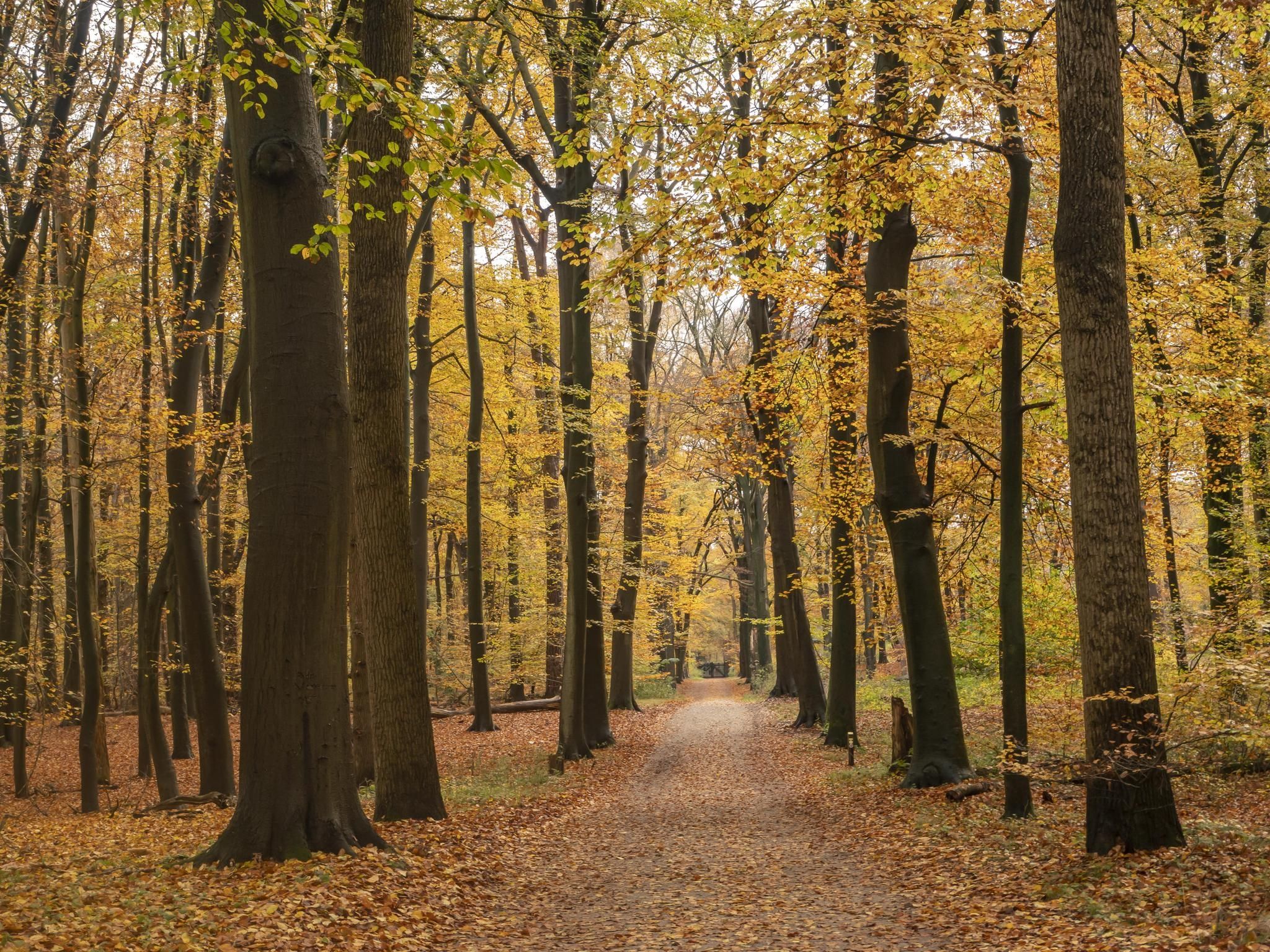
Walk under a golden canopy – 10 enchanting autumn walks in the Netherlands
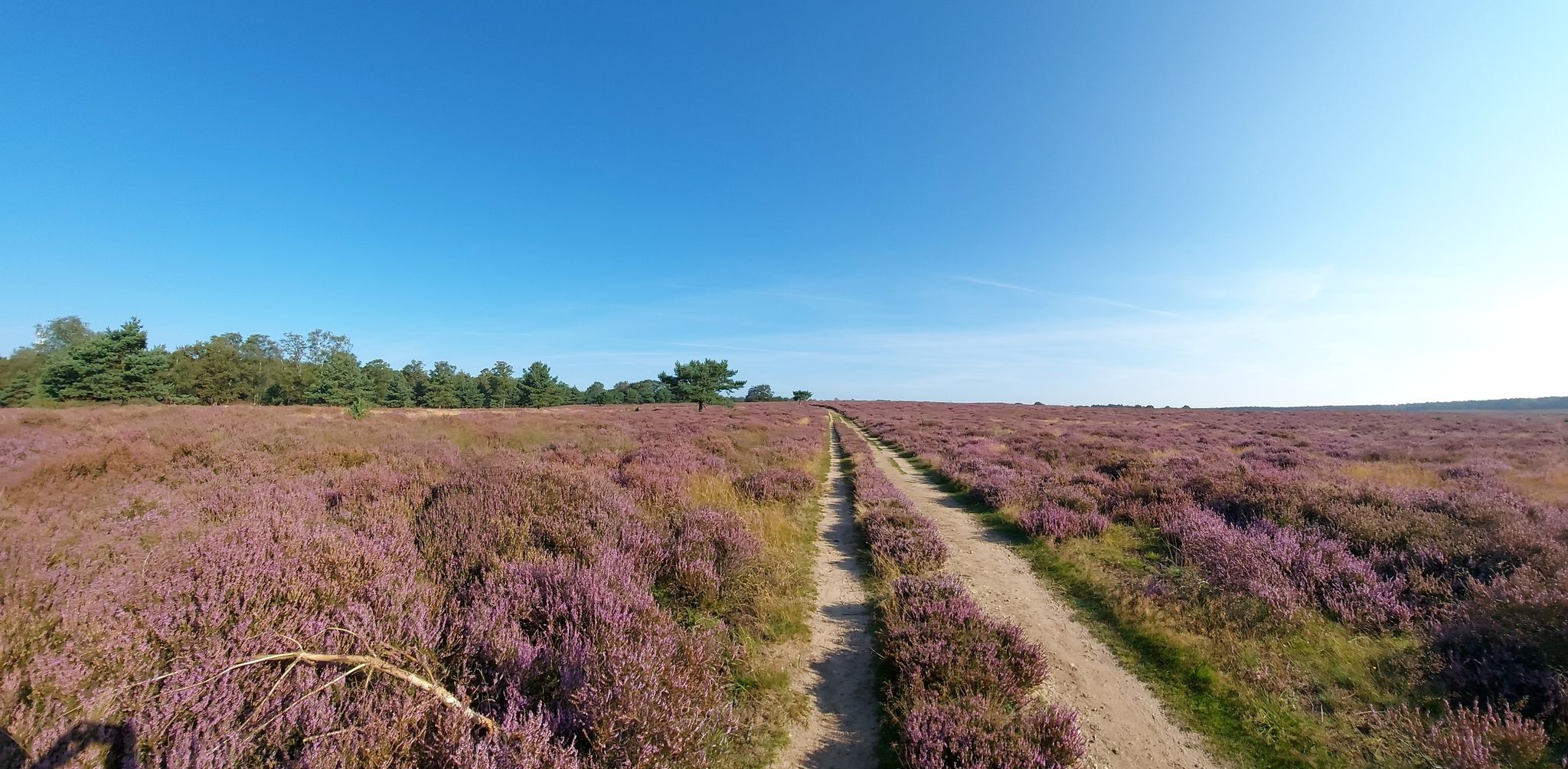
The Netherlands turns purple – 15 walks across the flowering heathlands
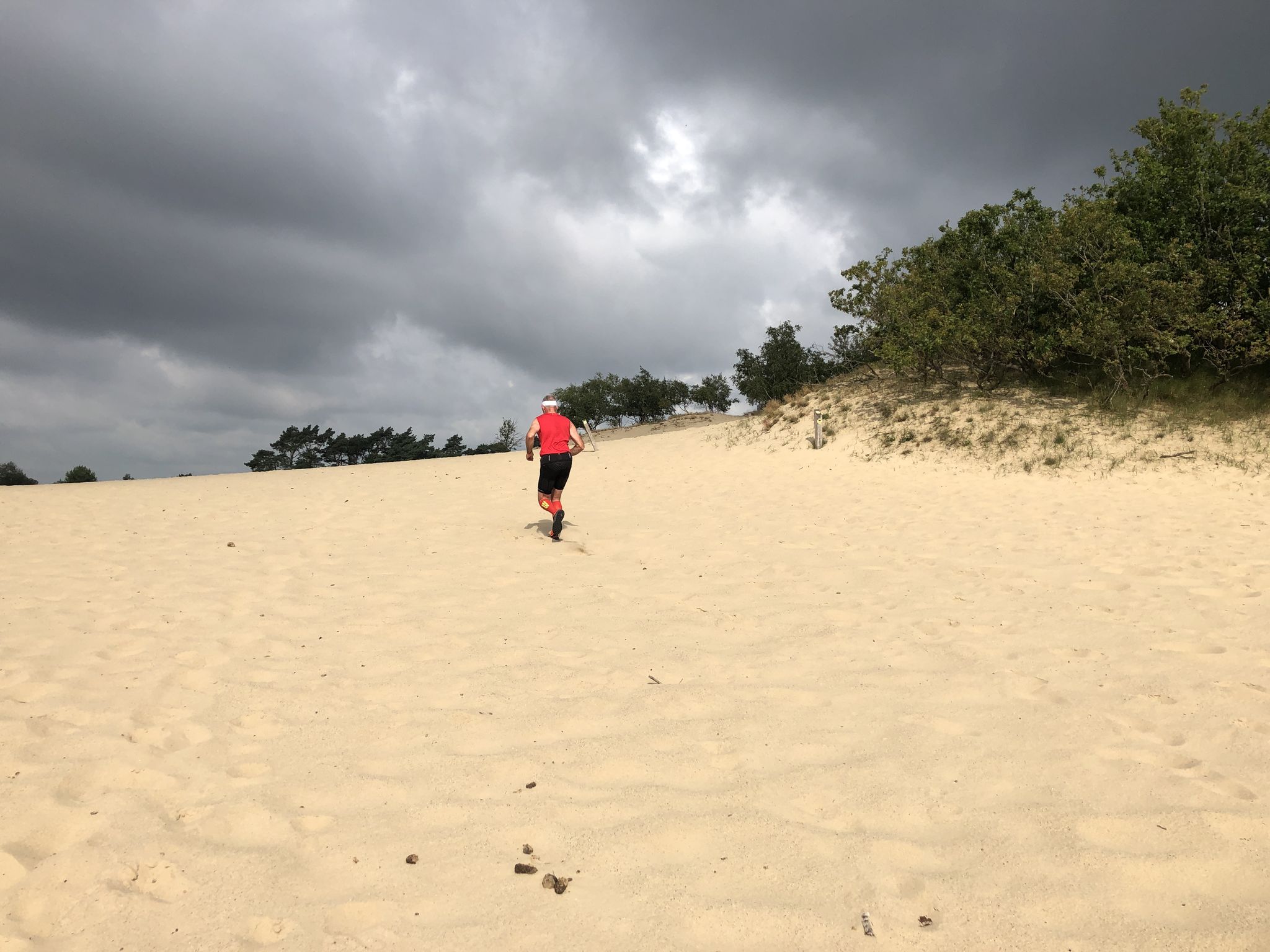
Trail runs for beginners – running off-the-beaten-track in the Netherlands
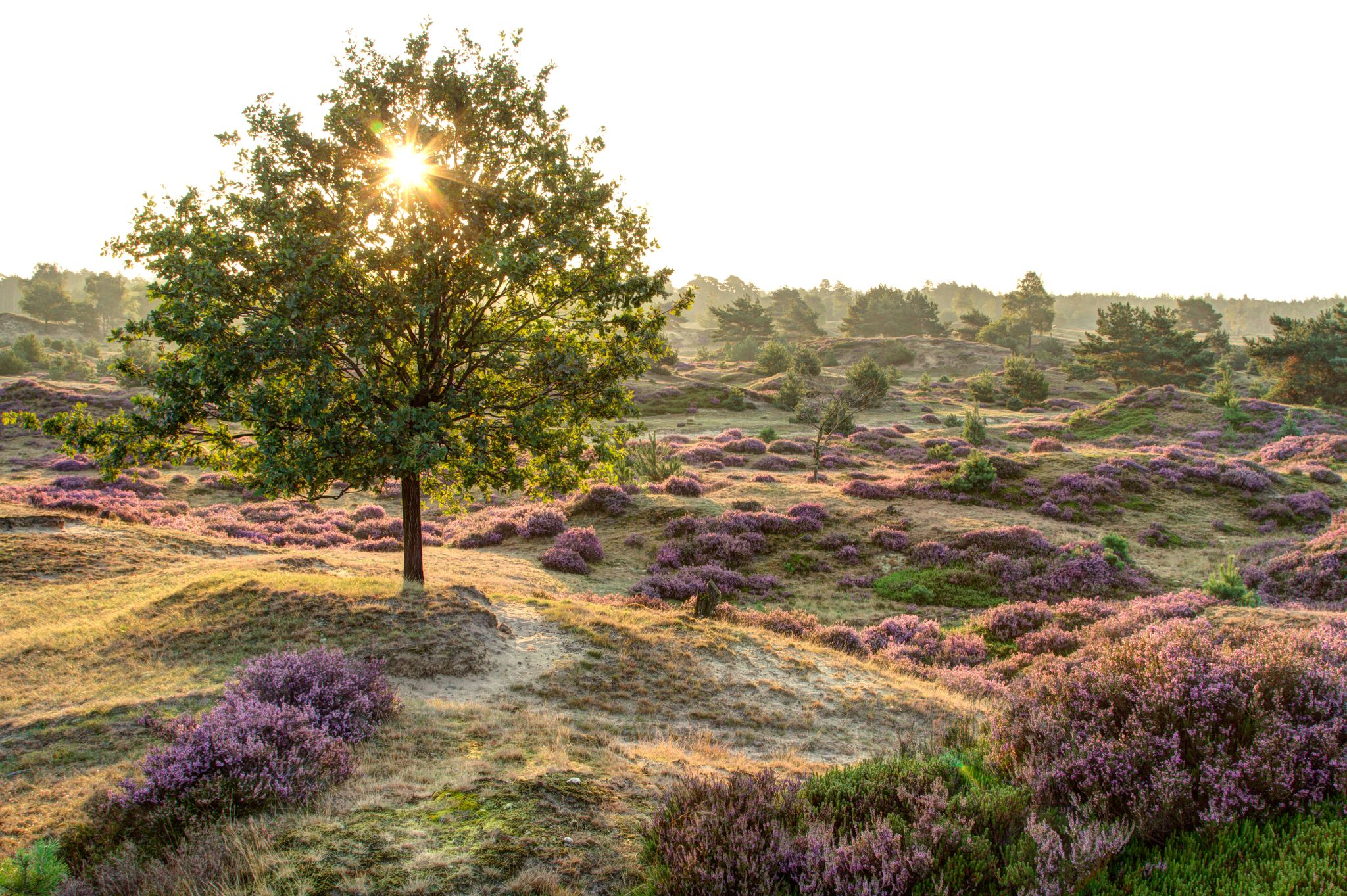
A complete hiking bucket list through every Dutch National Park
Hiking around Dwingelderveld National Park
Running Trails around Dwingelderveld National Park
Cycling around Dwingelderveld National Park
MTB Trails around Dwingelderveld National Park

Gravel biking around Dwingelderveld National Park
Road Cycling Routes around Dwingelderveld National Park
Other adventures around Dwingelderveld National Park


Tips from the Community

Here you clearly have a piece of wetlands.
2
0

Beautiful route through the Dwingelerveld. Excellent fitness path and lookouts across the field.
0
0

Great viewpoint The Dwingelerveld offers everything that makes cycling in Drenthe so great: forests, heaths, moors and beautiful cycle paths.
4
0

National Park Dwingelderveld is a vast nature reserve in Drenthe, known for its diverse landscapes of heathland, forests, fens and sand drifts. The park offers a rich flora and fauna, including rare birds and plants.
3
0

In this vast pond you will find many water lilies. A beautiful picture to admire while cycling by.
0
0

Dwingelderveld National Park consists of forest, heathland and drifting sand. The extensive nature gives a good impression of the old Drenthe esdorp landscape. Near the ash villages you will find authentic ash trees; old fields where mainly grain was grown in the past. The Dwingeloosche Heide and the Kraloërheide together form the largest contiguous wet heathland area in Northwest Europe. Various duck species are seen on the Holtveen and in the area you can find stonechats, among other things.
1
0
Unfortunately in March there are not many birds to see.
0
0

Welcome to the Dwingelderveld National Park! Did you know that this is the largest contiguous wet heathland area in Western Europe? It is actively maintained by no fewer than two flocks of sheep, who ensure that unwanted trees and grasses do not have a chance on the heath. Here, wet heathlands alternate with drier sandy ridges, resulting in a rich variety of plants and animals. In the moist parts, heath, peaty feathers and bell gentian grow, while the drier areas are dotted with common heather and mouse's ear. The humid zones are partly dependent on bubbling groundwater, where the yellow ashy and small lily thrive. It is home to numerous bird species, of which the stonechat, curlew and woodlark are just a few examples of the dozens of species that find their breeding grounds here in the extensive heathland.
2
1
Frequently Asked Questions
What types of water bodies can I find in Dwingelderveld National Park?
Dwingelderveld National Park is renowned for its numerous fens and peat bogs, locally known as 'vennen'. Many of these are relict pingo ruins from the last glacial period or the result of peat extraction. The park features more than forty, and potentially over sixty, such water bodies, including specific examples like Zandveen and Diepveen.
Are there good spots for birdwatching near the lakes in Dwingelderveld National Park?
Yes, the fens and peat bogs are excellent for birdwatching. The park is a biodiversity hotspot, supporting approximately 220 bird species. You can visit observation points like Holtveen Bird Hide or Birdwatching Hide Davidsplassen to spot species such as the little grebe, black-necked grebe, and various waders. Cranes are also occasionally sighted.
What kind of natural features can I expect to see around the lakes?
The lakes are integral to the park's diverse landscape, which includes extensive heathlands and forests. You'll find unique flora like peat mosses, bog asphodel, cranberry, and lavender heath. The interplay of wet depressions (slenken) and higher sandy ridges creates a picturesque environment, with features like the Sunken Trees in Dwingelderveld highlighting the wetland character.
Are there family-friendly activities or accessible paths near the lakes?
Yes, the park is generally family-friendly. Many paths are constructed above the water, making exploration accessible for visitors on foot or by bike. Highlights like Water Lily Pond in Dwingelderveld are popular for their scenic views and easy access.
What is the best time of year to visit the lakes in Dwingelderveld National Park?
The park offers beauty year-round. In spring, you can see white seas of cottongrass. Summer brings vibrant pink and purple heather. Autumn transforms the landscape with orange-yellow grasses. Birdwatching is excellent throughout the warmer months, and winter offers serene, quiet walks.
Can I go hiking or cycling around the lakes?
Absolutely. The park has numerous walking and cycling routes. You can find various options for hiking, gravel biking, and running that pass by or through the lake areas. For example, explore routes like the 'Boardwalk – Dwingelderveld Forest Trail loop' for hiking or the 'Dwingeloo Radio Telescope – De Zaandplatte Windmill loop' for gravel biking. You can find more routes in the Hiking around Dwingelderveld National Park guide.
What kind of wildlife can I spot near the fens and bogs?
Beyond birds, the park is home to nearly all Dutch reptiles, dozens of butterfly species, and notable inhabitants like the silver-studded blue butterfly and common viper. The nutrient-poor conditions also support rare plants, making it a rich ecological area.
Are there any specific trails that focus on the water features?
Many trails in the park incorporate its unique water features. For instance, the 'Fens, boardwalks and sheep' running route highlights these elements. Look for routes that mention 'vennen' or 'boardwalks' for an experience focused on the wetlands. You can explore more options in the Running Trails around Dwingelderveld National Park guide.
What do visitors enjoy most about the lakes and surrounding area?
Visitors frequently praise the expansive and serene landscape, the rich biodiversity, and the well-maintained paths that allow for easy exploration. The unique combination of wet heathlands, forests, and intimate water bodies creates a beautiful and tranquil experience, often described as 'crazy nature' with 'beautiful landscapes'.
How does Dwingelderveld National Park maintain its unique wet heathland environment?
The park actively works to maintain and restore its wet conditions, including damming ditches. This is crucial for the local flora and fauna, and the area is also managed by two flocks of sheep that help prevent unwanted trees and grasses from encroaching on the heathland.
Are there any specific lakes known for water lilies?
Yes, the Water Lily Pond in Dwingelderveld is specifically known for its abundance of water lilies, offering a picturesque view for those exploring the area.
Most popular routes around Dwingelderveld National Park
Most popular attractions around Dwingelderveld National Park

Get inspired with the komoot mobile app


Explore more
Still not found your perfect lake around Dwingelderveld National Park? Check out the guides of these regions to see even more beautiful places.
