Attractions and Places To See in Barletta-Andria-Trani - Top 20
Best attractions and places to see in Barletta-Andria-Trani, located in Italy's Apulia region, offer a diverse range of historical, cultural, and natural sites. The area features ancient landmarks, significant cultural locations, and impressive natural landscapes across its cities and countryside. Visitors can explore medieval castles, Romanesque cathedrals, and archaeological sites. The region also includes extensive salt plains and a national park, providing varied points of interest.
Best attractions and places to see in Barletta-Andria-Trani
- The most popular attractions is Castel…
Last updated: July 19, 2026
Castel del Monte
Highlight • Castle
Translated by Google •
Tip by

Casale di Zappino
Highlight • Historical Site
Translated by Google •
Tip by

Sign up now to discover places like this
Get recommendations on the best single tracks, peaks, & plenty of other exciting outdoor places.
Sign up for free
Dolmen of La Chianca
Highlight • Historical Site
Translated by Google •
Tip by

Monastero di Colonna
Highlight • Religious Site
Translated by Google •
Tip by

Bisceglie Coastal Cycle Path
Highlight (Segment) • Cycleway
Translated by Google •
Tip by
Archaeological Park of Canne della Battaglia
Highlight • Historical Site
Translated by Google •
Tip by

Trani Harbour
Highlight • Structure
Trani has an important history behind it.
Translated by Google •
Tip by

Montegrosso (Hamlet of Andria)
Highlight • Settlement
Translated by Google •
Tip by
Bauxite Mines of Spinazzola
Highlight • Natural Monument
Translated by Google •
Tip by
Trani Historic Center and Marina
Highlight • Historical Site
Translated by Google •
Tip by

Sign up for free to discover even more attractions in Barletta-Andria-Trani.
Sign up for free
Already have an account?
Start today with a free account
Your next adventure awaits.
Login or Signup
Popular around Barletta-Andria-Trani
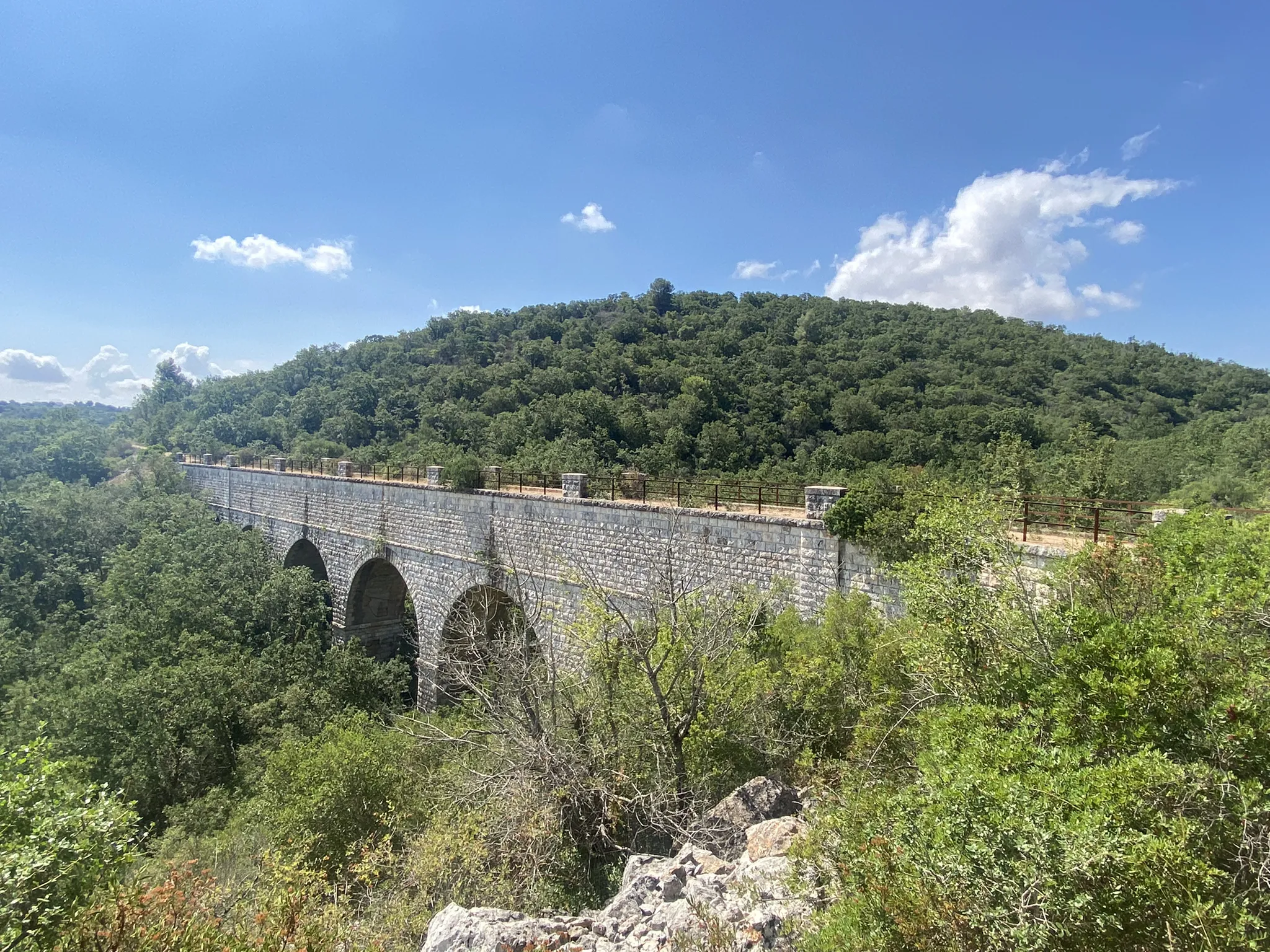
Caposele to Santa Maria di Leuca – Apulian Aqueduct Cycle Route
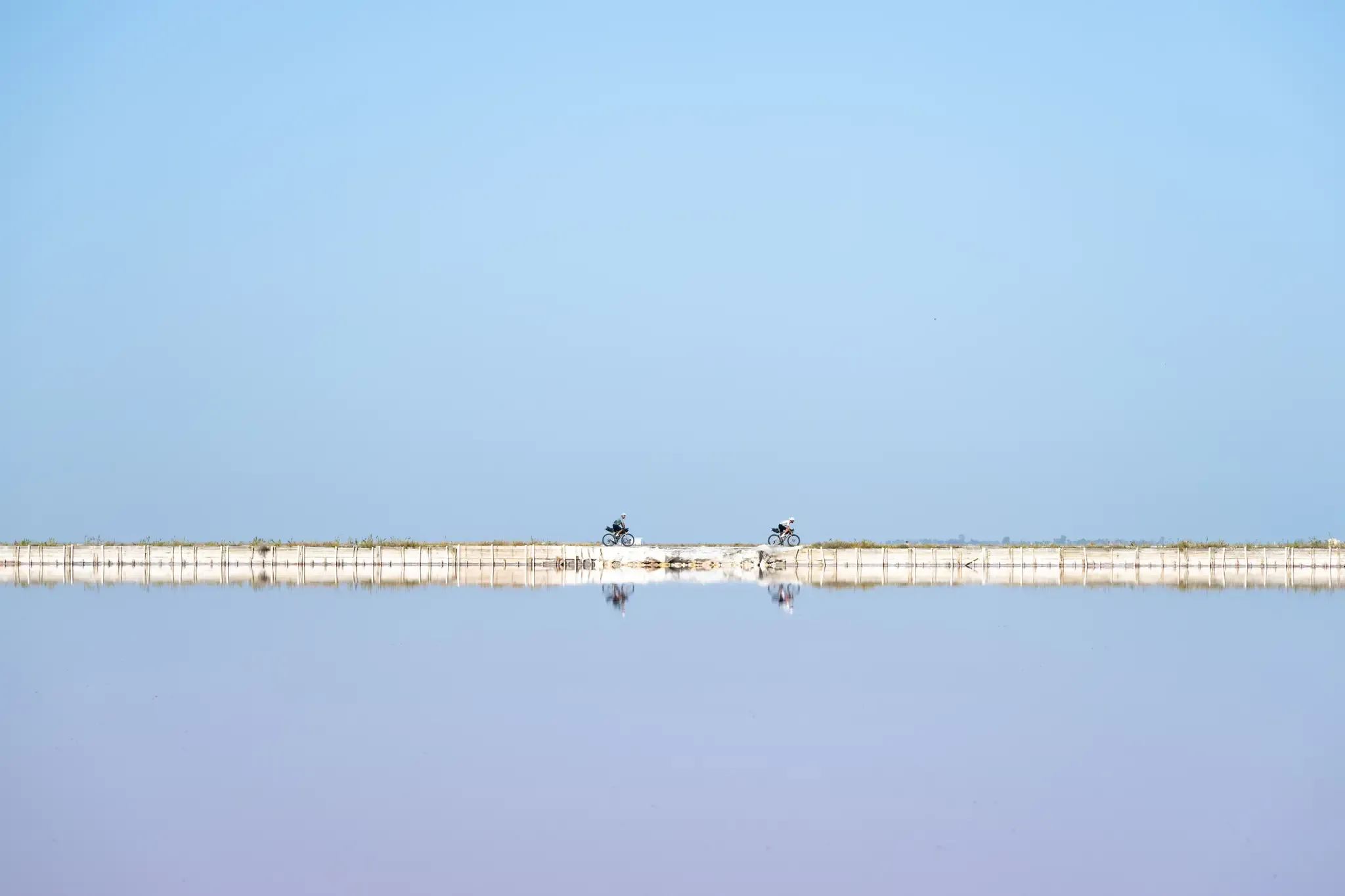
Trieste to Santa Maria di Leuca – the Adriatic Cycle Route
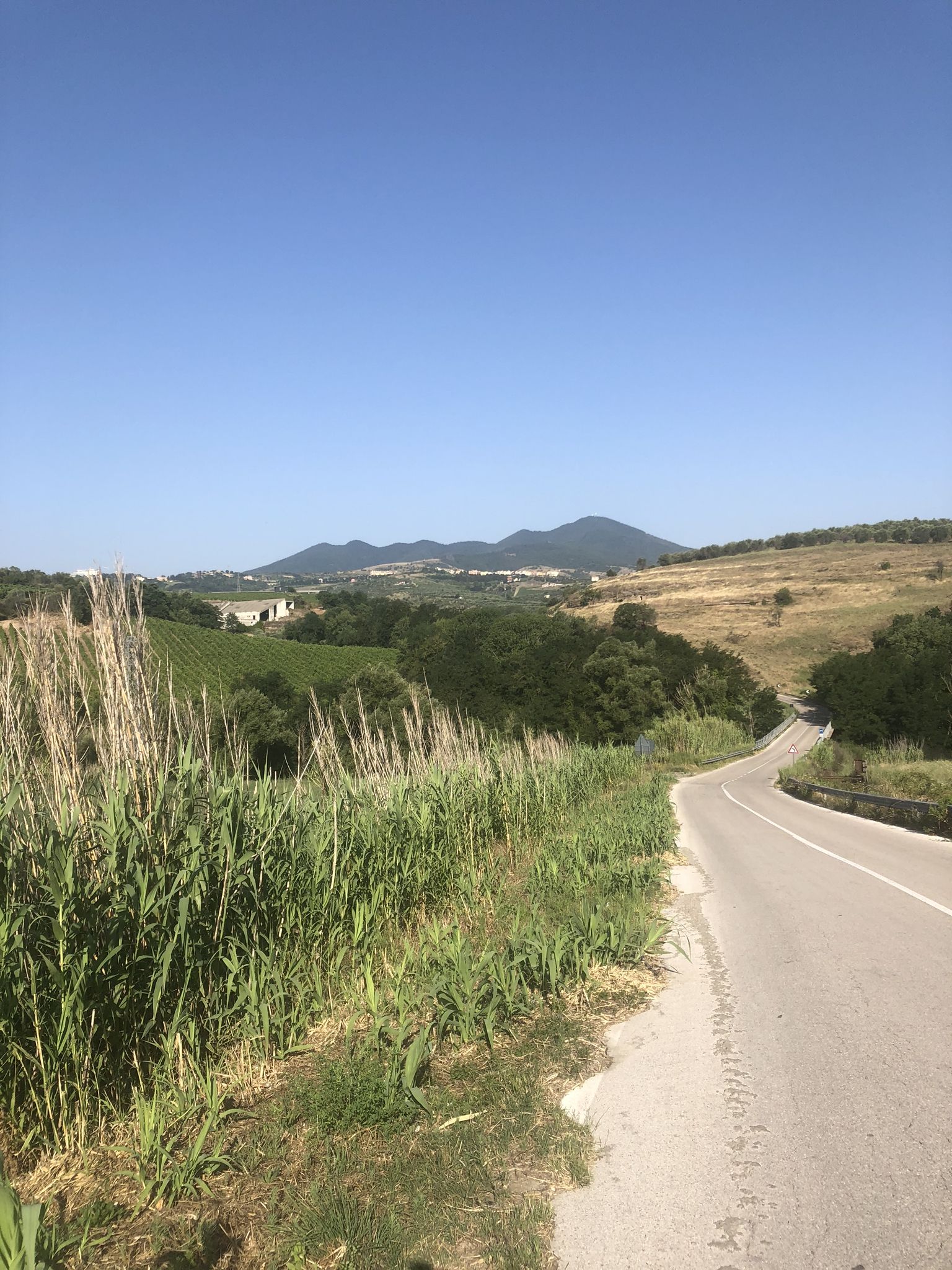
Pedalling in Italy’s far south – Ciclovia dei Borbone
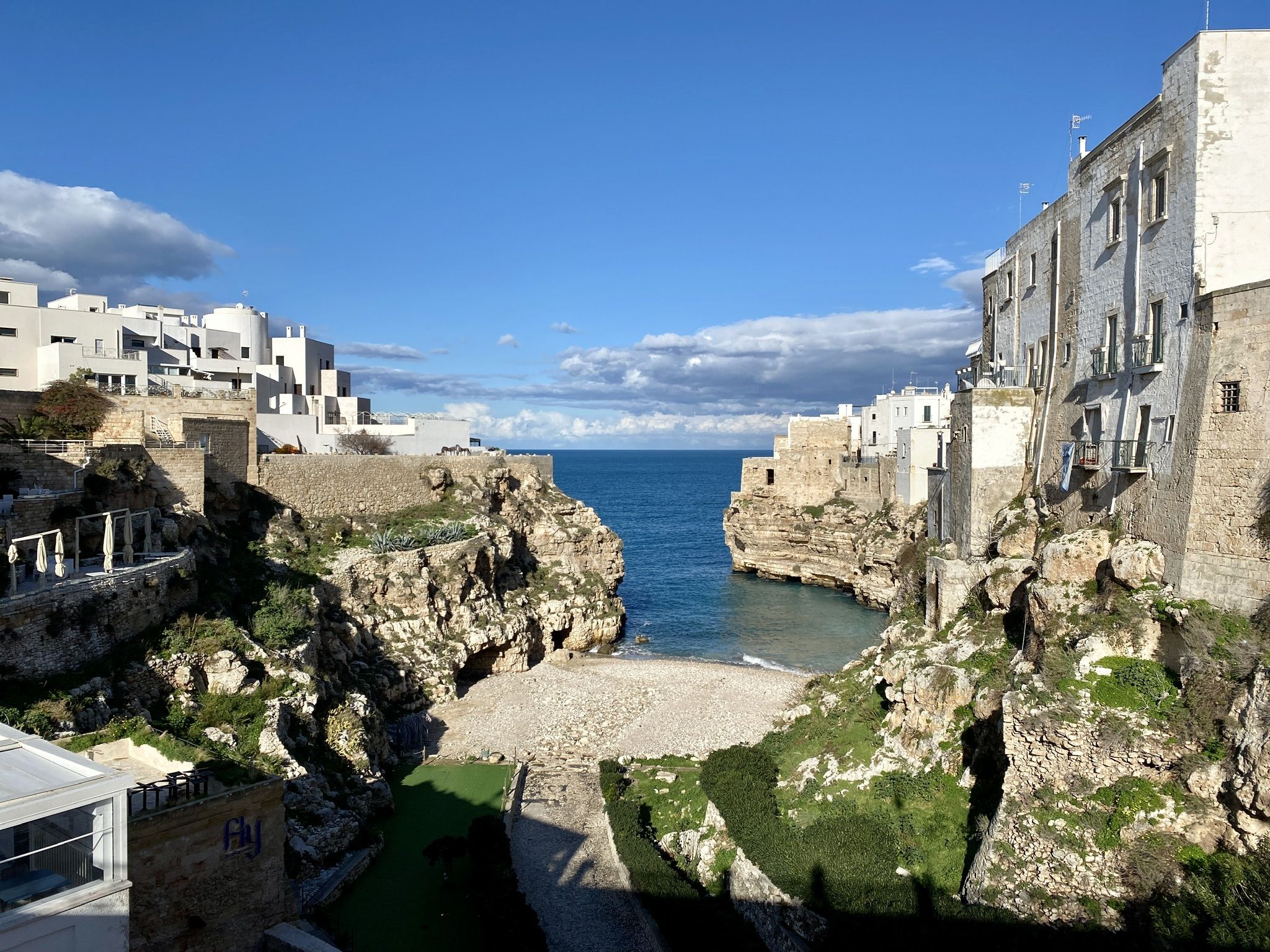
Sea, culture, taste and nature — Italy’s Puglia by bike
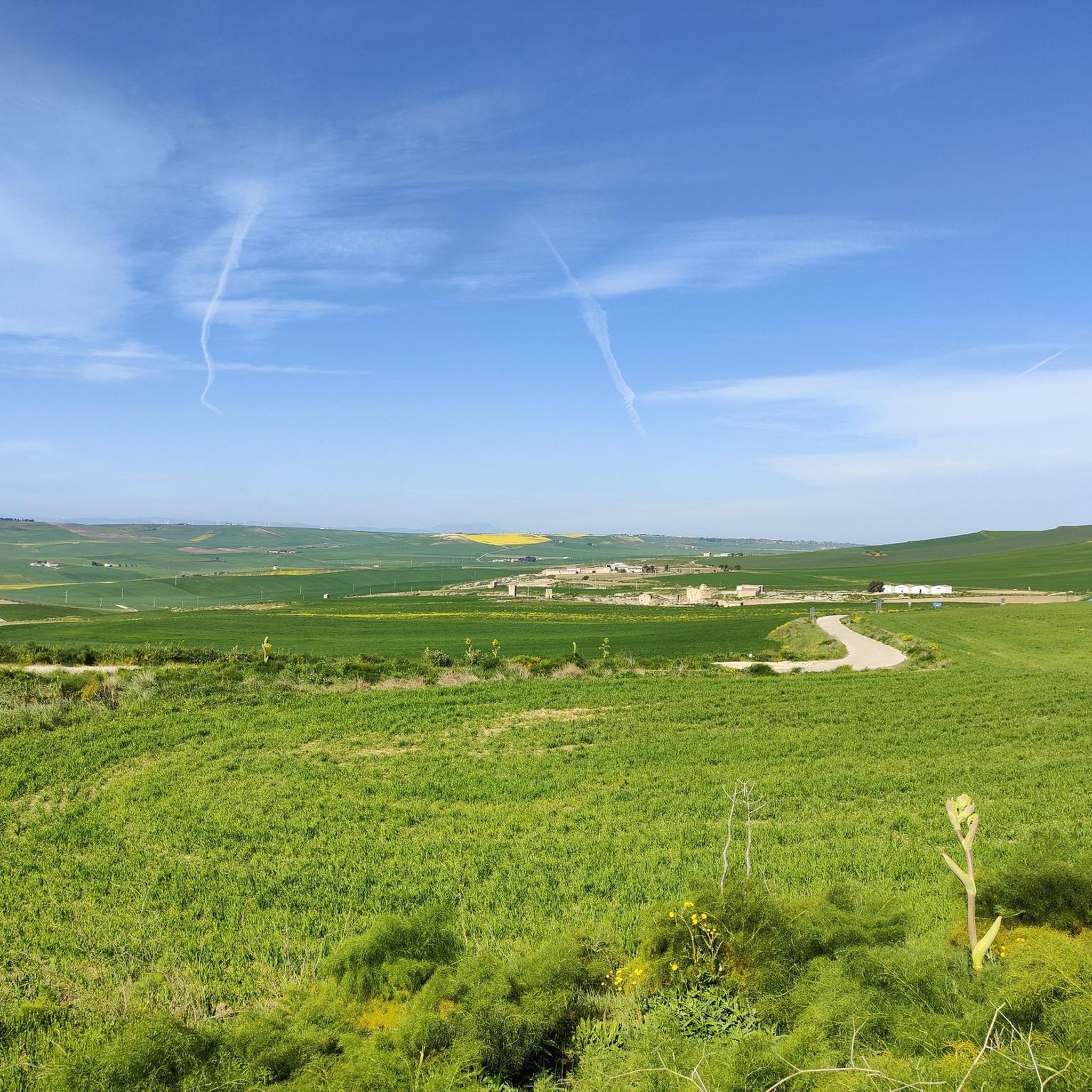
Running Trails in Barletta-Andria-Trani
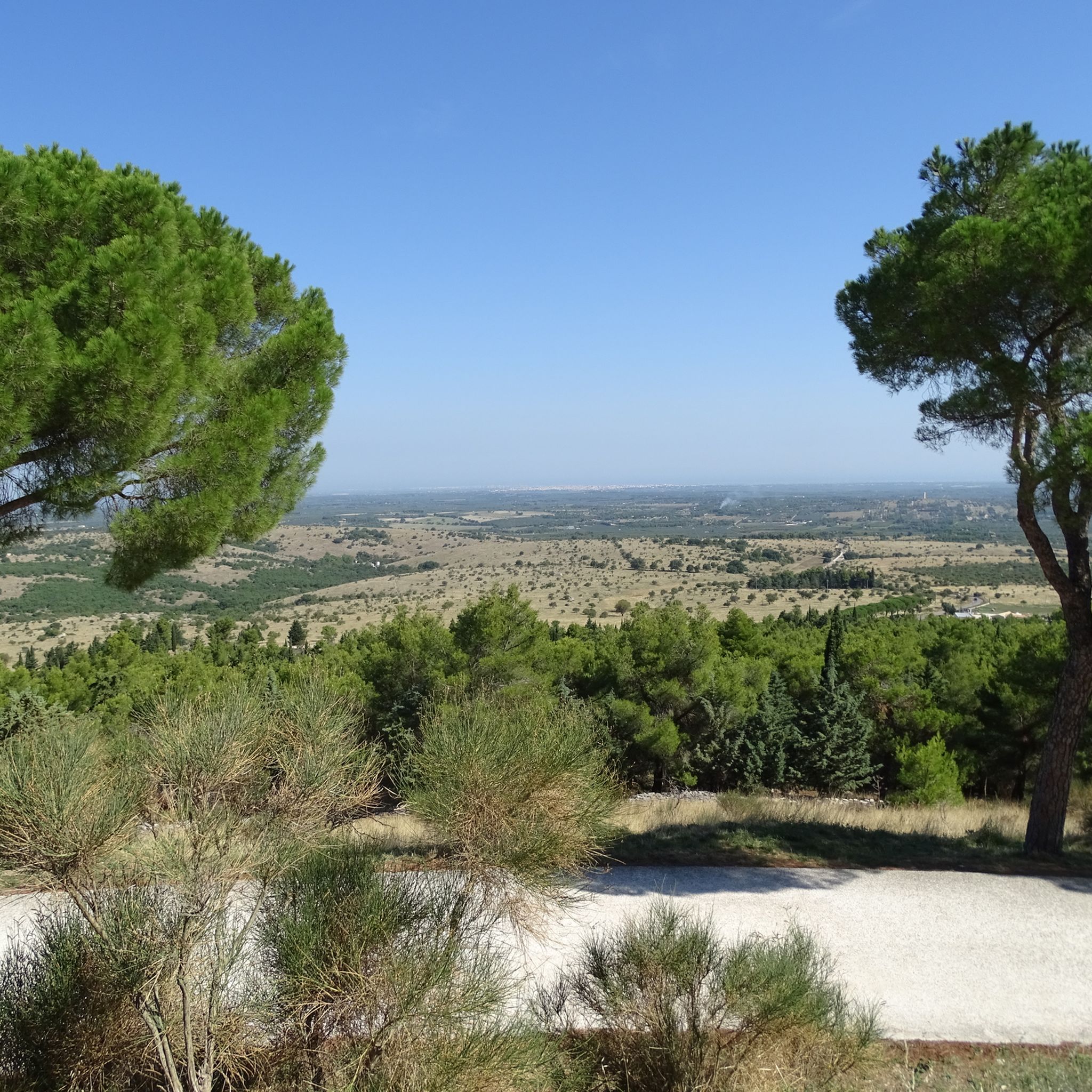
Hiking in Barletta-Andria-Trani
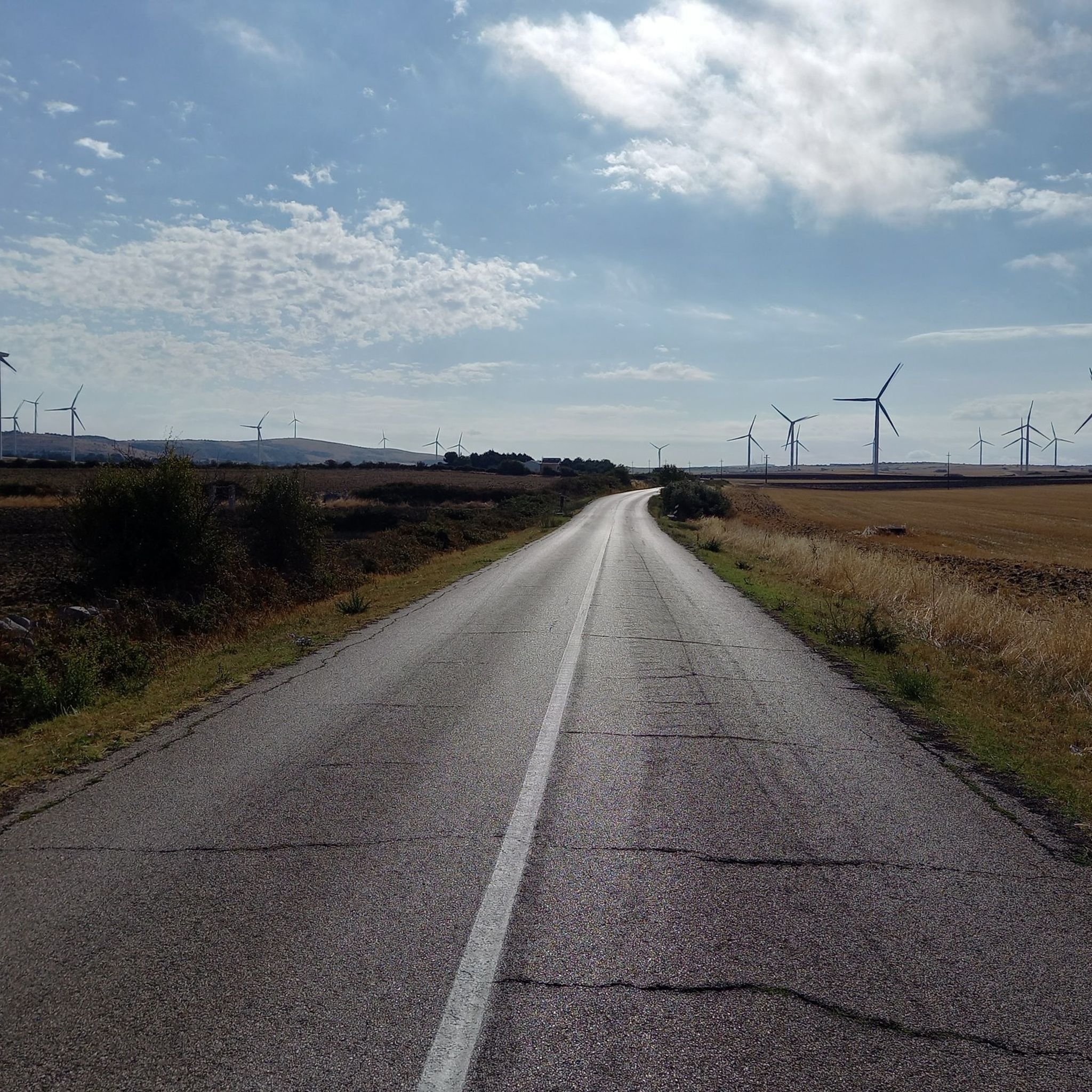
Road Cycling Routes in Barletta-Andria-Trani
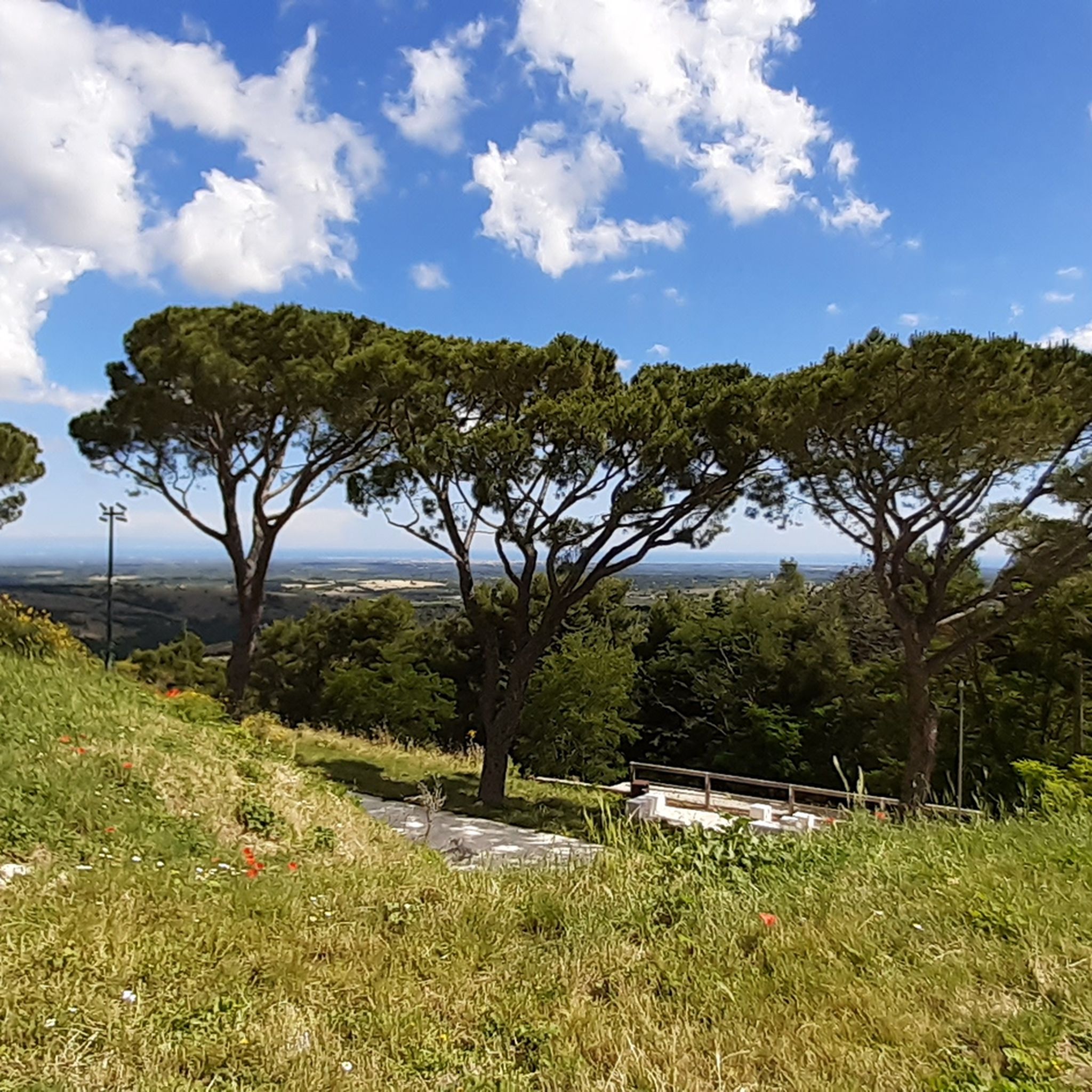
Cycling in Barletta-Andria-Trani
MTB Trails in Barletta-Andria-Trani

Gravel biking in Barletta-Andria-Trani
Other adventures in Barletta-Andria-Trani


Tips from the Community

The site of Canne della Battaglia is mainly remembered for the decisive battle of 216 BC, fought between the Romans and Carthaginians during the Second Punic War. The hilly reliefs overlooking the Ofanto valley have been inhabited since the Neolithic period and continuously until the 3rd century BC, most likely in conjunction with the epic clash that disrupted the settlement patterns of the entire area. In Roman times, it is recalled in the sources as the emporium of Canusium, in whose shadow it lived until the latter's abandonment in the second half of the 9th century. From this moment, Canne began its most important historical phase, linked to the stabilization of Byzantine power in Puglia. Thanks to its strategic position, the Cannese village, likely built on a pre-existing Roman structure and known today as the 'Cittadella', was re-occupied from the late antique period and consolidated in the following centuries, around two main centers, the basilicas and the castle, also thanks to the establishment of a diocese, led, in the early 12th century, by Ruggero, the current patron saint of Barletta. The antiquarium annexed to the archaeological park was created in the late 1950s for the valorization and conservation of artifacts from excavations conducted in the area, starting from the Ventennio, a period of frenetic exaltation of Roman grandeur. Today's exhibition favors the narration of events related to the Second Punic War and the great battle that represented a trauma for the surrounding territory and for the indomitable Roman army. However, according to the current state of research, no archaeological documentation referring to the clash of 216 BC has yet been found, nor can the reconstruction of the landscape on these hills, as described by historical sources, particularly Livy and Polybius, be considered plausible. Rather, the site of Canne, in addition to being located in an area of great landscape and natural value, constitutes, to this day, one of the most interesting examples of abandoned medieval settlements in Italy.
0
0

216 BC. Museum, ruins of the old city built on the site of the Carthaginian camp. Entrance to the museum is 6 euros. You can lock your bike nearby.
0
0

Impressive archaeological site, great history. Unfortunately I didn't read it carefully, unfortunately closed today.
3
0

A very idyllic harbor. Fish was still sold there in the evenings.
1
0

I was a bit late in town, but I saw the stalls on the quay. I think the fishermen sell their catch there when they dock.
1
0

The Antiquarium, located at the foot of the fortified citadel and the Archaeological Park, with the remains of the ancient Daunian settlement and the structures from the Roman, early Christian and medieval eras, today offer visitors a complex and fascinating itinerary.
1
0
We are located between the cities of Canosa and Barletta, the site is located on a hill overlooking the right bank of the Ofanto river.
1
0
The museum and the archaeological park are located in an area of great landscape and naturalistic value and are included in the Ofanto Regional Natural Park.
0
0
Frequently Asked Questions
Beyond the main highlights, what other must-see attractions are there in Barletta-Andria-Trani?
Besides the well-known Castel del Monte and Trani Cathedral, you can explore the historic Casale di Zappino near Bisceglie, a thousand-year-old structure with a medieval church. The vibrant Port of Trani is also a popular spot, offering scenic views and a lively atmosphere.
What historical sites can I explore in Barletta-Andria-Trani?
The region is rich in history. You can visit the Archaeological Site of Cannae, famous for the Battle of Cannae, which includes an Antiquarian Museum and a Daunian burial ground. Other significant historical sites include Barletta Castle, the Colossus of Barletta, and the Basilica of the Holy Sepulchre in Barletta, known for its ties to medieval crusader pilgrimages.
Are there family-friendly attractions in Barletta-Andria-Trani?
Yes, many attractions are suitable for families. Historical sites like Castel del Monte and Trani Cathedral are categorized as family-friendly. The Bisceglie Coastal Cycle Path offers a pleasant outdoor activity for all ages, and the historic centers of Barletta, Andria, and Trani provide charming areas to explore together.
Where can I experience nature and outdoor activities in the region?
For nature lovers, the Margherita di Savoia Saltplains are a protected site ideal for birdwatching, with vast landscapes. The Alta Murgia National Park, near Andria, offers unique scenery for hiking, horse riding, and mountain biking, where you might spot local wildlife. You can also enjoy the scenic Bisceglie Coastal Cycle Path.
Are there good hiking trails in Barletta-Andria-Trani?
Absolutely. The region offers various hiking opportunities, especially around the Alta Murgia National Park. Popular routes include the easy "Castel del Monte from Masseria del Castello" and "Trani and the Monastery of Colonna – circular walk," as well as the moderate "Castel del Monte Loop Trail." You can find more details and routes on the Hiking in Barletta-Andria-Trani guide.
What cycling routes are available in Barletta-Andria-Trani?
Cyclists have a wide array of routes. The Bisceglie Coastal Cycle Path is a scenic option. For longer rides, consider the "Le Saline di Margherita di Savoia e Trinitapoli – loop tour" or the "Barletta, Canosa di Puglia, and Margherita di Savoia Saltworks Loop." Explore more options on the Road Cycling Routes in Barletta-Andria-Trani guide and the Cycling in Barletta-Andria-Trani guide.
What cultural sites should I visit in Barletta-Andria-Trani?
Beyond the major landmarks, you can delve into the region's culture at the De Nittis Art Gallery in Barletta, dedicated to Impressionist art. The Cellar of the Challenge in Barletta marks the historic Disfida di Barletta. Also, consider the Mausoleum of Boemondo d'Altavilla in Canosa di Puglia and the ancient Dolmen of Chianca between Bisceglie and Corato.
Are there any unique architectural marvels to see?
Yes, the region boasts several unique architectural sites. Castel del Monte is a UNESCO World Heritage site known for its distinctive octagonal shape. The Trani Cathedral, with its stunning Romanesque architecture by the sea, is another masterpiece. Barletta Castle, transformed into an invincible stronghold by Charles V, also showcases a blend of historical styles.
What are the main cities to explore in Barletta-Andria-Trani?
The three main cities—Barletta, Andria, and Trani—each offer a unique blend of history, art, and culture. Trani is often called the "Pearl of the Adriatic" for its picturesque harbor and majestic cathedral. Barletta features a massive medieval fortress and the Colossus, while Andria is home to the iconic Castel del Monte and the charming hamlet of Montegrosso.
What do visitors enjoy most about Barletta-Andria-Trani?
Visitors frequently praise the stunning architecture, particularly the "beautiful cathedral" of Trani and the impressive Castel del Monte. The scenic coastal areas, like the Port of Trani, are also highly appreciated for their atmosphere and views. The blend of historical significance and natural beauty consistently receives positive feedback from the komoot community.
Can I find ancient Roman or Greek ruins in the area?
Yes, you can explore ancient history at the Archaeological Site of Cannae, which dates back to the Bronze Age and is famous for the Punic Wars. Additionally, Canosa di Puglia, an ancient Daunian and Roman center, features approximately 20 significant archaeological sites, including the bridge over the Ofanto, the basilica of San Leucio, and various hypogea.
Most popular routes in Barletta-Andria-Trani
Most popular attractions in Barletta-Andria-Trani

Get inspired with the komoot mobile app


Didn’t find what you were looking for?
Are you keen on exploring more awesome places nearby? Browse our guides:
Explore more
Still not found the Highlight you’re looking for? See guides of the top attractions in other regions:
