The best waterfall hikes and walks in Fürstenfeldbruck
4.5
(4789)
26,932
hikers
40
hikes
Hiking in Fürstenfeldbruck offers diverse natural landscapes, including tranquil river valleys, dense forests, and rolling hills. The region is characterized by the Amper River, with its gravelly shallows and old river arms, and areas like the Ampertal Nature Reserve and Amperauen. Wooded sections such as Emmeringer Leite and Rothschwaig Forest provide peaceful natural paths. Marshlands like Haspelmoor also contribute to the varied terrain.
Best waterfall hiking trails in Fürstenfeldbruck
- The most popular waterfall hiking route is Nymphenburg Palace Park –…
Last updated: July 23, 2026
4.9
(27)
268
hikers
10.5km
02:40
30m
30m
Moderate hike. Good fitness required. Easily-accessible paths. Suitable for all skill levels.
4.9
(41)
188
hikers
Moderate hike. Good fitness required. Easily-accessible paths. Suitable for all skill levels.

Sign up for free
4.0
(2)
57
hikers
Easy hike. Great for any fitness level. Easily-accessible paths. Suitable for all skill levels.
4.4
(5)
16
hikers
Moderate hike. Good fitness required. Easily-accessible paths. Suitable for all skill levels.
5.0
(2)
41
hikers
5.75km
01:28
20m
20m
Easy hike. Great for any fitness level. Easily-accessible paths. Suitable for all skill levels.
Get access to more routes and recommendations from other explorers.
Sign up for free
Already have an account?
Our route recommendations are based on thousands of hikes, rides, and runs completed by other people on komoot.
Start today with a free account
Your next adventure awaits.
Login or Signup
Popular around Fürstenfeldbruck
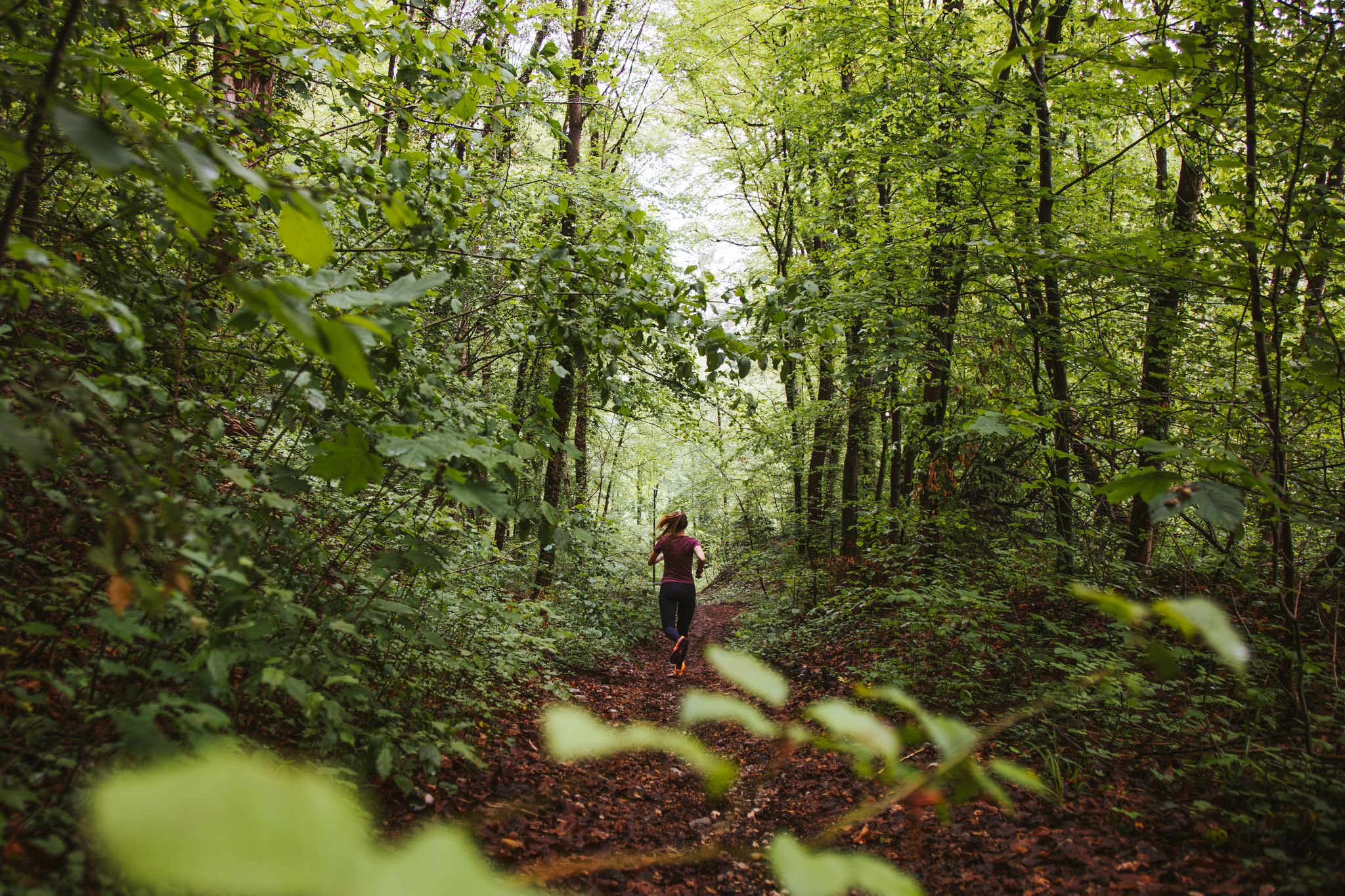
From the river to the forest - Trail Running around Munich with HOKA
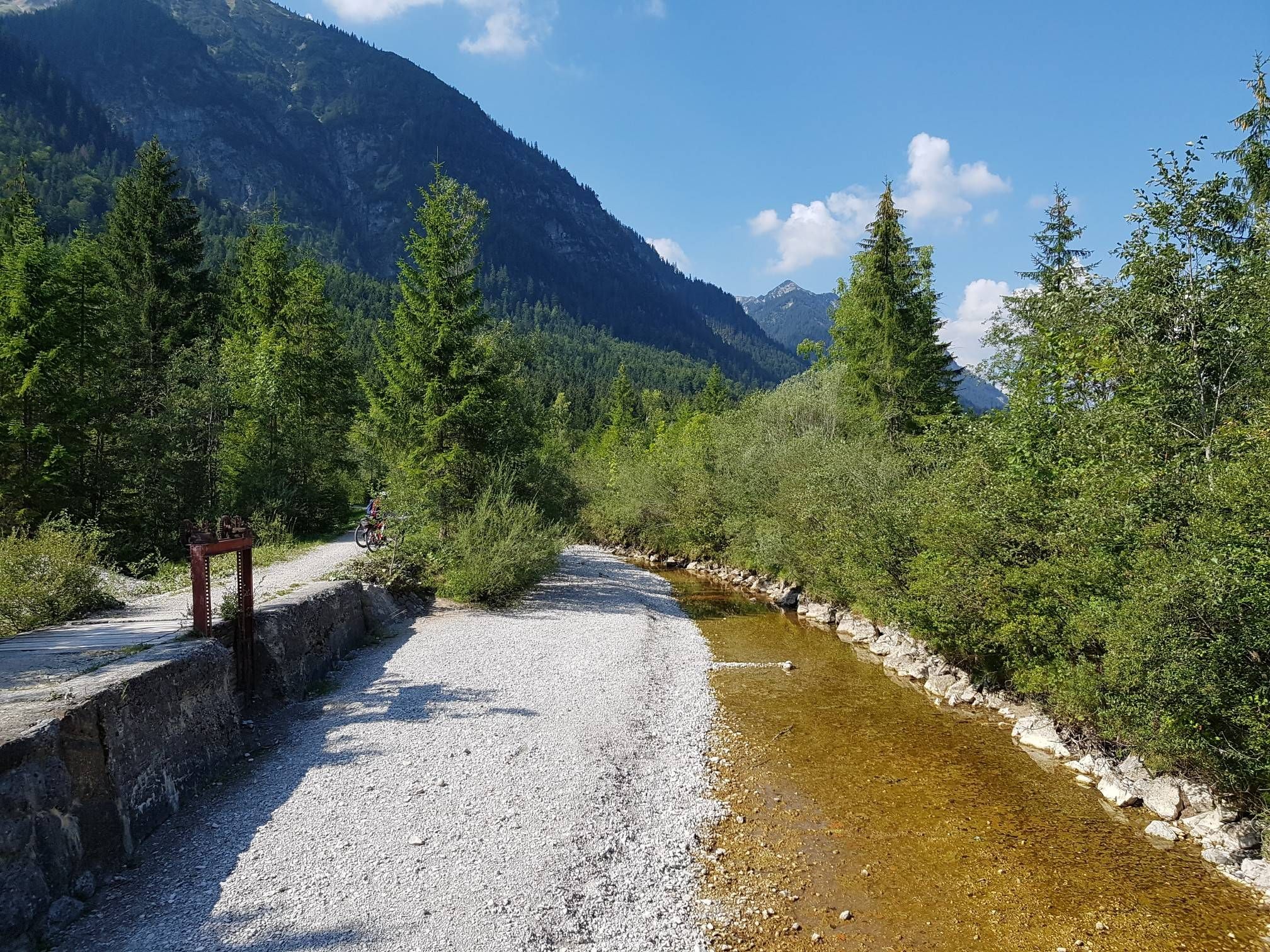
The Ammer-Amper Cycle Path – Experience nature in the foothills of the Alps
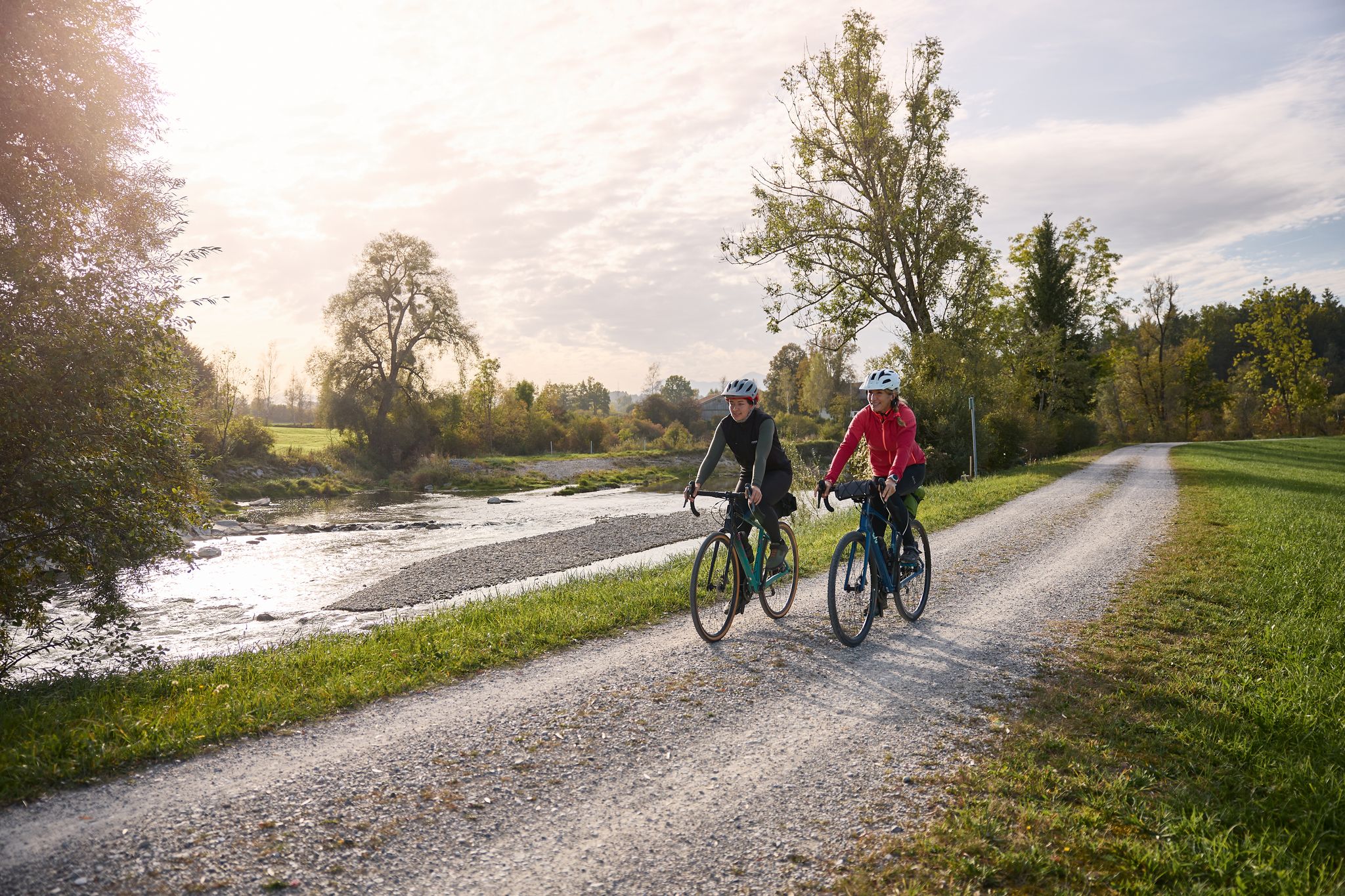
Along the water – Ammer-Amper cycle path
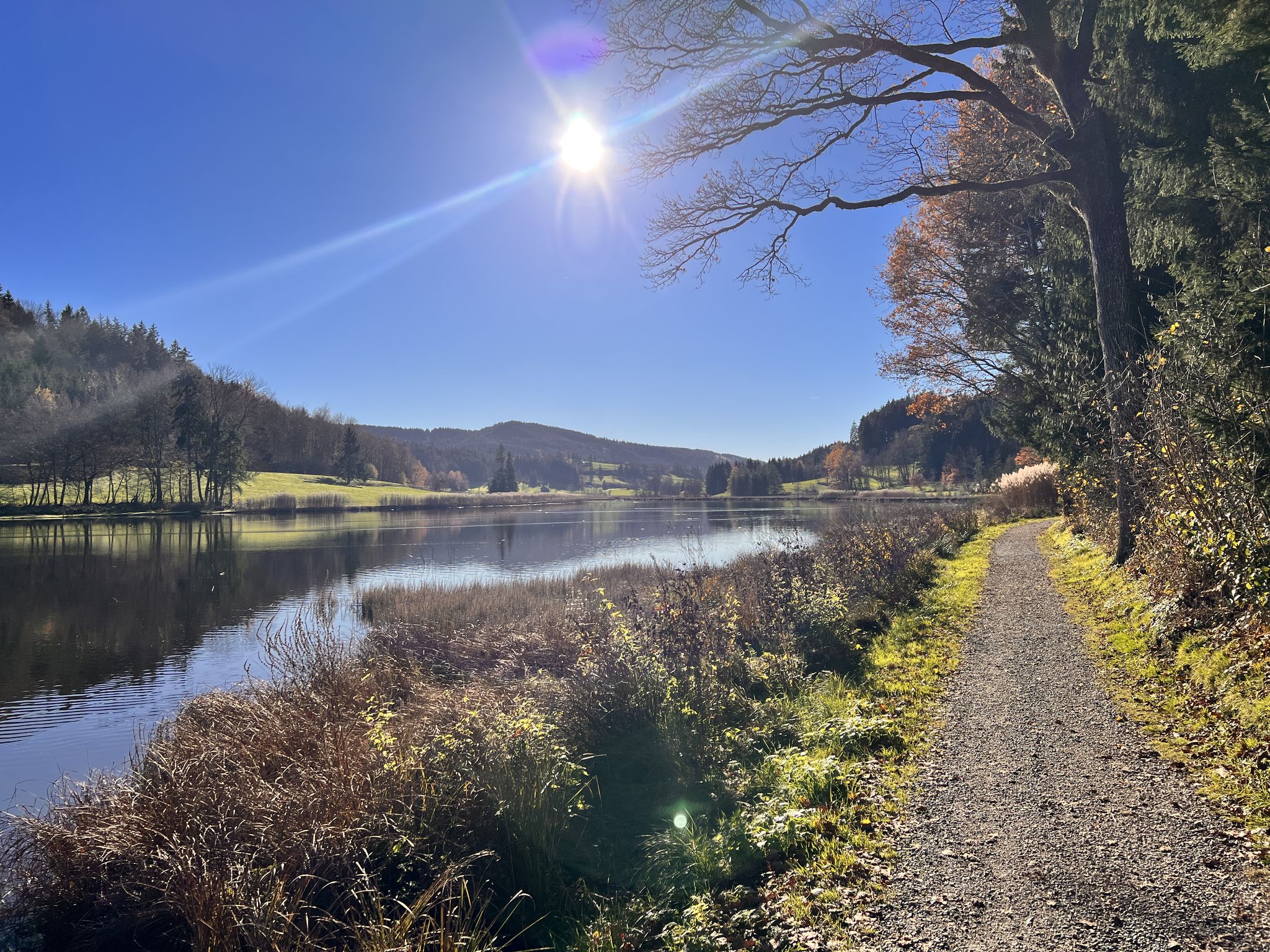
Run Wild – trail running routes throughout Germany
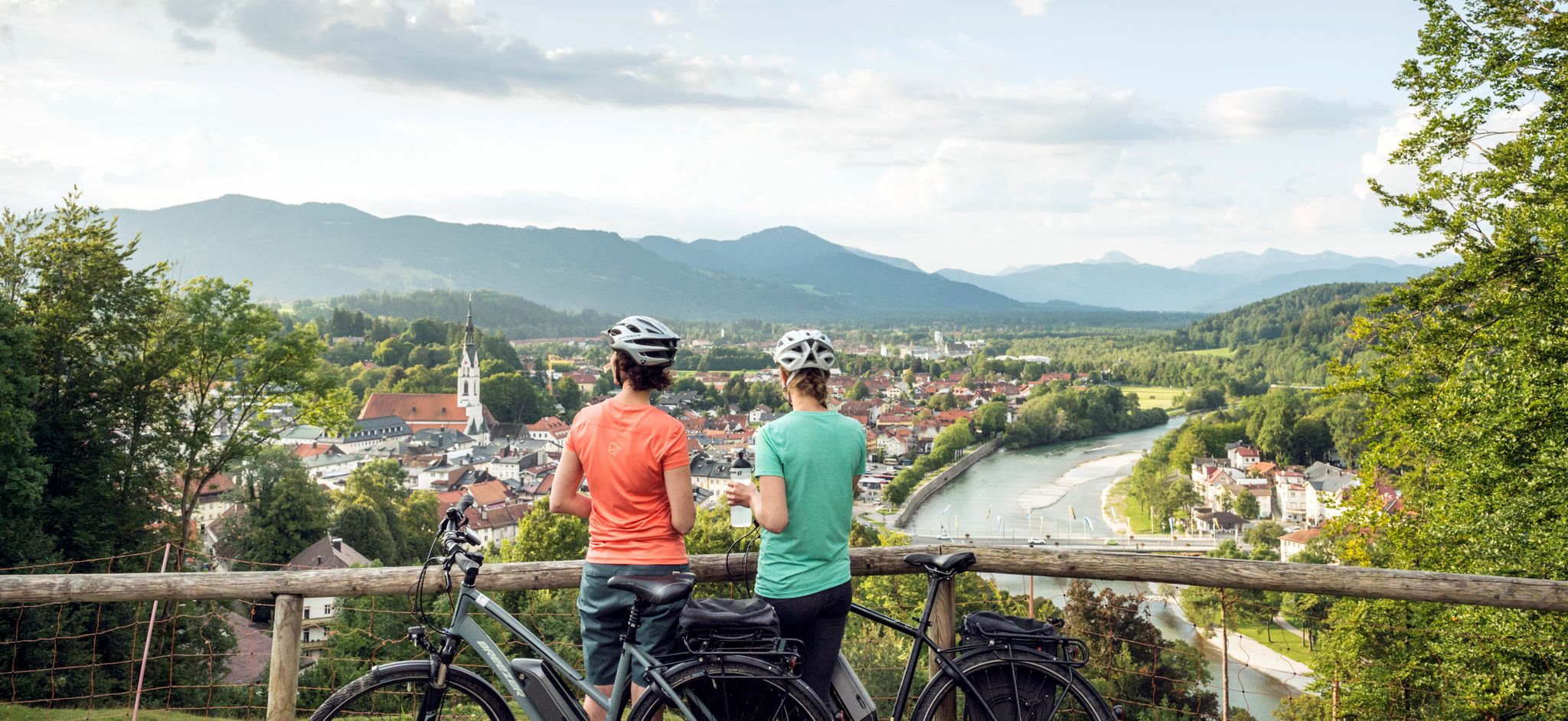
The Art Loop — Wasser-Radlwege Oberbayern
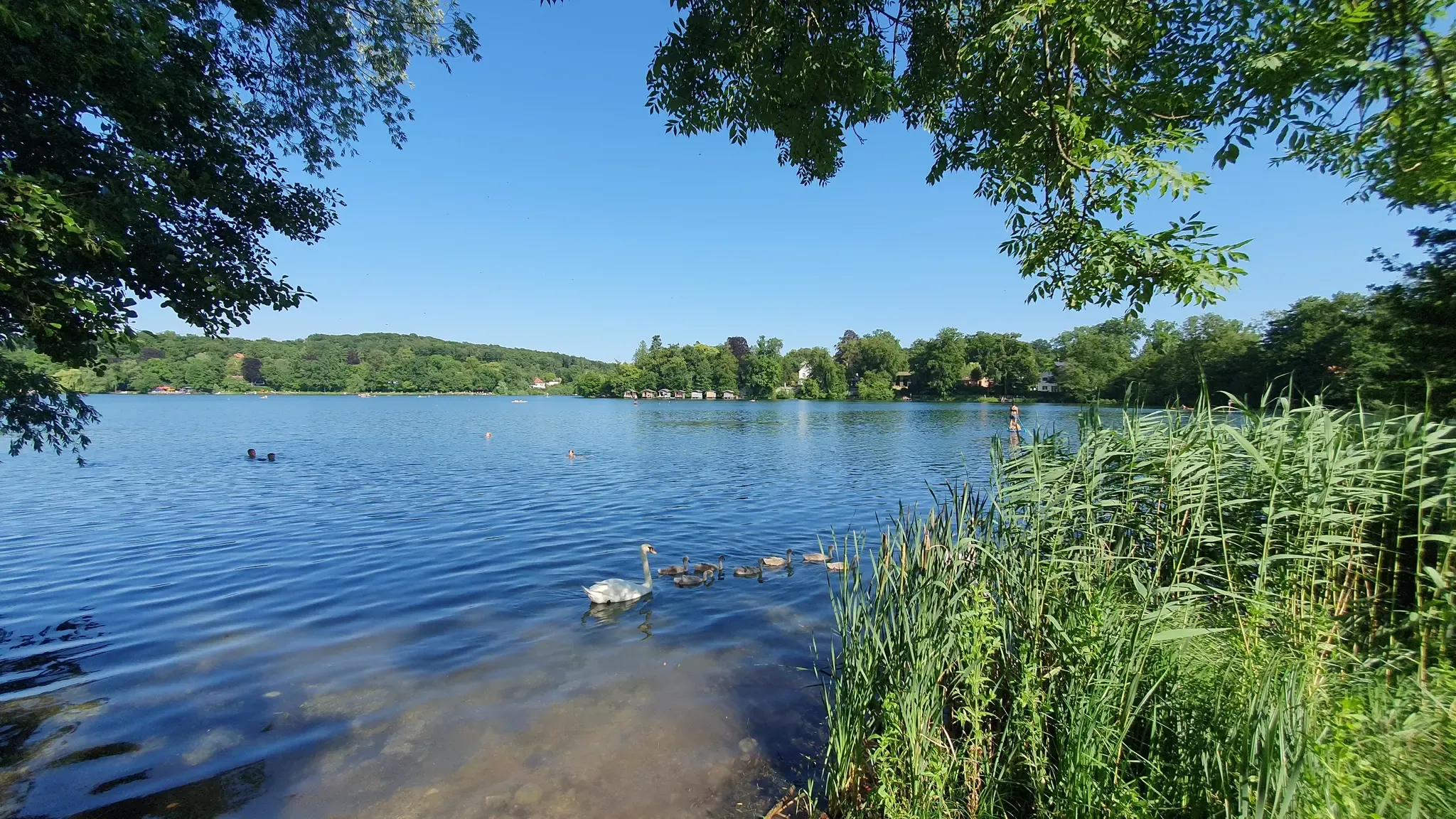
Marvellous swimming lakes around Munich
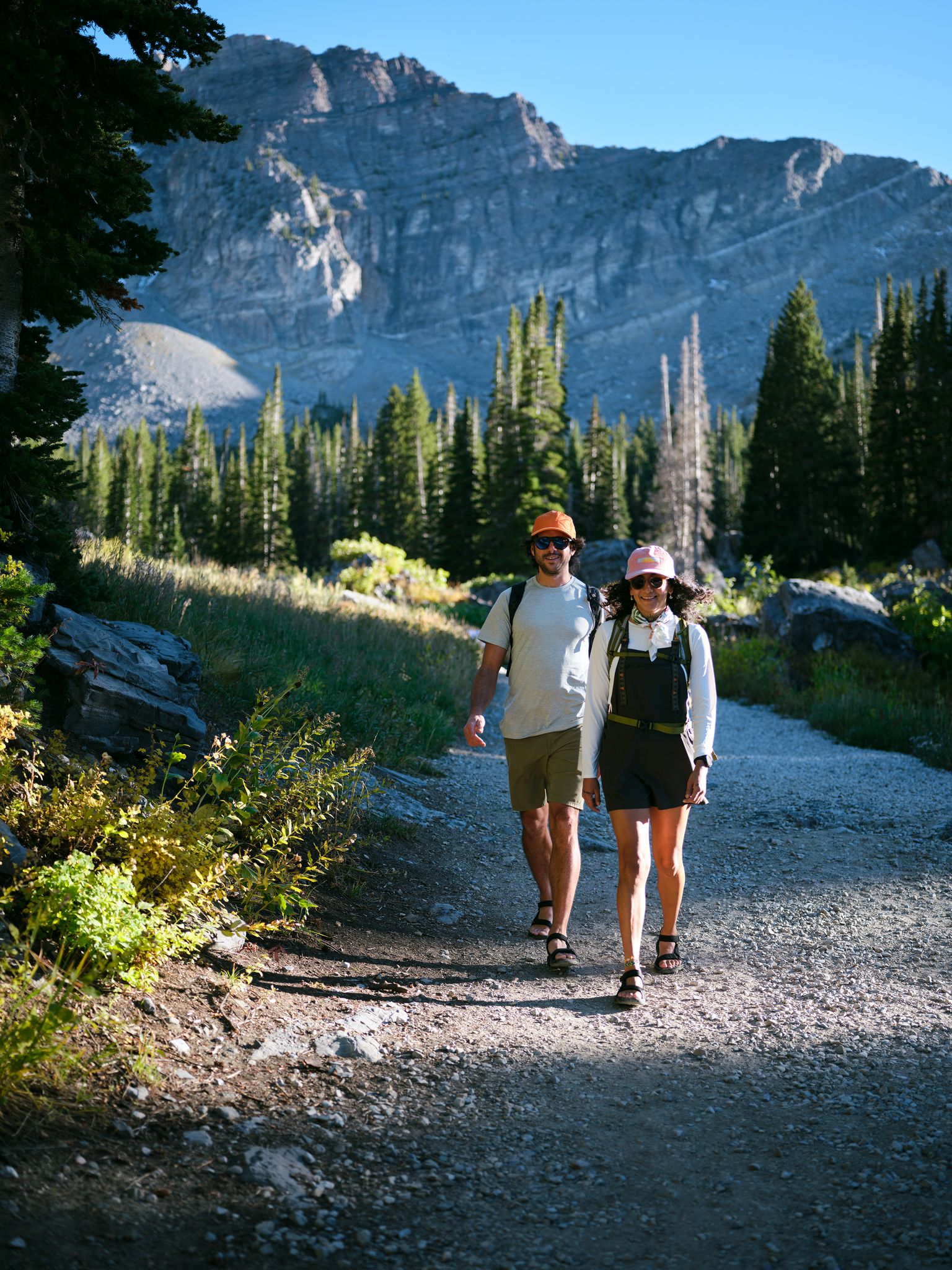
Entdecke die Natur rund um München
Other adventures in Fürstenfeldbruck


Tips from the Community

As part of the park's extensive trail network, it connects the famous park castles and attractions with the quieter areas of the facility.
5
0
The small, open round temple was built in the early 19th century on a peninsula on the Badenburger See and is dedicated to the Greek god Apollo, who in mythology stands for light, art, and harmony.
5
0
The Pan group belongs to the remarkable sculptures in the Nymphenburg Palace Park and is a beautiful example of the connection between mythology, art, and landscape design. The group of figures shows the Greek god of nature and shepherds, Pan, who is considered in ancient mythology as a symbol of wilderness, joie de vivre, and the close connection of humans with nature.
5
0
The centerpiece of the Badenburg is the impressive, heated indoor swimming pool. With a length of around 17 meters, it was a technical masterpiece for its time and is among the earliest indoor swimming pools in noble residences. The magnificent furnishings with stucco, tiles, and ornate decorations still convey an impression of the luxurious life at the electoral court today.
6
0
The Amalienburg is one of the most important Rococo buildings in Europe and is considered an architectural jewel in the Nymphenburg Palace Park. The elegant pleasure and hunting lodge was built between 1734 and 1739 for Electress Amalie, the wife of Karl Albrecht, who later became Emperor Karl VII.
5
0

If you've always wanted to know what Nymphenburg Palace looks like from behind and from a great distance, this is the right place.
1
0

The Nymphenburg Palace Rondel is a historic, listed ensemble with four courtiers' houses planned by Joseph Effner in the 18th century. From here, there is a spectacular view of the palace, the basin, and the fountain. The houses are partly used for events. The rondel development in front of the main wing, initiated by Max Emanuel's son, Elector Karl Albrecht, and completed after 1730, was considered an architectural sensation in its time. It features ten palaces, symmetrically divided into two groups of five, which were built between 1728 and 1758 for higher court officials.
15
0
For centuries, the Badenburg at the southeastern end of the Great Lake was the first major building in Europe exclusively dedicated to the purpose of enjoying a comfortable bath. Joseph Effner planned the pleasure palace and built it from 1718 to 1722. In addition to the large bathing hall, which extends over two floors, it also contains a ballroom and an electoral apartment with a bedroom, writing room, and dressing room. The bathing pool, over fifty square meters in size and holding 80,000 liters of water, was unparalleled in its time, not only as a work of art but also in technical terms.
16
0
Frequently Asked Questions
How many waterfall hiking trails are available in Fürstenfeldbruck?
There are over 40 waterfall hiking trails in the Fürstenfeldbruck region. These routes offer a variety of experiences, from leisurely strolls to more challenging paths, allowing you to explore the area's natural beauty.
Are there easy waterfall walks suitable for beginners or families in Fürstenfeldbruck?
Yes, Fürstenfeldbruck offers many easy waterfall walks perfect for beginners or families. Approximately 20 of the available routes are classified as easy. For example, the Nymphenburg Canal – Nymphenburg Palace Park loop from Nymphenburg is an easy 5.9 km trail that takes about 1 hour 30 minutes, ideal for a relaxed outing.
What kind of landscapes can I expect on waterfall hikes in Fürstenfeldbruck?
Waterfall hikes in Fürstenfeldbruck often lead through diverse landscapes. You can expect tranquil river valleys, dense forests, and rolling hills. The region is characterized by the Amper River and its surrounding areas, including gravelly shallows and old river arms. Many trails, such as those in the Nymphenburg Palace Park, combine natural beauty with historic parkland features.
Are there any circular waterfall routes in Fürstenfeldbruck?
Yes, many waterfall trails in Fürstenfeldbruck are designed as circular routes, allowing you to start and end at the same point. An example is the Nymphenburg Palace Park – Nymphenburg Canal loop from Nymphenburg, a moderate 10.5 km trail that offers a complete loop experience.
What do other hikers say about the waterfall trails in Fürstenfeldbruck?
The waterfall trails in Fürstenfeldbruck are highly regarded by the komoot community, with an average rating of 4.5 stars from over 4,400 reviews. Hikers often praise the well-maintained paths, the scenic beauty of the palace parks, and the peaceful atmosphere along the waterways.
What are some notable attractions or landmarks I can see near the waterfall trails?
Many waterfall trails are close to significant attractions. For instance, routes around the Nymphenburg Palace Park offer views of the historic palace itself and features like the Badenburg (Bath House). Other nearby points of interest in the broader region include the impressive Fürstenfeld Abbey and St. Mary’s Church, or the serene St. Vitus Chapel at Zellhof.
Can I bring my dog on waterfall hikes in Fürstenfeldbruck?
Many trails in the Fürstenfeldbruck region are dog-friendly, allowing you to enjoy the waterfall hikes with your canine companion. However, it's always recommended to check specific trail regulations or park rules beforehand, especially in nature reserves or palace grounds, and to keep your dog on a leash where required.
What is the best season to go waterfall hiking in Fürstenfeldbruck?
The best season for waterfall hiking in Fürstenfeldbruck largely depends on your preference. Spring and autumn offer pleasant temperatures and vibrant natural colors, while summer provides lush greenery. Even in winter, some trails can be beautiful, though conditions might require appropriate gear and caution due to potential ice or snow.
Are there any waterfall trails that offer viewpoints or scenic overlooks?
While the waterfalls in Fürstenfeldbruck are often more gentle cascades within river systems or park features, many trails offer beautiful scenic views along the Amper River and within the extensive palace parks. The routes are designed to showcase the natural beauty and historic architecture of the area, providing numerous picturesque spots.
How long do waterfall hikes in Fürstenfeldbruck typically take?
The duration of waterfall hikes in Fürstenfeldbruck varies significantly depending on the route's length and your pace. Shorter, easy walks like the Nymphenburg Canal – Nymphenburg Palace Park loop can take around 1 hour 30 minutes, while longer moderate trails such as the View of Nymphenburg Palace loop might take up to 4 hours.
Are there public transport options to reach waterfall hiking trails in Fürstenfeldbruck?
Yes, many areas in Fürstenfeldbruck, including popular starting points for waterfall hikes, are accessible by public transport. For example, trails within the Nymphenburg Palace Park can often be reached via public transport connections to München-Pasing or Nymphenburg, making it convenient for hikers without a car.
Most popular routes in Fürstenfeldbruck
Most popular attractions in Fürstenfeldbruck

Get inspired with the komoot mobile app


Explore more
Browse the best Hikes in other regions.
