Top 14 Castles around San Polo D'Enza
Best castles around San Polo D'Enza are found in a region rich in history, nestled within the Reggio Emilia Apennines. This area is notable for its medieval fortifications, many of which are tied to the legacy of Matilde of Canossa. Visitors can explore a variety of historical sites, from well-preserved fortresses to significant ruins. The landscape features hilly terrain and offers panoramic views of the surrounding territory.
Best castles around San Polo D'Enza
- The most popular castles is Canossa Castle, a castle that dominates the Val d'Enza and offers splendid views of the surroundings. It is historically significant as the site of the "Walk to Canossa" in 1077, where Emperor Henry IV humbled himself before Pope Gregory VII.
- Another must-see spot is Scenic Road Between the Castles of Canossa and Rossena, a viewpoint offering views of surrounding castles, including Rossanella tower. This road provides a typical Emilian landscape with gullies and cultivated fields.
- Visitors also love Montericco Castle, a medieval castle that was the seat of the original town of Montericco. The castle is best seen from the road passing just below it, offering a picturesque view of the inhabited center.
- San Polo D'Enza is known for its medieval fortresses, noble residences, and strategic watchtowers. The region offers a diverse range of castles to explore, each with its own historical narrative and architectural features.
- The castles around San Polo D'Enza are appreciated by the komoot community, with over 225 upvotes and 42 photos shared.
Last updated: May 16, 2026
Scenic Road Between the Castles of Canossa and Rossena
Highlight • Viewpoint
Translated by Google •
Tip by

Canossa Castle
Highlight • Castle
Translated by Google •
Tip by

Sign up now to discover places like this
Get recommendations on the best single tracks, peaks, & plenty of other exciting outdoor places.
Sign up for free
Panocchia
Highlight • Settlement
Translated by Google •
Tip by

Querciola Castle and Church of Santa Maria Assunta
Highlight • Historical Site
Translated by Google •
Tip by

Rossena Castle
Highlight • Castle
It stands on a volcanic cliff with a particular reddish color from which it dominates a unique and unrepeatable landscape, which embraces a large stretch of the plain and the Tuscan-Emilian Apennine ridge.
Translated by Google •
Tip by

Sign up for free to discover even more castles around San Polo D'Enza.
Sign up for free
Already have an account?
Start today with a free account
Your next adventure awaits.
Login or Signup
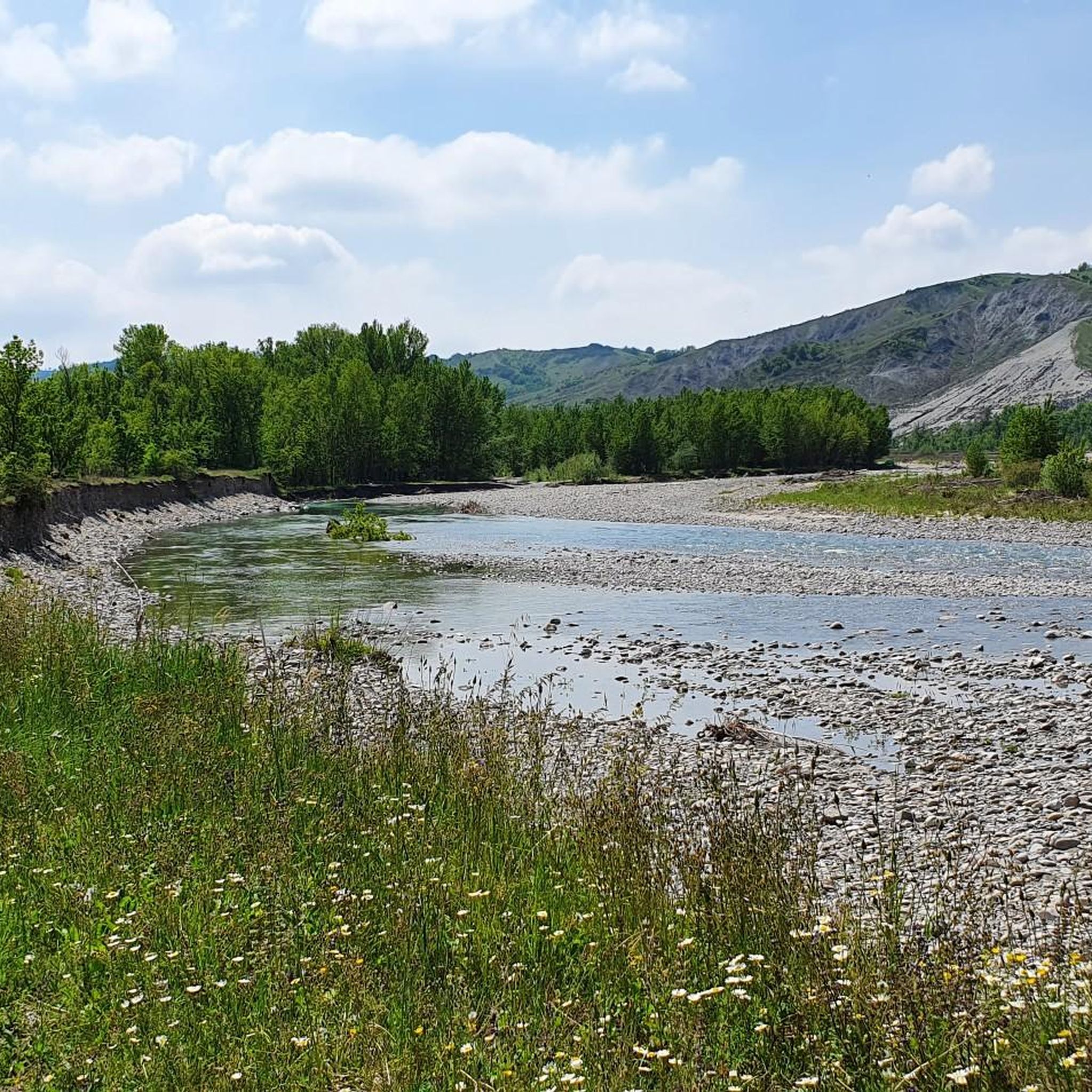
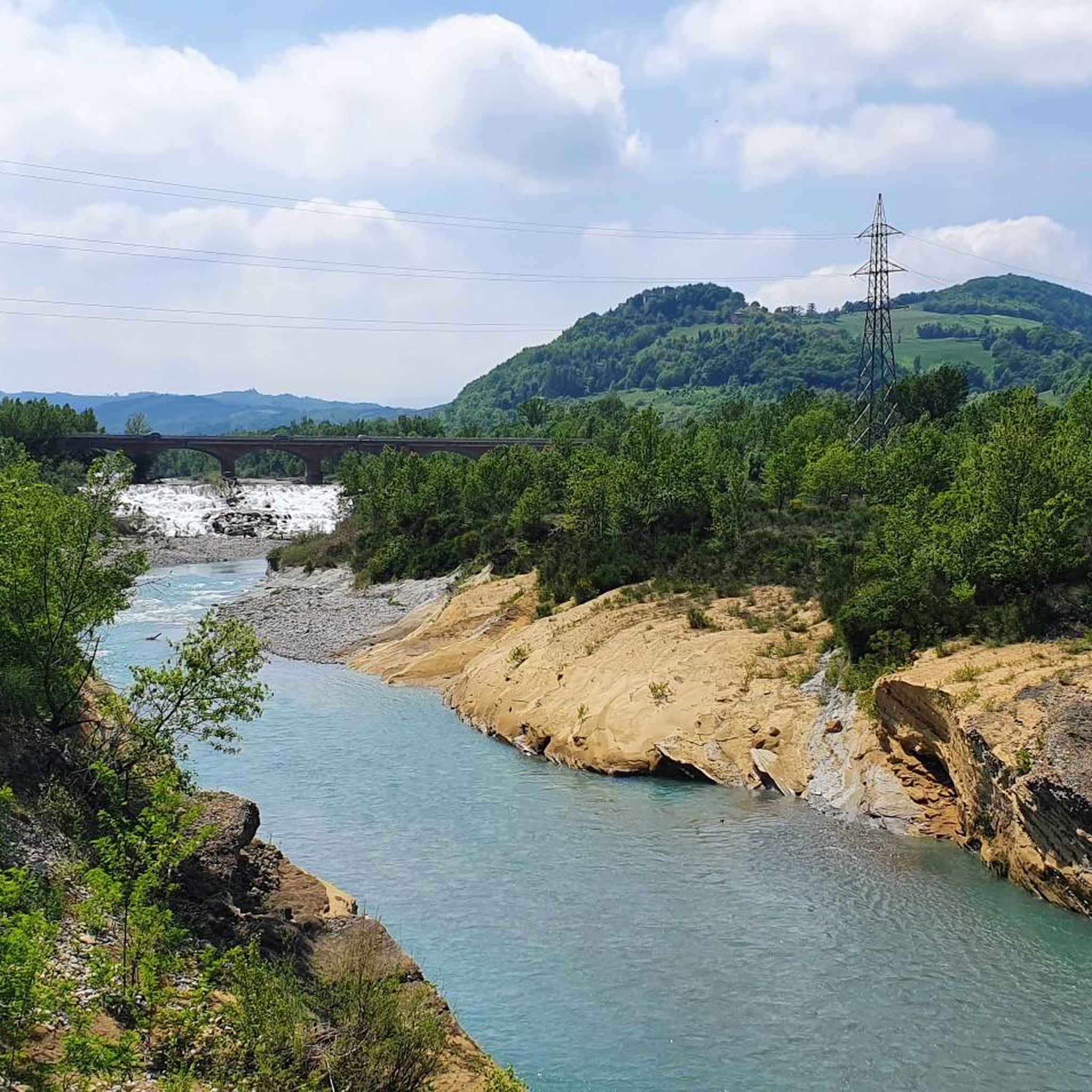
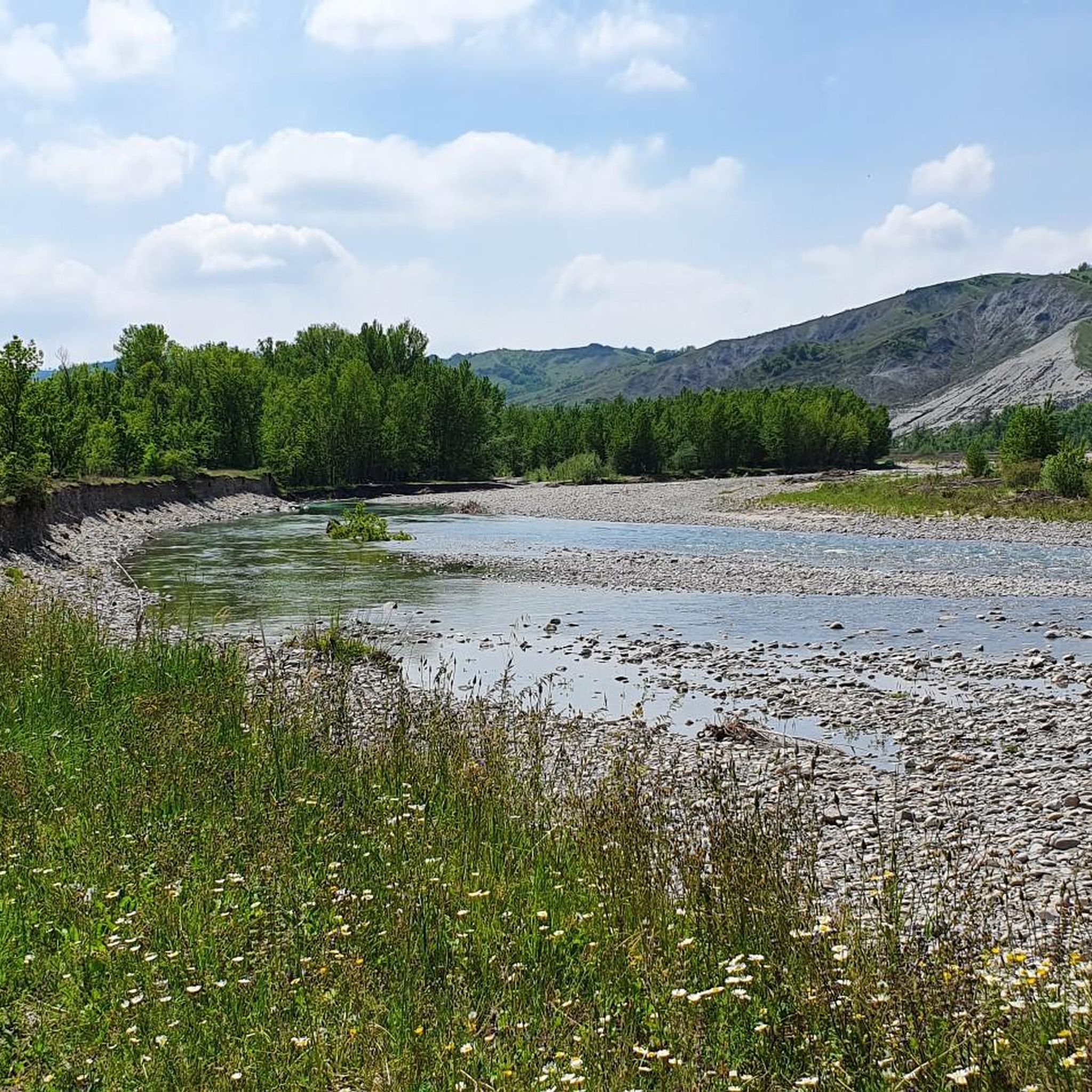
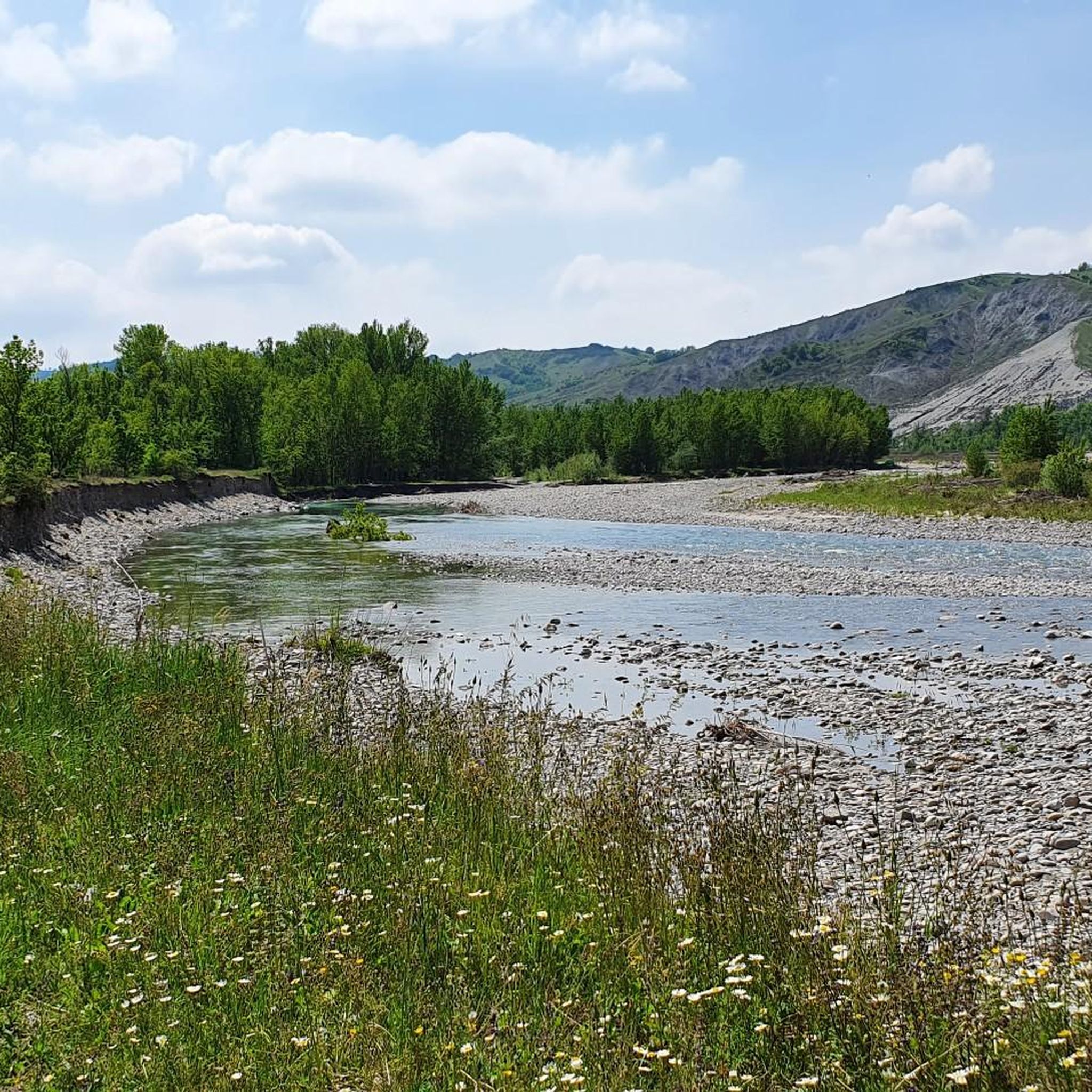

Tips from the Community

Very scenic spot. Worth a stop for a photo
0
0

The renovated castle is an excellent panoramic viewpoint, visitable by appointment, it has a large free park with benches. A little below there is a fountain and on the road there is a bar.
0
0

rideable climbs, well exposed for winter cycling
1
0

definitely for the Votigno nucleus which repays you for the climbs while for the Canossa castle what can I say.... to enjoy a wonderful view you have to climb up the tower which remains after centuries of abandonment on the spur of the hill but after the climbs done with the bike, which often reach 10%, the desire is not always left.
1
0

First Castle encountered during the return, the Catello di Panocchia. The castle, whose history is almost unknown, was probably built between the end of the 15th and the beginning of the 16th century at the behest of the Cantelli counts, feudal lords of Panocchia and already owners of a building in the village at least since 1422. Following the death in 1736 of the last count Paolo Cantelli, the building was inherited by the marquis Alfonso Bevilacqua, his great-nephew, who added his great-uncle's surname to his own. The structure, modified several times, became the summer residence of the family, who hosted various illustrious people there, including the poet Carlo Innocenzo Frugoni, who remembered the stay in one of his compositions. In 1974 it was bought by the brothers of the Piacenza Nicelli family, who later passed it on to their descendants.[
1
0

Rossena Castle, built in 960 by Matilde di Canossa's great-grandfather, is an extraordinary architectural example: the building is perfectly preserved, both inside and out
0
0

It was built around 940 by Adalberto Azzo. Known for having been the site of the "Pardon of Canossa": in the midst of the Investiture War, on 27 January 1077, Pope Gregory VII absolved Emperor Henry IV from excommunication in the presence of Countess Matilda and Abbot Hugh of Cluny.
4
0

interesting hamlet, well restored
0
0
Frequently Asked Questions
What are some historically significant castles to visit in the San Polo d'Enza area?
The region is rich in history, particularly tied to Matilde of Canossa. Key historical sites include the Canossa Castle, famous for the 'Walk to Canossa' in 1077. Also, the Rocca di San Polo d'Enza, which now serves as the municipal seat and houses the Museum of the Resistance, offers a direct connection to the town's medieval past.
Are there any well-preserved castles that offer an immersive historical experience?
Yes, the Castello di Rossena is an exceptionally well-preserved example of Matildic architecture. It stands on a volcanic hill and has been extensively restored, even functioning as a hostel. Visitors can explore its rooms, admire frescoes, and enjoy the hilly landscape from its windows.
What kind of natural features and viewpoints can I expect near these castles?
Many castles are situated in scenic locations. For instance, Canossa Castle offers breathtaking panoramic views of the surrounding hilly landscape and the Apennines. Additionally, the Scenic Road Between the Castles of Canossa and Rossena provides beautiful vistas of the castles, the Rossanella tower, and a typical Emilian landscape with gullies and cultivated fields.
Are there any castles that were primarily watchtowers or defensive outposts?
The Torre di Rossenella, located a short distance from Rossena Castle, served as a crucial watchtower and outpost within the Matildic fortified system. Dating from the 10th or 12th century, it played a vital signaling role and offers insights into medieval defensive strategies. It's also situated within the Rupe di Campotrera Oriented Natural Reserve, appealing to nature enthusiasts.
What outdoor activities can I do near the castles?
The area around San Polo d'Enza offers various outdoor activities. You can find numerous road cycling routes, such as the 'Torrechiara Castle – Castello di Corniglio loop', or explore MTB trails like the 'Caverzana Church – Bianello Castle loop'. For runners, there are trails like the 'Caverzana Church loop'. You can find more details on these activities in the Road Cycling Routes, Running Trails, and MTB Trails guides for the region.
Are there any castles that are part of a village or settlement?
Yes, Querciola Castle is part of an ancient village in the Reggio Apennines. It was a fiefdom for centuries, and a walk through the village allows you to admire the 14th-century church and stone houses. Similarly, Panocchia, a fraction of Parma, features a 16th-century castle that was once a summer residence.
What is the best time of year to visit the castles in San Polo d'Enza?
The Reggio Emilia Apennines region, where these castles are located, is generally pleasant in spring and autumn, offering mild weather ideal for exploring historical sites and enjoying the scenic landscapes. Summer can also be a good time, though it might be warmer. Winter visits are possible, but some facilities or access might be limited, and the weather can be colder.
Are there any castles that are best viewed from a distance?
The Montericco Castle is particularly picturesque when seen from the road passing just below it. While you can explore the old village, the best overall view of the castle in its splendor is often from this vantage point.
What kind of historical events are associated with the castles in this region?
The castles in the San Polo d'Enza area are deeply intertwined with the powerful Canossa family and Matilde of Canossa. The most famous event is the 'Walk to Canossa' in 1077, where Emperor Henry IV humbled himself before Pope Gregory VII at Canossa Castle. Emperor Henry IV also reportedly stayed at the Rocca di San Polo d'Enza in 1092.
Are there any options for accommodation near the castles?
Yes, for a truly unique experience, the Castello di Rossena functions as a hostel with 54 beds, allowing visitors to stay overnight within a medieval castle. For other accommodation options, you would typically find hotels, B&Bs, and agriturismi in the towns and villages surrounding the castles, such as San Polo d'Enza or near Canossa.
What should I wear when visiting the castles and exploring the area?
Given that many castles are on hillsides and the area offers hiking and walking opportunities, comfortable walking shoes are highly recommended. Layers of clothing are advisable, especially during spring and autumn, as temperatures can vary. If you plan to explore natural reserves or trails, appropriate outdoor gear would be beneficial.
Are there any cafes or restaurants near the castles for refreshments?
While specific cafes might not be directly inside every castle, you will find various cafes, pubs, and restaurants in the nearby towns and villages. San Polo d'Enza, Canossa, and other local settlements offer options for refreshments and meals, typically a short drive from the castle sites.
Most popular routes around San Polo D'Enza
Most popular attractions around San Polo D'Enza

Get inspired with the komoot mobile app


Explore more
Looking for the best castles somewhere else? Discover other guides around San Polo D'Enza:
