The best gravel rides around Caragnani/Calangianus
5.0
(6)
36
riders
5
rides
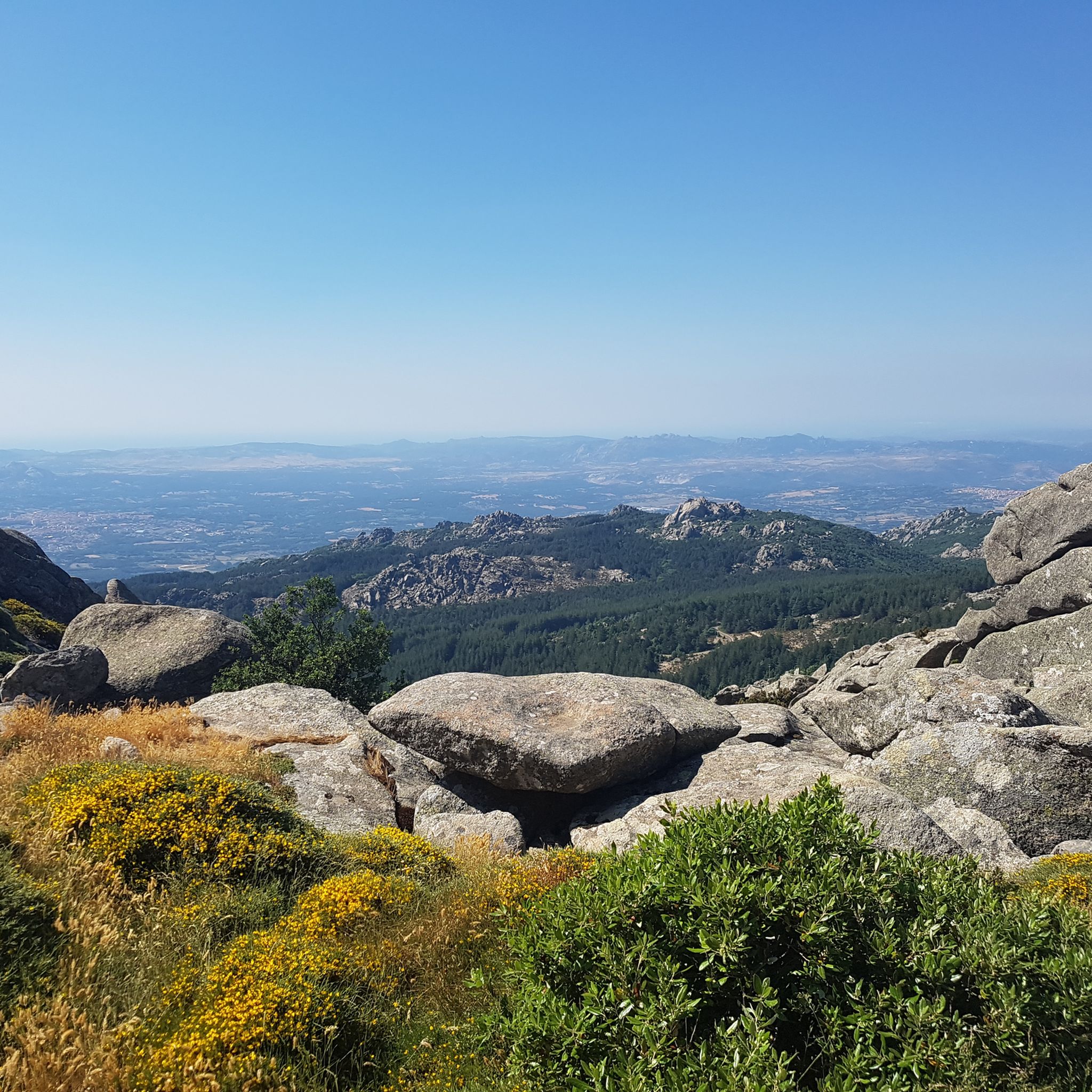
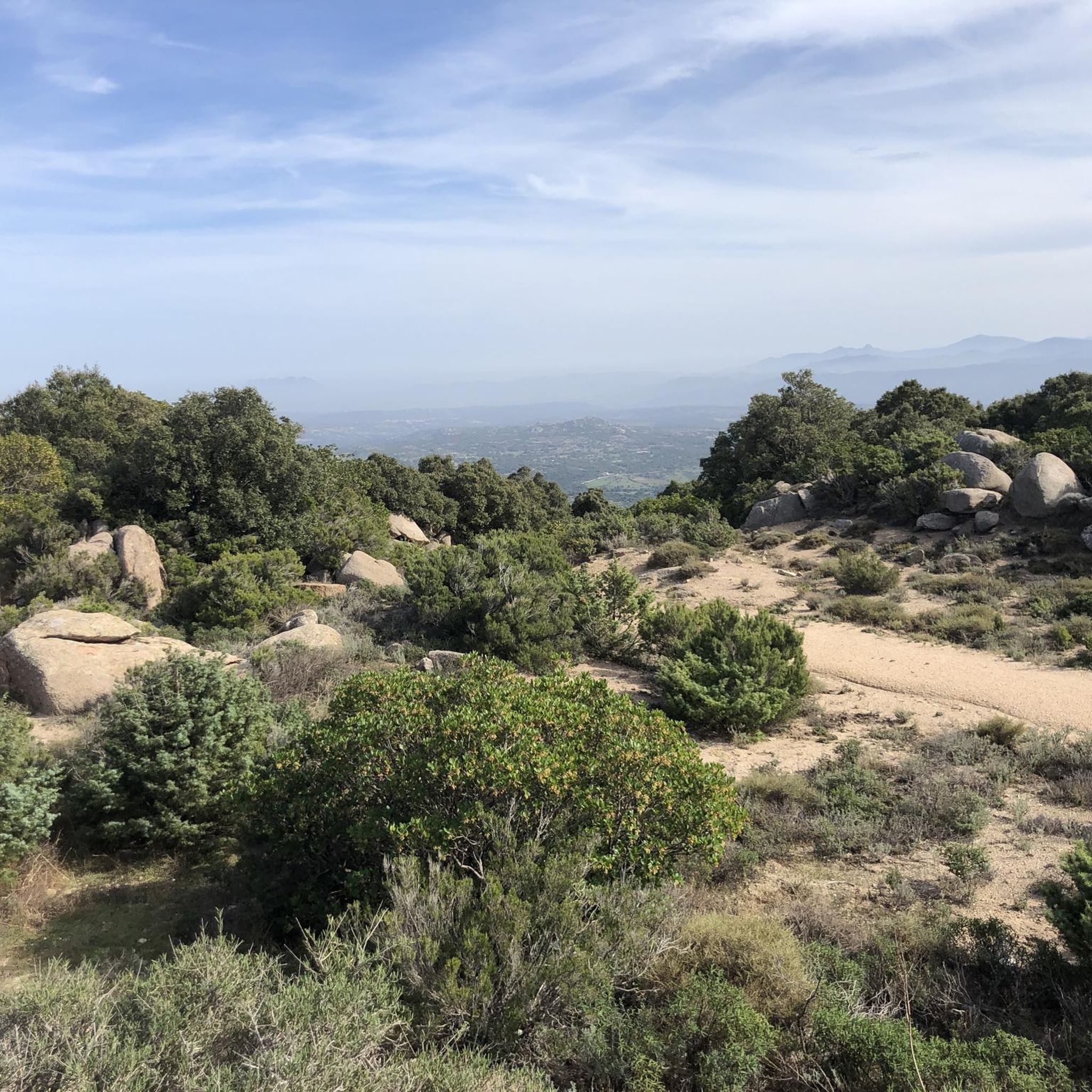
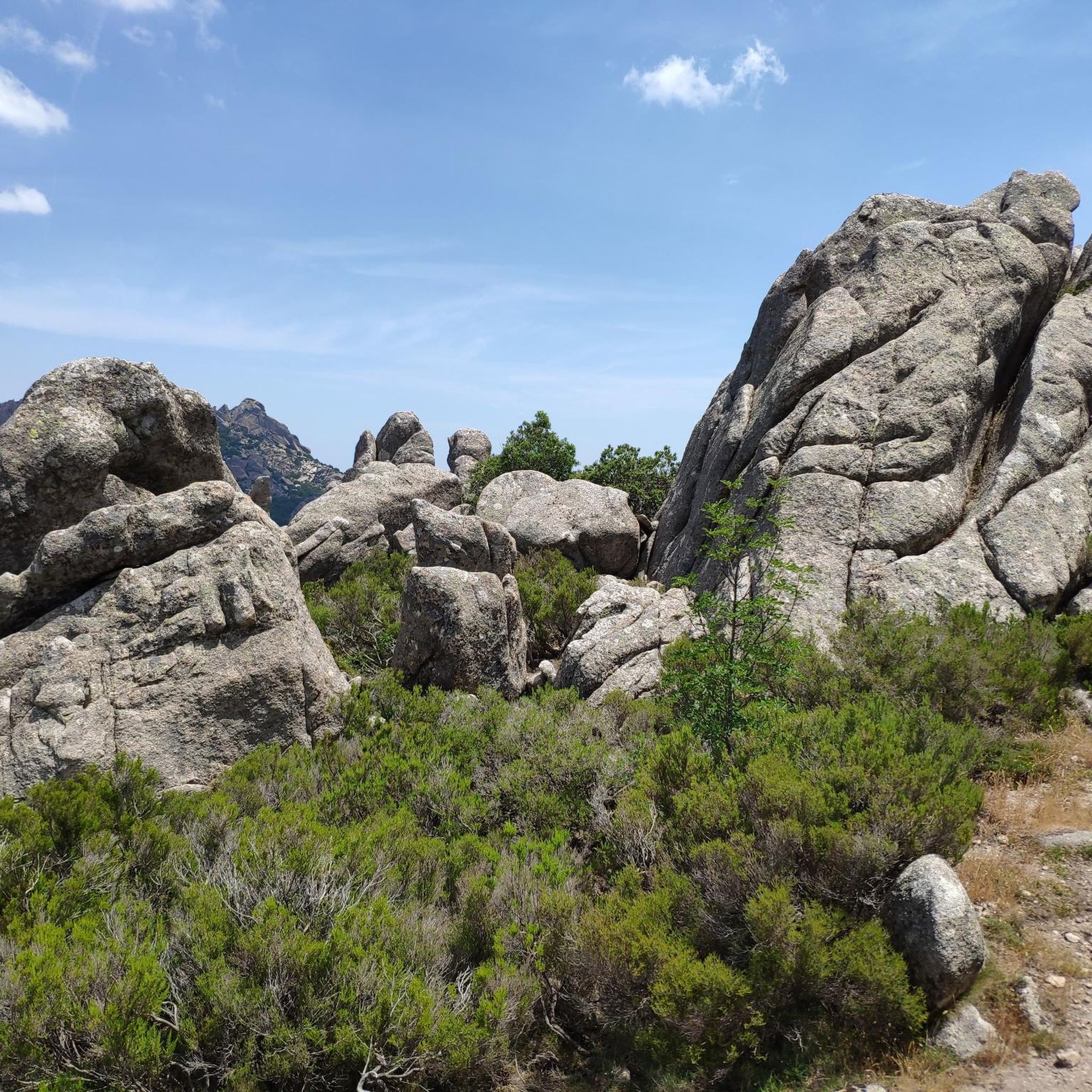
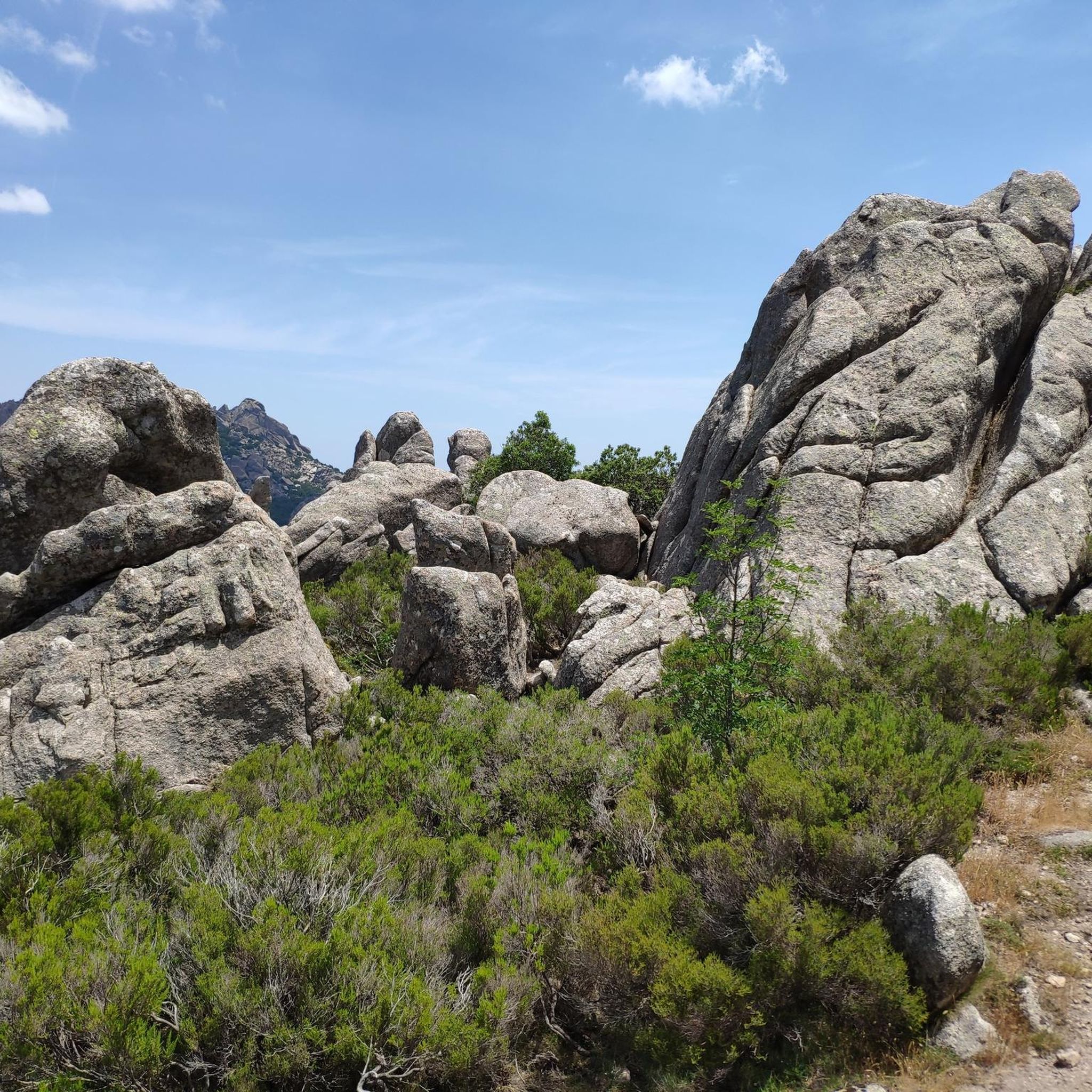
Gravel bike trails around Caragnani/Calangianus are situated in the historical region of Gallura, northeastern Sardinia, characterized by distinctive granite landscapes and extensive cork forests. The terrain is hilly and mountainous, dominated by granite rock formations and dense woodlands, providing varied environments for gravel biking. The area is located in a basin about 500 meters above sea level, protected by the granite and wooded hills of the Limbara massif, which offers numerous pathways.
Best gravel bike trails around Caragnani/Calangianus
- The most…
Last updated: May 15, 2026
5.0
(2)
13
riders
Moderate gravel ride. Good fitness required. Mostly paved surfaces. Suitable for all skill levels.
8
riders
Hard gravel ride. Very good fitness required. Mostly paved surfaces. Suitable for all skill levels.

Sign up for free
5.0
(1)
2
riders
19.6km
01:32
430m
430m
Moderate gravel ride. Good fitness required. Mostly paved surfaces. Suitable for all skill levels.
2
riders
19.4km
01:26
380m
380m
Moderate gravel ride. Good fitness required. Mostly paved surfaces. Suitable for all skill levels.
5.0
(1)
3
riders
Moderate gravel ride. Good fitness required. Mostly paved surfaces. Suitable for all skill levels.
Our route recommendations are based on thousands of hikes, rides, and runs completed by other people on komoot.
Start today with a free account
Your next adventure awaits.
Login or Signup
Tips from the Community

Around Tempio there are several fountains with fresh water
0
0
Is worth more than Tempio. Very beautiful old mountain village
0
0


Calangianus ai suoi caduti (war memorial) Monumento ai Caduti / Monument to the Fallen In memory of the fallen of the First and Second World Wars. Piazza del Popolo, Calangianus Via Carlo Alberto, 4, 07023 Calangianus SS
14
0
Museo del Sughero / Cork Museum, Calangianus How is it possible that Calangianus, a remote town in the Gallura hinterland, was included in the last century among the 100 most industrialized municipalities in Italy? The answer is very simple: cork. The process, which officially began in 1851, soon made Calangianus a fortune: in a short time, workshops were built that employed hundreds of people from the surrounding villages. Finally, this resource, which had always been so widespread in the region, was exploited on a large scale. In fact, in 1906, cork was successfully presented at the International Exhibition in Milan. The first edition of the Cork Fair dates back to 1978. Text / Source: Ministro del Turismo Republica Italiana https://www.italia.it/it/sardegna/museo-del-sughero
14
0

This is a short stretch of road that circumnavigates the Croce mountains (683 m above sea level), a rocky peak that overlooks the town of Aggius. The view you can enjoy from here is breathtaking, it's no coincidence that the street is called the "panoramic road"!
1
0


The Monti - Calangianus railway, a short line of only 27 kilometers in length, was originally part of a longer network connecting the main centers of the Gallura interior, which reached as far as the town of Tempio Pausania.
1
0
Frequently Asked Questions
What kind of landscapes can I expect to see while gravel biking around Caragnani/Calangianus?
The region is characterized by its distinctive granite landscapes, extensive cork forests, and the hilly, wooded terrain of the Limbara massif. You'll encounter dramatic granite rock formations, dense woodlands, and Mediterranean scrub, offering a varied and engaging environment for gravel biking. Calangianus is known as the 'Cork Capital' due to its vast cork oak forests, providing shaded and picturesque routes.
Are there any family-friendly gravel bike routes in Caragnani/Calangianus?
While specific 'family-friendly' designations aren't always explicit, the conversion of the old railway line between Monti and Calangianus (and extending to Tempio Pausania) into a dedicated cycle route offers a relatively flat and traffic-free experience. This 36 km route through unspoilt landscapes, cork forests, and granite formations is designed to avoid busy roadways, making it a good option for a more relaxed ride. For other routes, consider those with 'moderate' difficulty, such as the Trail in Sardinian Nature – At the foot of Monte La Trona loop from San Salvatore.
Can I find circular gravel bike routes in the area?
Yes, many of the gravel bike routes around Caragnani/Calangianus are designed as loops. For example, you can explore the natural beauty at the foot of Monte La Trona on the Trail in Sardinian Nature – At the foot of Monte La Trona loop from San Salvatore, or experience the Sardinian countryside on the Sardinian countryside loop from Sant'Antoni di Gaddura/Sant'Antonio di Gallura.
What historical or natural attractions can I see along the gravel bike trails?
The area is rich in both natural beauty and history. You can encounter striking granite formations, vast cork oak forests, and the majestic Monte Limbara. Historically, the region features several significant archaeological sites, including the Li Muri Necropolis, Tombe dei Giganti (Giants' Graves) of Pascareddha, and various Nuraghi (megalithic edifices). The Monti di Deu Archaeological Park, a Nuragic village, is also accessible via cycling routes.
Is it possible to rent a gravel bike in Calangianus or the surrounding area?
Yes, gravel bike rentals are available in the broader Gallura area, indicating the region's support for this activity. While specific rental shops in Calangianus itself are not detailed, you should be able to find options in nearby towns within the Gallura region.
What are the parking options for accessing gravel bike trails near Calangianus?
While specific parking access points for individual trails are not detailed, the old railway line, which is now a dedicated cycle route, often has designated parking areas at its former station points or trailheads in towns like Monti, Calangianus, and Tempio Pausania. For other routes, parking is generally available in the starting villages such as San Salvatore, Nuchis, or Calangianus itself.
What is the best time of year for gravel biking in Caragnani/Calangianus?
The region of Gallura, where Calangianus is located, offers pleasant conditions for cycling for much of the year. Spring and autumn generally provide the most comfortable temperatures for outdoor activities. Summer can be warm, but the extensive cork forests offer shaded routes, making it possible to ride even during warmer months, especially in the mornings or late afternoons.
Are there any challenging routes for experienced gravel bikers?
Yes, the terrain around Calangianus, with its hilly and mountainous nature, offers challenging options. The At the foot of Monte La Trona – Trail in Sardinian Nature loop from Nuchis is a difficult 21.1 miles (34.0 km) path with significant elevation gain, providing a demanding experience for seasoned riders. The Limbara massif also offers more challenging trails.
What do other gravel bikers say about the trails in Caragnani/Calangianus?
The gravel biking routes around Caragnani/Calangianus are highly rated by the komoot community, with an average score of 5.0 stars from over 4 reviews. More than 20 gravel bikers have used komoot to explore the varied terrain, often praising the natural beauty, the quiet woodlands, and the engaging granite landscapes.
Are there any routes that follow the old railway line?
Yes, a significant highlight for gravel biking enthusiasts is the conversion of the old, disused railway line between Monti and Calangianus (and extending to Tempio Pausania) into a dedicated cycle route. This 36 km route takes riders through unspoilt landscapes, Mediterranean scrub, cork forests, and notable granite formations, offering a unique journey through areas of significant natural importance.
Are there any easy routes suitable for beginners?
While most routes are moderate to difficult, the converted old railway line offers a less strenuous option due to its relatively flat gradient. For a moderate introduction, the Rocce di Aggius – Historic Center of Aggius loop from Agghju/Aggius is a good choice, covering 19.6 miles (31.5 km) with manageable elevation changes.
Where can I find refreshments or accommodation near the trails?
Calangianus itself has a charming historic center with granite-paved streets and stone houses, offering cultural interlude and likely options for refreshments and accommodation. The surrounding villages and towns along the routes, such as Nuchis, San Salvatore, and Sant'Antonio di Gallura, also provide opportunities for breaks and local hospitality.
Most popular routes around Caragnani/Calangianus
Most popular attractions around Caragnani/Calangianus

Get inspired with the komoot mobile app


Explore more
Browse the best Gravel rides in other regions.
