Réserve Biologique Dirigée De Laverq
Réserve Biologique Dirigée De Laverq
The best mountain hikes in Réserve Biologique Dirigée De Laverq
5.0
(2)
16
hikers
3
hikes
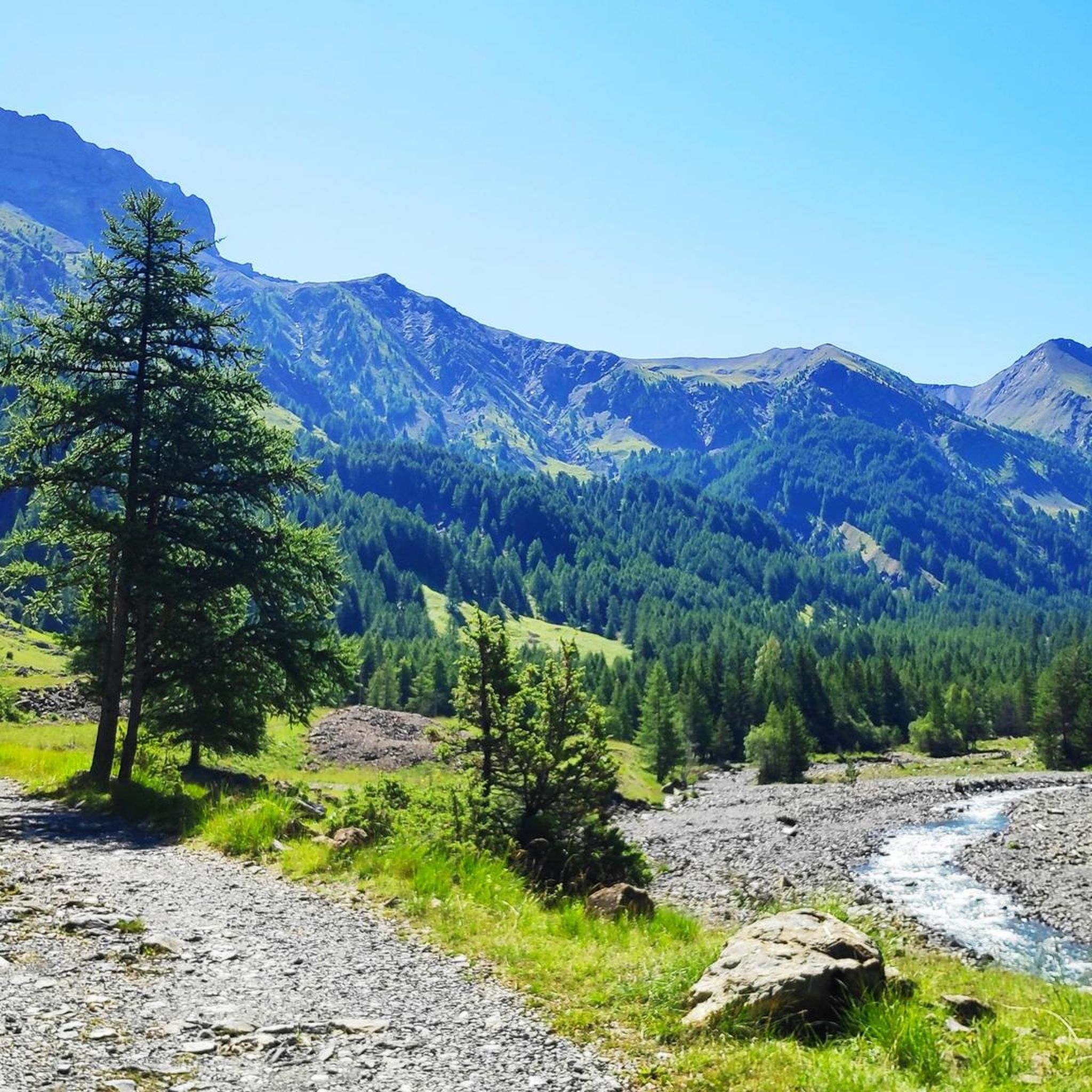
Mountaineering routes in Réserve Biologique Dirigée De Laverq traverse a diverse and challenging alpine landscape within the Alpes-de-Haute-Provence region. The terrain features significant elevation gains, large glacial valleys, and prominent peaks such as Grande Séolane (2909m) and Tête de l'Estrop (2916m). Larch forests and unique natural features like the Eaux Tortes wetland characterize the lower sections, leading to rocky, high-alpine environments. The reserve offers a range of routes, from moderate mountain walks to demanding alpine ascents.
Best mountaineering routes in…
Last updated: May 7, 2026
5.0
(1)
6
hikers
18.3km
06:30
710m
710m
Hard mountaineering route. Very good fitness required. Mostly accessible paths. Sure-footedness required.
5.0
(1)
5
hikers
11.5km
04:26
790m
790m
Moderate mountaineering route. Good fitness required. Easily-accessible paths. Suitable for all skill levels.

Sign up for free
5
hikers
7.52km
02:55
540m
540m
Moderate mountaineering route. Good fitness required. Easily-accessible paths. Suitable for all skill levels.
Our route recommendations are based on thousands of hikes, rides, and runs completed by other people on komoot.
Start today with a free account
Your next adventure awaits.
Login or Signup
Popular around Réserve Biologique Dirigée De Laverq
Tips from the Community

A nice little spot in the summer, but in winter the tables are under the snow
0
0
A place steeped in history, it was once a hamlet where men and sheep lived in symbiosis. In winter, the setting is splendid.
0
0

Beautiful place for a picnic. Tables and benches are available.
0
0

First built in 1724, it is a simple unguarded cabin with a stove, shelf and toilet. Great refuge in case of bad weather!
1
0
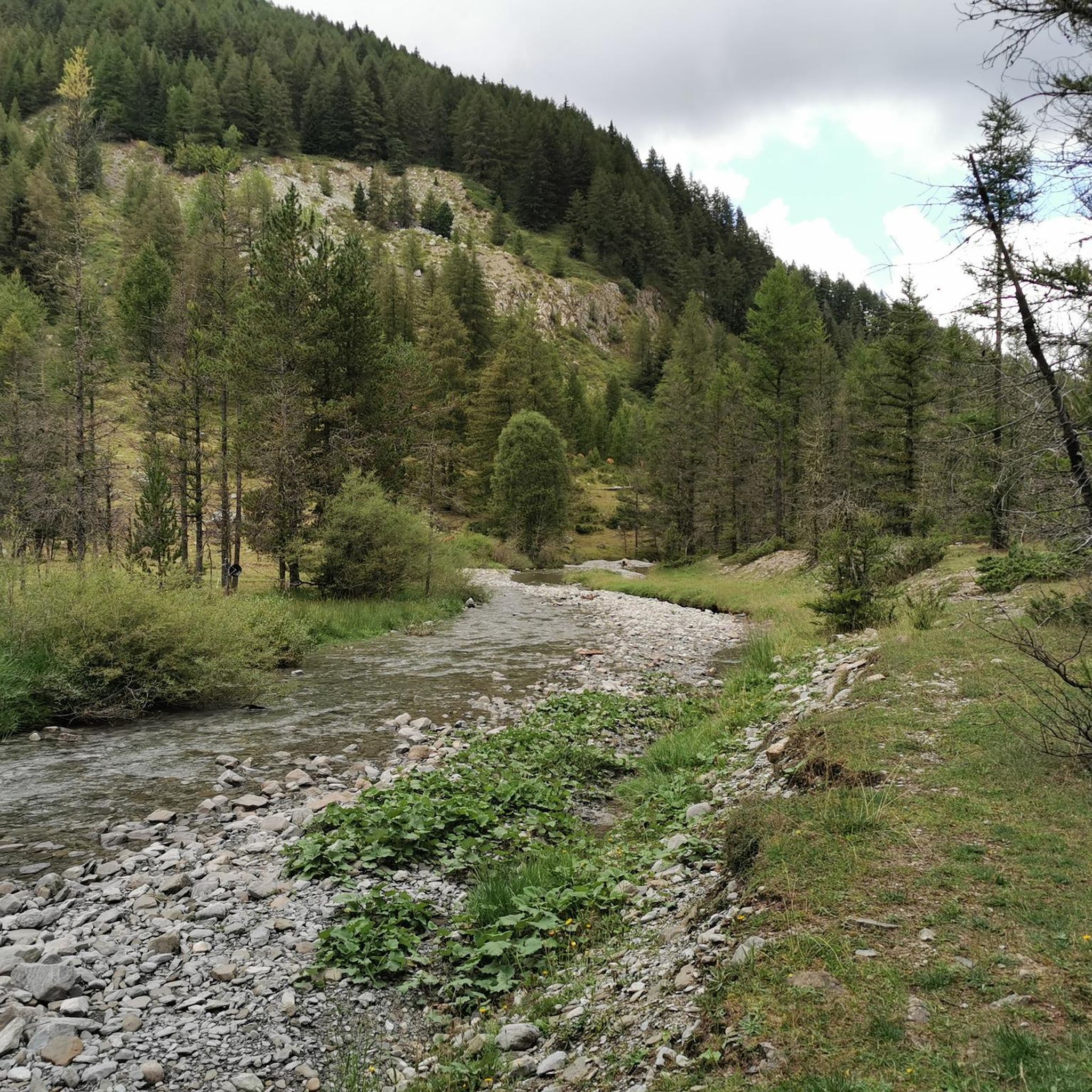
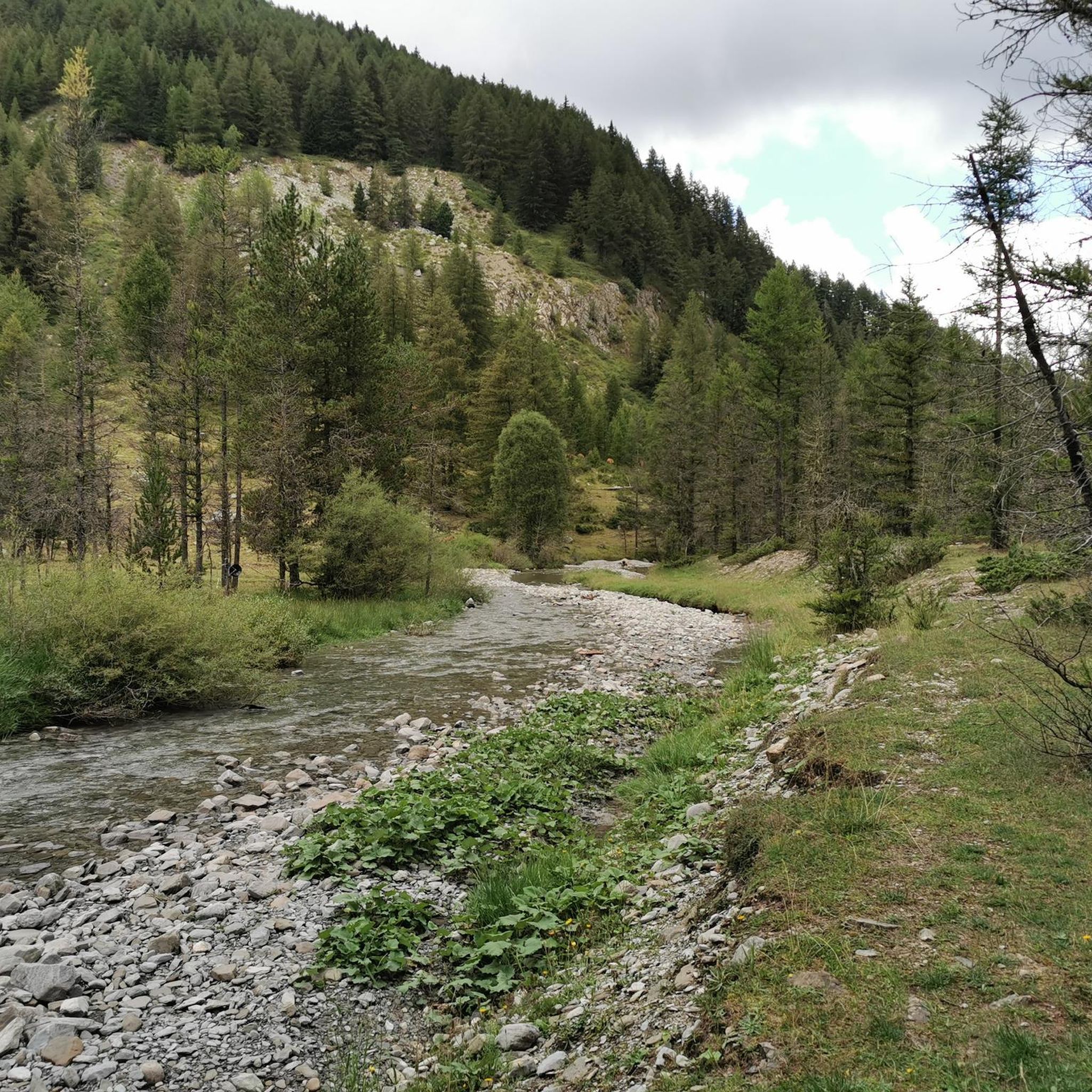
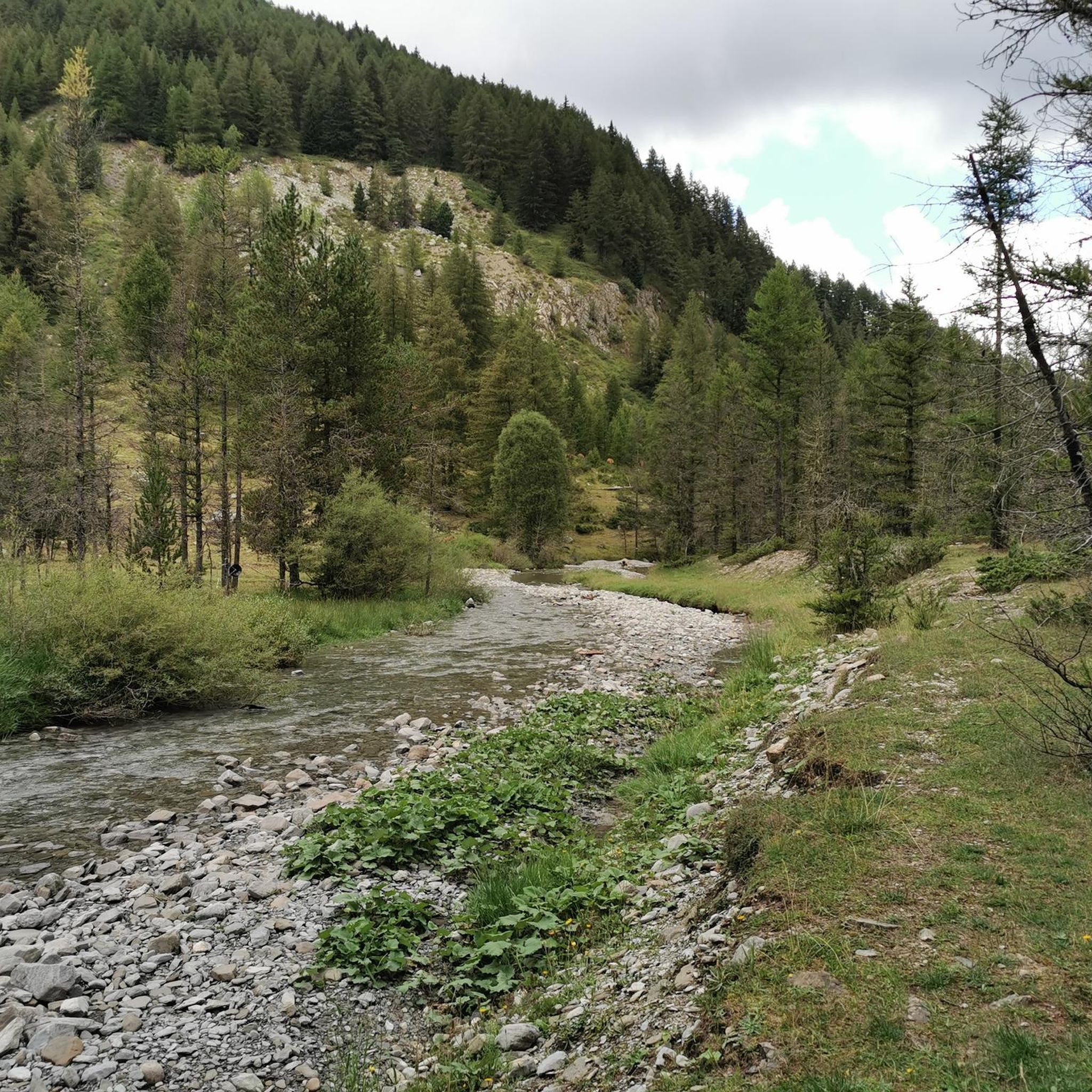
Ideal place for a break under the trees by the river with a picnic table.
0
0

This former pastoral hut dates from 1724 and was completely restored between 2017 and 2020 by the ONF, the association for the protection and development of Laverq and the municipality of Méolans-Revel. It is an unguarded hut which contains a stove, a shelf and a table. You will also find dry toilets there. It is a rustic place, but damn practical in case of bad weather in particular!
1
0

You can even stay inside it is opened to hikers and just keep it clean when leaving.
1
0
Frequently Asked Questions
What kind of terrain can I expect on mountaineering routes in Réserve Biologique Dirigée De Laverq?
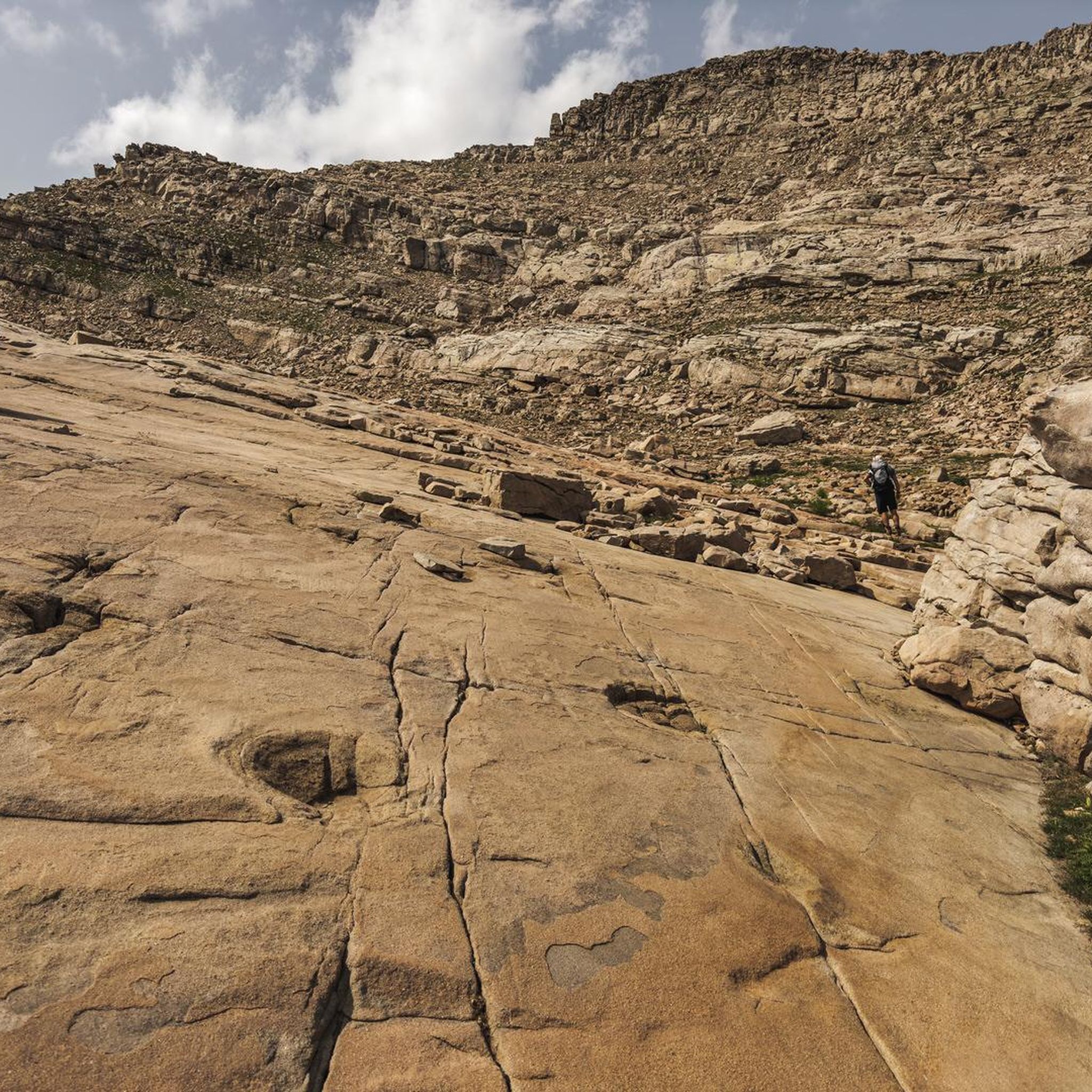
The Réserve Biologique Dirigée De Laverq offers a diverse and challenging alpine landscape. You'll encounter significant elevation gains, large glacial valleys, and prominent peaks. Lower sections feature remarkable larch forests and unique natural features like the Eaux Tortes wetland, transitioning to rocky, high-alpine environments as you ascend.
Are there any particularly challenging mountaineering routes for experienced climbers?
Yes, for experienced mountaineers seeking a significant challenge, the Tête de l'Estrop – Refuge de l'Estrop loop from Prads is a demanding option. This difficult route covers 23.4 km and involves an ascent of over 1,650 meters through high alpine terrain. Another difficult route is the Cabane de Plan-Bas loop from Parking Audemard, which features substantial elevation gain over 18.3 km.
What are some notable natural features or landmarks to look out for along the routes?
The reserve is rich in natural beauty. You can explore the unique Eaux Tortes wetland, a magnificent peat bog formed from an ancient glacial lake. Hikers will also traverse stunning larch forests and witness dramatic mountain panoramas of peaks like Grande Séolane (2909m) and Tête de l'Estrop (2916m). Along some routes, you might pass by the Cabane de Plan-Bas or the Stone Hut on the Way to Puy de la Sèche.
Are there any circular mountaineering routes available?
Yes, several routes in the Réserve Biologique Dirigée De Laverq are circular. For example, the Baisse de l'Aiguille loop from La Foux d'Allos is a moderate 11.5 km trail offering panoramic views. Another moderate circular option is the Baisse de l'Auriac loop from La Foux d'Allos, covering 7.9 km.
What is the best time of year for mountaineering in Réserve Biologique Dirigée De Laverq?
The best time for mountaineering in Réserve Biologique Dirigée De Laverq is generally during the warmer months, from late spring to early autumn, when trails are more accessible and free of snow. Summer offers the most stable conditions, but always be prepared for rapidly changing alpine weather. Winter mountaineering is possible but requires specialized equipment and experience due to snow and ice conditions.
Are there any family-friendly mountaineering options or easier trails?
While many routes are challenging, there are moderate options that might be suitable for families with older children or those seeking less strenuous mountaineering experiences. The Château Renard loop from Méolans-Revel is a moderate 7.4 km route with a significant but manageable elevation gain, offering a taste of the region's beauty without extreme difficulty.
What do other mountaineers say about the routes in Réserve Biologique Dirigée De Laverq?
The mountaineering routes in Réserve Biologique Dirigée De Laverq are highly rated by the komoot community, with an average score of 5.0 stars from 3 reviews. Mountaineers often praise the challenging alpine routes, the unique Eaux Tortes wetland, and the dramatic mountain vistas that define the region.
Is public transport available to reach the starting points of these routes?
Public transport options directly to the more remote trailheads within Réserve Biologique Dirigée De Laverq are limited. Access often involves driving to parking areas near villages like Méolans-Revel or La Foux d'Allos. It's advisable to check local bus schedules to nearby towns and plan for onward travel, potentially by car or taxi, to reach specific starting points.
Are there any specific regulations or permits required for mountaineering in the reserve?
Réserve Biologique Dirigée De Laverq is a protected area, and while general hiking and mountaineering are permitted on marked trails, it's always wise to be aware of specific regulations. These may include rules regarding wild camping, fires, waste disposal, and protection of flora and fauna. Currently, no specific permits are required for general mountaineering, but always respect local signage and environmental guidelines.
Where can I park my car when visiting the reserve for mountaineering?
Parking is typically available near the starting points of many routes. For instance, routes like the Cabane de Plan-Bas loop start from Parking Audemard. The drive to the parking near the Abbey of Laverq is described as an adventure itself, often involving narrow, track-like roads. Always ensure you park in designated areas to avoid obstructing access or damaging the environment.
Are dogs allowed on the mountaineering trails in Réserve Biologique Dirigée De Laverq?
As a biological reserve, specific regulations regarding dogs may apply to protect wildlife. While some areas might permit dogs on a leash, others, particularly sensitive ecological zones like the Eaux Tortes wetland, may have restrictions. It's best to check local signage at trailheads or consult the reserve's official guidelines before bringing your dog.
What kind of elevation gains can I expect on the mountaineering routes?
Mountaineering routes in Réserve Biologique Dirigée De Laverq feature significant elevation gains, reflecting the alpine character of the region. For example, the difficult Tête de l'Estrop – Refuge de l'Estrop loop involves over 1,650 meters of ascent. Even moderate routes like the Baisse de l'Aiguille loop can have nearly 800 meters of elevation gain.
Most popular routes in Réserve Biologique Dirigée De Laverq
Most popular attractions in Réserve Biologique Dirigée De Laverq

Get inspired with the komoot mobile app


Explore more
Browse the best Mountain Hikes & Routes in other regions.
