Top 7 Castles around Parish Of Stow
Best castles around Parish Of Stow offers a glimpse into historical fortifications and significant sites within the Scottish Borders. The area is characterized by its deep historical roots, including ancient defensive structures and medieval ecclesiastical power. Visitors can explore remnants of castles, Iron Age forts, and sites of historical residences. The landscape provides a backdrop for understanding centuries of regional history and architectural evolution.
Best castles around Parish Of Stow
- The most popular castles is Castle Knowe Iron Age Fort…
Last updated: November 13, 2026
Abbotsford House and Gardens
Highlight • Castle
Tip by

Hirendean Castle Ruins
Highlight • Viewpoint
Situated on the flattened top of a raised mound beside the Hirenden Burn, it is …
Tip by

Sign up now to discover places like this
Get recommendations on the best single tracks, peaks, & plenty of other exciting outdoor places.
Castle Knowe Iron Age Fort
Highlight • Castle
Tip by

View of Elibank Castle
Highlight • Castle
Tip by

Torwoodlee Tower Ruins
Highlight • Castle
Tip by

Sign up for free to discover even more castles around Parish Of Stow.
Already have an account?
Start today with a free account
Your next adventure awaits.

Tips from the Community

The gardens are described as outdoor rooms within high walls. These include the South Court, Morris Garden, and Walled Garden. The estate is open to the public, offering visitors the chance to explore the historic house, gardens, and surrounding woodlands.
1
0
Abbotsford House served as both a family home and a workspace for Sir Walter Scott, housing his study, library, and collections of artifacts. He designed the house in the Scots Baronial style and filled it with books and historical objects.
0
0

For Goethe, Walter Scott's books were "the best things ever written in the world". With his historical novels, such as the one about the knight Ivanhoe, the Scottish writer, who was born 250 years ago, was one of the most famous authors of his time. Quote from Walter Scott: "I have read enough books to know that the deepest sayings come from the lips of poor and uneducated women and men. Things often come to light that are perhaps only found more sublime and moving in the Bible. Even the poet will only fulfill his true calling if he recognizes everything that is not a true inner education of the heart as vain and worthless." (Text from https://www.deutschlandfunk.de/250-geburtstag-des-schriftstellers-wie-sir-walter-scott-den-100.html )
0
0

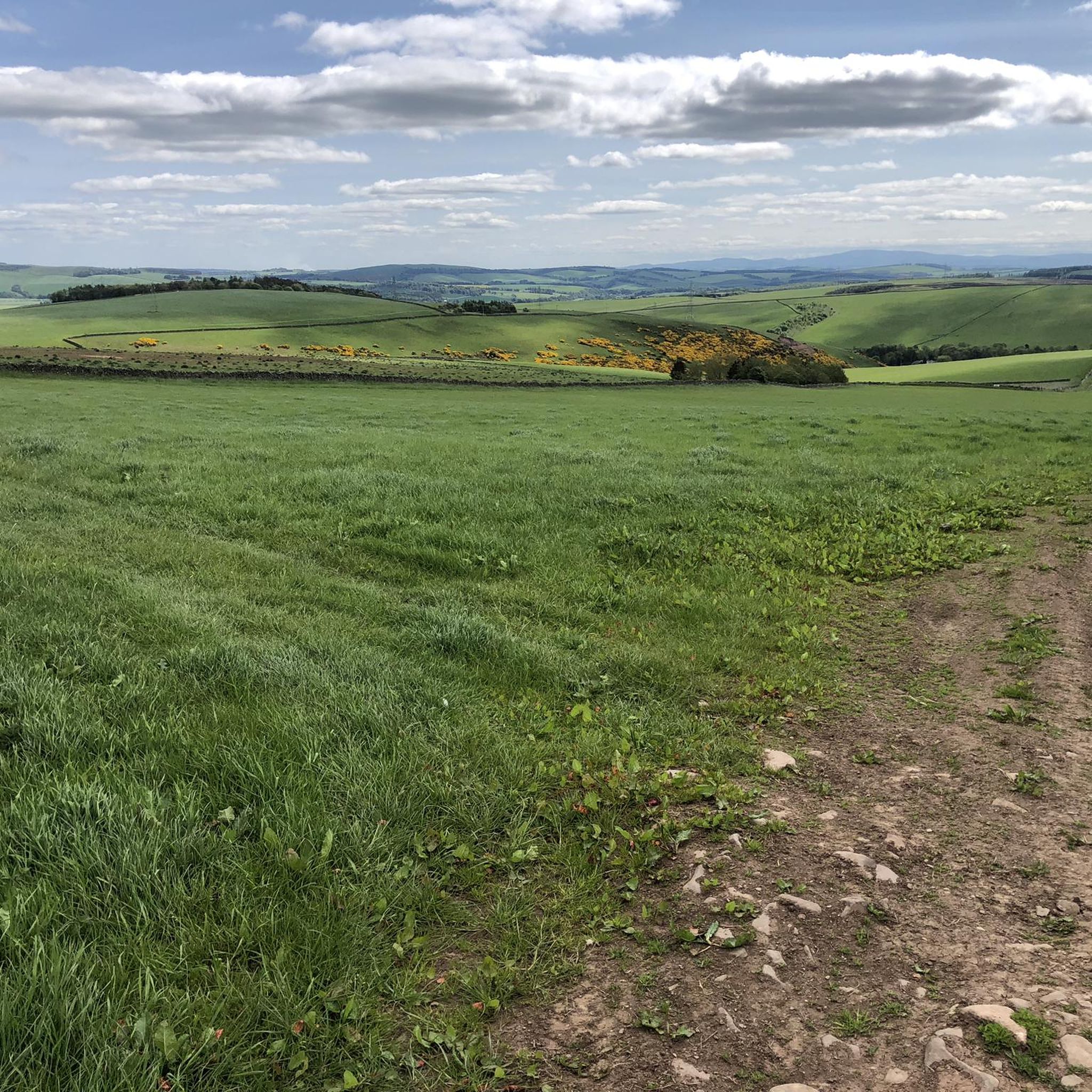
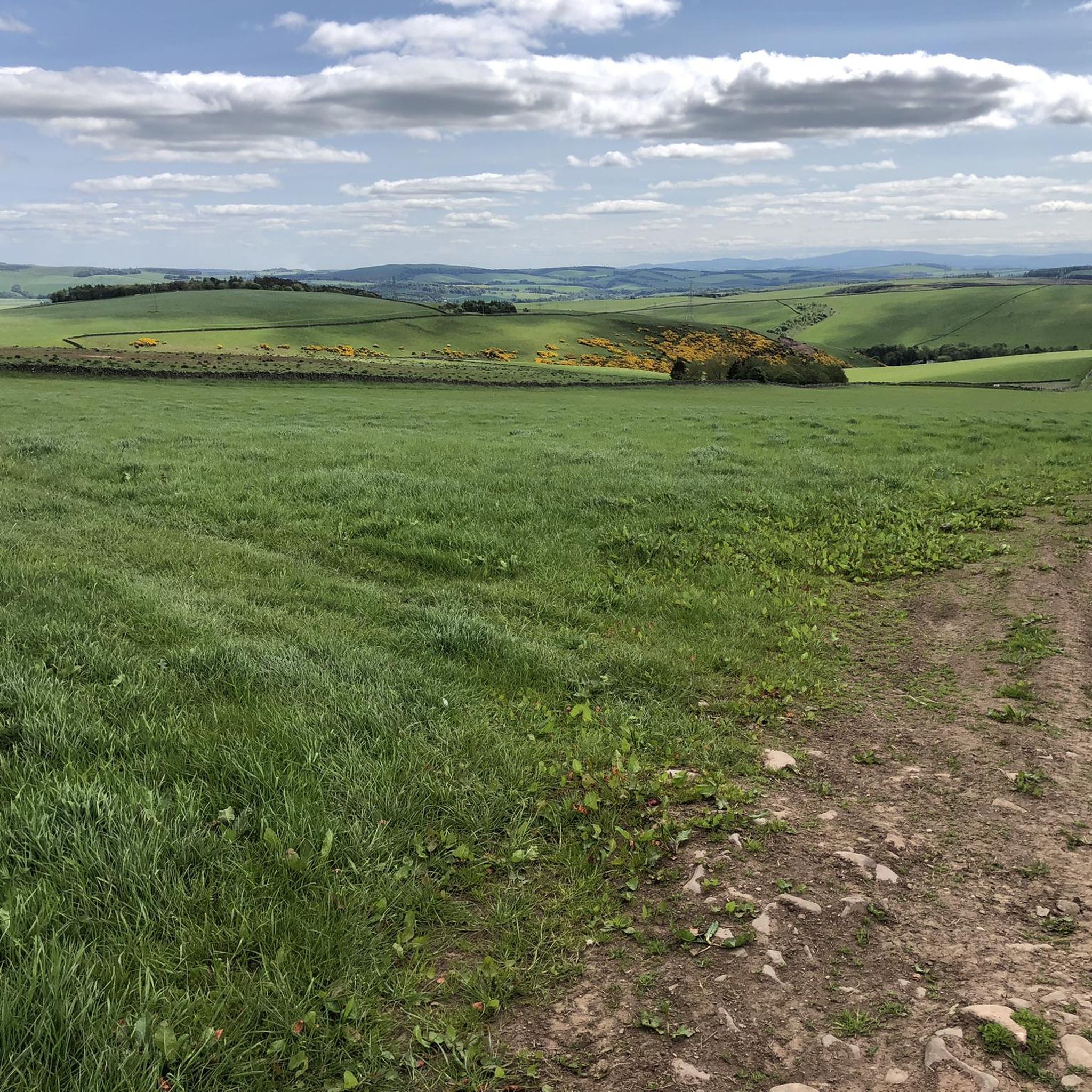
A Leisurely walk close to Edinburgh with excellent views on a clear day.
0
0

An absolute highlight. The house is worth a look. The weapons collection is worth seeing. The garden is lovingly laid out and very well maintained.
1
0

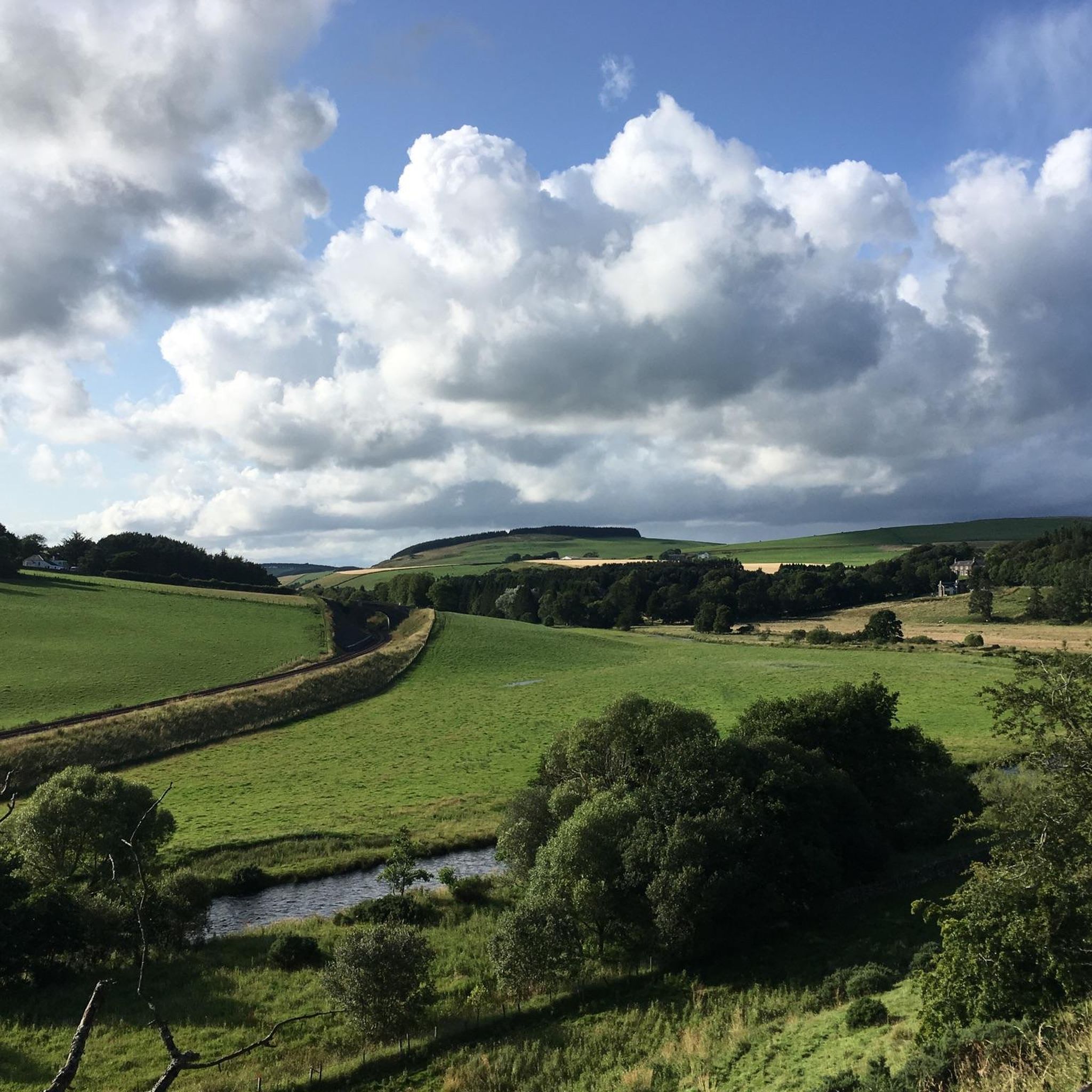
Elibank was formerly known as Eliburn and overlooks the River Tweed from a commanding position high on its steep right bank. The late 16th century fortress is rudely built without any dressings and comprises an oblong main-block, with a square wing attached to the east corner. The remains are in a dilapidated state. In 1511 Elibank, or Eliburn as it was then, was in the hands of the Liddale family. However the ruined building that we see today was probably built by Sir Gideon Murray of Glenpoit who acquired Elibank from John Liddell of Halkerstone in 1594-5. The castle was already a ruin in 1722. Elibank is reputed to be the home of “Muckle Mouth Meg”. In the waning years of the 16th century, the Laird of Eliburn despaired of finding his daughter Meg a husband as she was no beauty and was not called “muckle mouth” without reason. One moonless night towards the turn of the old year the laird and his household were alerted by cries and a shot from the darkness beyond the castle. The laird, careful of his cattle and goods, and being no stranger to the ways of Reivers himself, kept a watch who had surprised a band of rogues that had forced a way into his barnekin and were attempting to drive off his livestock. In the ensuing confusion the laird’s men captured one of the thieves and flung him into the dank dungeon below the castle floor. In the morning the prisoner was brought before the laird, who evidently thought the lad worthwhile, and offered him a choice. He could hang or he could marry Meg. Horrified at the prospect of marrying Meg, for her fame was widespread, the lad chose the gallows. Meg’s father was not to be cheated of a husband for his daughter however, so he returned the unwilling suitor to the evil prison cell to reconsider. The lad, who it turned out, was Walter Scott from nearby Ettrick eventually reconsidered his choice and he and Meg were married. Surprisingly enough it seems that he and Muckle Mouth Meg got along well, she mellowed and he settled down and the marriage was something of a success in the end.
0
0

An impressive ruin of a house, which was built in 1601 by the Pringles family of Torwoodlee. If there is a romantic inside you, you will love it. Who needs follies when you've got the real deal?
2
0

The fort sits at the top of Castle Knowe, one of several summits on the ridgeline over the Tweed Valley. With views over Cardrona it is surrounded by coniferous forest. To this date, the fort has never been excavated, so its age is unknown.
1
0
Frequently Asked Questions
What kind of historical sites can I expect to find around the Parish of Stow?
The Parish of Stow and its surroundings offer a rich tapestry of historical sites, though not always grand, fully preserved castles. You'll find remnants of ancient fortifications like Castle Knowe Iron Age Fort, and the ruins of medieval structures such as Hirendean Castle Ruins and Torwoodlee Tower Ruins. The area also features sites of former castles like Torsonce Castle and the historical Bishop's Palace, offering insights into the region's deep past.
Are there any historical houses or estates to visit near Parish of Stow?
Yes, Abbotsford House and Gardens is a significant historical estate nearby. It was the home of Sir Walter Scott, who built the house and laid out its impressive gardens. Visitors can explore his collections of books, weapons, and artifacts, as well as the beautifully maintained grounds.
What are some of the most popular historical sites according to komoot users?
Komoot users particularly enjoy Castle Knowe Iron Age Fort for its historical significance and views, and Abbotsford House and Gardens for its rich history and beautiful grounds. Hirendean Castle Ruins is also a popular spot for those interested in ruined peel towers.
Can I see views of historical castles or ruins in the area?
Absolutely. The Castle Knowe Iron Age Fort offers views over Cardrona, while the View of Elibank Castle provides a glimpse of a dilapidated 16th-century fortress overlooking the River Tweed. Many of the ruined sites, like Hirendean Castle Ruins, are situated in defensive positions that offer scenic vistas of the surrounding landscape.
Are there family-friendly historical attractions around Parish of Stow?
Yes, Abbotsford House and Gardens is considered family-friendly, offering a historical house to explore and extensive gardens for walks. Exploring the sites of ancient forts and ruins like Castle Knowe Iron Age Fort can also be an engaging outdoor activity for families interested in history and nature.
What outdoor activities can I do near these historical sites?
The area around Parish of Stow is excellent for outdoor activities. You can find numerous cycling routes, including touring bicycle options like the 'Innerleithen XC Trail – Tweed Valley Railway Path loop' or more challenging road cycling routes. There are also easy hiking trails available, such as the 'Chester Hill and Lauder Burn loop'. For more details and routes, you can explore the cycling guide or the easy hikes guide for Parish of Stow.
What is the historical significance of the Bishop's Palace in Stow?
The Bishop's Palace in Stow is historically significant due to the village's deep ties to the church, dating back to medieval times. Stow's name is linked to a residence of the bishops of St. Andrews, who held considerable authority over the Wedale district. While not a fortified castle in the traditional sense, a medieval 'palace' for such a powerful figure implied a substantial and potentially defensible residence, highlighting Stow's role as a 'holy place' and medieval sanctuary.
Are there any historical sites that are more about ruins and archaeology?
Yes, sites like Ewes Castle and the site of Torsonce Castle are primarily of interest to those keen on local history and archaeology. Ewes Castle likely exists as ruins or earthworks, while Torsonce Castle is no longer standing, with Torsonce House occupying its former location. These sites offer an opportunity to explore remnants of ancient fortifications and imagine their past significance.
What is the best way to explore the historical sites around Parish of Stow?
Exploring the historical sites around Parish of Stow is best done on foot or by bicycle, as many sites are integrated into the landscape. This allows you to appreciate the natural surroundings and the historical context. Many sites, like Hirendean Castle Ruins, are accessible via walks through farmland.
What makes Torwoodlee Tower Ruins worth visiting?
Torwoodlee Tower Ruins is an impressive ruined tower house, built in 1601. It represents a structure designed for both habitation and defense. Despite its ruined state, it still conveys a sense of its former power and defensive capabilities, making it a fascinating visit for those interested in Scottish tower houses.
Is there a good time of year to visit the castles and historical sites?
The Scottish Borders can be enjoyed year-round. Spring and summer offer pleasant weather for exploring the outdoor ruins and gardens like those at Abbotsford House and Gardens. Autumn provides beautiful foliage, while winter can offer a stark, atmospheric beauty to the ancient sites, though some indoor attractions might have reduced hours.
What should I know about visiting Elibank Castle?
The View of Elibank Castle refers to a dilapidated 16th-century fortress. It's known for its commanding position overlooking the River Tweed. The remains are in a very ruinous state, offering a glimpse into its past rather than a well-preserved structure. It's also associated with the local legend of 'Muckle Mouth Meg'.
Most popular attractions around Parish Of Stow

Get inspired with the komoot mobile app


Explore more
Looking for the best castles somewhere else? Discover other guides around Parish Of Stow:
