Top 20 Castles in Aude
Best castles in Aude are found within a department rich in medieval history, particularly known for its Cathar castles. These fortresses are strategically located, showcasing robust architecture and compelling historical narratives. The region's diverse landscape, from rocky spurs to river valleys, provides dramatic settings for these ancient structures. Aude offers a captivating glimpse into the past through its well-preserved medieval sites.
Best castles in Aude
- The most popular castles is Carcassonne Citadel, a castle that is a UNESCO World Heritage Site with a double ring of ramparts and 52 defensive towers. It offers a thousand years of military architecture and 2,600 years of history within its fortified medieval city.
- Another must-see spot is Peyrepertuse Castle, a castle perched dramatically on a rocky spur. Visitors can expect imposing walls, original towers, and panoramic views of the Corbières Mountains and surrounding valleys.
- Visitors also love Quéribus Castle, a castle known for its strategic location at 729 meters above sea level. It was the last bastion of Cathar resistance and offers extensive views of the Corbières and Fenouillèdes landscapes.
- Aude is known for fortified cities, Cathar castles, and royal fortresses. The region presents a variety of medieval structures to explore, from imposing citadels to dramatic mountain strongholds.
- The castles in Aude are appreciated by the komoot community. The guide features 32 highlights, with 329 upvotes and 330 photos contributed by visitors.
Last updated: July 6, 2026
Carcassonne Citadel
Highlight • Castle
Translated by Google •
Tip by

Count's Castle
Highlight • Castle
Translated by Google •
Tip by

Sign up now to discover places like this
Get recommendations on the best single tracks, peaks, & plenty of other exciting outdoor places.
Sign up for free
Quéribus Castle
Highlight • Castle
Translated by Google •
Tip by

Aude Gate
Highlight • Historical Site
Translated by Google •
Tip by

Archbishops' Palace of Narbonne
Highlight • Historical Site
The palace is now a museum of art and history which houses collections of art and archaeological objects from the region. Visitors can also admire the restored historical halls of the palace, such as the Hall of Synods and the Gothic Chapel.
Translated by Google •
Tip by

Rennes-le-Château Village and Church
Highlight • Historical Site
This hilltop town has been famous since Father Saunière (village priest) undertook work at his expense, revealing a mysterious personal fortune. The media hype that followed placed the village at the heart of numerous more or less conspiracy theories and myths of forgotten treasures (ranging from a Gallic treasure from the Volques to the treasure of the Templars).
Translated by Google •
Tip by

Roquefère Castle
Highlight • Castle
Translated by Google •
Tip by

Peyrepertuse Castle
Highlight • Castle
Translated by Google •
Tip by

Château de Puivert
Highlight • Castle
Translated by Google •
Tip by

La Franqui Redoubt
Highlight • Castle
Translated by Google •
Tip by
Sign up for free to discover even more castles in Aude.
Sign up for free
Already have an account?
Start today with a free account
Your next adventure awaits.
Login or Signup
Popular around Aude
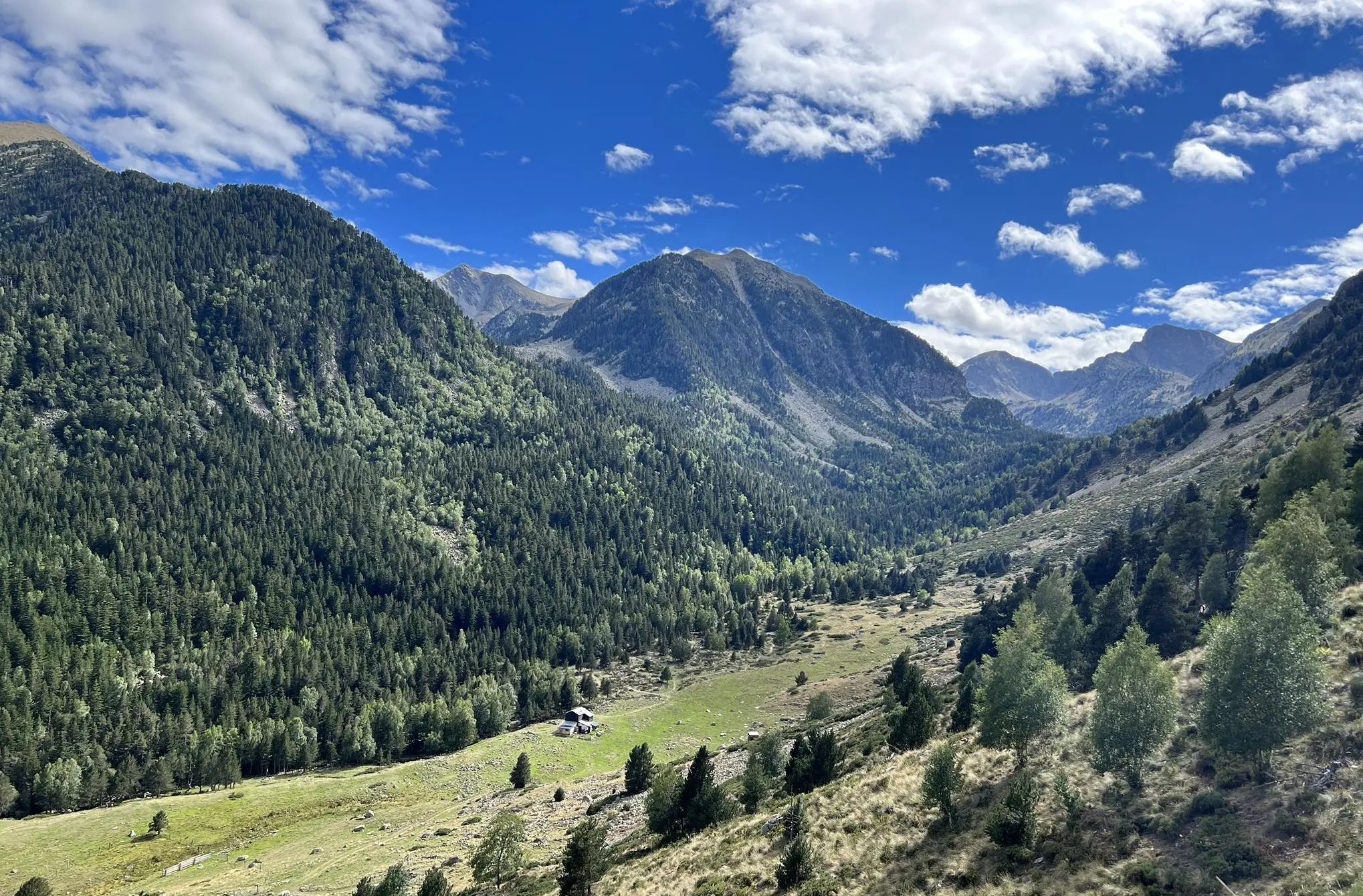
GR 36 long-distance footpath – Cross France from the Channel to the Pyrenees
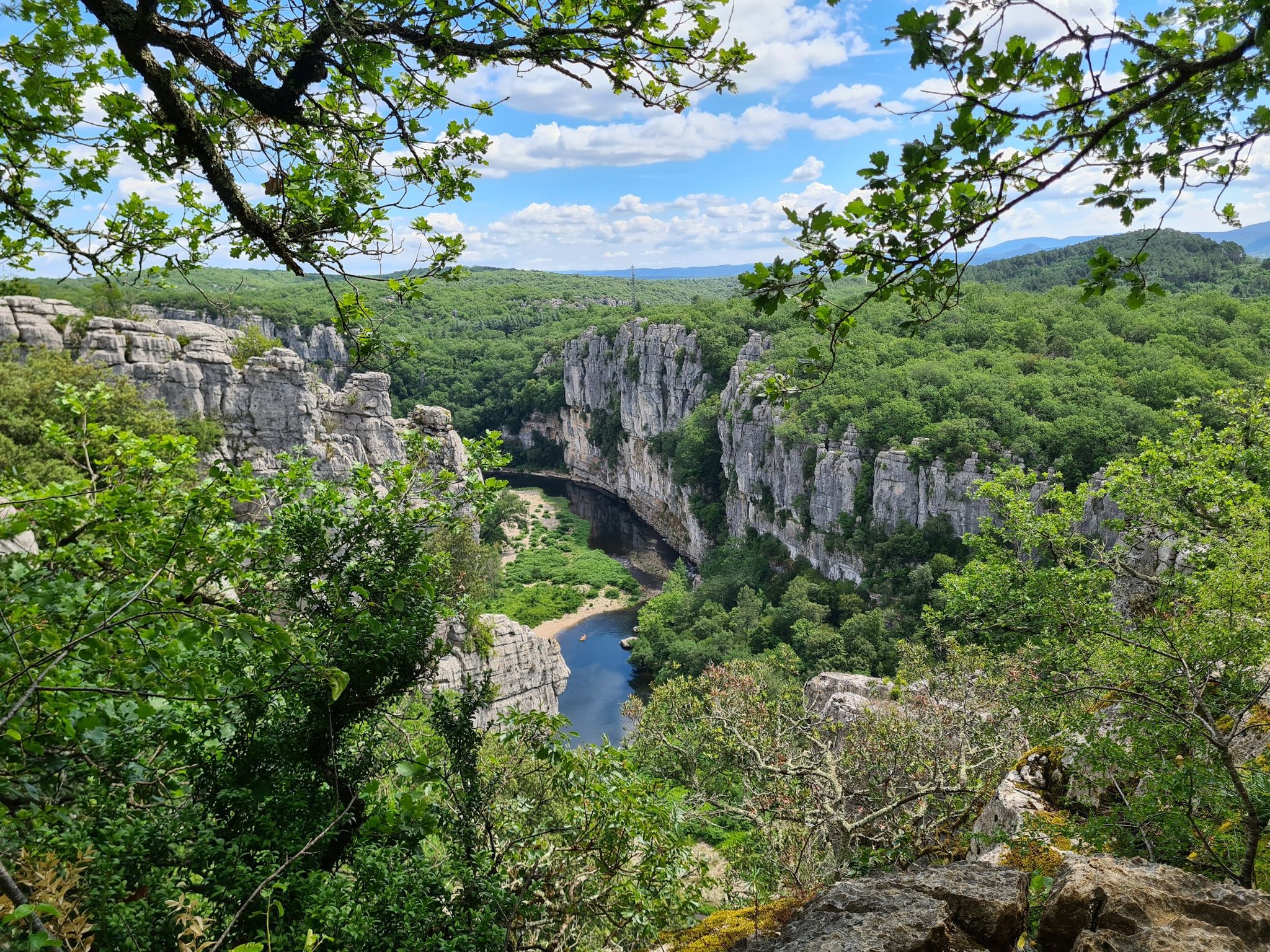
Hexatrek – The Cévennes to the Pyrenees between gorges and limestone plateau
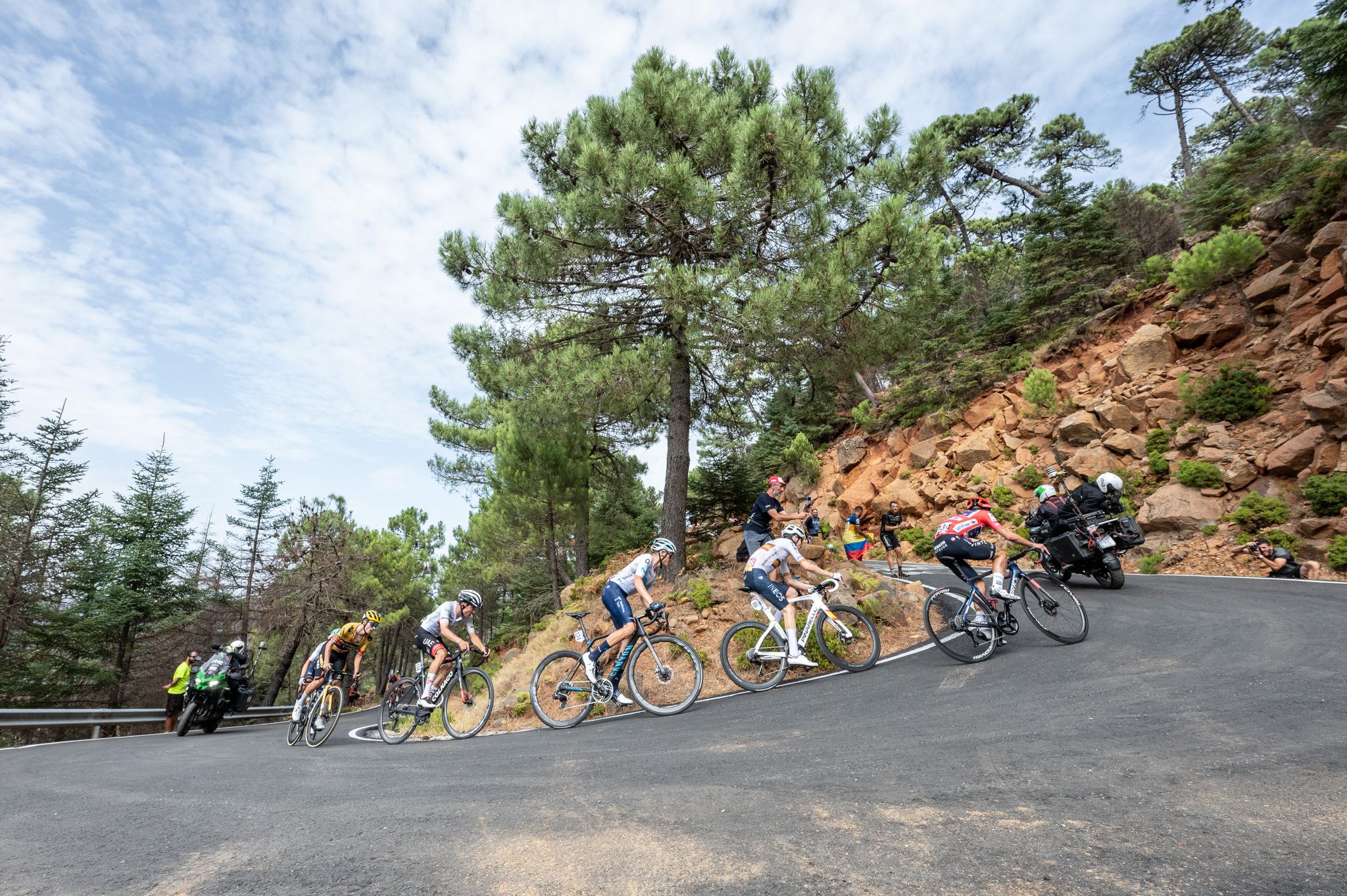
La Vuelta 26 — All Official Stages
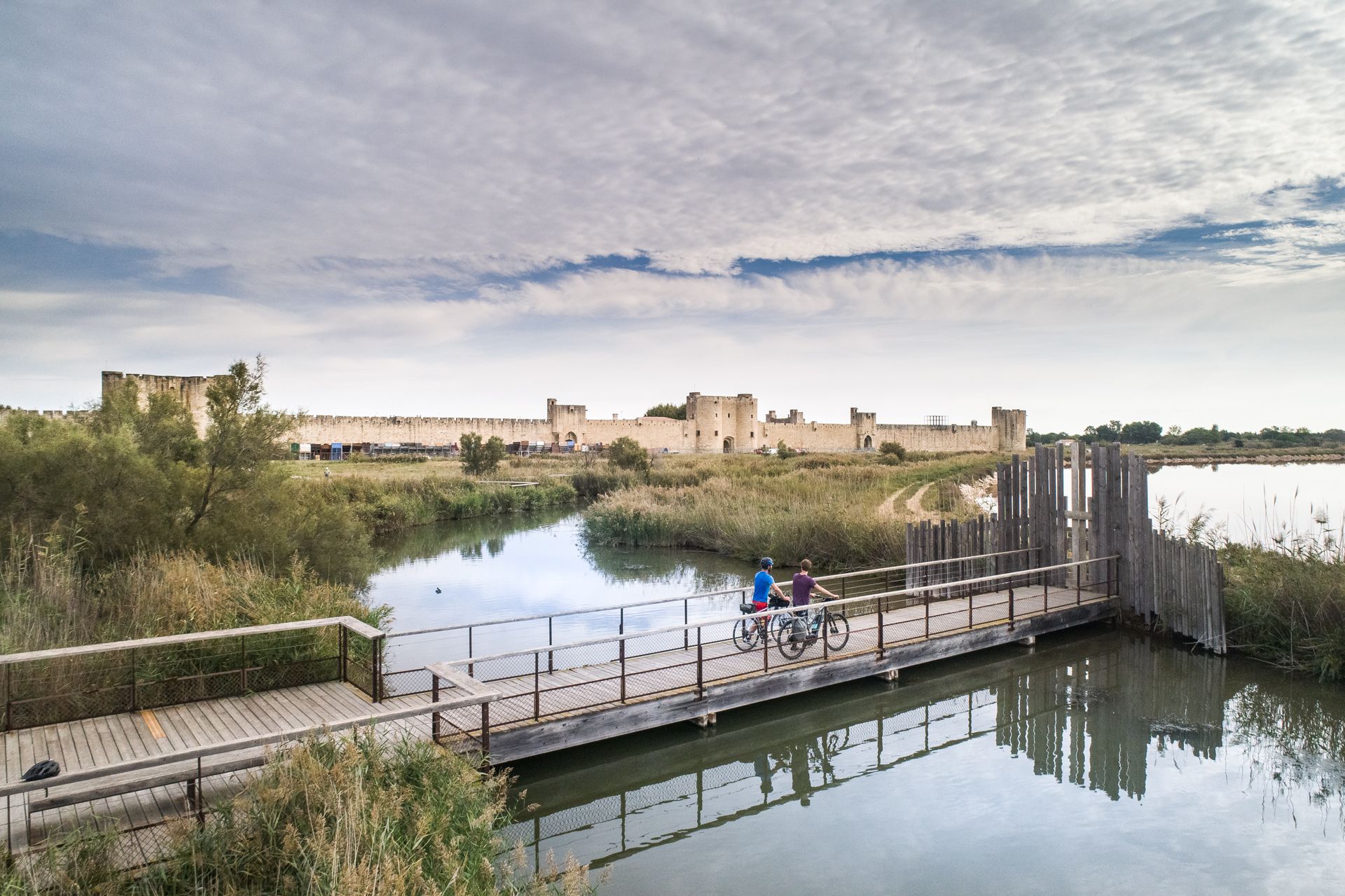
The most beautiful bike rides in Occitanie
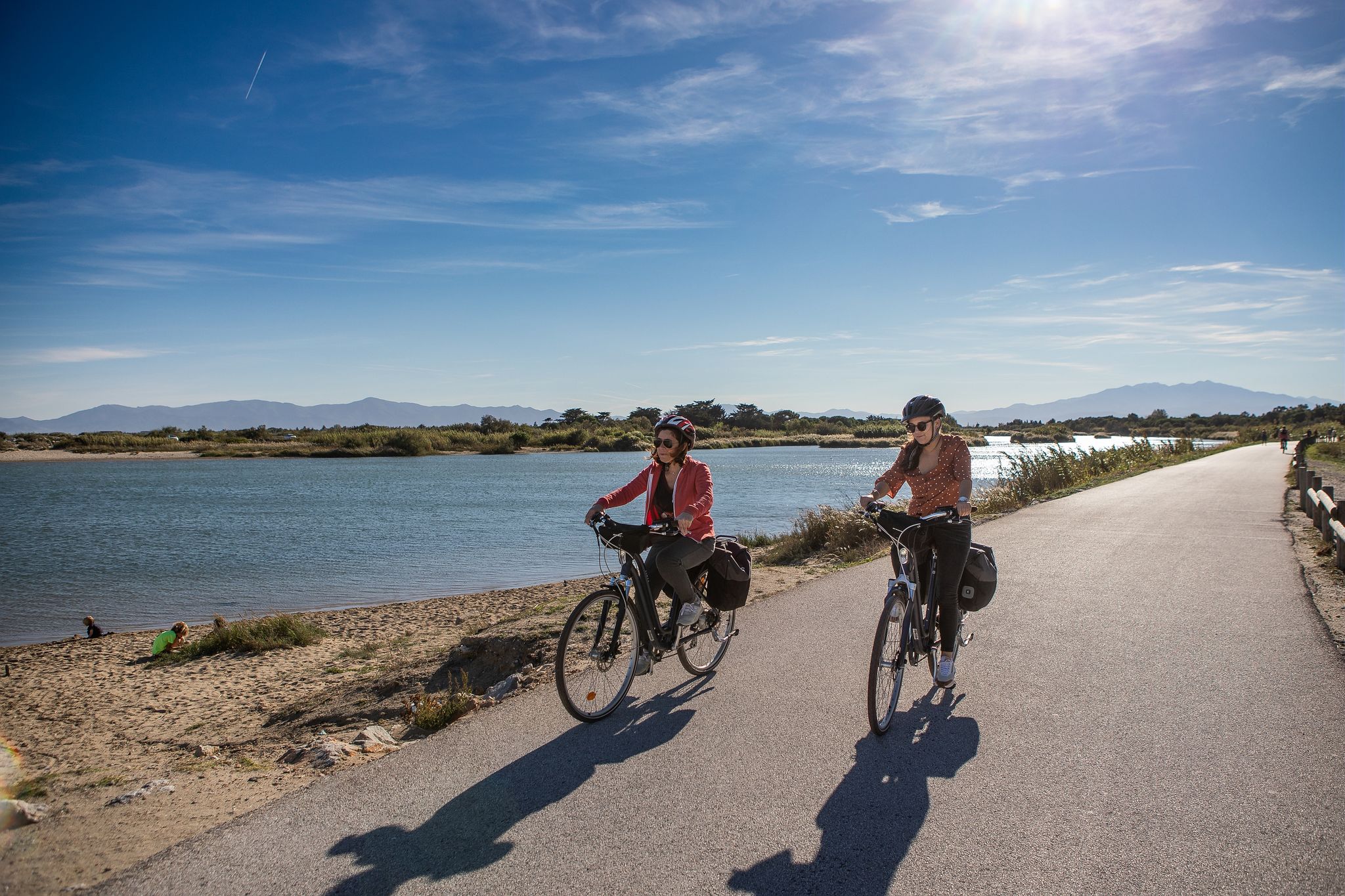
Méditerranée in Occitanie - Ten bike rides in the South of France
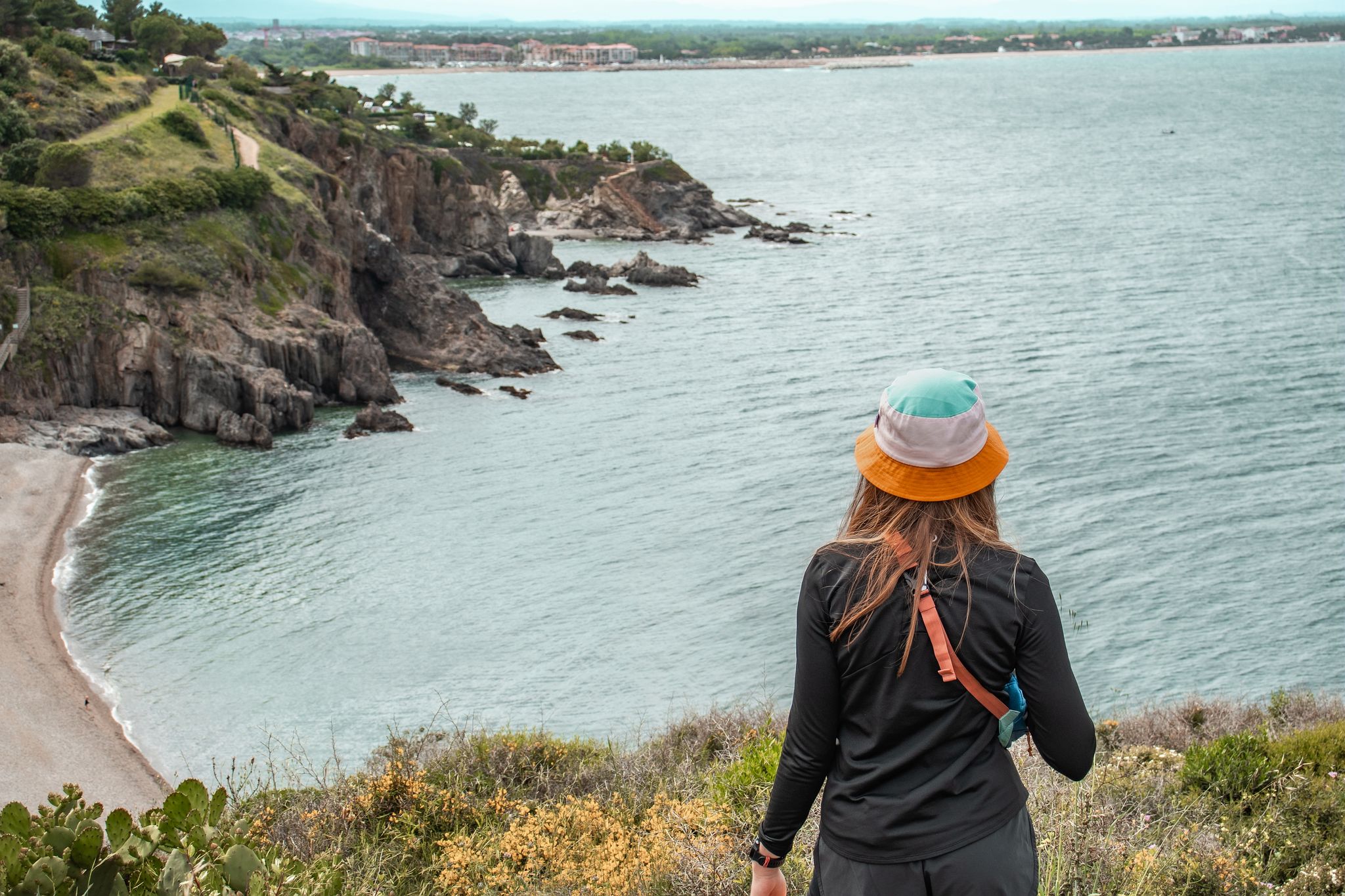
Côte Méditerranée – hiking in Occitania
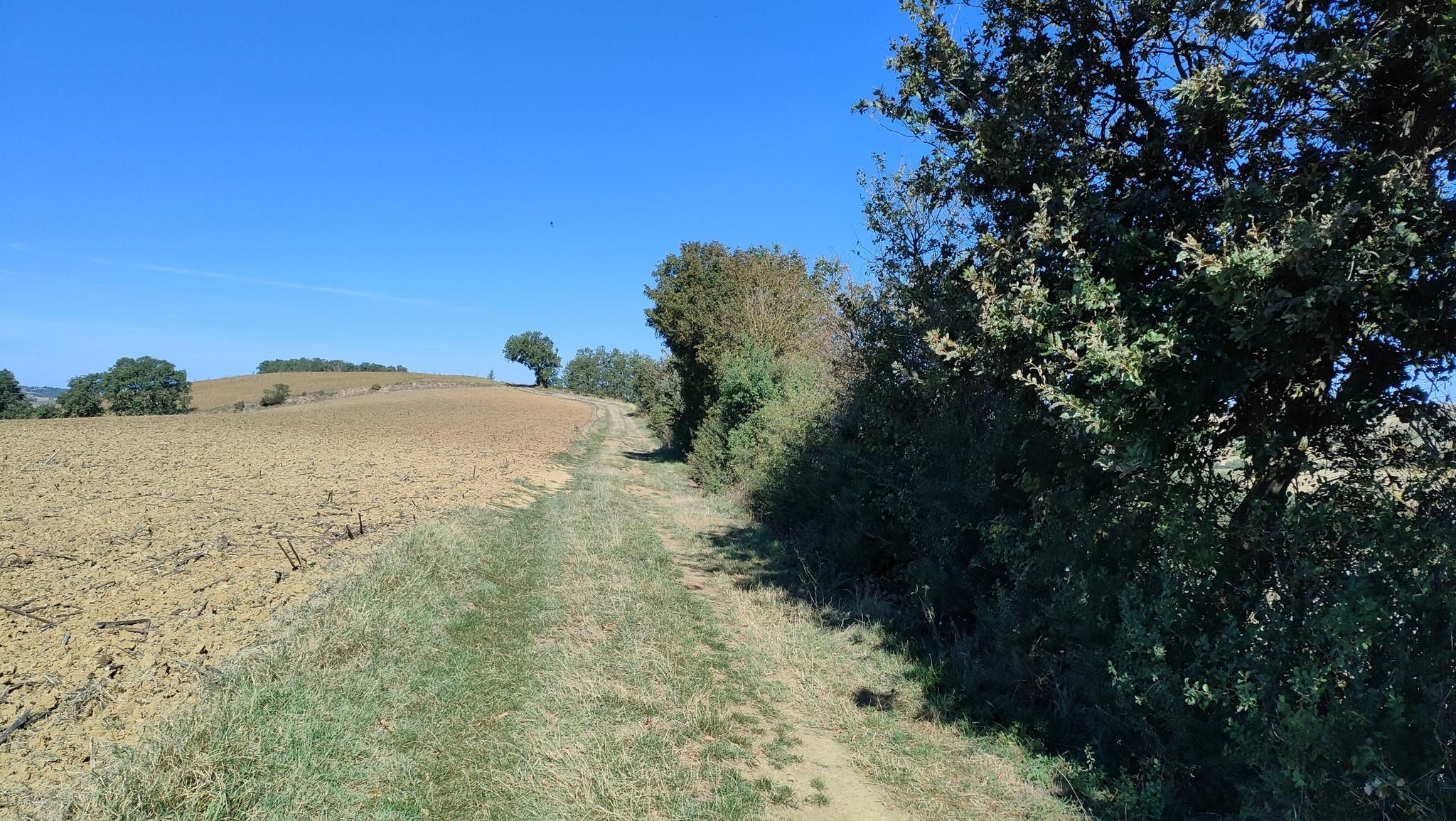
Between fields and forests — Lauragais Mountain Bike Tour
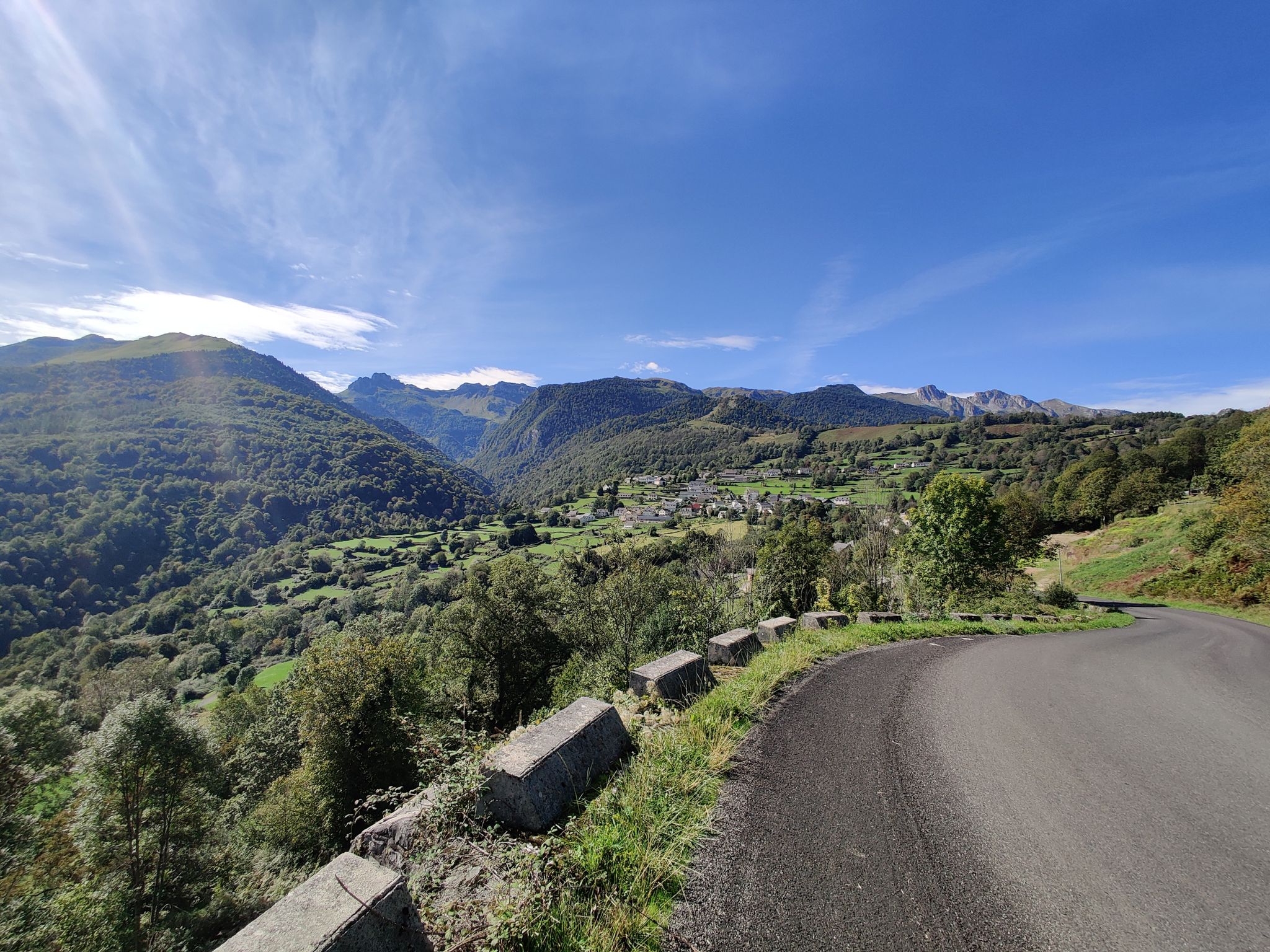
From the Atlantic to the Mediterranean – Route des Cols in the Pyrénées
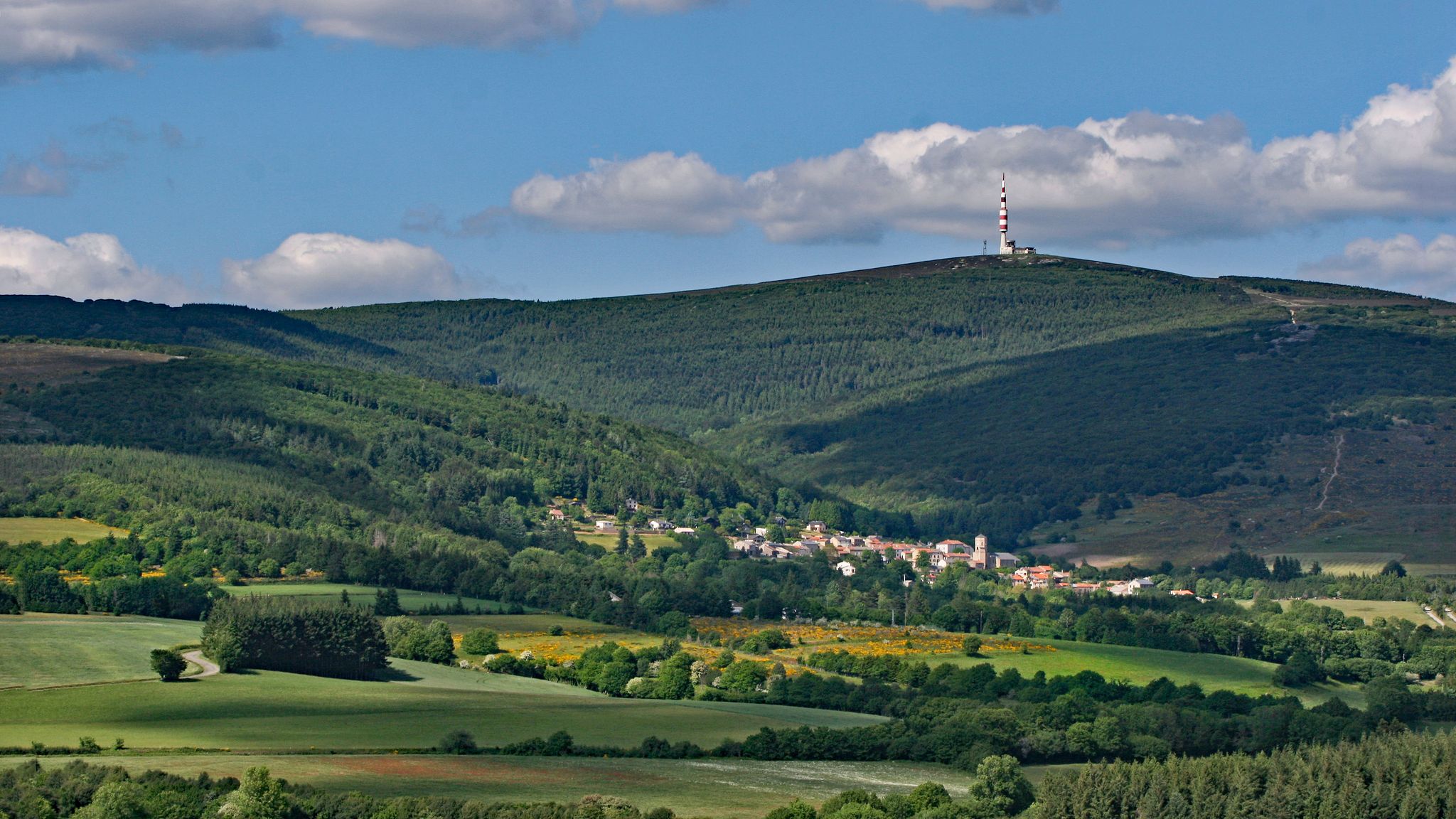
Béziers in loop - The Haut-Languedoc
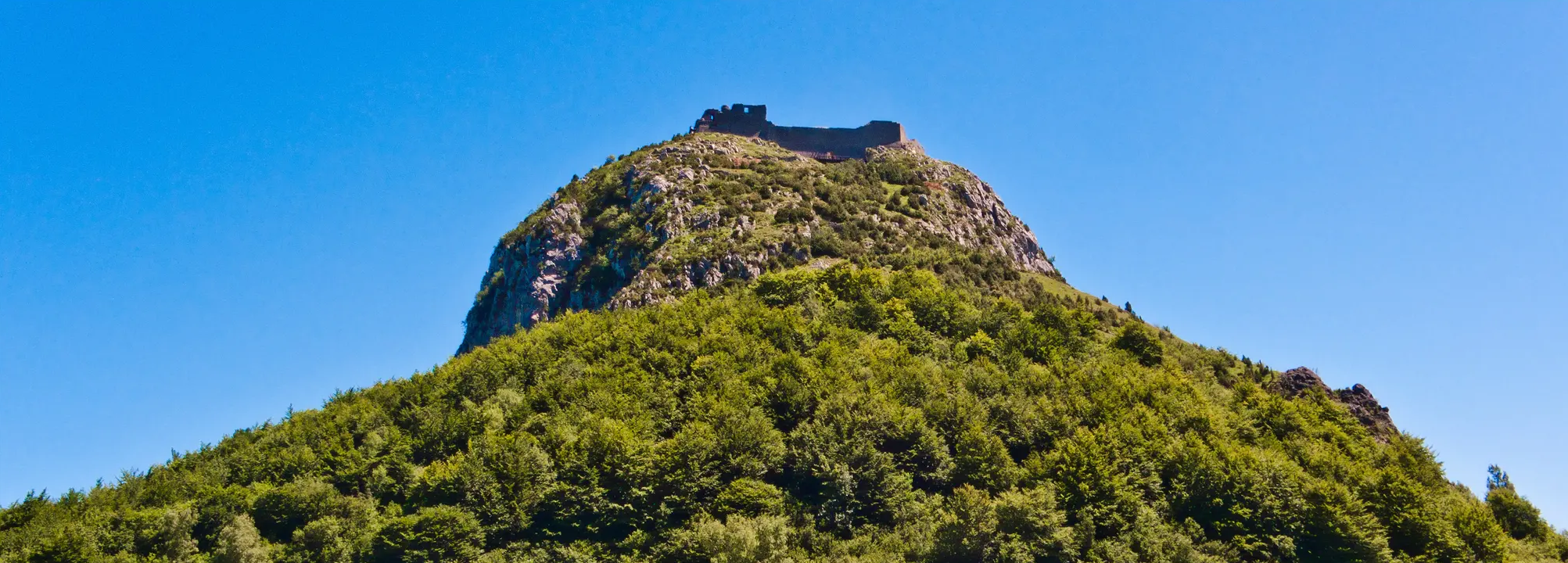
Climbs and greenways - The Great Ariège-Pyrénées Crossing by MTB


Tips from the Community

The Palace of the Archbishops of Narbonne is an imposing, castle-like complex dating from the 12th to the 18th centuries, symbolizing the power and history of the region. Today it houses the town hall as well as art and archaeology museums.
2
0

A tour is worthwhile
1
0

A must-see when you're in NARBONNE.
1
0

Interesting remains of an ancient fortification, recently completely restored
1
1

Of all the Cathar castles, a special favorite for Queribus
3
0

Magnificent castle complex. You can see as far as Château de Quéribus and further towards the sea. In summer, flowers grow from every wall and crevice in the rocks.
2
1

The ruins of this 12th century castle are among the most famous of the Cathar castles in the region. The site where it is located is remarkable.
0
0

It is an absolute must to visit the castle during the blue hour.
1
0
Frequently Asked Questions
What makes the castles in Aude unique?
The castles in Aude are particularly known as Cathar castles, offering a captivating glimpse into medieval history. They are strategically located on rocky spurs and within fortified cities, showcasing robust architecture and compelling historical narratives related to the Albigensian Crusade. Many, like Carcassonne Citadel, are UNESCO World Heritage Sites or are pursuing this status, highlighting their global significance.
Are there family-friendly castles to visit in Aude?
Yes, several castles in Aude are suitable for families. The Carcassonne Citadel is highly recommended, offering a vast medieval city to explore with ramparts and towers. Its historical context and sheer scale make it engaging for all ages. The Châteaux de Lastours also provide an intriguing visit with hiking trails suitable for adventure enthusiasts and families, and a belvedere for panoramic views.
What are the best castles in Aude for panoramic views?
For breathtaking panoramic views, Peyrepertuse Castle and Quéribus Castle are exceptional. Peyrepertuse offers 360-degree views of the Corbières Mountains and surrounding valleys, sometimes even the Mediterranean. Quéribus, perched at 729 meters, provides stunning vistas of the Corbières and Fenouillèdes landscapes. The Châteaux de Lastours also offer splendid views from their rocky ridge.
What outdoor activities can I do near the castles in Aude?
The region around Aude's castles is excellent for outdoor activities. You can find numerous hiking, jogging, and cycling routes. For example, near the castles, you can explore routes like 'Along the Verdouble Trail' or 'View of Chateau Peyrepetuse – Peyrepertuse Castle loop from Cucugnan'. For more options, check out the waterfall hikes, running trails, and cycling routes in Aude.
Which castles are significant for Cathar history?
Many castles in Aude played a crucial role in Cathar history. Carcassonne Citadel was a major Cathar stronghold. Quéribus Castle was famously the last bastion of Cathar resistance. Château de Termes is known for its four-month siege by Simon de Montfort during the Albigensian Crusade in 1210, a pivotal event in Cathar history. The Châteaux de Lastours also served as a spearhead of Cathar resistance.
What is the best time to visit the castles in Aude?
The best time to visit the castles in Aude is generally during the spring (April-June) and autumn (September-October). During these seasons, the weather is pleasant for exploring, hiking, and enjoying the panoramic views without the intense heat of summer. The landscapes are also particularly beautiful, with spring blooms or autumn colors.
Are there any less crowded or 'hidden' castles in Aude?
While castles like Carcassonne are very popular, you can find less crowded experiences at sites like Château de Termes or the Châteaux de Lastours. These offer a sense of peaceful solitude and a deeper connection to the region's history without the large crowds. Roquefère Castle is another option that might offer a more secluded experience.
How much time should I allocate to visit a castle like Quéribus?
Visiting Quéribus Castle typically requires a few hours. This includes the walk up to the castle, exploring its three rings of defensive walls, the donjon, and the unique 'Pillar Room,' plus ample time to soak in the stunning panoramic views. Its steep stairs and adventurous exploration mean you should allow at least 2-3 hours for a thorough visit.
What are the parking options at the major castles?
Most major castles in Aude, including Carcassonne Citadel, Peyrepertuse Castle, and Quéribus Castle, have designated parking areas nearby. However, during peak season, these can fill up quickly. It's advisable to arrive early, especially for popular sites like Carcassonne, where parking is available just outside the Cité walls.
Can I find restaurants or cafes near the castles?
Yes, you'll find various dining options near the castles. Carcassonne Citadel, being a fortified city, has numerous restaurants and cafes within its walls and in the surrounding town. Smaller castles might have fewer options directly adjacent, but nearby villages often offer local eateries. It's a good idea to check in advance for specific locations.
Are there any castles in Aude that are accessible for wheelchairs?
Accessibility can vary significantly among the medieval castles due to their historical architecture and often rugged, elevated locations. While the interior of many castles, especially those perched on rocky outcrops like Peyrepertuse or Quéribus, may present challenges, parts of the Carcassonne Citadel are more accessible. The outer areas and some main streets within the Cité are generally manageable, but specific internal structures like the Château Comtal may have limited access. It's best to check with individual sites for detailed accessibility information.
What natural features can I see around the castles?
The castles in Aude are set amidst diverse natural landscapes. You'll encounter the dramatic Corbières Mountains, deep ravines like those surrounding Château de Termes, and the scenic Orbiel valley near the Châteaux de Lastours. The region also features rocky spurs, dense forests, and on clear days from higher vantage points, views extending to the Mediterranean Sea. Many castles are integrated into the natural terrain, offering a blend of history and nature.
Most popular routes in Aude
Most popular attractions in Aude

Get inspired with the komoot mobile app


Explore more
Looking for the best castles somewhere else? Discover other guides in Aude:
