Attractions and Places To See in East Flanders - Top 20
Best attractions and places to see in East Flanders include a diverse range of historical cities, natural landscapes, and cultural sites. The province features significant landmarks such as medieval castles and UNESCO-recognized belfries. Its natural areas offer rolling hills, dense forests, and wetlands, providing opportunities for outdoor activities. East Flanders is also known for its cultural heritage, including museums and traditional events.
Best attractions and places to see in East Flanders
- The most popular attractions is Kluisbos Forest, a forest that offers views of both Flemish and Walloon landscapes. It is a remnant of a larger historical forest.
- Another must-see spot is Gravensteen Castle, a castle dating back to 1180. This fortified moated castle is a prominent historical site in Ghent.
- Visitors also love St. Michael's Bridge, a bridge over the Leie river. From this stone arch bridge, visitors can see the Graslei, Korenlei, and the three Ghent towers.
- East Flanders is known for its historical sites, natural reserves, and challenging cycling climbs. The region provides a variety of attractions for those interested in history, nature, and outdoor sports.
- The attractions in East Flanders are appreciated by the komoot community, with more than 790 upvotes and over 230 photos shared by visitors.
Last updated: August 30, 2026
St. Michael's Bridge
Highlight • Bridge
Translated by Google •
Tip by

Graslei and Korenlei, Ghent
Highlight • Historical Site
The Leie (French Lys, Latin Legia) is a river that runs in France and Belgium. It rises in the municipality of Lisbourg (Flemish: Liegesboort), in the French department of Pas-de-Calais, generally drained in a northeasterly direction and flows for a total of 202 kilometers in the city of Ghent, in the Belgian province of East Flanders, as the left tributary of the Scheldt.
Source: Wikipedia
de.wikipedia.org/wiki/Leie
Translated by Google •
Tip by

Sign up now to discover places like this
Get recommendations on the best single tracks, peaks, & plenty of other exciting outdoor places.
Sign up for free
Gravensteen Castle
Highlight • Castle
gravensteengent.be
Translated by Google •
Tip by

Ghent Town Hall
Highlight • Historical Site
Translated by Google •
Tip by

Kluisbos Forest
Highlight • Forest
In open spaces you can enjoy views of the Walloon landscape. It's something different from the Flemish Ardennes, in between. A welcome addition to an already particularly rich range of landscapes on your trip.
(East Flanders Tourism)
Translated by Google •
Tip by

Oude Kwaremont
Highlight (Segment) • Climb
Translated by Google •
Tip by

Koppenberg
Highlight • Climb
Translated by Google •
Tip by

Friday Market
Highlight • Historical Site
Of shop je gewoon suf in de winkels in de Serpentstraat of in de Baudelostraat. Snuister tussen de schat aan vintage lp’s en boeken. Puzzel de perfecte outfit bijeen in de vele hippe fashionstores. Hou even halt voor een verkwikkende thee. En laat je overspoelen door creatieve ideeën in de vele originele geschenkwinkels. Sommige zaakjes zijn echte juweeltjes, geloof ons. En krijg je trek? De restaurants op de Vrijdagmarkt zijn altijd vlakbij. En via de winkels in Oudburg wandel je het Patershol binnen, het culinaire hart van Gent.
De geschiedenis van de Vrijdagmarkt is een glanzende medaille met donkere keerzijde. Op het plein werden doorheen de eeuwen feesten gevierd. Vorsten plechtig ontvangen tijdens Blijde Inkomsten. En helaas ook executies uitgevoerd. Maar geen paniek, de brandstapels en guillotines zijn lang verleden tijd. De laatste openbare terechtstelling dateert van 1863. Het Toreken, dat er al stond in de 15de eeuw, is vrijwel het enige gebouw dat nog getuige was van gruwelpraktijken. De rest werd gebouwd in de negentiende eeuw. Het imposante socialistische volkshuis, dat Bond Moyson bloklettert op de gevel, werd zelfs pas begin 20ste eeuw opgetrokken.
Standbeeld Jacob van Artevelde
Jacob van Artevelde slaagde erin de boycot van de Engelse wolinvoer ongedaan te maken tijdens de 100-jarige oorlog tussen Engeland en Frankrijk in de 14de eeuw. De Gentse lakennijverheid kon herademen en van Artevelde werd een held. In 1345 werd hij tijdens een volksopstand vermoord. Sinds 1863 wijst hij op de Vrijdagmarkt richting Engeland.
Kan je maar niet genoeg krijgen van middeleeuwse verhalen? Vlakbij kan je een bezoekje brengen aan het Hof van Rijhove. Een authentieke Gentse patriciërswoning met een geschiedenis die teruggaat tot de 12de eeuw. Blijf je liever in de sfeer van het nabije verleden? Maak dan zeker de oversteek naar het Patershol. Het pittoreske Huis van Alijn over het water is echt de moeite! Dit pas vernieuwde museum – met zijn sfeervolle bijhorende volkscafeetje – is een nostalgische ontdekkingstocht voor alle zintuigen doorheen onze Vlaamse leefgewoontes en traditionele rituelen.
Bron: Visitgent
Tip by
Old Post Office
Highlight • Monument
In 1998 the building was sold by the Post Office. Then there was a shopping center on the ground floor with apartments above. Since the end of 2017, the upper floor has been furnished as a luxury hotel, while shops are located on the ground floor.
This impressive building is part of a zone formed by the Sint-Michielbrug, bordered by the Sint-Michiel house and the former postal building.
The building has been protected as a monument since 1999.
Source: Wikipedia
Translated by Google •
Tip by
Oude Kwaremont Climb
Highlight • Climb
Translated by Google •
Tip by
Sign up for free to discover even more attractions in East Flanders.
Sign up for free
Already have an account?
Start today with a free account
Your next adventure awaits.
Login or Signup
Popular around East Flanders
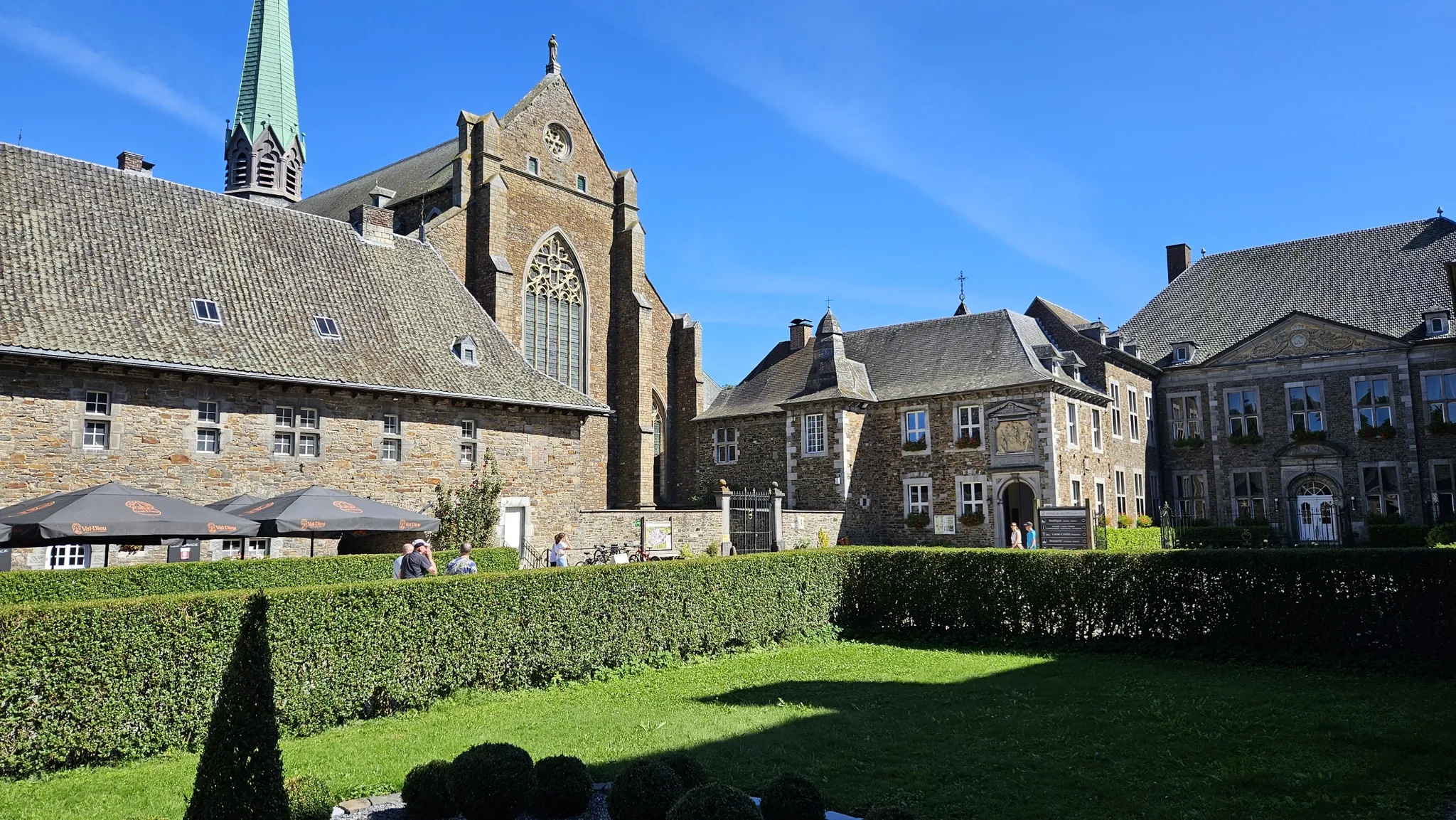
Trappist abbeys cycle route – Between beers and heritage
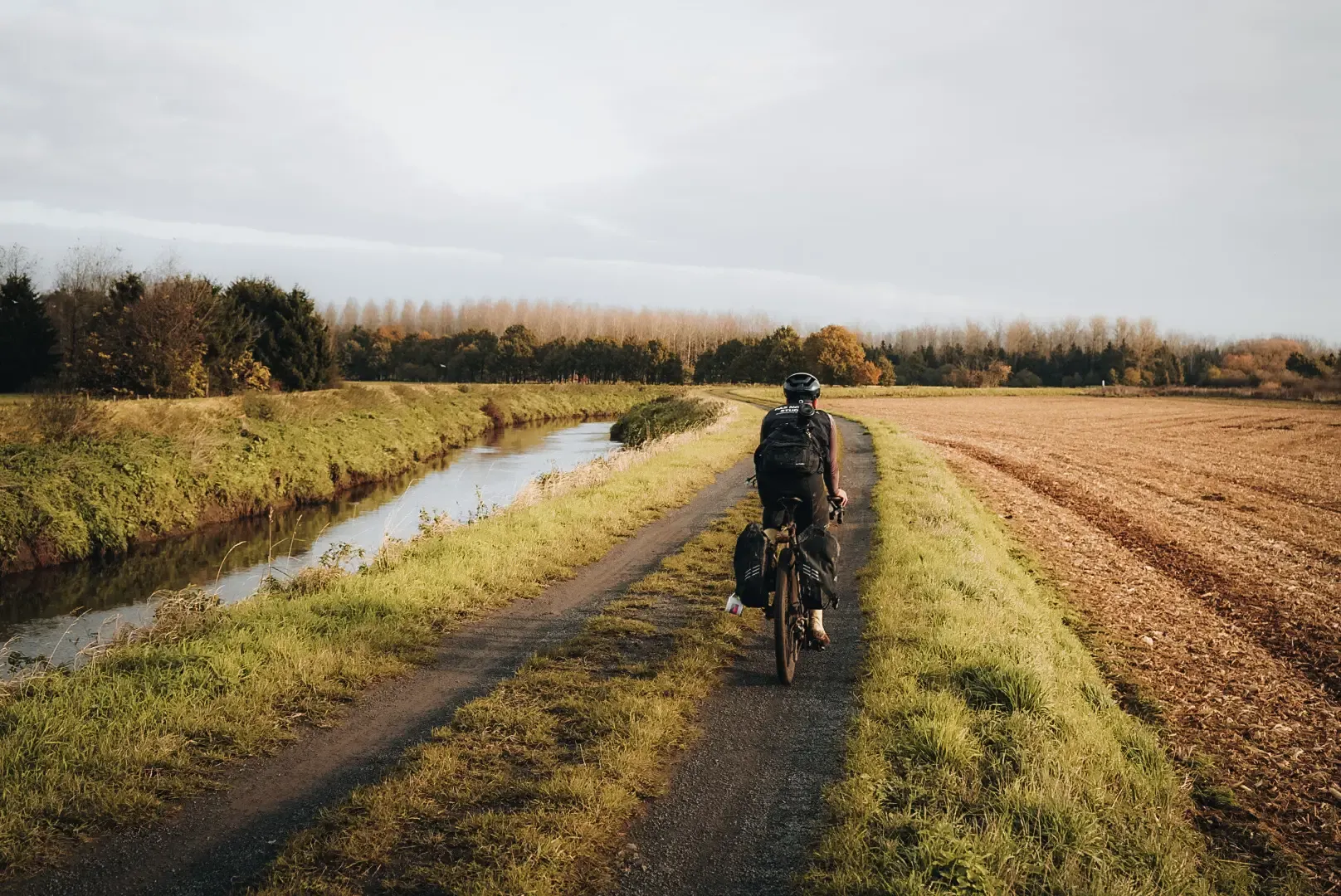
Flanders Divide - Across Flanders
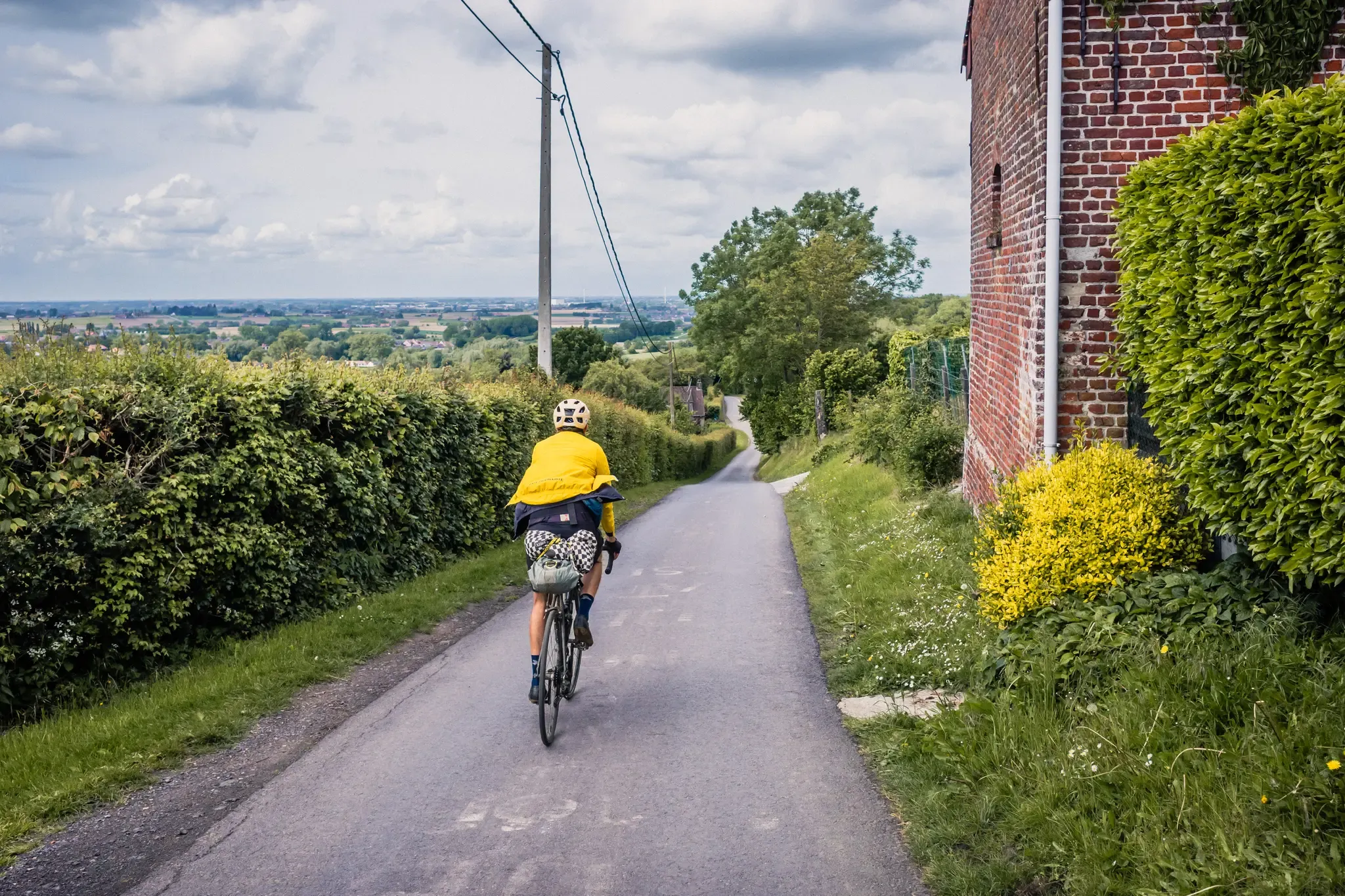
The Hilly Route from Brussels to Poperinge – bikepacking in Flanders
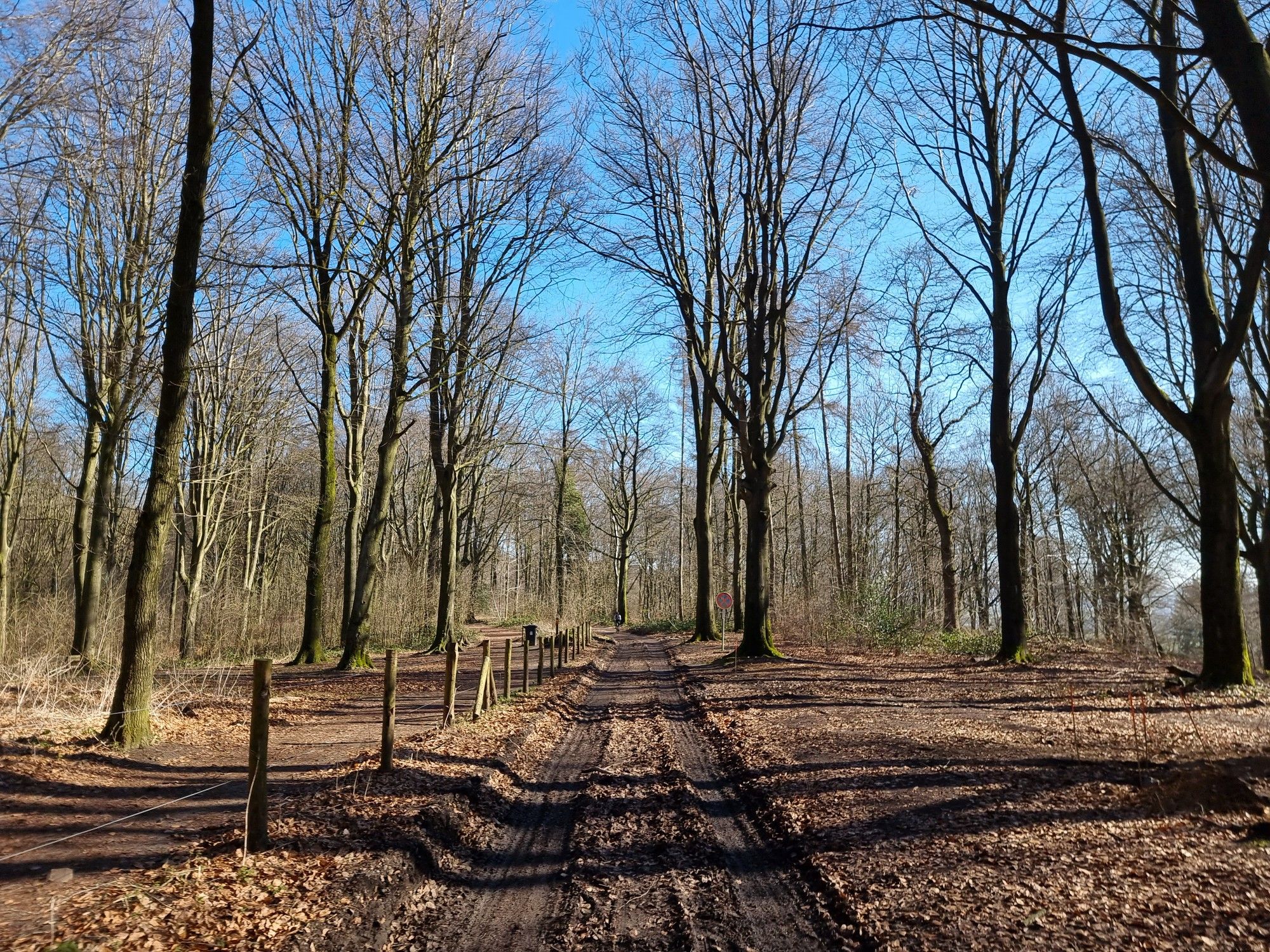
Grande Randonnée GRavel — Western Hainaut
Flanders’ Finest Hiking Routes
The six most beautiful cycling routes in East Flanders
Through the heart of Flanders on a road bike in 2 days – Spartacus Route
Seven-day Cycling tour through the South-Flemish hills – Hilly Route
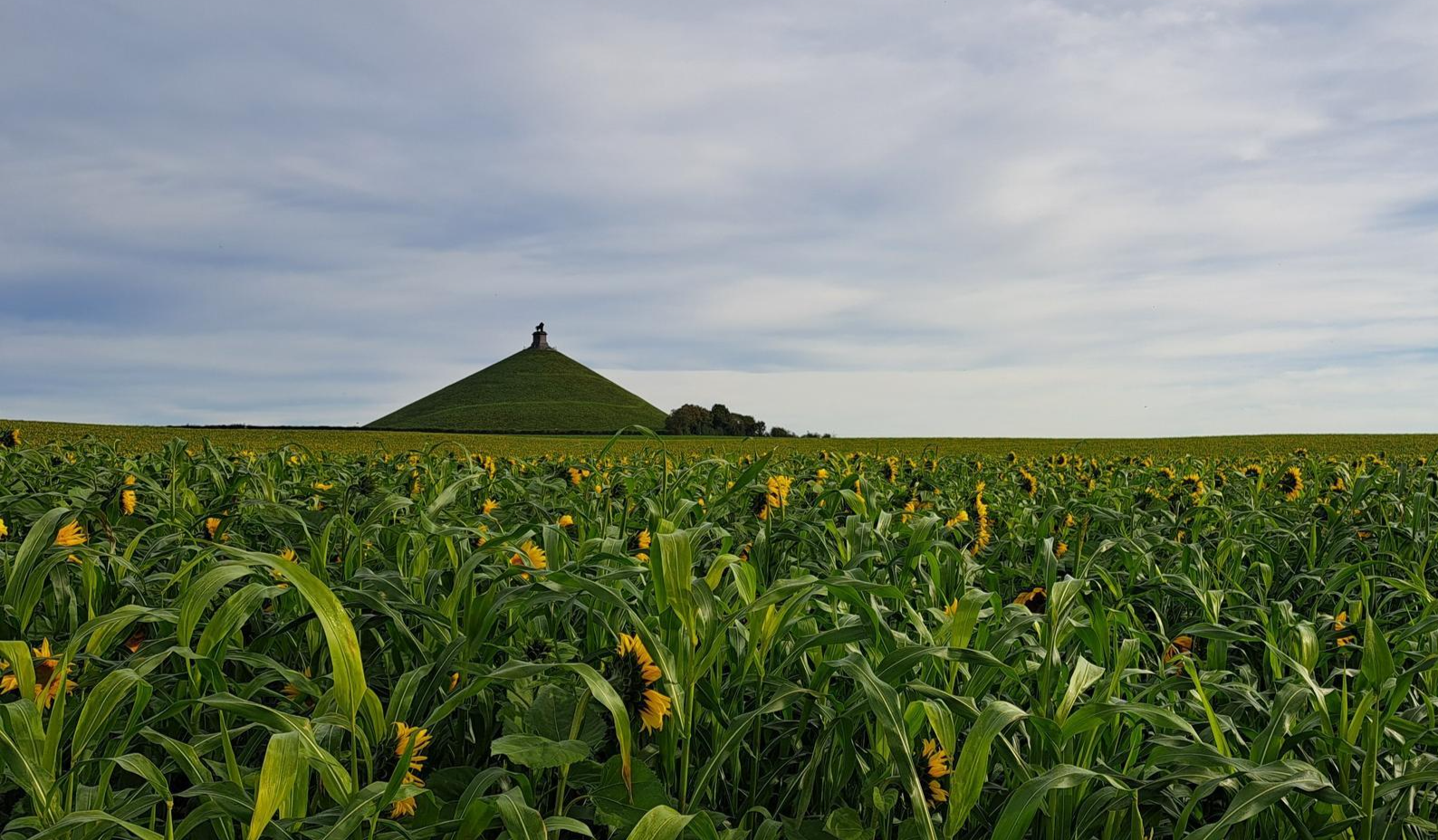
Crossing from east to west — Wallonia by Gravel
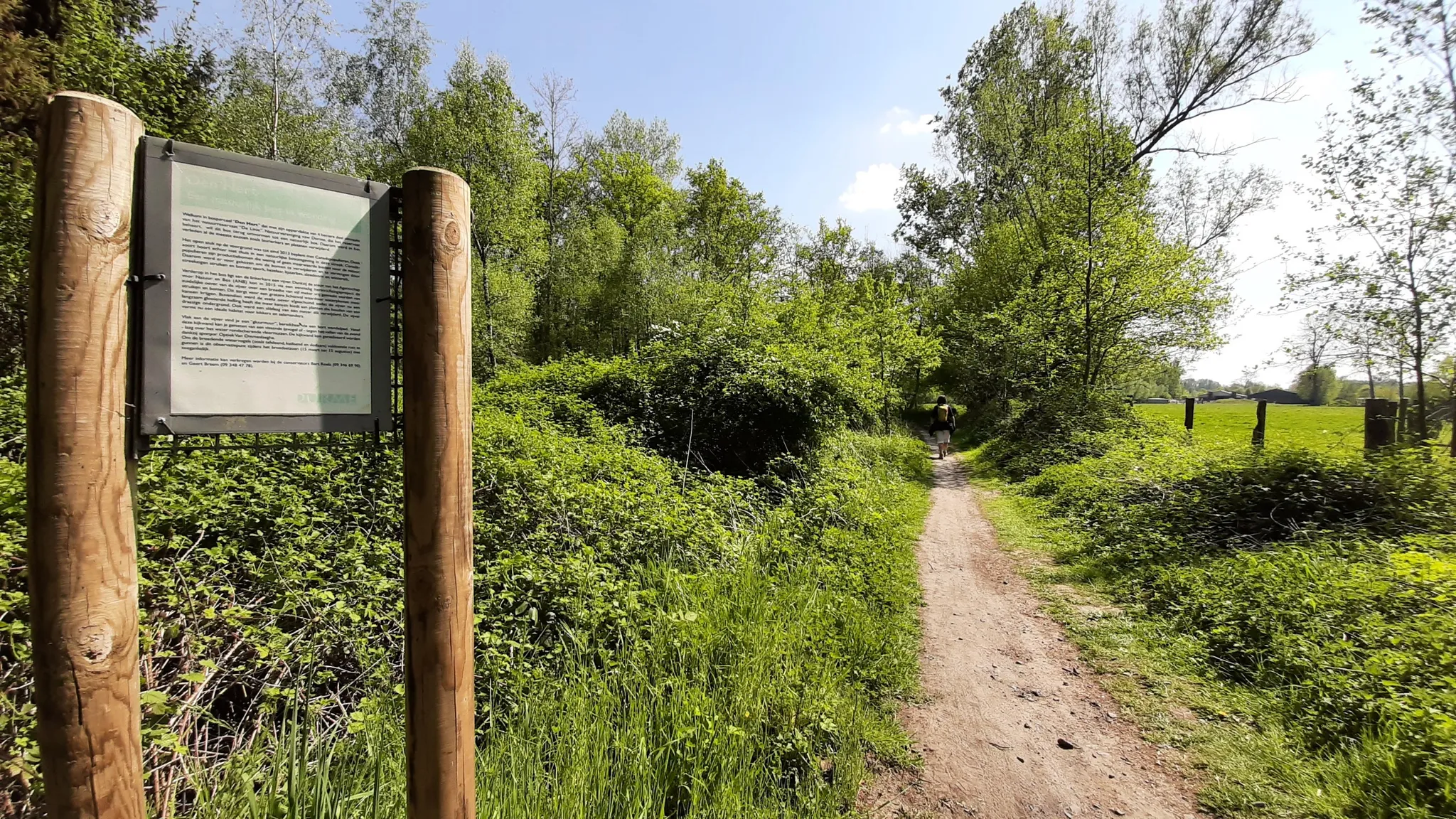
In the footsteps of den vos Reynaerde – Streek-GR Waas- en Reynaertland
Other adventures in East Flanders


Tips from the Community

The history of the 1898 The Post hotel begins at the end of the 19th century in the city of Ghent, Belgium. In 1898, the architect Louis Cloquet brought to life an imposing neo-Gothic building that was to serve as the city's new central post office. Located between the historic quays of Ghent and the Korenmarkt, this 4* houses the city's former central post office, a neo-Gothic architectural gem designed at the end of the 19th century by Louis Cloquet. Source: https://www.hotels-insolites.com/de/1898-the-post.hotel
3
0
Old Post Office (Ghent) It is richly decorated - the building of the old post office on the Korenmarkt in Ghent. Once, post coachmen used to stop here - today it is a luxury hotel and offers numerous shopping opportunities. Both continue to carry the name "Post" within them: the shopping center "De Post" and the hotel "1898 ThePost", which is furnished with elegant antique furniture and thus fits wonderfully with the magnificent building itself. Source: https://lion-tours.de/reiseservice/wissenswertes/europa/belgien/gent/
3
0

The building is constructed in an eclectic style with predominantly Neo-Gothic and Neo-Renaissance influences, following the beautiful facade of the Guildhouse of the Free Skippers on the Graslei. It has octagonal towers with spires, including the stair tower on the corner with Sterrenstraat and the entrance, also with a stair tower, on Korenmarkt. Furthermore, the 52-meter-high clock tower is striking. The racing pigeons painted on the walls still refer to the original function of the building. Despite these traditional elements, contemporary materials and techniques have been used. Hygiene was a strong focus. The glass and steel structures were hidden behind colorful natural stone. The facades are richly decorated with statues, heads, and coats of arms, more than 100 in total. The facade decoration has an international character with a depiction of Belgium at the time and its colony, the five continents, and the reigning heads of state of all countries that were then part of the Universal Postal Union.
2
0

Crowded, but still very nice and quiet, you do not feel like being in Vlaanderen.
1
1

In 1909, the former post office stood at a busy intersection of access roads to the city. Postilions and the first horse-drawn trams stopped here. The lavishly decorated building, constructed in various architectural styles, has now been transformed into the shopping center "De Post" and the luxury hotel "1898 The Post." Note the beautiful, 52-meter-high tower clock. The interior is also magnificent. The historic building has been renovated but has retained its industrial character. You can visit it for fashion, interior design, and beauty products, and for a delicious lunch, brunch, or breakfast. The 1898 The Post hotel is located on the top floor of the building. Be sure to stop by the stylish cocktail bar, The Cobbler, for a drink with a view of the Sint-Michielsbrug and the Graslei.
2
0
The St. Michael's Bridge is a stone arch bridge in the center of the Belgian city of Ghent. The bridge spans the Leie River, on the south side of the Graslei and Korenlei. The current monumental bridge was built between 1905 and 1909, after the construction of the post office. Both the St. Michael's Bridge and the Old Post Office were designed by architect Louis Cloquet. Previously, there was a flat swing bridge. The bridge is part of Sint-Michielshelling Street. From the bridge, one has a view to the north of the Graslei and Korenlei, and in the distance, the Gravensteen Castle. To the east, the bridge offers a characteristic view of Ghent's three towers: St. Nicholas' Church, the Ghent Belfry, and St. Bavo's Cathedral. St. Michael's Church stands on the southwest side. The bridge was designated a protected monument in 1983.
3
0

The richly decorated building, a blend of architectural styles, has been transformed into the "De Post" shopping center and the "1898 The Post" luxury hotel. Be sure to admire the 52-meter-high clock tower. The interior of the building is equally stunning. The historic structure has been renovated but retains its industrial character. Here you'll find fashion, interior design, and beauty products, and can enjoy a delicious lunch, brunch, or a delightful breakfast. The 1898 The Post Hotel is located on the top floor. A visit to the stylish cocktail bar, The Cobbler, is also highly recommended, where you can enjoy a drink with a view of St. Michael's Bridge and Graslei.
2
0

The forest is right on our language border. Don't be a stranger to our non-Dutch speaking compatriots: feel free to cross this imaginary line during your walk. Peeping at your neighbours won't kill you! What's more: it will make you a more complete person. In open spaces you can enjoy views of the Walloon landscape. It's something different from the Flemish Ardennes, in between. A welcome addition to an already particularly rich range of landscapes on your trip. (East Flanders Tourism)
15
0
Frequently Asked Questions
What historical landmarks can I visit in East Flanders?
East Flanders is rich in history. You can explore the medieval Gravensteen Castle in Ghent, dating back to 1180. Other significant historical sites include the UNESCO-recognized Belfry of Ghent, the Gothic Ghent Town Hall, and the impressive Saint Bavo's Cathedral, home to the Ghent Altarpiece. Beyond Ghent, the 16th-century Ooidonk Castle in Deinze and the historic Gasthuys campus in Aalst offer further insights into the region's past.
Where can I find natural beauty and outdoor spaces in East Flanders?
The region offers diverse natural settings. The Kluisbos Forest provides views of both Flemish and Walloon landscapes. The Flemish Ardennes, with its rolling hills and dense forests, is ideal for hiking and cycling. Near Ghent, the Bourgoyen-Ossemeersen Provincial Park is a haven for birdwatchers. You can also enjoy recreational walks around lakes like Nieuwdonk and Donkmeer, or along the picturesque Leie River.
Are there family-friendly attractions in East Flanders?
Yes, many attractions in East Flanders are suitable for families. Ghent offers sights like St. Michael's Bridge and the Graslei and Korenlei, which are great for strolls and photos. Gravensteen Castle often has family-oriented activities. For outdoor fun, the Blaarmeersen near Ghent features a swimming lake, sandy beach, and mini-golf. Many nature reserves also offer accessible paths for family walks.
What cycling opportunities are available in East Flanders?
East Flanders is a paradise for cyclists, offering numerous routes through varied landscapes. The Flemish Ardennes is famous for challenging cobblestone climbs like the Oude Kwaremont, Koppenberg, and Paterberg Climb, integral to the Tour of Flanders race. Areas like Scheldeland, Meetjesland, and Waasland also provide popular cycling routes for all levels. You can find more cycling routes in the region on the Cycling in East Flanders guide.
Where can I find scenic viewpoints in East Flanders?
For stunning views, head to St. Michael's Bridge in Ghent, which offers panoramic vistas of the Graslei, Korenlei, and the city's three iconic towers. The Belfry of Ghent also provides extensive views of the city. In the Flemish Ardennes, the rolling hills and forests offer numerous elevated spots for picturesque landscapes, particularly in areas like the Kluisbos Forest.
Are there any accessible paths for wheelchairs in East Flanders?
While specific accessibility details vary, some areas in East Flanders offer more accessible options. The Graslei and Korenlei in Ghent are generally flat and suitable for wheelchairs, offering beautiful riverside views. Many city centers and parks are working towards better accessibility. It's always recommended to check specific venue information for detailed accessibility features.
What kind of hiking trails are available in East Flanders?
East Flanders offers a variety of hiking trails, from easy strolls to more challenging routes. The Flemish Ardennes provides trails through rolling hills and dense forests. Nature reserves like Bourgoyen-Ossemeersen Provincial Park are excellent for walks amidst wetlands. For more options, explore the Easy hikes in East Flanders guide or the Running Trails in East Flanders guide for routes like 'Exploring in the Kluisbos' or 'Loop in the Bourgoyen'.
What cultural events or unique experiences can I find in East Flanders?
East Flanders hosts vibrant cultural events. Aalst is famous for its annual Carnival, a UNESCO-recognized event. Ghent is a cultural hub with its medieval architecture, modern galleries, and the unique Graffiti Alley. The Lokerse Feesten music festival in Lokeren is another significant event. For a unique experience, consider visiting the Huyghe Brewery in Melle, known for its Delirium Tremens beer, or exploring the region's strong ties to the medieval tale of Reynard the Fox.
What do visitors enjoy most about East Flanders?
Visitors frequently praise the blend of historical charm and natural beauty. The medieval architecture of Ghent, particularly the views from St. Michael's Bridge, is a highlight. The challenging cycling routes in the Flemish Ardennes are popular among sports enthusiasts. Many also appreciate the serene nature reserves and forests like Kluisbos Forest for their tranquility and scenic walks.
Are there any specific attractions related to the Tour of Flanders cycling race?
Yes, East Flanders is central to the Tour of Flanders. You can experience the iconic cobblestone climbs like the Oude Kwaremont, Koppenberg, and Paterberg Climb, which are part of the race route. In Oudenaarde, the Tour of Flanders experience center provides insights into the race's history and offers advice for cycling tours in the region.
When is the best time to visit East Flanders?
East Flanders can be enjoyed year-round, but the best time depends on your interests. Spring (April-May) is ideal for cycling and hiking, especially when bluebells bloom in forests like Muziekbos. Summer (June-August) is perfect for enjoying outdoor activities, canal tours in Ghent, and festivals. Autumn (September-October) offers beautiful foliage for walks. Winter brings a festive atmosphere to cities like Ghent with its illuminated medieval marvels.
Most popular routes in East Flanders
Most popular attractions in East Flanders

Get inspired with the komoot mobile app


Didn’t find what you were looking for?
Are you keen on exploring more awesome places nearby? Browse our guides:
Explore more
Still not found the Highlight you’re looking for? See guides of the top attractions in other regions:
