Top 20 Caves in Liège
Caves in Liège offer a diverse range of underground experiences within the Wallonia region of Belgium. The province is characterized by its limestone geology, which has led to the formation of numerous natural caves and historical underground quarries. These sites often feature impressive geological formations, underground rivers, and serve as important habitats for wildlife. The Ourthe Valley, in particular, is known for its cave systems, providing insights into the region's natural history and ecological significance.
Best caves in Liège
- The…
Last updated: August 23, 2026
Mine entrance and Geul sinkhole — Plombières Nature Reserve
Highlight • Cave
Translated by Google •
Tip by

Thier des Vignes Flint Caves
Highlight • Cave
Source: mini-ardenne.be/poi.card.php?id=6036&language=fr
Translated by Google •
Tip by

Sign up now to discover places like this
Get recommendations on the best single tracks, peaks, & plenty of other exciting outdoor places.
Sign up for free
Oskar Tunnel (Oskarstollen)
Highlight • Historical Site
Translated by Google •
Tip by

Thier de Lanaye Underground Quarries
Highlight • Cave
Source: oupeyeinfo.be/Page032.html
Translated by Google •
Tip by
Grube Auberg Bat Cave Entrance
Highlight • Cave
Translated by Google •
Tip by

Castle cave
Highlight • Cave
Translated by Google •
Tip by

Chawresse Trail
Highlight • Trail
Translated by Google •
Tip by

Heyoule Nature Reserve
Highlight • Natural
Translated by Google •
Tip by
Sentier des Meuniers in Réserve Naturelle Heyoule
Highlight (Segment) • Trail
Translated by Google •
Tip by
Trou Manto
Highlight • Cave
Translated by Google •
Tip by

Sign up for free to discover even more caves in Liège.
Sign up for free
Already have an account?
Start today with a free account
Your next adventure awaits.
Login or Signup
Popular around Liège
From Flanders to the Ardennes — GR 5 in Belgium
EuroVelo 3 — The adventure in the heart of Belgium
Trappist abbeys cycle route – Between beers and heritage
Aachen to Reims – Ardennes, Meuse and Champagne
Running an ultra in Belgium – long trails in a small country
The most beautiful bike rides in Wallonia – pure nature and culture
RAVeL W7 — On the road of the Ardennes

Hardennes Gravel Tour by Resist & Ride - 700 kilometers of unpaved adventure
Crossing from east to west — Wallonia by Gravel
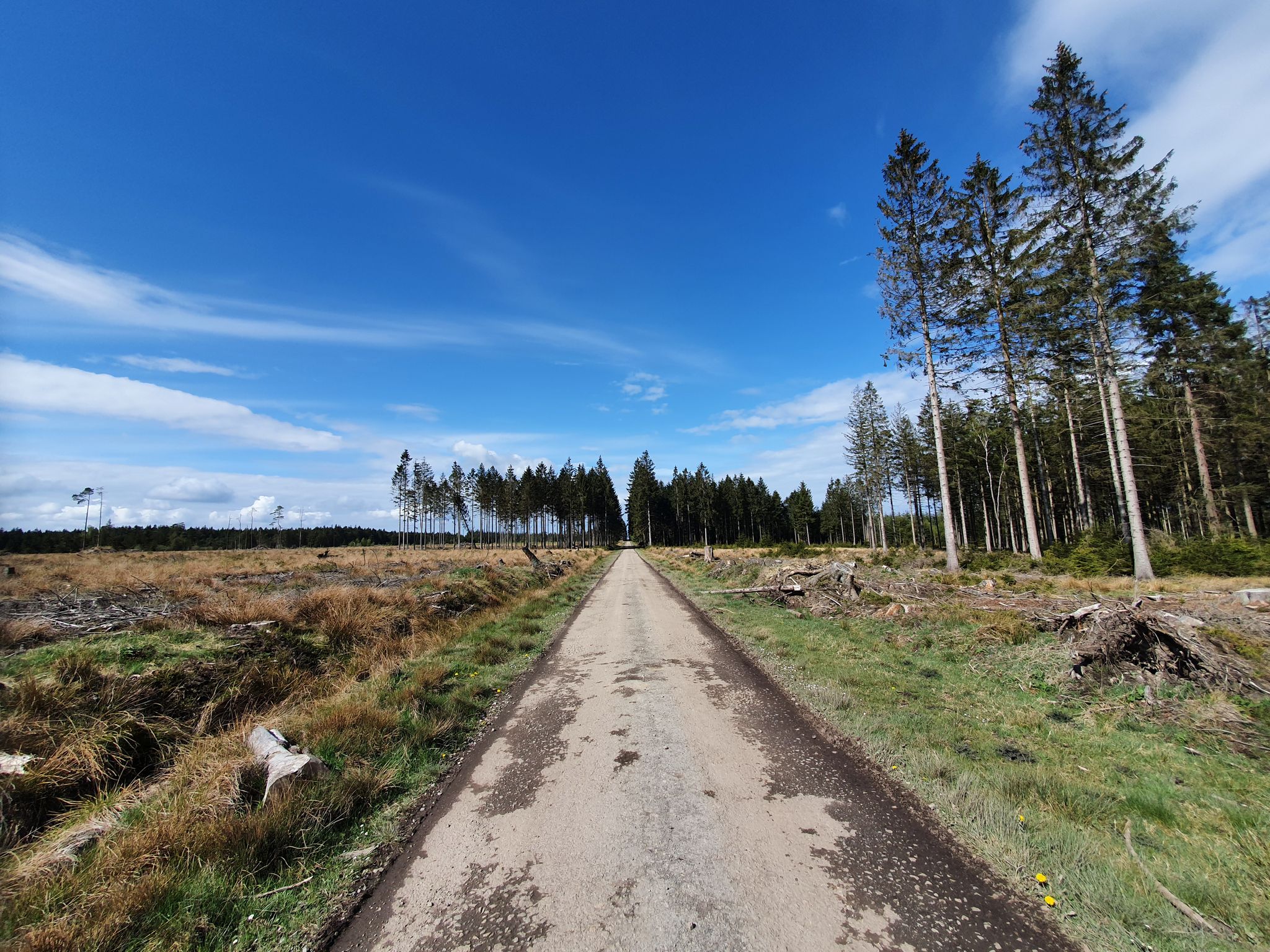
GR 2 from Verviers to Orval — The beautiful Ardennes in gravel
Other adventures in Liège


Tips from the Community

The first descriptions of this Trou Manto date back to 1833. The name refers to the prophetess Manto, daughter of Tiresias of Thebes, who was brought to Delphi after her birthplace was conquered by the Epigoni. From there she traveled to Asia Minor, where she married the Cretan Rhacius, with whom she had Mopsus, and founded a temple of Apollo in Claros. According to legend, she spent her last days in Italy. What the link between this cave and the legend from Greek antiquity is, is unclear. It is a fossil cave. In 1964, a narrow passage was made to the adjacent 'Grotte Sint-Etienne'. This junction is called the "birth" by speleologists. It is, along with the 10m deep shaft, the most difficult segment of the cave. The cave is not accessible to the public and has never been developed for tourism. Only with a membership card of the Belgian Speleological Union and a key can you access the limestone passages. To protect the site, it was decided to close the entrances with massive doors equipped with padlocks. However, as bats had been regularly present during their hibernation since 1970, the entrances to the two caves were only screened in 1990 to facilitate their entry and exit. Observations of these small mammals by NATAGORA led to the identification of several regionally endangered species, such as the lesser horseshoe bat and the Bechstein's bat. Vincent Poitier, a pioneer of the 4th Baden Powell unit of the Collegiate Church of Huy, organized several visits to the cave system together with scout leader Jean-Louis Cuvelier. Some entered through the Trou-Manto cave, while others, the more adventurous, went directly through the Trou St-Etienne cave. source: wikihuy.be
2
0

The Castle Cave is a unique place where history, architecture, and nature converge. Often located near or beneath a castle, such as in South Limburg or other historic regions, a castle cave served various purposes: from storing wine or provisions to sheltering or serving as a decorative garden feature within the castle grounds' landscaping. The cave is usually situated in a wooded area or on a slope, where natural rock formations and limestone structures create an impressive backdrop. Winding paths, hills, and viewpoints often surround the cave, making it a haven for hikers and a haven of discovery.
0
0

Located in the Solières valley near Huy, the Trou Manto cave is a limestone cave with a complex network of tunnels. Access is via a steep path supported by a rope. The cave has three levels with magnificent stalactites, a sloping floor with collapses, and twelve large columns supporting the vaults. The entire structure is an impressive karst phenomenon, approximately 600 meters long and 48 meters deep. The cave is protected and fenced off due to vandalism and to protect bats; visits are only possible with a guide or a caving association. The cave is known for its diverse hydrological phenomena and the legend of the Nutons, gnome-like helper beings from folklore. This combination of nature, history, and mythology makes Trou Manto a special place.
5
0
A collection of four caves, two of which are closed off as bat roosts. A steep climb or descent over a rocky path is definitely worth it.
4
0
There are old flint quarries in this area: the “Carrières de silex du Thier des Vignes”.
1
0
The trail leads through sunny chalk grasslands and old sunken roads on Montagne Saint-Pierre, where millers once worked. Along the path, you'll discover rare plants, butterflies, and beautiful views of the Jeker Valley.
1
0
It's a small but valuable reserve consisting of calcareous grasslands, scrub, and former quarry and slope areas. Thanks to the calcareous soil, rare plants such as orchids and thyme thrive here, and butterflies and insects abound. It's a quiet, sunny spot where nature has slowly reclaimed the old quarry slopes.
1
0
A mysterious flint cave on the edge of the Albert Canal, near the locks at Klein Ternaaien. You reach the entrance via a steep path through the woods. The caves are dark, cool, and full of atmosphere—perfect for those who love hidden natural spaces. Bring a flashlight and good walking shoes!
2
0
Frequently Asked Questions
What kind of geological formations can I expect to see in the caves of Liège?
The caves in the Liège province, carved into limestone, feature impressive geological formations such as stalagmites and stalactites. For example, the Grottes de Remouchamps boast formations like 'The Cathedral' and 'The Great Drapery', while the Grotte de Comblain showcases unique crystalline structures and specific formations like 'the waterfall room' and 'the dinosaur head'.
Are there caves in the Liège region known for wildlife, especially bats?
Yes, several caves and underground sites in the Liège region are significant bat habitats. The Thier de Lanaye Underground Quarries, for instance, have become a crucial wintering center for thousands of bats. Similarly, the Oskar Tunnel (Oskarstollen), a former mining tunnel, now serves as a bat habitat. The Grotte de Comblain is also recognized for its unique ecosystem and serves as an important hibernation site for various bat species.
Do any caves in Liège have historical significance or were used for other purposes?
Absolutely. The Grottes de Remouchamps were inhabited by Paleolithic hunters 8,000 years ago and later used as a wine storage room and a shelter during World War II. The Mine entrance and Geul sinkhole — Plombières Nature Reserve is part of an industrial site where zinc and lead ores were mined. The Thier des Vignes Flint Caves are very old flint quarries, and chalk was also mined there.
Are there family-friendly caves to visit in the Liège region?
Many caves in the region offer engaging experiences for families. The Grotte de Comblain provides an educational experience with passionate guides explaining geological processes. The Grottes de Remouchamps offer a combination of walking and an underground boat ride, which can be exciting for children. While not directly in Liège, the nearby Grottes de Han-sur-Lesse, accessible by a historic tram and featuring a wildlife park, is also a popular family destination.
When is the best time to visit caves in Liège?
Caves generally maintain a constant cool temperature year-round, making them suitable for visits in any season. However, some sites, like the Thier de Lanaye Underground Quarries, are significant wintering centers for bats, and access might be restricted or guided tours focused on conservation during certain periods. It's always best to check the specific opening hours and conditions with the individual cave attractions before planning your visit.
What unique features can I find in the caves of Liège?
The Grottes de Remouchamps are unique in Belgium for having the country's only navigable underground river, the Rubicon, offering the longest underground boat journey in Europe. The Grotte de Comblain stands out for its unique ecosystem and role as a crucial bat hibernation site. The nearby Grottes de Han-sur-Lesse are known for their vastness, impressive sound and light shows, and access via a historic tram.
What outdoor activities can I combine with a cave visit in Liège?
The Liège region offers diverse outdoor activities. You can explore road cycling routes like the 'Amblève loop via the Coo waterfall' or 'Spa Loop' from the Road Cycling Routes in Liège guide. For gravel biking, consider routes in the 'Parc naturel des Sources' or 'High Fens' from the Gravel biking in Liège guide. Mountain biking enthusiasts can find trails like 'New Wolfsbusch round' or 'The three-country route' in the MTB Trails in Liège guide.
Are there any lesser-known or 'hidden' caves in the Liège area?
While some caves are well-known tourist attractions, others offer a more secluded experience. The Chawresse Trail, for example, winds along a stream and features interesting rocks and caves, though some parts of the stream disappear underground into cavities. The Grube Auberg Bat Cave Entrance and Trou Manto are other natural cave highlights in the region.
What do visitors particularly enjoy about the caves in Liège?
Visitors appreciate the diverse experiences offered by Liège's caves. Many enjoy the unique natural beauty, such as the impressive formations and underground rivers. The historical significance of sites like former mines and quarries also captivates visitors. The ecological importance, especially for bat conservation, is another highlight, providing an educational aspect to the visits. The combination of walking and boat tours, as seen in Remouchamps, is also highly valued.
Are there any caves in Liège that are part of a nature reserve?
Yes, several caves and underground sites are located within or are part of nature reserves. The Mine entrance and Geul sinkhole — Plombières Nature Reserve is a cave opening within a nature reserve known for its unique flora and fauna. The Thier des Vignes Flint Caves are protected within a Natagora site. Additionally, the Heyoule Nature Reserve also contains cave features.
Can I find information about the geology of the Liège caves?
The Liège province is characterized by its limestone geology, which has led to the formation of numerous natural caves. The Grotte de Comblain, for instance, offers guided tours that explain how limestone, stalagmites, and stalactites are created over millions of years. The Montagne Saint-Pierre, where the Thier de Lanaye Underground Quarries are located, has a limestone subsoil formed during the Cretaceous period, rich in fossils.
Are there caves that are former quarries or mining tunnels in the Liège region?
Yes, the region has a history of mining and quarrying, leading to several accessible underground sites. The Thier de Lanaye Underground Quarries are an impressive network of galleries formed by centuries of marl exploitation. The Oskar Tunnel (Oskarstollen) is a 500-meter long historical mining tunnel once used for ore transport. The Thier des Vignes Flint Caves are also old flint quarries.
Most popular routes in Liège
Most popular attractions in Liège

Get inspired with the komoot mobile app


Didn’t find what you were looking for?
Discover more caves in Liège region by region:
Explore more
Extend your search for the best caves by checking out these guides of the top ones in Liège:
