Attractions and Places To See around Mauna Loa - Top 20
Best attractions and places to see around Mauna Loa are primarily located within Hawaii Volcanoes National Park on the Big Island of Hawaii. As Earth's largest active volcano, its vast slopes, shaped by fluid lava flows, present a range of natural wonders and historical landmarks. The region holds cultural significance to Native Hawaiians, who revere it as a sacred mountain. Visitors can explore diverse volcanic landscapes and sites reflecting Hawaiian history and natural processes.
Best attractions and places to see around Mauna Loa
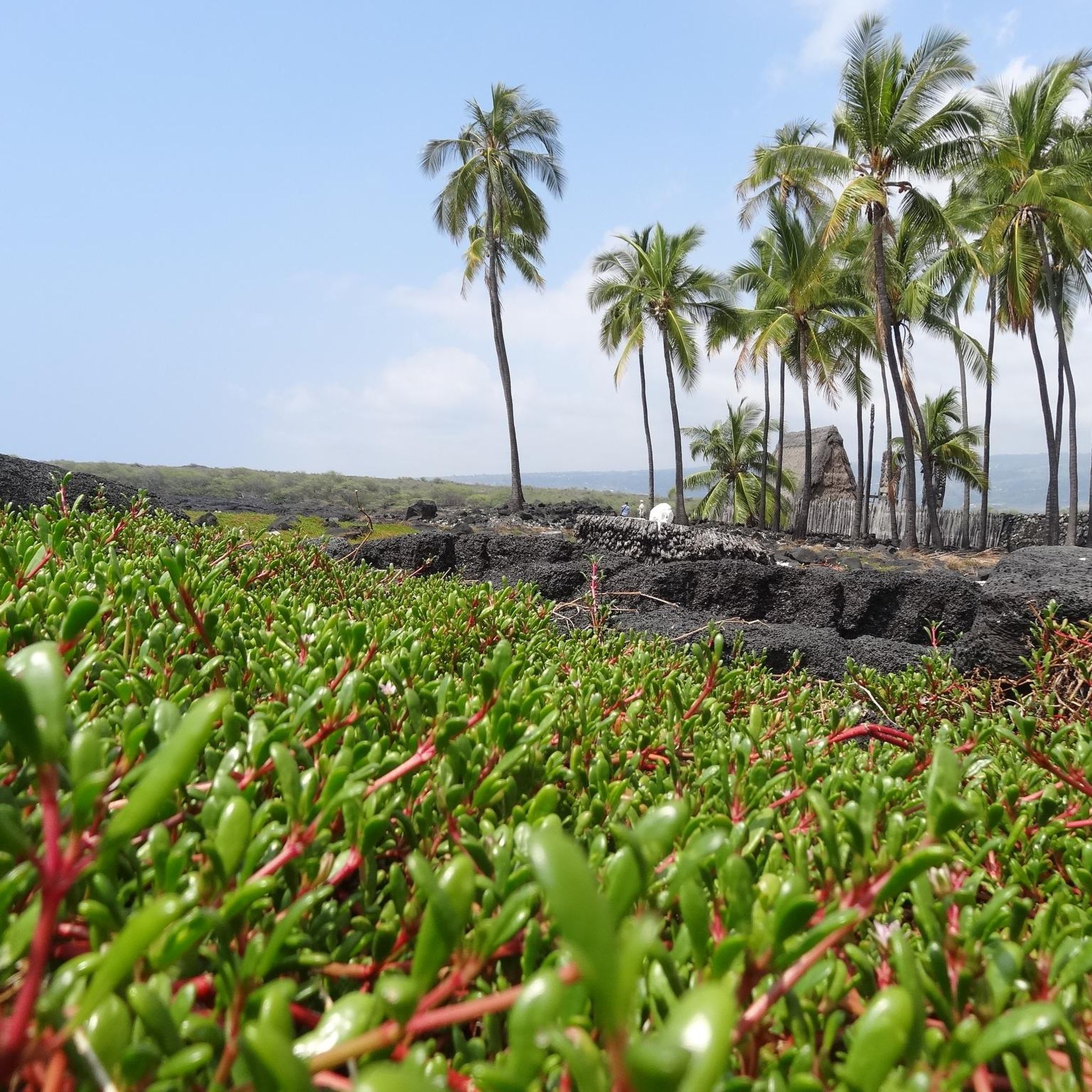
- The most popular attractions is Puʻuhonua o Hōnaunau National Historical Park, a historical site that is a temple complex and a place to learn about Hawaiian culture. It served as a place of refuge, offering absolution to those who reached its boundaries.
- Another must-see spot is Punaluʻu Black Sand Beach, a beach known for its black sand. Sea turtles can often be observed on the black lava beach.
- Visitors also love Kauila and the Sea Turtles of Punalu'u Monument, a man-made monument located on the black sand beach. It commemorates Kauila, a mystical turtle from Hawaiian mythology believed to guard children and provide fresh water.
- Mauna Loa is known for its historical sites, natural monuments, and diverse beaches. The area offers a variety of attractions to see and explore, from cultural landmarks to unique geological formations.
- The attractions around Mauna Loa are appreciated by the komoot community, with more than 10 upvotes and over 25 photos shared across 21 highlights.
Last updated: July 12, 2026
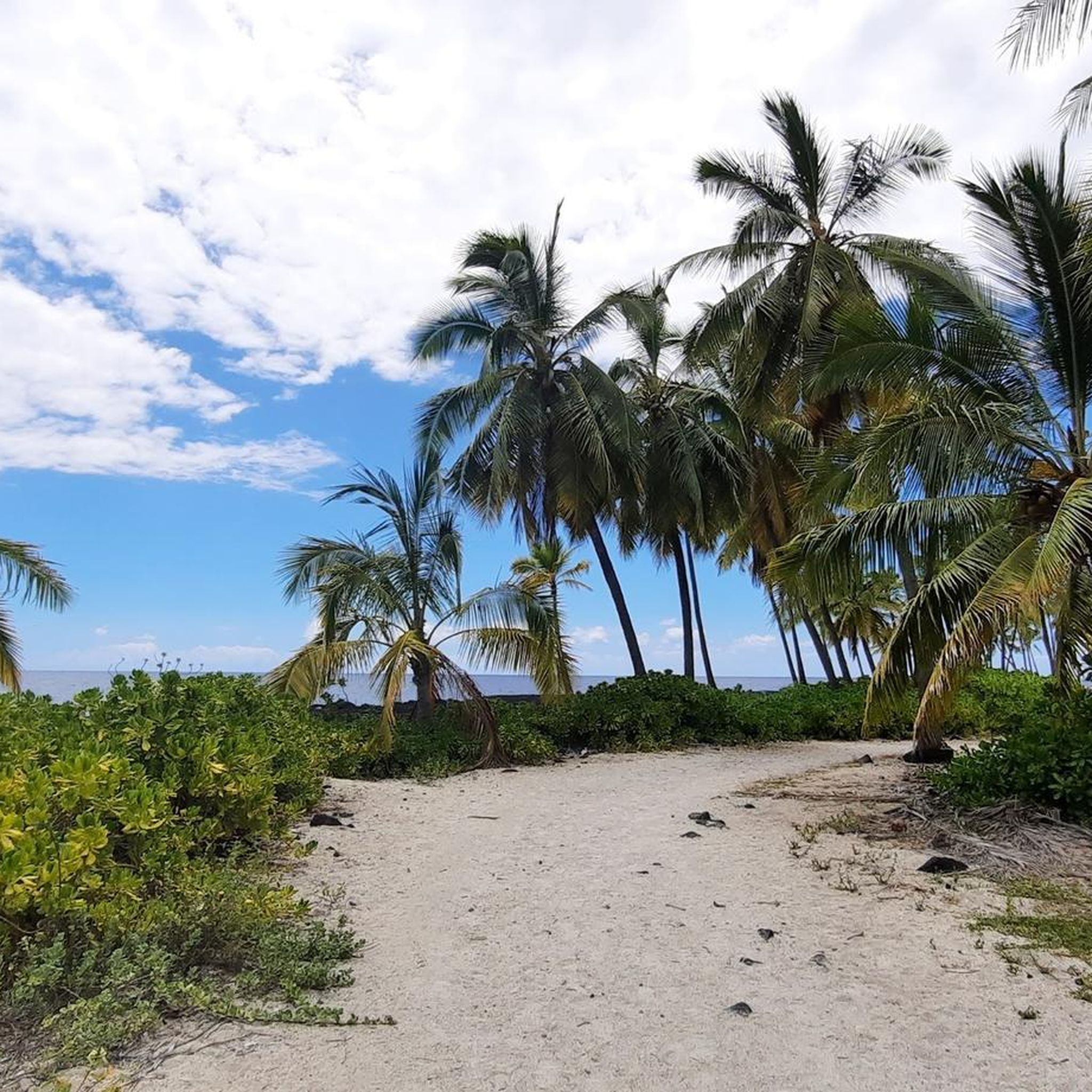
Puʻuhonua o Hōnaunau National Historical Park
Highlight • Historical Site
Tip by

Punaluʻu Black Sand Beach
Highlight • Beach
Translated by Google •
Tip by

Sign up now to discover places like this
Get recommendations on the best single tracks, peaks, & plenty of other exciting outdoor places.
Sign up for free
Kauila and the Sea Turtles of Punalu'u Monument
Highlight • Monument
Translated by Google •
Tip by
Alahaka Bay
Highlight • Beach
Tip by
Ki'i Point Overlook
Highlight • Viewpoint
Tip by

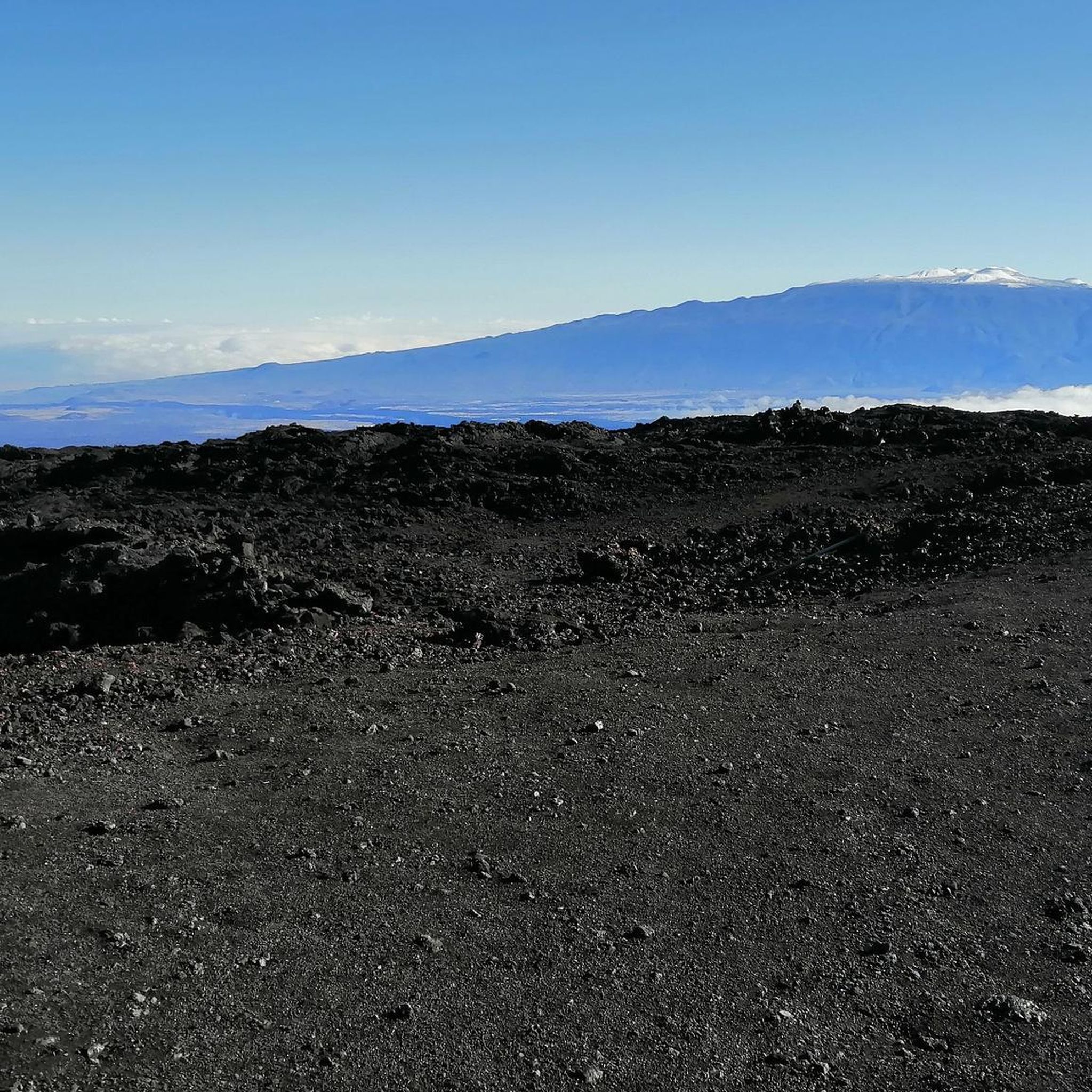
Mauna Loa Observatory
Highlight • Monument
At the time of writing the trails to Mauna Loa's summit are closed due to volcanic activity. Before planning a hike, visitors should check the national park website here: nps.gov/havo/planyourvisit/hike_maunaloa.htm
Tip by

Saint Benedict Roman Catholic Church
Highlight • Religious Site
Translated by Google •
Tip by

Lower Kona Trail
Highlight (Segment) • Trail
Tip by
Miloliʻi Beach Park
Highlight • Beach
Tip by

Two Step Beach
Highlight • Beach
Tip by
Sign up for free to discover even more attractions around Mauna Loa.
Sign up for free
Already have an account?
Start today with a free account
Your next adventure awaits.
Login or Signup
Tips from the Community

Sea turtles can be seen on the black lava beach during egg-laying
1
0
The tablet's inscription reads roughly: The mystical turtle, Kauila, makes her home in the Ka'u district on Punalu'u Bay. According to Hawaiian mythology, Kauila had the ability to transform from a turtle into human form and play with and watch over children along the shore. The people of Ka'u loved Kauila as the guardian of their children and also for their spring, which provided them with pure drinking water.
4
0

The spectacularly crafted Ala Kahakai National Historic Trail takes you down a black rocky bluff and right up to the water's edge. You can see across the Ki'ilae Watercourse to Ki'i Point where the old lava flow meets the sea.
0
0

Interesting information with video and a short tour on historical topics.
0
0

This is a very quiet beach away from all the tourist hustle and bustle. It's not the most scenic beach, but if you value quiet time, this fits the bill. The shores are a little rocky from the lava flows and there isn't potable water, so ensure you are prepared.
0
0
Two Step Beach is a lava rock shore, but there is some sand a little further up the beach. Ideally you could bring a yoga mat to lay under your towel for a little more comfort. There are shallow saltwater pools to lay in, but watch out for critters!
0
0

Punaluʻu Beach is also called Black Sand Beach and is located between Pāhala and Nāʻālehu. The sand gets its super dark color due to the basalt and was created by lava flowing into the ocean, where it comes in hot and explodes as it hits cold water. Here, visitors can see the endangered hawksbill and green turtles that are here quite often and can often be seen basking on the warm, dark sand. It is very important not to get near or touch the turtles. Harming the tutrles can be punishable by law and can result in a $2,000 fine and/or 30 days in jail.
0
0
Saint Benedict Roman Catholic Church looks over Kealakekua Bay. The church is still worshiped in today, but it was erected over 120 years ago, in 1899, by Father John Velghe. He had never learned to paint on wood, but he worked on the chruch paintings because, at the time, most native Hawai'ians could not read forgin English, so he tried to teach with the pictures he painted.
0
0
Frequently Asked Questions
What natural attractions can I explore around Mauna Loa?
The region around Mauna Loa, largely within Hawaii Volcanoes National Park, offers diverse natural wonders. You can witness the vast slopes and recent lava flows of Mauna Loa itself, or visit the Punaluʻu Black Sand Beach, known for its unique black sand and sea turtles. Alahaka Bay, within Puʻuhonua o Hōnaunau National Historical Park, features beautiful black lava stones and Pāhoehoe lava formations. The Ki'i Point Overlook provides breathtaking ocean vistas.
What historical or cultural sites are there to visit near Mauna Loa?
The area is rich in cultural significance. The most prominent site is Puʻuhonua o Hōnaunau National Historical Park, a sacred place of refuge in ancient Hawaii. You can also visit the unique Saint Benedict Roman Catholic Church, known as 'The Painted Church' for its colorful interior. Additionally, the Kauila and the Sea Turtles of Punalu'u Monument commemorates a mystical turtle from Hawaiian mythology.
Are there good viewpoints to see Mauna Loa or the surrounding area?
Yes, the Mauna Loa Lookout, situated at 6,662 feet (2,031 meters), offers panoramic views of the Kīlauea volcano, ancient lava flows, and the distant ocean on clear days. Saddle Road (Hawaii Route 200) also provides stunning views of both Mauna Kea and Mauna Loa as it traverses various microclimates.
What hiking opportunities are available near Mauna Loa?
Mauna Loa offers challenging backcountry hiking experiences, including the Mauna Loa Trail and the ʻĀinapō Trail which lead to the summit. For less strenuous options, you can explore trails like the Lower Kona Trail. You can find various hiking routes, from easy to difficult, in the Hiking around Mauna Loa guide, which includes routes like the Puʻuhonua o Hōnaunau National Historical Park loop.
Can I hike to the summit of Mauna Loa?
Yes, hiking to the summit of Mauna Loa is possible but is a challenging endeavor. The Mauna Loa Trail and the ʻĀinapō Trail are routes to the summit. The Mauna Loa Summit from Observatory route is a difficult 20.7 km hike. Access to the summit can be restricted due to volcanic activity, so it's crucial to check current conditions and regulations with the National Park Service before planning your trip. More information on hiking the summit can be found on the NPS website.
Are there family-friendly attractions around Mauna Loa?
Many attractions cater to families. Puʻuhonua o Hōnaunau National Historical Park offers an engaging way to learn about Hawaiian culture. The Punaluʻu Black Sand Beach is popular for observing sea turtles and relaxing. Other family-friendly spots include Saint Benedict Roman Catholic Church and Miloliʻi Beach Park.
Do I need permits for hiking on Mauna Loa?
For challenging backcountry hikes, especially those leading to the summit, permits may be required, and specific regulations apply due to the sensitive volcanic environment and potential hazards. It is essential to consult the Hawaii Volcanoes National Park website for the most current information on permits, trail conditions, and safety guidelines before planning any hike. You can find details on the NPS website.
What unique geological features can I observe?
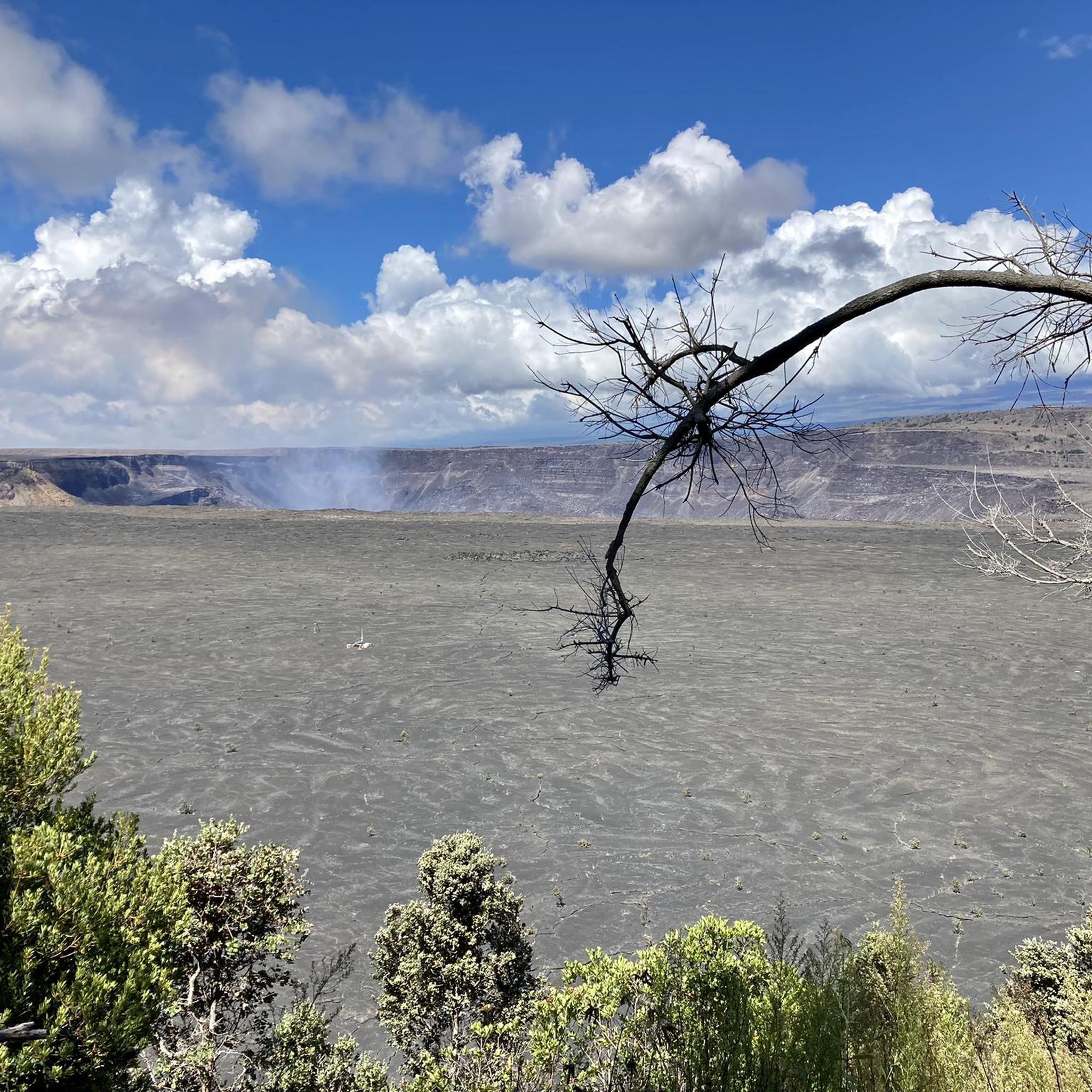
Mauna Loa's landscape is defined by its volcanic activity. You can see vast expanses of relatively recent lava flows, with 98% of the surface being less than 10,000 years old. The summit caldera, Mokuʻāweoweo, is a significant feature. At Alahaka Bay, you can observe Pāhoehoe lava formations, characterized by their smooth, ropey surfaces.
What other outdoor activities can I do near these attractions?
Beyond hiking, the area offers road cycling opportunities. You can find various routes, from easy to difficult, in the Road Cycling Routes around Mauna Loa guide, including scenic rides like 'Mauna Loa Road — Kaʻu' or 'Keauhou Bay to Hoʻokena Beach Park — South Kona'.
What is the best time to visit Mauna Loa attractions?
The Big Island of Hawaii generally has pleasant weather year-round. However, for visiting Mauna Loa, especially higher elevations, the dry season (typically April to October) offers clearer skies and more stable conditions, which are ideal for views and hiking. During the wet season (November to March), you might encounter more rain and cloud cover, particularly at higher altitudes. Always check the current weather and volcanic activity alerts from Hawaii Volcanoes National Park before your visit.
Are there any easy hiking trails near Mauna Loa?
Yes, for those seeking less strenuous options, there are easy hikes available. The Easy hikes around Mauna Loa guide lists several options, such as the Manukā Nature Trail loop or the Pu‘u o Lokuana Cinder Cone Trail Loop within Hawai‘i Volcanoes National Park.
What is the Mauna Loa Observatory?
The Mauna Loa Observatory (MLO), located near the summit, is home to the world's oldest continuous CO2 monitoring station. While not a traditional tourist attraction, it's a significant scientific site crucial for climate research, providing valuable data on atmospheric changes.
Most popular routes around Mauna Loa
Most popular attractions around Mauna Loa

Get inspired with the komoot mobile app


Explore more
Still not found the Highlight you’re looking for? See guides of the top attractions in other regions:
