The 5 Most Amazing Peaks around Opglabbeek
Mountain peaks around Opglabbeek are primarily elevated areas formed by terrils, which are slag heaps from historical coal mining. While the region's natural topography is generally flat, these artificial hills provide significant elevations. These sites offer panoramic views of the surrounding Limburg landscape and serve as recreational areas. The terrils are integrated into the Hoge Kempen National Park, providing unique natural features and hiking opportunities.
Best mountain peaks around Opglabbeek
- The most popular mountain peaks is View from Tweelingterril,…
Last updated: July 1, 2026
View of the Terrils from the Lake
Highlight • Viewpoint
Translated by Google •
Tip by

View from Tweelingterril
Highlight • Viewpoint
Translated by Google •
Tip by

Sign up now to discover places like this
Get recommendations on the best single tracks, peaks, & plenty of other exciting outdoor places.
Sign up for free
Waterschei spoil heap
Highlight • Natural Monument
Translated by Google •
Tip by

Winterslag spoil tip
Highlight • MTB Park
Translated by Google •
Tip by

View of the terril and ponds on the yellow route, Natuurdomein Klaverberg
Highlight • Viewpoint
Translated by Google •
Tip by

Start today with a free account
Your next adventure awaits.
Login or Signup
Popular around Opglabbeek



Tips from the Community

The Waterschei spoil heap is one of the most striking remnants of coal mining in Belgian Limburg, located in the Waterschei district of Genk. The spoil heap originated as a waste heap from coal mining – during coal mining, rock material that did not contain usable coal was brought to the surface and piled up into an artificial hill. These centuries-old spoil heaps have since become visible landmarks in the landscape and are now deeply rooted in the region's culture and nature. The former mining area around Waterschei was active between 1924 and 1987 and played a significant role in the economic development of the Kempen coal basin. After the mines closed, the area lost its industrial function, but the spoil heaps remained as immense silent witnesses to that mining past. In 1999, the Waterschei spoil heaps were officially designated a protected landscape, emphasizing the value of these structures, not only historically but also ecologically. Today, the slag heaps are part of Thor Park, a redeveloped nature recreation and heritage area of approximately 30 hectares where industrial history and natural experiences converge. Hiking trails have been laid out around the slag heaps, often marked with small stacked stones—symbolic "cairns"—that invite visitors to climb the slopes and leave their own markings. At the top of the slag heap, you're rewarded with a panoramic view of the former mining site, forest, heathland, and the surrounding landscape. The Waterschei slag heap combines history, nature, and recreation. The hill is not only a monument to the mining industry but also a place where vegetation and biodiversity have developed on the rugged stone. As such, the slag heap offers a fascinating example of how an industrial artifact can transform into an ecologically and recreationally valuable landscape.
0
0
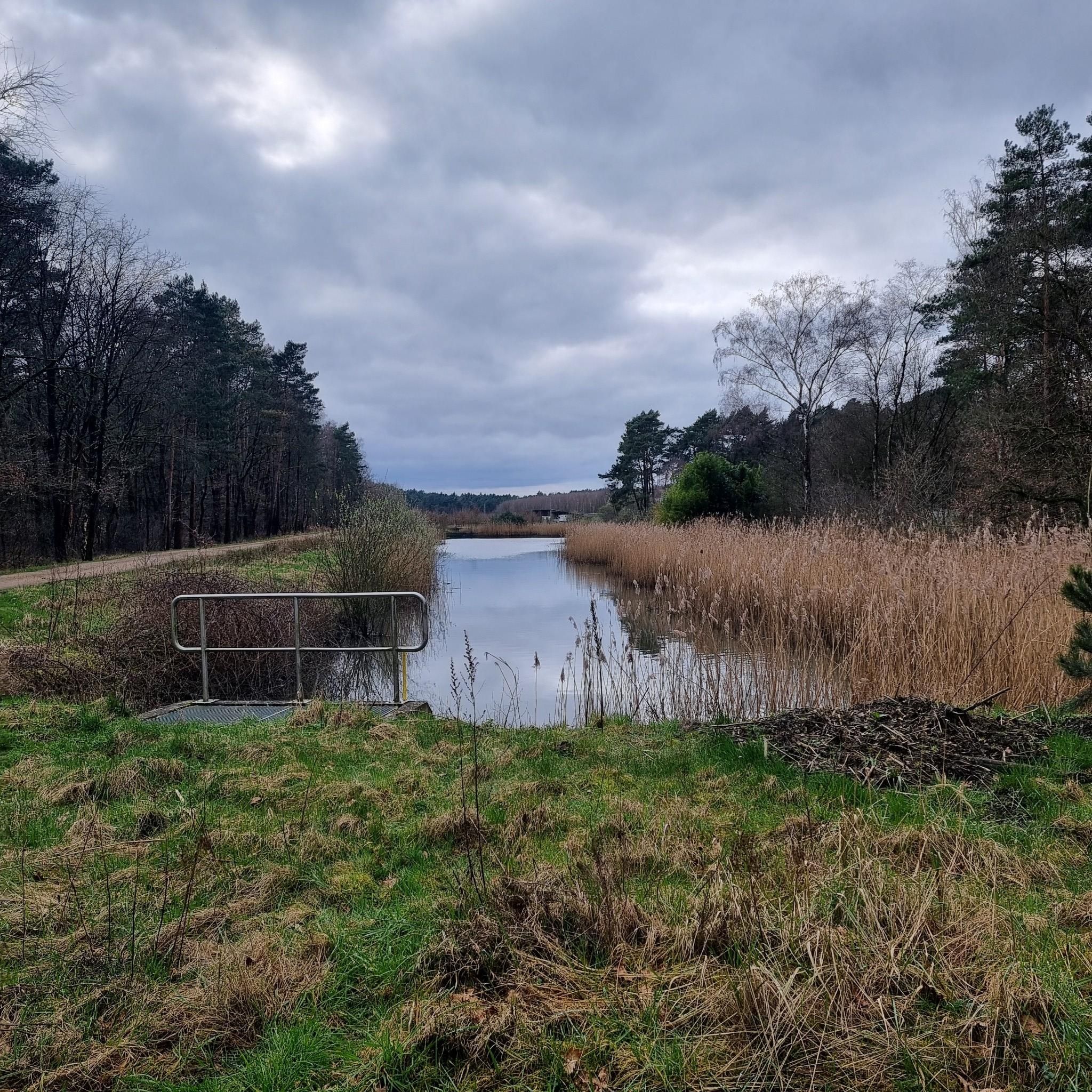
The yellow route through the Klaverberg Nature Reserve offers one of the area's most impressive panoramas: a panoramic view of the slag heap and the surrounding ponds, where nature and its industrial past seamlessly blend. From this point, you look out over the green flank of the slag heap, a former spoil heap that was slowly reclaimed by nature after the mine closed. Pines, birches, and hardy heathers have established themselves here in the barren soil and today form a unique landscape that symbolizes the resilience of the Hoge Kempen region. The slag heap rises quietly and massively, a testament to Genk's mining past and the Waterschei coal site. At its foot, the ponds lie like reflective havens in the landscape. The water catches the light and reflects the sky, the trees, and sometimes even the silhouettes of birds flying overhead. Here you'll regularly see ducks, dragonflies, and, with a bit of luck, deer cautiously emerging from the forest edge to drink. The combination of height, openness, and silence makes this view a place where you naturally slow down. It's one of those moments where you not only see but also feel: the space, the history, the transformation from industry to pure nature. Whether you pass by here during a leisurely morning walk or in the warm light of the setting sun, this point on the yellow route is undoubtedly one of the most beautiful stops in Klaverberg. 🌿🌊⛰️
0
0


The diverse ecosystems of Terril Mijn Waterschei are home to an impressive variety of flora and fauna, offering visitors the opportunity to experience nature up close. Look out for various species of birds and other wildlife that live in this peaceful environment. The reserve is ideal for family outings and offers numerous learning opportunities about the local environment and the importance of conservation. Picnic and rest areas along the trails invite you to enjoy the tranquil atmosphere and take a break. A visit to Terril Mijn Waterschei not only offers the opportunity to appreciate the beauty of nature, but also to connect with the history of the area. The site recalls the mining heritage and shows how an industrial landscape can be transformed into a thriving nature reserve - a testament to successful reclamation projects. Whether you are an experienced hiker or looking for a relaxing retreat, Terril Mijn Waterschei offers a refreshing break in nature and is a worthwhile destination for anyone exploring the area. Source: https://evendo.com/locations/belgium/hoge-kempen-national-park/attraction/terril-mijn-waterschei?currency=eur
1
0

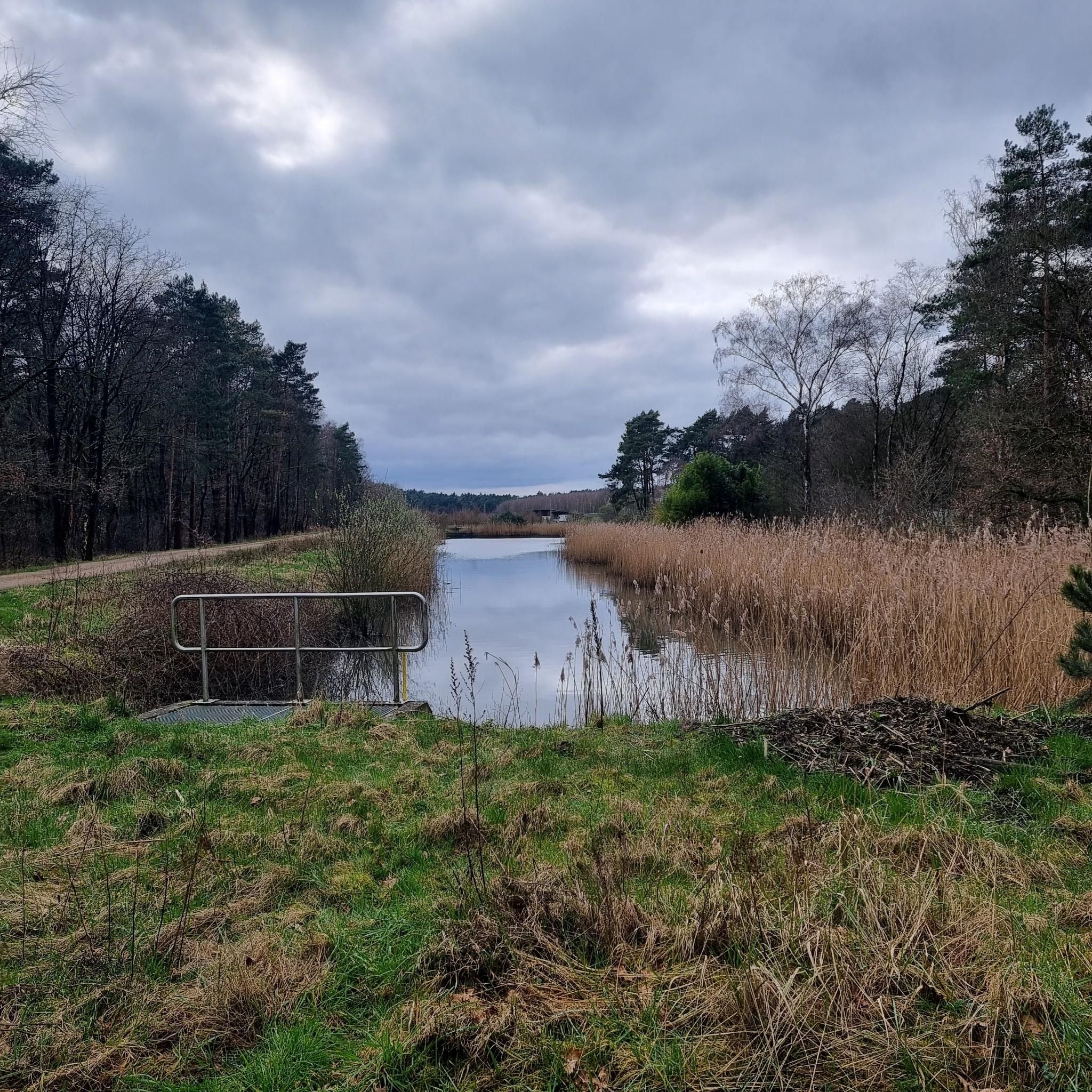
The section between the pebble beach and the small entrance and exit has the best open areas to look across the lake to the slag heaps (especially the twin slag heaps). And here is certainly one of them. Another not-to-be-missed section with beautiful views is here (quiet entry): https://www.komoot.com/nl-nl/highlight/6478110
7
0

A more than beautiful area to walk with lots of variety. Make sure you grease your legs for the climbs and descents
3
0

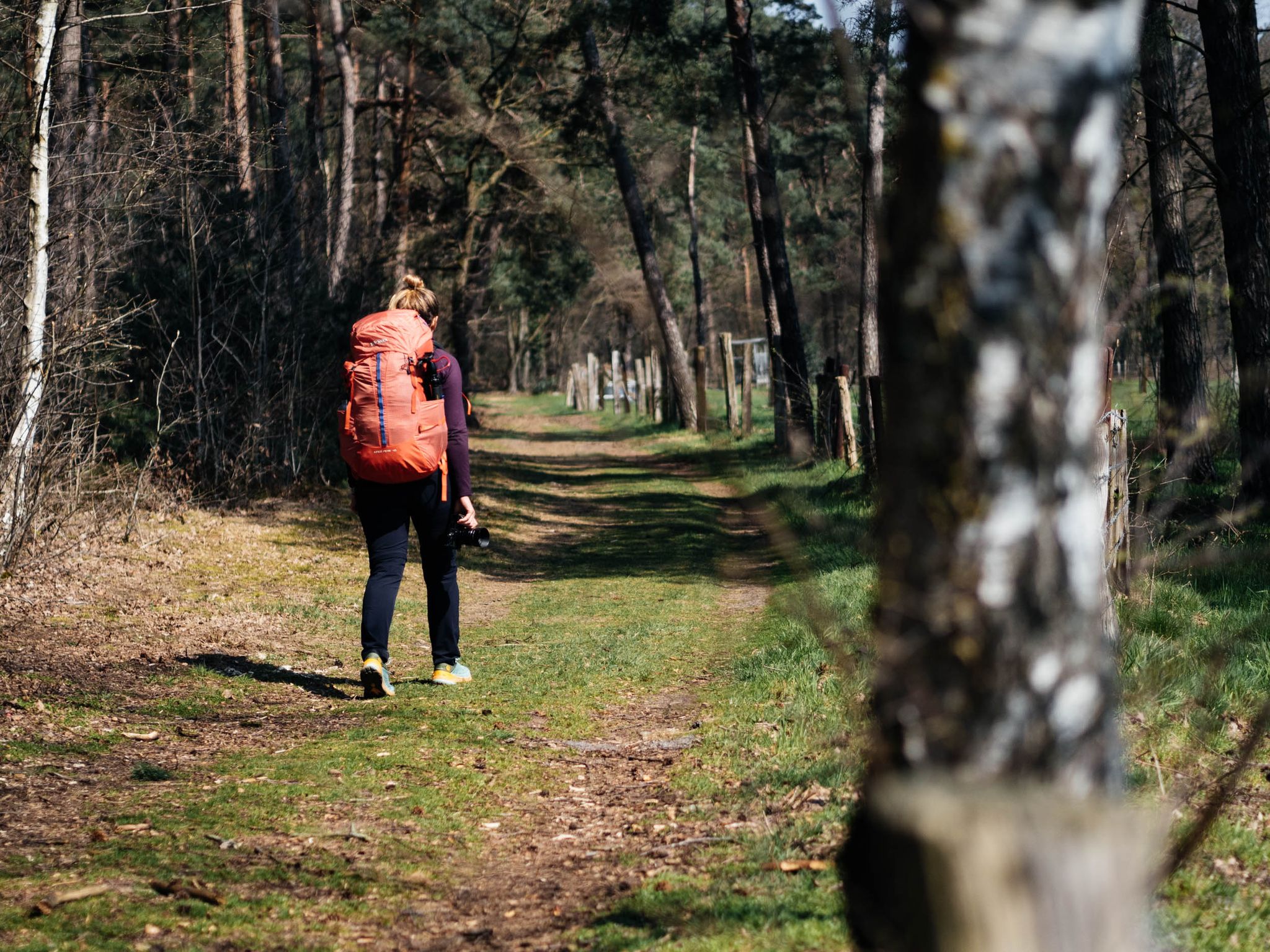
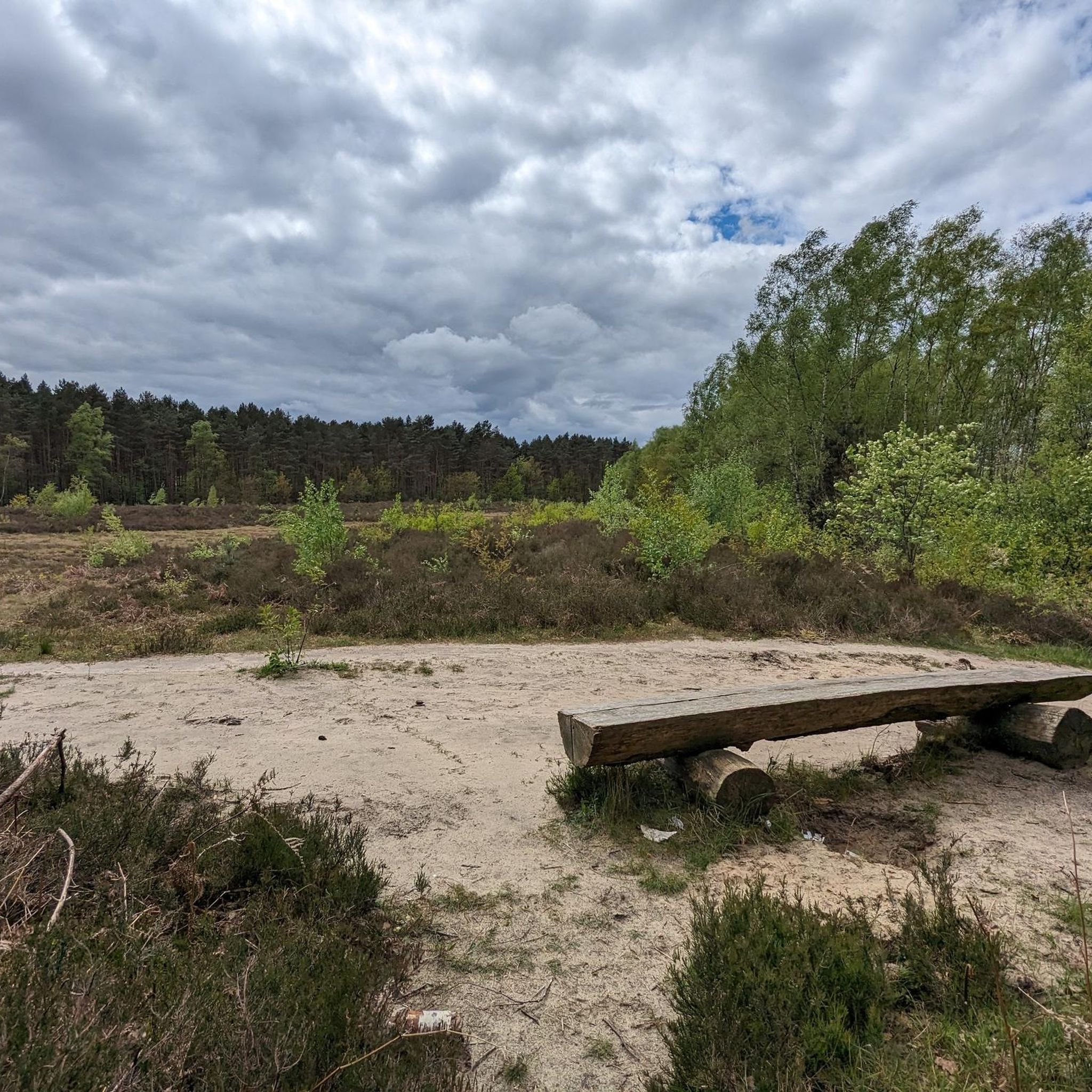
The yellow route takes you around and over the slag heap, through forest, over heathland and past waterholes...
7
0

The Waterschei slag heap is part of the Hoge Kempen National Park. All information can be found at https://www.nationaalparkhogekempen.be/nl/thorpark
3
0
Frequently Asked Questions
What are the most prominent elevated areas to visit around Opglabbeek?
The most prominent elevated areas around Opglabbeek are the terrils, which are former coal mining slag heaps. These include the View from Tweelingterril, known for its twin slag heaps and expansive views, and the Waterschei spoil heap, a natural monument within the Hoge Kempen National Park that you can climb.
Are there family-friendly elevated walks or viewpoints near Opglabbeek?
Yes, several spots are suitable for families. The View of the Terrils from the Lake offers clear sightlines across the water to the slag heaps and is considered family-friendly. The Waterschei spoil heap is also marked as family-friendly, allowing visitors to climb its slopes.
What kind of views can I expect from the elevated points in the Opglabbeek region?
From the elevated terrils, you can expect panoramic views of the surrounding Limburg landscape. For instance, the View from Tweelingterril offers a fantastic perspective from its 127-meter summit, showcasing the expansive natural scenery, including surrounding hills and ponds.
What unique natural features can be found on these elevated areas?
The elevated areas, particularly the terrils, are unique natural features. They are former industrial sites that have been reclaimed by nature, transforming into distinctive ecosystems within the Hoge Kempen National Park. You'll find diverse flora and fauna amidst vast pine forests and heathlands, offering a blend of industrial history and natural beauty.
Are there opportunities for mountain biking on the elevated terrain?
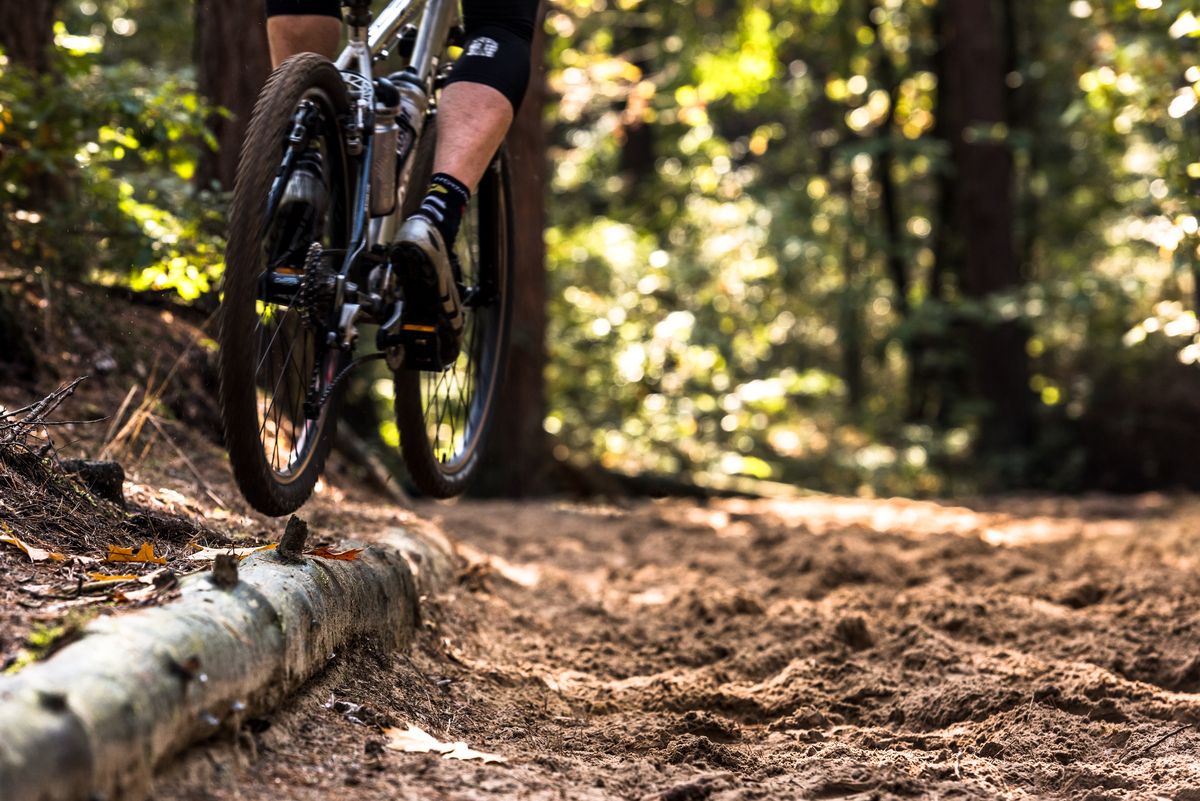
Yes, the Winterslag spoil tip is a fantastic place for mountain biking. It features numerous single trails where you can ride up and down the slag heap, offering challenging climbs and rewarding views from the top.
What outdoor activities can I do near these elevated areas?
Beyond exploring the terrils themselves, the region offers extensive outdoor activities. You can find numerous hiking routes, such as the 'Oudsberg Sand Dune – Heathland on the Oudsberg Dune loop' or 'Flemish nature reserve – View of the As Fishpond loop'. There are also running trails and gravel biking routes available. For more details, explore the Hiking around Opglabbeek, Running Trails around Opglabbeek, and Gravel biking around Opglabbeek guides.
What do visitors enjoy most about the elevated areas around Opglabbeek?
Visitors frequently highlight the 'WoW feeling' and the fantastic views from the summits, especially after a challenging climb. The unique combination of industrial heritage transformed into natural landscapes, along with the extensive network of hiking and cycling routes within the Hoge Kempen National Park, are also highly appreciated.
Are there any historical sites among the elevated areas?
Yes, the terrils themselves are historical sites, bearing witness to the region's rich coal mining past. The Waterschei spoil heap, for example, is an old spoil heap that has been protected since 1999, allowing visitors to experience this unique piece of industrial history.
Can I find circular walks that include these elevated points?
Yes, the Hoge Kempen National Park, which encompasses many of these elevated areas, is known for its extensive network of hiking and cycling routes, including circular walks. These trails often incorporate the terrils as rewarding destinations, providing both a good workout and panoramic views.
What is the best time of year to visit the elevated areas around Opglabbeek?
The elevated areas and the Hoge Kempen National Park are enjoyable year-round. Spring and autumn offer pleasant temperatures for hiking and cycling, with vibrant colors. Summer is great for longer days, and even winter can provide unique scenery, though some trails might be more challenging.
Are there any specific tips for climbing the terrils?
When climbing the terrils, be prepared for steep ascents. For instance, the climb to the View from Tweelingterril is steep, but the view from the top is well worth the effort. Make sure to wear appropriate footwear and be ready for a good workout for your legs.
Where can I find information about hiking routes that include these elevated points?
You can find detailed information about hiking routes that include these elevated points in the Hiking around Opglabbeek guide. It lists various trails, such as the 'Oudsberg Sand Dune – Heathland on the Oudsberg Dune loop' and 'Flemish nature reserve – View of the As Fishpond loop', which often incorporate the region's elevated features.
Most popular routes around Opglabbeek
Most popular attractions around Opglabbeek

Get inspired with the komoot mobile app


Explore more
See even more amazing summits around Opglabbeek with these guides:
