Top 11 Castles around Kottmar
Best castles around Kottmar are found in Saxony, Germany, a region known for its historical estates and varied landscapes. The area features historical manor houses and former knightly estates, offering insights into centuries of regional history. Kottmar provides a base for exploring historical architecture and the surrounding natural environment.
Best castles around Kottmar
- The most popular castles is Friedersdorf Castle, a castle that was built between 1887 and 1889 in the neo-baroque style. Today, the former manor is used…
Last updated: August 21, 2026
Hainewalde Water Castle Gatehouse
Highlight • Castle
Translated by Google •
Tip by

Ruppersdorf Moated Castle
Highlight • Castle
Translated by Google •
Tip by

Sign up now to discover places like this
Get recommendations on the best single tracks, peaks, & plenty of other exciting outdoor places.
Sign up for free
Friedersdorf Castle
Highlight • Castle
now nursing home
Translated by Google •
Tip by

Ruins of Großhennersdorf Castle
Highlight • Castle
sachsens-schloesser.de/herrnhut-wasserburg-schloss-grosshennersdorf
Castle ruins on the Herrnhuter Sculpture Trail are well worth seeing.
Translated by Google •
Tip by
Kittlitz Castle
Highlight • Castle
Translated by Google •
Tip by

Sign up for free to discover even more castles around Kottmar.
Sign up for free
Already have an account?
Start today with a free account
Your next adventure awaits.
Login or Signup
Popular around Kottmar
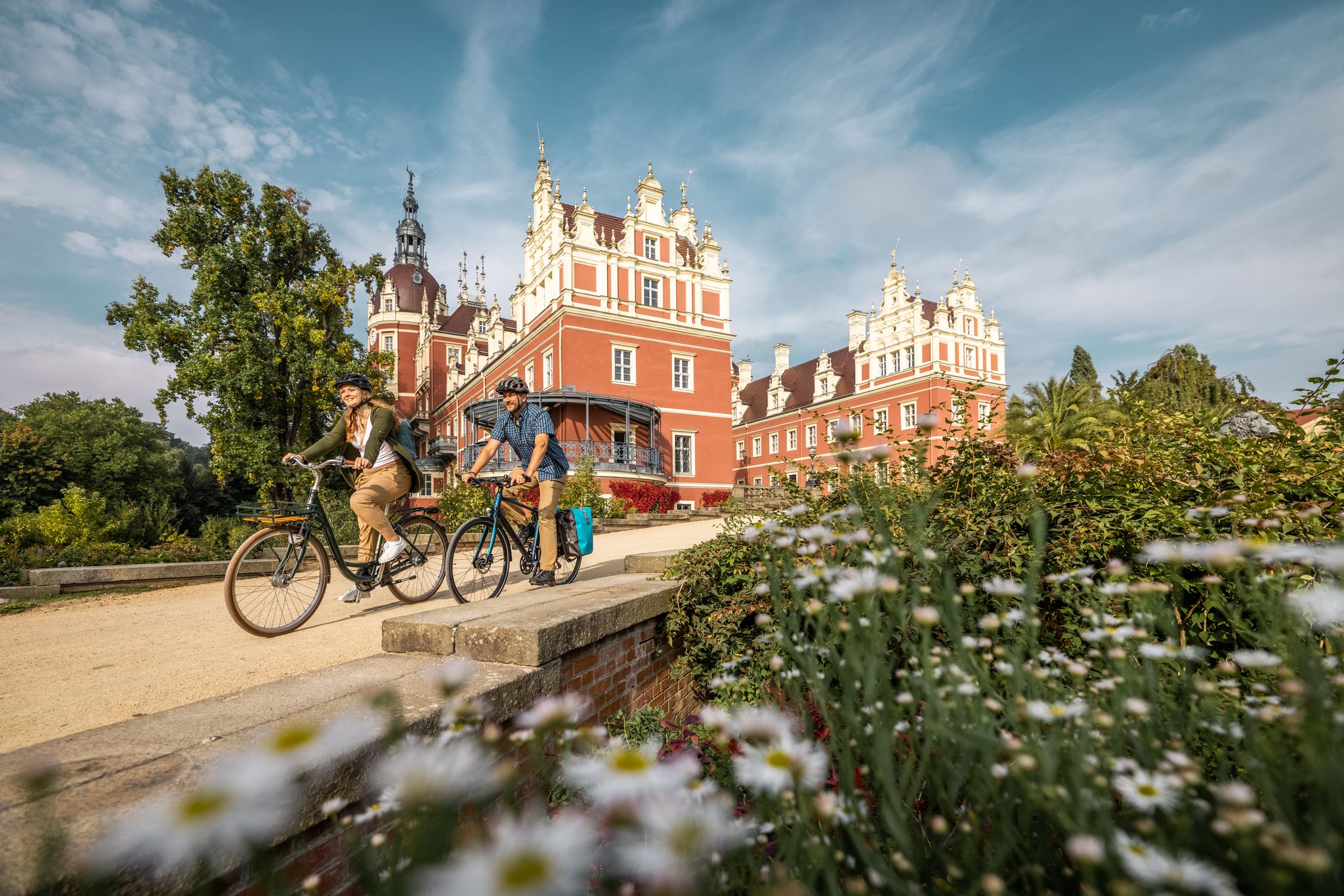
Oberlausitz Cycling Region – 18 superb routes in Upper Lusatia
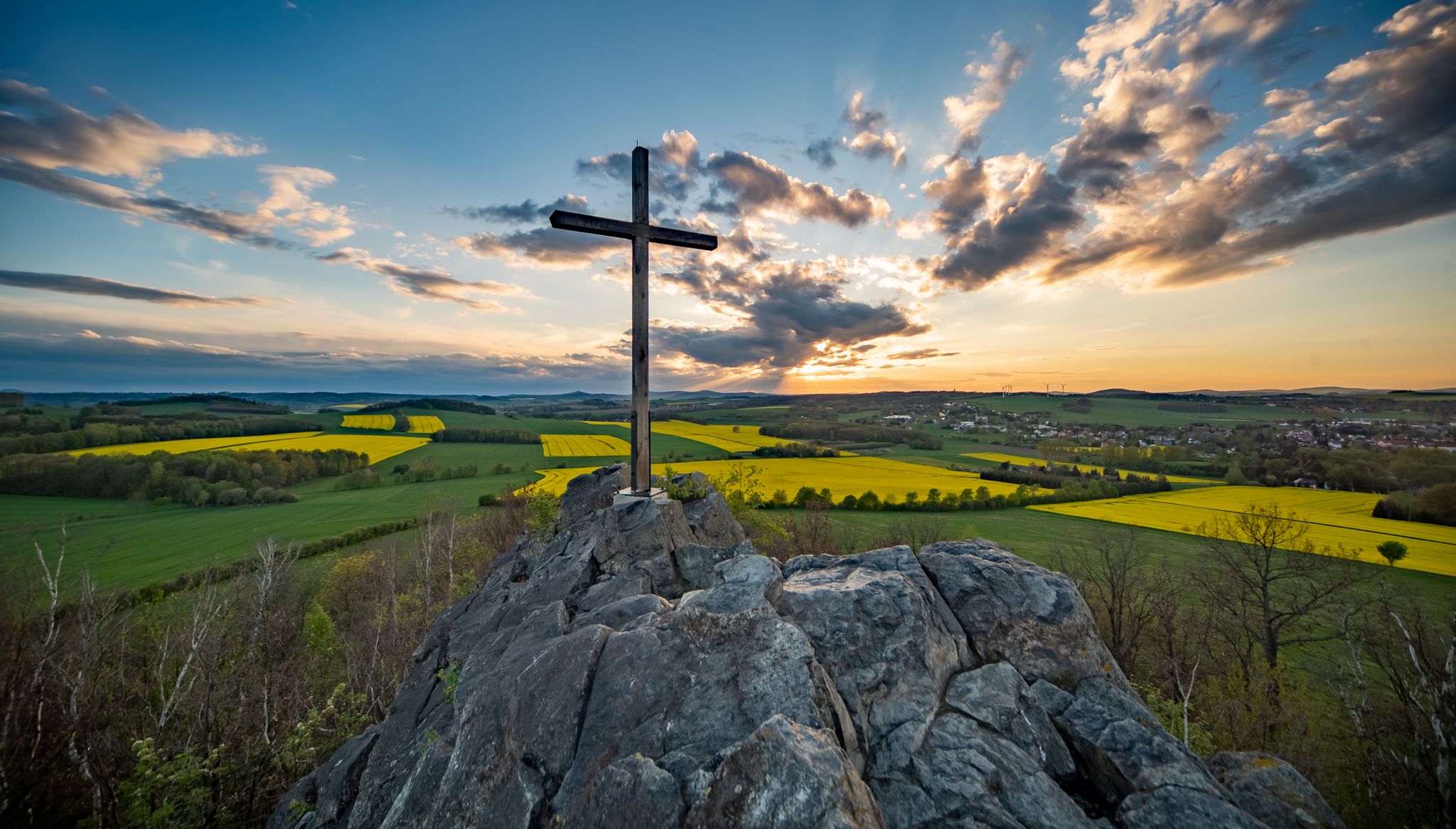
Legendary views on the Upper Lusatia Mountain Trail
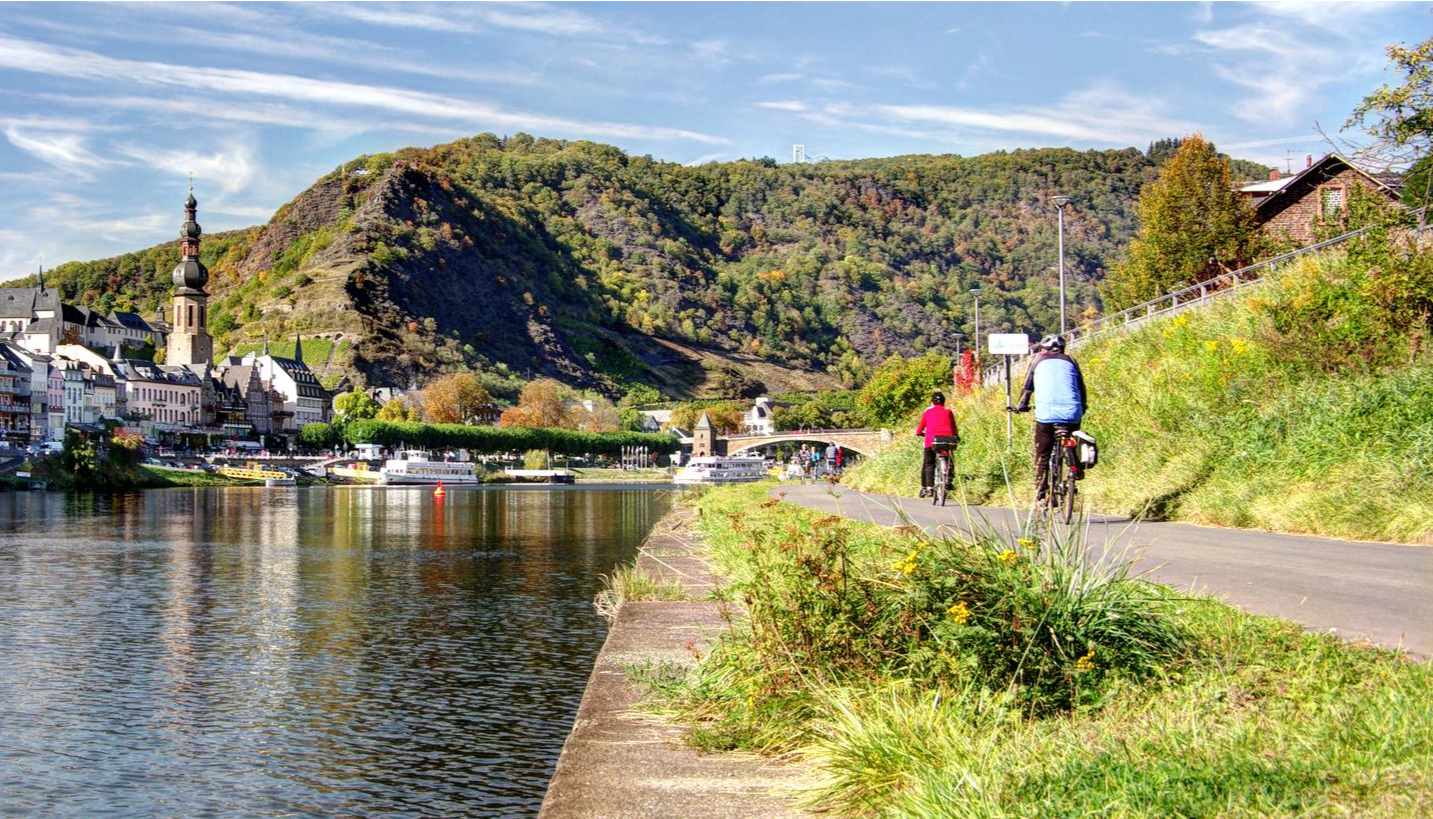
Mehrtagesradtouren in Deutschland und angrenzenden Ländern
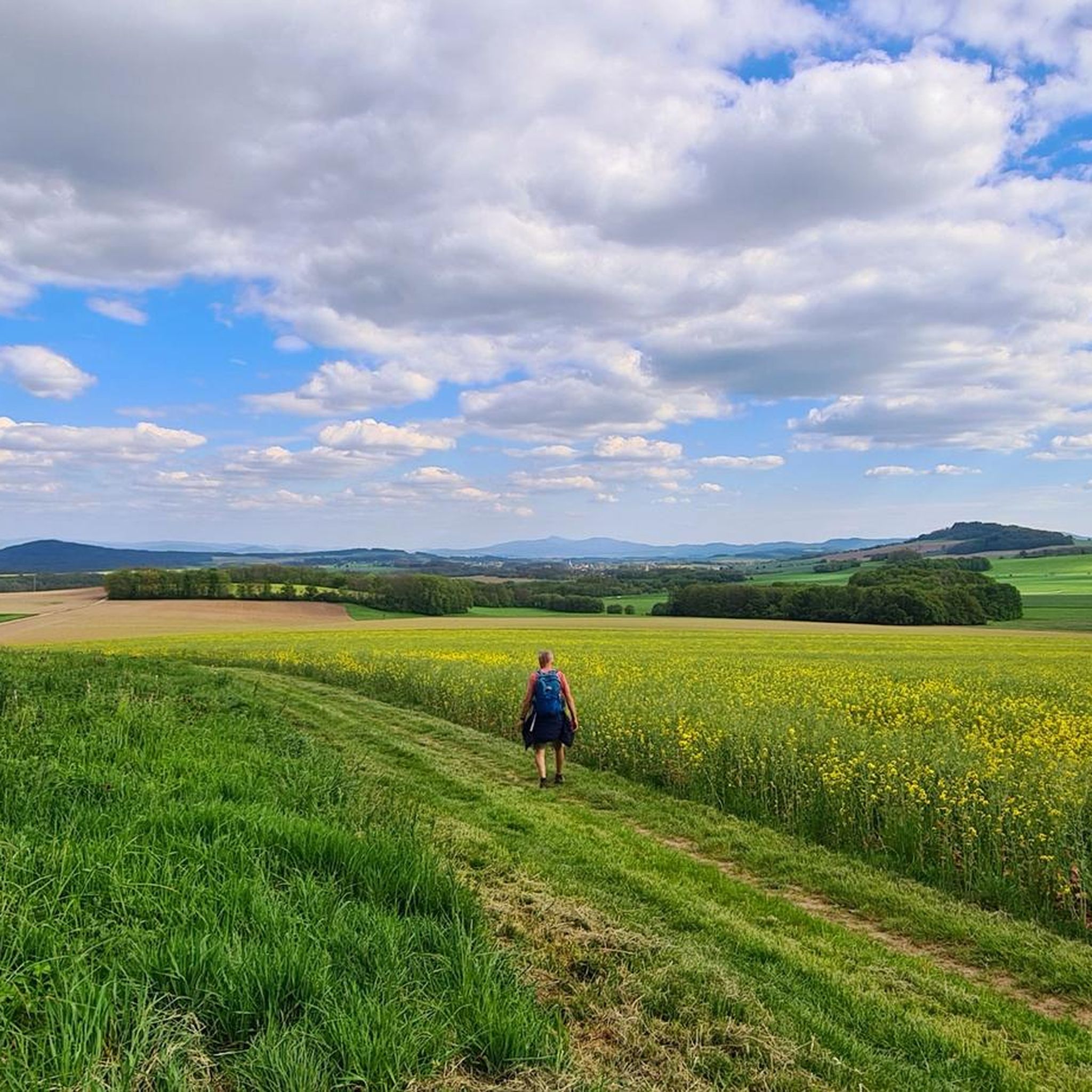
Hiking around Kottmar
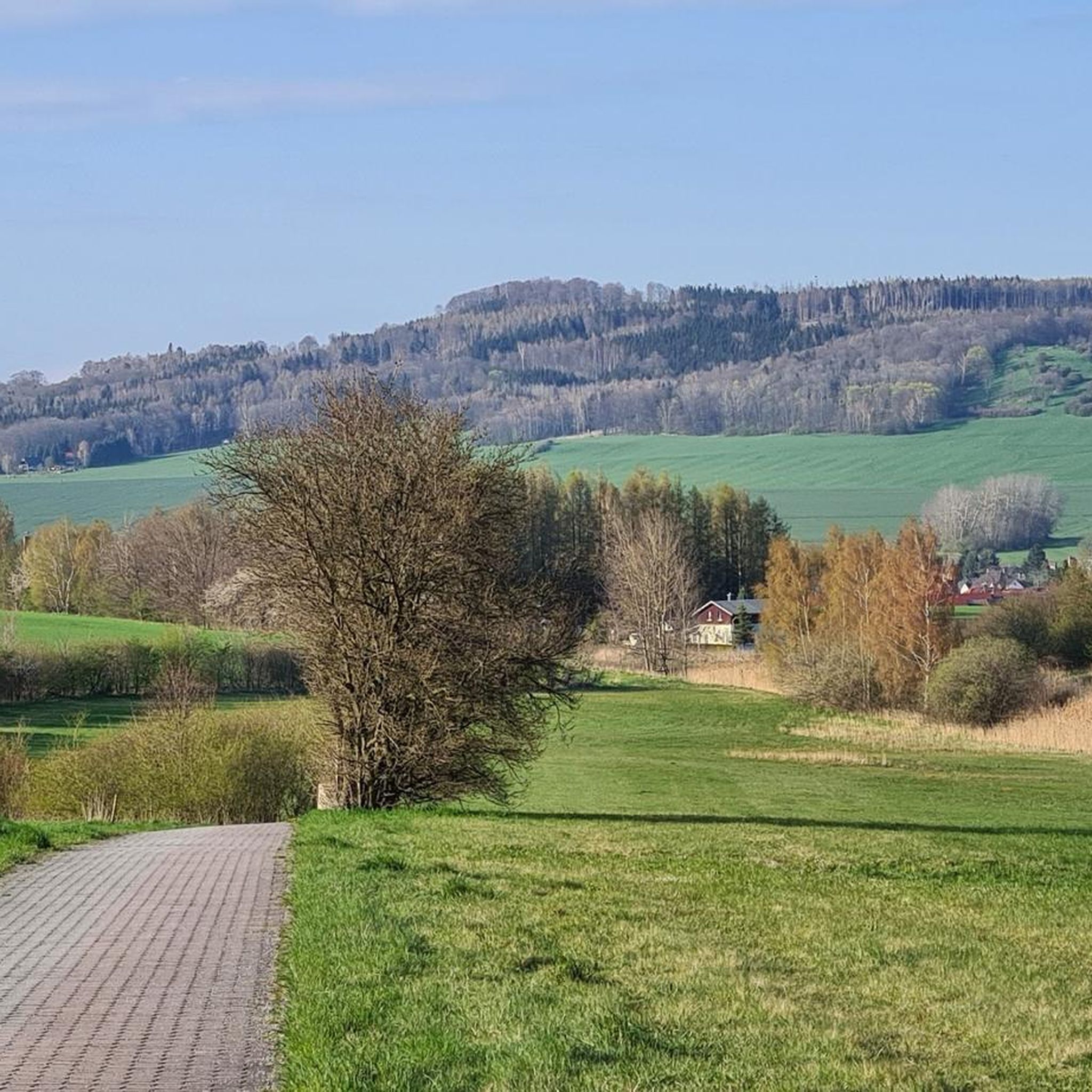
Cycling around Kottmar
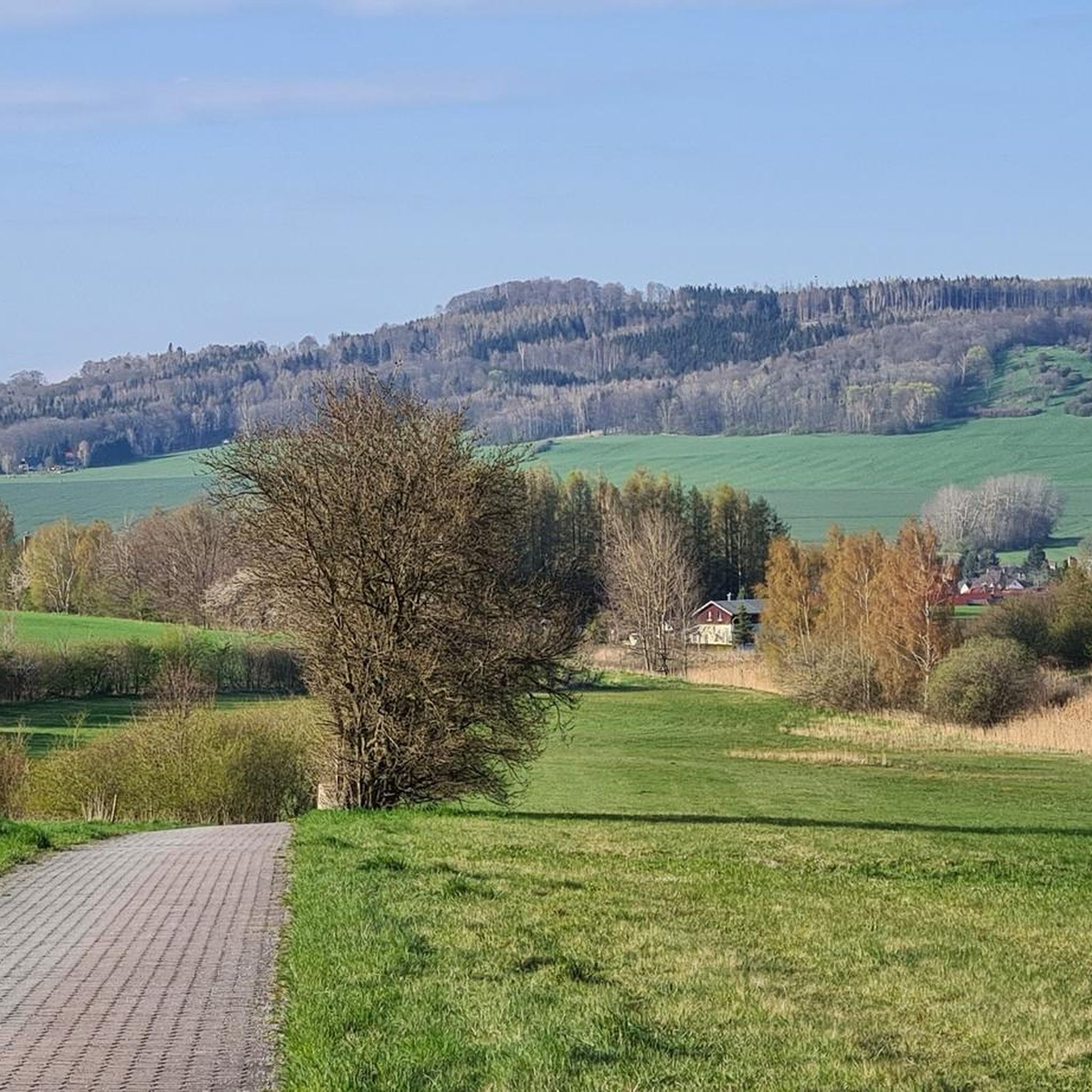
Road Cycling Routes around Kottmar
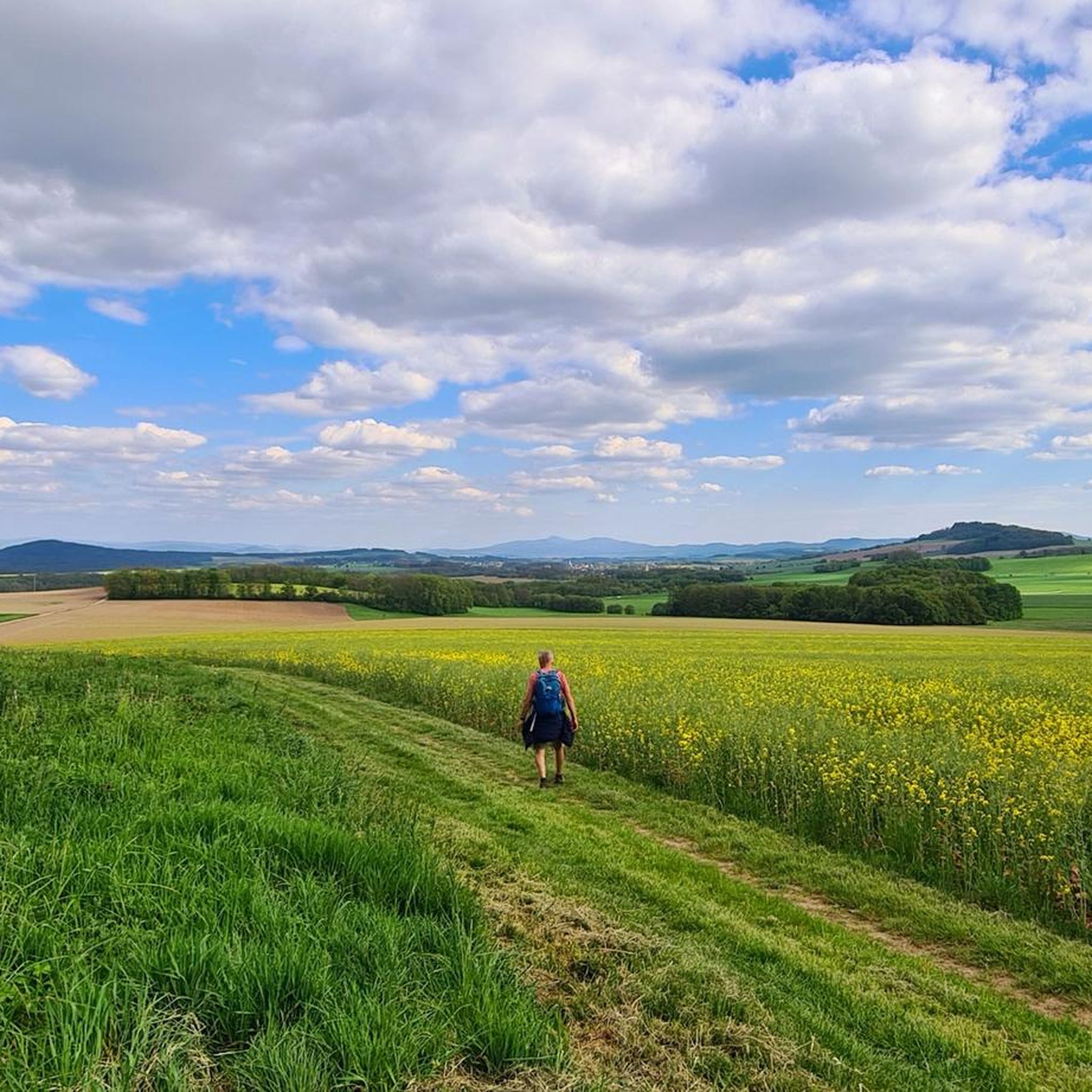
Running Trails around Kottmar
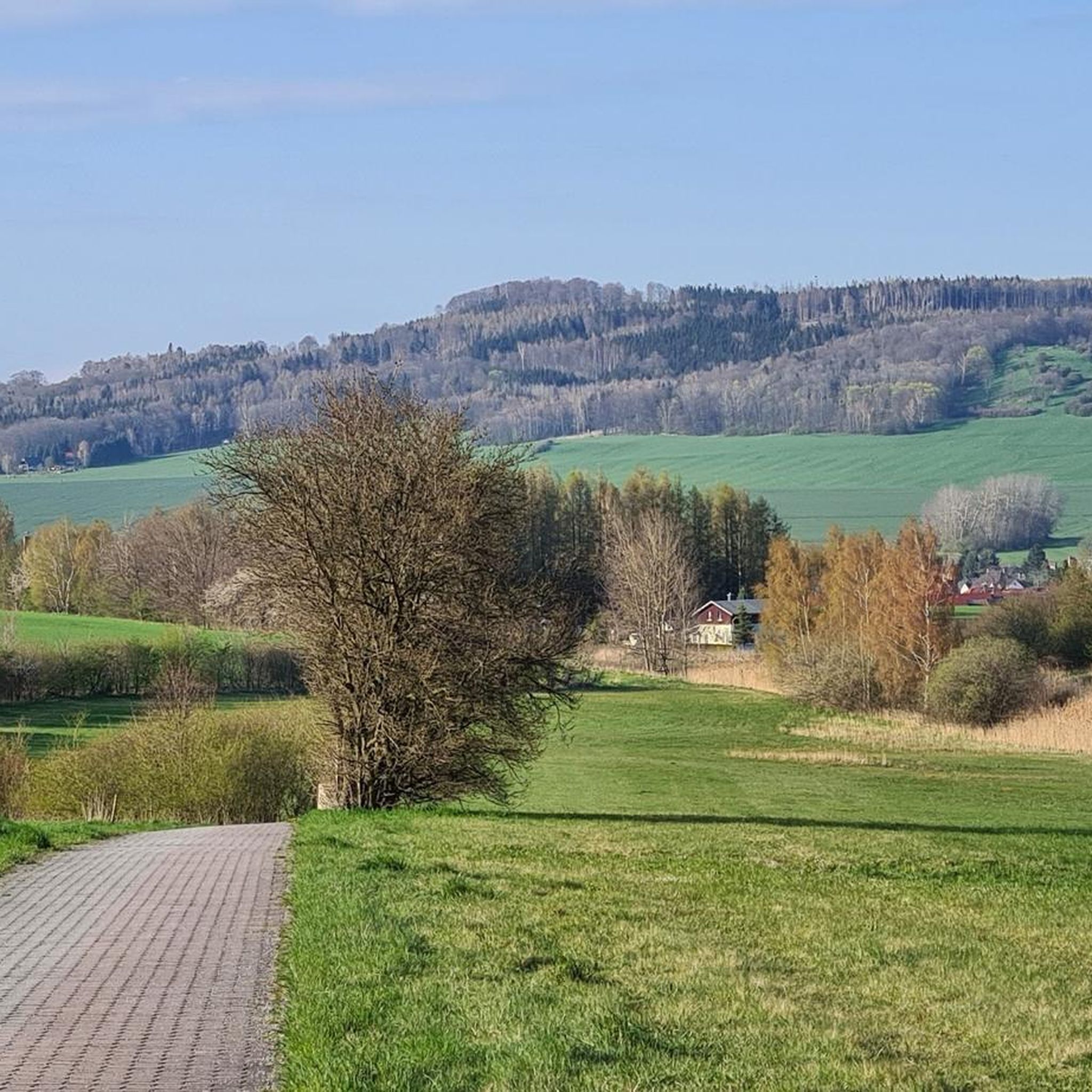
MTB Trails around Kottmar

Gravel biking around Kottmar
Other adventures around Kottmar


Tips from the Community

Niederruppersdorf Castle is an 18th-century moated castle built on the ruins of a medieval moated castle that had burned down. In the same year, the present castle was erected on the site by Johann Heinrich Gottlob von Nostitz, canon and senior member of the Prince-Bishopric of Meissen, according to plans by Johann Andreas Hünigen. Architecturally, it is a massive, simple structure built on high, square foundations with buttresses supporting the cellar. The two residential floors are crowned by a three-story mansard roof. The portal on the south side is reached via a double-arched bridge over the former moat and is decorated with the coats of arms of the Nostitz and Minckwitz families. Inside, the ceilings of the upstairs hall and the fireplaces are adorned with Rococo ornaments.
1
0

An information board provides information about the former castle.
1
0

Due to the use of the Christian Mission Society, the building cannot be visited and the grounds can only be crossed on the main path.
0
0
It's good that the old building is still used as a nursing home.
0
0

is located directly on the hiking trail, is now used as a senior citizens' home
0
0

Pretty castle with a beautiful park. Now used as a retirement home.
1
0
In the corner plot of Kleine Seite/Weinberg, to the right below the baroque castle complex, there was originally a knight's seat (Hainewalde documents), which was surrounded by a protective moat. The old moated castle was replaced in 1564 by Hans Ulrich von Nostitz with a Renaissance castle, the so-called Old Castle. This was a four-winged complex that enclosed an inner courtyard. The facade was richly decorated with illusionistic decorations (sgraffito technique). Demolition of the Old Castle: 1780, only the wing of the gatehouse remained and was used as a courthouse and prison until 1857. It is now privately owned (not open to the public). Above the portal: the coat of arms of Nostitz.
1
0

The moated castle is the remaining gatehouse of the old Renaissance moated castle right next to the new castle, a moated castle, probably built between 1200 and 1250, first mentioned in 1383 as a knight's seat, owned by Nicolaus diclus de Warnsdorf in 1392, rebuilt in the Renaissance style by Christoph v. Nostitz in 1564. The "old castle" was largely demolished around 1780 and the remains used to build the new castle. The moated castle is now privately owned and has been lovingly restored. On Open Monument Day, the owners occasionally allow glimpses. The gatehouse is beautifully reflected in the water.
1
0
Frequently Asked Questions
What types of historical estates can I find around Kottmar?
The Kottmar region is known for its historical manor houses (Schlösser or Rittergüter) and former knightly estates, rather than traditional fortified castles. These range from renovated accommodations to historical ruins, offering a glimpse into centuries of regional history. Examples include Friedersdorf Castle, Kittlitz Castle, and Taubenheim Castle.
Are there any castles around Kottmar that offer accommodation or unique experiences?
Yes, Taubenheim Castle, built in Neo-Renaissance style, currently serves as a health center or hotel. Additionally, Schloss Ottenhain, though not listed as a highlight in this guide, is a romantic 16th-century estate in Kottmar that offers self-contained apartments for guests and hosts creative workshops. It features a park with a playground and a tea pavilion.
Which castles are best for history enthusiasts?
For history enthusiasts, Kittlitz Castle is a must-see. Its records date back to around 1480, and it was rebuilt around 1750, featuring an octagonal tower-like structure. It also served as a center of Freemasonry under Karl Gotthelf von Hund and Altengrotkau. The Ruins of Großhennersdorf Castle also offer a rich history, tracing back to a manor in 1296 and a moated castle, despite its current ruined state.
Are there family-friendly castles or activities near Kottmar?
While specific family-friendly activities at the castles themselves vary, Kittlitz Castle is categorized as family-friendly. Schloss Ottenhain, a historical estate in Kottmar, features a park with a children's playground, making it suitable for families. For outdoor activities, you can find many easy hikes around Kottmar, which are often suitable for families.
What outdoor activities can I do near these castles?
The Kottmar region offers various outdoor activities. You can explore easy hiking trails, such as the Spree Source at Kottmar loop. For cyclists, there are road cycling routes and gravel biking routes, allowing you to combine castle visits with scenic rides through the landscape.
Can I visit castles that are currently in use for other purposes?
Yes, some historical estates around Kottmar have been repurposed. Friedersdorf Castle, a neo-baroque building, is now used as a care facility. Taubenheim Castle functions as a health center or hotel. While their primary use is not tourism, their historical architecture can still be appreciated from the exterior, and some may offer limited public access or specific visiting hours.
Are there any castle ruins to explore in the Kottmar area?
Yes, the Ruins of Großhennersdorf Castle provide an opportunity to explore a historical site in its ruined state. Originally a manor from 1296 and a moated castle, it has a long and eventful history, including being a youth hostel and later falling into disrepair. An information board on site provides details about its past.
What is the best time of year to visit the castles and surrounding area?
The Kottmar region is beautiful year-round. Spring and autumn offer pleasant temperatures for exploring the historical estates and engaging in outdoor activities like hiking and cycling. The surrounding natural environment, including mountain and park views, is particularly scenic during these seasons. Some castle parks, like Taubenheim Castle's, may have designated visiting hours or require appointments.
Are there any castles near Kottmar that are less crowded?
Many of the historical estates in the Kottmar region are not as widely known as major tourist attractions, offering a more tranquil experience. Exploring sites like Oppach Castle and Old Bleachery, which is currently empty, or the Ruins of Großhennersdorf Castle, can provide a quieter visit compared to more bustling destinations.
What kind of natural features can I expect to see near the castles?
The Kottmar region is characterized by varied landscapes, including mountain and park views. Schloss Ottenhain, for example, is situated amidst such scenery and features its own park. The area is also approximately an hour's drive from Bohemian Switzerland National Park, offering further opportunities to explore natural beauty alongside historical sites.
What do visitors enjoy most about the castles around Kottmar?
Visitors appreciate the rich history and architectural significance of the estates. The komoot community has shared 26 photos and given 100 upvotes, highlighting the visual appeal and historical context. The blend of historical ambiance with the opportunity for outdoor activities in the surrounding natural environment is also a key draw.
Is public transport available to reach the castles?
While specific public transport details for each individual castle are not provided, the Kottmar region is generally accessible. For detailed information on reaching specific historical estates by public transport, it is advisable to check local transport schedules or contact the respective visitor information centers.
Are there cafes or restaurants near the castles?
The region around Kottmar offers various amenities. While specific cafes directly adjacent to every castle are not detailed, the area provides options for dining and refreshments. For example, some nearby road cycling routes mention cafes like Café Brumme, suggesting that local eateries are available within reasonable distance.
Most popular routes around Kottmar
Most popular attractions around Kottmar

Get inspired with the komoot mobile app


Explore more
Looking for the best castles somewhere else? Discover other guides around Kottmar:
