Top 9 Castles around Westerstede
Best castles around Westerstede offer a glimpse into the region's historical past, with sites ranging from medieval fortifications to more recent reconstructions. The area, part of the Ammerland district, features a landscape shaped by agriculture and natural areas. While Westerstede itself is a town in Lower Saxony, the surrounding region provides several historical estates and castle remnants. These sites reflect the historical significance of the Oldenburg region and its defensive structures.
Best castles around Westerstede
- The most popular castles is…
Last updated: June 30, 2026
Neuenburg Castle
Highlight • Castle
Translated by Google •
Tip by

Köhlmoor Castle
Highlight • Castle
The Köhlmoor Castle was rebuilt in 2014 and is located next to the airfield in …
Translated by Google •
Tip by

Sign up now to discover places like this
Get recommendations on the best single tracks, peaks, & plenty of other exciting outdoor places.
Sign up for free
Westerstede-Felde Airfield (EDWK)
Highlight • Structure
Translated by Google •
Tip by
Elmendorf Castle Mounds (Three-Hill Motte)
Highlight • Historical Site
Translated by Google •
Tip by

Specken Castle
Highlight • Castle
Translated by Google •
Tip by

Sign up for free to discover even more castles around Westerstede.
Sign up for free
Already have an account?
Start today with a free account
Your next adventure awaits.
Login or Signup
Popular around Westerstede
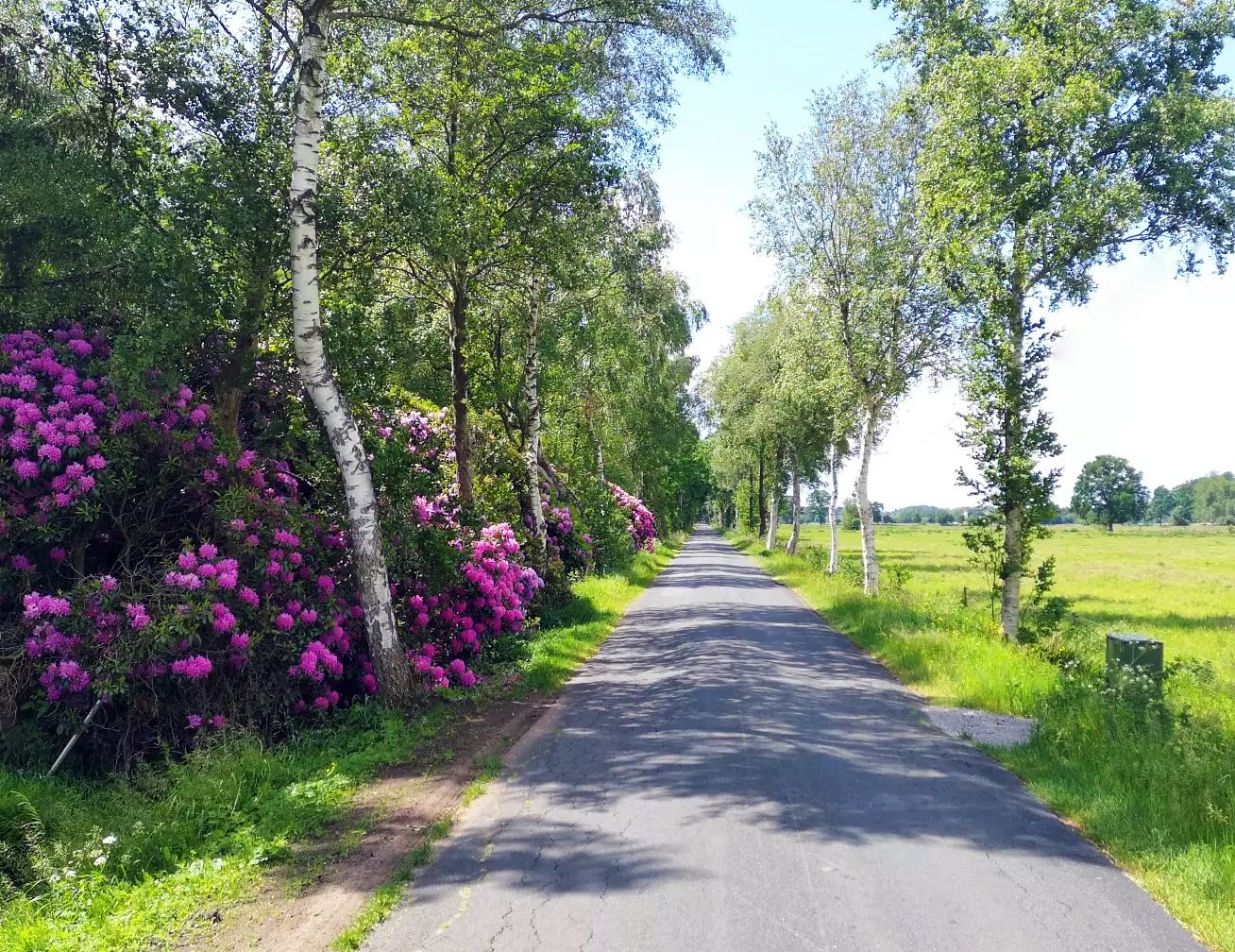
Ammerland Route – Cycling through unique park landscapes
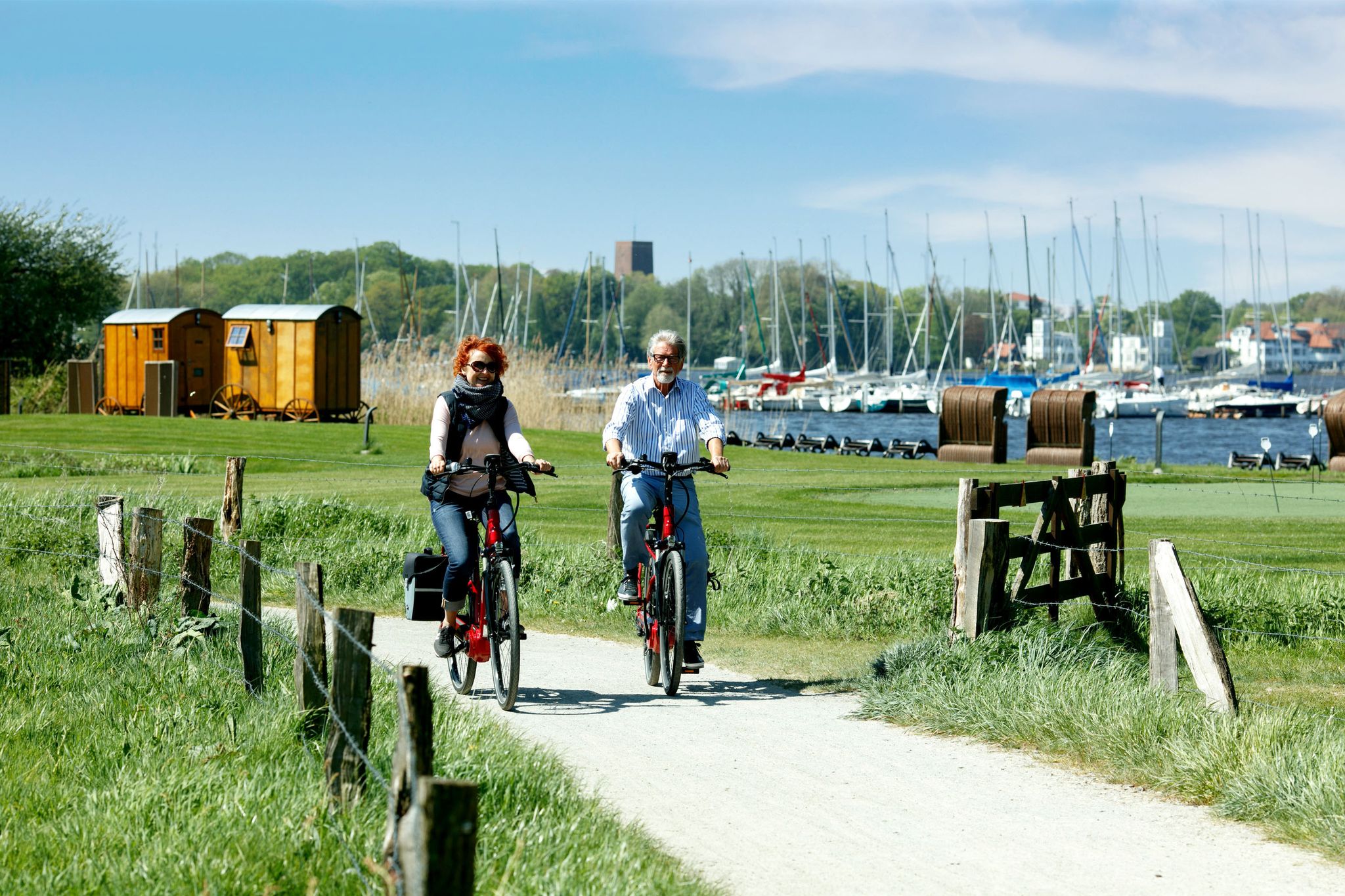
The Ammerland route – a cycling trip through the idyllic park landscape
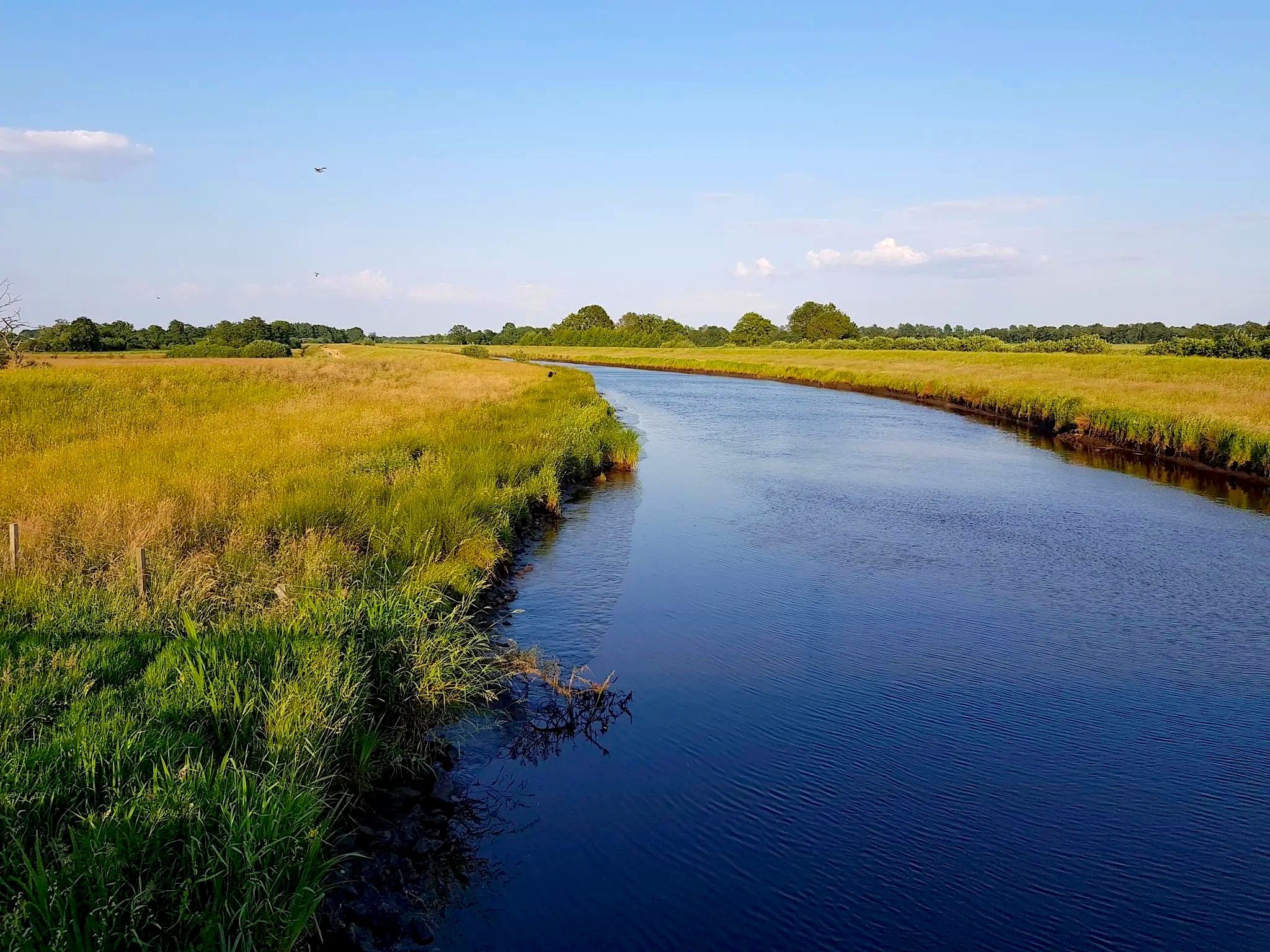
Peace, space and fresh air – hiking the Ems-Hunte-Weg
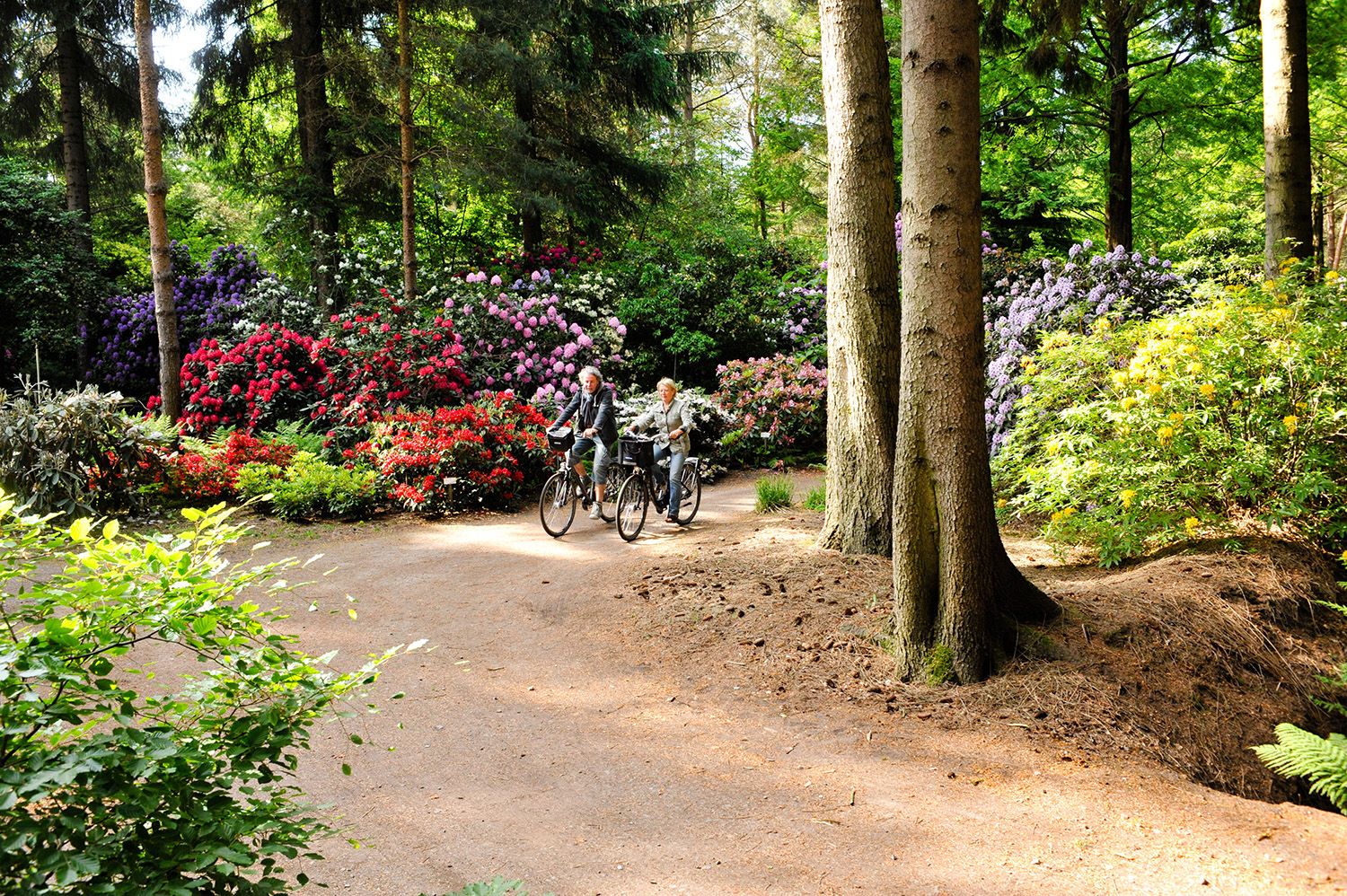
The 15 most beautiful themed bike Tours in Germany’s Ammerland
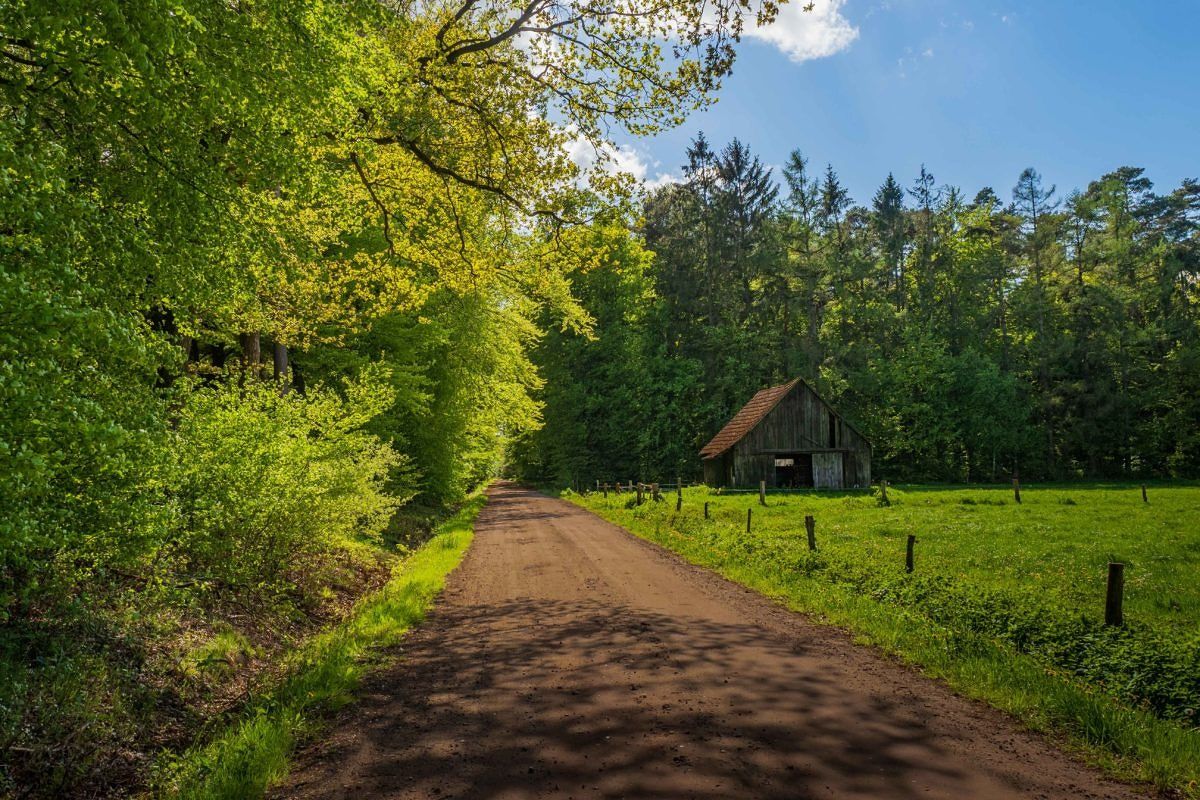
Spazierwanderwege in der Parklandschaft Ammerland
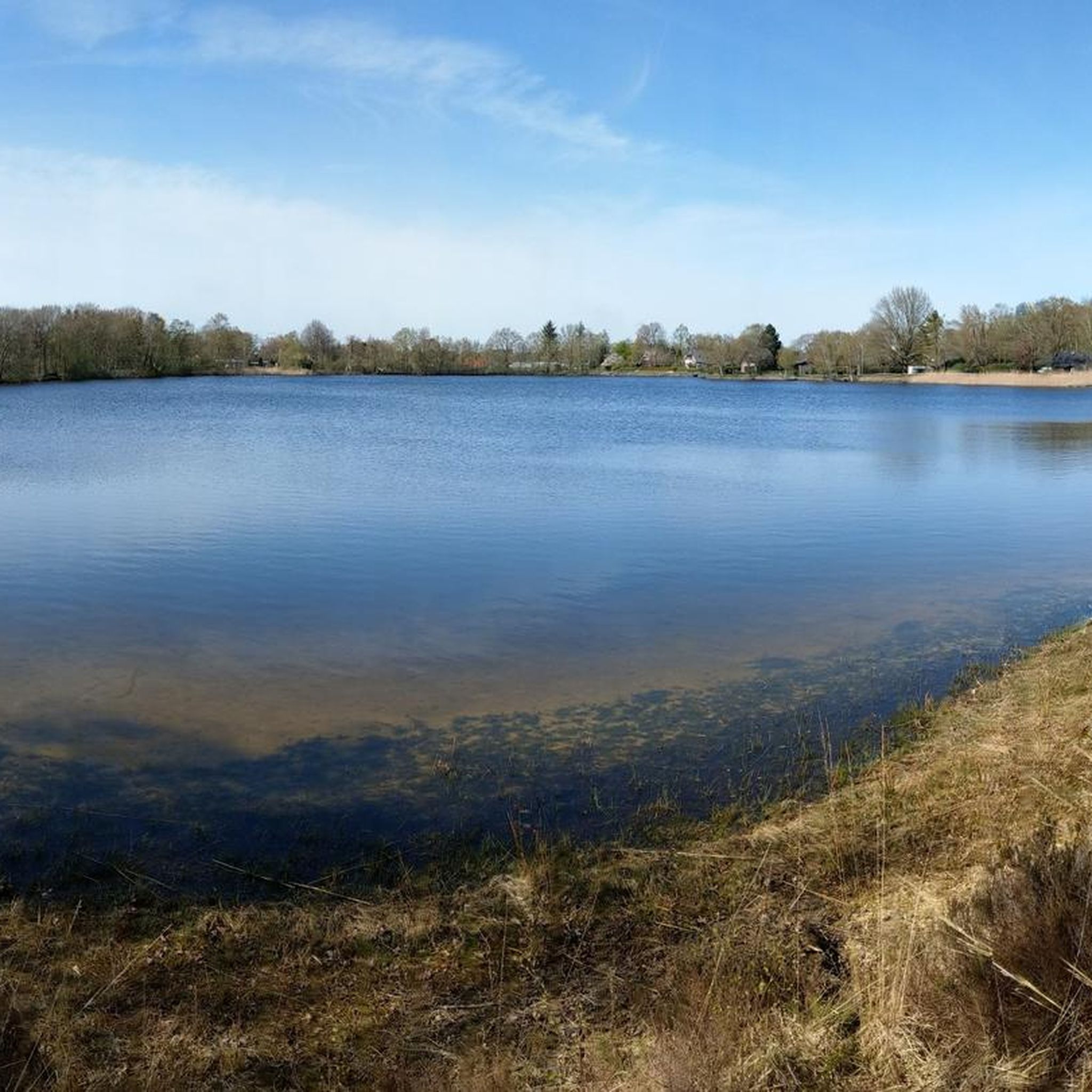
Cycling around Westerstede
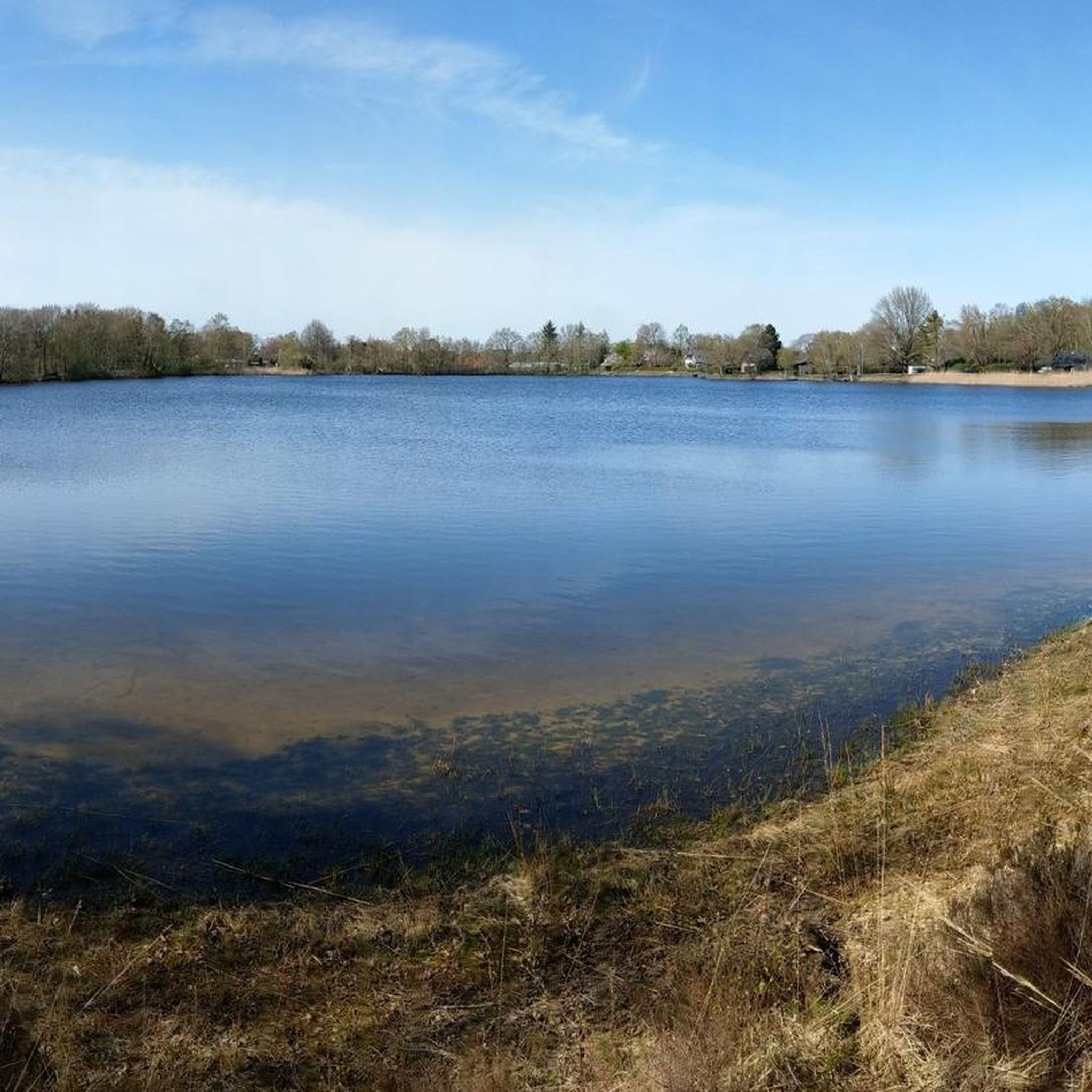
Hiking around Westerstede
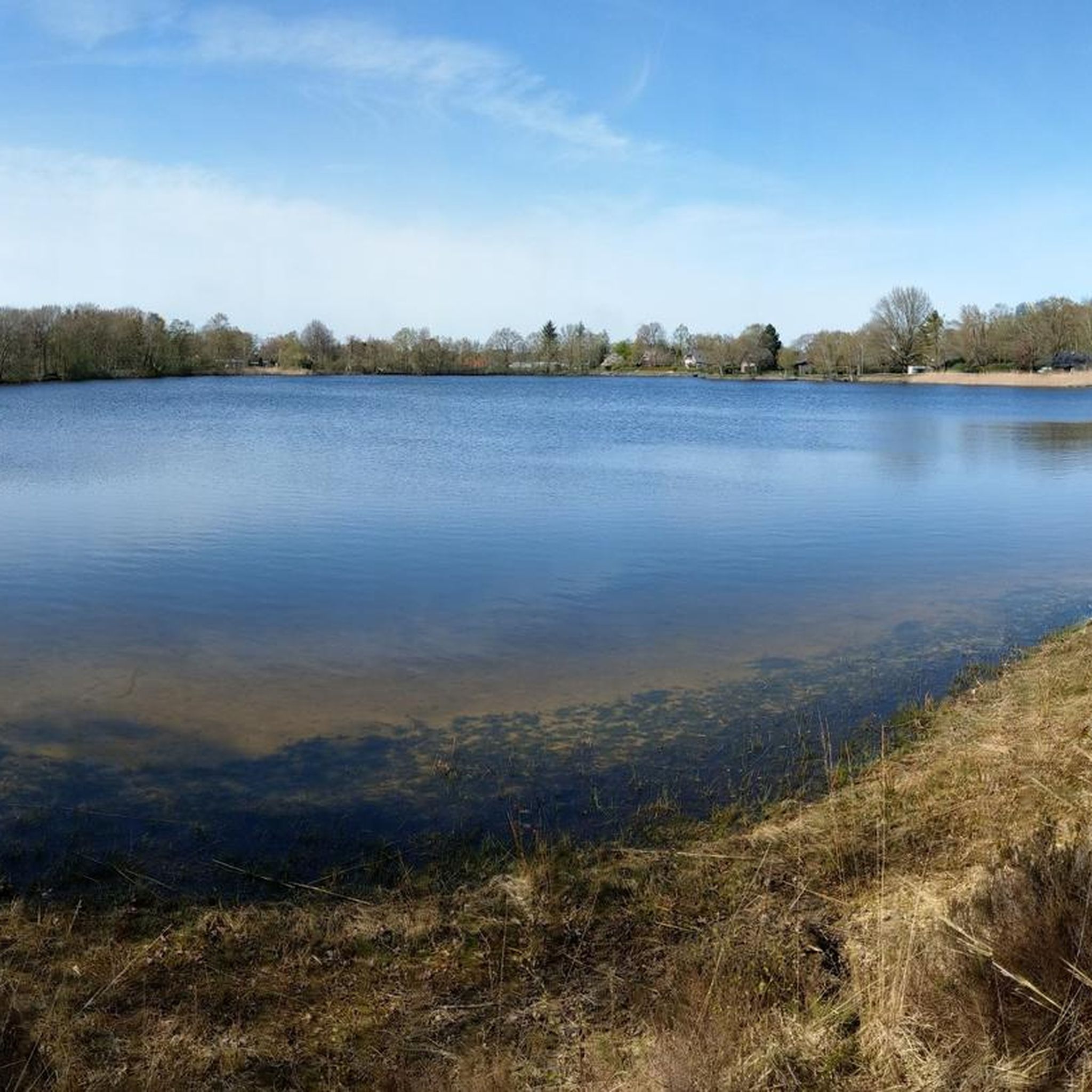
Road Cycling Routes around Westerstede
Running Trails around Westerstede

Gravel biking around Westerstede
Other adventures around Westerstede


Tips from the Community

Excavations confirmed the existence of the complex - information boards: Three mountains used to be the Dreibergen castle hill. "Three mountains" stand out in the town of the same name on the northern shore of the sea. Many people have certainly puzzled over the hills. They are - as excavations by archaeologist Dr. Dieter Zoller prove - more than just simple elevations. In the middle of the twelfth century, a castle complex belonging to the Counts of Elmendorf stood here. Information boards present the history. https://www.bad-zwischenahn.de/de/gemeindeportrait/geschichte/Elmendorfer-Burg.php
6
0

Elmendorf Castle, also called Elmendorf Castle or Three Hill Motte, is a ruined tower hill castle (motte) in the Dreibergen nature reserve on the northern shore of the Zwischenahner Meer near Elmendorf, a district of Bad Zwischenahn in the Ammerland district in Lower Saxony.
3
0

Köhlmoor Castle was rebuilt in 2014 and is located next to the airfield in Felde - Westerstede. The castle received its name because the “Köhlmoor” was once located in this area. In the 17th/18th In the 19th century, two families lived here and burned high-quality charcoal from the heavy peat. The style of the house is modeled on historic Renaissance country house castles both inside and out. The outer facade - a dream of white and yellow - is decorated with shell and stucco ornaments. A large mural decorates the entrance area.
4
1

Excavations confirmed the existence of the facility - information boards: Three hills were once castle mounds, Dreibergen. The "three hills" rise conspicuously in the place of the same name on the north shore of the sea. Many have surely wondered about the hills. They are - as excavations by archaeologist Dr. Dieter Zoller prove - more than just simple elevations. In the mid-12th century, a castle complex of the Counts of Elmendorf stood here. Information boards present the history. Dr. Dieter Zoller, who died in 1993, assumed that Elmendorf Castle developed from a fortified noble court destroyed in the 10th century. This was followed by the construction of a tower castle on a flat hill, which was destroyed in the first half of the 12th century. This court and castle complex was rebuilt around 1150 by piling up the large, approximately ten-meter-high hills with a new structure. From the finds, including ceramics, a steelyard, bronze brooches, a horse bit, and a dragon-shaped candlestick, his son and architect Dirk Zoller created several reconstruction drawings. Subsequently, from the mid-12th century, several residential and utility buildings for the castle staff stood on the flattest hill. This hill was connected to the main hill by a drawbridge. On it was the castle itself - a 12-sided, mighty timber-framed residential tower. Another bridge connected the castle to the western hill, where a watchtower was presumably located. The entire complex was surrounded by moats. Little is known about the ownership. Originally, the castle probably belonged to the comital vogts in Ammerland. Count Eglimar II of Oldenburg (1108-1142) gave the nobleman Friedrich von Anvorde his daughter Beatrix as a wife. He took over the castle. In 1243, Abbess Gertrud von Anvorde bequeathed her estates to Hude Monastery. In 1331, the castle came back into the possession of the Counts of Oldenburg through an exchange. Thereafter, the Elmendorf motte lost importance and gradually fell into disrepair. https://www.bad-zwischenahn.de/de/gemeindeportrait/geschichte/Elmendorfer-Burg.php
5
1
In 1952, the then district archaeologist Dieter Zoller located the location of the castle in what is now the Wiesengrund landscape park. In 2013, two former moats were uncovered here during an excavation. According to this, Specken Castle was a typical late medieval lowland castle with "at least one large building" and a relatively small castle square measuring 30 × 30 meters, surrounded by an inner moat five to six meters wide. According to an assessment of the finds, the castle existed from around 1300 to 1500. The complex had no major military function, but was important as the fortified seat of a ministerial family, whose most important representative was the Oldenburg Drost Jakob von der Specken, who was in charge of the administration and military command in the County of Oldenburg and who wrote the important Oldenburg Salbuch of 1428, a precise list of the possessions and income of the Oldenburg counts.
10
3

The stock book of Drosten von Specken documents which householders were subject to levies (serfs) to the Count of Oldenburg in 1428.
5
1

Neuenburg Castle and the adjacent park, including the Heimathof, are definitely worth a detour.
4
0

Felde airfield with Köhlmoor Castle
1
0
Frequently Asked Questions
What are some notable castles and historical sites to visit around Westerstede?
The region around Westerstede offers a mix of historical sites. You can explore the recently rebuilt Köhlmoor Castle, which features a Renaissance country house style. Another significant site is Neuenburg Castle, a former stronghold now housing an ornithological museum and a palace chapel. For a glimpse into medieval history, visit the Elmendorf Castle Mounds (Three-Hill Motte), an archaeological site of a 9th-century defensive structure. Additionally, the historical records mention Specken Castle, a former lowland castle with a rich past.
Are there family-friendly castles or historical sites in the Westerstede area?
Yes, several sites are considered family-friendly. Köhlmoor Castle, Neuenburg Castle, Elmendorf Castle Mounds, and Specken Castle are all categorized as family-friendly, offering engaging experiences for all ages. Neuenburg Castle, for instance, houses an ornithological museum that can be interesting for children.
What is unique about Neuenburg Castle?
Neuenburg Castle, originally built in 1462 as a stronghold, was later converted into a residential palace. Today, it serves as a multi-purpose community hub, housing an ornithological museum, an Evangelical Lutheran palace chapel, a wedding hall, and even a kindergarten. Its transformation from a defensive fortress to a community center makes it a unique example of adaptive reuse of historical buildings.
Can I find wheelchair-accessible castles around Westerstede?
Yes, Köhlmoor Castle is noted as wheelchair-accessible. It was rebuilt in 2014 with a Renaissance style and offers facilities for events, making it a welcoming destination for all visitors.
Are there dining options or cafes available at or near the castles?
Köhlmoor Castle features a restaurant, and its sun terrace offers a pleasant spot for drinks and cake. It's located next to the Westerstede-Felde Airfield, where you might also find opportunities for coffee and cake.
What is the historical significance of the Elmendorf Castle Mounds?
The Elmendorf Castle Mounds (Three-Hill Motte) represent the remains of a medieval motte-and-bailey castle, believed to have been built as early as the 9th century. Information boards on-site explain the history of this early medieval defensive structure, offering insights into the region's past and the architectural styles of the time.
What kind of outdoor activities can I do near the castles in Westerstede?
The area around Westerstede offers various outdoor activities. You can find numerous running trails, such as the 'Fikensolt Castle – Möhlenbült Wetland loop' or the 'Hössen Sports Complex loop'. For hiking enthusiasts, there are easy to moderate routes like the 'Mansingen Castle Site – Möhlenbült Wetland loop'. You can explore more options on the Running Trails around Westerstede and Hiking around Westerstede guides.
Is parking available at the castles?
Yes, parking is available at some of the castles. For example, Neuenburg Castle is listed as having parking facilities, making it convenient for visitors arriving by car.
What is the history behind Specken Castle?
Specken Castle was a typical late medieval lowland castle, existing from around 1300 to 1500. While it didn't have a major military function, it was an important fortified seat for a ministerial family. Historical records, such as the 'stock book' of the Drosten von Specken from 1428, document its significance in the region and its connection to the Counts of Oldenburg.
What do visitors enjoy most about the castles in the Westerstede region?
Visitors appreciate the blend of historical exploration and modern amenities. Sites like Elmendorf Castle Mounds offer a fascinating look into early medieval history with informative boards. Köhlmoor Castle is admired for its impressive facade and event facilities, while Neuenburg Castle is valued for its cultural offerings and community integration. The komoot community has shared over 200 photos and given more than 400 upvotes, highlighting the region's appeal.
Are there any castles that offer scenic viewpoints?
Yes, Neuenburg Castle and the Elmendorf Castle Mounds are both categorized as offering viewpoints. The Elmendorf site, in particular, allows visitors to explore the historical landscape and appreciate the natural surroundings where the ancient castle once stood.
What kind of architectural styles can I expect to see among the castles?
The castles around Westerstede showcase diverse architectural styles. You can see the remnants of medieval motte-and-bailey castles at the Elmendorf Castle Mounds. Köhlmoor Castle, though rebuilt, is based on historical Renaissance country house castles, featuring impressive facades with shell and stucco ornaments. Neuenburg Castle evolved from a defensive stronghold to a residential palace, reflecting changes in architectural purpose over centuries.
Most popular routes around Westerstede
Most popular attractions around Westerstede

Get inspired with the komoot mobile app


Explore more
Looking for the best castles somewhere else? Discover other guides around Westerstede:
