Attractions and Places To See in the Amargosa Range - Top 20
Best attractions and places to see in the Amargosa Range include a diverse array of natural features and significant landmarks. This rugged mountain chain forms the eastern boundary of Death Valley National Park, offering unique desert landscapes. Visitors can explore notable geological formations, expansive salt flats, and scenic viewpoints within this captivating region. The Amargosa Range is composed of three distinct mountain groups: the Grapevine, Funeral, and Black Mountains.
Best attractions and places to see in the Amargosa Range
- The…
Last updated: July 6, 2026
Badwater Basin Salt Flats
Highlight • Natural Monument
Tip by

Golden Canyon Trail
Highlight (Segment) • Canyon
Tip by
Sign up now to discover places like this
Get recommendations on the best single tracks, peaks, & plenty of other exciting outdoor places.
Sign up for free
Gower Gulch
Highlight (Segment) • Canyon
Tip by
Red Cathedral
Highlight • Natural Monument
Tip by

Dante's View — 1,669 m
Highlight • Viewpoint
Tip by

Manly Beacon
Highlight • Natural Monument
Tip by
Artist's Palette
Highlight • Natural Monument
Tip by
Natural Bridge Trail
Highlight • Natural Monument
Tip by
Mount Perry Trail
Highlight • Trail
Tip by
Badlands Junction
Highlight • Trail
Translated by Google •
Tip by

Sign up for free to discover even more attractions in the Amargosa Range.
Sign up for free
Already have an account?
Start today with a free account
Your next adventure awaits.
Login or Signup
Popular around Amargosa Range
Tips from the Community

Water and sunglasses are essential!
1
0

Badwater Basin is the lowest point in North America, at 280 feet (86 meters) below sea level. The salt flats here cover nearly 200 square miles (518 square kilometers) and are composed primarily of sodium chloride (table salt), along with calcite, gypsum, and borax. Stories suggest that Badwater Basin got its name when an early surveyor’s mule refused to drink from the spring-fed pool near the current boardwalk. The water here isn’t really “bad,” just very salty. Despite the high salt content, many organisms not only survive here, but thrive. The pool is home to an endemic snail that is native only to this location, and the rim is dotted with salt-tolerant plants, including samphire. Badwater Basin was once the site of the large, ancient inland lake Manly, which evaporated tens of thousands of years before the arrival of the man in 1849 for whom it is named. The lake had no outlet, so over time sediment and salt accumulated. When the lake eventually evaporated, it left behind concentrated salt layers. Today, fascinating geometric salt flats form on the plains as groundwater rises through these layers and evaporates.
4
1

This is the lowest point of the continental USA. Badwater is about 282 feet (85.5 meters) below sea level. It is also one of the hottest places in the world with temperatures around 50 degrees Celsius in the summer months. A short walk across the salt desert is still worthwhile in any heat.
3
1

Here is the lowest point in North America Badwater is about 85.5 meters below sea level.
2
3

Since you can swim in salt water, spare socks and a towel are very helpful!
1
2

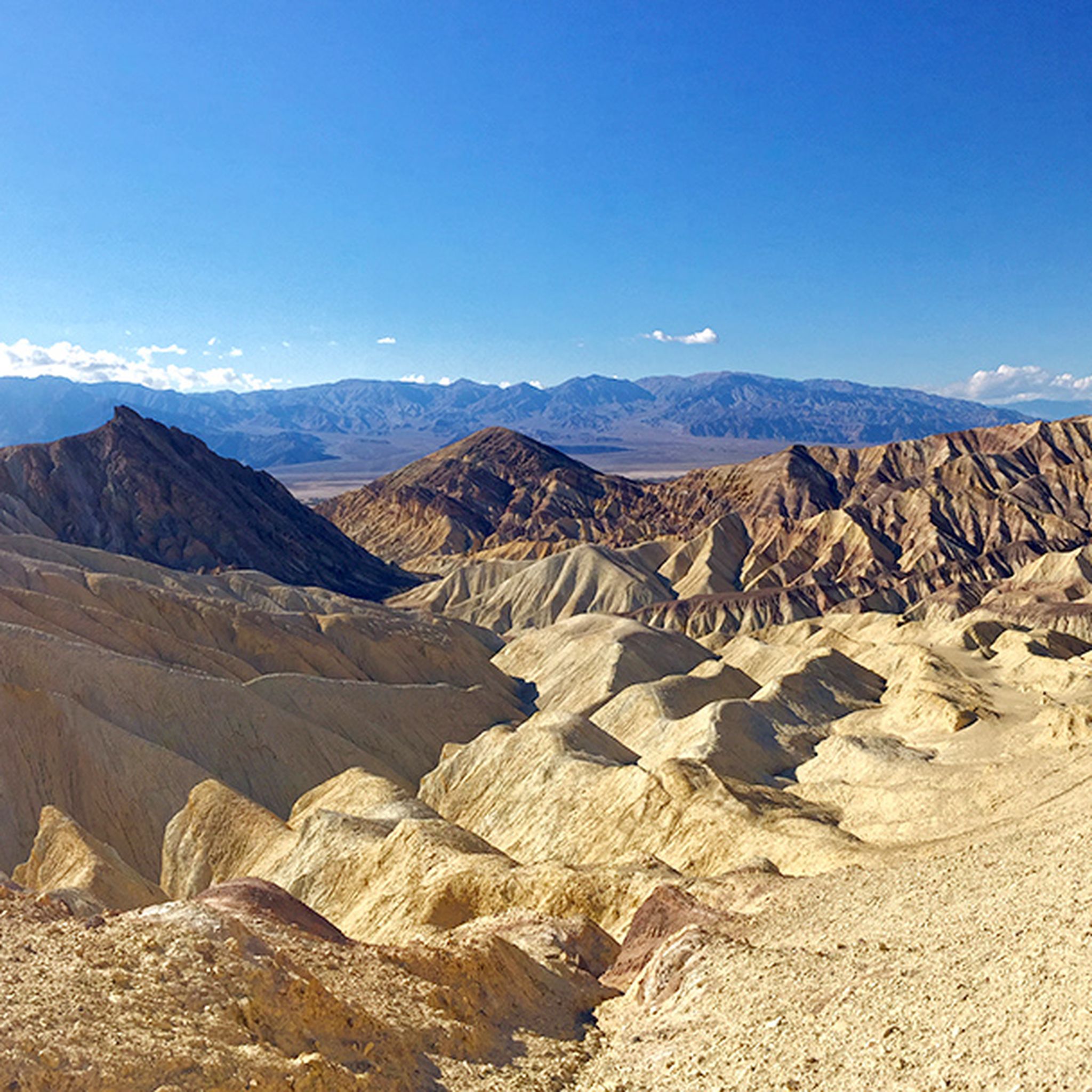
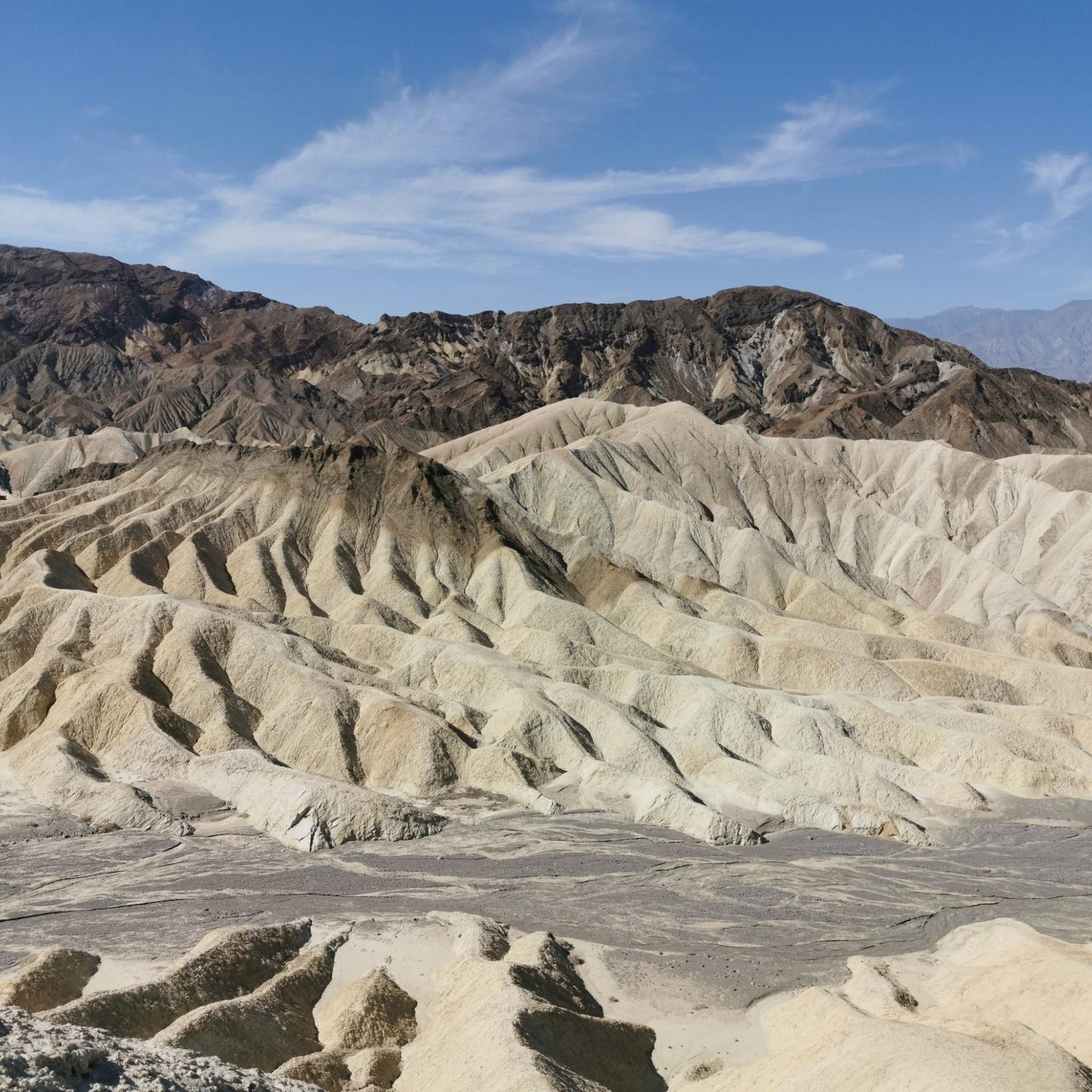
What you see is a clear representation of what an artist's palette would look like brought to nature. The landscape here is incredible, not only for its beauty, tranquility, and shapes, but also for the different colors that are evident due to minerals, including red hematite and green chlorite.
1
0

The Red Cathedral is a crimson cliff that stands out 183 meters above and behind the yellow and brown slopes and walls of the Golden Canyon. The origin of the name comes from the red rocks that have eroded into pillars in some places
0
0

Branching off various paths through the Badands, e.g. towards Red Cathedral but also back to Zabriskie Point.
0
1
Frequently Asked Questions
What types of natural attractions can I explore in the Amargosa Range?
The Amargosa Range offers a diverse array of natural wonders. You can visit Badwater Basin Salt Flats, the lowest point in North America, featuring vast, surreal salt formations. Explore the vibrant, mineral-rich hills of Artist's Palette, or hike through the colorful rock formations of Golden Canyon Trail and Gower Gulch. Other unique features include the jagged salt pinnacles of Devil's Golf Course and the large volcanic Ubehebe Crater.
Where can I find the most scenic viewpoints in the Amargosa Range?
For breathtaking panoramic views, head to Dante's View, which offers expansive vistas of Death Valley and the distant Panamint Range. Manly Beacon, accessible from Zabriskie Point, provides striking views of eroded badlands formations. The Amargosa Overlook in the Mt. Charleston Wilderness also offers spectacular views of Charleston Peak and the Amargosa Valley.
Are there family-friendly attractions in the Amargosa Range?
Yes, several attractions are suitable for families. Badwater Basin Salt Flats is a fascinating spot for all ages, offering a unique landscape to explore. Dante's View provides an accessible and stunning overlook. The Natural Bridge Trail is also categorized as family-friendly, offering an engaging walk through a canyon.
What are some popular hiking trails in the Amargosa Range?
The Amargosa Range, particularly within Death Valley National Park, offers numerous hiking opportunities. Popular options include the Golden Canyon Trail, known for its colorful rock formations, which can be extended into Gower Gulch and the Badlands Loop for longer adventures. You can find more details on various hiking routes, including easy and moderate options, in the Hiking in the Amargosa Range guide.
What is the best time to visit the Amargosa Range?
The Amargosa Range, including Death Valley, experiences extreme heat in summer. The best time to visit is generally during the cooler months, from late fall to early spring (October to April), when temperatures are more moderate and pleasant for outdoor activities like hiking and sightseeing. During summer, temperatures can reach 50 degrees Celsius, making extended outdoor activity challenging.
Are there any historical or cultural sites to visit?
Yes, the region has a rich history. You can explore the ruins of the once-booming gold rush town at the Rhyolite Historic Area near Beatty, Nevada, or visit Ryan, California, a meticulously preserved ghost town from the borax mining era. The Amargosa Opera House in Death Valley Junction is a unique cultural attraction. Additionally, the Old Spanish Trail crosses sections of the Amargosa River, and numerous archeological sites along the river provide evidence of indigenous occupation.
What unique natural features can I find along the Amargosa River?
The Amargosa River, though often flowing underground, surfaces in segments to create rare riparian habitats. The Amargosa Canyon showcases these lush areas, along with historical sites, a waterfall, and impressive geological formations. Ash Meadows National Wildlife Refuge, the largest remaining oasis in the Mojave Desert, is fed by these springs and is home to unique and endemic species.
What outdoor activities, besides hiking, can I do near these attractions?
Beyond hiking, the Amargosa Range offers opportunities for running and exploring unique landscapes. You can find various running trails, including routes like the Golden Canyon Trail to Red Cathedral or the Harmony Borax Works loop, by checking the Running Trails in the Amargosa Range guide. Big Dune in the Amargosa Valley is also popular for off-highway vehicle recreation.
Are there any hidden gems or less-known spots worth visiting?
While many attractions are well-known, exploring areas like the Amargosa Canyon can reveal lush riparian habitats, a waterfall, and historical sites. The Kingston Range Wilderness, part of the broader Amargosa Basin, offers diverse habitats where you might spot elusive bighorn sheep. For a unique natural experience, the Racetrack Playa is known for its mysterious 'sailing stones'.
What do visitors enjoy most about the Amargosa Range?
Visitors frequently highlight the surreal and unique landscapes, such as the vast salt flats of Badwater Basin, and the vibrant, colorful rock formations found in areas like Golden Canyon. The breathtaking panoramic views from Dante's View are also consistently praised. Many appreciate the opportunity for scenic hikes and the feeling of being in such a unique and extreme environment.
Are there any hot springs in the Amargosa Range area?
Yes, Tecopa Hot Springs provides natural hot springs for relaxation. This area is known for its therapeutic mineral waters and offers a unique way to unwind after exploring the rugged desert landscape.
Where can I find visitor services or amenities?
The historic town of Furnace Creek serves as a major visitor center and headquarters for Death Valley National Park. Here, you can find exhibits on the area's history, geology, and nature, as well as amenities like accommodation and dining options. China Ranch Date Farm, near Tecopa, also offers access to hiking trails and has a store.
Most popular routes in the Amargosa Range
Most popular attractions in the Amargosa Range

Get inspired with the komoot mobile app


Explore more
Still not found the Highlight you’re looking for? See guides of the top attractions in other regions:
